
Convex Mirror Lens Thickness and Surface Coatings: A Technical Guide for Outdoor Durability
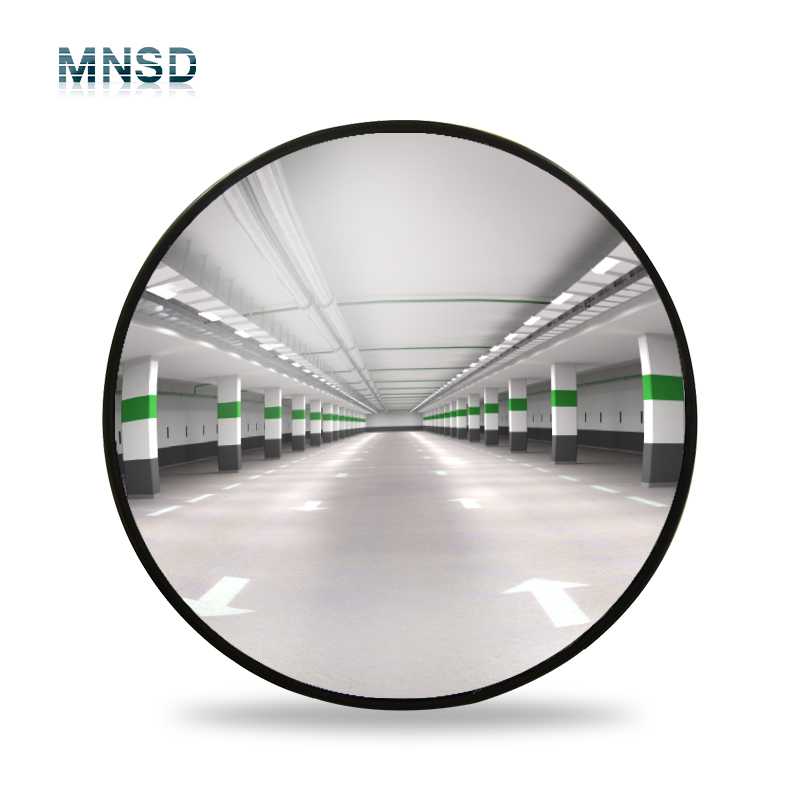
Cover: an outdoor polycarbonate convex mirror from the Mnsd YD-OC series. The lens is produced in 0.6 mm to 1 mm impact-resistant PC and finished with a vacuum aluminum reflective coating.
Lens thickness and surface coating decide how long an outdoor convex mirror stays readable. On the Mnsd YD-OC series that means a 0.6 mm to 1 mm impact-resistant polycarbonate (PC) lens that is customizable within that band, a vacuum aluminum reflective coating, and an optional anti-scratch hard coating - supported by UV resistance Grade 8, an IP65 weatherproof rating and an operating range of -30 °C to +80 °C.
Diameter is the specification everyone compares. Thickness and coating are the ones that determine whether the mirror still returns a clean, undistorted image after seasons of ultraviolet exposure, grit, jet washing, vehicle spray and temperature cycling. This guide explains what each choice changes at the installation site, how the four YD-OC models differ, and how decision-stage buyers can turn the two variables into written selection criteria for road traffic, parking garage and industrial zone projects.
Why Outdoor Convex Mirrors Lose Performance Before the Hardware Fails
A convex mirror is a passive safety device. It has no power supply, no sensor, no electronics and no moving parts, so there is very little that can mechanically fail. What degrades instead is the optical surface - and the degradation is slow, which is why it is usually noticed during an incident review rather than during a maintenance walk.
Four failure modes account for most of the loss in image quality on outdoor installations:
- Surface abrasion and hazing. Wind-borne grit, construction dust, jet washing and repeated wiping gradually dull an unprotected polycarbonate surface. A hazed surface scatters light and lowers contrast exactly where a driver needs it, at the edge of a blind spot.
- Reflective-layer damage. If the reflective layer is not bonded evenly across the curvature, moisture and temperature cycling can cloud or lift it, producing dull patches or hazy margins.
- Curvature drift. A lens that is too flexible for its exposure can deflect under wind load, vibration or thermal cycling, and a deformed dome returns a deformed image.
- Impact and thermal stress. Hail, stones, careless forklift contact and repeated cycling between -30 °C and +80 °C all test the same material at the same time.
The procurement consequence is straightforward. When a quotation describes only diameter and colour, two suppliers can quote the same convex mirror at very different prices and both be technically truthful - they are simply not the same product. Writing lens thickness and coating into the specification is what makes the comparison meaningful.
How the Outdoor Convex Mirror Market Frames the Decision
The global convex mirror market was valued at approximately USD 1.04 billion in 2025 and is projected to reach USD 1.73 billion by 2034, according to Dataintelo. Asia Pacific accounted for 42.5% of revenue in 2025, while traffic and safety applications make up the largest single application share at 38.2% of the market - the segment that depends most on lenses engineered to survive outdoors.
Supply-side signals point the same way. Global trade in unframed mirrors declined 9.2% in 2023 compared with 2022, according to Business Research Insights, reflecting supply-chain shifts and softer demand in general mirror products. The practical effect for buyers is that availability is no longer the constraint; comparability is. Suppliers who can state a lens thickness, a coating process and an environmental rating in writing are easier to audit than suppliers who describe durability with adjectives.
Two performance figures are worth carrying into a specification. Outdoor polycarbonate convex mirrors typically provide a wide viewing angle, commonly quoted in the 100° to 180° range depending on configuration, and a visual range of roughly 20-25 metres in outdoor PC convex mirror products. Those figures describe the mirror's geometry. Thickness and coating determine how long that geometry keeps performing in weather.
Scope note - site mirrors vs. vehicle mirrors. In the United States, FMVSS No. 111 governs convex mirrors installed in passenger cars as supplements: it specifies a radius of curvature between 35 and 65 inches and requires the marking Objects in Mirror are Closer Than They Appear. Fixed site mirrors used at gates, ramps, warehouses and intersections are specified under project, workplace and traffic-safety requirements instead. Buyers should confirm which regime applies to their project before comparing technical documents.
The Two Levers: Lens Thickness and Surface Treatment
Lens thickness: what 0.6 mm to 1 mm changes on site
The YD-OC series uses an impact-resistant polycarbonate lens produced between 0.6 mm and 1 mm, and thickness is customizable within that band. Thickness is not a cosmetic detail: it controls how rigid the curved surface remains, how much impact energy the lens absorbs before the reflective layer is disturbed, and how stable the image stays as the mirror heats and cools.
At the thinner end of the range, a 0.6 mm lens keeps weight and material cost down and performs well in sheltered or semi-sheltered positions - interior corners, covered walkways, garage levels with limited wind exposure and low mechanical traffic. At 1 mm, the extra material adds stiffness: the dome holds its curvature under wind load, vibration and repeated thermal cycling across the -30 °C to +80 °C operating range, and the lens carries more margin against stone strike, hail and accidental contact from vehicles or handling equipment. The trade-offs are weight and material cost, which is why a heavier lens should be matched with a mounting arrangement rated for the finished load.
For buyers, the selection rule is an exposure decision rather than a size decision: match thickness to what the site will do to the mirror, not to the diameter of the dome.
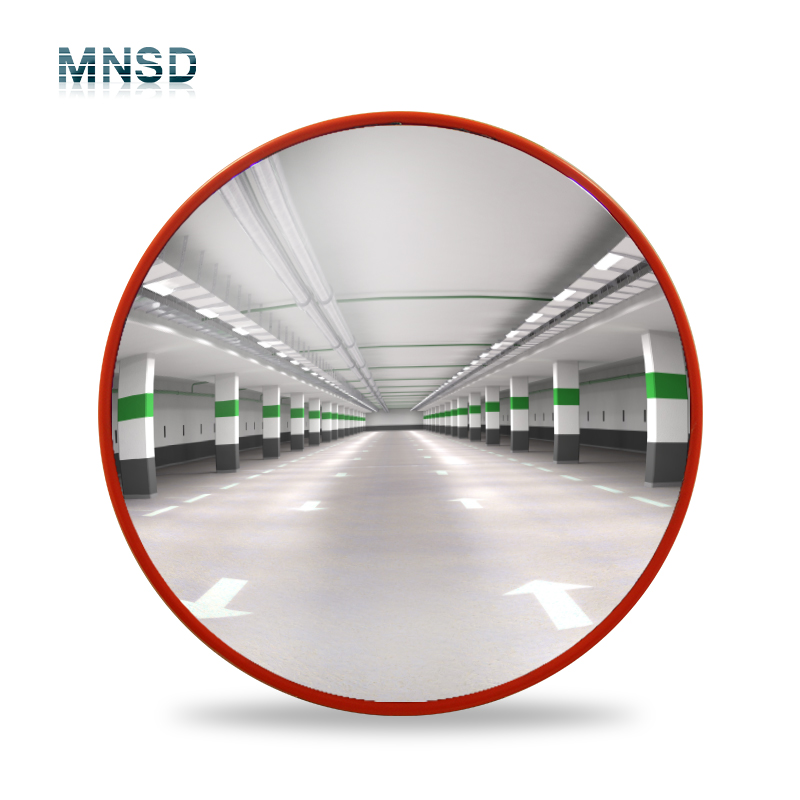
The reflective dome is where thickness and coating decisions become visible: an even reflective layer across the full curvature, protected by an optional anti-scratch hard coat.
Vacuum aluminum coating: an even reflective layer
The image itself is created by the reflective layer. On the YD-OC series this layer is applied by vacuum aluminum coating, in which aluminum is deposited onto the formed polycarbonate lens inside a vacuum chamber. Because deposition takes place in a controlled environment, the layer follows the curvature evenly instead of building up in patches, and there is no adhesive interface between the coating and the lens to trap moisture.
What that means in procurement terms:
- Consistency across the viewing area. A well-formed reflective layer reads the same at the centre of the dome and at the outer edge; uneven coating shows up as dull or hazy margins where the viewing angle is widest.
- Weather exposure without adhesive failure. A layer bonded to the lens rather than glued to it presents fewer interfaces for moisture to attack during repeated wetting and drying.
- A base for the optional hard coat. The reflective layer is protected from the outside by the lens surface treatment, which is the second lever.
Anti-scratch hard coating and transit film
Scratching is the most common surface risk on outdoor mirrors, and abrasion resistance is the control method. Mnsd applies a specialized anti-scratch hard coating to the polycarbonate surface, and protective PE film is used during assembly and transit; the film is transit protection rather than a service surface, so the working surface after installation is the coated lens.
The hard coat is optional, and the reason to add it is exposure. Sites that generate airborne grit - roadside positions, construction access routes, unpaved logistics yards - or that are cleaned frequently with jet washers and cloths benefit most. Sheltered positions that are cleaned rarely and handle no abrasive dust can be specified without it. The coating step is the difference between a lens that still reads clean after repeated wiping and one that slowly hazes at the edges.
The environment ratings behind the materials
Three ratings sit behind the lens and coating specification, and each one answers a different site question:
- UV resistance Grade 8. Ultraviolet exposure is the slowest and most persistent threat to a polycarbonate lens, breaking down an unprotected surface until it chalks and loses clarity. A UV-resistant construction rated Grade 8 keeps the surface stable through long outdoor exposure.
- IP65 weatherproof rating. IP65 means the assembly is dust-tight and protected against water projected from a nozzle. For outdoor mirrors this covers driving rain, wash-down, spray from passing vehicles and dust ingress around the lens and hood.
- -30 °C to +80 °C operating range. The rated range describes where the lens material, coating and housing continue to perform without becoming brittle in winter or deforming in summer heat. It matters most for roadside installations and unheated warehouses where temperature swings are large.
Together, impact-resistant PC construction, UV resistance Grade 8, IP65 and the -30 °C to +80 °C range describe a component built for the weather rather than for a display shelf.
Reading the YD-OC model range
The series is offered in four size steps - YD-OC60, YD-OC75, YD-OC100 and YD-OC120. Model selection follows the coverage requirement rather than the coating choice: larger steps in the range serve longer sight lines and wider junction geometry, while the smaller steps fit confined interior corners, pedestrian routes and short approach distances. Because the same model behaves differently at different mounting heights, confirm the coverage figures for a specific model and mounting position with the supplier before the site drawing is fixed.
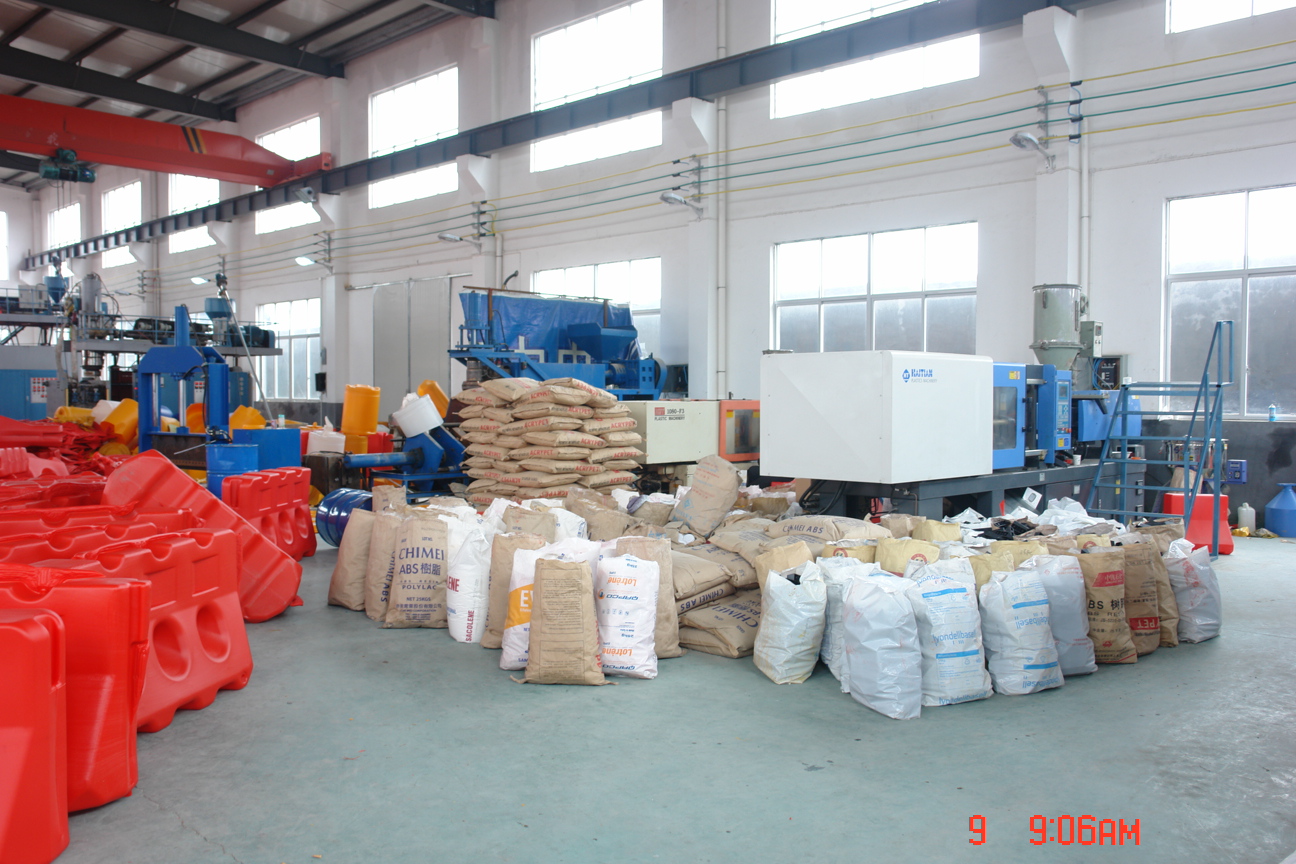
Model size, lens thickness and coating option are set in one production sequence, which is why specification changes are confirmed before production rather than after delivery.
A Specification Sequence for Decision-Stage Buyers
The sequence below converts the two variables into a written specification that suppliers can quote against. It applies equally to road traffic, parking garage and industrial zone projects.
- Map the blind spot, not the wall. Define what the driver or operator must see - a pedestrian crossing, a pallet truck exit, an intersecting aisle - and from which approach direction. Field of view and sight distance set the minimum size, and that comes before any coating discussion.
- Classify the exposure. Sheltered (covered car park levels, interior aisles), semi-exposed (open parking decks, covered loading bays) or fully exposed (roadside, gates, unpaved yards, docks). This classification drives both remaining variables.
- Set lens thickness. 0.6 mm for sheltered and low-abrasion positions; 1 mm where wind load, vibration, hail, stone strike or vehicle contact is realistic. State the figure as a range or note that customization is required.
- Set the coating stack. Vacuum aluminum reflective coating as the base; add the anti-scratch hard coating where airborne grit or frequent cleaning is expected. Where a hard coat is not specified, say so explicitly, so that quotations can be compared on equal terms.
- Confirm the environmental ratings in writing. UV resistance Grade 8, IP65 and the -30 °C to +80 °C operating range are the three figures to look for in the technical submittal.
- Select the model last. Choose the YD-OC size step once the coverage geometry and mounting height are known, then re-check that the chosen size is available in the required thickness and coating combination.
- Validate with a sample before the bulk order. Inspect the reflective layer in daylight, check the surface for coating defects, and test the abrasion resistance of the specified version. A sample is the cheapest way to confirm that a quoted specification is a delivered specification.
- Agree documents, packaging and delivery. Confirm what accompanies the shipment - technical data, protection of the lens surface in transit, and the delivery schedule for the selected configuration.
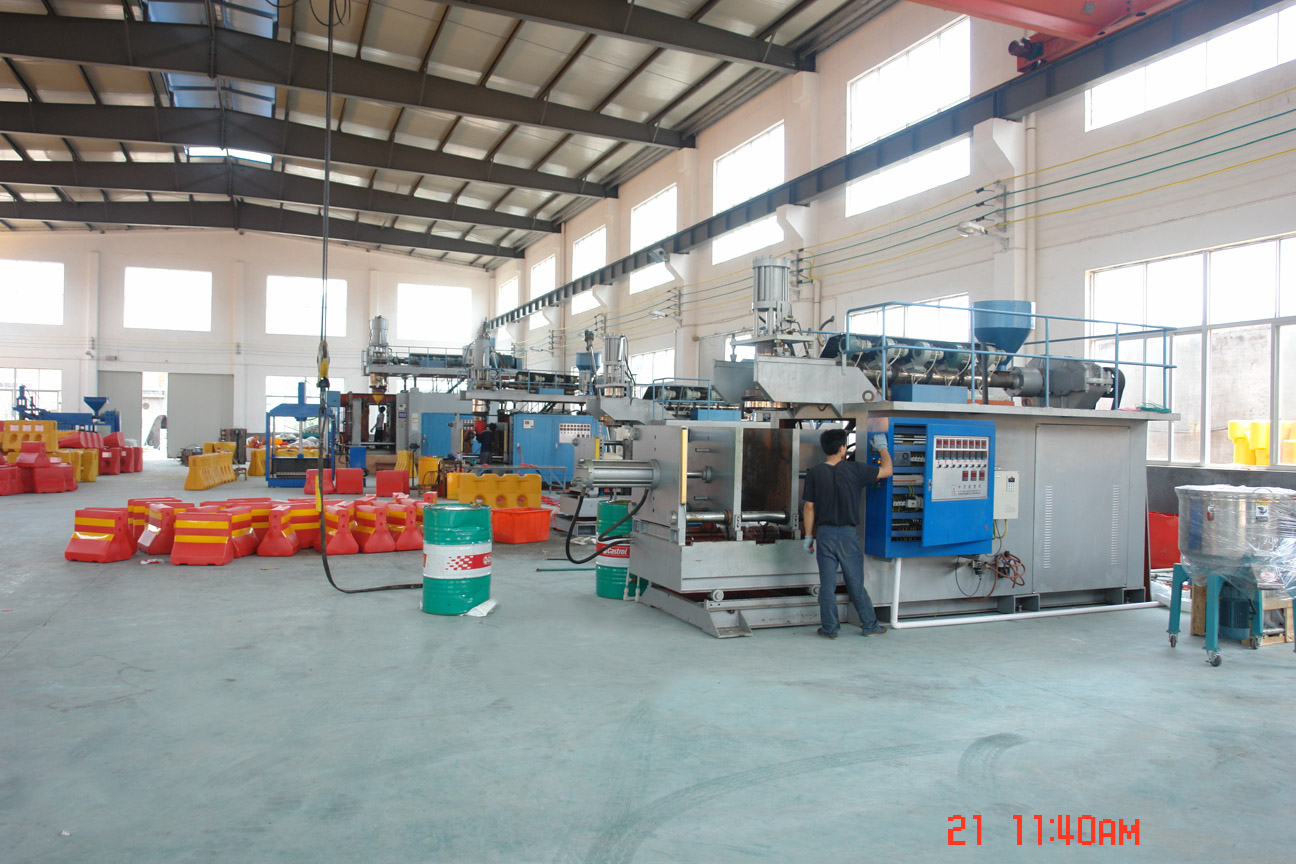
Lens production and surface treatment are staged processes: thickness, curvature and coating are set in sequence, so the configuration should be locked before production starts.
Where Each Configuration Earns Its Cost
Road traffic and roadway junctions
Roadside mirrors sit in the most demanding combination of UV, rain, grit, salt spray and vibration. A 1 mm lens with vacuum aluminum coating and the anti-scratch hard coat is the configuration that protects image quality in this exposure class. Because the mirror is a passive device, it also requires no power at remote junctions where a power supply would otherwise be the largest part of the installation cost.
Parking garages and ramps
Garages separate into two exposures. Interior levels are sheltered: a 0.6 mm lens with vacuum aluminum coating is normally sufficient, and cleaning is infrequent. Exit ramps, ramp spirals and open decks are semi-exposed: wind-driven rain, vehicle spray, exhaust film and frequent cleaning make the hard coat worthwhile, while vehicle contact risk argues for a thicker lens. Because one garage usually mixes both exposures, specifications are written per level rather than per building.
Industrial zones, warehouses and loading docks
Industrial interiors combine dust, abrasive airborne particles, forklift traffic and wash-down. Intersections with limited clearance are typically served by the smaller models in the YD-OC range, while long aisles and dock approaches need the larger steps. In this environment the hard coat contributes more to service life than lens thickness does, because abrasion, not impact, is the dominant degradation path.
Logistics parks, ports and public facilities
The wider application list for outdoor convex mirrors runs from logistics parks and ports to schools, hospitals, shopping malls, bus stations, gas stations, construction sites, residential quarters and highway ramps. What these locations share is a requirement for a passive device that keeps working without power, without a servicing schedule and without a data infrastructure. UV resistance Grade 8, IP65 and the -30 °C to +80 °C range are the ratings that make one product configurable across all of them.
Comparing Configurations and Alternatives
The tables below show how the two levers combine, and how a passive convex mirror compares with electronic monitoring on the criteria that decide most projects.
Table 1 - Lens thickness and coating combinations in the YD-OC series
| Configuration | Typical exposure | What you gain | What you accept |
|---|---|---|---|
| 0.6 mm PC lens + vacuum aluminum coating | Sheltered interior levels, covered walkways, low-abrasion positions | Lower material weight and cost; clear reflective surface where cleaning is infrequent | Less stiffness; more sensitivity to wind load and thermal cycling |
| 0.6 mm PC lens + vacuum aluminum coating + anti-scratch hard coat | Semi-exposed decks, frequently cleaned interiors, dusty sites | Higher abrasion resistance during cleaning and dusty operation | An added process step and cost; still a thinner, more flexible lens |
| 1 mm PC lens + vacuum aluminum coating | Fully exposed roadside and industrial positions with impact risk | Greater stiffness and impact margin; more stable curvature across -30 °C to +80 °C | Higher weight and material cost; mounting must be rated for the load |
| 1 mm PC lens + vacuum aluminum coating + anti-scratch hard coat | Grit, salt spray, jet washing and impact risk combined | Highest durability combination across abrasion, impact and weather | Highest material and process cost of the four combinations |
Table 2 - Passive outdoor polycarbonate convex mirror vs. electronic monitoring
| Decision criterion | Outdoor polycarbonate convex mirror (Mnsd YD-OC series) | Electronic monitoring |
|---|---|---|
| Operating principle | Passive safety device; the image is formed by the reflective surface, with no power required | Active system; depends on power, sensors and a display or recording chain |
| Energy use | Zero energy consumption | Continuous power requirement |
| Viewing angle | Wide viewing angle, commonly 100°-180° depending on configuration; typically around 180° with a 20-25 m visual range in outdoor PC models | Field of view determined by camera and lens selection |
| Upfront cost | Lower upfront cost than electronic monitoring | Higher upfront cost |
| Maintenance | Almost maintenance-free; occasional cleaning of the lens surface | Requires power and an ongoing servicing regime |
| Best fit | Road traffic, residential quarters, parking garages, factories and warehouses, logistics parks, shopping malls, supermarkets, schools, hospitals, gas stations, construction sites, office parks, ports and docks, bus stations, industrial zones, community intersections, rural roads and highway ramps | Situations requiring recording, evidence capture or remote monitoring rather than direct visual confirmation |
Frequently Asked Questions
What ratings should I verify on an outdoor polycarbonate convex mirror?
Verify three figures in writing: UV resistance Grade 8, an IP65 weatherproof rating, and an operating range of -30 °C to +80 °C - the ratings specified for the Mnsd YD-OC series. IP65 confirms the assembly is dust-tight and protected against water jets; UV resistance Grade 8 addresses long-term surface stability under sunlight; the temperature range confirms the lens and housing keep performing without becoming brittle or deforming. One boundary is worth checking at the same time: FMVSS No. 111 governs convex mirrors installed in passenger cars as supplements, requiring a radius of curvature of 35-65 inches and the marking Objects in Mirror are Closer Than They Appear, whereas fixed site mirrors at gates, ramps and warehouses fall under project and workplace safety requirements instead.
Can lens thickness and coating be customized for a specific project?
Yes. The YD-OC series uses a 0.6 mm to 1 mm impact-resistant polycarbonate lens that is customizable within that band, with vacuum aluminum coating as the reflective layer and an optional anti-scratch hard coating on the PC surface. Protective PE film is applied during assembly and transit. Tiantai Yuanda Traffic Device Co., Ltd., the manufacturer behind the Mnsd brand, has more than 15 years of manufacturing experience and provides OEM and ODM customization services, so a project specification can combine a thickness, a coating option and a model size rather than choosing from a fixed list.
What drives the cost difference between configurations?
Three factors, in order of influence: lens thickness (more polycarbonate per unit and a heavier finished product), the coating stack (the anti-scratch hard coating adds a process step) and model size (larger steps in the YD-OC range use more material). Against those upfront differences, the running cost of a passive device stays low: a convex mirror requires no power, consumes no energy, is almost maintenance-free and needs only occasional cleaning, which is why it carries a lower upfront cost than electronic monitoring. For a decision-stage comparison, weigh the configuration cost against the cost of losing sight of a blind spot, not against the cheapest mirror on the quotation sheet.
How should we validate a specification before placing a bulk order?
Request a sample in the exact configuration being quoted - same lens thickness, same coating stack - and check three things in daylight: the reflective layer should read evenly from the centre of the dome to the edge; the lens surface should be free of coating defects after any transit film is removed; and the abrasion resistance of the hard-coated version should be compared with an uncoated lens if the site involves grit or frequent cleaning. Sampling is the most reliable way to confirm that a delivered product matches a quoted specification, and Mnsd supports sample requests so the validated configuration can be locked before production begins.
What affects lead time for a customized order, and how do we move forward?
Lead time depends mainly on the configuration requested - custom lens thickness and the optional hard coating both add production steps - followed by order quantity and the mix of model sizes in the YD-OC range. Production capacity is not usually the constraint: the factory operates from a 40,000 m² facility with 300 employees and an annual output of 120,000,000 units across its road safety product lines, exporting to Asia, Europe and the USA. To move forward, send the site exposure class, the required lens thickness, the coating option and the model size to the Mnsd team for a quotation and a confirmed delivery schedule, or request a sample of the specified configuration first.
Conclusion: Specify Thickness and Coating, Then Compare
Outdoor convex mirrors rarely fail because of the hardware. They lose value when the lens hazes, the reflective layer degrades, or the dome deforms enough to distort the image - and all three outcomes trace back to two specification decisions that are easy to leave out of a quotation. Lens thickness in the 0.6 mm to 1 mm range sets the stiffness, impact margin and curvature stability of the assembly; the surface treatment stack, a vacuum aluminum reflective coating with an optional anti-scratch hard coat, determines how long the surface stays clear under UV, grit and cleaning. With UV resistance Grade 8, IP65 and a -30 °C to +80 °C operating range stated in writing, a buyer can compare outdoor polycarbonate convex mirrors on the criteria that predict service life rather than on price alone.
Next step
Send your site exposure class, required lens thickness, coating option and model size (YD-OC60, YD-OC75, YD-OC100 or YD-OC120) to the Mnsd team for a sample, a quotation and a confirmed delivery schedule.
Email: info@mnsdtraffic.com · Tel / WhatsApp: +86 184-5813-7305 · Website: www.mnsdtraffic.com
Download the product catalog: Mnsd traffic safety product brochure (PDF)
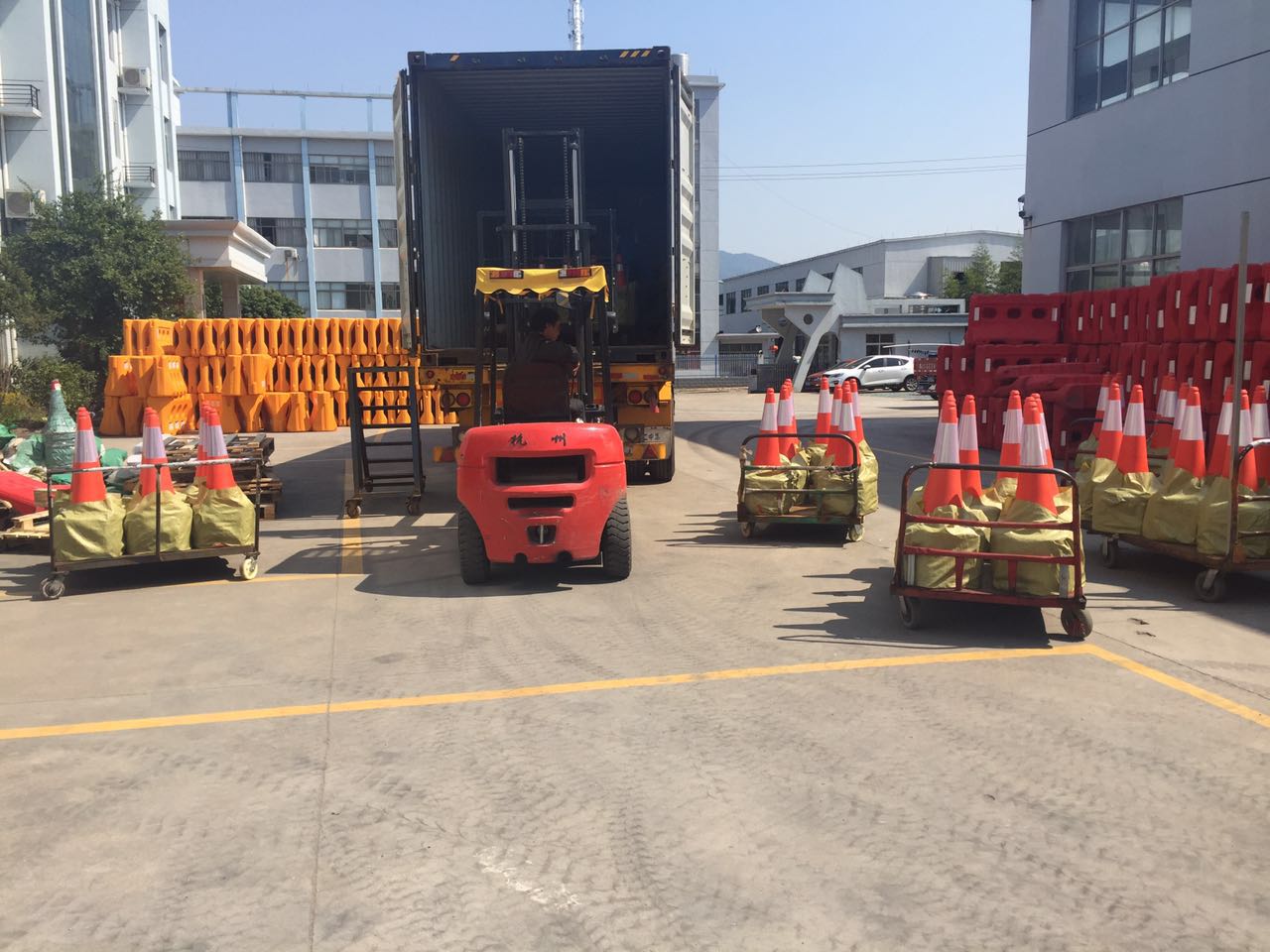
Configured orders are packed and prepared for export from the Mnsd facility, with lens surface protection retained through transit.
Market data sources: Dataintelo (global convex mirror market size, regional share and application share, 2025); Business Research Insights (global trade in unframed mirrors, 2023); NHTSA / FMVSS No. 111 (convex mirror requirements for passenger cars). Product specifications reference the Mnsd YD-OC series.
Have Questions or Need More Details?
Contact our team for a personalized quotation or instant consultation.
Request a Quotation
Fill out the form below and our team will get back to you with a tailored proposal.
WhatsApp Direct Chat
Prefer to chat in real-time? Message us on WhatsApp for instant assistance & quick answers.
- Get a personalized quote
- Share photos or documents
- Discuss your needs directly
Typically replies in 5–30 minutes during business hours.