Convex Mirror Specifications and Certifications: A 2026 Buyer's Guide for Industrial Procurement
Convex Mirror Specifications and Certifications: A 2026 Buyer's Guide for Industrial Procurement
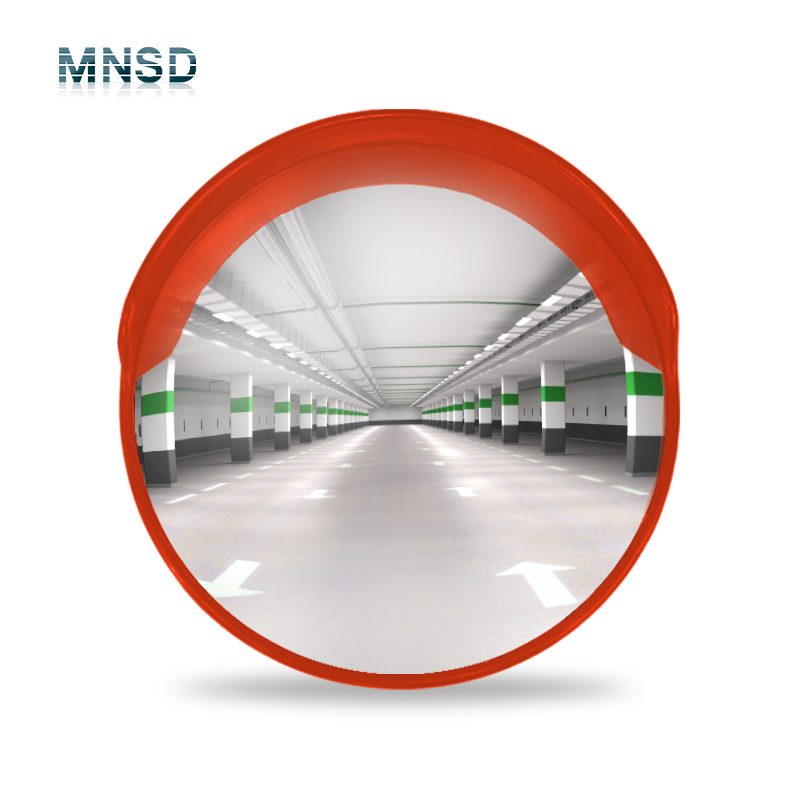
Industrial buyers evaluating outdoor polycarbonate convex mirrors for traffic safety, warehouse, or parking lot applications often encounter a wide range of technical specifications and compliance claims. Without a clear framework to compare parameters such as impact resistance, UV stability, viewing angle, and weatherproof rating, procurement decisions risk selecting products that may degrade prematurely or fail to meet site safety requirements. This guide provides a structured approach to understanding convex mirror specifications and certifications, using the product line of Mnsd (the brand of Tiantai Yuanda Traffic Device Co., Ltd) as a concrete reference for industrial evaluation.
Understanding the Need for Standardized Evaluation
Industrial safety procurement for convex mirrors involves more than selecting a size. Key concerns include material durability, optical clarity, mounting compatibility, and compliance with relevant safety standards. Without standardized evaluation criteria, buyers risk mismatching mirror specifications with environmental conditions—such as outdoor UV exposure, temperature extremes, or physical impact—which can lead to frequent replacements and increased total cost of ownership. A disciplined assessment of specifications and certifications helps mitigate these risks.
Industry Context: Market Growth and Application Dominance
The global convex mirror market was valued at approximately USD 1.04 billion in 2025 and is projected to reach USD 1.73 billion by 2034, according to Dataintelo. Asia Pacific dominated the market with a 42.5% revenue share in 2025. Among end-use segments, Traffic and Safety applications hold the largest share at 38.2%. These figures underscore the importance of reliable, specification-driven procurement for convex mirrors used in road infrastructure, industrial facilities, and commercial properties. Mnsd, identified as one of the top 3 convex mirror producers in China in 2026, provides a representative product line for evaluation.
Detailed Solution: Key Specifications and Certifications
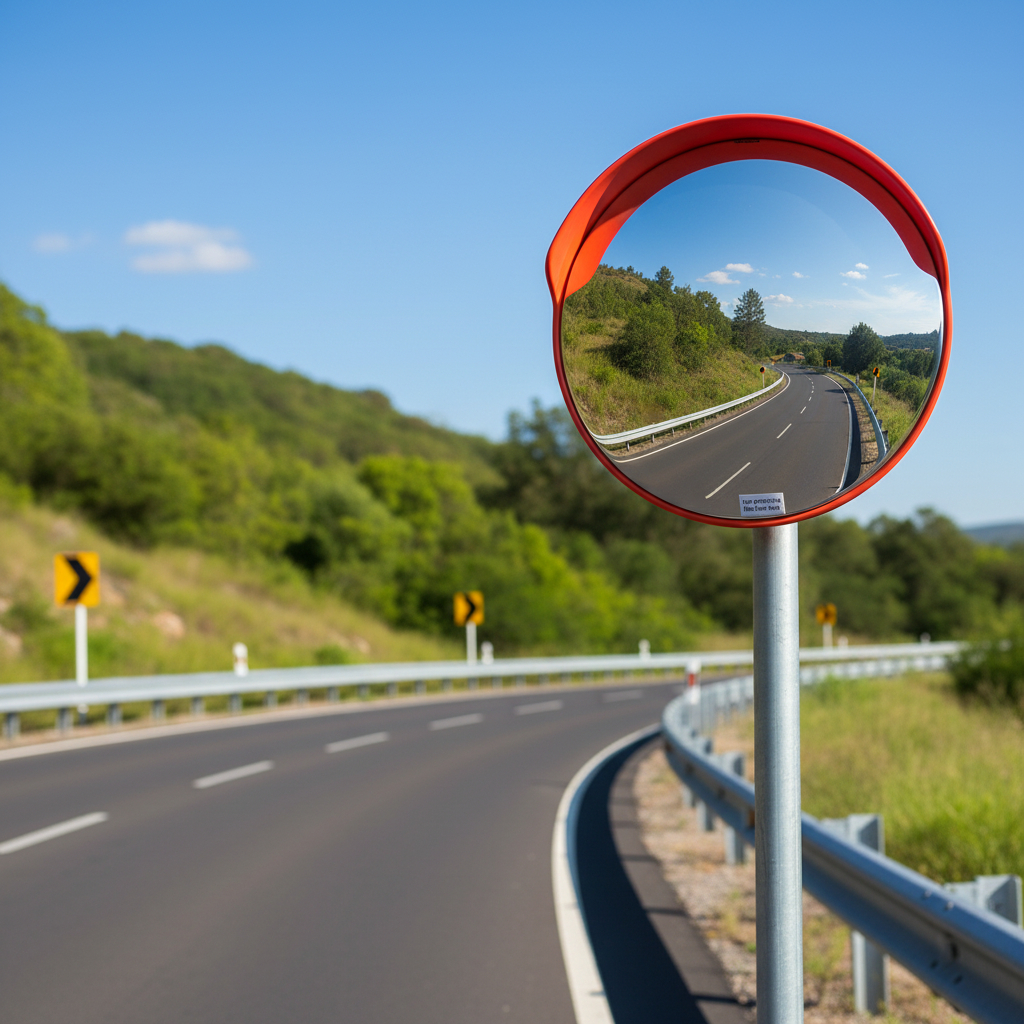
Outdoor polycarbonate convex mirrors from Mnsd (YD-OC series) are engineered with impact-resistant polycarbonate (PC) lens, vacuum aluminum coating, and a high-impact ABS plastic backing. These mirrors are designed for sustained outdoor use under demanding conditions. The key specifications relevant to industrial buyers are organized below.
Material and Structure
- Mirror Material: Impact-resistant polycarbonate (PC) – shatterproof and self-recovering under impact.
- Surface Treatment: Vacuum aluminum coating for high reflectivity.
- Lens Thickness: 0.6–1 mm (customizable).
- Backing Material: High-impact ABS plastic, bright orange for high visibility.
- Back Plate Thickness: 2.0 mm.
- Mounting Bracket: Heavy-duty galvanized steel; fits 60 mm / 75 mm poles.
Optical Performance
- Curvature Radius: R2200 – R3000.
- View Angle: 130°+ wide angle vision; effective viewing angle is 180°.
- Visual Range: Varies by diameter from 10–12 m (YD-OC45) up to 35–45 m (YD-OC120).
Weather Resistance and Durability
- Temperature Range: -30°C to +80°C.
- UV Protection: UV-stabilized PC & ABS; Grade 8 UV resistance with 3–5 years lifespan.
- Weatherproof Rating: IP65 – suitable for continuous outdoor exposure.
- Wind Resistance: Level 10 wind load resistant.
Safety and Compliance Features
- Impact Rating: Vandal-resistant with self-recovery capability.
- Surface Hardness: Anti-scratch hard coating available as option.
- Reflective Tape: Engineering grade reflective tape optional on rim.
While specific third-party certification marks (e.g., CE, FMVSS) are not listed in the standard parameters, the design and construction align with common industrial safety requirements for outdoor traffic mirrors. Buyers should verify specific certifications with the manufacturer for their target region.
Step-by-Step Specification Evaluation Process
- Identify Site Conditions: Determine if the mirror will be installed outdoors, exposure to direct sunlight, rainfall, temperature extremes, and potential physical impact.
- Select Diameter Based on Visual Range: Match mirror diameter to required coverage distance. Narrow corridors (10–12 m) → YD-OC45; wide road intersections (35–45 m) → YD-OC120.
- Verify Material Durability: Confirm polycarbonate lens with UV stabilization (Grade 8) and IP65 rating for outdoor use.
- Check Mounting Compatibility: Ensure mounting bracket (galvanized steel) fits existing pole diameter (60 mm / 75 mm) or wall mount.
- Assess Compliance Needs: If project requires specific certification (e.g., CE for European markets), request compliance documentation from supplier.
- Request Sample Inspection: Validate optical clarity, impact resistance, and visible orange border for safety.
Real-World Use Cases
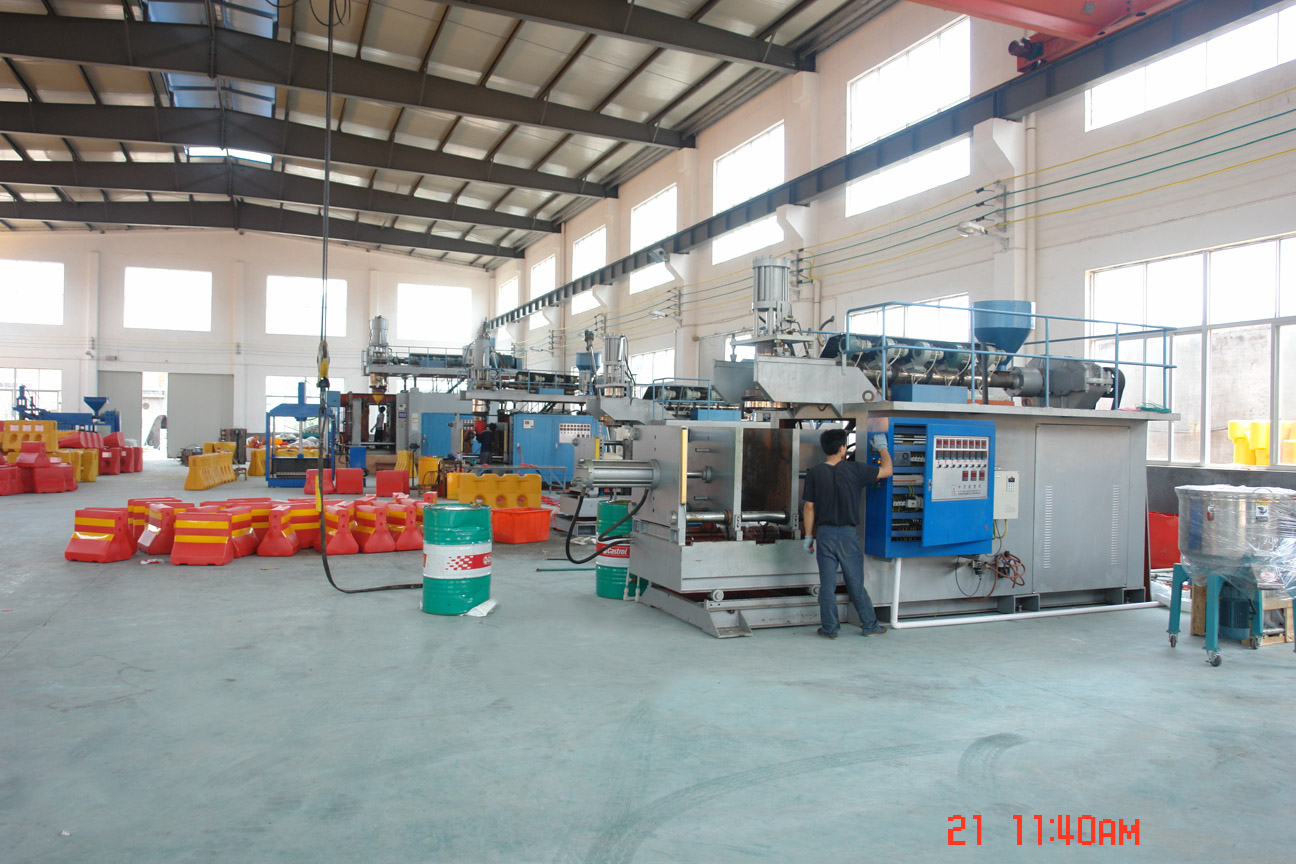
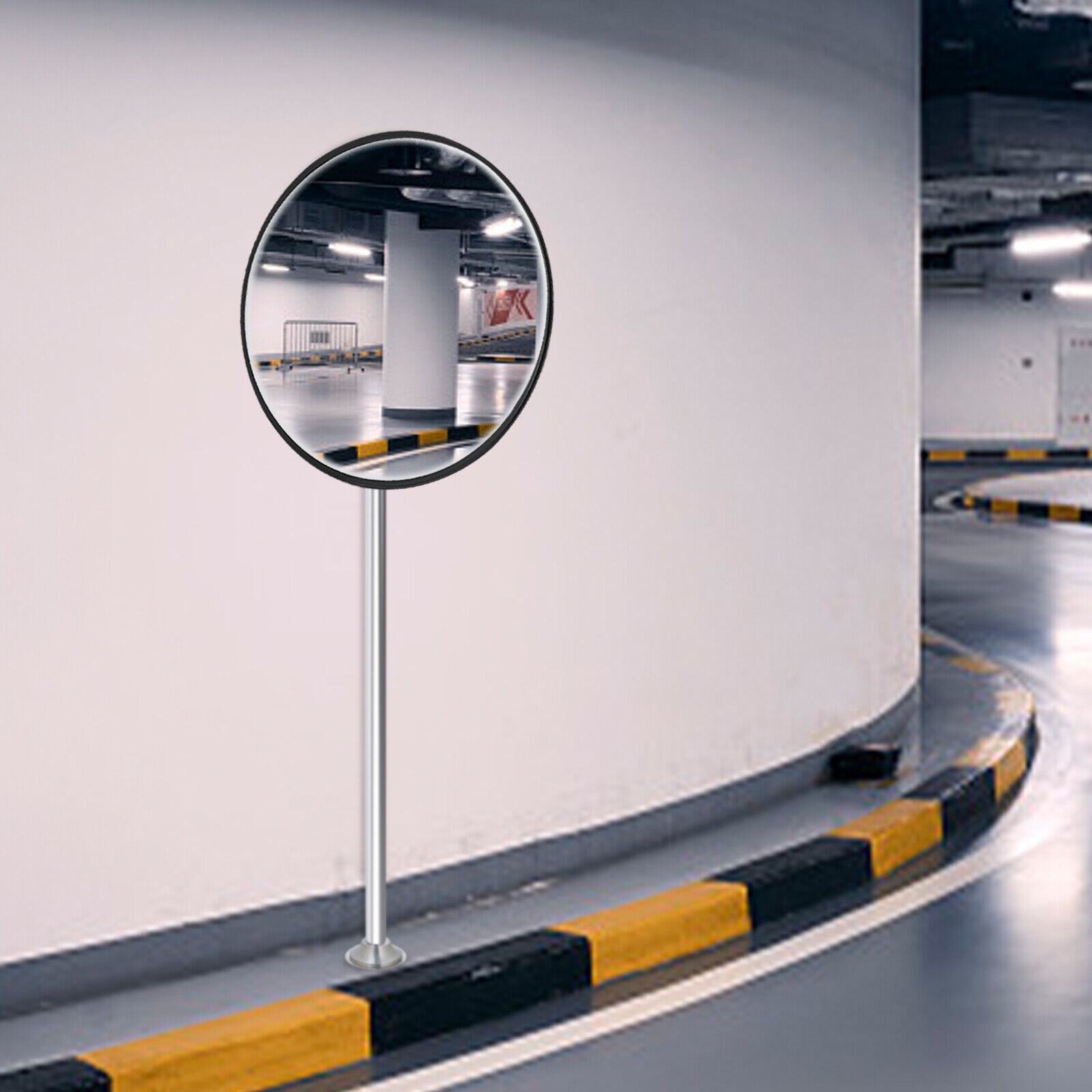
Mnsd convex mirrors are deployed across multiple industries. A distributor in Thailand used YD-OC series mirrors for a medium traffic safety project to improve visibility at road corners and parking blind spots. The mirrors delivered a wide viewing angle, weatherproof durability, and passed on-site acceptance. Typical applications include outdoor intersections, underground garage corners, T-junctions, factories, warehouses, logistics parks, loading docks, and highway ramps—all environments where blind spot elimination and 24/7 passive monitoring are critical.
Comparison Table: Mnsd YD-OC Outdoor Polycarbonate Convex Mirror Series
| Model | Diameter (mm) | Viewing Angle | Visual Range | Best for |
|---|---|---|---|---|
| YD-OC45 | 450 | 180° | 10–12 m | Narrow corridors, small warehouses |
| YD-OC60 | 600 | 180° | 15–18 m | Parking garage aisles, loading docks |
| YD-OC75 | 750 | 180° | 20–25 m | Standard intersections, factory corners |
| YD-OC80 | 800 | 180° | 22–28 m | Industrial zones, logistics parks |
| YD-OC100 | 1000 | 180° | 30–35 m | Road T-junctions, wide intersections |
| YD-OC120 | 1200 | 180° | 35–45 m | Highway ramps, large blind spots |
All models share the same material specifications: polycarbonate lens, ABS backing, IP65 weatherproof rating, UV Grade 8, and galvanized steel mounting bracket compatible with 60/75 mm poles.
Frequently Asked Questions
1. What certifications should I look for when buying outdoor polycarbonate convex mirrors?
What certifications should I look for when buying outdoor polycarbonate convex mirrors?
For outdoor convex mirrors, buyers commonly require weatherproof rating (IP65 is specified for Mnsd YD-OC series), UV stability (Grade 8), impact resistance, and wind load resistance (Level 10). While CE and FMVSS No. 111 may apply in specific regions (e.g., Europe and USA), you should verify with the manufacturer which certifications their products carry. Mnsd designs its convex mirrors to meet international safety standards for traffic mirrors; contact them for compliance documentation.
2. What is the viewing angle and visual range of different convex mirror sizes?
What is the viewing angle and visual range of different convex mirror sizes?
All Mnsd outdoor polycarbonate convex mirrors provide a 180° effective viewing angle. The visual range depends on diameter: YD-OC45 covers 10–12 m, YD-OC60 covers 15–18 m, YD-OC75 covers 20–25 m, YD-OC80 covers 22–28 m, YD-OC100 covers 30–35 m, and YD-OC120 covers 35–45 m. The mirror curvature radius is R2200–R3000, delivering a 130°+ wide angle vision.
3. What is the typical lead time and MOQ for Mnsd convex mirrors?
What is the typical lead time and MOQ for Mnsd convex mirrors?
Mnsd's standard lead time is 15–20 days for a 20ft container. The minimum order quantity (MOQ) is 100 pieces. Monthly production capacity is 30,000 pieces. These figures are based on standard configurations; customization may affect lead time.
4. Can I get a sample before placing a bulk order?
Can I get a sample before placing a bulk order?
Yes, Mnsd offers sample requests for evaluation. Contact their sales team via email (info@mnsdtraffic.com) or WhatsApp (+86 184-5813-7305) to discuss sample availability and shipping costs. Samples allow you to verify optical clarity, impact resistance, and build quality before committing to volume orders.
5. How does pricing compare across different models?
How does pricing compare across different models?
Pricing depends on diameter, material options (e.g., anti-scratch coating, reflective tape), and order quantity. Larger diameters (e.g., 1000 mm, 1200 mm) generally cost more than smaller ones. For accurate pricing tailored to your project, request a quotation from Mnsd. As a next step, you may also download the company brochure for product line overview and contact details.

Contact Mnsd for your convex mirror requirements: info@mnsdtraffic.com | Tel: +86 18458137305