
How to Audit an Outdoor Convex Mirror Supplier: A Step-by-Step Capability and Delivery Checklist
Supplier Audit Guide · Outdoor Polycarbonate Convex Mirrors · 2026 Edition
Short answer: auditing an outdoor convex mirror supplier means testing three things in writing before you commit an order — that the factory can genuinely produce every model on your site list, that its lens, backing, bracket and weather-resistance claims survive a document review and a measurable sample, and that it can repeat the same build on the next shipment. A price list answers none of those questions.
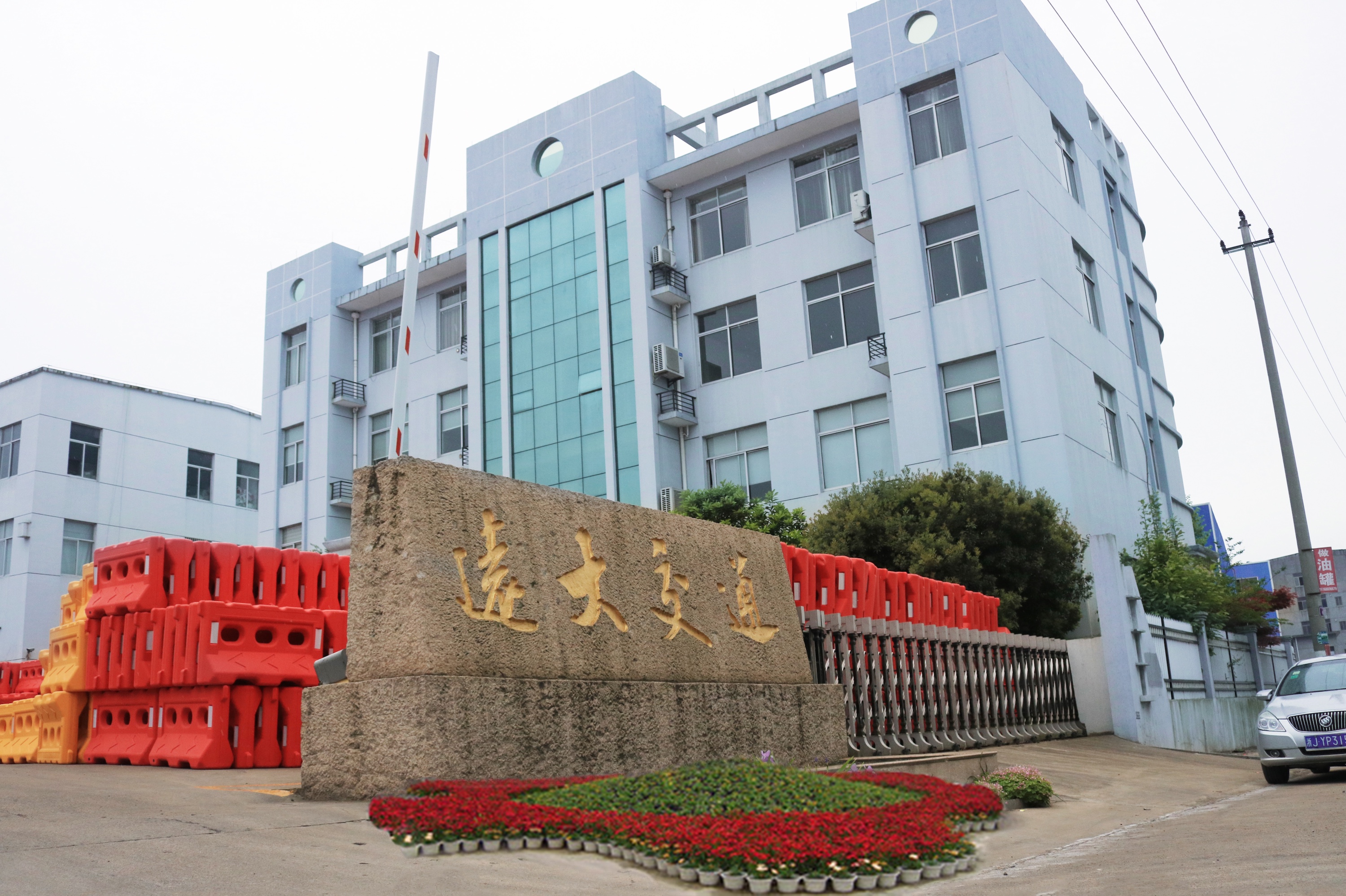
This guide turns that idea into a repeatable ten-step audit. It is written for buyers, importers and project engineers who evaluate outdoor polycarbonate convex mirrors for road traffic, parking garages, warehouses and logistics parks, and who need to confirm a supplier can deliver exactly what was specified. The published outdoor range from Mnsd — the convex mirror and traffic safety brand of Tiantai Yuanda Traffic Device Co., Ltd, a road safety equipment manufacturer based in Tiantai, Zhejiang, China — is used throughout as a worked example, so each step shows what a verifiable claim looks like next to a vague one.
Why Convex Mirror Orders Fail Long After the Purchase Order
Supplier problems in this category rarely show up on delivery day. They surface one or two seasons later, when a lens has hazed over, when a galvanized bracket has started to corrode at a coastal site, or when a project manager discovers that the 120 cm mirror quoted for a logistics park approach lane arrived as a smaller unit that does not cover the sight line the design assumed.
Three failure patterns account for most of it:
- Material substitution. A polycarbonate lens is specified, an acrylic lens ships. The two look similar in a photograph and behave very differently outdoors.
- Unverified build claims. The backing, bracket and coating are described in general language on the datasheet but never tied to a measurable specification or an inspection record.
- Order inconsistency. The sample was correct; the production batch was not, because nothing in the purchase order fixed the lens thickness, the coating process or the model labelling.
The reason these slip through is structural rather than technical. Convex mirrors are usually a small line item next to speed humps, barriers, warning posts or signage, so the audit step gets skipped in favour of a unit-price comparison. That trade is a poor one: the cost of replacing and re-shipping a failed mirror batch is far higher than the cost of one sample order and a documented specification review.
What Changed in the Outdoor PC Mirror Market
The category is growing, and that changes what a buyer is walking into. Published market research from Dataintelo values the global convex mirror market at USD 1.04 billion in 2025 and forecasts USD 1.73 billion by 2034, a compound annual growth rate of 5.8%. The same research places Asia Pacific at 42.5% of global revenue share in 2025, which is consistent with the concentration of manufacturing capacity in the region.
Growth of that kind produces two side effects that matter during an audit. First, the supplier pool expands quickly, and catalogues start to look interchangeable — similar photographs, similar model naming, similar phrases about durability. Second, cost pressure inside the channel increases, and lens material is the easiest place to absorb it. Mnsd's own published comparison puts polycarbonate at 15–35% more expensive than an equivalent acrylic mirror. That gap is the commercial incentive behind most substitution risk, and it is why the lens check in Step 3 is the single most important item on this checklist.
The Audit in One Page: Five Domains
A complete supplier audit covers five domains. Each one should end in a written answer or a documented gap, never in a verbal assurance.
- Range and capacity fit — the models listed, the diameters actually moulded, and the monthly volume behind them.
- Material and build verification — lens, coating, backing and bracket, each tied to a measurable value.
- Environmental and performance evidence — the test summaries behind weatherproofing, UV, temperature and wind load claims.
- Documentation and sampling discipline — a documentation file plus a production-representative sample you measure yourself.
- Delivery and order consistency — lead time, packaging, labelling and batch repeatability.
Step-by-Step Supplier Audit
Step 1 — Map their model range against your site list
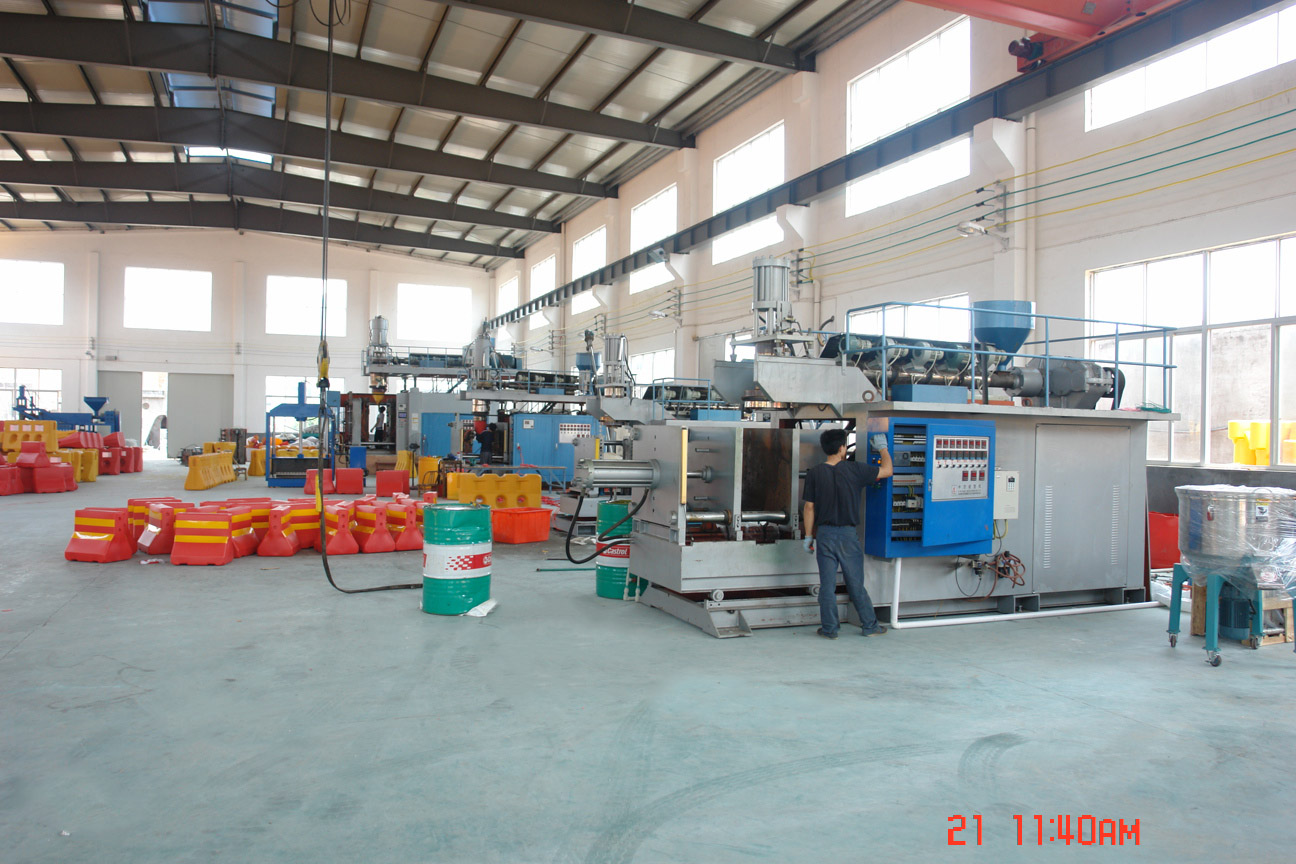
Start by asking for a written production list, not a catalogue page. You want the models currently manufactured, the diameters they can be moulded in, and a coverage distance for each. Mnsd, for example, customizes diameter across a 45–120 cm range and publishes visual ranges by size: 15–18 m for YD-OC60 and 35–45 m for YD-OC120. If a supplier lists YD-OC75 or YD-OC100 but cannot state a coverage distance in writing, mark it as unconfirmed rather than assuming a linear progression. Size-to-distance relationships should always come from the manufacturer's own data, because curvature and mounting height both affect the result.
Step 2 — Verify capacity against your own order profile
Capacity claims only matter in relation to your order shape. Ask three questions: what is the monthly output, how much of it is already committed, and how is a mixed-model order scheduled? For reference, Mnsd states a monthly capacity of 30,000 pieces, a minimum order quantity of 100 pieces, and a standard lead time of 15–20 days for a 20 ft container. A supplier that quotes a container lead time without being able to describe its production schedule is quoting a hope, not a plan.
Step 3 — Check the lens claim, then measure it
The lens is where specification drift is easiest to hide. Ask for four things in writing: the lens material, the lens thickness with a tolerance, the reflective coating process, and whether an optional hard coating is applied. Mnsd specifies an impact-resistant polycarbonate lens with customizable 0.6–1 mm thickness, a vacuum aluminum coating, and an optional anti-scratch hard coating. Then verify physically: measure the lens at three points with a caliper, hold it against a straight edge to check for distortion, and inspect the coating for haze or uneven deposition. A thickness range that lives only in a datasheet is not a specification.
Step 4 — Inspect the backing and the mounting hardware
Mirrors fail at the joints as often as at the lens. Confirm the backing material, the bracket material and finish, and the mounting interface. The Mnsd outdoor build pairs a high-impact ABS backing with a heavy-duty galvanized steel bracket and supports 60 mm and 75 mm pole mounting. During the audit, check that the galvanized coating is continuous around welds and cut edges, that the bracket allows the mirror to be aimed after installation, and that the pole collar matches the post diameters actually used on your site. A bracket that fits a 60 mm post will not fit a 75 mm post without an adapter.
Step 5 — Review environmental and performance evidence
This is the step most buyers compress into a single question and most suppliers answer with adjectives. Ask for the evidence behind each environmental claim separately. Mnsd states IP65 weatherproofing, UV Grade 8 resistance, an operating range of −30°C to +80°C, Level 10 wind load resistance, and an expected service life of 3–5 years. Two audit notes apply. First, IP65 covers dust ingress and water jets, not mechanical impact — it is not a substitute for an impact test. Second, service life is an expectation shaped by installation height, UV exposure, cleaning regime and local climate, so ask how the figure was derived rather than treating it as a warranty period.
Step 6 — Audit the quality control gate
A quality control claim is only useful if you can see what gets recorded. Mnsd applies 100% impact and clarity inspection on convex mirrors. During the audit, ask to see the inspection record format: which fields are captured, what the pass threshold is, who signs off, and what happens to a rejected unit. Then ask for two or three completed records from recent batches. Suppliers who inspect properly usually keep records that look repetitive and boring — that is the point.
Step 7 — Build the documentation file
Assemble the evidence into one file before commercial negotiation starts. The table in the next section lists what belongs in it. Anything the supplier cannot produce should be logged as a gap against the order, not accepted verbally.
Step 8 — Run a sample protocol, not a sample request
Ask for a sample drawn from normal production rather than a hand-assembled showpiece, and state that requirement in the email. Measure lens thickness, check coating evenness under direct light, confirm the backing fits without gaps, operate the swivel bracket through its full range, and verify the pole collar diameter. Record every measurement against the datasheet value. Keep the approved sample and photograph it with a date label — it becomes the reference for any dispute on the second order.
Step 9 — Pressure-test the delivery commitment
Delivery assurance is a set of specific commitments, not a lead-time number. Confirm the lead time per order type (Mnsd quotes 15–20 days for a 20 ft container), the minimum order quantity (100 pieces), the packaging specification with units per carton, and the pre-shipment evidence you will receive. Ask what happens when a batch fails final inspection close to the shipping date, and whether the schedule rebuilds or the shipment slips.
Step 10 — Score, then decide
Score each of the five domains as pass, conditional or fail. A conditional pass is normal and healthy: it means the supplier is approved subject to a named document, a re-measured sample or a first-article inspection. The suppliers worth keeping are the ones who answer a conditional item with a document rather than an assurance.
Model Range Audit Matrix
Use this matrix as a worksheet. The two coverage figures below are published values; the other two are marked as items to request, which is exactly how a buyer should treat an incomplete size chart.
| Model | Diameter to confirm | Published visual range | Audit checkpoint |
|---|---|---|---|
| YD-OC60 | Within the 45–120 cm customization range | 15–18 m | Lens thickness measured at three points; bracket matches site post diameter |
| YD-OC75 | Within the 45–120 cm customization range | Not published — request in writing | Confirm coverage distance before specifying; verify hood and bracket fit |
| YD-OC100 | Within the 45–120 cm customization range | Not published — request in writing | Confirm wind load evidence for the mounting height used on site |
| YD-OC120 | Within the 45–120 cm customization range | 35–45 m | Wind load evidence, bracket rating and pole diameter checked against site data |
Polycarbonate vs Acrylic: What the Price Gap Actually Buys
The material question is not philosophical. It is the difference between a mirror that survives an outdoor installation and one that does not, and it is the first substitution a cost-driven supplier will consider.
| Attribute | Polycarbonate lens | Acrylic lens | How to verify |
|---|---|---|---|
| Relative purchase cost | 15–35% higher than an equivalent acrylic mirror | Lower | Compare quoted unit price against the stated lens material, not against the model name |
| Impact behaviour | Specified where impact resistance is a requirement | Less impact-tolerant; better suited to lighter-duty positions | Request the material declaration and confirm it against the sample |
| Outdoor exposure | Used with UV stabilization and reflective coating for outdoor service | Typically specified for protected or indoor positions | Ask for the UV and coating evidence that applies to the exact model quoted |
Documentation and Sampling Checklist
Request these items together, in one message, so that missing documents surface early.
| Document or evidence | What it should confirm | Red flag if absent |
|---|---|---|
| Written model and size list | Which models are in production and at which diameters | Catalogue images but no production list |
| Lens declaration | Lens material, thickness with tolerance, coating process | “High quality material” with no value |
| Backing and bracket specification | Backing material, bracket material and finish, pole size | Bracket described only as “metal” |
| Environmental test summaries | The evidence behind IP65, UV Grade 8, −30°C to +80°C, Level 10 wind load | Claims repeated without any test reference |
| Quality control procedure | Inspection points, thresholds, rejection handling | No inspection records available on request |
| Production-representative sample | Measured lens thickness, coating evenness, bracket operation | Sample that cannot be traced to a production batch |
| Packaging specification | Carton dimensions, units per carton, pallet configuration | Packaging described only as “export standard” |
| Lead time and MOQ in writing | Scheduling basis for container and mixed-model orders | Lead time given verbally only |
One documentation nuance worth raising early: if a project specification cites a regional standard for traffic safety components — for example AS/NZS 1906.1:2017, which addresses retroreflective materials and devices — ask the supplier to state clearly which components the standard applies to in your installation. A convex mirror and a retroreflective device are not the same thing, and a vague “compliant” answer is a sign that the document was never read.
Use Cases: What Changes by Site
The audit steps stay the same across projects. What changes is which specification carries the most risk.
Road traffic and intersection corners
Long sight lines and exposed mounting make diameter and wind load the critical items. A logistics-park approach or a highway junction is where the YD-OC120 class, with its published 35–45 m visual range, belongs. Audit the bracket corrosion protection carefully at these sites, because a roadside pole is a harsher environment than a covered wall.
Parking garages
Mounting heights are lower and the environment is semi-protected, so aiming flexibility and housing design matter more than maximum diameter. Confirm the swivel bracket range and, where a hood or weatherproof housing is specified, check that it stays fixed under vibration rather than relying on a friction fit.
Warehouse intersections
Inside a warehouse, impact resistance and clarity retention drive the decision. Forklift traffic produces contact that a lens has to survive, and dust means the surface will be cleaned repeatedly — which is where the optional anti-scratch hard coating earns its place in the specification. Confirm the cleaning guidance before the first batch goes up.
Logistics parks
Wide approach lanes and mixed vehicle types create the most demanding combination: large diameter, high mounting, and wind exposure over a long service life. This is also the site type where order consistency matters most, because a park is usually fitted out across several phases. A distributor in Thailand ran a medium traffic safety project covering road corners and parking blind spots; the order was delivered on time and passed local acceptance. Repeatable build quality across phases is what makes that outcome possible.
Packaging, Loading and Order Consistency
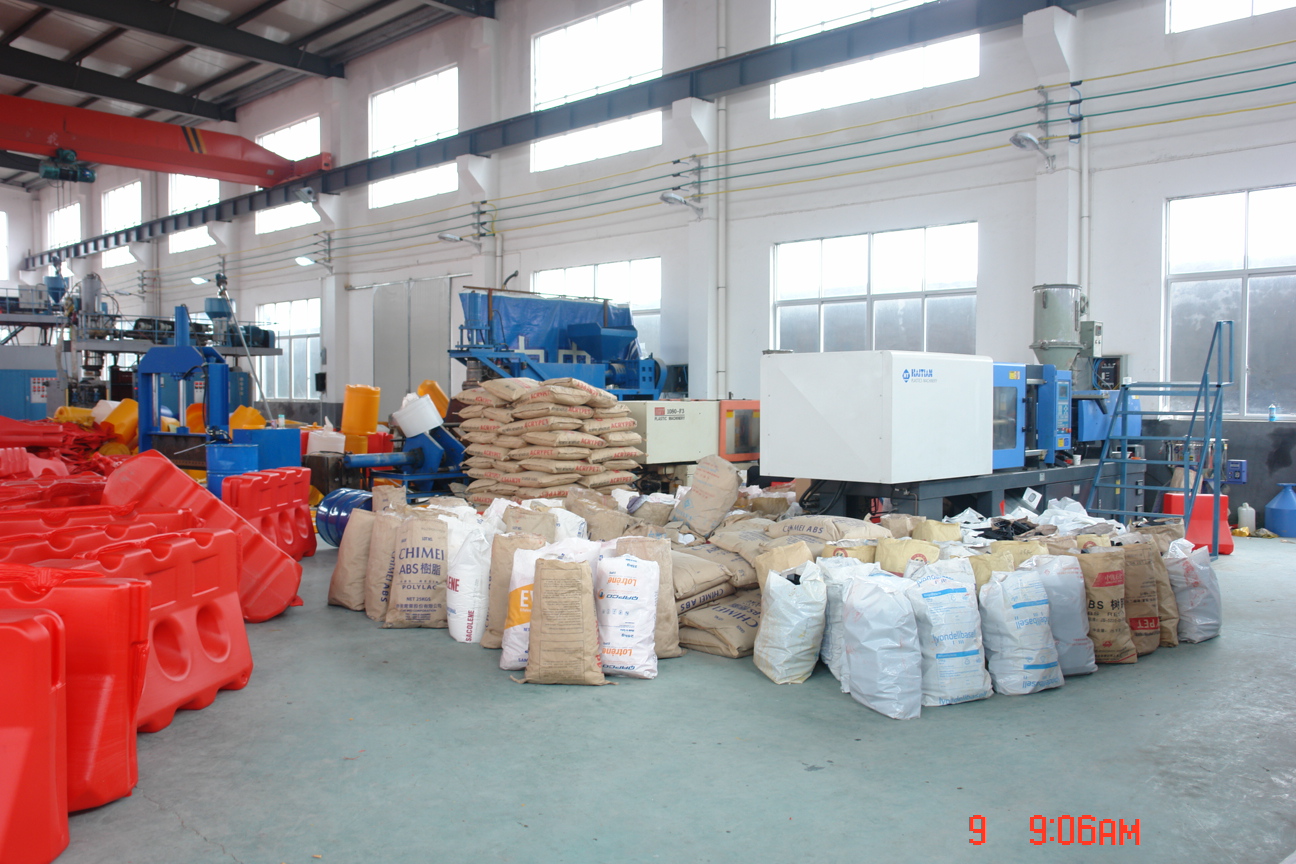
The last domain protects everything the first four established. Ask these questions in writing before the order is confirmed:
- Packaging: what are the carton dimensions, units per carton, and pallet configuration, and has the packaging been tested for the shipping mode used?
- Model labelling: how is each carton marked when one order contains several diameters — critical for multi-phase projects where a mixed pallet can stall an installation crew.
- Batch consistency: will the second order use the same lens thickness, coating process and bracket specification as the approved sample, and is that written into the purchase order?
- Pre-shipment evidence: will you receive loading photographs or a loading record before the container leaves?
- Deviation handling: what is the process if a delivered batch differs from the approved sample?
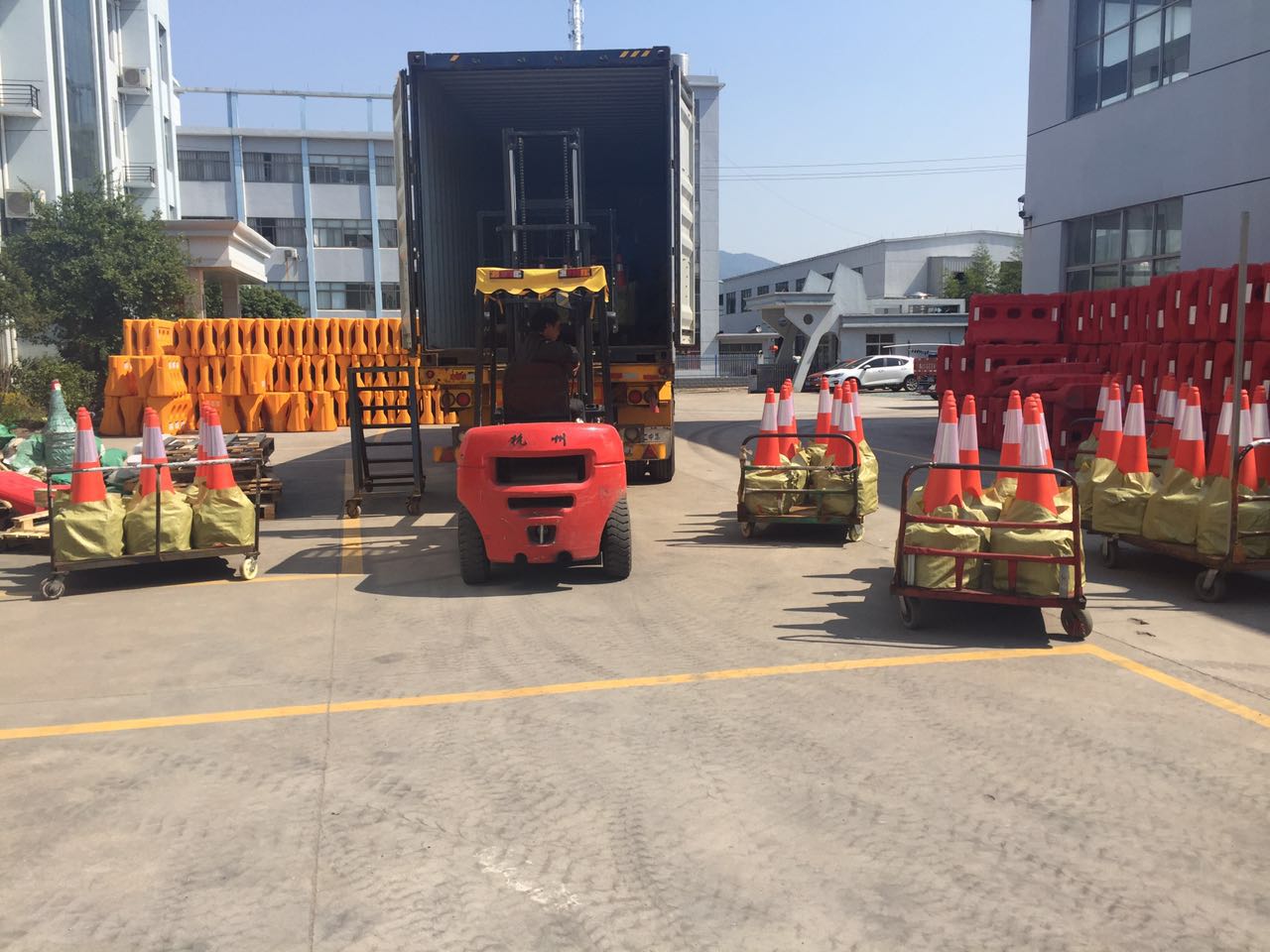
Mnsd provides loading documentation as part of its shipment process, and its OEM/ODM service covers diameter, backing material and lens customization, which means the specification you agree during the audit is the specification that can be locked for repeat orders.
Frequently Asked Questions
What environmental evidence should an outdoor convex mirror supplier be able to show?
Ask for the evidence behind each claim separately rather than a single compliance statement. Mnsd states IP65 weatherproofing, UV Grade 8 resistance, an operating range of −30°C to +80°C, Level 10 wind load resistance and an expected service life of 3–5 years. Note that IP65 addresses dust ingress and water jets, not mechanical impact, and that the service life figure is an expectation influenced by mounting height, UV exposure and cleaning regime rather than a warranty period.
How do I confirm a supplier really covers the YD-OC60 to YD-OC120 range?
Request a written production list with diameters and coverage distances, then test it with a mixed-model order. Mnsd customizes diameter across a 45–120 cm range, publishes 15–18 m visual range for YD-OC60 and 35–45 m for YD-OC120, runs 30,000 pieces per month with a 15-person R&D team, and applies 100% impact and clarity inspection. Where a model appears in the catalogue without a published coverage distance, treat that figure as unconfirmed until it arrives in writing.
Is the polycarbonate premium worth paying over acrylic?
Mnsd's published comparison puts polycarbonate at 15–35% above an equivalent acrylic mirror. That premium buys impact resistance and outdoor suitability, which is why PC is the default for roadside, warehouse and logistics installations where contact and weather exposure are expected. The audit risk runs the other way: paying for polycarbonate and receiving acrylic. Verify the lens material through the written declaration and the measured sample, not through the model name or the price alone.
What should I check on a sample before approving production?
Measure the lens at three points against the stated 0.6–1 mm thickness range, inspect the vacuum aluminum coating for haze or uneven deposition, confirm the high-impact ABS backing seats without gaps, operate the galvanized steel bracket and swivel through its full range, and check that the pole collar matches the 60 mm or 75 mm post on your site. Ask for a sample drawn from normal production, keep it as the approved reference, and photograph it with a date label.
What lead time and packaging commitments should be written into the order?
Fix the lead time, the minimum order quantity and the packaging specification in the purchase order. Mnsd quotes 15–20 days for a 20 ft container with a minimum order quantity of 100 pieces, and supplies loading documentation as pre-shipment evidence. Add carton marking rules for multi-diameter orders, a statement that the second order matches the approved sample on lens thickness, coating and bracket, and a named process for handling any deviation. To start, request the current catalogue, download the Mnsd product brochure, or send your site list to info@mnsdtraffic.com for a sample and quotation.
Conclusion: Audit the Process, Not the Catalogue
An outdoor convex mirror supplier is only as reliable as its weakest verifiable step. A factory that can produce YD-OC60 through YD-OC120, declare a measurable lens thickness, show the test basis behind its IP65 and wind load claims, and lock the same specification into the second order is a supplier you can build a multi-phase project around. One that answers those questions with adjectives is a risk you are accepting on behalf of whoever maintains the site.
The ten steps in this guide take a few emails and one sample order. Run them once per supplier, keep the documentation file, and every subsequent purchase becomes a repeat rather than a re-evaluation.
Next step: put your site list against a real specification
Send your model mix, mounting heights and target sites to the Mnsd team at Tiantai Yuanda Traffic Device Co., Ltd, and request a production-representative sample plus a quotation. You will receive the model list, lens and bracket specification, environmental evidence and a lead time commitment in writing — the same documents this audit asks for.
Email: info@mnsdtraffic.com | WhatsApp: +86 184-5813-7305 | Web: www.mnsdtraffic.com
Address: Hongsan Industry Zone, Tiantai Town, Taizhou City, Zhejiang Province, China
Have Questions or Need More Details?
Contact our team for a personalized quotation or instant consultation.
Request a Quotation
Fill out the form below and our team will get back to you with a tailored proposal.
WhatsApp Direct Chat
Prefer to chat in real-time? Message us on WhatsApp for instant assistance & quick answers.
- Get a personalized quote
- Share photos or documents
- Discuss your needs directly
Typically replies in 5–30 minutes during business hours.