
How to Deploy Convex Mirrors at Warehouse Aisle Intersections: A Step-by-Step Application Guide
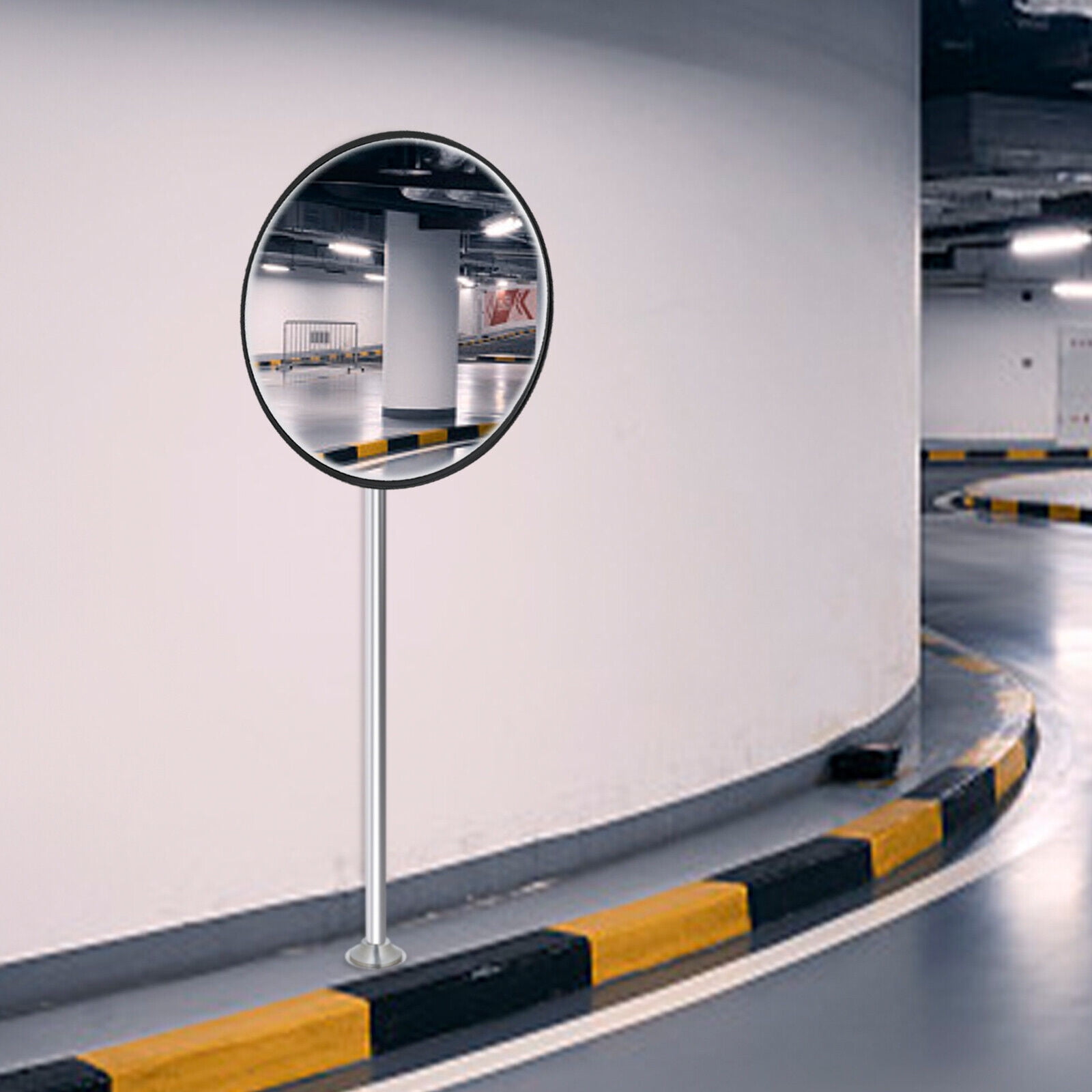
Deploying convex mirrors at a warehouse aisle intersection comes down to four measurable tasks: survey the sight line the operator actually has, match mirror diameter and curvature to that distance, fix the unit to a wall or pole with hardware rated for the environment, and verify the reflected view from every approach before the aisle goes back into service. Done in that order, a passive mirror turns a 90° racking corner into a readable intersection without power, cabling, or a monitoring subscription.
This guide is written for the safety and procurement teams who adapt outdoor-rated polycarbonate mirrors to indoor aisles, loading docks and logistics park junctions. The reference hardware throughout is the Mnsd YD-OC series: 600 mm to 1200 mm outdoor polycarbonate convex mirrors with 130°+ wide-angle optics, IP65 weatherproofing and heavy-duty galvanized steel brackets.
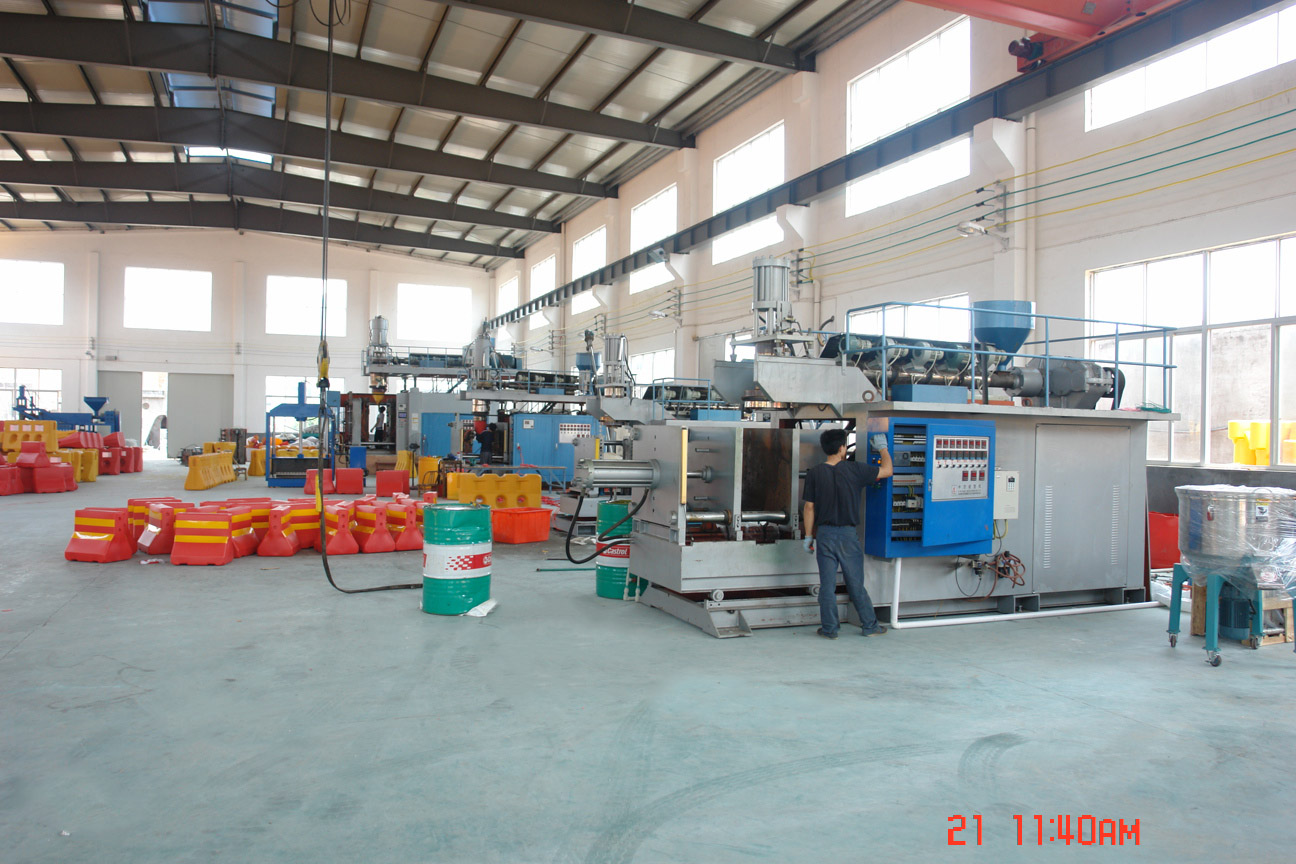
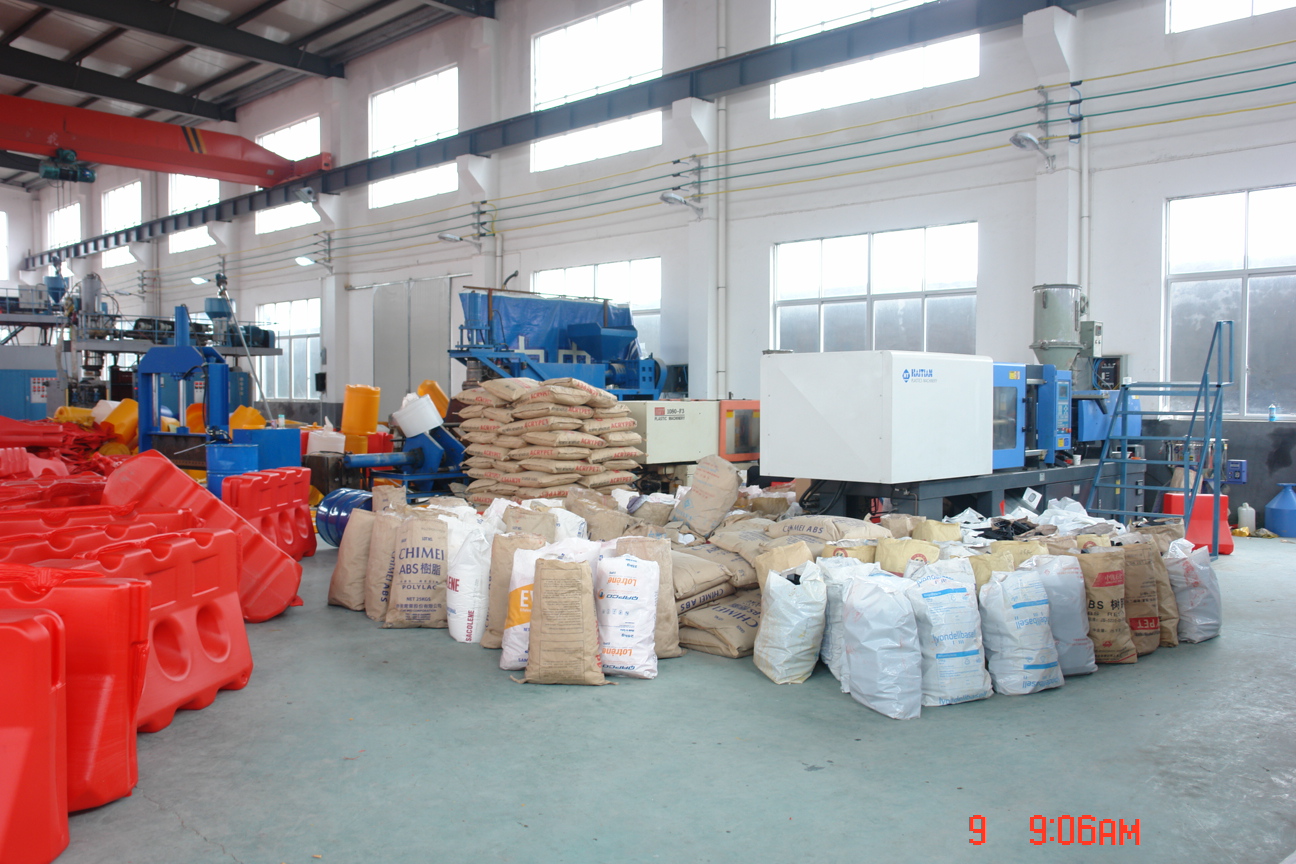
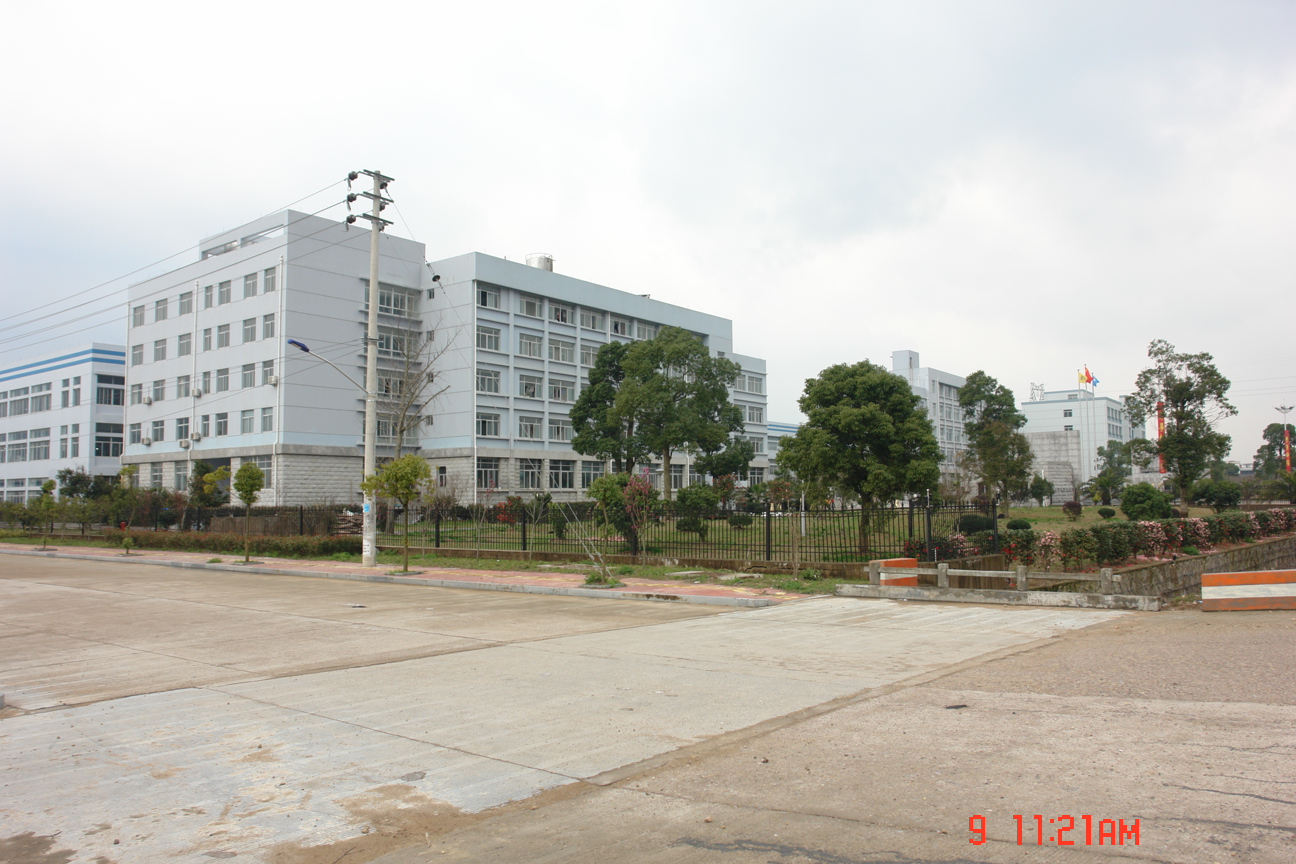
Mnsd is the brand of Tiantai Yuanda Traffic Device Co., Ltd, a road safety equipment manufacturer in Tiantai, Zhejiang, China, producing convex mirrors, warning posts, rising bollards, speed humps and traffic lights for importers, distributors, wholesalers, contractors and infrastructure project suppliers worldwide.
The Problem: Why an Aisle Intersection Stays Blind
A warehouse aisle intersection is a blind spot because of geometry, not carelessness. Racking uprights, columns, stacked pallets and charging stations sit exactly where a cross-aisle sight line would otherwise run. A forklift operator sits low in the machine, with the mast and the load blocking forward visibility, so the first clear view of crossing traffic often appears only when the two vehicles are already close to the corner.
The same geometry repeats across a facility in a handful of recognisable forms:
- Two-way racking corner: two aisles meeting at 90° with racking uprights cutting the diagonal view.
- Four-way cross-aisle junction: four approach directions, where a single mirror rarely covers everything.
- Pedestrian doorway transition: people stepping out of a pick face or a welfare door into a live aisle.
- Dock door exit: a vehicle leaving a bay into the yard while yard traffic crosses behind.
- Open yard or logistics park junction: long, fast sight lines between buildings and gatehouses.
Convex mirrors address this with passive optics. A curved mirror presents a wide viewing angle — typically 100° to 180° depending on the model — with no power requirement, no energy consumption, low upfront cost relative to electronic monitoring, and almost no maintenance beyond occasional cleaning. That is the entire value proposition: a device that keeps working when the network is down and the lights are off.
Where the limit sits. A mirror does not record, alert or measure speed, and it cannot correct an intersection that is fundamentally too tight for the traffic using it. Its performance also depends entirely on placement, aim and cleanliness — a badly aimed mirror is worse than no mirror, because it creates a false sense of coverage. The steps below exist to remove that risk.
Industry Background: Why Warehouses Are Buying Outdoor-Grade Mirrors
Two trends have pushed polycarbonate mirrors into warehouse specification documents. The first is category growth. Dataintelo's convex mirror market report values the global market at USD 1.04 billion in 2025, forecasting USD 1.73 billion by 2034 at a CAGR of 5.8%, with Asia Pacific holding 42.5% of 2025 revenue. More buyers, more specifiers, and a wider choice of models than a decade ago.
The second is material substitution. Acrylic remains the cheaper lens option, but polycarbonate carries an everyday cost premium of roughly 15–35% over the equivalent acrylic mirror, and that premium is what buys impact resistance in an environment where mirrors sit at forklift height and take knocks. For aisle intersections specifically, the mirror is mounted where a mast, a load or a swinging door can reach it, so lens toughness is not a decorative specification.
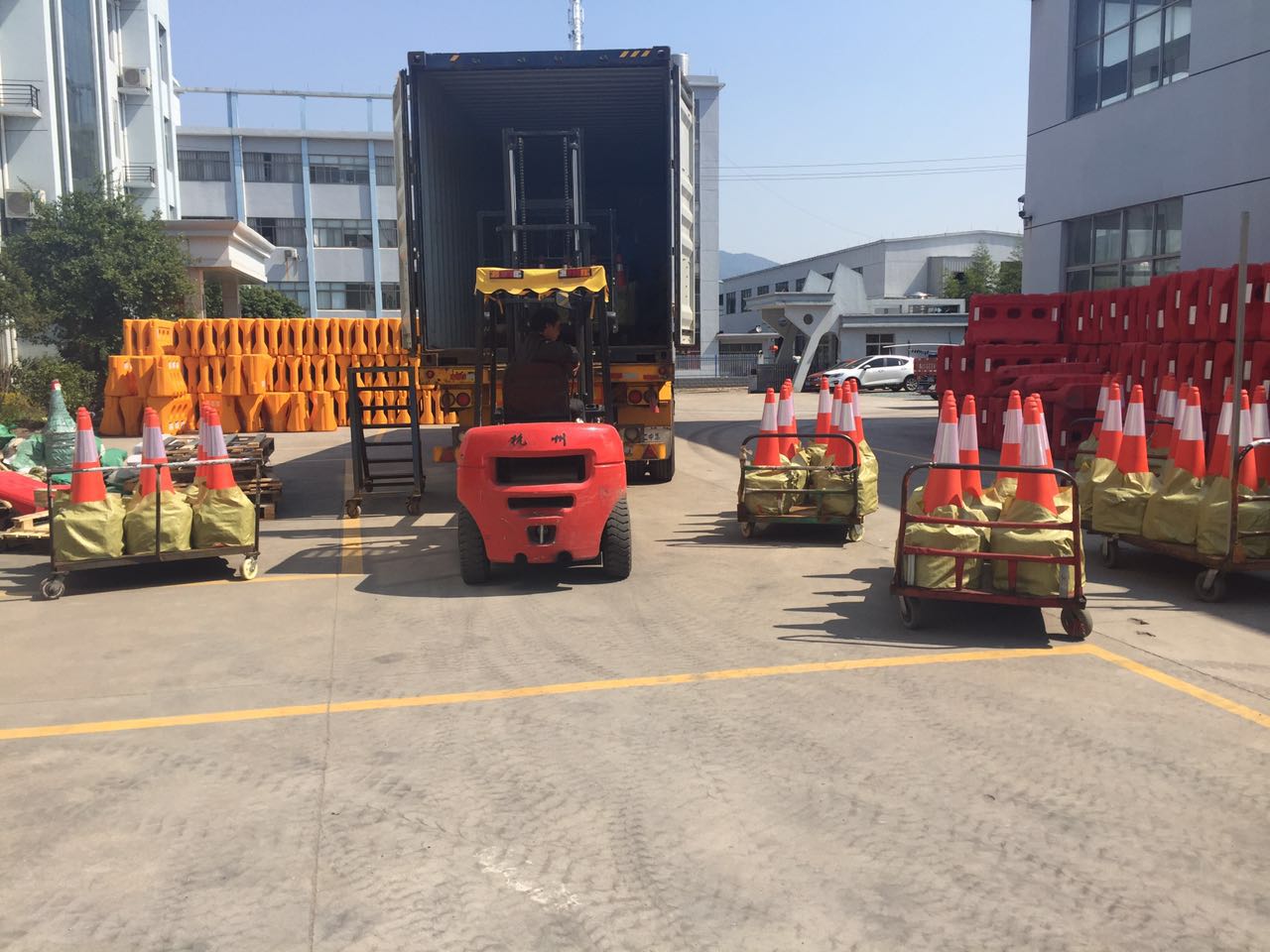
Supply capacity matters at rollout scale. Mnsd maintains a monthly production capacity of 30,000 convex mirror units, and its standard lead time is 15–20 days for a 20ft container — relevant when a safety programme covers dozens of intersections across several buildings rather than a single aisle.
The Solution: What an Outdoor Polycarbonate Mirror Adds to an Indoor Aisle
An outdoor-rated mirror is specified for warehouse interiors not because the warehouse is outdoors, but because the locations that need one behave like outdoor locations. Dock doors stand open for long periods, washdown areas stay wet, cold rooms run below zero, and open yards share the same mounting hardware as covered aisles. A unit already engineered for those conditions removes a whole category of failure from the plan.
The Mnsd YD-OC platform, as documented in the 2026 outdoor polycarbonate convex mirror guide, combines:
- Impact-resistant polycarbonate lens — the shatter-resistant option for a mirror that shares space with machinery.
- Bright orange ABS backing — high-visibility orange trim so the mirror body reads as a fixture, not an obstacle.
- Heavy-duty galvanized steel bracket — corrosion-protected mounting for wall or pole installation.
- Adjustable swivel bracket — the mirror head is aimed after mounting, which is what makes accurate positioning possible.
- IP65 weatherproofing, UV Grade 8 resistance, −30 °C to +80 °C operation, Level 10 wind load resistance — a specification set that covers cold stores, washdown bays and open yard junctions with the same product.
- Anti-scratch hard coating on the PC surface, applied with a protective PE film during assembly and transit, so the optical face arrives intact.
- 600 mm to 1200 mm diameters with 130°+ wide-angle vision — the range that makes model matching possible in the first place.
Step-by-Step Breakdown: Deploying the Mirror at the Intersection
Step 1 — Survey the Intersection from Operator Eye Level
Walk the approach path at seated forklift eye height, not standing height. The seated position is the view the mirror has to serve, and it is lower than most surveys assume. At each intersection, record the number of approach directions, the longest sight line from the point where an operator must first see cross traffic to the far corner, the obstructions that cut that line, and whether the location is enclosed, semi-open (dock door) or open (yard).
The deliverable is a plain list: intersection ID, number of approaches, measured sight-line distance, environment class. That list is the only input the model selection needs.
Step 2 — Convert the Sight Line into a Mirror Diameter
The selection rule is simple and frequently broken: specify by the longest sight line an operator must read, not by ceiling height, not by what was fitted at the last site, and not by budget tier. Where the measured distance sits at the boundary between two models, step up one size — reflected image size falls off with distance, and an undersized mirror at the far end of a long cross-aisle produces a view that is technically present but practically unreadable.
For a 600 mm class unit the practical range is around 15–18 m; the mid sizes cover roughly 20–25 m and 30–35 m respectively; and a 1200 mm class unit reaches 35–45 m. The full model mapping appears in the comparison table below.
Step 3 — Check the View Angle and Decide How Many Mirrors
With 130°+ wide-angle optics, one mirror comfortably governs a two-way corner. A four-way cross-aisle junction generally needs two units at opposing corners, because a single head has to be aimed somewhere and the fourth approach will lose coverage. A useful discipline at this stage is to reject any position where the mirror merely duplicates a view the operator already has — the mirror should show the direction that is currently invisible.
Step 4 — Choose Wall or Pole Mounting and the Correct Bracket
Wall mounting suits rack-end columns, structural columns and wall surfaces close to the corner. Pole mounting is used where no suitable structure exists: yard junctions, open aisles, gate approaches and free-standing traffic islands. The Mnsd bracket range is specified for pole diameters of 60 mm and 75 mm, and the adjustable swivel head allows the final aim to be set after the fixing is tight.
For outdoor and yard positions, the heavy-duty galvanized steel bracket combined with Level 10 wind load resistance is the relevant specification. Indoors, the same bracket simply adds margin.
Step 5 — Set the Position and Aim the Mirror
Mount the mirror where its face is visible to an approaching operator before the corner is reached, not at the point of collision. Keep the head clear of the tallest moving load envelope where the building allows, and out of the swing path where a mast or an opening door could strike it. Then aim: the reflected image should show the cross-aisle floor at the intersection, not the ceiling or the upper racking. Lock the swivel once the view is correct.
Step 6 — Confirm the Environmental Rating Matches the Location
IP65 covers dust ingress and water jets, which is the practical requirement for washdown bays and semi-open dock areas. UV Grade 8 resistance matters wherever daylight reaches the lens through open doors or skylights. The −30 °C to +80 °C operating range covers cold-store transitions and the heat build-up behind glazing. Remove the protective PE film only after the unit is fixed in position — the anti-scratch hard coating is the working surface, and the film is what protects it during handling.
Step 7 — Verify the Installed View with Traffic Present
Verification is where most deployments quietly fail, because it is done in an empty warehouse. Re-check each mirror with racking loaded and a vehicle parked in the cross aisle, and check from every approach direction rather than the most convenient one. A mirror that passes on an empty floor can fail completely once the far aisle is occupied by a pallet stack.
Step 8 — Set a Cleaning and Inspection Routine
Convex mirrors are near maintenance-free, but not maintenance-zero. Occasional cleaning of the optical face, a periodic check of bracket fixings and swivel tension, and replacement of any lens that has taken a direct impact are the whole routine. Cleaning frequency should follow the dust load of the building — a yard-facing dock mirror collects far more than one inside a sealed pick module.
Use Cases: Four Intersection Types and Their Deployment Logic
Four-Way Racking Intersection in a Distribution Centre
Two mirrors at opposing corners, each aimed across the diagonal, cover the four approaches. Where the junction spans a wide cross-aisle with reach-truck traffic, the 1000 mm class unit at 30–35 m visual range is the natural fit; narrower junctions fall back to the 600 mm class.
Dock Door Exit into the Yard
Sight lines here are long and the environment is genuinely outdoor. A pole-mounted 1200 mm class mirror at 35–45 m visual range, carried on a 75 mm pole with the galvanized bracket, covers the crossing yard traffic that a driver cannot see from the cab as the vehicle clears the door.
Narrow-Aisle Pick Module Corner
Short sight lines, tight geometry and pedestrian traffic. A 600 mm class wall-mounted unit on the rack-end column, aimed at the pedestrian walkway rather than the aisle centre, is usually sufficient — and the bright orange ABS backing keeps the fixture visible against racking.
Logistics Park Road Junction
Open junctions between buildings, gatehouses and site roads need the outdoor specification in full: IP65, UV Grade 8, Level 10 wind load and a heavy-duty galvanized steel bracket on a 60 mm or 75 mm pole. These are the positions where an indoor-grade acrylic mirror degrades fastest.
Comparison Table: Matching YD-OC Models to Aisle Intersections
| Model | Lens diameter | Typical visual range | View angle | Best-fit intersection | Typical mounting |
|---|---|---|---|---|---|
| YD-OC60 | 600 mm | 15–18 m | 130°+ | Narrow-aisle pick module corner; pedestrian doorway | Wall bracket or 60 mm pole |
| YD-OC75 | 750 mm | 20–25 m | 130°+ | Wide-aisle intersection with pallet-truck traffic | Wall bracket or 60/75 mm pole |
| YD-OC100 | 1000 mm | 30–35 m | 130°+ | Main cross-aisle junction; mixed forklift and pedestrian flow | Wall bracket or 75 mm pole |
| YD-OC120 | 1200 mm | 35–45 m | 130°+ | Dock approach; long clear sight lines; yard junction | Pole or heavy-duty wall bracket |
| Construction specification | Detail |
|---|---|
| Lens material | Impact-resistant polycarbonate (PC), shatter-resistant |
| Backing | Bright orange ABS, high-visibility trim |
| Bracket | Heavy-duty galvanized steel, adjustable swivel head |
| Mounting options | Wall or pole; pole diameters 60 mm / 75 mm |
| Ingress protection | IP65 weatherproofing |
| UV resistance | UV Grade 8 |
| Operating temperature | −30 °C to +80 °C |
| Wind load resistance | Level 10 |
| Surface protection | Anti-scratch hard coating; protective PE film during assembly and transit |
| Diameter range | 600 mm to 1200 mm |
FAQ: Convex Mirror Deployment at Aisle Intersections
Do convex mirrors satisfy warehouse intersection safety requirements on their own?
No. A convex mirror is a passive visibility aid, and it works alongside floor markings, stop lines, signage, speed control and pedestrian segregation — not instead of them. Because it carries no power supply, it introduces no electrical compliance burden; the compliance questions sit with the mounting (structural security, wind load at outdoor positions) and with the site's own risk assessment. Where auditors cite traffic safety standards, AS/NZS 1906.1:2017 — the Australian/New Zealand standard for retroreflective materials and devices — is a common reference point, but mirror specification should always be checked against the local requirement and the documented risk assessment for that intersection.
Can an outdoor-rated mirror be used indoors, and what does the rating actually buy?
Yes, and in warehouse conditions it is often the correct choice. IP65 handles washdown bays and semi-open dock doors; the −30 °C to +80 °C range covers cold-store transitions; UV Grade 8 protects the lens where daylight reaches it through open doors or skylights; Level 10 wind load resistance matters at gate and yard positions; and the impact-resistant PC lens with anti-scratch hard coating survives the knocks that occur at forklift height. The practical result is one product specification that can be deployed across indoor aisles, docks and outdoor junctions without a second stock line.
How much more does a polycarbonate mirror cost than acrylic, and is the premium justified?
Polycarbonate carries an everyday cost premium of roughly 15–35% over the equivalent acrylic mirror. The premium buys impact resistance — the property that matters most for a mirror mounted at forklift height in a live aisle. Set against electronic monitoring, the economics are different again: passive mirrors have a low upfront cost relative to camera or sensor systems, consume no energy, and need almost no maintenance beyond occasional cleaning. For a facility fitting dozens of intersections, the cost decision is usually between acrylic and PC per unit, not between mirrors and electronics.
Can we validate one intersection before rolling out across a site?
That is the recommended sequence. Fit a single intersection first, then verify it with racking loaded and a vehicle present in the cross aisle, checking from every approach direction. If the reflected image reads correctly at the distances recorded in Step 1, the same model mapping can be applied to comparable intersections elsewhere in the network. Mnsd supplies importers, distributors, wholesalers, contractors and infrastructure project suppliers worldwide, and sample arrangements can be discussed directly with the team before a full rollout is committed.
What production capacity and lead time should a multi-site rollout plan for?
Mnsd maintains a monthly production capacity of 30,000 convex mirror units, with a standard lead time of 15–20 days for a 20ft container. For a phased programme — pilot intersection, single-building rollout, then multi-site standardisation — that capacity allows the model mix (60/75/100/120 mm class diameters, wall and pole brackets) to be consolidated into container loads rather than ordered piecemeal, which is where both freight cost and installation scheduling usually improve. Contact Mnsd with the intersection list from Step 1 for a quotation against the actual model mix.
Conclusion: Sequence Determines Outcome
A convex mirror deployment succeeds or fails on sequencing. Survey the sight line at operator eye level; convert the measured distance into a diameter rather than guessing from the previous site; check whether 130°+ wide angle from one position genuinely covers every approach; select wall or pole mounting against the 60 mm / 75 mm pole standard; aim the swivel head at the cross-aisle floor; and verify with traffic present before signing the intersection off. Then keep the lens clean.
The hardware question is the easy half. An outdoor polycarbonate mirror — impact-resistant PC lens, bright orange ABS backing, heavy-duty galvanized steel bracket, IP65, UV Grade 8, −30 °C to +80 °C, Level 10 wind load — carries enough environmental margin to serve an indoor aisle, a dock door and an open yard junction with the same specification. The harder half is discipline at the survey stage, and that is what separates a mirror that prevents a collision from one that only documents good intentions.
Plan Your Aisle Intersection Rollout
Send Mnsd the intersection list from Step 1 — approach directions, sight-line distances, environment class — and the team will map it to the YD-OC60, YD-OC75, YD-OC100 or YD-OC120 models with the matching wall or pole brackets.
Download the Mnsd product catalogue (PDF) | www.mnsdtraffic.com
Email: info@mnsdtraffic.com | Tel / WhatsApp: +86 184-5813-7305
Tiantai Yuanda Traffic Device Co., Ltd — hongsan industry zone, tiantai town, taizhou city, zhejiang province, china
Have Questions or Need More Details?
Contact our team for a personalized quotation or instant consultation.
Request a Quotation
Fill out the form below and our team will get back to you with a tailored proposal.
WhatsApp Direct Chat
Prefer to chat in real-time? Message us on WhatsApp for instant assistance & quick answers.
- Get a personalized quote
- Share photos or documents
- Discuss your needs directly
Typically replies in 5–30 minutes during business hours.