Long-Term Warning Post Partnerships: FAQ and After-Sales Support for Global Buyers
Long-Term Warning Post Partnerships: FAQ and After-Sales Support for Global Buyers
A long-term warning post partnership is a repeat-supply arrangement in which a buyer sources the same delineator specification from one manufacturer across multiple production runs, with after-sales terms written into the agreement rather than implied. The value of that arrangement is decided by three measurable things: whether the fifth production run matches the first, whether the post recovers after vehicle impact instead of cracking, and whether the supplier's support commitments survive the shipment.
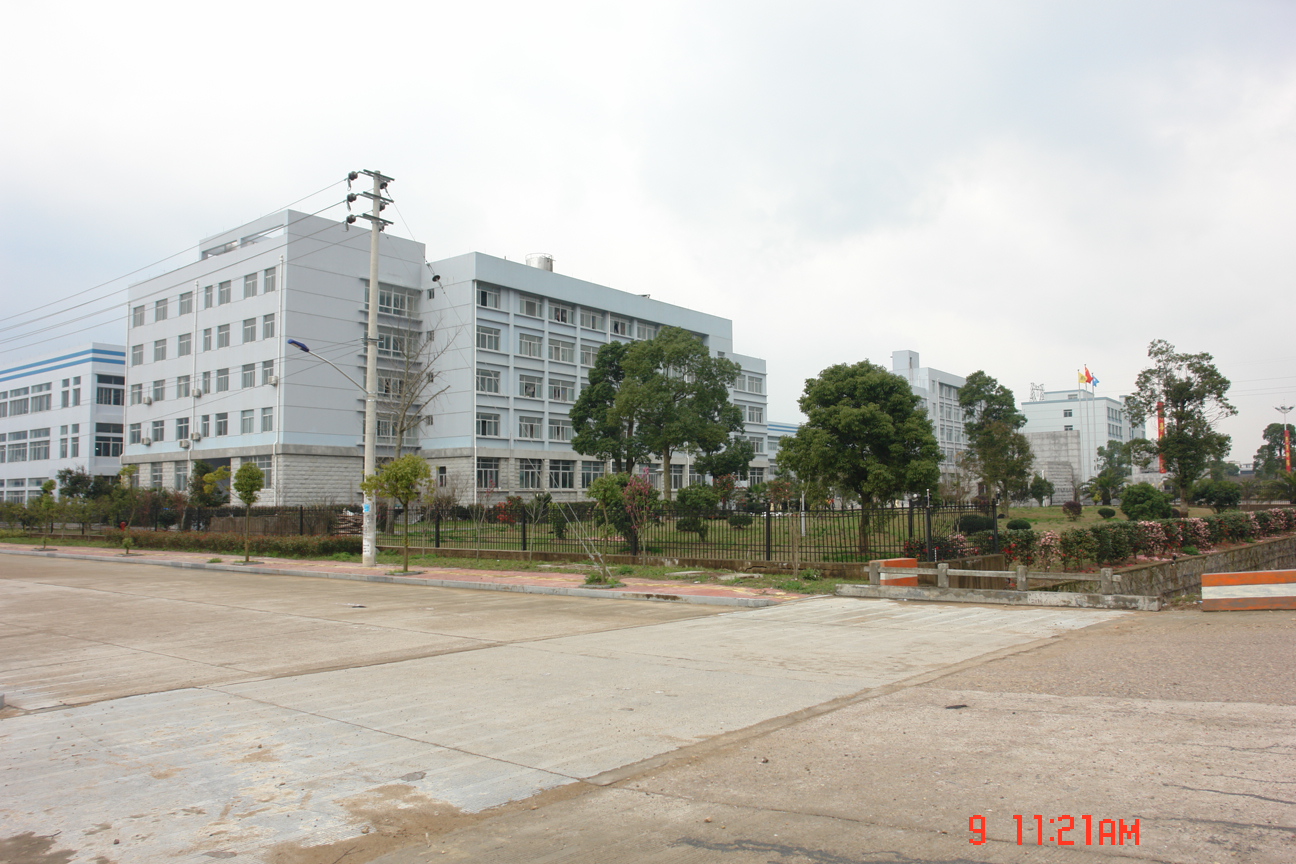
This article answers the practical questions global buyers raise before committing to that kind of relationship. It uses Mnsd's YD-WP45 and YD-WPS75 flexible PU warning posts as the primary product evidence, and the YD-OC80 polycarbonate convex mirror's 3–5 year UV-resistance lifespan and IP65 weatherproof rating as the outdoor-durability benchmark for planning replacement cycles. Mnsd is the brand used by Tiantai Yuanda Traffic Device Co., Ltd, a road safety equipment manufacturer established in 2007 and based in Tiantai, Zhejiang, China.
What Breaks Down When Warning Posts Are Bought Order by Order
Project-by-project purchasing looks efficient on a quotation sheet and expensive in a maintenance log. Four failure patterns appear repeatedly when flexible warning posts are bought from different suppliers across different phases of a programme.
- Specification drift. A first order specifies a 750 mm post with 250 mm reflective tape in double sleeves; a later order arrives at the same nominal height with a different sleeve count or a slightly different base footprint. Nothing looks obviously wrong on site until the two batches stand next to each other, or until reflective performance is checked at night from a moving vehicle.
- Material surprises. A post that stays bent after being driven over must be replaced; a post that rebounds does not. That difference is a material property, and it shows up either as a recurring replacement line item or as years of quiet service.
- After-sales vacuum. When a supplier treats a warning post as a one-off commodity, nobody owns the fading question, the spare base or the replacement bolt, and the buyer ends up re-specifying from scratch.
- Budget distortion. A lower unit price attached to a shorter replacement cycle can cost more per year of service than a higher unit price attached to a longer one, particularly in high-contact locations such as loading docks, parking ramp entries and industrial traffic lanes.
For buyers in the evaluation stage, three criteria separate serious candidates from the rest: repeatability across production runs, verified material behaviour, and a defined after-sales position. Everything else is presentation.
Market and Standards Context for Long-Term Sourcing Decisions
The category is expanding. The global road marker posts market is valued at USD 3.4 billion in 2024 and is projected to reach USD 5.4 billion by 2032, according to Road Marker Posts Market Size Analysis. The wider traffic safety products market is expected to expand at a CAGR of 6.6% from 2026 to 2034, driven by urban population growth and infrastructure investment, according to Dataintelo. For a buyer signing a multi-year supply agreement, the practical implication is that order frequency is more likely to rise than fall, which turns repeat-run consistency into a commercial issue rather than a quality nicety.
Supply is also concentrated unevenly. Global Market Insights places leading traffic equipment manufacturers — 3M, Honeywell and SWARCO among them — at approximately 39.2% combined share for the top five. That concentration sits mainly at the level of large-scale traffic equipment and materials platforms; delineator and warning post supply remains fragmented across regional manufacturers. The consequence is straightforward: the manufacturing partner behind a long-term programme will usually be a specialist rather than a global brand, so the evaluation has to be done on evidence.
Standards Buyers Should Name in a Specification
Three references are worth naming explicitly when a warning post specification is drafted. EN 12899-3 is the European standard that specifies requirements for delineator posts and retroreflectors used in traffic circulation areas. In the United States, the MUTCD requires delineators to be retroreflective and visible from 1,000 feet when illuminated by high-beam headlights — a performance target well beyond "reflective tape fitted". Where a supplier claims a crosslinked polymer, ASTM D2765 describes standard procedures for measuring gel content and swell ratio of crosslinked ethylene plastics, giving the buyer a defined test method instead of a verbal assurance.
Material guidance matters too. Industry material guides such as OPTRAFFIC's note that thermoplastic polyurethane (TPU) is often preferred over standard polyethylene (PE) for high-impact warning posts because of its elastic recovery and durability. Mnsd manufactures warning posts in high-elasticity polyurethane (PU) or heavy-duty PE, which makes the material choice a specification decision the buyer can match to the site rather than a fixed limitation of the supplier.
What Repeatable Supply Looks Like in Practice
The YD-WP45 and YD-WPS75 Flexible PU Warning Post Platform
Two models carry most repeat-order volume: YD-WP45 at 450 × 80 × 200 mm and YD-WPS75 at 750 × 80 × 200 mm. Both are built on the same material and performance platform — high-elasticity polyurethane (PU), with heavy-duty PE as an alternative, on a recycled rubber or integrated plastic base. The reflective specification is High-Intensity Prismatic (HIP) / Class 1 tape, 250 mm wide, supplied in double or triple sleeves in silver white or fluorescent yellow, with a stated visibility distance of 200+ meters.
The physical figures explain why these posts survive contact. Tensile strength is 15.0 MPa, elongation at break is 400%, and hardness is 80–85 Shore A. The structure is 360° flexible and impact resistant, with self-recovery that produces a rapid rebound after a vehicle crush. In practice, the post deforms under a wheel or bumper and returns to a vertical position instead of folding, cracking or shearing at the base.
Weather and aging performance is specified for outdoor installation: temperature resistance from -40°C to +70°C, a UV-stabilized coating, anti-oxidant and colorfast behaviour over three years, and water and oil resistance. Installation uses expansion bolt fixing through three or four holes, and the ring top accepts a chain for linking or guided attachment. Available colours include traffic orange, yellow, red and black.
Manufacturing Consistency Behind Repeat Orders
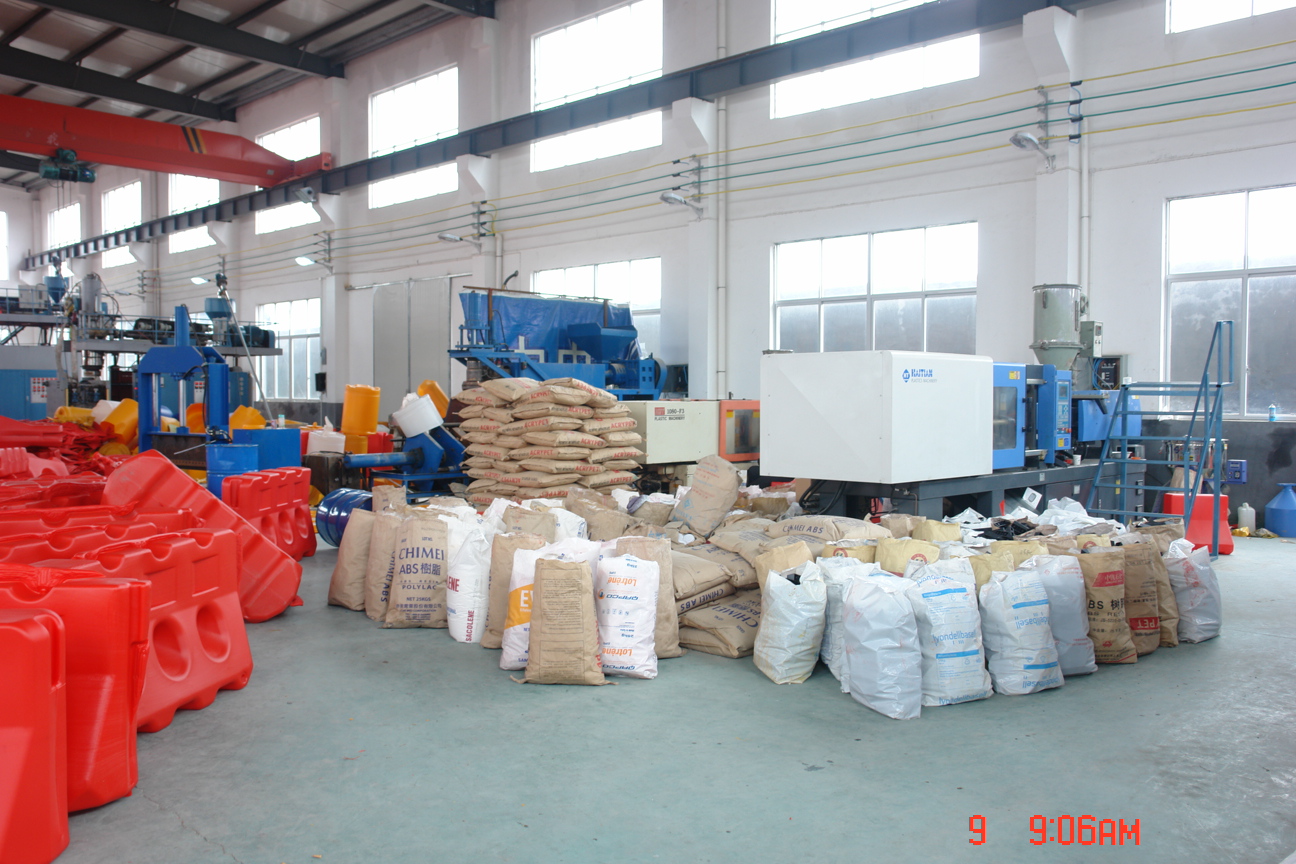
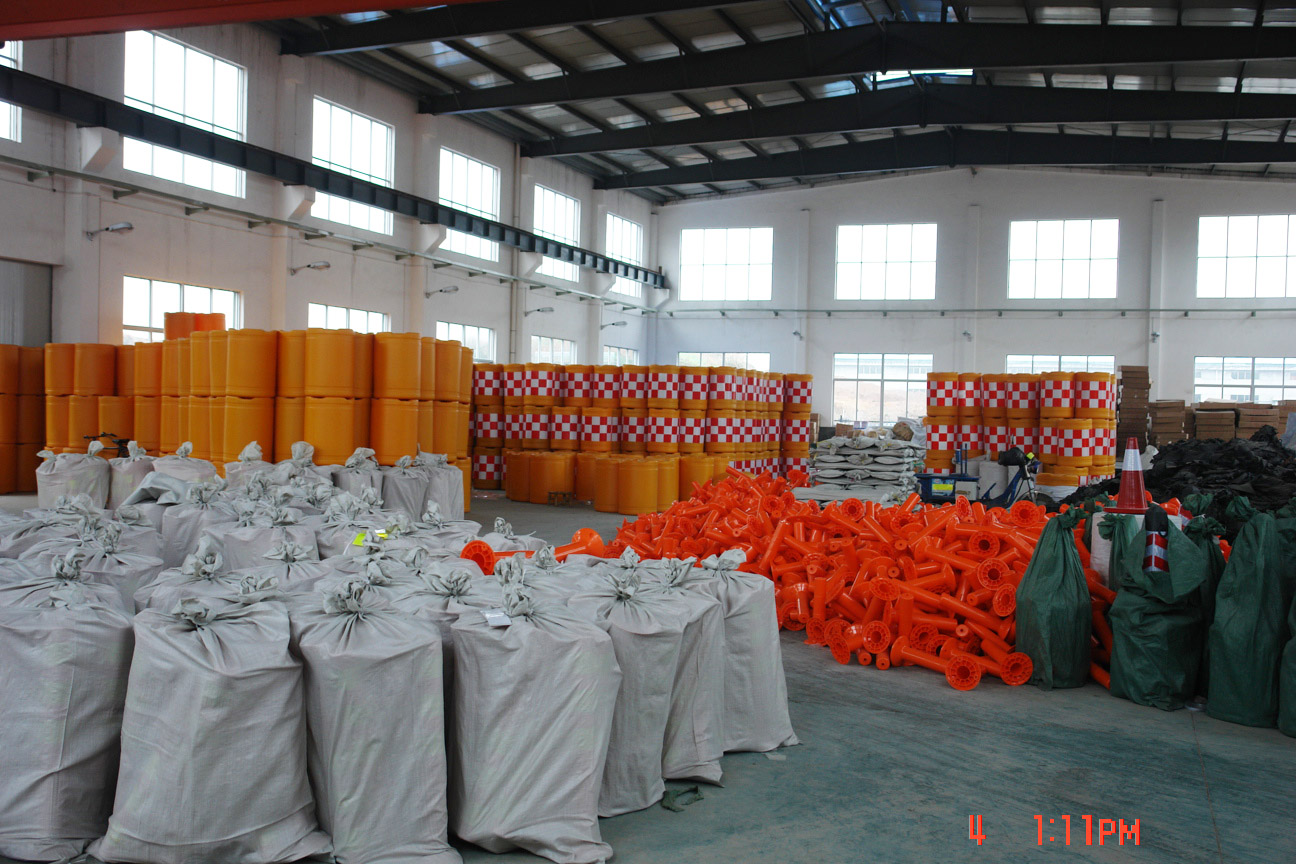
Repeatability is a production question. Mnsd runs warning post production on high-speed injection molding with a monthly capacity of 50,000 pieces and a lead time of 10–15 days for bulk orders at a minimum order quantity of 200 pieces. Quality control includes a 1,000+ cycle compression and rebound test — the test that matters most for a post whose job is to be crushed and then recover.
Customization is offered on height, colour (orange, yellow, green) and reflective tape brand, including 3M and Grade A options. For a long-term buyer, the useful discipline is to treat those variables as an approved change list: core geometry, base type and material grade stay locked, while height, colour and tape brand can move when a new site or market requires it. That structure is what allows a distributor to keep a stable catalogue while still adapting to local road authority preferences.
After-Sales Support Terms That Are Actually Defined
After-sales support is only real when it is specific. On the warning post programme, Mnsd's stated after-sales position is a UV-resistance guarantee covering no fading for three years, which pairs with the anti-oxidant and colorfast specification of the product itself. A buyer converting that into a workable agreement should also settle three operational points: who supplies replacement bases, tape sleeves and bolts; what documentation accompanies each repeat shipment; and how often reported failures are reviewed.
Outdoor Durability Benchmark: The YD-OC80 Convex Mirror
Warning posts rarely fail in isolation; they belong to a traffic safety kit that also includes convex mirrors, bollards and speed control products. The YD-OC80 convex mirror is a useful calibration point for how long outdoor safety hardware is expected to perform. It uses an 800 mm diameter impact-resistant polycarbonate mirror with vacuum aluminum coating, a 130°+ viewing angle, a 180° scope and a 22–28 m visual range, and it carries Grade 8 UV resistance with a 3–5 year lifespan and an IP65 weatherproof rating for outdoor use. It is also specified for -30°C to +80°C and Level 10 wind load resistance.
The lesson for a long-term buyer is about planning rather than comparison. When one part of a safety kit is specified with a 3–5 year UV-resistance lifespan and an IP65 rating, maintenance and procurement cycles should be built around comparable horizons rather than around a single installation date.
Six Steps to Structure a Long-Term Warning Post Partnership
Step 1 — Write the specification, not the slogan. Name the model and height (YD-WP45 at 450 mm or YD-WPS75 at 750 mm), the material (PU or heavy-duty PE), the base type, the reflective class and tape width (HIP / Class 1, 250 mm), the sleeve count and colour, the installation method (expansion bolt fixing, three or four holes), and the colour code.
Step 2 — Validate physical behaviour before commercial terms. Test the properties that determine replacement cost: crush-and-rebound behaviour, base fit against the actual bolt pattern, chain attachment on the ring top, and the tape's night-time appearance. Ask which factory test protocol supports the claim; Mnsd's quality control uses a 1,000+ cycle compression and rebound test.
Step 3 — Collect the compliance file. For Mnsd, the documentation baseline is a Business License registered under number 91331023669153260K, issued by the Market Supervision Administration on 2007-11-13 and valid to 2107-11-13, with an all-items scope and no market restriction. Where the destination market has its own expectations, name them: EN 12899-3 for European delineator requirements, MUTCD visibility performance for US projects.

Step 4 — Lock the repeat-run baseline and the change list. The baseline is the approved sample: same model, same material grade, same tape class and width. The change list covers height, colour and tape brand. Anything outside these two categories should trigger a new sample rather than a silent substitution.
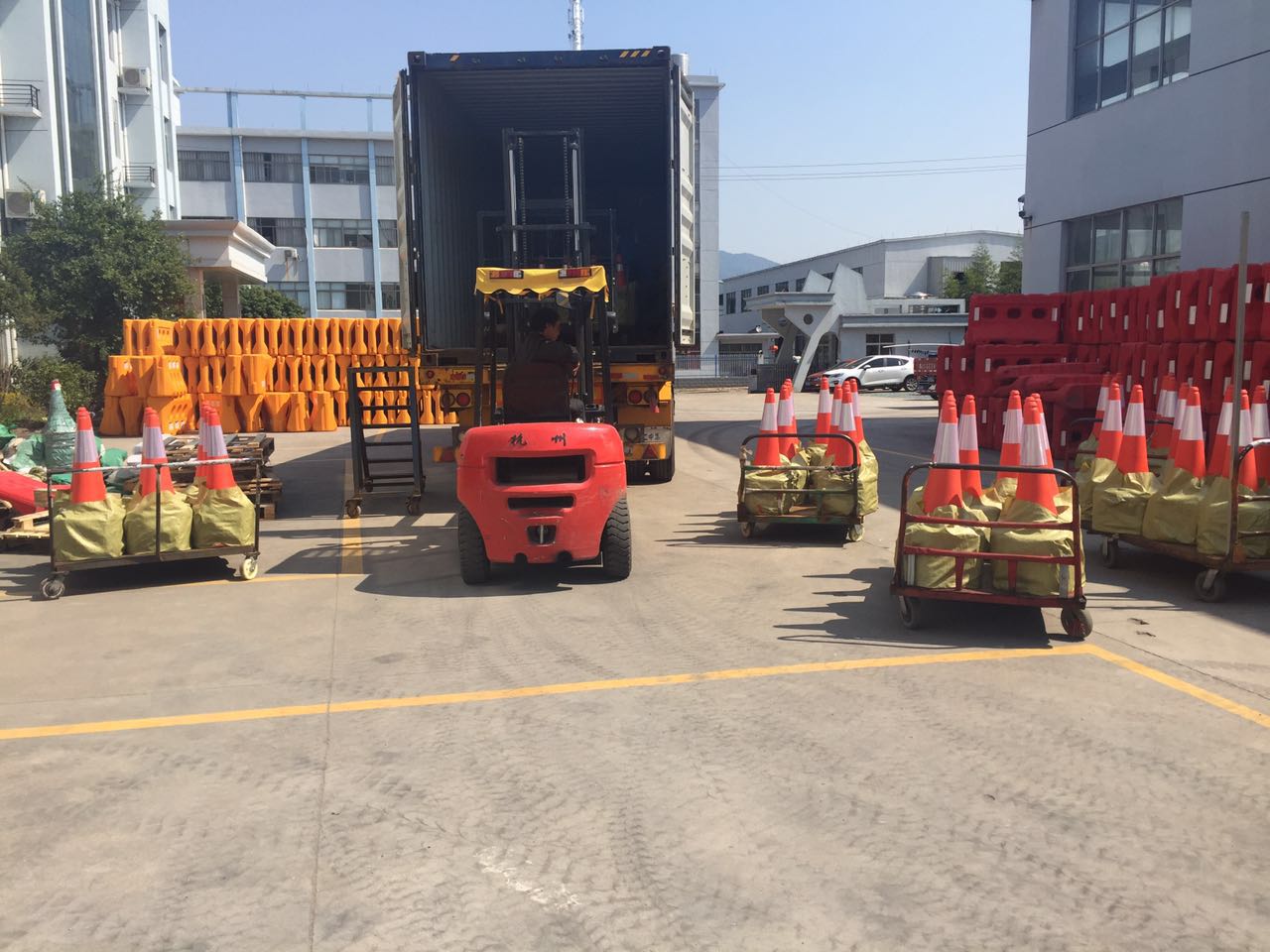
Step 5 — Agree commercial terms for repeat demand. Minimum order quantity is 200 pieces, bulk lead time is 10–15 days, and monthly capacity reaches 50,000 pieces — enough to absorb seasonal or project-driven peaks without changing production sources mid-programme.
Step 6 — Define after-sales and review it annually. Convert the UV-resistance guarantee (no fading for three years) into a documented commitment, agree spare-part availability for bases, tape sleeves and bolts, and review replacement rates and failure reports at a fixed interval so the specification can be updated with evidence rather than opinion.
Where Long-Term Terms Prove Themselves
Contractor road safety projects. A contractor project in Vietnam used these products to warn vehicles and pedestrians and to mark road edges and dangerous areas. The case record lists a duration of 5–8 years, and the outcome recorded is a completed project accepted by the local authority. The stated strengths of the installation were high visibility, durability, impact resistance and ease of installation — precisely the four attributes a long-term buyer is purchasing.
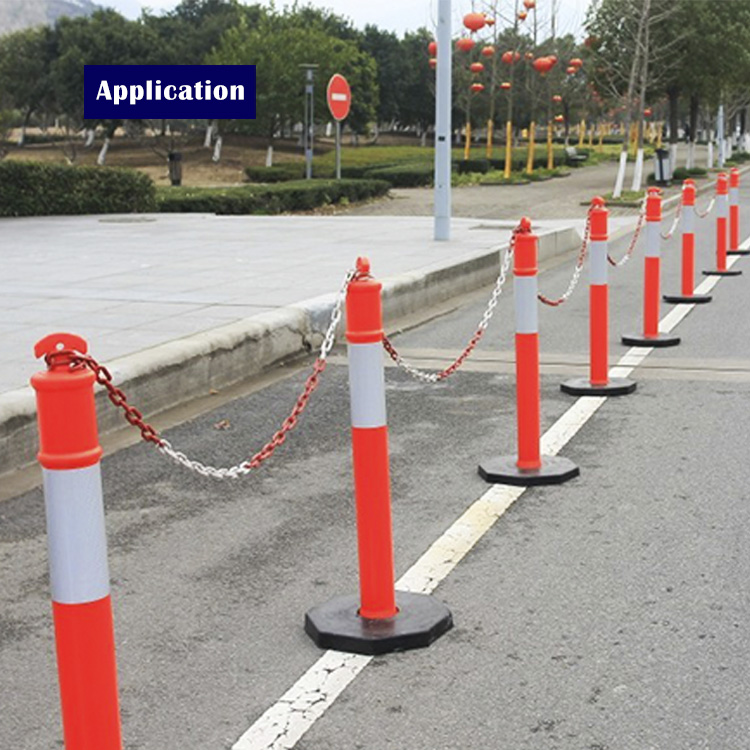
Distributor and wholesale continuity. For distributors, repeat-run consistency is the entire business case. A channel partner who receives a different tape layer count or base footprint on a later order has to re-photograph, re-explain and sometimes re-certify the product for its own customers. Locked specifications plus an approved change list for height, colour and tape brand keep a catalogue stable while still allowing local adaptation.
Parking, warehouse and logistics environments. Semi-traffic areas differ from highways: vehicles manoeuvre at low speed but contact hardware far more often. In parking structures, loading docks, logistics centres and industrial facilities, self-recovery after a crush is the property that determines whether a post lasts. A 450 mm post such as YD-WP45 suits low-clearance delineation, while a 750 mm post such as YD-WPS75 delivers greater vertical visibility where approach speed and sight lines demand it.
Mixed traffic safety kits. Buyers who source warning posts alongside convex mirrors should plan maintenance cycles together. The YD-OC80's Grade 8 UV resistance, 3–5 year lifespan and IP65 rating set a reference horizon for outdoor hardware; aligning posts, bollards and mirrors to one review schedule reduces unplanned replacements and emergency purchases.
YD-WP45 vs YD-WPS75 vs YD-PE50: Specification Comparison
| Specification | YD-WP45 | YD-WPS75 | YD-PE50 |
|---|---|---|---|
| Overall size | 450 × 80 × 200 mm | 750 × 80 × 200 mm | 500 × 260 mm |
| Height / base scope | Height 450 mm; base size 200 × 80 mm | Height 750 mm; base size 200 × 80 mm | Height 500 mm; rubber base diameter Φ260 mm |
| Material | High-elasticity PU or heavy-duty PE | High-elasticity PU or heavy-duty PE | PE with rubber base |
| Base material | Recycled rubber or integrated plastic base | Recycled rubber or integrated plastic base | Rubber base |
| Reflective grade | High-Intensity Prismatic (HIP) / Class 1 | HIP / Class 1 | HIP / Class 1 |
| Reflective tape width | 250 mm (double or triple sleeves) | 250 mm (double or triple sleeves) | 250 mm (double or triple sleeves) |
| Reflective colour | Silver white / fluorescent yellow | Silver white / fluorescent yellow | Silver white / fluorescent yellow |
| Visibility distance | 200+ meters | 200+ meters | 200+ meters |
| Flexibility | 360° flexible and impact resistant | 360° flexible and impact resistant | 360° flexible and impact resistant |
| Self-recovery | Rapid rebound after vehicle crush | Rapid rebound after vehicle crush | Rapid rebound after vehicle crush |
| Tensile strength | 15.0 MPa | 15.0 MPa | 15.0 MPa |
| Elongation at break | 400% | 400% | 400% |
| Hardness | 80–85 Shore A | 80–85 Shore A | 80–85 Shore A |
| Temperature resistance | -40°C to +70°C | -40°C to +70°C | -40°C to +70°C |
| UV and aging | UV-stabilized coating; anti-oxidant and colorfast over 3 years | Same as YD-WP45 | Same as YD-WP45 |
| Weatherproofing | Water and oil resistant | Water and oil resistant | Water and oil resistant |
| Installation | Expansion bolt fixing (3 or 4 holes) | Expansion bolt fixing (3 or 4 holes) | Expansion bolt fixing (3 or 4 holes) |
| Top design | Ring top for chain attachment | Ring top for chain attachment | Ring top for chain attachment |
| Colour options | Traffic orange / yellow / red / black | Traffic orange / yellow / red / black | Traffic orange / yellow / red / black |
Figures above are the manufacturer's published specifications for each model. Buyers should confirm the final configuration, tape brand and base type on the approved sample before a repeat-order agreement is signed.
Repeat-Order and After-Sales Terms at a Glance
| Item | Stated term |
|---|---|
| Minimum order quantity | 200 pcs |
| Lead time | 10–15 days for bulk orders |
| Monthly capacity | 50,000 pcs per month |
| Production mode | High-speed injection molding |
| Quality control | 1,000+ times compression and rebound test |
| Customization | Height; colour (orange / yellow / green); reflective tape brand (3M / Grade A) |
| After-sales | UV-resistance guarantee (no fading for 3 years) |
| Documentation | Business License 91331023669153260K, Market Supervision Administration, issued 2007-11-13, valid to 2107-11-13 |
| Manufacturing experience | Established 2007; more than 15 years in road safety equipment |
| Export profile | Export ratio 50%; main markets Asia, EU, USA |
FAQ: Long-Term Warning Post Partnerships and After-Sales Support
1. Compliance: What compliance documentation should a warning post supplier provide before a long-term agreement is signed?
At minimum, a verifiable business registration and a product specification that names the reflective class. Mnsd's documentation baseline is a Business License under number 91331023669153260K, issued by the Market Supervision Administration on 2007-11-13 with validity to 2107-11-13, covering all items with no market restriction. On the product side, the specification to request is HIP / Class 1 reflective tape at 250 mm width in double or triple sleeves, because reflective class and tape width — not the mere presence of tape — determine night-time performance. Buyers selling into the EU should map the sheet against EN 12899-3, the European standard for delineator posts and retroreflectors, while buyers supplying US projects commonly check the MUTCD expectation that delineators be retroreflective and visible from 1,000 feet under high-beam illumination. Where a supplier claims crosslinked polymer material, ASTM D2765 provides the standardized procedures for measuring gel content and swell ratio.
2. Capability: How is specification consistency maintained across repeat production runs?
By locking the variables that affect fit and performance and treating everything else as an approved change list. The locked set is the model and geometry (for example YD-WP45 at 450 mm or YD-WPS75 at 750 mm), the material grade (high-elasticity PU or heavy-duty PE), the base type, and the reflective class and tape width. The change list covers height, colour and reflective tape brand. Production runs on high-speed injection molding at a monthly capacity of 50,000 pieces, and quality control includes a 1,000+ cycle compression and rebound test — the test that most directly correlates with how a post behaves after a vehicle crush.
3. Budget: What actually drives the long-term cost of flexible warning posts?
Replacement frequency, not unit price. A post with tensile strength of 15.0 MPa, elongation at break of 400% and hardness of 80–85 Shore A is designed to deform and rebound rather than crack, and the 360° flexible structure with rapid self-recovery after vehicle crush reduces the number of replacements a site orders in a year. Aging performance compounds the effect: a UV-stabilized coating with anti-oxidant and colorfast behaviour over three years, backed by a UV-resistance guarantee of no fading for three years, protects both visibility and appearance. For budgeting across a full safety kit, the YD-OC80 convex mirror offers a comparable outdoor reference — Grade 8 UV resistance with a 3–5 year lifespan and an IP65 weatherproof rating — which is the kind of horizon to build a replacement plan around.
4. Sample: Can we test the product before committing to a long-term supply agreement?
Yes, and sample validation should be structured. Request the specific model and height under consideration, then test the four properties that determine field performance: crush-and-rebound behaviour under a vehicle wheel, reflective tape appearance at night from vehicle height, base fit against the intended bolt pattern (expansion bolt fixing through three or four holes), and ring-top chain attachment if the site uses linked delineation. Once a sample passes, that approved unit becomes the repeat-run baseline described in Step 4, which is what prevents later batches from drifting. Bulk orders then start at a minimum order quantity of 200 pieces.
5. Lead time and after-sales: What should buyers expect after the first order?
Bulk orders carry a lead time of 10–15 days, supported by a monthly capacity of 50,000 pieces, which lets a distributor or contractor plan promotions, project phases and seasonal peaks without switching suppliers. After-sales support on the warning post programme includes a UV-resistance guarantee covering no fading for three years, together with customization of height, colour and reflective tape brand as site requirements evolve. Buyers ready to move from evaluation to a concrete offer can request a sample or quotation for YD-WP45 or YD-WPS75, or download the product brochure, using the contact details below.
Conclusion: The Partnership Is the Specification
Long-term warning post supply is judged on repeatability, material behaviour and defined support — not on a single quotation. Mnsd's warning post platform, YD-WP45 at 450 mm and YD-WPS75 at 750 mm in high-elasticity PU or heavy-duty PE, is specified for the conditions that cause early replacement: 360° flexibility, self-recovery after vehicle crush, tensile strength of 15.0 MPa, hardness of 80–85 Shore A and 200+ meter visibility. Behind it sit high-speed injection molding at 50,000 pieces per month, a 10–15 day bulk lead time, a 200-piece minimum order, a 1,000+ cycle compression and rebound test, and a UV-resistance guarantee of no fading for three years.
For buyers evaluating partners at this stage, the recommendation is procedural: validate a sample, lock the baseline, define the change list, and put the after-sales position in writing. Tiantai Yuanda Traffic Device Co., Ltd, trading as Mnsd, has manufactured road safety equipment since 2007 and exports to Asia, the EU and the USA.
Next step: sample, quotation or catalogue
Request a YD-WP45 or YD-WPS75 sample, ask for a repeat-order quotation, or review the full range in the Mnsd product catalogue.
Download the catalogue: Mnsd product brochure (PDF)
Website: www.mnsdtraffic.com
Email: info@mnsdtraffic.com | Tel / WhatsApp: +86 184-5813-7305