
Meeting Traffic and Warehouse Safety Standards: Key Compliance Facts for Convex Mirror Installations
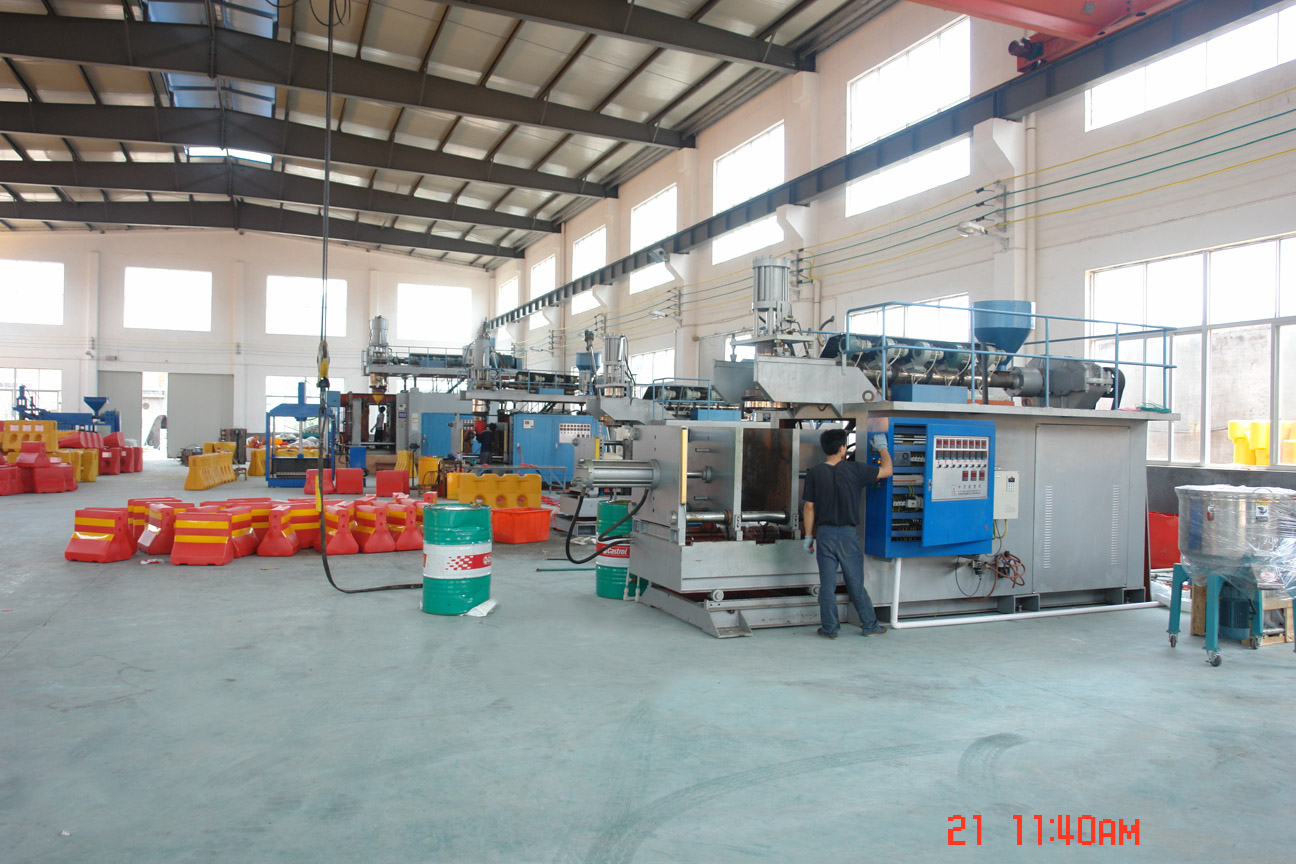
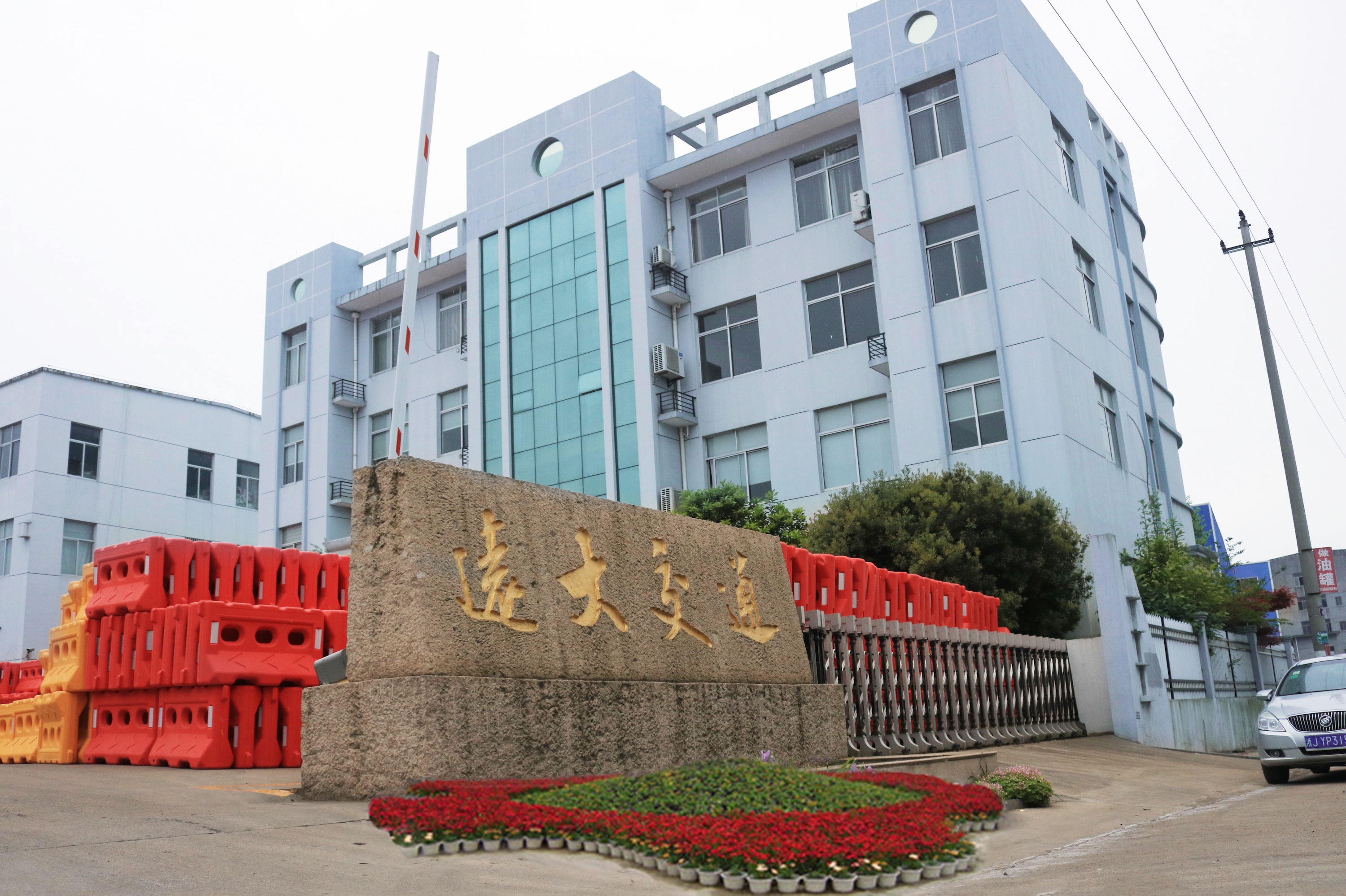
Three verifiable performance facts decide whether a fixed convex mirror passes acceptance in a road-traffic or warehouse environment: an IP65 weatherproof rating, UV resistance grade 8, and a stated operating range of -30°C to +80°C. Mnsd publishes all three for its outdoor polycarbonate convex mirror range. Mnsd is the brand of Tiantai Yuanda Traffic Device Co., Ltd., a Chinese road safety equipment manufacturer based in Tiantai, Zhejiang, producing convex mirrors, warning posts, rising bollards, speed humps, and traffic lights for markets in Asia, Europe, and the USA.
This guide is written for buyers who are already at the evaluation stage — the point at which a specification has to be defended to a safety officer, a project engineer, an insurer, or a procurement committee. It explains what compliance actually means for a fixed, site-installed convex mirror, why polycarbonate with a vacuum aluminum coating is the material basis that supports long-term outdoor expectations, and how to verify each claim in writing before an order is placed rather than after installation.
The Real Compliance Problem: Mirrors Are Specified Late and Verified Rarely
On most projects, blind-spot mirrors are the last item added to the safety scope and the least documented item within it. A purchase order that reads only "convex mirror, 800 mm" gives the buyer no written basis for rejecting a delivered unit that fogs internally, yellows, or cracks within two seasons — even though those are precisely the failures an outdoor specification exists to prevent.
The standards landscape adds a second layer of confusion. FMVSS No. 111, the US federal standard for vehicle mirrors, applies to convex mirrors installed in passenger cars as supplemental mirrors: it requires a radius of curvature between 35 and 65 inches and the marking "Objects in Mirror are Closer Than They Appear" (NHTSA). It does not govern a mirror bolted to a warehouse column or mounted on a pole at a logistics park exit. For those fixed installations, compliance is defined by the project specification, the site's internal safety programme, and the material performance a supplier is prepared to state in writing.
That reframes the compliance question for an evaluation-stage buyer. The useful question is not which certificate number appears on a brochure, but which material and performance properties the supplier will commit to, and how those properties will be checked on arrival.
Industry Background: A Growing Category With Widening Specification Gaps
Specification discipline is becoming a purchasing issue because the category itself is expanding. Dataintelo estimates the global convex mirror market at approximately USD 1.04 billion in 2025, with a projected value of USD 1.73 billion by 2034. Asia Pacific held a 42.5% revenue share in 2025, and traffic and safety applications account for 38.2% of the market — the largest single application segment.
General mirror trade has moved differently. Global trade in unframed mirrors declined 9.2% in 2023 compared with 2022, according to Business Research Insights, reflecting supply-chain shifts and softer demand in general mirror products. Safety-grade mirrors follow a separate logic, because they are purchased against a site requirement rather than a consumer preference. Published market estimates for this category also vary widely depending on whether integrated electronic safety systems are counted inside the definition, so any single figure should be read as scope-dependent rather than exact.
For buyers, the consequence is straightforward. A growing category attracts more suppliers, and the gap between a mirror engineered for permanent outdoor duty and one that merely resembles it tends to widen at the same time.
What Compliance Requires From a Fixed Outdoor Convex Mirror
For a fixed mirror, compliance evidence usually reduces to five groups of facts: material, environmental ratings, structural ratings, optical performance, and identification. Each group can be confirmed from a quotation or a technical data sheet.
1. Material: polycarbonate lens with a vacuum aluminum coating
The Mnsd outdoor range uses an impact-resistant polycarbonate (PC) lens with a vacuum aluminum coating, mounted on a high-impact ABS plastic backing. Lens thickness is 0.6–1 mm and can be customized. Polycarbonate is specified where glass and acrylic would not be: glass fractures into fragments on impact and acrylic is more vulnerable to cracking, while the PC lens in this range is rated vandal-resistant and self-recovery under impact. The vacuum aluminum coating provides the reflective surface of the lens.
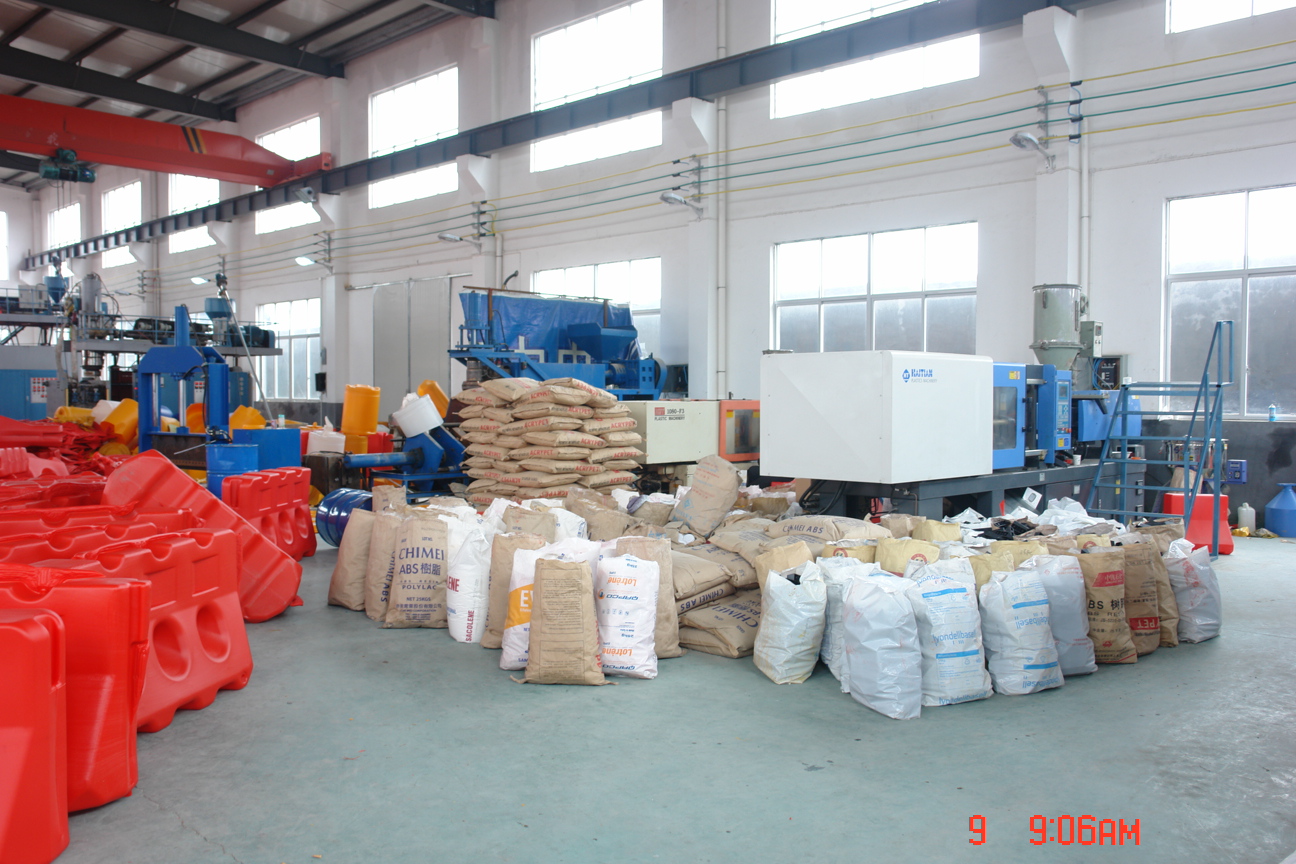
Material choice is also a documentation issue. When a specification names polycarbonate as the lens material, the data sheet should state "impact-resistant polycarbonate (PC)" along with the backing material — for example high-impact ABS. A generic description such as "plastic mirror" cannot be checked against that requirement, which is why material wording belongs in the purchase order, not only in the brochure.
2. Environmental ratings that must appear in writing
- Weatherproof rating: IP65, stated for outdoor use.
- UV protection: UV-stabilized PC and ABS, with aging resistance grade 8 UV resistance and a stated lifespan of 3–5 years.
- Temperature resistance: -30°C to +80°C.
Each rating answers a different failure mode. IP65 addresses dust ingress and water jets, the relevant test for a hooded mirror exposed to rain and periodic wash-down. Grade 8 UV resistance addresses the yellowing and embrittlement that reduce both visibility and impact strength under sustained sunlight. The -30°C to +80°C range covers the extremes a permanently installed unit actually meets, from freezing winters to high surface temperatures on sun-exposed housings.
3. Structural ratings: backing, bracket, and wind load
The structural specification for this range includes a 2.0 mm back plate, a high-impact ABS backing in bright orange, and a heavy-duty galvanized steel mounting bracket. The bracket fits 60 mm and 75 mm poles, supporting both pole-mounted traffic mirror and wall-mounted safety mirror configurations. Wind resistance is stated as Level 10 wind load resistant.
Wind load is often the item that decides a site inspection for large-diameter mirrors. A 1000 mm or 1200 mm lens presents a substantial surface area to the wind, and the mounting bracket — not the lens — is what fails first when the fixing is undersized.
4. Optical performance: curvature, lens thickness, and field of view
Across the range, curvature radius is R2200–R3000 and the view angle is stated as 130°+ wide-angle vision within a 180° coverage angle. Visual range scales with diameter, from 10–12 m at 450 mm to 35–45 m at 1200 mm. Curvature radius and lens thickness together determine how much of the reflected image stays usable rather than distorted, which is why both belong on the data sheet instead of being inferred from diameter alone.
5. Identification and visibility items
Two items in this range are optional and must be specified explicitly if a site requires them: engineering-grade reflective tape on the rim, and an anti-scratch hard coating. Bright orange backing is standard, and it functions as the high-visibility element that helps drivers register the mirror housing itself, not only the reflection.
Seven-Step Breakdown: Verifying Convex Mirror Compliance Before You Buy
- Classify the site and set the required visual range. A warehouse intersection and a roadway corner are different compliance problems. Note the traffic type, the speed of approaching vehicles, the crossing angle, and the distance from which a driver must first see the reflection.
- Write the specification before requesting quotations. Include lens material, weatherproof rating, UV resistance grade, operating temperature range, wind resistance, mounting type, and pole diameter. Specifications written after quotations arrive tend to be shaped by whatever the supplier already offered.
- Request a written material and rating declaration. Ask for stated values covering lens material, coating type, backing material, IP rating, UV resistance grade, and operating temperature. A quotation that omits these values cannot be evaluated on compliance grounds.
- Match the model to the sight distance. Use the diameter-to-visual-range relationship in the comparison table below, rather than selecting by price or by mirror size alone.
- Confirm mounting and wind-load compatibility. Check pole diameter (60 mm or 75 mm), back plate thickness, bracket material, and the stated wind resistance level.
- Confirm optional compliance items. Reflective rim tape, anti-scratch coating, custom lens thickness, back material options (PP, ABS, or fiberglass), and lens options (PC or stainless steel) are customization choices — they apply only if they are written into the order.
- Agree the acceptance check and keep the record. Mnsd applies 100% impact and clarity inspection, meaning every unit is checked for impact integrity and reflected-image clarity rather than sampled. Recording that check alongside the stated ratings gives the project file a verifiable trail from specification to delivery.
Practical note: the compliance document that matters most at handover is usually the one that lines up stated ratings against the project specification. Suppliers who publish those values up front make acceptance faster for the buyer.
Where Verified Specifications Matter Most: Five Installation Scenarios
Compliance facts become concrete when they are mapped to the sites where mirrors are actually installed. The same product range covers all five scenarios below, but the decisive ratings change from one to the next.
- Warehouse intersections and aisle ends. An industrial blind spot mirror installed where forklifts and pedestrians cross. Impact rating and clarity inspection matter most here, although the -30°C to +80°C range still applies in unheated warehouses.
- Loading docks. A loading dock safety mirror faces weather on one side and vehicle movement on the other. IP65 and a galvanized steel bracket are the ratings that carry the most weight.
- Parking garages and residential ramps. Wide-angle panoramic coverage at ramp exits and level changes is the priority, which makes the 130°+ view angle within 180° coverage the relevant figure.
- Logistics park road corners. Heavy-duty roadway convex mirrors, typically 800 mm to 1200 mm, where visual range (22–28 m at 800 mm, 35–45 m at 1200 mm) drives model selection and Level 10 wind resistance matters for pole-mounted units.
- Schools, hospitals, gas stations, and community junctions. These sites usually need smaller 450 mm to 750 mm units, where the balance between visual range and installation height determines the outcome.
A distributor-type client in Thailand used this range for a medium-sized traffic safety project to improve visibility at road corners and parking blind spots. The units were delivered on time and passed local acceptance, with wide viewing angle, weatherproof construction, and durability cited as the project's key performance points. That combination — weatherproof, wide-angle, durable — is exactly what the IP65, grade 8 UV, and impact ratings are intended to guarantee.
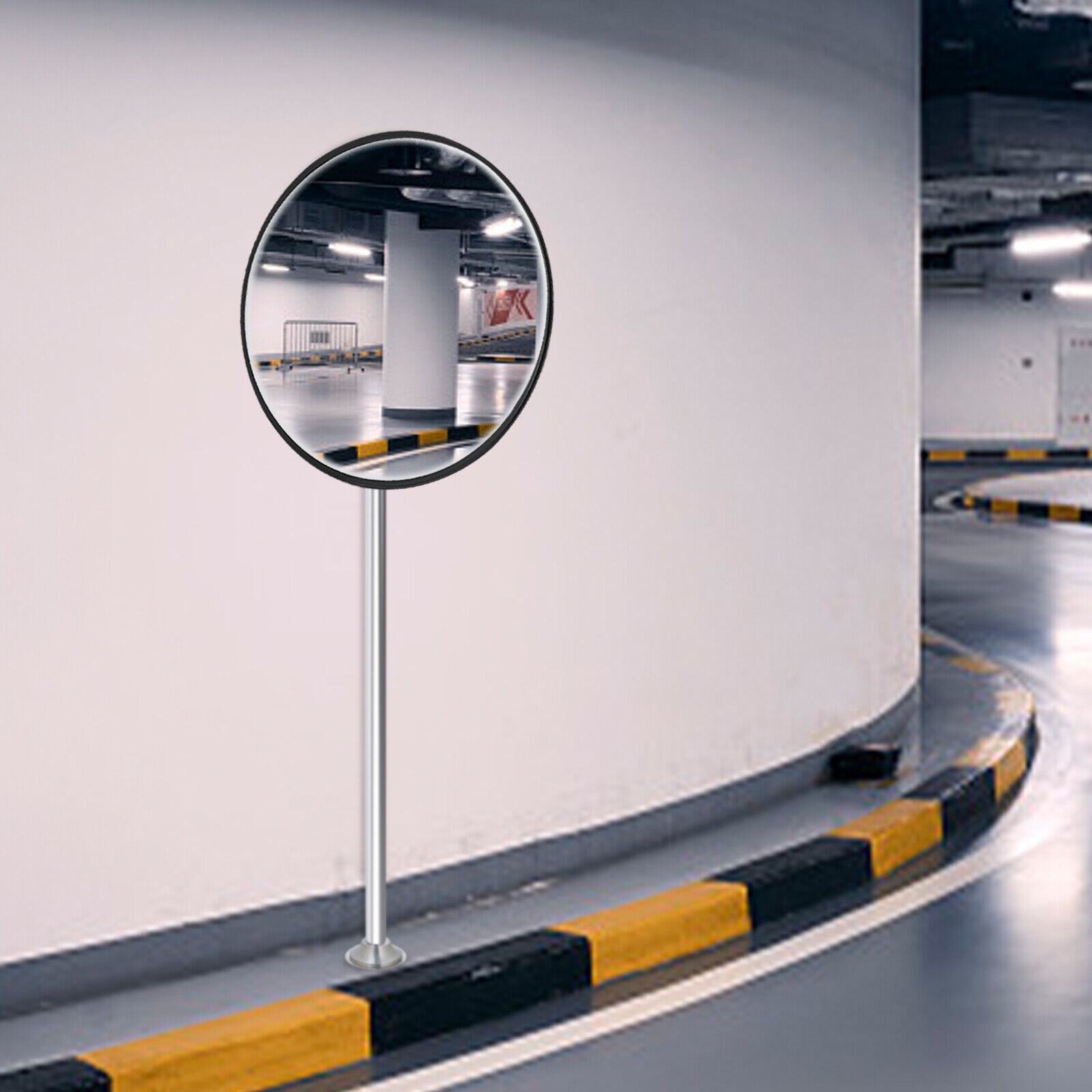
Model Comparison: Verified Specifications Across the Outdoor Polycarbonate Range
The six models below share the same material system, environmental ratings, and mounting hardware; they differ mainly in diameter and the resulting visual range. All values are taken from the published specification for the Mnsd outdoor polycarbonate convex mirror range.
| Model | Lens Diameter | Lens & Coating | Coverage | Visual Range | Environmental Ratings | Structural Rating |
|---|---|---|---|---|---|---|
| YD-OC45 | ⌀ 450 mm | Impact-resistant polycarbonate (PC) with vacuum aluminum coating, 0.6–1 mm lens thickness | 180° coverage, 130°+ wide-angle vision | 10–12 m | IP65; UV resistance grade 8 (3–5 year lifespan); -30°C to +80°C | 2.0 mm back plate; galvanized steel bracket; Level 10 wind load |
| YD-OC60 | ⌀ 600 mm | Impact-resistant polycarbonate (PC) with vacuum aluminum coating, 0.6–1 mm lens thickness | 180° coverage, 130°+ wide-angle vision | 15–18 m | IP65; UV resistance grade 8 (3–5 year lifespan); -30°C to +80°C | 2.0 mm back plate; galvanized steel bracket; Level 10 wind load |
| YD-OC75 | ⌀ 750 mm | Impact-resistant polycarbonate (PC) with vacuum aluminum coating, 0.6–1 mm lens thickness | 180° coverage, 130°+ wide-angle vision | 20–25 m | IP65; UV resistance grade 8 (3–5 year lifespan); -30°C to +80°C | 2.0 mm back plate; galvanized steel bracket; Level 10 wind load |
| YD-OC80 | ⌀ 800 mm | Impact-resistant polycarbonate (PC) with vacuum aluminum coating, 0.6–1 mm lens thickness | 180° coverage, 130°+ wide-angle vision | 22–28 m | IP65; UV resistance grade 8 (3–5 year lifespan); -30°C to +80°C | 2.0 mm back plate; galvanized steel bracket; Level 10 wind load |
| YD-OC100 | ⌀ 1000 mm | Impact-resistant polycarbonate (PC) with vacuum aluminum coating, 0.6–1 mm lens thickness | 180° coverage, 130°+ wide-angle vision | 30–35 m | IP65; UV resistance grade 8 (3–5 year lifespan); -30°C to +80°C | 2.0 mm back plate; galvanized steel bracket; Level 10 wind load |
| YD-OC120 | ⌀ 1200 mm | Impact-resistant polycarbonate (PC) with vacuum aluminum coating, 0.6–1 mm lens thickness | 180° coverage, 130°+ wide-angle vision | 35–45 m | IP65; UV resistance grade 8 (3–5 year lifespan); -30°C to +80°C | 2.0 mm back plate; galvanized steel bracket; Level 10 wind load |
Curvature radius is R2200–R3000 across every model. Bright orange backing is standard; engineering-grade reflective tape on the rim and an anti-scratch hard coating are optional. Back material is customizable in PP, ABS, or fiberglass, and lens material is available in PC or stainless steel for specific project requirements. Mounting brackets fit 60 mm and 75 mm poles, and production orders start at a minimum order quantity of 100 pcs.
FAQ: Compliance Questions Buyers Ask During Evaluation
Which standards actually apply to convex mirrors installed on roads and inside warehouses?
FMVSS No. 111 applies to convex mirrors installed in passenger cars as supplemental mirrors; it specifies a radius of curvature between 35 and 65 inches and requires the marking "Objects in Mirror are Closer Than They Appear" (NHTSA). It does not apply to fixed mirrors installed on private roads, warehouse columns, or poles. For those installations, compliance is defined by the project specification and the site safety programme, which is why the verifiable values — IP65, UV resistance grade 8, -30°C to +80°C, Level 10 wind resistance, and the stated lens material — should be written into the specification and confirmed in writing by the supplier.
What do the IP65, grade 8 UV, and -30°C to +80°C ratings prove in practice?
Each rating addresses a specific outdoor failure mode. IP65 confirms protection against dust ingress and water jets, which is the relevant condition for a hooded mirror installed outdoors and cleaned periodically. Grade 8 UV resistance, with a stated 3–5 year lifespan, addresses the yellowing and embrittlement that reduce reflected-image clarity and impact strength under sustained sunlight. The -30°C to +80°C operating range confirms that the lens and backing are rated for both freezing conditions and high surface temperatures. Together these are the ratings a safety officer or insurer will normally ask to see documented for a permanently installed outdoor mirror.
What drives the cost difference between polycarbonate and acrylic convex mirrors?
Cost differences between mirror options are driven mainly by material and process level rather than by diameter alone. A polycarbonate lens with a vacuum aluminum coating, an impact-resistant ABS backing, and a heavy-duty galvanized steel bracket sit at a different material and manufacturing level than an economic acrylic mirror. Diameter, optional items such as engineering-grade reflective tape and anti-scratch coating, and customization requests such as lens thickness or back material also move the cost. Production scale matters as well: Mnsd operates at a monthly capacity of 30,000 pcs with a minimum order quantity of 100 pcs.
Can we evaluate a unit before committing to a bulk order?
Buyers evaluating this range can request the current specification and quotation, and discuss an evaluation unit with the sales team before a production commitment. Production orders start at a minimum order quantity of 100 pcs, and OEM/ODM customization is available across diameter (45–120 cm), back material (PP, ABS, or fiberglass), and lens material (PC or stainless steel).
What is the production lead time, and how is quality checked before shipment?
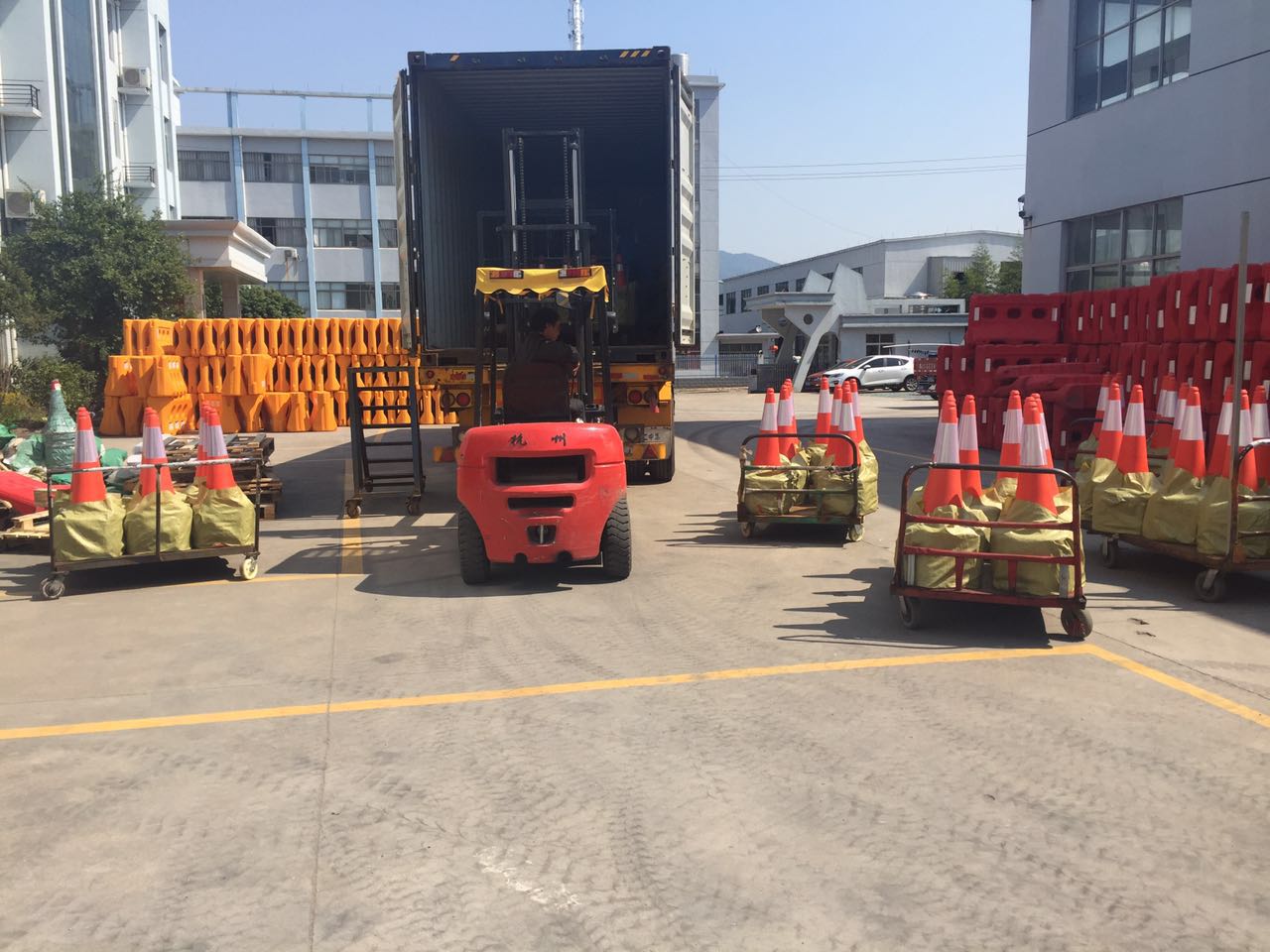
Lead time is 15–20 days for a 20-foot container, with a monthly production capacity of 30,000 pcs. Before shipment, Mnsd applies 100% impact and clarity inspection to every unit rather than sampling. Products are exported to Asia, the Middle East, Europe, and South America, with major markets in Asia, Europe, and the USA. To start an evaluation, download the product catalogue or send your site specification and required diameter to info@mnsdtraffic.com.
Conclusion: Compliance Is a Written Specification, Not a Label
For fixed convex mirrors used in traffic and warehouse environments, the difference between a compliant installation and an unverified one comes down to documented material and performance facts. An impact-resistant polycarbonate lens with a vacuum aluminum coating, an IP65 weatherproof rating, UV resistance grade 8 with a stated 3–5 year lifespan, a -30°C to +80°C operating range, and Level 10 wind resistance form a specification that can be checked at quotation, at delivery, and at site acceptance.
Buyers evaluating this category should treat those values as the decision framework: set the visual range from the site, fix the ratings in the specification, confirm them in writing, and match the model to the required sight distance. The comparison table above provides the verified starting point for that work.
Next Step: Confirm the Ratings That Apply to Your Site
If your project requires fixed convex mirrors with an IP65 rating, UV resistance grade 8, and a -30°C to +80°C operating range, the fastest path to a defensible specification is to request the technical documentation and quotation for the model that matches your required sight distance.
Download the product catalogue: Mnsd product catalogue (PDF)
Email: info@mnsdtraffic.com | Tel / WhatsApp: +86 18458137305 | Website: www.mnsdtraffic.com
Have Questions or Need More Details?
Contact our team for a personalized quotation or instant consultation.
Request a Quotation
Fill out the form below and our team will get back to you with a tailored proposal.
WhatsApp Direct Chat
Prefer to chat in real-time? Message us on WhatsApp for instant assistance & quick answers.
- Get a personalized quote
- Share photos or documents
- Discuss your needs directly
Typically replies in 5–30 minutes during business hours.