
Outdoor Polycarbonate Convex Mirrors: Specifications, Compliance, and Sizing Guide
Outdoor Polycarbonate Convex Mirrors: Specifications, Compliance, and Sizing Guide
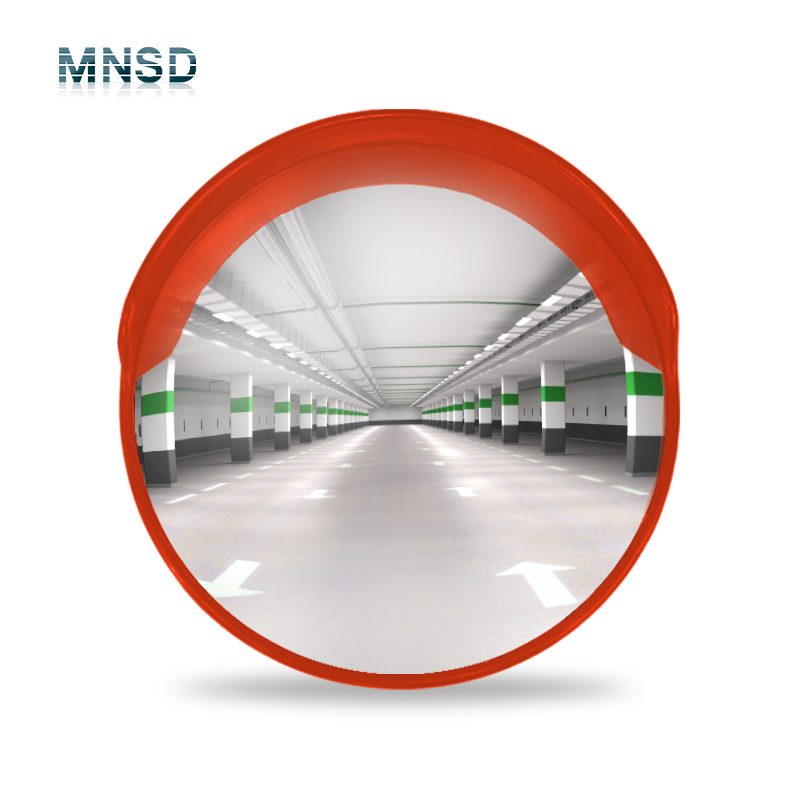
Mnsd YD-OC outdoor polycarbonate convex mirror series
Buyers evaluating convex mirrors for outdoor traffic or industrial safety sites need to compare measurable specifications rather than relying on generic wide-angle claims. This guide provides a specification-based reference for outdoor polycarbonate convex mirrors, covering size, viewing range, weather resistance, mounting, and compliance context. It also gives a model-by-model comparison of the Mnsd YD-OC series.
For most outdoor blind spots, a polycarbonate convex mirror with a 130°+ viewing angle, IP65 weatherproof rating, UV-stabilized lens, and a visual range matched to the road or aisle length will provide practical passive safety coverage.
The Procurement Problem: Vague Specs and Hidden Trade-Offs
Industrial buyers often receive product sheets with different definitions of viewing angle, visual range, and weather resistance. Some suppliers list 180° without specifying at what distance the image remains useful. Others omit operating temperature or impact resistance, which are critical for outdoor use in cold, hot, or high-UV regions.
This creates two common mistakes: under-specifying a mirror that fails in outdoor conditions, or over-specifying a larger, more expensive model than the site requires. The solution is to evaluate each model against a small set of constraints: material, view angle, visual range, weatherproof rating, wind resistance, mounting compatibility, and quality control.
Market Context: Why Convex Mirrors Remain Essential in 2026
According to Dataintelo, the global convex mirror market was valued at approximately USD 1.04 billion in 2025 and is projected to reach USD 1.73 billion by 2034. Asia Pacific accounted for 42.5% of revenue in 2025, and traffic and safety applications represented the largest application share at 38.2%.
The same verified data set notes that global trade in unframed mirrors declined 9.2% in 2023 compared to 2022, indicating supply-chain shifts in the broader mirror category. For fixed convex mirrors used in traffic and industrial safety, demand remains supported by their low maintenance cost, 24/7 passive operation, and ability to work alongside electronic monitoring systems.
Evaluating Outdoor Polycarbonate Convex Mirrors: A Constraint-Based Checklist
Use these five checkpoints to translate your site conditions into a defensible product specification.
1. Lens Material and Surface Treatment
The Mnsd YD-OC series uses impact-resistant polycarbonate (PC) lenses with vacuum aluminum coating. Lens thickness is 0.6–1 mm and can be customized. A PC lens is suitable for public roads, parking garages, and industrial areas where impact resistance and long service life are required.
2. Optical Performance: View Angle and Visual Range
The series provides a 130°+ viewing angle and a 180° coverage angle at the installation point. Curvature radius is R2200–R3000. Visual range depends on mirror diameter: YD-OC45 covers 10–12 m, YD-OC60 covers 15–18 m, YD-OC75 covers 20–25 m, YD-OC100 covers 30–35 m, and YD-OC120 covers 35–45 m.
3. Outdoor Durability and Weather Resistance
For outdoor installation, the YD-OC series is rated IP65 for weatherproofness. The PC and ABS materials are UV-stabilized, with Grade 8 UV resistance and an expected lifespan of 3–5 years. Operating temperature range is -30°C to +80°C, and wind resistance is rated Level 10. An anti-scratch hard coating is optional.
4. Backing, Bracket, and Installation Parts
The backing is high-impact ABS with a wall thickness of 2.0 mm and bright orange color for visibility. The heavy-duty galvanized steel bracket fits 60 mm and 75 mm poles. Typical installation uses pole-mount clamps, support pillars, expansion bolts, and an optional reflective tape on the rim.
5. Compliance and Certification Context
Fixed road safety mirrors do not fall under FMVSS No. 111, which applies to vehicle-mounted mirrors in the United States. FMVSS No. 111 requires a radius of curvature between 35 and 65 inches and the marking 'Objects in Mirror are Closer Than They Appear' for vehicle-installed convex mirrors. Buyers of fixed outdoor mirrors should instead verify material and performance parameters and request documented evidence from the supplier for project-specific approvals.
YD-OC Series Comparison Table
| Model | Diameter | Lens / Surface | View Angle | Coverage Angle | Visual Range | Outdoor Ratings | Mounting Bracket |
|---|---|---|---|---|---|---|---|
| YD-OC45 | 450 mm | PC / vacuum aluminum coating | 130°+ | 180° | 10–12 m | IP65, -30°C to +80°C, Grade 8 UV, Wind Level 10 | Heavy-duty galvanized steel, fits 60/75 mm poles |
| YD-OC60 | 600 mm | PC / vacuum aluminum coating | 130°+ | 180° | 15–18 m | IP65, -30°C to +80°C, Grade 8 UV, Wind Level 10 | Heavy-duty galvanized steel, fits 60/75 mm poles |
| YD-OC75 | 750 mm | PC / vacuum aluminum coating | 130°+ | 180° | 20–25 m | IP65, -30°C to +80°C, Grade 8 UV, Wind Level 10 | Heavy-duty galvanized steel, fits 60/75 mm poles |
| YD-OC100 | 1000 mm | PC / vacuum aluminum coating | 130°+ | 180° | 30–35 m | IP65, -30°C to +80°C, Grade 8 UV, Wind Level 10 | Heavy-duty galvanized steel, fits 60/75 mm poles |
| YD-OC120 | 1200 mm | PC / vacuum aluminum coating | 130°+ | 180° | 35–45 m | IP65, -30°C to +80°C, Grade 8 UV, Wind Level 10 | Heavy-duty galvanized steel, fits 60/75 mm poles |
YD-OC series specifications based on Mnsd product data
Step-by-Step Selection Process for Industrial Buyers
- Define the blind spot and required visual distance. Measure the approach path length, aisle width, or road segment that needs to be visible.
- Select the smallest diameter that covers the required distance. Use the visual range numbers in the table above to match diameter to distance.
- Confirm outdoor exposure conditions. For direct sun, rain, frost, or high wind, verify UV stabilization, IP rating, temperature range, and wind resistance.
- Check mounting compatibility. Confirm that the pole diameter matches the bracket specification (60 mm or 75 mm) and that clamps, support pillars, and expansion bolts are included or available.
- Review manufacturer quality controls and customization. For OEM/ODM projects, verify customization range, inspection procedures, MOQ, and lead time before ordering.
Use Cases: Where Each YD-OC Model Fits
Outdoor Intersection and T-Junction
At an outdoor intersection or T-junction with a blind spot of 20–25 m, YD-OC75 provides sufficient coverage. For wider roads or longer approach zones, YD-OC100 extends the visible range to 30–35 m.
Warehouse and Loading Dock
In warehouse aisles and loading dock areas, forklift traffic creates frequent blind corner conflicts. YD-OC60 and YD-OC75 models deliver 180° coverage in a compact footprint and are tolerant of impact in active industrial environments.
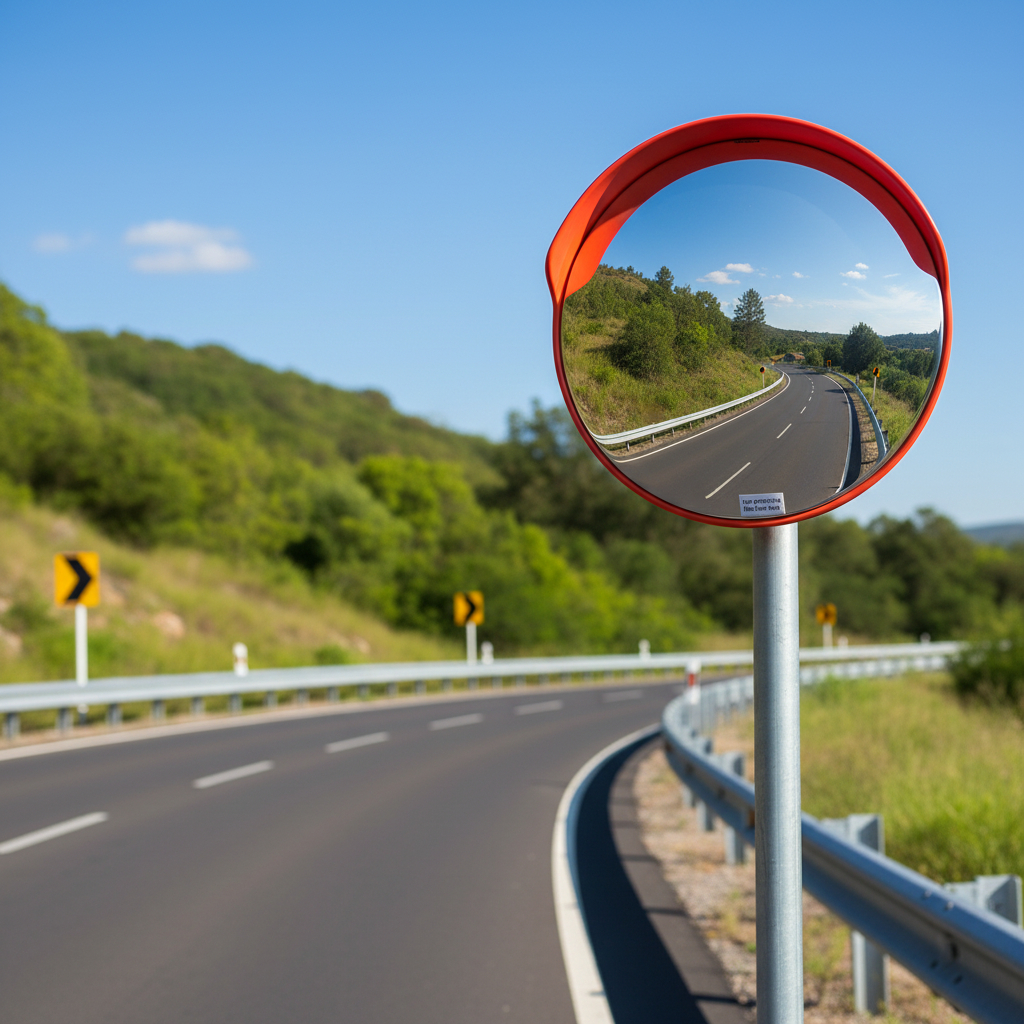
Application of convex mirrors for traffic hazard mitigation
Road Safety Project in Thailand
A distributor in Thailand supplied Mnsd convex mirrors for a medium traffic safety project focused on road corners and parking blind spots. The project was delivered on time and passed local acceptance. The key highlights reported by the distributor were wide viewing angle, weatherproof construction, and durability over a 5–8 year service life.
Manufacturing and Customization Capability
Mnsd is the sales brand of Tiantai Yuanda Traffic Device Co., Ltd., a Chinese manufacturer with more than 15 years of experience in road safety equipment. The company provides OEM/ODM production for convex mirrors and related traffic safety products.
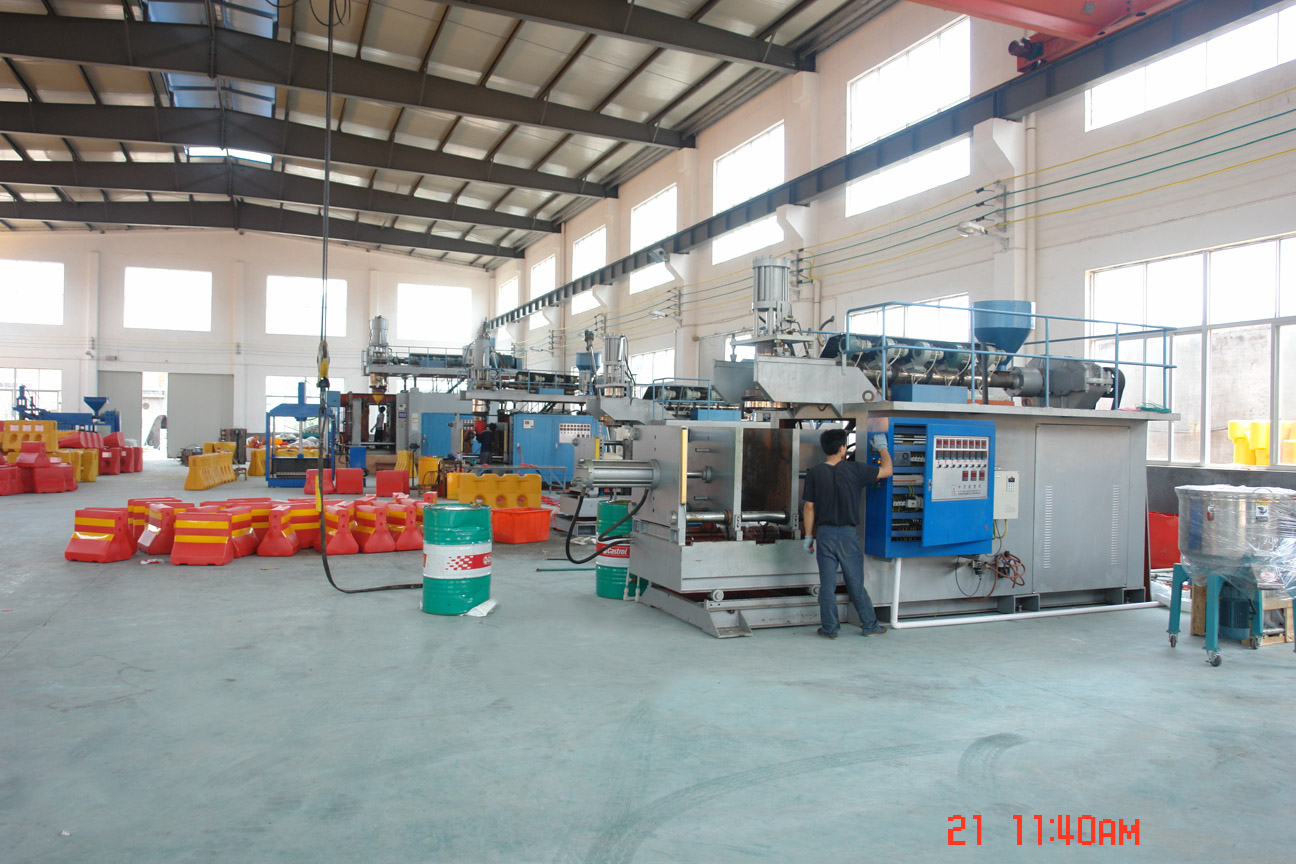
Manufacturing line for traffic safety products
Customization options include mirror diameter from 45 cm to 120 cm, backing material in PP, ABS, or fiberglass, and lens material in polycarbonate or stainless steel. Monthly production capacity is 30,000 pieces. The MOQ for production orders is 100 pieces, and each mirror undergoes 100% impact and clarity inspection.
Frequently Asked Questions
What compliance requirements apply to outdoor polycarbonate convex mirrors?
Fixed road safety mirrors are not covered by FMVSS No. 111, which applies to vehicle-mounted mirrors. For outdoor fixed mirrors, evaluate IP65 weatherproof rating, -30°C to +80°C operating temperature, Grade 8 UV resistance, and Level 10 wind resistance. Project-specific approvals should be requested from the supplier.
What customization and production capabilities does Mnsd offer?
Mnsd supports OEM/ODM manufacturing. Standard customization includes diameters from 45 cm to 120 cm, backing material in PP, ABS, or fiberglass, and lens options in polycarbonate or stainless steel. Production capacity is 30,000 pieces per month, with a MOQ of 100 pieces. Each mirror undergoes 100% impact and clarity inspection.
How does mirror size affect project budget?
Mirror size is one of the main cost drivers. Larger diameters provide longer visual ranges: YD-OC45 covers 10–12 m, while YD-OC120 covers 35–45 m. Selecting the smallest model that satisfies the required visual distance avoids unnecessary expense. Exact budgeting depends on quantity, customization, and freight, so a quotation is recommended.
Can I request samples before placing a bulk order?
Mnsd can confirm sample policy directly with buyers. For bulk production, the MOQ is 100 pieces. A sample check can verify lens clarity, impact resistance, bracket fit, and visual range for the specific site. Contact Mnsd with your project dimensions to discuss sample availability.
What is the lead time for outdoor convex mirror orders?
Standard production lead time for a 20ft container is 15–20 days, supported by a monthly capacity of 30,000 pieces. After-sales remote support is available for installation and maintenance questions. For planning, combine the lead time with your project schedule and confirm current load status with Mnsd.
Conclusion
Outdoor polycarbonate convex mirrors remain a low-maintenance, passive solution for eliminating blind spots in traffic and industrial environments. A sound procurement decision starts with matching the mirror's visual range to the site, then verifying outdoor durability, mounting compatibility, and production quality.
For a complete view of Mnsd product lines and factory background, download the company brochure: Mnsd Convex Mirror Catalog and Company Profile. For sample and quote inquiries, contact info@mnsdtraffic.com or WhatsApp +86 184-5813-7305.
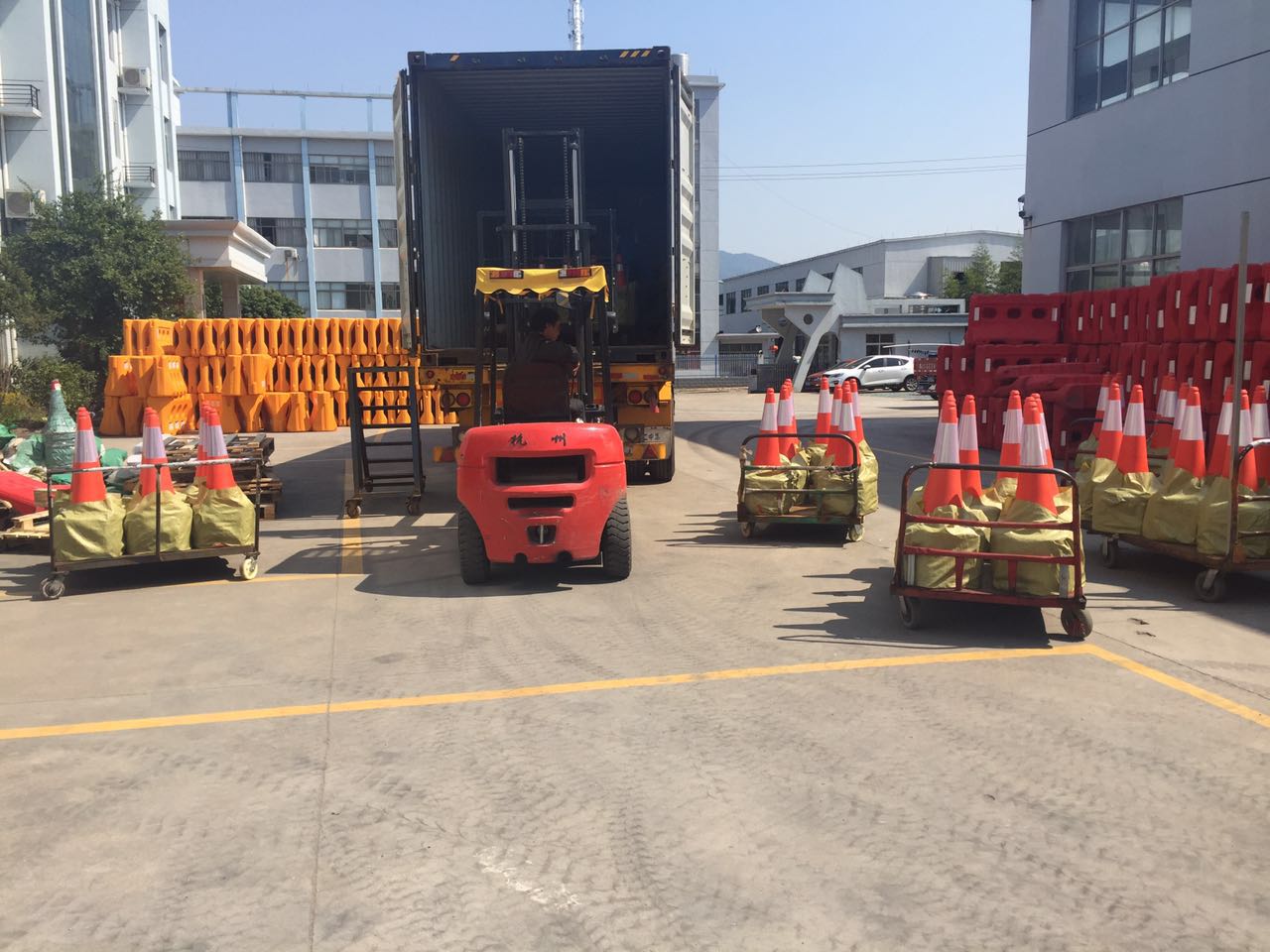
Export shipment preparation for Mnsd traffic safety products