
Supplier Capability Checklist for Flexible Warning Posts: From PU Molding to Impact Testing
A flexible warning post fails for reasons a price list never shows: a thin wall from a rushed molding cycle, a base joint that splits on the third impact, reflective tape that lifts at the sleeve edge, or a polymer that rebounds cleanly in summer and turns brittle in a cold snap. Because a delineator costs little compared with the labour of replacing it on a live site, buyers frequently skip verification — and then absorb the rework, the re-order and the safety exposure.
Short answer: a supplier capability checklist for flexible warning posts should verify eight points — (1) the molding route and the declared polymer, (2) self-recovery under repeated crush, (3) 360° impact resistance and where the post actually fails, (4) tensile, elongation and hardness consistency, (5) reflective grade, tape width and sleeve configuration, (6) temperature, UV and aging performance, (7) base material and installation hole pattern, and (8) documentation that proves the supplier is a traceable business rather than a trading shell.
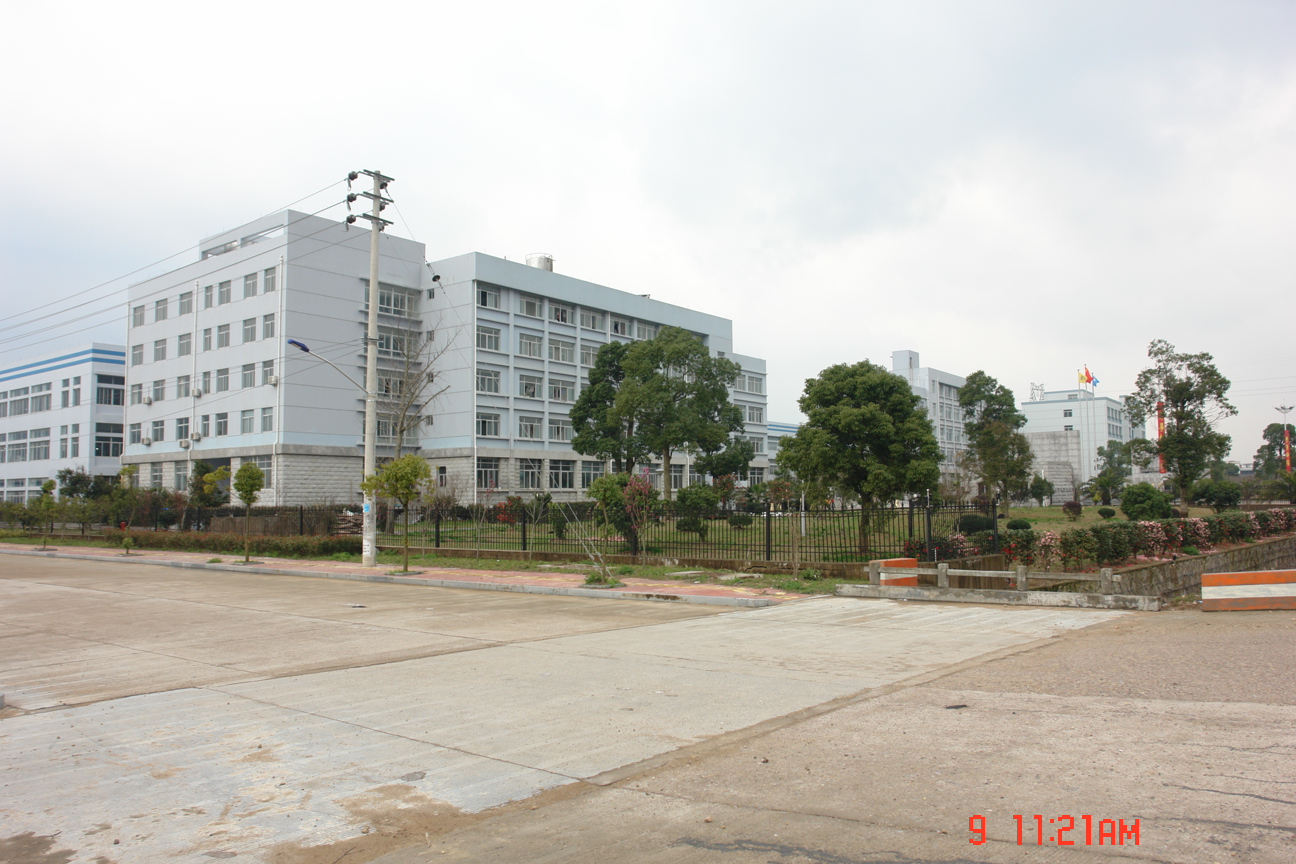
Mnsd — the brand of Tiantai Yuanda Traffic Device Co., Ltd, a road safety equipment manufacturer founded in 2007 in Tiantai, Zhejiang, China — publishes model-level parameters for its flexible warning posts, including YD-WP45 and YD-WPS75. Those two models are used throughout this article as worked examples of how each checklist item can be checked, rather than described.
This article is written for buyers in the evaluation stage: importers, distributors, contractors and municipal project suppliers who already know they need flexible delineators and now have to decide which manufacturer can deliver a consistent product across repeat orders.
Problem Definition: Why "Flexible" and "Unbreakable" Are Not Specifications
The problem in warning post sourcing is not a shortage of suppliers. It is that competing spec sheets converge on the same adjectives. Catalogs describe a flexible safety plastic warning post as "unbreakable", "high-visibility" and "impact-resistant", which are outcomes rather than testable properties. Three mistakes follow from that:
- Comparing the wrong variables. Buyers compare height and unit price while ignoring the polymer route and the base material, which are the two variables that most affect field life.
- Treating flexibility as a single yes/no property. A post that bends 30° in one direction and a post that survives a full 360° crush are different products. The failure points are also different: base joint, body wall, and tape adhesion.
- Accepting a test claim without the method. "Impact tested" means nothing without the repeat count, the fixture and the pass criterion.
The consequence is visible in procurement data rather than catalogs: two posts with identical 450 mm height and identical footprints can differ in rebound behaviour, reflective performance and UV life. The two checkpoints that separate them cheapest are the directionality of flexibility (360° versus single-axis) and the published tension metrics (tensile strength of 15.0 MPa and elongation at break of 400% on the Mnsd warning post models).
Industry Background: Standards, Growth and the Material Debate
Flexible delineation is a growing category with a formal standards layer above it. The global road marker posts market was valued at USD 3.4 billion in 2024 and is projected to reach USD 5.4 billion by 2032, according to Road Marker Posts Market Size Analysis. Dataintelo projects the wider traffic safety products market to expand at a CAGR of 6.6% from 2026 to 2034, driven by urban population growth and infrastructure investment.
Read market figures carefully. Definitions differ by source: one study sizes the broader traffic safety products market at USD 6.4 billion and another at USD 12.5 billion, largely because of whether digital traffic management systems are counted alongside physical hardware. When a buyer quotes a market number in a business case, the first question should be what the number includes.
Standards shape what suppliers must be able to document:
- EN 12899-3 specifies requirements for delineator posts and retroreflectors used in traffic circulation areas in Europe.
- MUTCD requires delineators to be retroreflective and visible from 1,000 feet when illuminated by high-beam headlights, which sets the visibility expectation on US projects.
- ASTM D2765 covers gel content and swell ratio measurement for crosslinked ethylene plastics — relevant where PE components are specified and the buyer wants a material-level check rather than a visual one.
A parallel material debate runs underneath these documents. Third-party material guidance (OPTRAFFIC Material Guide) notes that thermoplastic polyurethane (TPU) is often preferred for high-impact warning posts over standard polyethylene (PE), because of its elastic recovery and durability. Mnsd's stated material options for flexible warning posts are high-elasticity polyurethane (PU) or heavy-duty PE, with base material options of recycled rubber or an integrated plastic base. That is precisely why the checklist has to establish which route a supplier actually runs for a specific model, instead of assuming one polymer family across a whole catalog.
The Supplier Capability Checklist: Eight Points to Verify
1. Molding route and declared polymer
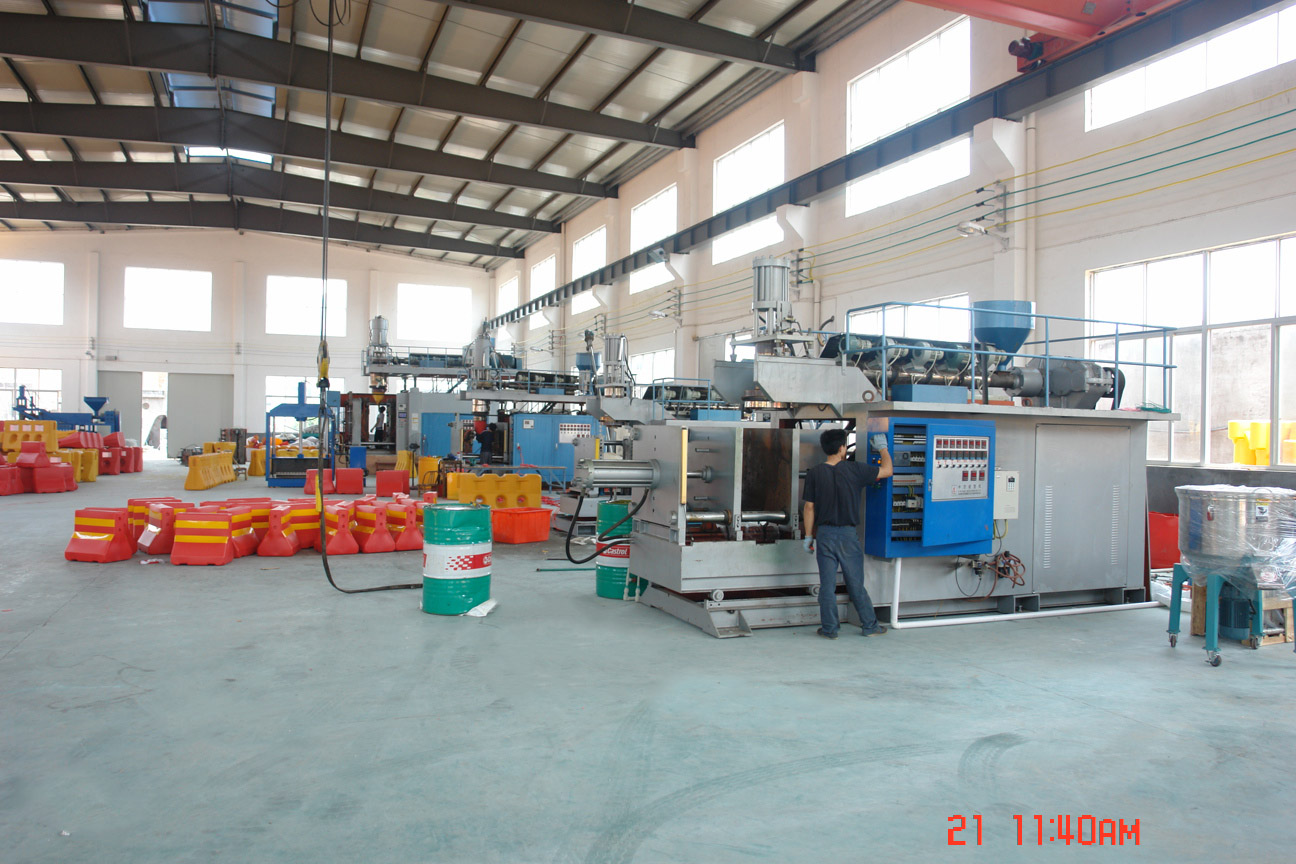
Ask which process produces the body and which polymer it consumes. Mnsd states high-speed injection molding as the production mode, with body material of high-elasticity PU or heavy-duty PE and a base material of recycled rubber or integrated plastic. The process matters because repeatable wall thickness is what makes rebound predictable; the polymer matters because PU and heavy-duty PE behave differently under repeated crush and under UV load. A supplier that cannot name the process for the exact model is quoting a category, not a product.
2. Self-recovery under repeated crush
Self-recovery is the property that justifies the product. Mnsd describes the behaviour as rapid rebound after vehicle crush and states a quality-control routine of 1,000+ times compression and rebound testing. When a buyer receives a catalogue claim of "high-impact", the three questions that convert it into evidence are: how many cycles, on what fixture, and what residual deformation counts as a failure. Asking whether the figure applies per model or per material family also exposes suppliers who publish one number across a whole range.
3. 360° impact resistance and the real failure point
Mnsd lists flexibility as 360° flexible and impact resistant, which is a stronger claim than single-axis bending. The practical verification is positional: ask where failures typically occur. On a flexible warning post the base-to-body junction carries the highest stress, and the ring top used for chain attachment is a second stress concentration. A supplier that can describe these two points in detail is describing its own tooling; one that cannot is describing the category.
4. Tensile consistency: the numbers behind "durable"
Tension data is where flexible warning posts become comparable. Mnsd publishes tensile strength of 15.0 MPa, elongation at break of 400% and hardness of 80-85 Shore A on YD-WP45 and YD-WPS75. Consistency, not the peak value, is the point of the check: ask whether the figures are batch-tested values or typical values taken from a resin data sheet, and how the sample is taken along the post height. A 400% elongation figure achieved in one batch and 250% in the next is a supply risk, not a specification.
5. Visibility system: grade, tape width and sleeve count
Visibility is a system, not a sticker. Mnsd specifies a reflective grade of High-Intensity Prismatic (HIP) / Class 1, reflective tape width of 250 mm applied in double or triple sleeves, reflective colours of silver white or fluorescent yellow, and a visibility distance of 200+ meters. On projects governed by MUTCD, the buyer's reference point is retroreflectivity visible from 1,000 feet under high-beam headlights. The sleeve count is where model differences appear in practice: a 750 mm post can carry more reflective area than a 450 mm post at the same tape width, so buy the configuration, not the grade alone.
6. Weather, UV and aging performance
The stated operating envelope across the Mnsd warning post models is -40°C to +70°C, with a UV-stabilized coating, anti-oxidant and colorfast performance over three years, and water and oil resistance. Mnsd also states an after-sales UV-resistance guarantee of no fading for three years. Buyers should ask how colour fastness is measured and whether the guarantee is tied to specific exposure conditions, because fading — not breakage — is the most common end-of-life trigger for a high-visibility flexible traffic safety PU warning post.
7. Base material and installation hole pattern
Base and fixing are the least glamorous checklist items and the most common cause of site complaints. Mnsd's base material options are recycled rubber or an integrated plastic base, and installation is by expansion bolt fixing through 3 or 4 holes, with a ring top for chain attachment and colour options of traffic orange, yellow, red or black. YD-WP45 and YD-WPS75 share a 200×80 mm base footprint, while YD-PE50 uses a different logic entirely: a PE body with a Φ260 mm rubber base. Hole count, hole spacing and base geometry must be matched to the substrate — asphalt, concrete, steel plate or rubber base — before the order is placed, not after the first delivery.
8. Documentation and business substance
The last checkpoint is the supplier itself. Mnsd's listed certification is a Business License issued by the Market Supervision Administration (No. 91331023669153260K, issued 13 November 2007, scope: all items, China policy). Supporting business facts published by the company include a 40,000 m² factory, 300 employees, a 15-person R&D team, annual output of 120,000,000 units, an export ratio of 50%, and main markets across Asia, Europe and the USA — consistent with a manufacturer that has operated for over 15 years since its founding in 2007.

Step-by-Step: Running the Checklist in Seven Steps
Where the Capability Difference Shows Up
The checklist is abstract until it is mapped to real sites. The applications where a warning spring post with rubber base or an integrated-base delineator is specified most often include:
- Parking garages and tight turning radii. Low-speed, high-frequency contact — the case where self-recovery matters more than reflectivity.
- Construction sites and temporary lane control. Frequent re-positioning, so hole pattern and base type decide how quickly a crew can move a line of posts.
- Highways and municipal delineation. Where HIP / Class 1 reflective grade and 200+ meter visibility are the governing criteria.
- Warehouses, logistics centres, ports and loading docks. Mixed vehicle traffic, including forklifts, where 360° impact resistance prevents repeated replacement.
- Schools, hospitals and commercial complexes. Pedestrian-adjacent layouts where colourfast performance drives perceived maintenance quality.
A concrete reference point: a contractor project in Vietnam using this product range was completed and accepted by the local authority. The scope was warning vehicles and pedestrians and marking road edges and dangerous areas; the stated service duration is 5-8 years, and the reported performance highlights were high visibility, durability, impact resistance and ease of installation. For a buyer building a supplier scorecard, that combination — accepted delivery plus a stated multi-year service duration — is the type of evidence to request in writing rather than read as a marketing line.
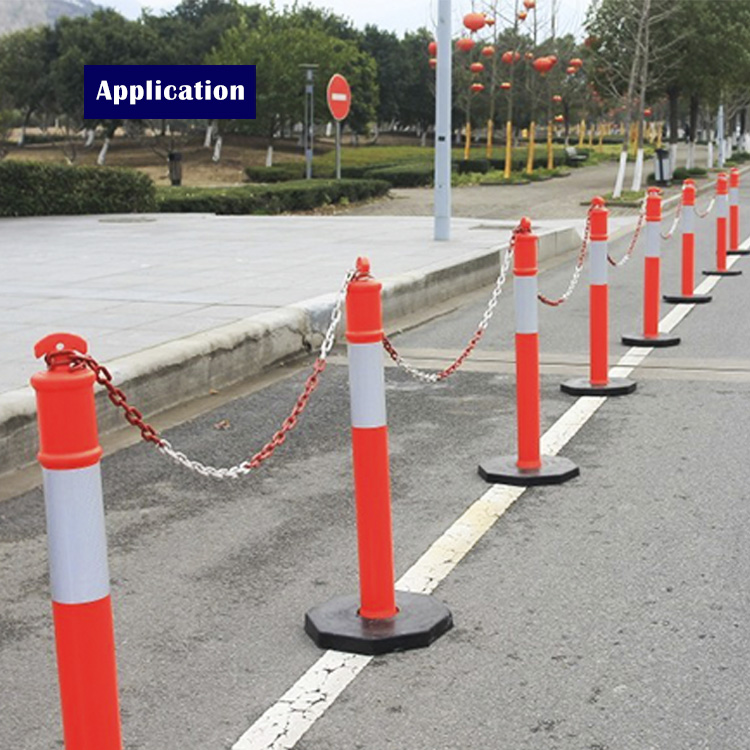
Model-Level Comparison: YD-WP45, YD-WPS75 and YD-PE50
The table below compares the three Mnsd flexible warning post models on the parameters that this checklist treats as decision variables. All values are as published for these models.
| Parameter | YD-WP45 | YD-WPS75 | YD-PE50 |
|---|---|---|---|
| Height | 450 mm | 750 mm | 500 mm |
| Body footprint | 450 × 80 × 200 mm | 750 × 80 × 200 mm | 500 mm height, Φ260 mm base |
| Base | 200 × 80 mm base; recycled rubber or integrated plastic | 200 × 80 mm base; recycled rubber or integrated plastic | Φ260 mm rubber base |
| Body material | High-elasticity PU or heavy-duty PE | High-elasticity PU or heavy-duty PE | PE with rubber base |
| Reflective grade | HIP / Class 1 | HIP / Class 1 | HIP / Class 1 |
| Tape width and sleeves | 250 mm, double or triple sleeves | 250 mm, double or triple sleeves | 250 mm, double or triple sleeves |
| Reflective colour | Silver white / fluorescent yellow | Silver white / fluorescent yellow | Silver white / fluorescent yellow |
| Visibility distance | 200+ m | 200+ m | 200+ m |
| Flexibility | 360° flexible and impact resistant | 360° flexible and impact resistant | 360° flexible and impact resistant |
| Self-recovery | Rapid rebound after vehicle crush | Rapid rebound after vehicle crush | Rapid rebound after vehicle crush |
| Tensile strength | 15.0 MPa | 15.0 MPa | 15.0 MPa |
| Elongation at break | 400% | 400% | 400% |
| Hardness | 80-85 Shore A | 80-85 Shore A | 80-85 Shore A |
| Temperature range | -40°C to +70°C | -40°C to +70°C | -40°C to +70°C |
| Aging and UV | UV-stabilized coating; anti-oxidant and colorfast over 3 years; water and oil resistant | UV-stabilized coating; anti-oxidant and colorfast over 3 years; water and oil resistant | UV-stabilized coating; anti-oxidant and colorfast over 3 years; water and oil resistant |
| Installation | Expansion bolt fixing, 3 or 4 holes | Expansion bolt fixing, 3 or 4 holes | Expansion bolt fixing, 3 or 4 holes |
| Top design | Ring top for chain attachment | Ring top for chain attachment | Ring top for chain attachment |
| Colour options | Traffic orange / yellow / red / black | Traffic orange / yellow / red / black | Traffic orange / yellow / red / black |
How to read the row that differs most. Material route separates these three models more than any other row. YD-WP45 and YD-WPS75 share the same body material options (high-elasticity PU or heavy-duty PE) and the same base footprint, differing mainly in height and therefore in material volume and reflective area. YD-PE50 changes the anchoring model with a Φ260 mm rubber base, which is why a rubber base traffic delineator post cannot be evaluated against a 200 × 80 mm base post on unit price alone.
Frequently Asked Questions
What documentation should a warning post supplier provide before an order is confirmed?
Start with business substance, then map product claims to standards. Mnsd's listed certification is a Business License issued by the Market Supervision Administration on 13 November 2007 (No. 91331023669153260K), covering all items under China policy — it confirms legal trading status but is not a product performance certificate. Product-level expectations usually come from the buyer's own market: EN 12899-3 specifies requirements for delineator posts and retroreflectors in European traffic circulation areas; MUTCD requires delineators to be retroreflective and visible from 1,000 feet when lit by high-beam headlights; ASTM D2765 covers gel content and swell ratio for crosslinked ethylene plastics, which is relevant when PE components are specified. Asking a supplier to map its model data to those documents is more useful than accepting a generic "certified" claim.
How can a buyer verify 360° flexibility and self-recovery instead of trusting a brochure?
Ask for the test method, the repeat count and the pass criterion. Mnsd states a quality-control routine of 1,000+ times compression and rebound testing, and publishes the material properties behind it: 360° flexibility with impact resistance, rapid rebound after vehicle crush, tensile strength of 15.0 MPa, elongation at break of 400% and hardness of 80-85 Shore A on models such as YD-WP45 and YD-WPS75. The follow-up question matters as much as the first: ask where failures actually appear — base joint, body wall or tape sleeve — and confirm whether the values are batch-tested rather than typical figures quoted from a resin data sheet.
What drives the unit cost of a flexible warning post?
Four variables carry most of the cost: height, polymer route, base material and reflective tape. A 450 mm post (YD-WP45) uses less material than a 750 mm post (YD-WPS75) at the same 80 mm body width and 200 × 80 mm base footprint. Body material can be high-elasticity PU or heavy-duty PE, and the base can be recycled rubber or an integrated plastic base; the YD-PE50 instead uses a PE body with a Φ260 mm rubber base, which is a different bill of materials again. Reflective tape is a fourth lever — Mnsd lists customization by tape brand (3M or Grade A) as well as by height and colour. Order volume completes the picture, with a minimum order quantity of 200 pcs.
Can a buyer evaluate a sample before committing to bulk volume?
Yes, and the sample should be used to test the four items that are hardest to confirm on paper: rebound speed after compression, the position and spacing of the installation holes (3 or 4 holes for expansion bolt fixing), the double or triple reflective sleeve configuration, and the finish of the ring top used for chain attachment. Mnsd supports customization of height, colour (orange, yellow, green) and reflective tape brand at a minimum order quantity of 200 pcs, so a sample request can be specified in the exact configuration intended for the bulk order. Sample and quotation requests go to info@mnsdtraffic.com or WhatsApp +86 184-5813-7305.
What production capacity and lead time should a bulk buyer expect?
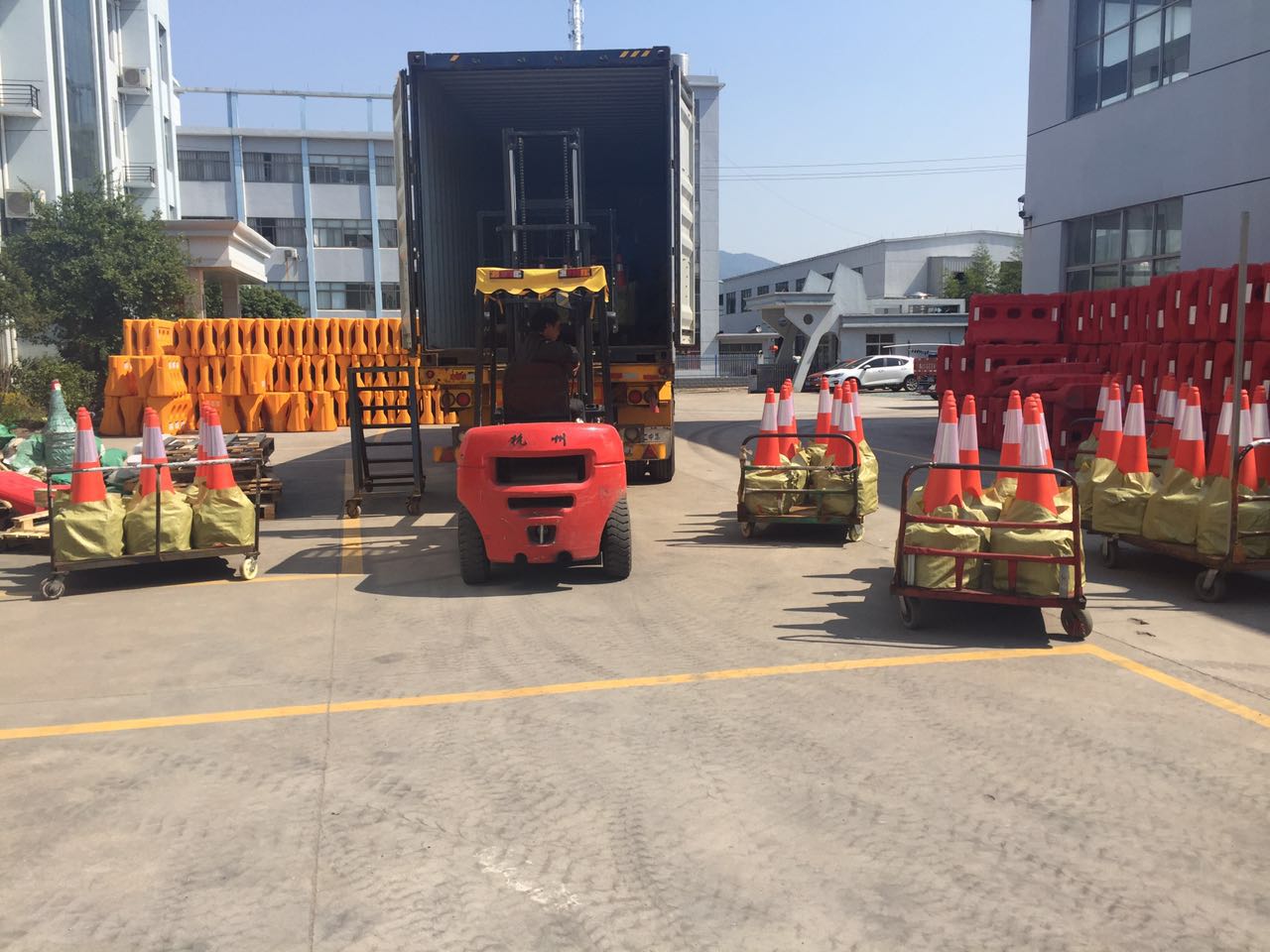
Mnsd reports a monthly capacity of 50,000 pcs on a high-speed injection molding line, with a bulk-order lead time of 10-15 days and export coverage across global markets. One after-sales commitment accompanies those figures: a UV-resistance guarantee of no fading for three years, which matches the published anti-oxidant and colorfast performance of over three years on the warning post models. For project timelines, the practical check is to confirm the stated lead time against your installation window, and to ask how the guarantee is written into the order. For a full model list and current configuration options, download the Mnsd catalogue from the link in the section below.
Conclusion: Turn the Checklist into a Purchase Decision
The difference between a flexible warning post that lasts and one that comes back as a complaint is rarely visible in a photograph. It sits in the molding route, the declared polymer, the rebound cycle count, the tensile consistency behind the word "durable", the sleeve count behind "high-visibility", the base geometry behind "easy to install", and the business records behind the supplier's name. Each of those eight checkpoints can be verified before an order, and each should be verified once — because they are the same questions that decide whether the second order goes to the same supplier.
Buyers comparing models can use the YD-WP45 and YD-WPS75 published parameters as a benchmark: 450 mm and 750 mm heights on a shared 200 × 80 mm base footprint, 360° flexibility, rapid rebound after vehicle crush, tensile strength of 15.0 MPa, elongation at break of 400%, HIP / Class 1 reflective tape at 250 mm width, 200+ meter visibility, and a stated operating range of -40°C to +70°C.

Next Step: Sample, Quote and Catalogue
Mnsd supplies flexible warning posts, PE bollards warning post ranges and traffic delineator products to importers, distributors and project contractors worldwide, with OEM and ODM customization of height, colour and reflective tape brand from a minimum order quantity of 200 pcs.
Request a physical sample in your intended configuration, ask for a model-specific quotation, or download the full catalogue:
Catalogue (PDF): Mnsd traffic safety product catalogue
Website: www.mnsdtraffic.com | Blog: blog.mnsdtraffic.com
Email: info@mnsdtraffic.com | WhatsApp: +86 184-5813-7305
Tel: +86 18458137305 | Address: Hongsan Industry Zone, Tiantai Town, Taizhou City, Zhejiang Province, China
Have Questions or Need More Details?
Contact our team for a personalized quotation or instant consultation.
Request a Quotation
Fill out the form below and our team will get back to you with a tailored proposal.
WhatsApp Direct Chat
Prefer to chat in real-time? Message us on WhatsApp for instant assistance & quick answers.
- Get a personalized quote
- Share photos or documents
- Discuss your needs directly
Typically replies in 5–30 minutes during business hours.