
Which Convex Mirrors Should You Buy? A 2026 Outdoor PC Size-by-Size Evaluation
Which Convex Mirrors Should You Buy? A 2026 Outdoor PC Size-by-Size Evaluation
Outdoor polycarbonate convex mirrors are one of the most cost-effective passive safety devices for industrial and traffic blind spots. But the right choice is rarely found on a single specification sheet. During the evaluation stage, buyers must compare diameter, viewing range, material durability, mounting compatibility, and supplier reliability as one integrated system.
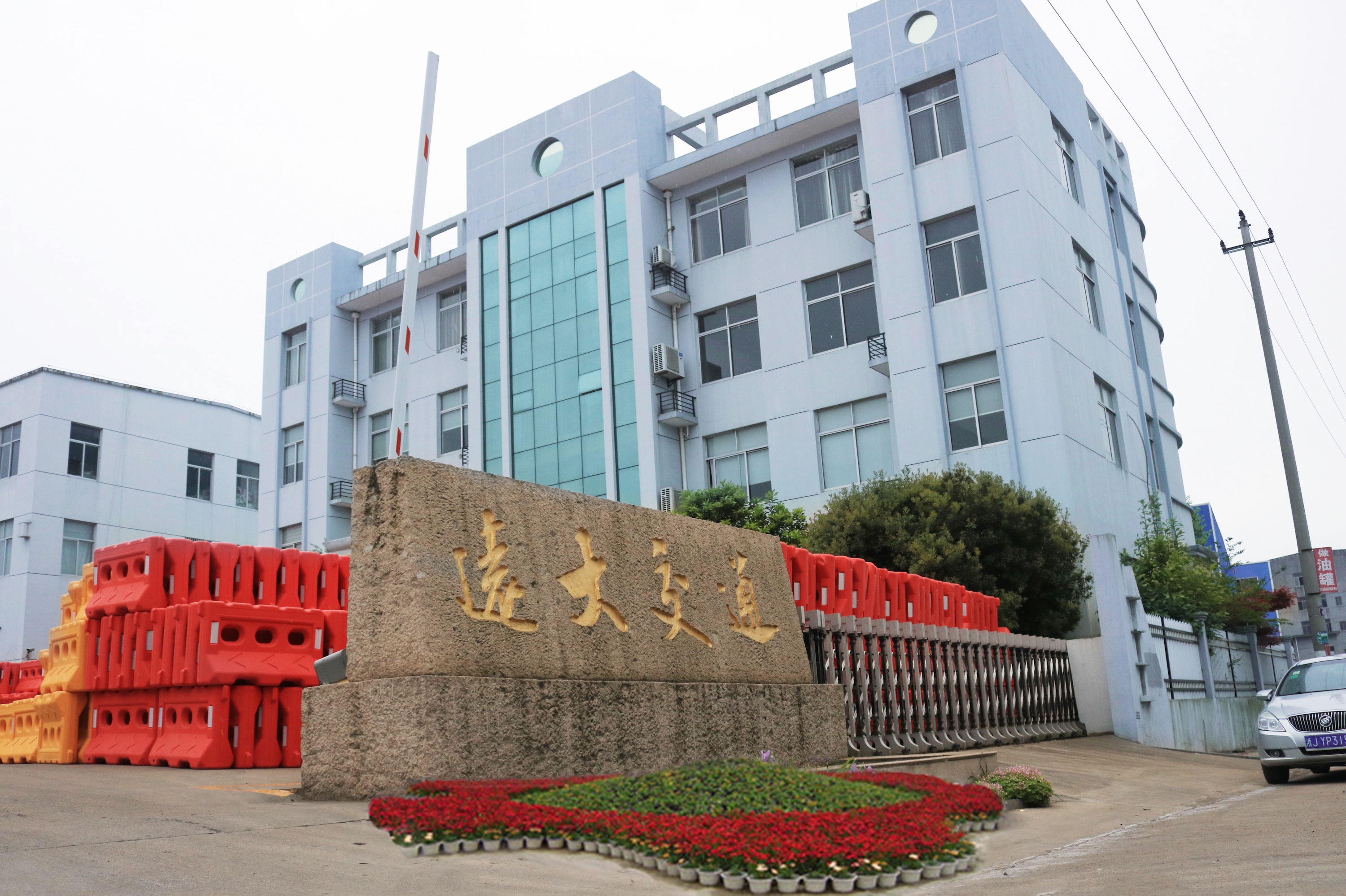
This guide provides a size-by-size evaluation of outdoor polycarbonate convex mirrors, using the Mnsd YD-OC series as a working reference. Mnsd is the brand of Tiantai Yuanda Traffic Device Co., Ltd., a road safety equipment manufacturer based in Tiantai, Zhejiang, China, with a 40,000 m² factory and 300 employees. The company serves markets in Asia, Europe, and the USA, and exports products to Asia, the Middle East, Europe, and South America.
If you are evaluating convex mirror suppliers or comparing outdoor PC mirror models for an upcoming project, this article helps you translate site conditions into a concrete specification, verify the right manufacturing evidence, and move from evaluation to shortlist with confidence.
The Cost of Choosing the Wrong Convex Mirror
Selecting the wrong convex mirror is not a minor procurement mistake. It can leave blind spots under-covered, cause drivers to misjudge distance, and lead to avoidable collisions in warehouses, loading docks, and roadway intersections.
Four common failure modes appear when buyers skip structured evaluation:
Under-sizing the mirror: a mirror with a visual range shorter than the actual sightline gives drivers a false sense of coverage.
Over-specifying the mirror: a larger mirror than required raises procurement cost and increases image compression at close distances.
Ignoring environmental stress: outdoor mirrors face UV radiation, temperature swings, wind loads, and vandalism; without proper weatherproofing they degrade within months.
Overlooking mounting compatibility: if the bracket does not fit a 60 mm or 75 mm pole, installation becomes a separate project.
The evaluation question is therefore not 'which convex mirror is the best' but 'which convex mirror best matches this site, at what total cost, and with what supply risk.'
Convex Mirror Market Context in 2026
Industry data shows steady growth in the convex mirror category. The global convex mirror market was valued at approximately USD 1.04 billion in 2025 and is projected to reach USD 1.73 billion by 2034, according to Dataintelo. Asia Pacific dominated with a 42.5% revenue share in 2025.
Traffic and safety applications hold the largest application share in the convex mirror industry at 38.2%. This explains why outdoor polycarbonate convex mirrors, also called PC traffic mirrors, weatherproof hooded convex mirrors, or industrial blind spot mirrors, dominate industrial procurement lists.
At the same time, global trade data for unframed mirrors declined 9.2% in 2023 compared with 2022, reflecting supply-chain shifts in the broader mirror category. For industrial buyers, this means supplier-specific capacity, quality control, and delivery evidence matter more than market averages.
Outdoor polycarbonate mirrors have become a common choice over glass or acrylic in many industrial applications because polycarbonate lenses combine impact resistance with shatterproof behavior. When mounted at an intersection, loading dock, or warehouse aisle, a PC lens is less likely to break into dangerous fragments if struck.
A Six-Dimension Evaluation Framework for Outdoor PC Convex Mirrors
To evaluate an outdoor polycarbonate convex mirror properly, use six dimensions. Together they cover performance, longevity, and supply feasibility.
1. Viewing Range and Mirror Diameter
Every site has a required visual range: the distance from which a driver or pedestrian must see oncoming traffic. Mnsd's YD-OC series maps diameter directly to visual range: 450 mm covers 10–12 m; 600 mm covers 15–18 m; 750 mm covers 20–25 m; 800 mm covers 22–28 m; 1000 mm covers 30–35 m; and 1200 mm covers 35–45 m. All models provide a 130°+ wide-angle view. Measure the farthest point a driver needs to see, then choose the smallest diameter that covers that distance.
2. Lens Material and Optical Surface
The lens should be impact-resistant polycarbonate for outdoor industrial use. Mnsd's YD-OC series uses vacuum aluminum coating on a PC lens with 0.6–1 mm customizable thickness and R2200–R3000 curvature radius. Ask the supplier for the exact lens thickness, coating method, and curvature parameters, because these values determine image clarity and distortion.
3. Weather Resistance and Environmental Protection
Outdoor mirrors must tolerate direct sun, rain, frost, and temperature swings. The YD-OC series is rated IP65 for outdoor use, operates from -30°C to +80°C, and uses UV-stabilized PC and ABS materials with Grade 8 UV resistance, corresponding to a 3–5 year lifespan. The design resists Level 10 wind loads. For cold climates, confirm frost behavior; for high-UV sites, confirm the UV stabilizer level in writing.
4. Backing, Bracket, and Mounting
A convex mirror is only as good as its mounting system. Mnsd uses high-impact ABS plastic backing with a bright orange finish for visibility and a 2.0 mm back plate thickness. The heavy-duty galvanized steel bracket fits 60 mm and 75 mm poles, covering common pole types in industrial and traffic installations. Wall-mounted variants are also available in the same series.
5. Safety and Anti-Vandalism Features
Industrial sites expose mirrors to impacts from forklifts, trucks, and deliberate vandalism. The YD-OC series is described as vandal-resistant and self-recovery: the polycarbonate lens absorbs impact without shattering. An optional anti-scratch hard coating increases surface durability, and optional engineering-grade reflective tape on the rim improves low-light visibility. These features directly affect replacement frequency and maintenance cost.
6. Manufacturing and Quality-Control Capability
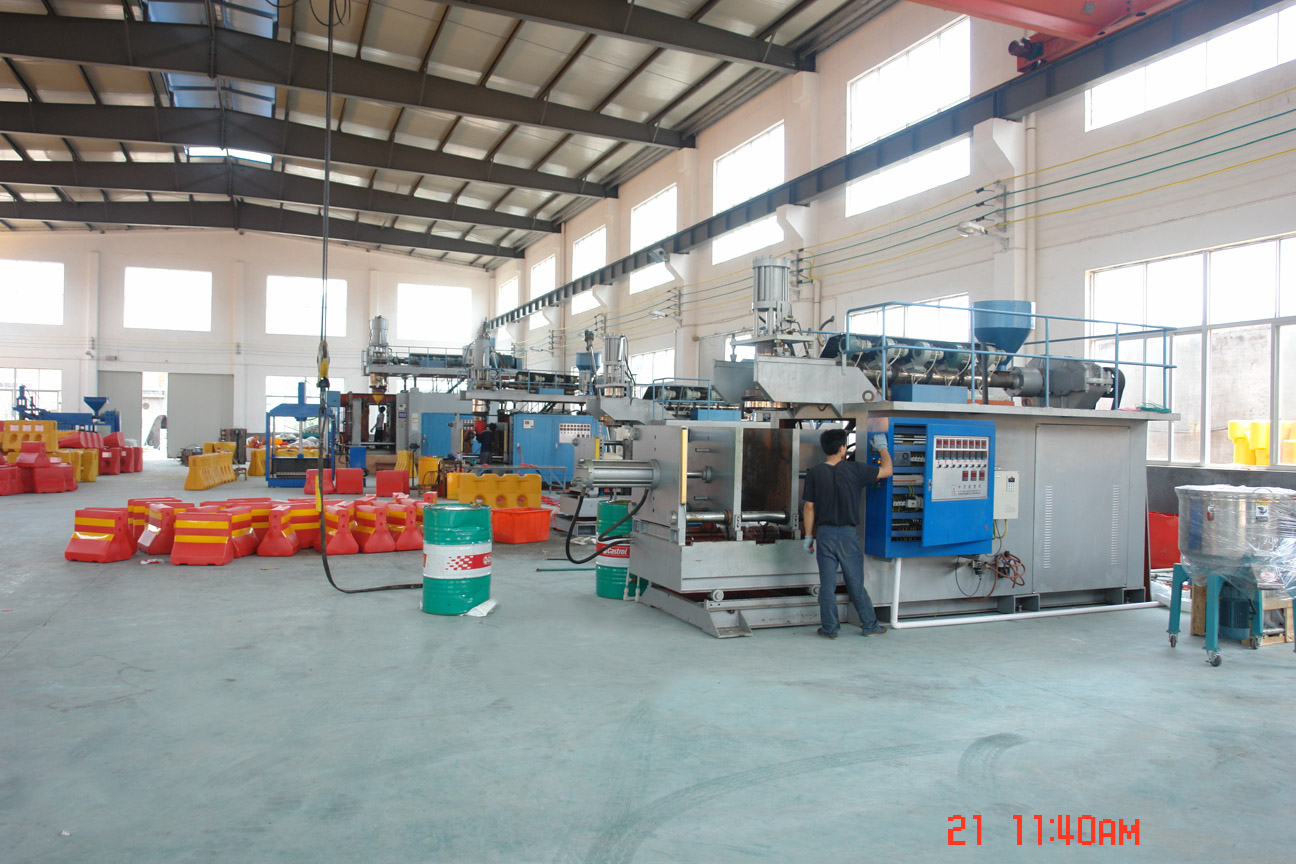
A specification sheet is not enough; the supplier must prove consistent production quality. Mnsd's facility in Tiantai, Zhejiang, has a monthly capacity of 30,000 convex mirrors and a total annual output capacity of 120 million units across its road safety product range. Quality control includes 100% impact and clarity inspection before packing. The company also supports OEM/ODM manufacturing with customization in diameter (45–120 cm), backing material (PP/ABS/fiberglass), and lens material (PC/stainless steel).
How to Evaluate: A Seven-Step Selection Process
Once the six dimensions are understood, use this seven-step process to evaluate a specific mirror model against your site.
- Survey the installation environment. Record mounting points, pole diameters, wall positions, and whether the site is fully outdoor or sheltered.
- Define the required sightline. Measure the distance from the mirror position to the farthest point that must be visible, and note the angle required (for example, 180° coverage).
- Map the sightline to mirror diameter. Use the visual range map: a 20–25 m sightline points to a 750 mm mirror; longer coverage moves you to 800 mm, 1000 mm, or 1200 mm.
- Check environmental limits. Compare site temperature range, UV exposure, frost risk, and wind load against product ratings. The YD-OC series covers -30°C to +80°C, IP65, and Level 10 wind resistance.
- Validate mounting compatibility. Confirm the bracket fits the site's pole diameter (60 mm or 75 mm) or that a wall-mount variant exists.
- Request quality evidence. Ask for the lens clarity and impact inspection procedure. Mnsd performs 100% impact and clarity inspection on each unit before shipment.
- Assess supply terms. Check MOQ, lead time, and customization. Mnsd's MOQ is 100 pieces; a 20-foot container ships in 15–20 days; monthly capacity is 30,000 pieces.
Use Cases: Where Each Size Delivers the Most Value
In one documented case, a distributor-type client in Thailand used Mnsd convex mirrors for a medium traffic safety project. The application focused on improving visibility at road corners and parking blind spots. The project was delivered on time and passed local acceptance, with the client highlighting the wide viewing angle, weatherproof performance, and durability for an expected 5–8 year service life.
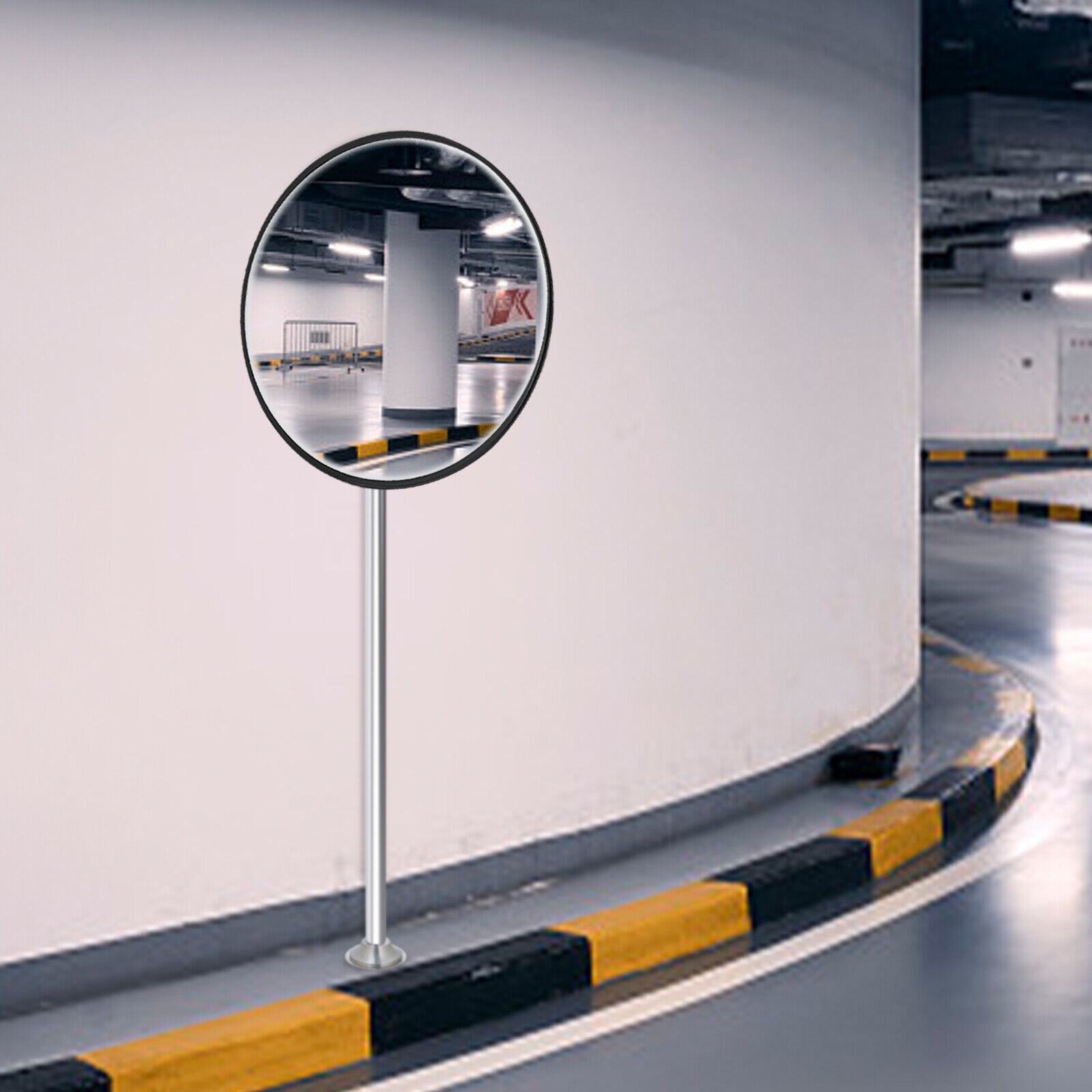
Typical site-to-size matching for industrial buyers:
- Warehouse intersection: 600 mm or 750 mm mirrors cover typical 15–25 m aisle visibility.
- Loading dock: 750 mm to 800 mm mirrors provide a broad view of approaching trucks and forklifts.
- Factory main roads: 800 mm to 1000 mm mirrors handle 22–35 m sightlines and heavier traffic.
- Highway ramps and large logistics parks: 1200 mm mirrors support a 35–45 m visual range for large vehicles and higher approach speeds.
- Schools, hospitals, and gas stations: 450 mm to 600 mm mirrors create compact coverage at entrances and corners.
Comparison Table: Mnsd YD-OC Outdoor Polycarbonate Convex Mirror Series
| Model | Diameter | View Angle | Visual Range | Typical Applications |
|---|---|---|---|---|
| YD-OC45 | 450 mm | 130°+ | 10–12 m | Doorways, narrow aisles, small corners |
| YD-OC60 | 600 mm | 130°+ | 15–18 m | Parking garages, warehouse aisles |
| YD-OC75 | 750 mm | 130°+ | 20–25 m | Road corners, intersection blind spots, loading docks |
| YD-OC80 | 800 mm | 130°+ | 22–28 m | Factory main roads, parking entrances |
| YD-OC100 | 1000 mm | 130°+ | 30–35 m | Wide roadways, construction sites, ports |
| YD-OC120 | 1200 mm | 130°+ | 35–45 m | Highway ramps, large logistics parks |
All models share the same core specifications: impact-resistant polycarbonate lens with vacuum aluminum coating, 0.6–1 mm customizable lens thickness, R2200–R3000 curvature radius, high-impact ABS backing in bright orange, 2.0 mm back plate thickness, heavy-duty galvanized steel bracket for 60 mm or 75 mm poles, IP65 weatherproof rating, -30°C to +80°C temperature tolerance, Grade 8 UV resistance, Level 10 wind load resistance, and vandal-resistant self-recovery performance.
FAQ
What weatherproofing and safety specifications should an outdoor polycarbonate convex mirror have?
An outdoor polycarbonate convex mirror should be rated for the climate where it will be installed. Mnsd's YD-OC series is IP65 weatherproof, operates from -30°C to +80°C, and uses UV-stabilized PC and ABS materials with Grade 8 UV resistance for a 3–5 year lifespan. The mirror also resists Level 10 wind loads. For vehicle-mounted convex mirrors, additional standards such as FMVSS No. 111 may apply. For industrial fixed mirrors, verify the impact rating and, when needed, request engineering-grade reflective tape on the rim for low-light visibility.
How can I verify the optical quality and impact resistance of a PC convex mirror?
Check three things: lens material, coating quality, and inspection procedure. Mnsd uses impact-resistant polycarbonate lenses with vacuum aluminum coating, 0.6–1 mm customizable thickness, and R2200–R3000 curvature radius, producing a 130°+ wide-angle view. Every unit in the YD-OC series undergoes 100% impact and clarity inspection before shipment. Buyers should ask suppliers to confirm these parameters in writing.
How should I choose the mirror size to control cost without sacrificing safety?
Select the smallest diameter whose visual range covers your measured sightline. Mnsd's visual range map is: 450 mm covers 10–12 m, 600 mm covers 15–18 m, 750 mm covers 20–25 m, 800 mm covers 22–28 m, 1000 mm covers 30–35 m, and 1200 mm covers 35–45 m. Matching size to the actual blind-spot distance avoids paying for oversized optics while keeping the site safe.
Can I request a sample before placing a bulk order?
Sample evaluation is a practical step in industrial procurement. Mnsd supports OEM/ODM manufacturing with customization options in diameter (45–120 cm), backing material (PP/ABS/fiberglass), and lens material (PC/stainless steel), with a minimum order quantity of 100 pieces. Contact Mnsd at info@mnsdtraffic.com to confirm sample availability and to align the sample specification with your final production requirement.
What production capacity and lead time should I expect from a convex mirror supplier?
Mnsd's monthly capacity for convex mirrors is 30,000 pieces, and a standard 20-foot container order is produced in 15–20 days. The factory is located in Tiantai, Zhejiang, China, and exports to global markets including Europe, North America, and Southeast Asia. For OEM/ODM projects, confirm customization complexity during quotation because it can affect the lead time.
Conclusion
Choosing an outdoor polycarbonate convex mirror during the evaluation stage comes down to a simple rule: match the mirror to the measured sightline, verify the material and weatherproofing evidence, and check the supplier's production and delivery capability before adding it to your shortlist.
Mnsd's YD-OC series offers six diameter options from 450 mm to 1200 mm, all built around impact-resistant polycarbonate lenses, ABS backing, IP65 weatherproofing, and galvanized steel mounting. Whether you are a distributor planning a traffic safety project or an industrial buyer upgrading warehouse safety, the next step is to request the full specification sheet, compare your site data with the size map, and confirm lead time and customization options.
Contact Mnsd (Tiantai Yuanda Traffic Device Co., Ltd.) for a catalog or quotation at info@mnsdtraffic.com or WhatsApp +86 184-5813-7305. You can also download the company brochure to review the full road safety product range: Mnsd Traffic Safety Product Brochure.