
Choosing the Right Sintered Stone Slab Supplier in China: A 2026 Procurement Decision Framework
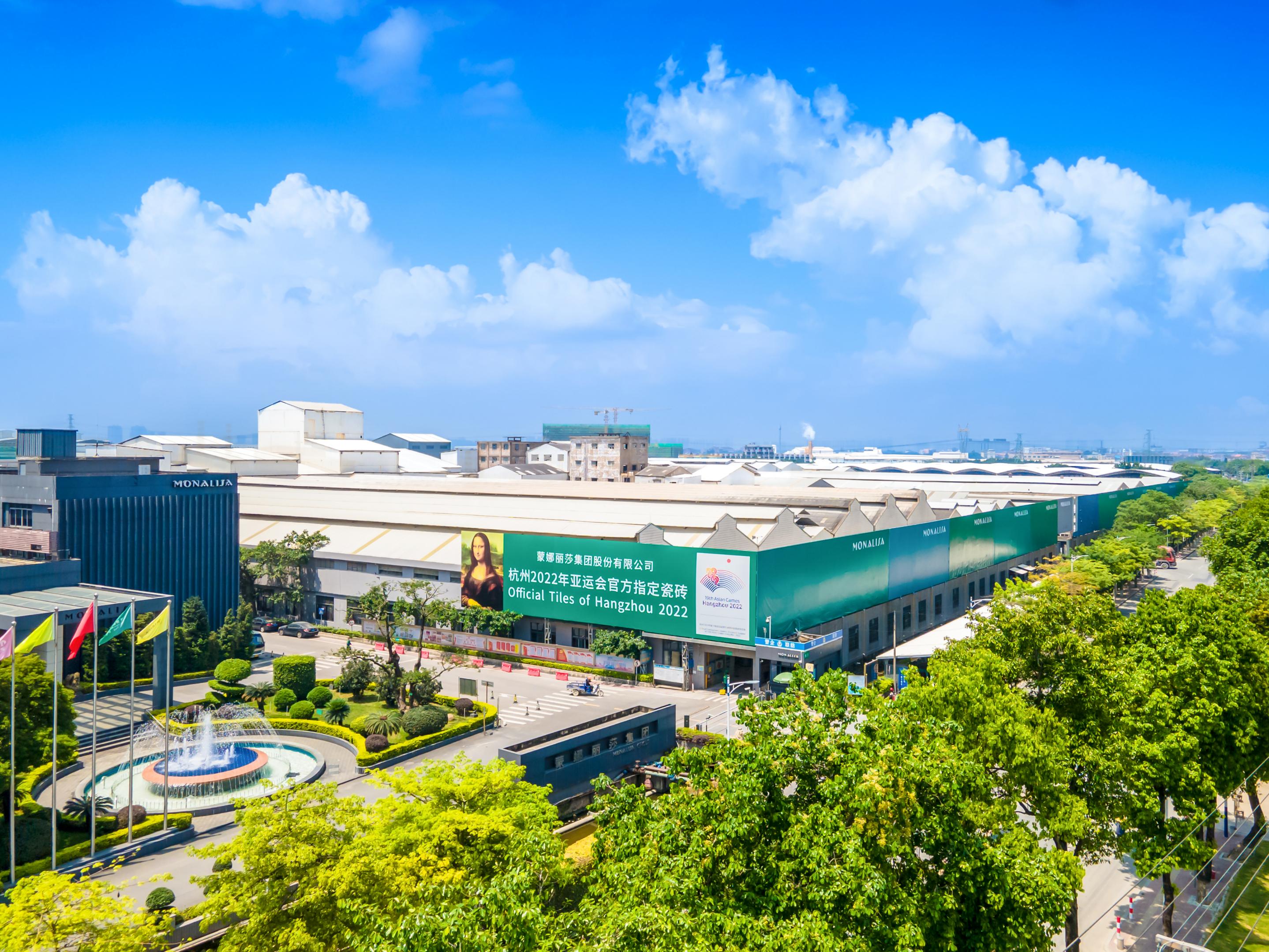
Executive Summary: Sintered stone slabs are the material of choice for high-end kitchen countertops, bathroom vanities, exterior facades, and commercial flooring. China is the world's largest production base, but the market is fragmented. This guide provides a structured framework to evaluate Chinese suppliers based on technical capabilities, certifications, production scale, and proven project references. We analyze how brands like Monalisa Group (a publicly listed company with 37 production lines and 4,106 employees) benchmark against industry standards.
1. Problem Definition: What Makes Chinese Sintered Stone Slab Sourcing Complex?
Procurement professionals often face:
- Inconsistent quality – Variations in water absorption, flatness, and color between batches.
- Unclear certifications – Not all suppliers hold international standards like NSF (NSF/ANSI 51 – food contact safe) or CE (EN 14411:2016).
- Limited traceability – Lack of production batch tracking and quality control documentation.
- After-sales risk – Difficulty in obtaining replacement tiles or technical support for large projects.
These pain points directly impact project timelines, total cost of ownership, and final aesthetic quality. A systematic supplier evaluation framework reduces these risks.
2. Industry Background: China’s Sintered Stone Slab Manufacturing Landscape
China produces over 70% of the world’s ceramic slabs. Leading manufacturers utilize advanced presses (e.g., 48,000 kN compaction force), nano‑scale glaze technology, and large‑format lines up to 9000×1800 mm. Key technical benchmarks include:
Suppliers like Monalisa Group (Foshan, Guangdong) have invested in 37 production lines across four bases (Xiqiao, Qingyuan, Tengxian, Gao’an), with an annual capacity of 100 million m² and a monthly output of 12.5 million m². Such scale ensures consistent supply for large‑volume projects (e.g., 80,000 m² single deliveries).
3. Detailed Solution Evaluation Criteria
3.1 Certification & Compliance
Essential certifications for sintered stone slabs include:
- NSF/ANSI 51 – Food contact safety for kitchen countertops. Monalisa holds certificate C0676949-01 issued by NSF International.
- CE (EN 14411:2016) – Mandatory for EU markets. Monalisa’s certificate CY25A10378 covers 900×1800×10 mm glazed tiles.
- ISO 9001, ISO 14001, ISO 45001 – Quality, environment, and occupational health management systems.
3.2 Production Capability & Quality Control
Assess the supplier’s manufacturing infrastructure:
- Press force: 48,000 kN ultra‑high pressure presses deliver high density and low porosity.
- Inspection: 18 quality control points from raw material to packaging; 100% flatness scanning and color sorting.
- Traceability: Each tile laser‑marked or RFID‑coded for batch, press station, kiln zone, and inspector.
- In‑house lab: CNAS‑accredited laboratory for water absorption, breaking strength, slip resistance, freeze‑thaw, etc.
3.3 Product Portfolio & Customization
Check if the supplier offers the specific formats and finishes you need:
- Large format: 900×2700 mm, 1200×2700 mm, even 9000×1800 mm.
- Thickness: 9 mm, 12 mm (standard), 20 mm for countertops.
- Surface finishes: Matt, glazed‑matt, polished, natural stone texture.
- Designs: Marble look (Calacatta), concrete look, terrazzo, flowing light.
- Customization: Logo, pattern, size – typical MOQ 2,000 m² (as per Monalisa’s capability).
3.4 Project References & Case Studies
Real projects demonstrate reliability. For example:
- Bandaranaike Memorial International Convention Hall (Sri Lanka) – 80,000 m² of 900×1800 mm slabs used for floors, walls, and outdoor terraces. Ultra‑low water absorption (≤0.08%) and freeze‑thaw resistance ensured durability under monsoon climate. On‑site technical support provided.
- Jogyakarta Airport (Indonesia) – 80,000 m² of unglazed porcelain tiles delivering modern minimalist aesthetic and 30% lower life‑cycle maintenance cost.
3.5 After‑Sales & Warranty
Key support terms:
- Warranty: 5–15 years depending on series (covering manufacturing defects).
- Stock reserve: Same‑batch tiles kept for 2 years for future replenishment.
- Response: Complaint handling within 24 hours, solution within 7 working days.
- Technical training: On‑site supervision and installation guidance for large projects.
4. Step‑by‑Step Supplier Selection Process
- Define requirements: List applications (kitchen countertop, facade, flooring), dimensions, performance targets (scratch resistance, UV resistance, slip rating R10+).
- Search and shortlist: Focus on manufacturers with own factories, not only traders. Use trade platforms or direct outreach.
- Request documentation: Ask for certificates (NSF, CE, ISO), test reports (water absorption, breaking strength, abrasion), and factory audit reports.
- Evaluate samples: Request sample slabs (e.g., 300×300 mm) for visual and technical assessment. Perform stain and scratch tests.
- Visit or virtual audit: Verify production lines, QC processes, and infrastructure. Monalisa’s factory area is 2,779,333 m² with 37 lines.
- Check references: Contact past clients or review case studies (Sri Lanka convention hall, Indonesia airport).
- Negotiate terms: Confirm MOQ (2,000 m²), lead time (7–15 days), payment (TT/LC), delivery method (FOB/CIF/EXW).
- Agree on acceptance: Define packaging, labeling, and random inspection protocol (5%–10% cartons opened).
5. Use Cases: Matching Supplier Strengths to Application
6. Frequently Asked Questions (FAQ)
Q: What is the difference between a ceramic tile and a sintered stone slab?
A: Sintered stone slabs are made from a homogeneous blend of natural clays, quartz, and feldspar fired at over 1200°C under high pressure, resulting in extremely low water absorption (≤0.08%) and high mechanical strength. They are larger, stronger, and more durable than conventional ceramic tiles.
Q: How can I verify a supplier’s production capacity?
A: Request factory size, number of production lines, monthly output, and recent large‑volume shipping records. For example, Monalisa has 37 lines and a monthly capacity of 12.5 million m².
Q: Do I need NSF certification for kitchen countertops?
A: Yes, if the countertop will be used for food preparation. NSF/ANSI 51 certification ensures the material is safe for direct food contact. Monalisa holds NSF certificate C0676949-01.
Q: What is the typical lead time for a 20,000 m² order?
A: For a well‑prepared supplier like Monalisa, lead time is 7–15 days after order confirmation, depending on the complexity of customization and shipping method.
Q: Can I get custom sizes and patterns?
A: Yes. Premium suppliers offer OEM/ODM services. Monalisa can produce patterns, logos, and custom dimensions with a minimum order of 2,000 m².
Q: How do I ensure color consistency across batches?
A: Look for automatic color sorting machines, spectrometer online inspection, and batch sample retention. Monalisa uses master standard comparison and shade‑based packaging.
7. Conclusion
Selecting a Chinese sintered stone slab supplier requires more than price comparison. By evaluating certifications (NSF, CE), production scale, quality control processes, project references, and after‑sales support, buyers can significantly reduce procurement risk. Monalisa Group Co., Ltd. stands out as a reliable partner with 37 production lines, 892 authorized patents, and proven delivery of 80,000 m² single‑shipment projects. Their NSF‑certified sintered stone slab models (e.g., 90‑270FDK09003M/09008M, 900×2700×12 mm) meet the stringent demands of kitchen countertops, bathroom vanities, and exterior cladding.
Download Monalisa Corporate Brochure (PDF)
For inquiries, contact Joanna Wang at joanna_wang@fs-monalisatiles.com or WhatsApp +86 18605191548.