
Decoding Sintered Stone Slab Technical Parameters: How Production Processes Define Performance
Decoding Sintered Stone Slab Technical Parameters: How Production Processes Define Performance
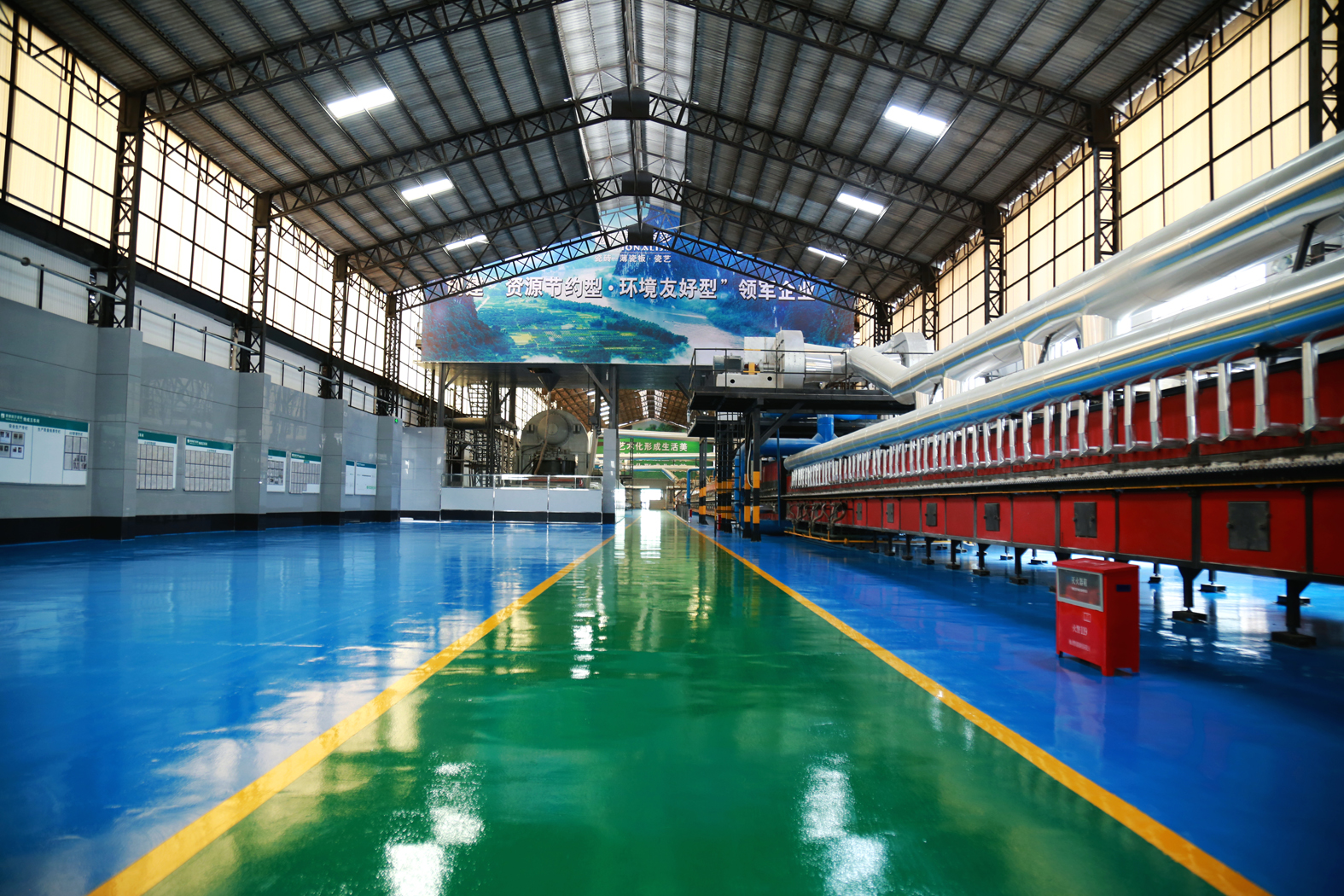
For global procurement professionals, interpreting a sintered stone slab datasheet can feel like reading a foreign language. Parameters such as water absorption, breaking strength, Mohs hardness, and abrasion resistance are not arbitrary numbers—they are direct indicators of the manufacturing process and, ultimately, the product's long-term performance. This article provides a structured framework to decode these technical specifications and explains how the production journey—from raw material selection to ultra-high pressure compaction and high-temperature sintering—determines the quality of kitchen countertop sintered stone slab, bathroom vanity sintered stone slab, wall cladding sintered stone slab, and other high-demand applications.
The Problem: Why Technical Parameters Matter for Buyers
When sourcing sintered stone slabs, buyers often encounter conflicting datasheets from different suppliers. A slab may claim to be “scratch resistant” or “heat resistant,” but without understanding the underlying technical parameters, it is impossible to verify these claims. The core problem is that production process variables directly translate into performance metrics. A slab manufactured with lower pressing pressure or shorter firing cycles may exhibit higher water absorption, lower strength, and inferior durability—leading to premature cracking, staining, or chipping in real-world use.
- Kitchen countertops require stain resistant sintered stone and heat resistant sintered stone slab. These depend on surface density and glaze quality.
- Bathroom vanity applications demand waterproof sintered stone slabs and scratch resistant sintered stone, which are governed by water absorption and surface hardness.
- Exterior facade sintered panels need UV resistant sintered stone panels and freeze-thaw resistance—parameters that stem from the body's compaction and mineral composition.
Industry Background: The Evolution of Sintered Stone Manufacturing
Sintered stone, also known as large format sintered stone slabs or ultra thin sintered stone slab, is a man-made material produced by pressing a blend of natural minerals (clay, quartz sand, feldspar) under extreme pressure (up to 48,000 kN) and firing at temperatures exceeding 1200°C. Unlike traditional ceramic tiles, the sintering process vitrifies the entire body, resulting in a homogenous, non-porous material. Monalisa Group Co., Ltd., founded in 1992 and headquartered in Foshan, China, operates four modern production bases with 37 production lines and an annual output of 100 million square meters. Their advanced manufacturing capabilities include fully automatic ultra-high pressure presses and nano-scale glaze technology, enabling the production of marble look sintered stone slab, calacatta sintered stone slab, concrete look sintered stone, and terrazzo sintered stone slab.
Detailed Solution: A Technical Framework for Interpreting Parameters
1. Water Absorption (≤0.08%)
What it means: Water absorption measures the porosity of the slab. Ultra-low values (≤0.08%) indicate a highly vitrified body that resists moisture ingress, staining, and freeze-thaw damage. This is critical for bathroom vanity sintered stone slab and kitchen countertop sintered stone slab applications.
Process link: High compaction pressure (≥48,000 kN) and proper firing temperature (≥1200°C) close the pores. Monalisa achieves ≤0.08% via its fully automatic presses and controlled firing curves.
2. Breaking Strength (≥45 MPa)
What it means: The force required to break a slab. Higher values ensure structural integrity during handling, transportation, and installation. For flooring sintered stone slabs and wall cladding sintered stone slab, ≥45 MPa is the expected minimum for large-format panels.
Process link: Raw material formulation (increased kaolin content) and pressing pressure directly affect breaking strength. Monalisa's breaking strength is ≥45 MPa, outperforming conventional tile industry average of ≥35 MPa.
3. Surface Hardness (Mohs ≥7)
What it means: Mohs hardness measures scratch resistance. A value of 7 means the surface is harder than quartz, making it highly resistant to scratches from knives, metal utensils, or abrasive particles—ideal for scratch resistant sintered stone in kitchen islands and high-traffic commercial floors.
Process link: The combination of dense body and nano-scale glaze technology (high-density transparent frit applied on glaze) imparts exceptional surface hardness.
4. Abrasion Resistance (PEI Grade 5)
What it means: PEI (Porcelain Enamel Institute) rating classifies resistance to surface wear. Grade 5 is the highest, suitable for commercial and industrial areas with heavy foot traffic. This is essential for commercial spaces using sintered stone slabs.
Process link: Nano-scale glaze and high-density body reduce wear volume to ≤140 mm³ (vs. ≤540 mm³ for conventional tiles).
5. Freeze-Thaw Resistance (150 cycles)
What it means: The ability to withstand repeated freezing and thawing without cracking. For exterior facade sintered panels in cold climates, this parameter is non-negotiable.
Process link: Ultra-low water absorption (≤0.08%) eliminates internal water that could expand during freezing. Monalisa products pass 150 cycles without damage, far exceeding the industry norm of 50–100 cycles.
6. Stain Resistance (Grade 5)
What it means: The ability to resist penetration from common household stains (coffee, oil, wine, ink). Grade 5 indicates no visible stain after cleaning. This is critical for kitchen countertop sintered stone slab and bathroom vanity sintered stone slab.
Process link: Dense body + high-quality glaze creates a non-porous surface. Monalisa tests its slabs with ink, oil, and tea to validate Grade 5 performance.
Step-by-Step Breakdown: How Production Process Affects Quality
- Raw Material Selection: High-quality clay, quartz sand, and feldspar are precisely blended. Monalisa's formulation optimization (increased kaolin content) improves green strength before firing.
- Ball Milling & Spray Drying: Raw materials are ground to a fine slurry and spray-dried into uniform granules. Consistent particle size ensures even pressing and reduces internal defects.
- Ultra-High Pressure Pressing (48,000 kN): The powder is compacted into a green body. Higher pressing force yields higher density and lower porosity. Monalisa's automatic presses achieve compaction force up to 48,000 kN, resulting in waterproof sintered stone slabs with ≤0.08% water absorption.
- Drying & Glazing: The green body is dried and then coated with a nano-scale glaze layer. High-definition inkjet printing + adhesive dry grain process delivers realistic patterns (e.g., marble look sintered stone slab).
- High-Temperature Firing (>1200°C): The slab is fired in a roller kiln. Low-temperature fast-firing technology (firing temperature reduced by 60–80°C, cycle shortened by 15%) reduces energy consumption while maintaining full vitrification.
- Polishing, Sorting & Quality Control: 100% inspection via flatness scanner, spectrometer, and automatic color sorting. Every tile is laser-marked for traceability.
Performance Comparison: Monalisa vs. Conventional Tiles
| Parameter | Monalisa Sintered Stone Slab | Conventional Ceramic Tile |
|---|---|---|
| Water Absorption | ≤0.08% | 0.5% – 3% |
| Breaking Strength | ≥45 MPa | ≥35 MPa |
| Abrasion Resistance (Wear Volume) | ≤140 mm³ | ≤540 mm³ |
| Mohs Hardness | ≥7 | 4 – 5 |
| Freeze-Thaw Cycles | 150 cycles (no crack) | 50 – 100 cycles |
| Flatness Tolerance | ≤±0.15% | ≤±0.5% |
Use Case: Large-Scale Airport Project Demonstrates Real-World Reliability
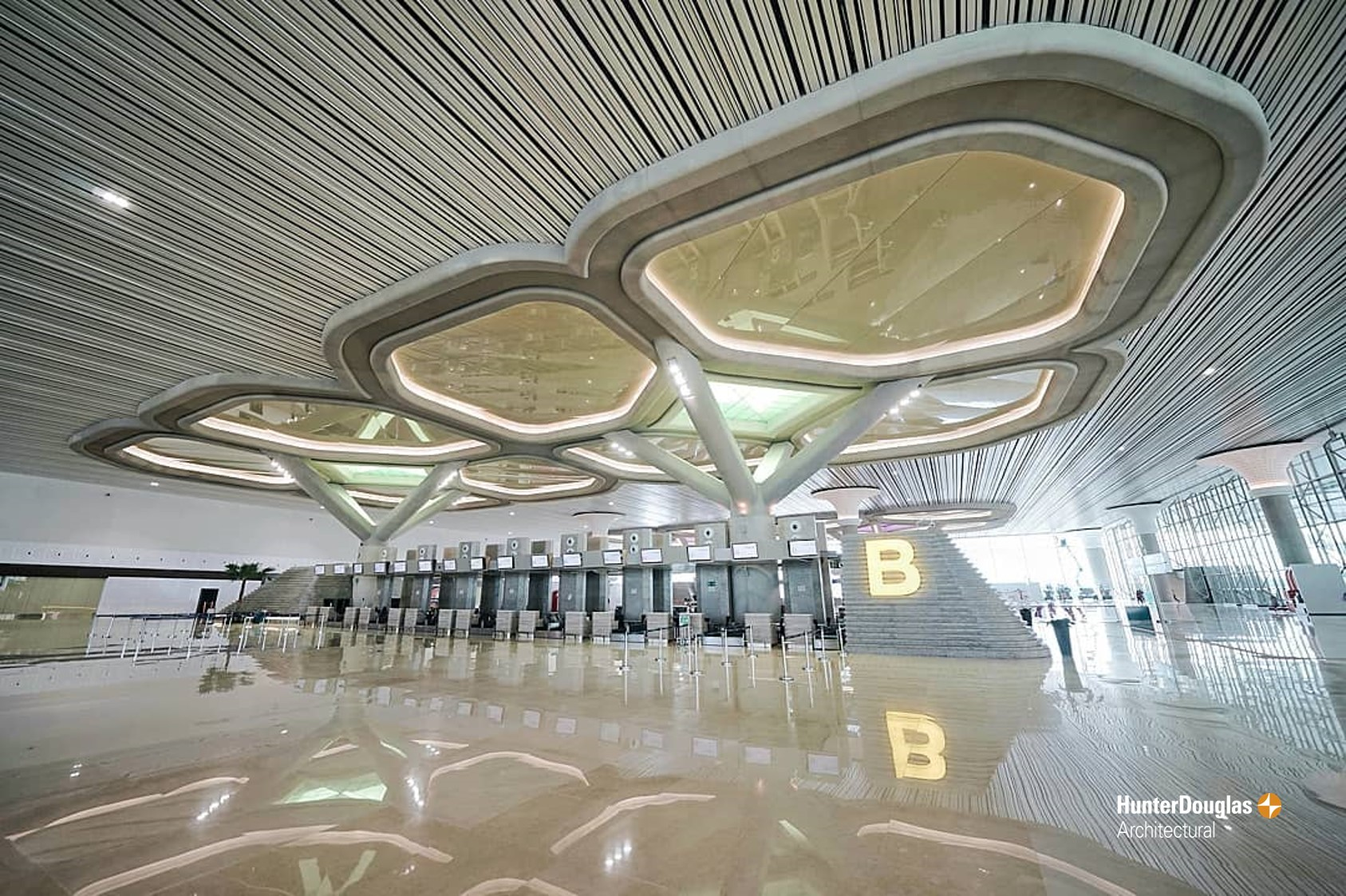
A prominent example is the supply of 80,000 m² of large-format tiles (900×1800mm) for the JOGYAKARTA AIRPORT in Indonesia. The project required a material that could withstand high foot traffic, tropical humidity, and frequent cleaning. Monalisa's sintered stone slabs with ultra-low water absorption (≤0.08%) and freeze-thaw resistance were selected. The result: a modern minimalist aesthetic with 30% lower life-cycle maintenance cost, 15% saving on grouting materials and labor via tight-joint installation, and a breakage rate below 0.3%.
Another case is the Sri Lanka National Convention Centre project (80,000 m²) where Monalisa's slabs (model 90-270FDK09003M) ensured reliable performance under monsoonal rains due to ≤0.08% water absorption and weather resistance. These examples demonstrate how technical parameters translate into operational savings.
Frequently Asked Questions
Q: What are the key certifications for sintered stone slabs?
A: Monalisa products hold NSF certification (cert. C0676949-01) for food contact safety, and CE certification (EN 14411:2016) confirming compliance with European standards. The NSF certified sintered stone slab is ideal for kitchen countertops where food preparation occurs.
Q: Should I choose a glazed or full-body sintered stone slab for my project?
A: For kitchen countertops and bathroom vanities, a glazed surface offers superior stain and scratch resistance. For exterior applications, full-body through-color slabs are recommended to mask edge chipping. Monalisa offers both options.
Q: How can I verify the quality of a sintered stone slab before purchase?
A: Request a product test report (e.g., CE certificate), check water absorption (≤0.08% is premium), and ask for a sample for a stain or scratch test. Monalisa provides 100% testing and can supply test reports.
Q: What is the typical lead time and MOQ for large-format sintered stone slabs?
A: Monalisa offers a MOQ of 2,000 sqm and a lead time of 7–15 days. For custom sizes or OEM/ODM projects, pattern and logo customization are available.
Q: Are Monalisa sintered stone slabs eco-friendly?
A: Yes, Monalisa is recognized as a national “Green Factory” by the Ministry of Industry and Information Technology. The company achieves zero wastewater discharge and recycles waste residue. Products meet Class A radioactive standards.
Conclusion
Understanding sintered stone slab technical parameters is the key to making informed procurement decisions. By linking each metric to the production process—raw material formulation, pressing pressure, firing temperature, and glazing technology—you can confidently select a product that meets the specific demands of kitchen countertops, bathroom vanities, wall cladding, flooring, or exterior facades. Monalisa's commitment to advanced manufacturing, rigorous quality control, and certification ensures that its sintered stone slabs consistently deliver exceptional performance and low life-cycle costs.