
Long-Term SPC Floor Partnership FAQ: Purchase Terms, Acceptance, and Support
Buyer FAQ · Long-Term SPC Supply
Long-Term SPC Floor Partnership FAQ: Purchase Terms, Acceptance, and After-Sales Support
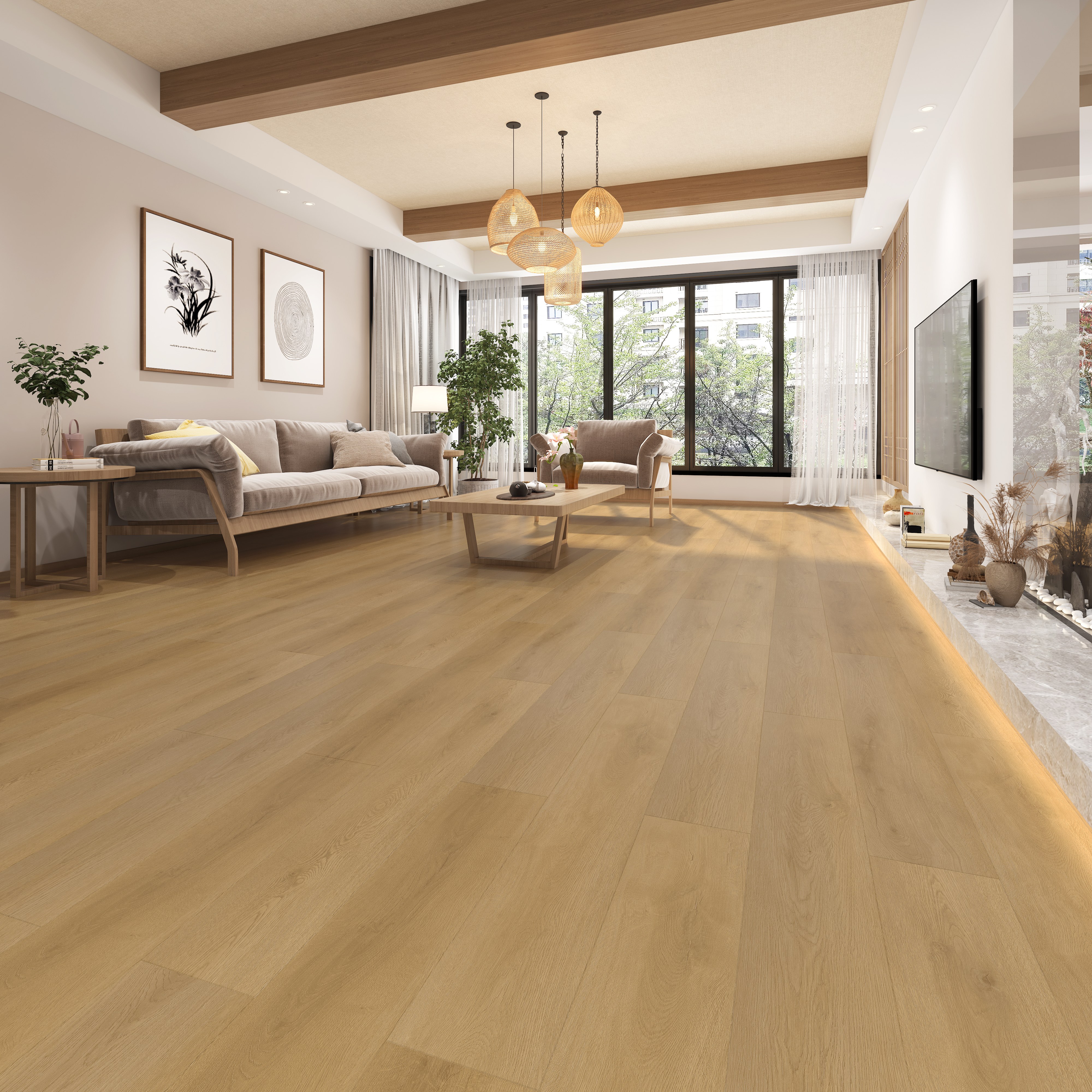
A long-term SPC floor partnership stands on three written documents rather than on a product catalogue: the purchase terms, the acceptance procedure, and the after-sales support commitment. Buyers moving from a single trial container to a repeat programme usually need five answers — which compliance documents must accompany each shipment, which site and subfloor conditions decide acceptance, which commercial terms are fixed, how samples and batches are approved, and how long production and support actually take.
This guide answers those questions in the order a procurement team meets them: compliance, capability, budget, sample, and lead time. The supply terms, installation conditions and technical limits below reflect Monalisa SPC floor documentation and the requirements that apply to click-lock, floating SPC floor systems.
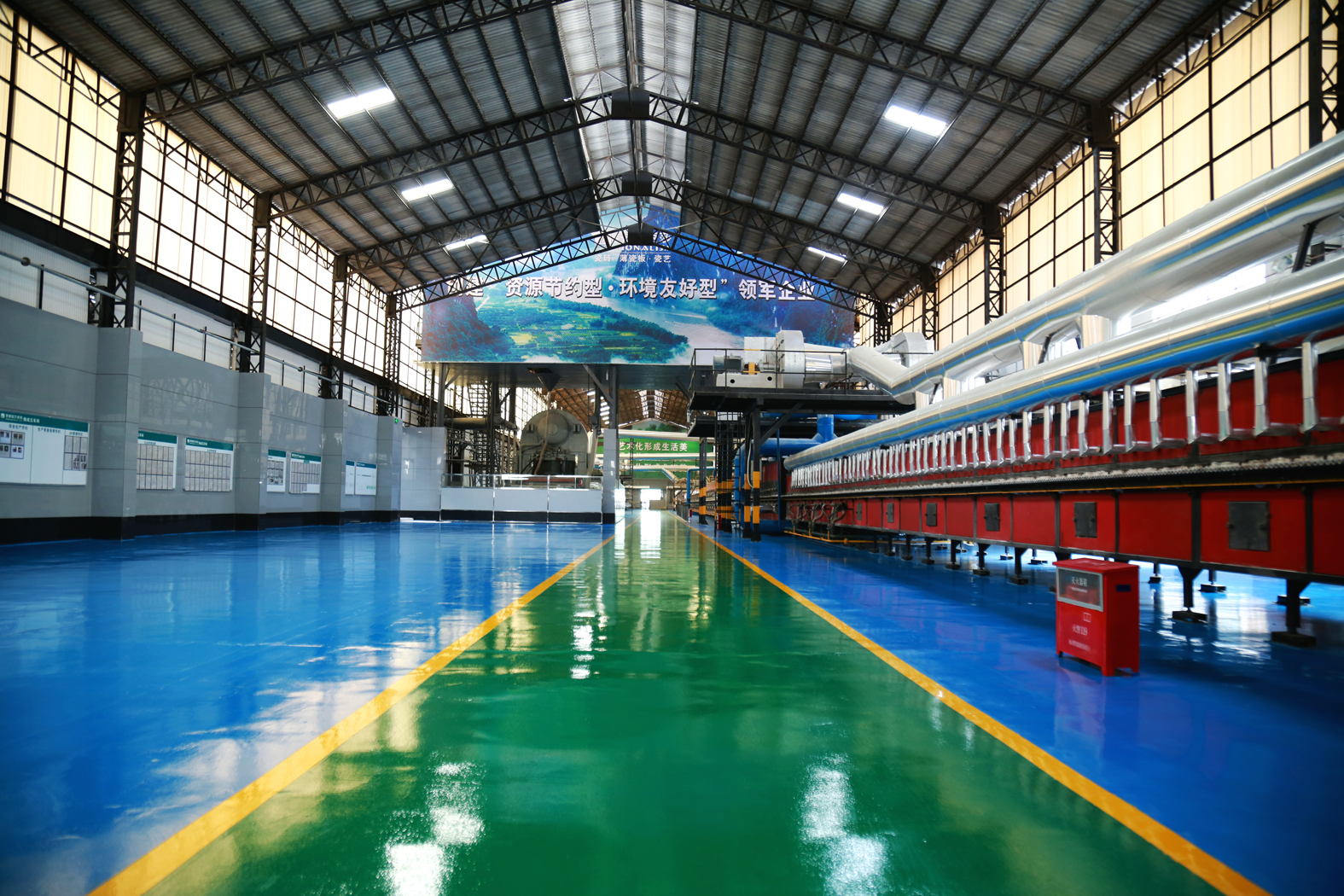
Monalisa Group Co., Ltd. (SZSE: 002918) was founded in 1992 and is headquartered in Foshan, Guangdong Province. It is a high-tech listed manufacturer operating four production bases — Xiqiao (Foshan), Qingyuan (Guangdong), Tengxian (Guangxi) and Gao’an (Jiangxi) — with 37 production lines, and its portfolio includes ceramic tiles, sintered stone slabs and SPC floor.
Why Partnership Questions Appear Only After the First Order
A trial order validates appearance, packaging and handling. It does not validate repeatability. Problems usually surface in the second or third shipment, and they tend to be administrative rather than visual: whether colour and dimensional tolerance stay inside the approved reference across batches, whether the next project’s subfloor meets the same flatness and moisture limits, and who carries the cost when a joint fails because the substrate was not prepared.
SPC floor is installed as a floating floor. Planks are not glued, nailed or stapled to the subfloor. They connect to each other through a click-lock system, usually 5G, and the assembled floor moves as a single surface. That construction is what makes glue-free installation and fast handover possible — and it is also why acceptance must cover the substrate, the site climate and the perimeter gaps, not only the plank.
The SPC Floor Market Context Behind These Questions
Three publicly reported data points explain why buyers increasingly formalise SPC supply instead of ordering project by project:
- The global SPC flooring market was estimated at USD 9.8 billion in 2025 (Dataintelo, Stone Plastic Composite (SPC) Flooring Market Research Report 2034). The figure should be read with care: Grand View Research reports USD 5.9 billion for 2025 using a narrower definition of pure SPC, so the gap reflects scope rather than contradiction.
- China remains the largest exporter of plastic floor coverings under HS code 391810, reaching USD 4.97 billion in 2024 (OEC).
- Within the category, the rigid core sub-type accounted for a 74.2% revenue share in 2025 — the same rigid stone-plastic construction used in rigid stone-plastic SPC floor and high-density stone-powder core products.
Two technical references recur in acceptance discussions. Commercial-grade SPC flooring dimensional stability is required to be ≤0.10% under EN ISO 23999. GREENGUARD Gold certification, defined by UL 2818, requires testing for more than 10,000 chemicals and strict VOC limits.
Purchase Terms: What a Long-Term SPC Floor Programme Should Fix in Writing
Purchase terms are the part of the agreement that determines whether a repeat programme is workable. The Monalisa SPC flooring terms below are the items a buyer should confirm before committing volume to a single supplier.
| Term | Monalisa SPC flooring supply terms | Why it matters in a partnership |
|---|---|---|
| Production mode | OEM / ODM | Allows private-label and project-specific programmes without changing supplier. |
| Customisation | Size, colour, logo | Colour and size references must be locked so later batches match the approved sample. |
| Minimum order quantity | 500 sqm per colour | Defines how small a top-up or repair order can be after project handover. |
| Monthly capacity | 1,000 containers | Confirms the supplier can absorb multi-project or seasonal demand. |
| Lead time | 30 days | Sets the planning window between purchase order and container loading. |
| Quality control | Pre-shipment inspection of every SPC flooring batch: appearance, overall dimensions and dimensional tolerances, deviation in mass per unit area, residual indentation, peel strength | Turns acceptance into a documented, repeatable event instead of a visual opinion at site. |
| Export markets | Global market | Determines which market-specific documentation must be prepared before shipment. |
| After-sales warranty | Typically 10–25 years residential and 5–10 years commercial against manufacturing defects, subject to correct installation and maintenance; claims processed through proof of purchase and on-site or remote inspection | Makes clear that warranty validity depends on documented installation and maintenance. |
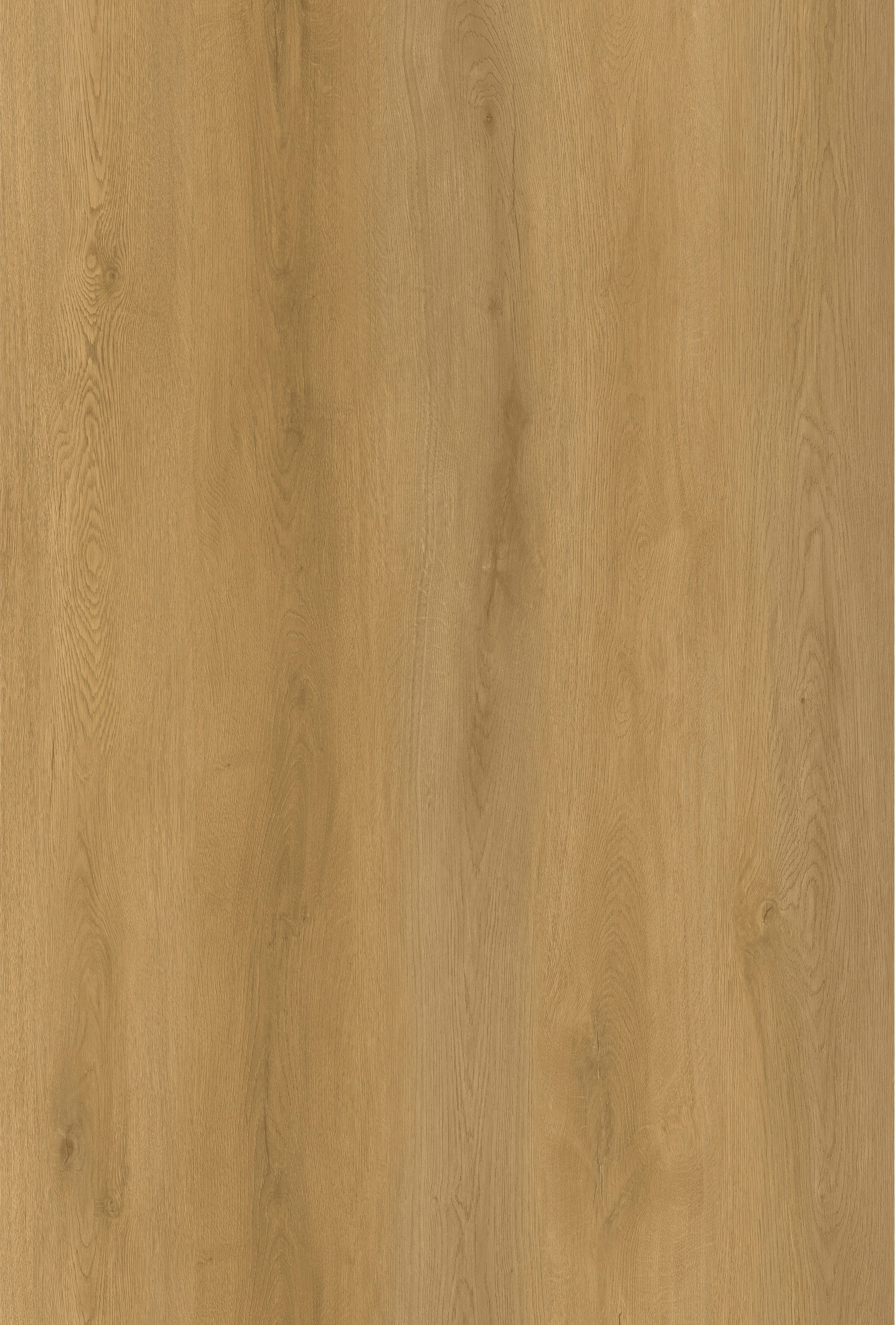
The product family these terms apply to includes EIR SPC floor model ME26009-5, available in 1220×180 mm (48″×7″) and 1524×228 mm (60″×9″) plank sizes, in thicknesses of 4, 5, 6, 7 and 8 mm, with an EIR textured surface. The construction uses calcium carbonate (natural stone powder / limestone powder), PVC resin, a PVC calcium-zinc stabiliser and PVC lubricant.
Published performance points that buyers commonly write into the specification include: water absorption ≤0.05% on a closed-cell 100% waterproof core; zero formaldehyde and benzene content; wear resistance of 6,000–15,000 cycles with a T-grade wear rating; B1 fire rating with self-extinguishing behaviour; shrinkage ≤1‰ for dimensional stability and anti-deformation behaviour; sound reduction up to 18 dB+ with the built-in IXPE acoustic pad; and a friction coefficient ≥0.6 for slip resistance.
Acceptance: The Site Conditions That Decide Whether a Warranty Claim Is Upheld
Acceptance in SPC flooring happens twice. Factory acceptance is the pre-shipment inspection of appearance, dimensions and dimensional tolerances, mass per unit area deviation, residual indentation and peel strength for every batch. Site acceptance covers the substrate and the climate, and it is the stage where most disputes originate.
| Acceptance item | Requirement before installation |
|---|---|
| Subfloor flatness | Within 2 mm over 2 m (or 3/16″ over 10 ft) |
| Subfloor condition | Dry, clean and free of dust, paint, wax, grease, oil, solvents or glue residues |
| Concrete subfloor moisture | ≤2% (≤1.5% for underfloor heating) |
| Wood-based subfloor moisture | ≤12% |
| Installation temperature | 18–30°C |
| Post-installation ambient temperature | 13–37.7°C |
| Relative humidity | ≤65% |
| Acclimation | 24–48 hours on site in original packaging before installation |
| Expansion gap | 5–12 mm from walls and fixed objects, maintained with spacers |
| Moisture barrier | 6-mil polyethylene vapour barrier for ground-floor concrete installations |
| Underfloor heating | Floor surface temperature must not exceed 27°C |
| Not permitted | Installation over existing carpet, soft PVC or similar soft materials |
A few details in that list are worth restating because they are frequently misread. A waterproof SPC floor is not a vapour barrier. Waterproof SPC floor protects against spills, standing water and routine cleaning, but prolonged moisture from below can still cause mould, which is why a 6-mil polyethylene barrier is recommended for ground-floor concrete slabs. The subfloor must also be self-supporting — concrete, screed, fibreboard, natural stone, or ceramic or porcelain tiles. When installing over tiles, grout joints must be no wider than 5 mm and no deeper than 2 mm, with height differences between adjacent tiles of no more than 1 mm. Where cabinets are installed on top of the floor, that area must be fully glued down to the subfloor. Prolonged direct sunlight should be controlled with drapes to limit discolouration and excessive thermal expansion.
Step-by-Step: Setting Up and Handing Over a Long-Term SPC Programme
The sequence below moves a partnership from specification to warranty registration without leaving acceptance criteria undefined.
1. Define the required specification and performance class
Lock plank size, thickness (4–8 mm), wear resistance (6,000–15,000 cycles, T-grade), fire behaviour (B1, self-extinguishing), slip resistance (friction coefficient ≥0.6), acoustic expectation (IXPE pad, up to 18 dB+) and dimensional stability (shrinkage ≤1‰). Commercial-grade dimensional stability is referenced to ≤0.10% under EN ISO 23999.
2. Confirm the compliance file
Agree which documents travel with each shipment: Class A radioactivity documentation for the China market, and CE, GREENGUARD or LEED documentation where the destination market requires it. GREENGUARD Gold is defined by UL 2818 and requires testing for more than 10,000 chemicals. Monalisa Group holds 15 certifications including ISO 9001 and ISO 14001, and has been recognised as a national Green Factory.
3. Fix the commercial terms
MOQ of 500 sqm per colour, a 30-day lead time, monthly capacity of 1,000 containers, OEM/ODM customisation of size, colour and logo, and the warranty structure of 10–25 years residential or 5–10 years commercial against manufacturing defects.
4. Approve the sample and colour reference
The approved sample becomes the acceptance baseline for surface texture, colour and edge profile in every later batch. Keep it on file with the order reference.
5. Authorise production and pre-shipment inspection
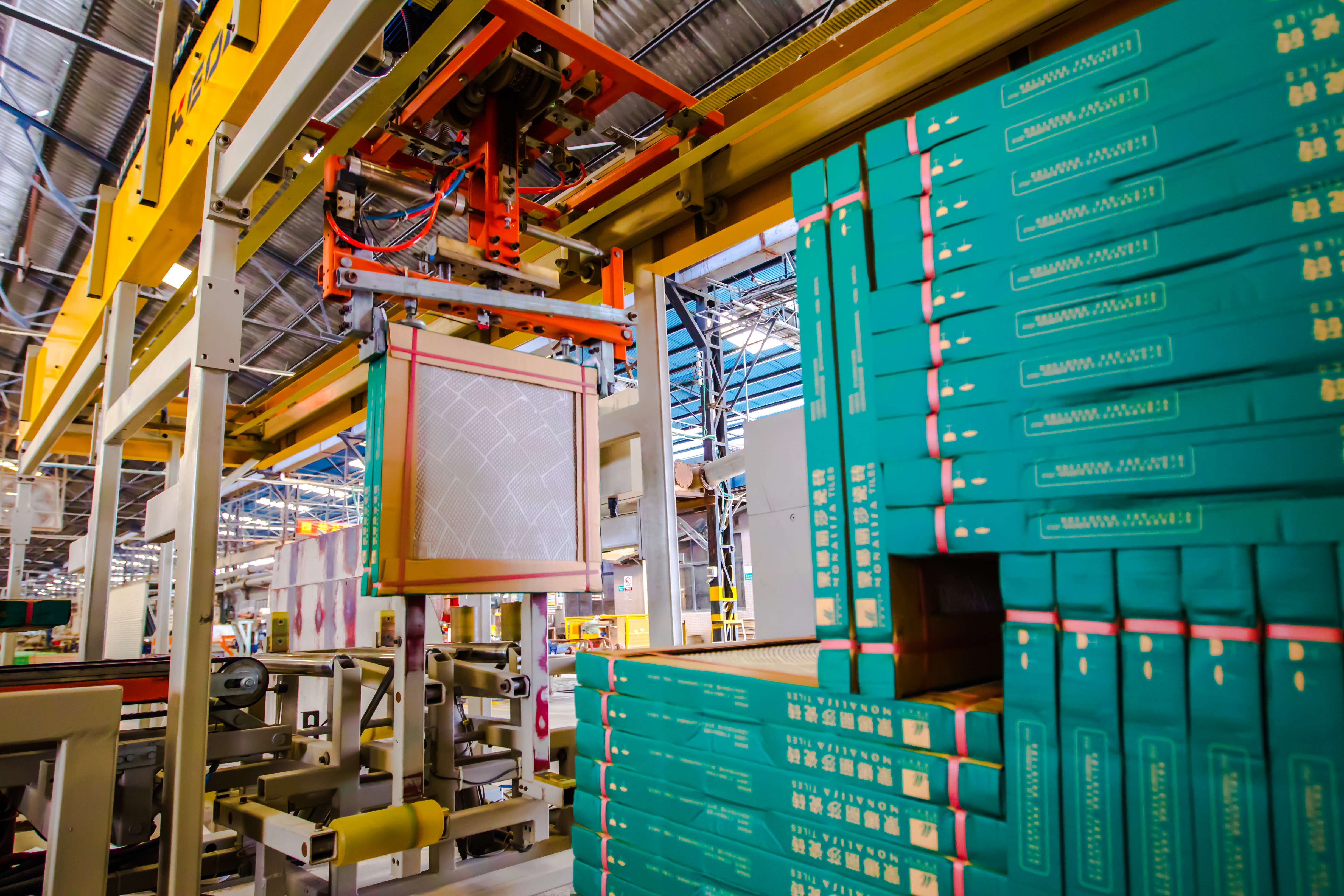
Every SPC flooring batch is inspected before it leaves the factory for appearance, overall dimensions and dimensional tolerances, mass per unit area deviation, residual indentation and peel strength.
6. Verify site readiness before delivery
Measure flatness (2 mm over 2 m), check subfloor moisture with a meter (≤2%, or ≤1.5% for underfloor heating), and log installation temperature (18–30°C) and relative humidity (≤65%). Acclimate the planks in their original packaging on site for 24–48 hours.
7. Install, hand over and register the warranty
Install as a floating floor with click-lock connection, maintain 5–12 mm expansion gaps using spacers, cover the perimeter with skirting or quarter-round mouldings, and file the proof of purchase, inspection records and installation report so that any later claim can be assessed on site or remotely.
Use Cases: Matching the Application to the Acceptance Focus
The same plank is accepted differently depending on where it is installed. The table below maps common project types to the acceptance items that matter most.
| Application | Typical project types | Primary acceptance focus |
|---|---|---|
| Residential SPC floor | Living rooms, bedrooms, kitchens, bathrooms; finished apartments, villas, condominiums | Waterproof core performance, acoustic pad, expansion gaps at thresholds and door frames |
| Commercial office SPC floor | Malls, retail stores, office buildings, showrooms | Wear resistance, dimensional tolerance, batch colour consistency |
| Healthcare and education | Hospitals, clinics, schools, kindergartens, libraries, exhibition halls | Compliance documentation, cleanability, mould-resistant non-porous core |
| Hospitality | Restaurants, hotels, guest rooms and corridors | Appearance consistency, stain resistance, moisture resistance at cleaning zones |
| Underfloor heating environments | Residential and commercial heated floors | Dimensional stability, subfloor moisture ≤1.5%, surface temperature ≤27°C |
| Light industrial | Areas with heavy foot traffic or moisture | Dent and impact resistance of the rigid stone-plastic core |
SPC floor is frequently chosen for wet areas where traditional hardwood or laminate would fail. Where a project requires specific antibacterial or antimicrobial performance, the requirement should be defined at tender stage and the verification method agreed in writing, since documentation expectations differ between healthcare, education and food-related facilities.
Frequently Asked Questions
Which certifications and documents should a long-term SPC flooring agreement cover?
Compliance expectations are market-specific. For projects in China, Class A radioactivity standards apply. For export markets, CE, GREENGUARD or LEED documentation is required for some projects. GREENGUARD Gold certification is defined by UL 2818 and requires testing for more than 10,000 chemicals with strict VOC limits. Where commercial-grade dimensional stability is specified, the reference value is ≤0.10% under EN ISO 23999. Monalisa Group holds 15 certifications including ISO 9001 and ISO 14001. The contract should state which certificates accompany each shipment and who commissions any third-party testing.
What subfloor and site conditions must be verified before SPC flooring is accepted?
The subfloor must be flat within 2 mm over 2 m, dry, clean and free of dust, paint, wax, grease, oil, solvents or glue residues. Concrete moisture must be ≤2% (≤1.5% for underfloor heating) and wood-based subfloor moisture ≤12%. Installation temperature must be 18–30°C, post-installation ambient temperature 13–37.7°C, and relative humidity ≤65%. Planks acclimatise on site in their original packaging for 24–48 hours. Expansion gaps of 5–12 mm are maintained with spacers, and a 6-mil polyethylene vapour barrier is used for ground-floor concrete installations. Installation over existing carpet, soft PVC or similar soft materials is not permitted.
What purchase terms should be fixed before committing to an annual SPC flooring programme?
Monalisa SPC flooring supply terms for long-term programmes are OEM/ODM production, customisation of size, colour and logo, a minimum order quantity of 500 sqm per colour, a monthly capacity of 1,000 containers, and a 30-day lead time. Quality control is a pre-shipment inspection of every batch covering appearance, overall dimensions and dimensional tolerances, mass per unit area deviation, residual indentation and peel strength. Export coverage is global. Fixing these items in writing prevents the renegotiation that otherwise delays each repeat order.
How do sampling and batch acceptance work in a partnership?
The approved sample is the reference for colour, texture and edge profile in all later batches. Each production batch is then inspected before shipment against appearance, dimensional tolerance, mass per unit area deviation, residual indentation and peel strength criteria. On site, acceptance continues with a flatness check, a subfloor moisture reading and an installation-temperature log taken before the first plank is laid. Keeping the sample, the inspection record and the site readings together makes later claims straightforward to assess.
How do lead time and after-sales support work in practice?
Standard lead time is 30 days, supported by a monthly capacity of 1,000 containers, which allows repeat orders to be scheduled against project handover dates. After-sales support provides a warranty typically of 10–25 years for residential use and 5–10 years for commercial use against manufacturing defects, subject to correct installation and maintenance; claims are processed through proof of purchase and on-site or remote inspection. Buyers planning a first or repeat programme can request samples, a project-specific quotation or the full product catalogue as the next step.
Next Step
The questions in this FAQ are answered by documents rather than by assurances: a written purchase term, a batch inspection record, a site condition log, and a warranty statement that defines its own conditions. Buyers who settle those four items before the first repeat order rarely need to revisit them afterwards.
Request Samples, a Quotation or the SPC Floor Catalogue
Monalisa supplies SPC floor for residential, commercial office, healthcare, education and hospitality projects under OEM/ODM long-term programmes. Request a physical sample, a project-specific quotation, or download the product brochure for full specification details.
Brochure download: Monalisa SPC Floor Product Brochure (PDF)
Website: www.fs-monalisa.com
Contact: Joanna · joanna_wang@fs-monalisatiles.com · Tel / WhatsApp: +86 18605191548
References: Dataintelo, Stone Plastic Composite (SPC) Flooring Market Research Report 2034 (2026); OEC, HS 391810 trade profile (2026); EN ISO 23999 dimensional stability requirement; UL 2818 GREENGUARD Gold certification criteria; Monalisa Group Co., Ltd. company and SPC flooring product documentation.
Have Questions or Need More Details?
Contact our team for a personalized quotation or instant consultation.
Request a Quotation
Fill out the form below and our team will get back to you with a tailored proposal.
WhatsApp Direct Chat
Prefer to chat in real-time? Message us on WhatsApp for instant assistance & quick answers.
- Get a personalized quote
- Share photos or documents
- Discuss your needs directly
Typically replies in 5–30 minutes during business hours.