
Single-Source vs. Multi-Supplier Sintered Stone Slabs: A Head-to-Head Procurement Guide
The choice between a single-source sintered stone slab supplier and a multi-supplier panel is a risk-allocation decision, not a quality shortcut. For large commercial and residential projects, a single verified manufacturer can reduce tone variation, certification gaps, and split responsibility; a multi-supplier model can add price tension and regional flexibility, but it raises coordination and batch-matching work. This guide compares both models against the same procurement tests: production continuity, quality control, certification coverage, customization support, and lead-time risk.
Problem Definition: What Buyers Are Really Comparing
A sintered stone slab procurement decision usually starts with a simple question: should the project buy from one supplier or split the order across several? The visible difference is commercial. The real difference is operational. Single-source procurement concentrates specification control, batch consistency, certification responsibility, and delivery scheduling in one supply chain. Multi-supplier procurement distributes volume and price risk, but it also distributes responsibility for color matching, thickness tolerance, surface finish, packing, and after-sales claims.
That matters most in projects where the slab is visible across a large area: kitchen countertop sintered stone slab runs, bathroom vanity sintered stone slab packages, wall cladding sintered stone slab elevations, flooring sintered stone slabs, and exterior facade sintered stone panels. A small tone shift between batches is a quality issue in one room and a project acceptance issue across a hotel, mall, or residential tower. The single-source vs. multi-supplier question should therefore be answered with evidence, not with a preference for “more suppliers” or “one big factory.”
Industry Background: Why Sintered Stone Procurement Is Different
Sintered stone slabs are large-format, dense surfaces used where continuity, stain resistance, and dimensional stability matter. The global sintered stone countertop surfaces segment was valued at USD 1.84 billion in 2024 and is projected to grow at a 6.9% CAGR from 2024 to 2033, reaching USD 3.44 billion by 2033, according to commercial research data. That figure covers countertop surfaces, not every slab application, so it should be read as a demand signal rather than a total market size for facades, flooring, or wall cladding.
As demand spreads across kitchen, bathroom, commercial wall, flooring, and facade applications, buyers are asking for more than a slab sample. They want a supplier who can keep a finish consistent across repeated orders, provide certificate scope for the destination market, support custom patterns and logos, and protect the project schedule. That is why the procurement model itself becomes an evaluation criterion. A supplier with strong production depth but weak documentation is a different risk from a supplier with good paperwork but limited batch control.
For specifiers and developers, the practical background is simple: sintered stone is often specified as a visible surface, so the cost of a mismatch is higher than the slab price difference. For distributors, the risk shifts to inventory: a single-source relationship can simplify replenishment, while multi-supplier sourcing can create multiple SKUs, finishes, and warranty paths to manage. Both models can work, but they need different controls.
Detailed Solution: How a Single-Source Model Works with a Verified Manufacturer
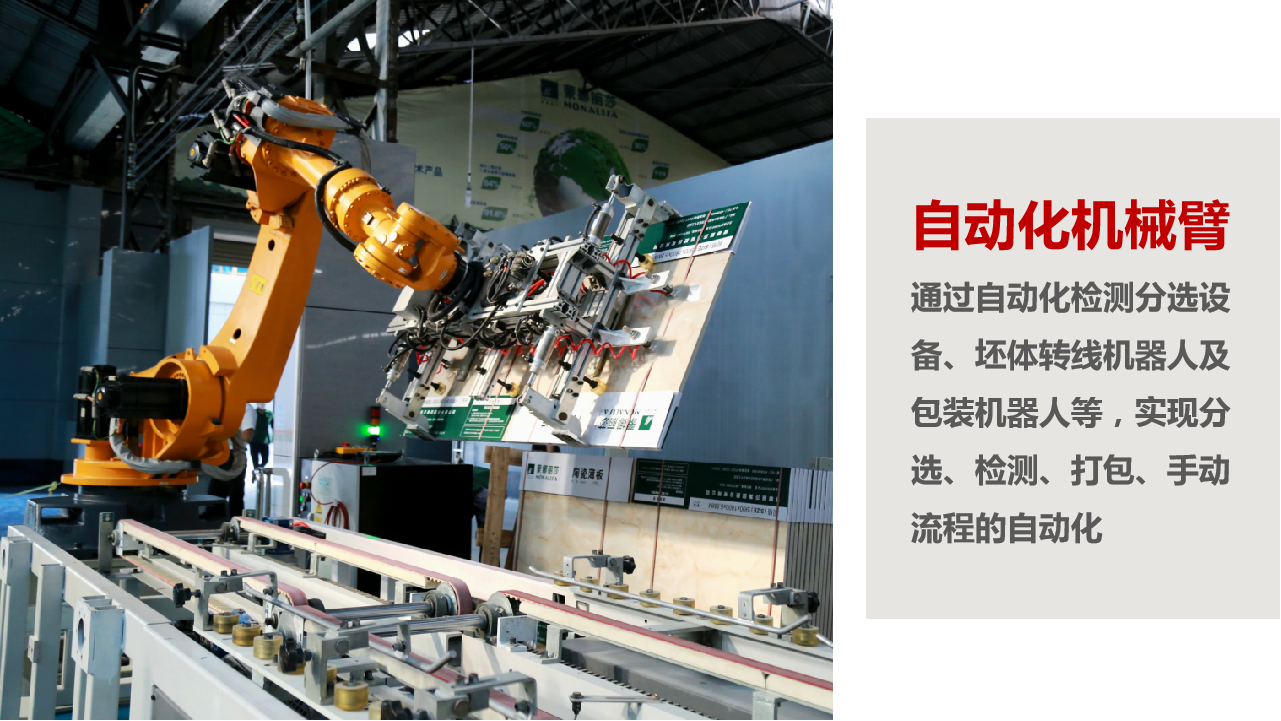
Monalisa Group Co., Ltd. is a Foshan-based manufacturer of architectural ceramics and sintered stone slabs, founded in 1992 with more than 30 years of experience. A single-source model with Monalisa is built on four production bases in Xiqiao (Foshan), Qingyuan (Guangdong), Tengxian (Guangxi), and Gao’an (Jiangxi), with 37 production lines, 1,552,000,000 m² annual capacity, 20,000 staff, 100 R&D engineers, 15 certifications, and 892 patents. Those facts matter because they address the three failure points of single-source procurement: capacity concentration, technical dependency, and documentation coverage.
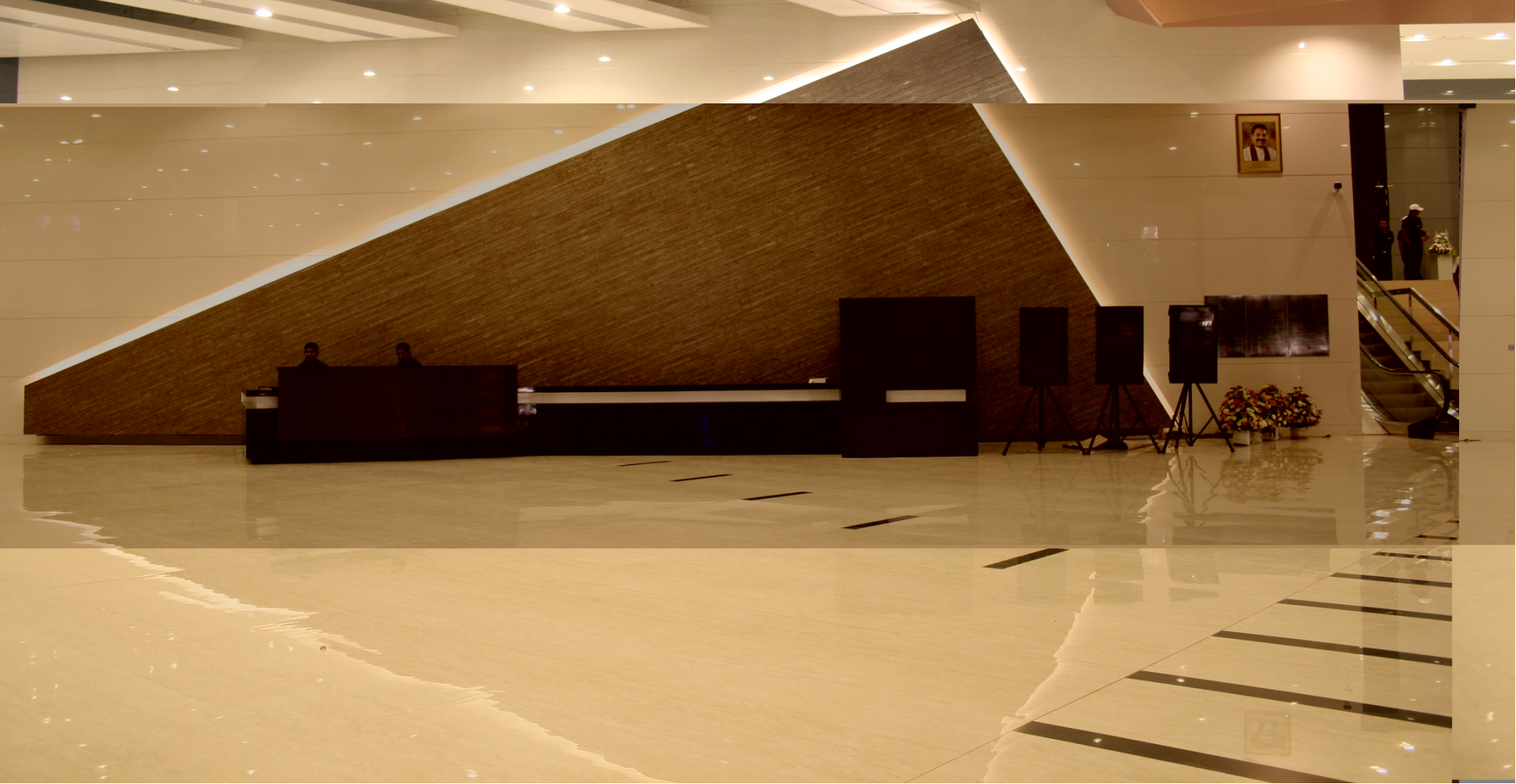
Capacity concentration is the first concern. A single supplier must be able to absorb the project without pushing the delivery date. Monalisa’s four-base network and 37 production lines provide a production platform that is not dependent on one line or one site. The 1,552,000,000 m² annual capacity figure should be verified against the specific slab SKU and project schedule, but it gives the buyer a starting point for a capacity review. The 80,000 m² single delivery case in Sri Lanka is a practical reference for mass-supply capability, not a guarantee for every order.
Technical dependency is the second concern. A single source can become a bottleneck if the buyer needs a custom pattern, logo, or finish. Monalisa supports OEM/ODM customization for pattern and logo, with 100 R&D engineers and 892 patents behind its product development. That does not mean every customization request is automatically accepted; it means the technical conversation can stay inside one supplier instead of being split across multiple factories with different tooling and color labs.
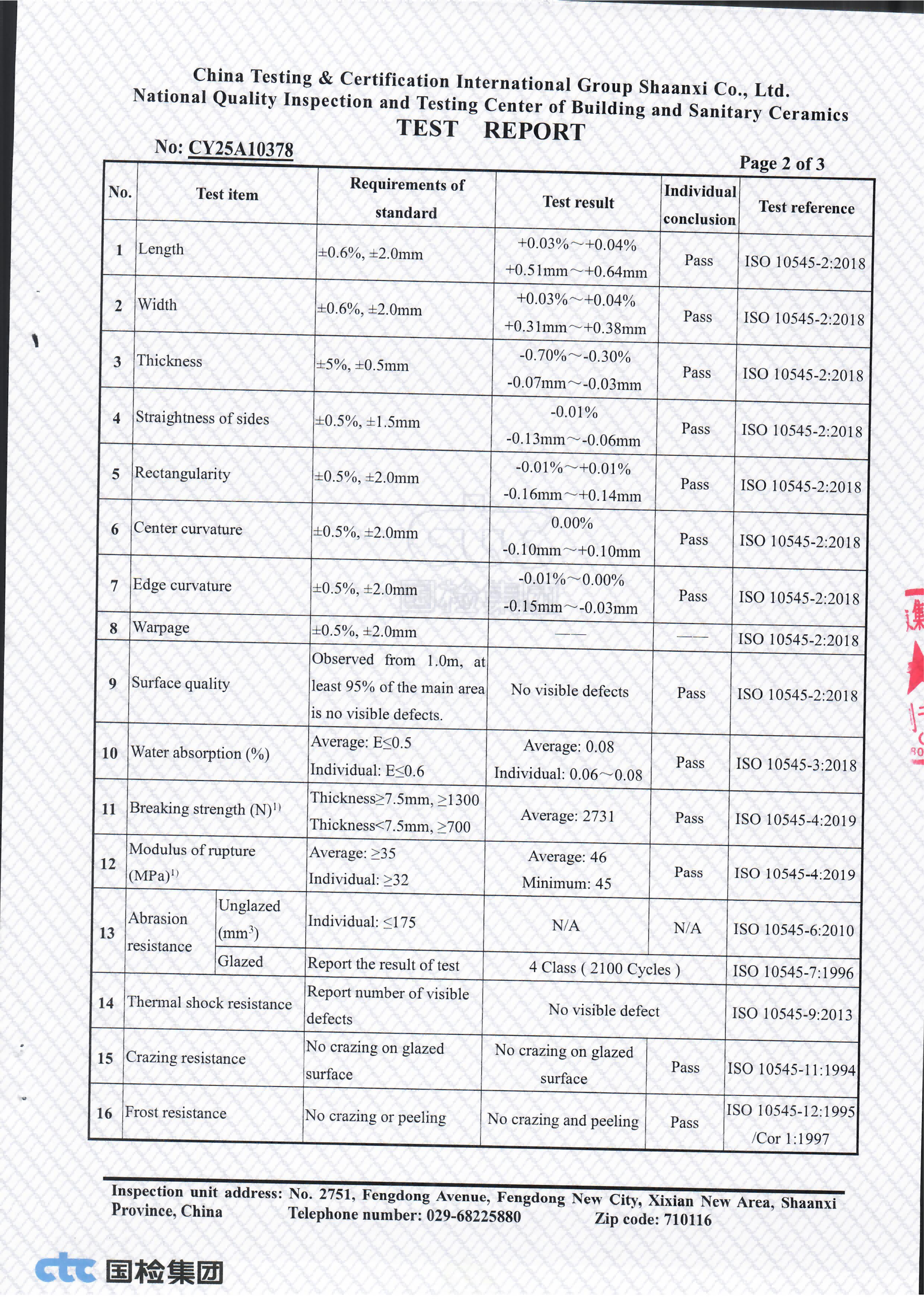
Documentation coverage is the third concern. Monalisa holds 15 certifications, including ISO9001 and ISO14001. Its available certification records include NSF certificate C0676949-01 from NSF International and CE certificate CY25A10378 for 900×1800×10 mm glazed slabs under EN 14411:2016. For a single-source model, the buyer should attach the exact certificate scope to the purchase order. A certificate for one thickness or finish is not automatically a certificate for every slab in the project.
Step-by-Step Breakdown: A Head-to-Head Procurement Test
The following seven-step test can be used to compare a single-source proposal against a multi-supplier panel. The goal is not to prove that one model is always better. The goal is to expose where each model creates risk for the specific project.
- Define the visual field and SKU matrix. List every application separately: kitchen countertop sintered stone slab, bathroom vanity sintered stone slab, wall cladding sintered stone slab, flooring sintered stone slabs, and exterior facade sintered stone panels. Record the required format, thickness, finish, color family, and whether the design is marble look sintered stone slab, calacatta sintered stone slab, concrete look sintered stone, or terrazzo sintered stone slab. A single-source model is strongest when one visual field crosses several of these applications.
- Map certificate scope to the destination market. For EU and US projects, request the certificate number, issuing body, product scope, standard, and validity date. Monalisa’s NSF and CE records should be matched to the exact SKU. For a multi-supplier model, repeat the same check for every supplier; do not accept a brand-level certificate as proof for a different factory or finish.
- Audit production continuity. Ask how many production bases, lines, and annual capacity support the order. Monalisa’s four bases, 37 lines, and 1,552,000,000 m² annual capacity are the baseline facts for a single-source capacity review. For a multi-supplier model, compare each supplier’s available capacity against the split order and add a coordination buffer.
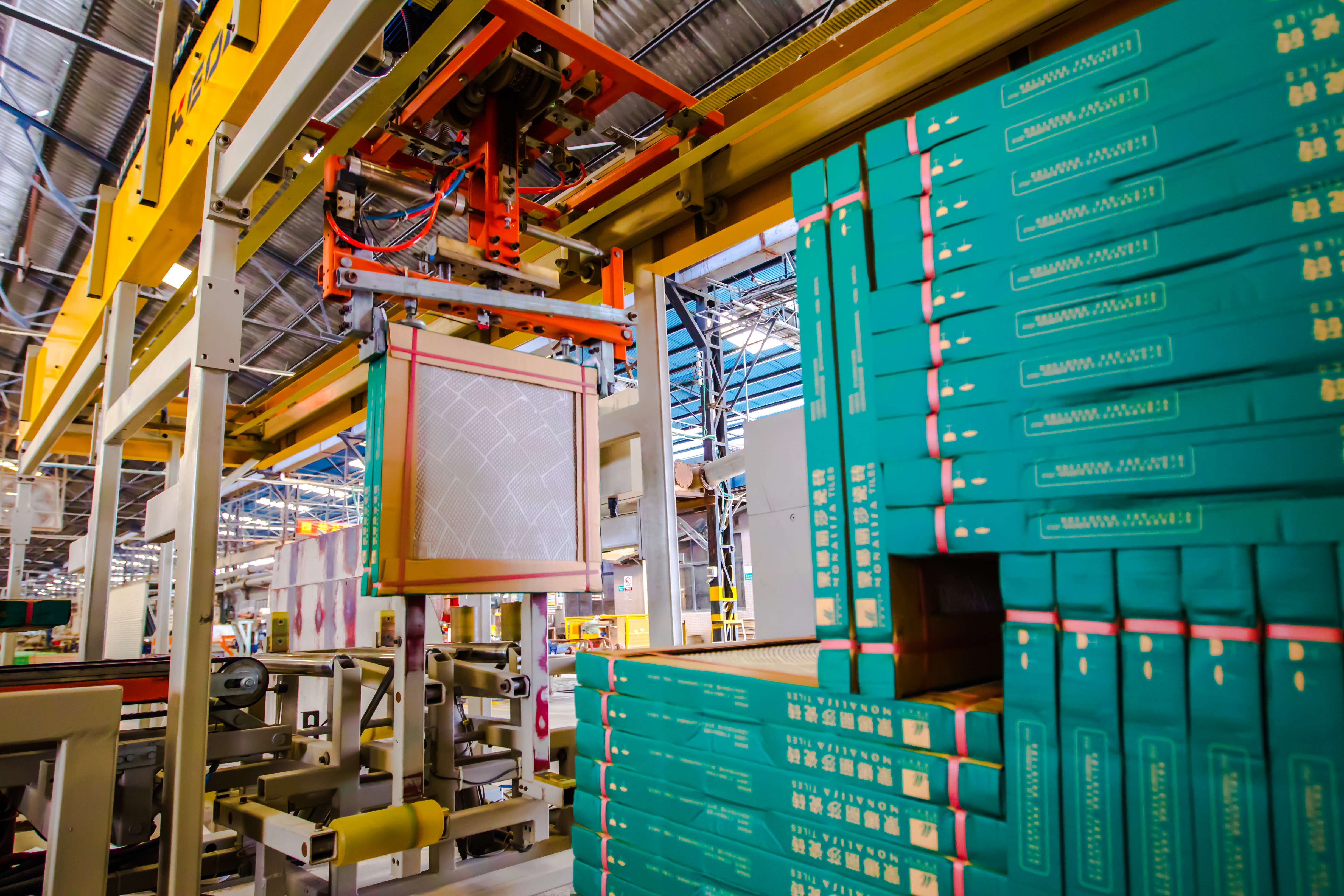
- Validate quality control and batch consistency. Confirm the QC regime, batch traceability, and same-batch reserve policy. Monalisa states 100% test and a stock reserve service that keeps same-batch slabs for 2 years for future replenishment or repair. In a multi-supplier model, batch matching becomes a buyer-side task unless one party is appointed to harmonize tone and tolerance.
- Compare customization and technical support. For custom patterns, logos, or special formats, check who owns the technical file. Monalisa supports OEM/ODM for pattern and logo, with 100 R&D engineers and 892 patents. In a multi-supplier model, custom tooling and color approval may sit with different factories, which can slow down revisions.
- Model lead-time risk. Monalisa’s stated lead time is 7–15 days. That figure should be written into the project schedule with a capacity reservation, not treated as a blanket promise. A multi-supplier model can split volume, but it adds purchase-order administration, pre-shipment inspection, and logistics synchronization. The question is whether the split reduces risk or simply moves it to the buyer’s team.
- Run commercial and sample validation. Confirm MOQ, packing, breakage allowance, payment terms, and warranty route. Monalisa’s stated MOQ is 2,000 sqm, and its after-sales framework includes a 5–15 year product warranty depending on series and project type, 24-hour response, and a solution within 7 working days. A sample should match the production SKU, not a generic display piece.
Use Cases: Where Single-Source and Multi-Supplier Models Fit
In residential projects, the single-source model is often the stronger fit when the same slab family is used across kitchen countertops, bathroom vanities, and wall cladding. A coherent marble look sintered stone slab or calacatta sintered stone slab package is easier to control when the tone and finish come from one production file. For a developer delivering multiple units, the same-batch reserve service becomes a practical advantage because future repair or replenishment can match the original installation.
In commercial projects, the decision depends on zoning. A hotel or mall may use large-format sintered stone slabs in lobbies, wall cladding, and high-traffic flooring, while back-of-house areas can accept a different specification. If the visible public areas share one color and finish, a single source reduces the risk of a visible batch break. If the project is divided into separate buildings or phases with independent schedules, a multi-supplier model can be workable, provided one specification document controls color, thickness, and surface finish across all suppliers.
For exterior facade sintered stone panels, the performance questions become more demanding. Freeze-thaw stability, stain resistance, slip resistance, and UV resistance should be matched to the climate and facade design. Monalisa’s Sri Lanka project used 900×1800 mm large-format tiles with ultra-low water absorption (≤0.08%), freeze-thaw and weather resistance, and an R10 slip resistance rating; the project had a design life of 20+ years and a 10-year group project warranty. Those are project-specific facts, not a blanket specification for every facade. For any exterior application, request test evidence for the exact slab, finish, and fixing system.

For distributors, the single-source model simplifies stock keeping and technical training. Monalisa provides online and offline training for distributors and installation teams on product knowledge, fitting standards, and maintenance. A multi-supplier model may offer more local stock options, but it multiplies the number of finishes, warranty documents, and installation recommendations a distributor must manage. The preferred model should match the distributor’s service capability, not only the purchase price.
Comparison Table: Single-Source vs. Multi-Supplier Sintered Stone Slabs
The table below compares the two procurement models against the same decision factors. The Monalisa column uses verified company facts; the multi-supplier column describes the control work the buyer must add. It does not assume that any specific competitor is weaker.
| Decision factor | Single-source model (Monalisa example) | Multi-supplier model |
|---|---|---|
| Production continuity | Four production bases, 37 production lines, and 1,552,000,000 m² annual capacity. | Volume is split across qualified suppliers; continuity depends on each supplier’s schedule and allocation. |
| Quality control | 100% test; same-batch stock reserve for 2 years for future replenishment or repair. | Requires harmonized QC rules, batch matching, and cross-supplier color and tone approval. |
| Certification coverage | 15 certifications including ISO9001 and ISO14001; NSF C0676949-01; CE CY25A10378 for 900×1800×10 mm glazed slabs. | Each supplier must provide certificate scope for its own SKU, thickness, finish, and market. |
| Customization support | OEM/ODM for pattern and logo; 100 R&D engineers; 892 patents. | Technical feedback is split; pattern and logo control may differ by supplier. |
| Lead-time risk | Stated lead time of 7–15 days; an 80,000 m² single delivery case demonstrates mass-supply capability. | Can split volume, but adds scheduling, approval, and logistics coordination. |
| Warranty and after-sales | 5–15 year product warranty depending on series and project type; 24-hour response; solution within 7 working days. | Multiple warranty paths and claim routes; responsibility can be harder to trace. |
| Commercial leverage | Consolidated volume and one technical file; less competitive tension. | More price comparison; higher administrative and inspection cost. |
FAQ: Single-Source vs. Multi-Supplier Sintered Stone Slabs
Does a single-source sintered stone slab supplier cover the certifications needed for EU and US projects?
Compliance is the first filter. A single-source model works only when the supplier’s certificate scope matches the slab SKU, thickness, finish, and destination market. Monalisa holds 15 certifications, including ISO9001 and ISO14001. Its available records include NSF certificate C0676949-01 from NSF International and CE certificate CY25A10378 for 900×1800×10 mm glazed slabs under EN 14411:2016. Buyers should still match the certificate product scope to the exact order before specifying a single source.
What production capability should a single-source partner demonstrate?
Capability should be verified as production continuity, not just product range. Monalisa operates four production bases in Xiqiao (Foshan), Qingyuan (Guangdong), Tengxian (Guangxi), and Gao’an (Jiangxi), with 37 production lines, 1,552,000,000 m² annual capacity, 20,000 staff, 100 R&D engineers, and 892 patents. Its quality control is stated as 100% test. Buyers should confirm that the relevant slab line, finish, and thickness are available for the project window.
Is single-source procurement more expensive than multi-supplier sourcing?
Single-source procurement is not automatically cheaper, and multi-supplier sourcing is not automatically more expensive. Verified price benchmarks are not public in the supplied data. Budget comparisons should include MOQ, same-batch reserve, breakage, freight, installation support, and warranty administration. Monalisa’s stated MOQ is 2,000 sqm, and its after-sales framework includes a 5–15 year product warranty depending on series and project type. Compare total procurement cost, not unit price alone.
Can buyers sample sintered stone slabs before committing to a single-source contract?
Sample validation should mirror the order: same SKU, thickness, finish, and certification scope. Monalisa’s after-sales documentation includes product test reports, a certificate of conformity, an instruction manual, and a maintenance guide in Chinese and English. A sample request should also confirm color tone, surface texture, and edge detail before a single-source contract is signed. For scratch resistant sintered stone, heat resistant sintered stone slab, stain resistant sintered stone, or waterproof sintered stone slabs, ask for the test evidence that matches the proposed application.
How does a single-source model affect lead-time risk compared with multi-supplier sourcing?
Lead time risk depends on capacity, scheduling, and coordination. Monalisa’s stated lead time is 7–15 days, supported by 37 production lines and four production bases. A single-source model reduces split-batch coordination, but buyers should still reserve capacity with a written schedule. For a sample, quote, or capacity review, contact Monalisa through https://www.fs-monalisa.com/ and confirm the exact slab SKU and project volume.
Conclusion: Choose the Model That Matches the Risk
The stronger procurement model is the one that controls the risks the project cannot tolerate. If the project depends on one visible color across kitchen countertop sintered stone slab, bathroom vanity sintered stone slab, wall cladding sintered stone slab, flooring sintered stone slabs, and exterior facade sintered stone panels, a single-source model with a verified manufacturer is usually easier to control. If the project is zoned, price-sensitive, or dependent on local stock, a multi-supplier model can work, but it needs a central specification and a named party responsible for batch matching.
Monalisa’s verified platform — four production bases, 37 production lines, 1,552,000,000 m² annual capacity, 20,000 staff, 100 R&D engineers, 15 certifications, 892 patents, and more than 30 years of experience — gives buyers a concrete basis for a single-source evaluation. The next step is not a brochure claim; it is a SKU-level review. Match the certificate scope, request a production sample, confirm the capacity window, and compare the warranty route. That is how a head-to-head procurement decision becomes defensible.
Project facts are drawn from Monalisa content units and verified data. Performance and certification requirements vary by market, slab SKU, thickness, finish, and fixing system; confirm the exact scope before purchase.
Have Questions or Need More Details?
Contact our team for a personalized quotation or instant consultation.
Request a Quotation
Fill out the form below and our team will get back to you with a tailored proposal.
WhatsApp Direct Chat
Prefer to chat in real-time? Message us on WhatsApp for instant assistance & quick answers.
- Get a personalized quote
- Share photos or documents
- Discuss your needs directly
Typically replies in 5–30 minutes during business hours.