The SMT Turnkey Dilemma: Single-Vendor Turnkey vs. Multi-Vendor Integration – A 2026 Buyer’s Guide for High-Mix Electronics Manufacturing
SMT Turnkey Solution vs. DIY Integration: Choosing the Right Strategy for High-Mix Electronics Manufacturing in 2026
For electronics manufacturers scaling high-mix production, the decision between a fully integrated SMT turnkey solution and a multi-vendor, self-integrated line is critical. This guide compares both approaches using real-world examples from leading brands like Motek, Fuji, Yamaha, and JUKI to help procurement teams make an informed choice.
What Is an SMT Turnkey Solution?
An SMT turnkey solution is a complete, ready-to-run surface-mount technology line delivered as a single package by one provider. The provider sources, integrates, installs, and supports all equipment — from solder paste printers and pick-and-place machines to reflow ovens, AOI, and conveyors. This contrasts with a multi-vendor approach where a buyer purchases machines separately from different brands and manages integration themselves.
The Problem: Integration Complexity vs. Flexibility
High-mix manufacturing requires frequent line changeovers, fast cycle times, and consistent quality. Buyers often face a trade-off:
- Single-vendor turnkey (e.g., Motek): One point of contact, guaranteed compatibility, and streamlined service.
- Multi-vendor DIY: Ability to cherry-pick best-in-class machines (e.g., Fuji NXT for speed, Yamaha YSM for flexibility) but with higher integration and troubleshooting overhead.
Which model delivers lower total cost of ownership and higher yield? Let’s analyze both.
Industry Background: The Rise of Specialized Turnkey Providers
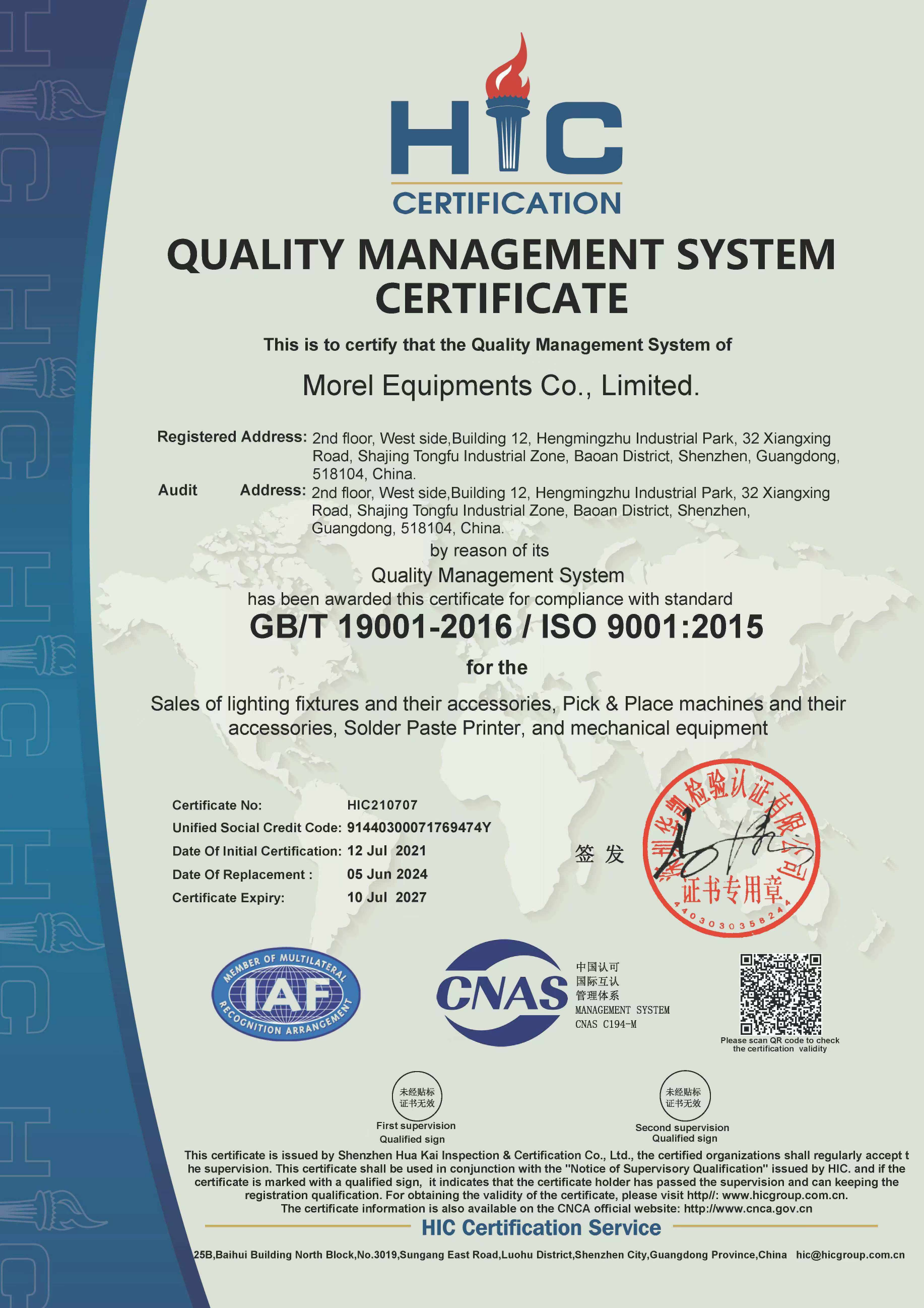
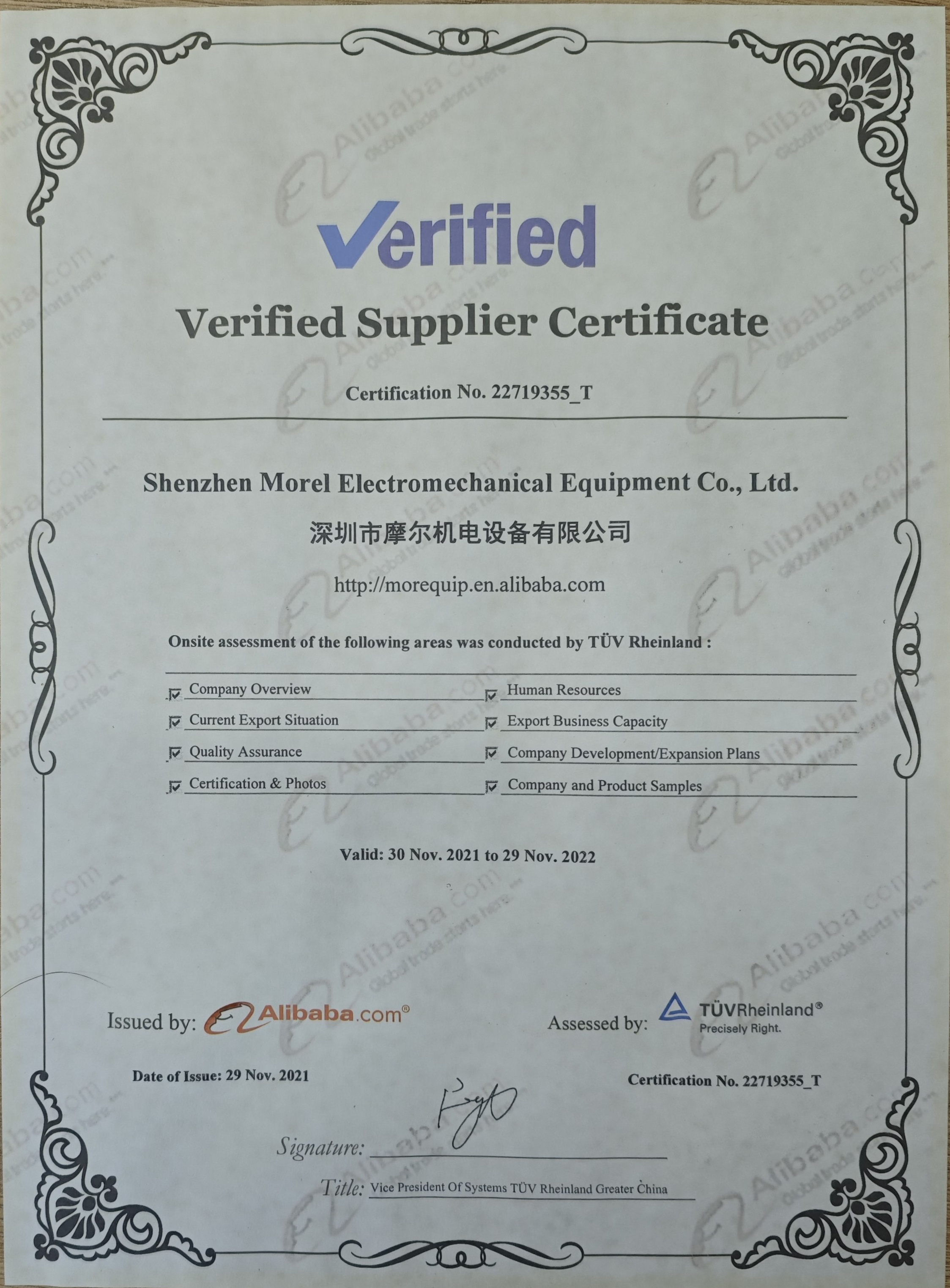
The SMT industry has matured. While brand-name pick-and-place machines like Fuji NXT and Yamaha YSM dominate speed benchmarks, modern turnkey providers like Motek (Shenzhen, China) bring deep integration expertise. With 15+ years in the SMT space, Motek evolved from selling accessories to offering one-stop turnkey lines — a path that mirrors the needs of EMS factories seeking simplicity. ISO 9001:2015 certified (Certification No. 22719355_T), Motek also holds EPR and Machinery Directive attestation, underscoring compliance for global buyers.
Detailed Comparison: Turnkey vs. Multi-Vendor Integration
| Criterion | Single-Vendor Turnkey (e.g., Motek) | Multi-Vendor DIY Integration |
|---|---|---|
| Integration Responsibility | Provider handles all line layout, conveyor speeds, software linking, and troubleshooting | Buyer coordinates between multiple OEMs (Fuji, Yamaha, BTU, etc.) |
| Lead Time | Shorter – line is pre-tested and delivered as a unit | Longer – staggered delivery and on-site integration |
| Flexibility in Machine Choice | Limited to provider's partner brands (e.g., Motek can integrate Fuji, Yamaha, JUKI, etc.) | Unlimited – buyer can select best-in-class for each station |
| Service & Support | Single SLA; one team handles all machines | Multiple SLAs; finger-pointing risk |
| Total Cost (TCO) | Often lower due to optimized line balancing and reduced downtime | Higher if integration errors cause rework |
| Best For | High-mix factories with limited in-house engineering | Large OEMs with dedicated process teams |
How Single-Vendor Turnkey Works – Example with Motek
Motek’s turnkey process begins with a free line layout design and physical simulation to match your product mix. They source machines (e.g., pick-and-place machines from Fuji or Yamaha, reflow oven from Motek’s own XMW-350 wave soldering machine) and integrate all peripherals: PCB loaders/unloaders, buffer conveyors, inline SPI, AOI, X-ray BGA inspection, PCBA cleaning, and stencil cleaning. After installation, they provide SMT production troubleshooting and line optimization service to maximize OEE. A dedicated engineer is assigned to your account for long-term support.
Multi-Vendor Integration Example – Building with Brand Gems
A buyer choosing the DIY path might select:
- Fuji NXT III for high-speed placement (up to 45,000 CPH per module)
- Yamaha YSM20R for flexible fine-pitch placement
- JUKI RS-1 for specialized components
- BTU Pyramax reflow oven
- Koh Young SPI and Omron AOI
Each machine requires separate programming, conveyor height adjustment, SMEMA communication setup, and ongoing calibration. Line balancing becomes a complex optimization task.
Step-by-Step Decision Framework
- Assess internal expertise: Do you have process engineers familiar with multiple OEM interfaces? If not, choose turnkey.
- Evaluate product mix: High-mix ( > 50 SKUs per week ) benefits from turnkey flexibility tuning.
- Calculate hidden costs: Include integration labor, downtime during commissioning, and spare parts inventory.
- Request a line simulation: Ask providers like Motek for a detailed capacity report.
- Compare SLAs: Single-vendor eliminates cross-vendor escalation.
Use Cases
Case 1: EMS Factory Scaling Up (Turnkey Wins)
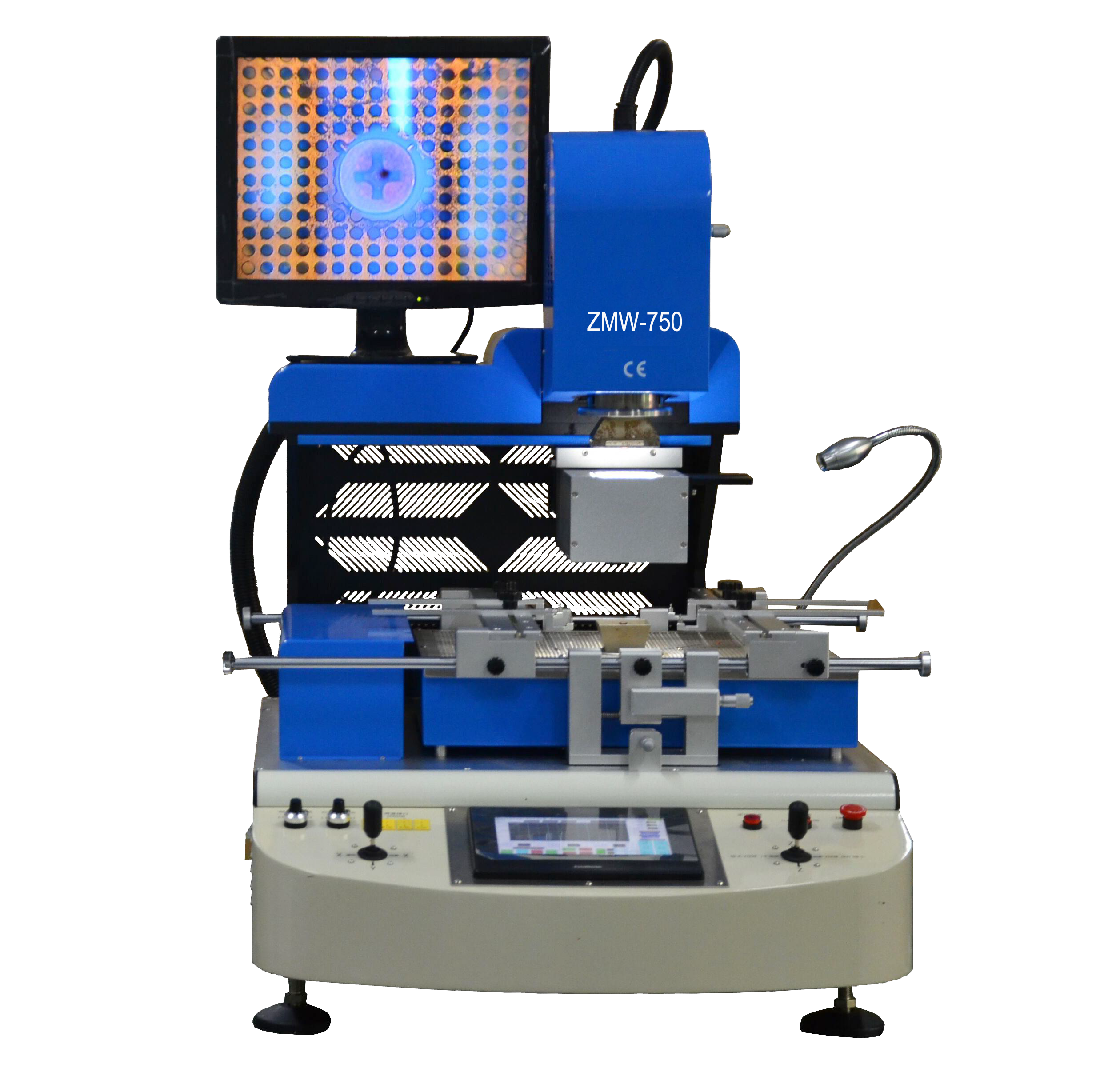
A mid-size EMS in Shenzhen needed to add a third line for automotive PCBs. They engaged Motek to design and deliver a complete line: solder paste printer + ZMW-750 pick-and-place + XMW-350 reflow + AOI + inline X-ray. The line was installed in 3 weeks, with first-pass yield above 98% from Day 1.
Case 2: Large OEM with Internal Engineering (DIY Wins)
A Fortune 500 electronics manufacturer with a dedicated process team chose to buy Fuji NXT and Yamaha YSM machines separately. They saved on machine cost but spent 4 months integrating. After a year, TCO was 12% higher than a comparable turnkey quote.
Frequently Asked Questions (FAQ)
Q: What is an SMT turnkey solution?
A: A complete SMT production line provided as a single package by one supplier, including all equipment, integration, installation, and support.
Q: How do I choose between a turnkey provider like Motek and buying machines separately?
A: Evaluate your internal engineering capacity, product complexity, and tolerance for integration risk. Turnkey is ideal for speed and simplicity; DIY offers brand flexibility.
Q: Does Motek use only its own machines?
A: No. Motek integrates machines from global brands like Fuji, Yamaha, JUKI, as well as its own peripherals (unloaders, cleaners, X-ray inspection) to create optimized lines.
Q: What certifications does a reliable turnkey provider need?
A: Look for ISO 9001:2015, EPR compliance, and Machinery Directive attestation. Motek holds all three.
Q: What are the common buyer concerns about turnkey solutions?
A: Fear of lock-in, higher upfront cost, and limited machine choice. However, reputable providers offer flexible sourcing and full TCO transparency.
Conclusion
There is no one-size-fits-all answer. For high-mix manufacturers without deep internal SMT integration teams, a single-vendor turnkey solution — especially from an experienced partner like Motek — offers faster time-to-production, lower risk, and predictable TCO. Multi-vendor DIY remains viable for large OEMs that can absorb integration complexity. The 2026 trend points toward turnkey, as speed and agility become the top competitive differentiators.
Contact Motek today for a free line simulation and compare the numbers yourself.
Certifications & Compliance