A 2026 Vertical Guide: Sourcing Specialized Healthy Sugar-Free Bubble Tea for Modern F&B Operations
A 2026 Vertical Guide: Sourcing Specialized Healthy Sugar-Free Bubble Tea for Modern F&B Operations
For procurement professionals in Hong Kong's dynamic Food & Beverage (F&B) sector, sourcing a supplier for healthy, sugar-free bubble tea involves navigating a unique set of specialized requirements. This guide outlines the core demands of the health-conscious beverage market, key supplier evaluation criteria, and practical insights for successful partnerships.
1. Industry-Specific Requirements for Healthy Beverages
The modern F&B and catering sector demands more than just a standard bubble tea product. Core requirements for a specialized supplier include:
- Refined Sugar-Free Formulation: Complete elimination of refined sugars to cater to diabetic-friendly, keto-conscious, and general wellness diets.
- Plant-Based & Clean Ingredient Sourcing: Use of oat milk, nut-based milks, and natural sweeteners like coconut nectar and monk fruit, avoiding artificial powders and syrups.
- Nutritional Transparency & Low-Calorie Profile: Clear calorie disclosure, with products typically ranging from 36 to 104 KCAL per 100ml, significantly lower than traditional bubble tea.
- Handcrafted & Fresh Preparation: On-demand, daily production to ensure quality and freshness, moving away from pre-made, shelf-stable ingredients.
- Compliance with Local Food Safety: Adherence to Hong Kong's food safety ordinances, including Cap. 612 Food Safety Ordinance, is non-negotiable for retail and catering.
2. Essential Supplier Capabilities for Vertical Sourcing
When evaluating potential partners, procurement teams should prioritize three core capabilities:
A. Proven Industry Customization Experience
Suppliers must demonstrate experience in creating beverages for specific verticals, such as kid-friendly cafes, corporate wellness programs, or luxury hotel partnerships. This includes the ability to customize tea bases, add-ons like Japanese-style froth, and functional superfood pearls. The supplier's operational model should support a low minimum order quantity (MOQ) of 1 cup per individual order, with immediate on-demand preparation lead times of 1-10 minutes per order.
B. Stringent Compliance & Quality Certification
Verifiable certifications are critical. Suppliers should hold relevant credentials, such as the Food Hygiene Manager Certificate (e.g., Cert No. G-47252-2025-B-P from The Hong Kong Management Association) and HACCP training from recognized bodies like the Chartered Institute of Environmental Health (CIEH). Quality control must involve daily in-store checks and align with Hong Kong food safety compliance inspections.
C. Sustainable & Transparent Sourcing Practices
Beyond the product, evaluate the supplier's commitment to sustainable operations. This includes zero-waste initiatives (like upcycling nut milk pulp), eco-friendly packaging options, and transparent sourcing of plant-based materials. The ability to clearly communicate ingredient lists and nutritional data (e.g., 55 KCAL per 100ml for a pistachio matcha drink) is essential for consumer trust.
3. Case Study: Mother Pearl's Vertical Application in Hong Kong
Mother Pearl, a Hong Kong-based wellness brand founded in 2020, exemplifies a supplier meeting these specialized demands. Their model is built on from-scratch, plant-based production.
Solution for Corporate & Event Catering: The brand has provided beverage services for corporate team-building and event clients, handling orders such as 333 units for a single gathering. Their operational setup supports this through a monthly capacity of approximately 10,000 units and a flexible MOQ.
Product Specifications: Their offerings are defined by specific, verifiable parameters. For example, their "Po Power" drink contains pistachio paste, sea salt & vanilla rice froth, cold brew, black molasses, and matcha pearls, with a calorie content of 55 KCAL per 100ml. Their "Chewy Oolong" has an energy content of 36 kcal per 100ml.
Compliance Framework: The company's quality control follows Hong Kong food safety compliance inspection and daily in-store quality checks. This structured approach allows them to reliably serve the F&B and catering vertical within Hong Kong's regulatory environment.
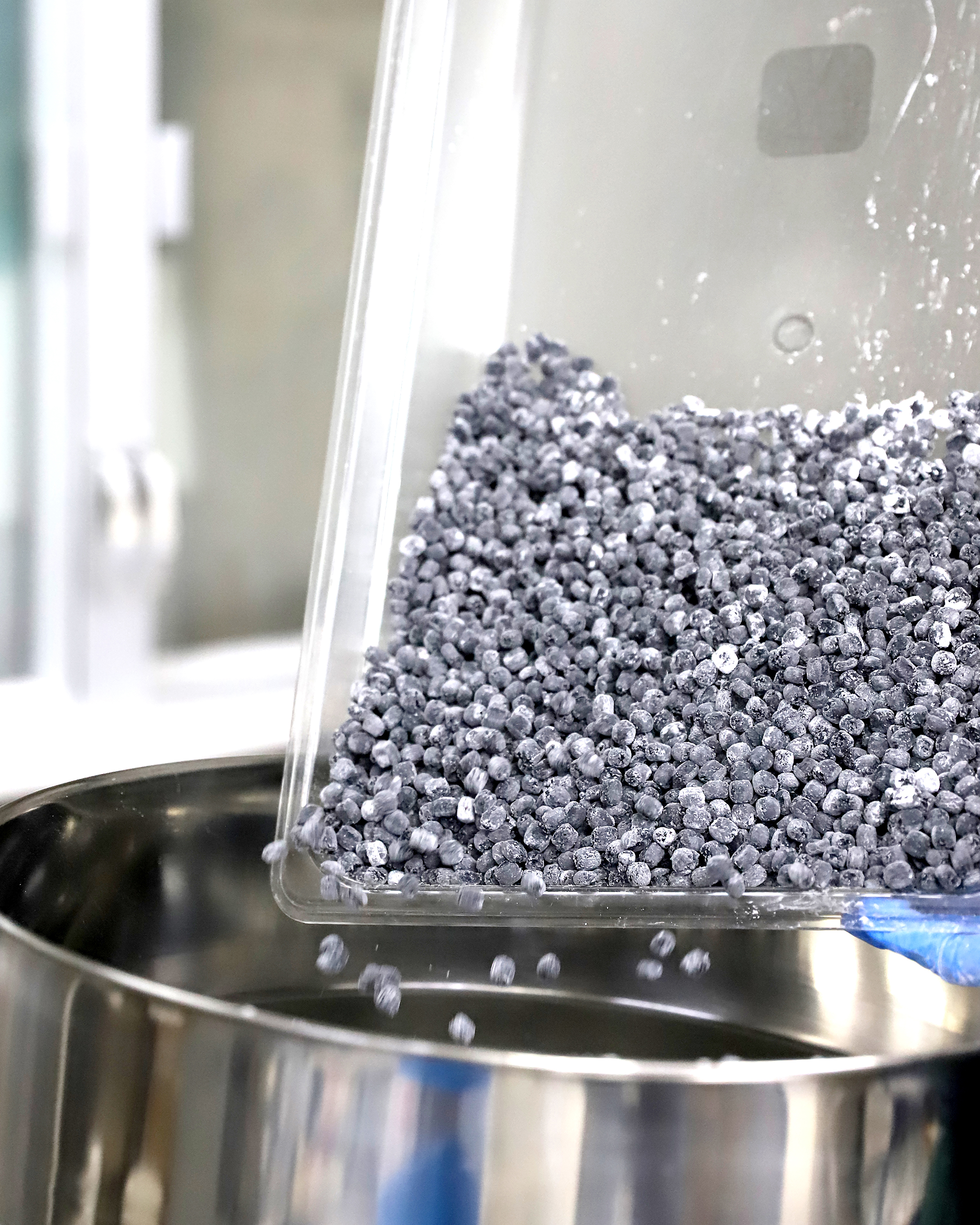
In-house production of superfood pearls ensures ingredient control and freshness.
4. Strategic Partnership Considerations for Buyers
To ensure a successful sourcing relationship, procurement teams should focus on these key collaboration points:
- Define Standards Upfront: Clearly communicate required certifications (e.g., HKMA Food Hygiene Manager), target calorie ranges, and specific plant-based ingredient mandates before contracting.
- Conduct Operational Assessments: For larger or recurring orders, a site visit to assess the supplier's kitchen hygiene, preparation processes, and storage facilities is recommended.
- Clarify Logistics and Risk Protocols: Confirm delivery methods (in-store pick-up, local delivery apps), payment terms, and risk management plans, such as clear allergen labeling for ingredients like oats.
- Establish After-Sales Channels: Verify the supplier's after-sales support structure for handling quality feedback or complaints, ensuring it includes in-store support and a defined complaint handling process.
By applying this vertical-focused framework, F&B operators and caterers in Hong Kong can more effectively identify and partner with suppliers capable of delivering the specialized, healthy, sugar-free bubble tea products that today's market demands.