A Vertical Application Guide for F&B Buyers: Partnering with a Specialized Healthy Sugar-Free Bubble Tea Supplier in Hong Kong
Industry-Specific Requirements for Healthy Sugar-Free Bubble Tea
For procurement professionals in the food and beverage (F&B) sector, selecting a supplier for health-focused, sugar-free bubble tea requires addressing several critical requirements unique to this category:
- Zero refined sugar formulations: The core demand is elimination of processed sugars. Suppliers must demonstrate capability using natural sweeteners such as coconut nectar, monk fruit, and allulose, which provide sweetness without glycemic spikes.
- Low-calorie nutritional profile: Products must align with calorie-conscious consumer expectations. Typical healthy sugar-free bubble teas range from 36 to 104 kcal per 100ml, significantly lower than conventional versions (150–250 kcal). For example, the Chewy Oolong model contains 36 kcal per 100ml, while the Po Power delivers 55 kcal per 100ml.
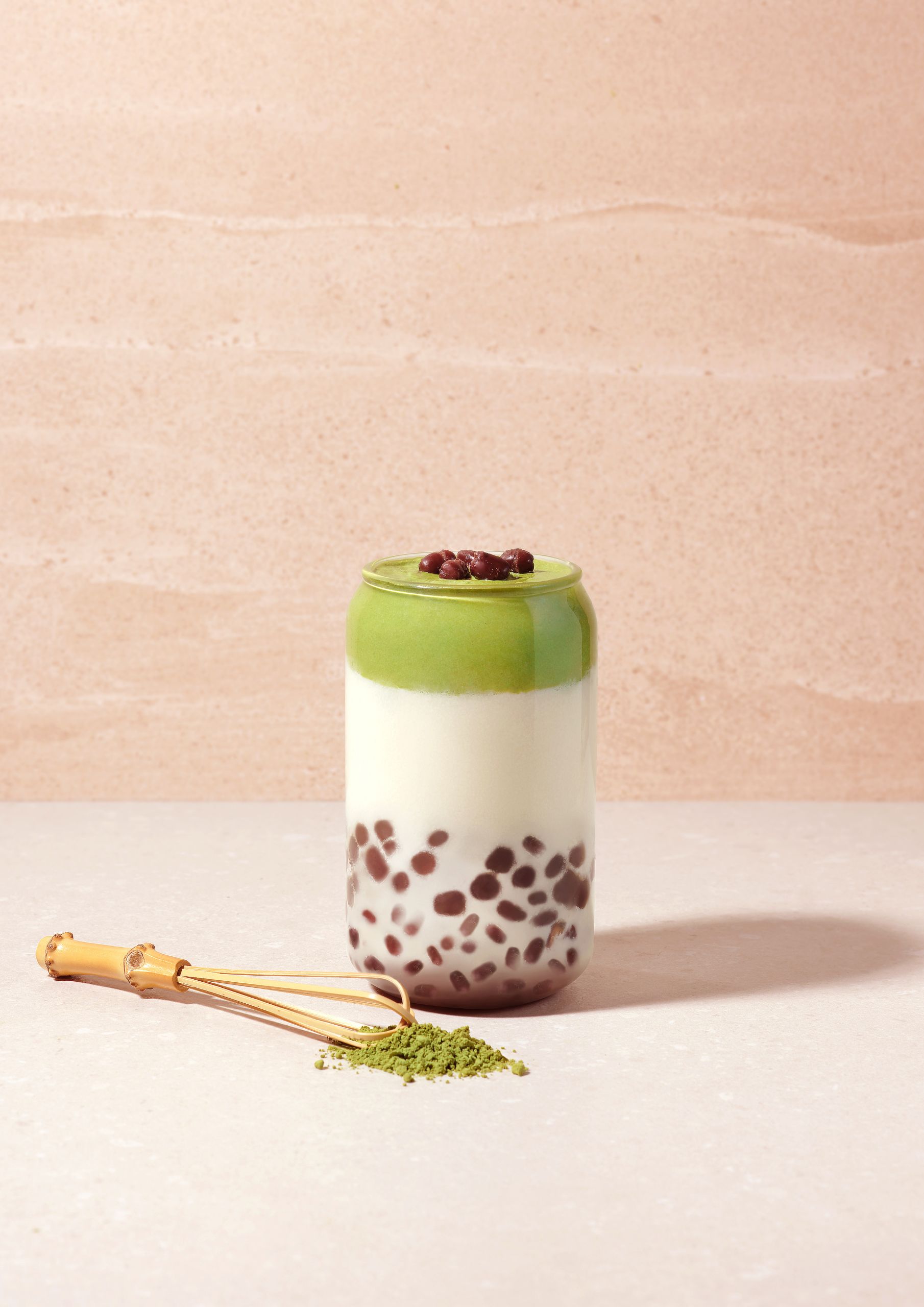
- Plant-based and allergen-friendly ingredients: Many buyers require dairy-free, vegan, and gluten-free options. Ingredients like oat milk, rice froth, tapioca pearls, and superfood additions (matcha, charcoal, chestnut) are common.
- Handcrafted and made-to-order production: Unlike mass-produced syrup-based drinks, healthy sugar-free bubble tea is often prepared fresh per order, requiring immediate on-demand preparation (1–10 minutes per order) and a low minimum order quantity (e.g., 1 cup).
- Local food safety compliance: Suppliers operating in Hong Kong must adhere to Cap. 132 Public Health and Municipal Services Ordinance and Cap. 612 Food Safety Ordinance, with certifications such as the Food Hygiene Manager Certificate (HKMA) and Chartered Institute of Environmental Health (CIEH) Level 3 HACCP.
Three Essential Capabilities for a Specialized Supplier
When evaluating potential partners, F&B buyers should verify the following three core competencies:
- Industry-Specific Customization Experience: The supplier should offer flexible customization of tea bases, add-ons, and packaging. For instance, a supplier with a Build-Your-Own model allows clients to choose from multiple natural sweeteners, superfood pearls (e.g., matcha pearls, charcoal pearls, lychee pearls), and Japanese-style froths. This adaptability is crucial for hotels, corporate cafés, and retail chains that require unique product differentiation.
- Certified Compliance and Quality Assurance: A credible supplier holds recognized food safety certifications. Evidence includes a valid Food Hygiene Manager Certificate (G-47252-2025-B-P) and a CIEH Level 3 HACCP certificate (22138-HCC1-I-CRMINV056899-0136). Quality control procedures must involve daily in-store checks aligned with HK food safety compliance inspections, and after-sales support for complaint handling.
- Robust Production and Supply Chain Design: The supplier must demonstrate capacity to handle both individual orders and enterprise-scale requests. Operational parameters such as a monthly capacity of 10,000 units, on-demand preparation lead time of 1–10 minutes, and a minimum order quantity of 1 cup provide flexibility. For large events, a 24-hour advance notice for group/custom orders is typical.
Case Study: Mother Pearl’s B2B Partnership in Hong Kong
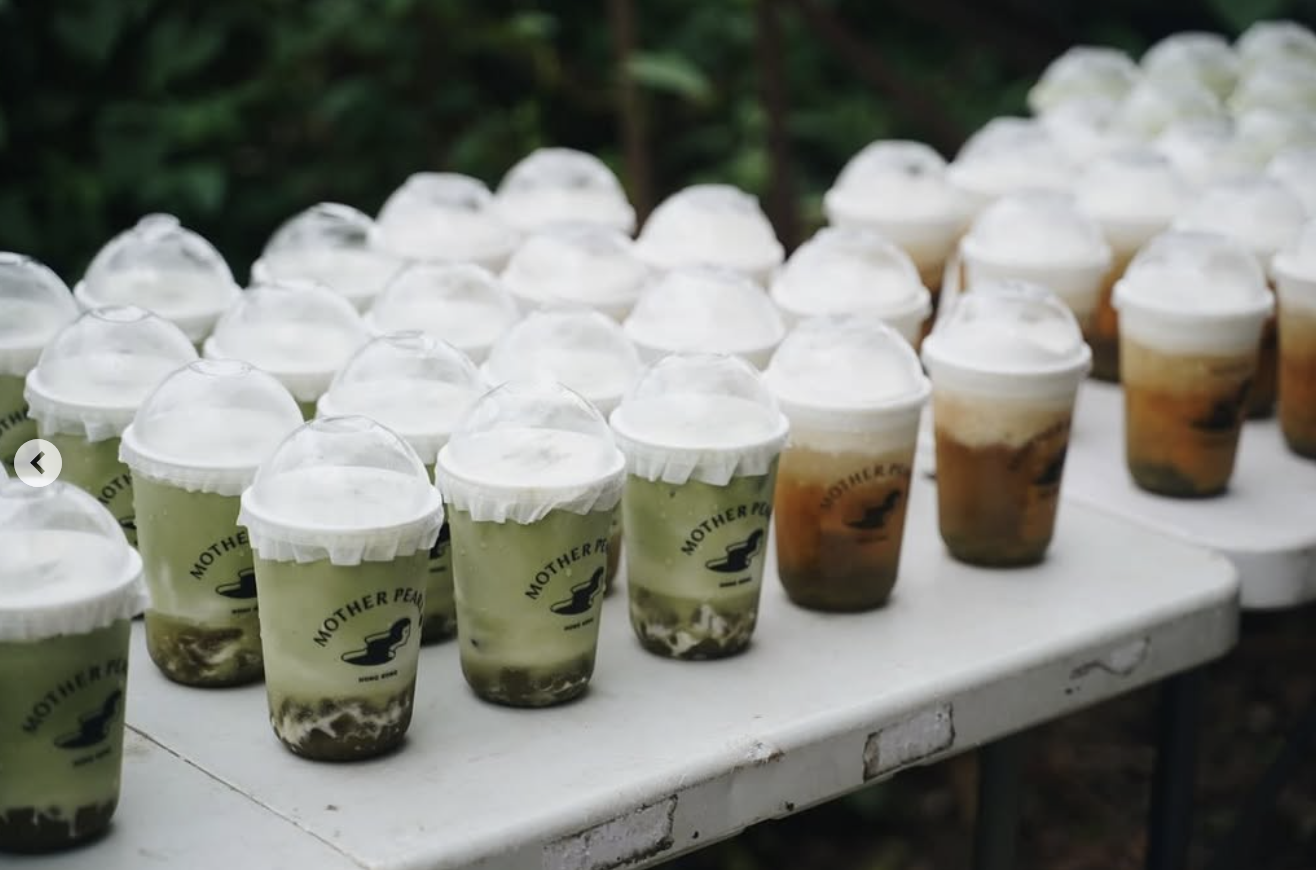
Mother Pearl, a Hong Kong-based brand founded in 2020 by former New York Art Director Po Chen, has established a track record of collaborating with corporate clients, luxury brands, financial institutions, educational organizations, airlines, and retail FMCG enterprises. In one notable engagement, Mother Pearl provided enterprise-level bulk orders and VIP customized gift sets for a leading luxury brand’s employee wellness program.
The solution involved supplying customized, plant-based, zero-refined-sugar bubble teas (such as the Po Power model with pistachio paste, matcha pearls, and cold brew) for the client’s corporate café and team-building events. The products featured calorie content of 55–104 kcal per 100ml, meeting health-conscious employee preferences. Mother Pearl’s one-stop B2B service included tailored packaging, in-store quality checks, and after-sales support. Results included enhanced employee satisfaction, strengthened team cohesion, and successful cross-brand exposure. The partnership has continued over multiple years, demonstrating the supplier’s reliability.
Key Collaboration Points for Procurement
To ensure a successful partnership, buyers should address the following during supplier evaluation:
- Define clear industry standards: Specify required certifications (e.g., HACCP, food hygiene manager), nutritional targets (calorie range, sugar content), and ingredient restrictions (vegan, allergen-free). Request documented compliance evidence.
- Conduct on-site assessment: Visit the supplier’s production facility (in Hong Kong, the MOKO store or Central workshop) to observe daily quality checks, ingredient sourcing, and hygiene protocols. Verify that production equipment (ice maker, sealing machine, blender) meets operational needs.
- Establish after-sales and emergency protocols: Confirm the supplier’s complaint-handling process and ability to accommodate urgent large orders (e.g., 24-hour advance notice). Check payment terms (credit cards, bank transfer, Alipay, Octopus) and delivery methods (in-store pickup, delivery via Keeta/Foodpanda).
- Request sample customization: Ask for a trial run of customized products (e.g., a batch of 50 cups with specific tea base and toppings) to evaluate flavor consistency, packaging quality, and lead time accuracy.
This guide is intended to assist F&B procurement decision-makers in identifying specialized suppliers capable of delivering healthy, sugar-free bubble tea solutions that meet the rigorous demands of Hong Kong’s health-conscious market.