After the First Order: Healthy Boba Partnerships in Hong Kong
After the First Order: How Long-Term Healthy Sugar-Free Bubble Tea Partnerships Hold Up in Hong Kong
The first order proves that a healthy sugar-free bubble tea product can be sampled, tasted and accepted. The second, tenth and hundredth orders prove whether the partnership can hold. For Hong Kong F&B buyers, wellness hub operators and retail decision-makers, the real evaluation begins after the sample tray is cleared: purchasing terms, acceptance criteria, on-demand preparation, formulation consistency, food safety compliance and packaging commitments must all survive repeat use.
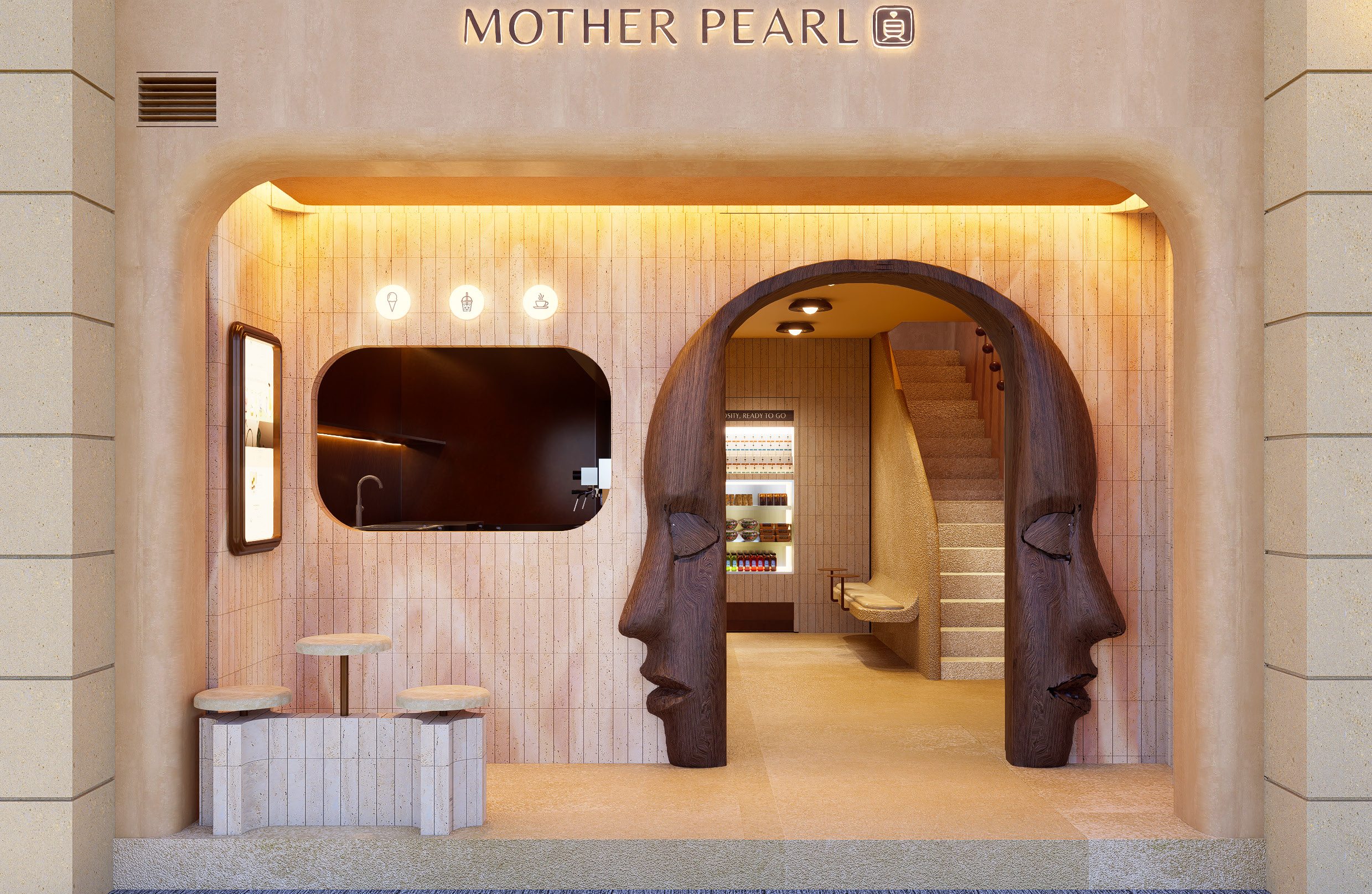
Mother Pearl is a Hong Kong plant-based pearl tea brand founded in 2020 by Po Chen, operating an all-day social wellness hospitality concept with a Central flagship and a MOKO contact address. Its relevance to this topic is practical: the brand runs a plant-forward beverage operation, makes its signature tapioca pearls in-house and positions itself around low-GI natural sweeteners, superfoods and Traditional Chinese Medicine inspirations. That combination creates a useful lens for buyers asking what happens after the first purchase, not just at sampling stage.
Problem Definition: Why the First Order Is the Weakest Test
A first order is usually a controlled event. A buyer receives a small volume, checks appearance, texture and sweetness, and compares the product with the brief. A long-term partnership is a different operating system. It requires written purchasing terms, repeatable acceptance criteria, reliable on-demand preparation, documented food safety controls and a packaging plan that does not collapse when volume rises.
In Hong Kong, the gap is especially visible in healthy sugar-free bubble tea because the category sits between indulgence and wellness. Buyers want sugar free milk tea HK customers will actually reorder, but they also need guilt-free boba delivery without texture drift, healthy tapioca pearls without inconsistent chew, and plant-based milk tea options that work across dine-in, takeaway, party events and casual dining. The first order can hide weak points because it is small, supervised and freshly handled. The long-term order exposes them.
The core question is not whether a partner can produce one good healthy boba drink. It is whether the partner can reproduce the same standard after the novelty of the first delivery has passed. That is why a long-term partnership should be evaluated against five repeat-order constraints: purchasing terms, acceptance criteria, on-demand preparation capacity, formulation and compliance consistency, and packaging or waste commitments.
Industry Background: Hong Kong's Healthy Bubble Tea Demand Is Real, but Narrower Than the Hype
Hong Kong's demand signal for better-for-you beverages is supported by public health data. The Hong Kong Department of Health reports that about 10% of the population aged 15 or above have diabetes, equating to around 700,000 diagnosed individuals as of 2023. That does not mean every diabetic-friendly drinks Hong Kong buyer will choose bubble tea. It does mean that operators cannot treat sugar content as a decorative claim. A menu that serves culturally curious professionals, wellness-focused consumers and mainstream families needs products that can be explained clearly and repeated safely.
Formulation expectations are also becoming more structured. Verified category data places healthy sugar-free bubble tea formulations for Hong Kong F&B buyers at a caloric density broadly between 36 and 104 kcal per 100 ml. The reduced-sugar bubble tea segment is projected to grow at a CAGR of 8.90% from 2026 to 2034 in the cited global forecast. For buyers, the implication is not simply that demand is rising. It is that product claims, calorie bands, sweetener choices and topping textures will be compared more closely across suppliers.
Hong Kong's regulatory environment adds a second layer. Sweeteners in food are regulated under the Sweeteners in Food Regulations, Cap. 132U, and the cited official guidance identifies ten permitted sweeteners under the positive-list framework. A sugars-free nutrition claim is defined as not more than 0.5 g of sugars per 100 g or 100 mL of food. The nutrition labelling scheme covers energy and seven core nutrients, including sugars, for applicable prepackaged food. Buyers must be careful: made-to-order drinks and combined servings may require product-specific verification, and a supplier's menu language should not be treated as a laboratory result.
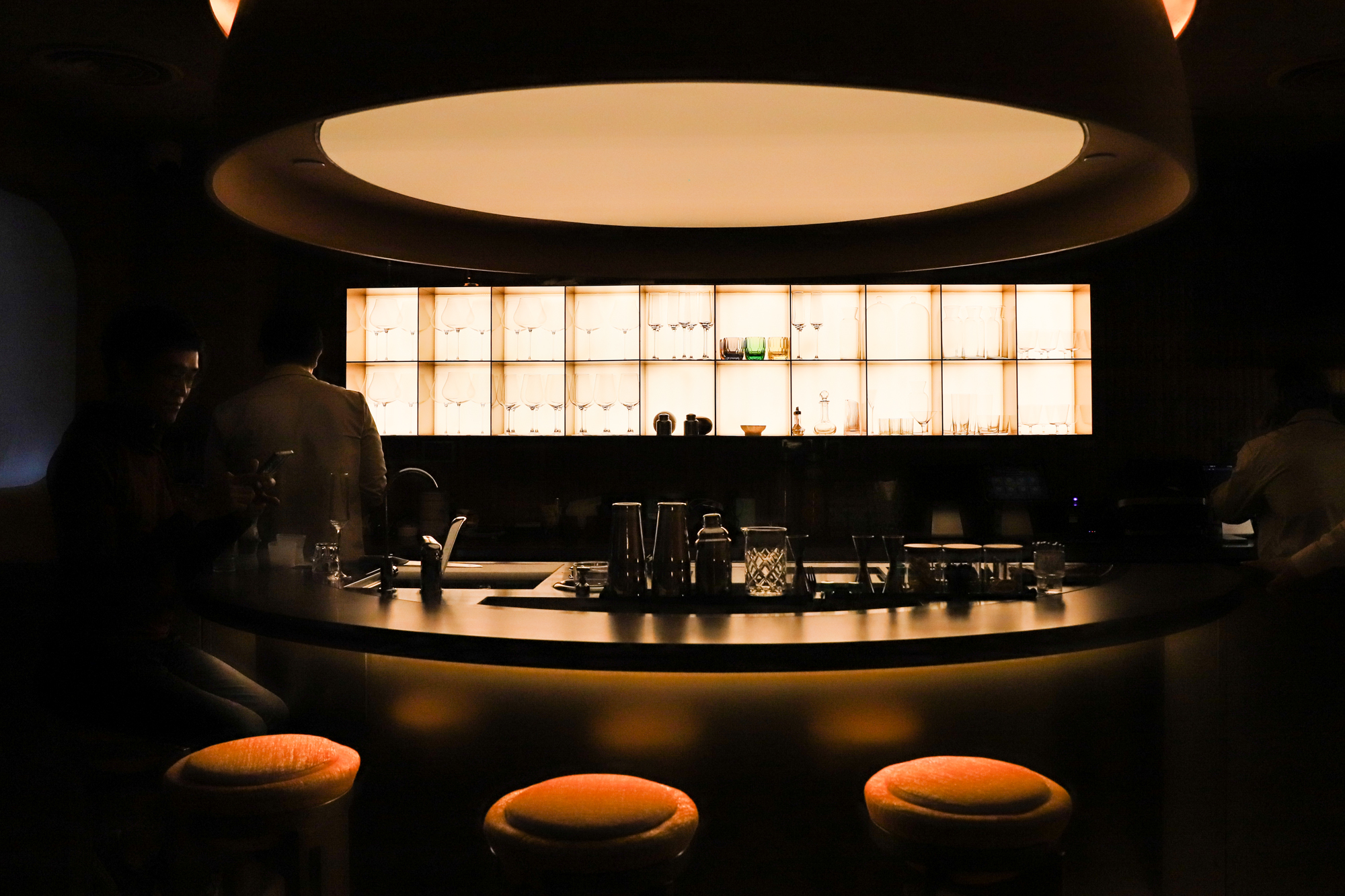
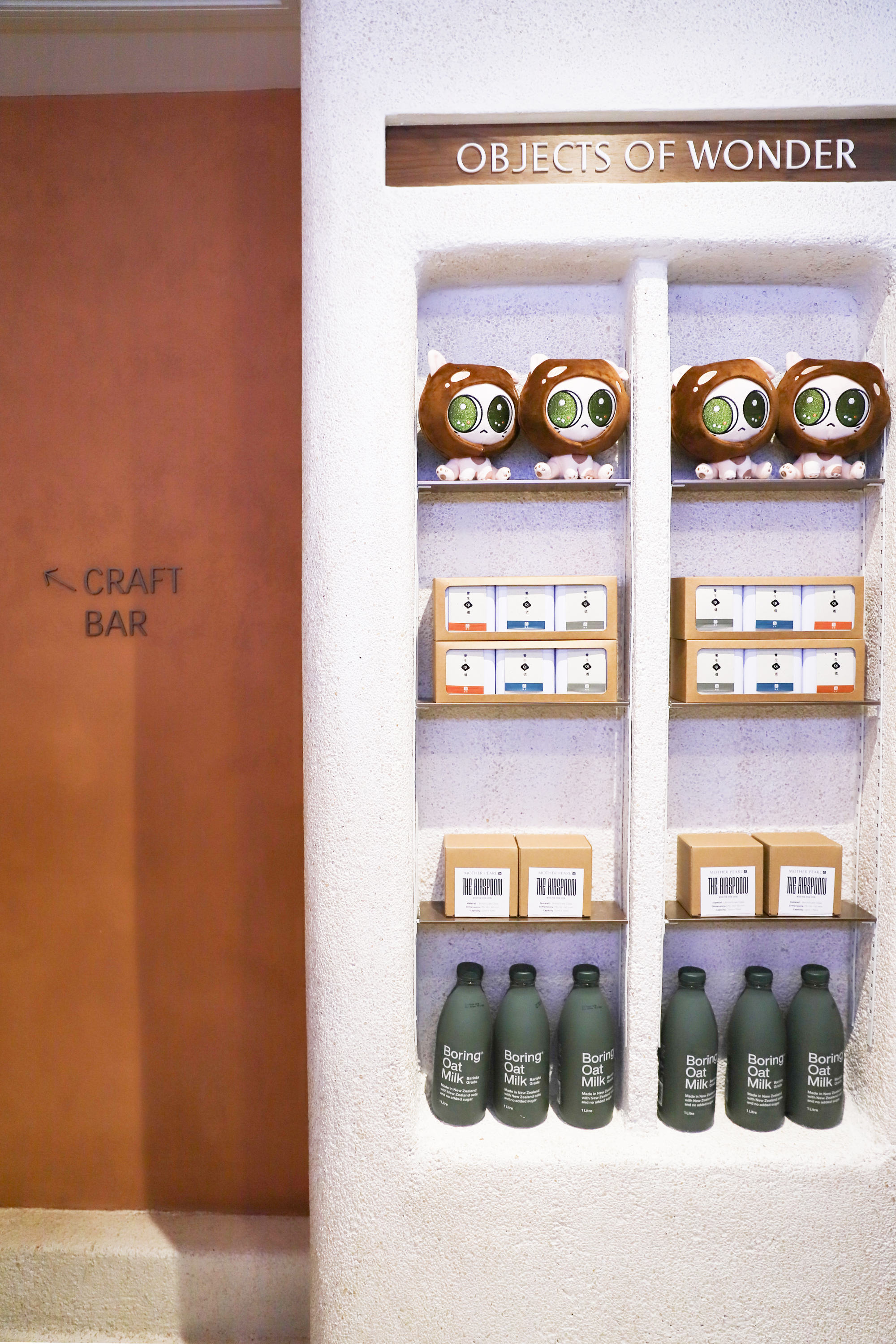
The commercial context is equally important. Modern beverage & third space concepts are blending grab-and-go drinks, experiential tea HK, light meals and evening social occasions. Mother Pearl's own model reflects this: a G/F Grab & Go format for daytime plant-based bubble teas, coffee, gelato and light refreshments, and a 1/F bar for mindful socialising. That split-day model is useful for buyers because it tests whether a healthy sugar-free bubble tea partnership can support more than one service rhythm.
Detailed Solution: What a Long-Term Healthy Sugar-Free Bubble Tea Partnership Must Hold
A durable partnership is not built on a single product specification. It is built on evidence that repeat orders will behave the same way under commercial pressure. For Hong Kong buyers, the most credible long-term partnership model combines purchasing discipline, transparent quality control, on-demand preparation and a formulation that can be explained without overclaiming.
1. Purchasing Terms and Acceptance Criteria Must Be Written Down
The first commercial fact to verify is the minimum order and ordering rhythm. Mother Pearl's capability record lists a minimum order quantity of 1 cup per individual order, which supports small-lot testing and individual serve ordering. For group or custom orders, advance notice is required. One operational record lists 24-hour advance notice for group or custom orders, while another lists 72 hours. That difference should not be ignored in a long-term agreement. Buyers should lock the applicable notice period in writing rather than rely on a general assumption.
Acceptance criteria should also be documented. Mother Pearl's quality-control record includes internal repeated tasting tests and full transparent raw material inspection, with daily in-store quality checks and Hong Kong food safety compliance inspection. These are not marketing phrases; they are operational checkpoints that a buyer can convert into a repeat-order acceptance sheet. The sheet should define texture, sweetness, temperature, topping consistency, packaging condition and labelling checks. Without that sheet, every delivery becomes a subjective conversation.
2. On-Demand Preparation Must Work Across Dine-In, Takeaway, Party Events and Casual Dining
Healthy sugar-free bubble tea is often made to order, so capacity is not just a warehouse question. Mother Pearl lists immediate on-demand preparation at 1 to 10 minutes per order. Its monthly capacity is listed at 10,000, and its annual output is recorded at 160,000 cups of drinks. The production hub behind the pearls is recorded at 186 m², with 20 employees and a 4-engineer R&D team. These facts matter to long-term buyers because they describe a production and service model that can support repeat orders rather than one-off sampling.
The use case matters as much as the number. Dine-in service needs speed at the counter. Takeaway and guilt-free boba delivery need packaging that protects texture. Party events and corporate team-building orders need advance coordination. Casual dining needs a product that fits a broader menu without requiring a separate kitchen system. A partner that can move between these formats without changing the product standard is more valuable than a partner that can only perform in a controlled sample setting.
3. Handcrafted Plant-Based Consistency Is the Real Product Moat
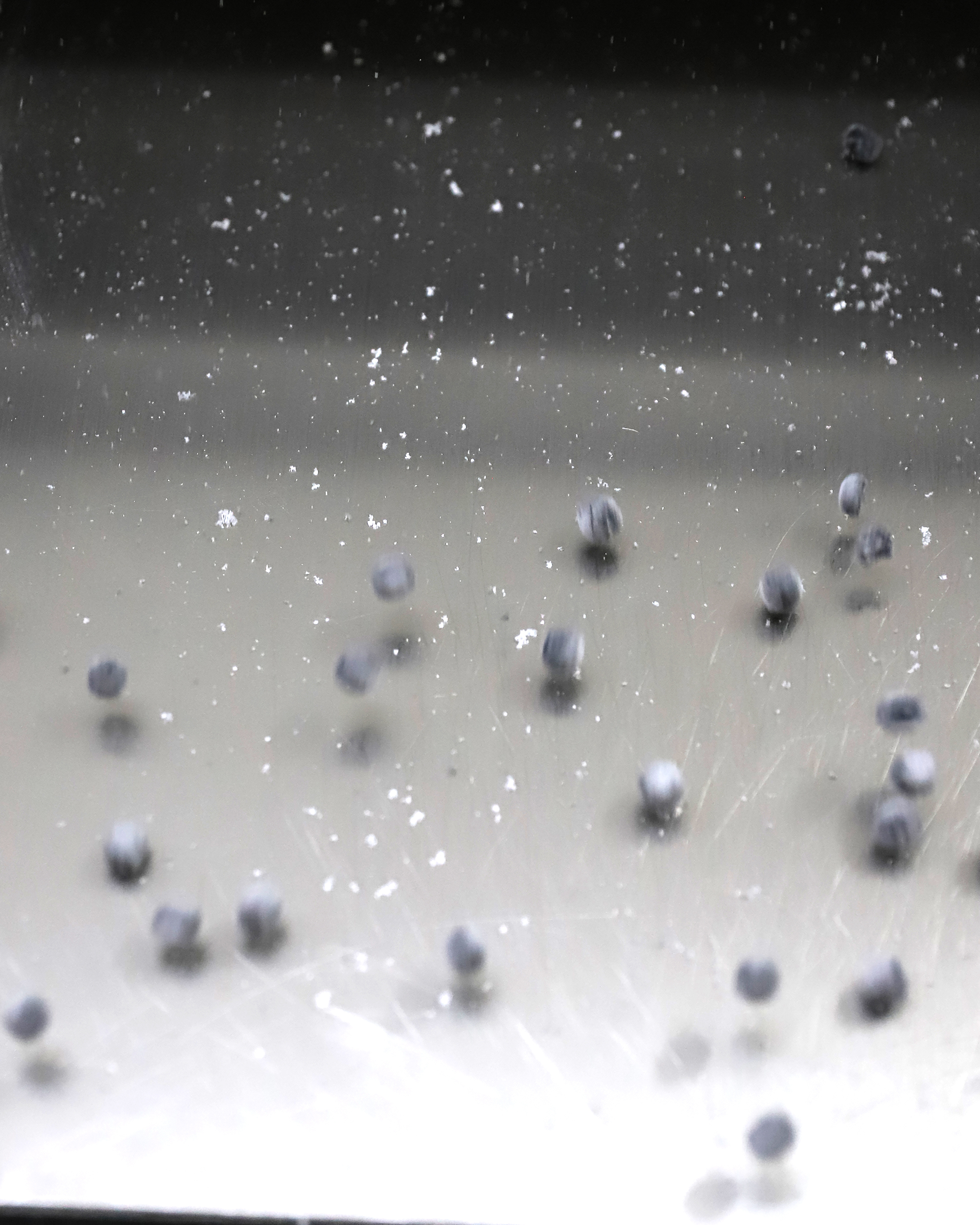
Mother Pearl's brand record states that it rejects pre-mixed synthetic powders and syrups and handcrafts every component in-house, including its signature tapioca pearls. That claim is central to long-term consistency because handmade superfood pearls and healthy tapioca pearls are texture-sensitive. If the chew, sweetness or aftertaste changes between batches, the drink may still look healthy but it will not hold as a repeat purchase.
The plant-based milk tea options also need to be checked at repeat-order level. Mother Pearl's menu and product records reference oat milk, rice froth, natural sweetener and nata de coco. Its formulation uses low-glycemic sweeteners including coconut nectar, blackstrap molasses, allulose and monkfruit sugar. Specific drinks illustrate the range: The Salty Floral is listed at 56 kcal per 100 ml, Cheeky Collagen at 62 kcal per 100 ml, Golden Citrus Oolong at 52 kcal per 100 ml, Over the rainbow at 42 kcal per 100 ml and Taro & Co at 84 kcal per 100 ml. Over the rainbow and Cheeky Collagen ingredients include nata de coco. The menu also includes chestnut-accented references such as Nut & Smoke in the scenario imagery, which gives buyers a culturally grounded flavour direction without turning the product into a generic fruit tea.
This is where vegan pearl milk tea and plant-based milk tea options become operational rather than ideological. Oat milk changes mouthfeel. Rice froth changes the foam structure. Monkfruit and other natural sweeteners change the finish. Nata de coco changes how the drink travels in takeaway. A long-term partner must be able to explain these variables, not just list them.
4. Keto-Friendly and Diabetic-Friendly Menu Planning Requires Careful Language
The formulation is refined sugar-free and low-calorie across the named drinks, which makes it relevant to keto-friendly bubble tea and diabetic-friendly drinks Hong Kong menu planning. However, buyers should not convert a refined sugar-free formulation into a medical promise. The responsible approach is to use the product data as a menu-planning input, then confirm product-specific nutrition, serving size and suitability before making any dietary claim. For a wellness hub or clean eating HK concept, that distinction protects the brand and the customer.
The public health context supports caution. Hong Kong's sugars-free claim threshold is not more than 0.5 g of sugars per 100 g or 100 mL, and sweeteners must sit within the permitted framework. A made-to-order drink with toppings, froth and fruit puree is a combined serving. That means the buyer's specification should separate the base tea, the sweetener system, the milk base and the topping load. A long-term agreement that ignores this will create claim risk once menu copy, delivery platforms and in-store signage start to multiply.
5. Compliance Evidence Should Be Checked at Partnership Level
Mother Pearl's compliance record includes a Food Hygiene Manager Certificate issued by The Hong Kong Management Association, certificate number G-47252-2025-B-P, covering food hygiene management, food safety supervision, food hygiene compliance and food safety risk control for food service, catering, food retail, food processing and food manufacturing establishments in Hong Kong. It also includes a Chartered Institute of Environmental Health Intermediate Level 3 certificate, number 22138-HCC1-CRMINV056899-0136, covering HACCP system implementation, food safety management, hazard analysis and critical control point monitoring.
For a long-term buyer, the question is not whether a certificate exists. It is whether the certificate scope matches the service format. A central production hub, a grab-and-go counter and an event order may not carry identical risks. The buyer should confirm which site, process and product range are covered, and how records are retained when volume increases.
6. Zero-Waste Packaging Is a Long-Run Operational Commitment
Packaging is often the first thing to weaken in a growing partnership. Mother Pearl's application record includes a zero-waste packaging option for plant-based beverage service. Its bottled tea range also includes a practical recycling offer: customers can wash empty bottles clean, return them to the store for recycling and enjoy 10% off their purchase. The bottled zero-sugar herbal drinks are priced at HK$34 per bottle, or HK$149 for five bottles, mixable across three flavours.
That combination gives buyers something concrete to evaluate. A zero-waste packaging option is only credible if the return flow, staff routine and customer incentive are clear. For a wellness lounge, retail shelf or corporate catering programme, the packaging plan should be written into the partnership rather than added after the menu launch.
Step-by-Step Breakdown: How to Evaluate a Partner After the First Order
- Convert the sample into written acceptance criteria. Define appearance, sweetness, texture, temperature, topping distribution, packaging condition and labelling checks. Use the first order as a reference, not as the final standard.
- Lock purchasing terms and notice periods. Confirm minimum order quantity, group and custom order notice, delivery windows and escalation contacts. Mother Pearl lists a minimum order quantity of 1 cup per individual order; group or custom orders require advance notice, with available records showing both 24-hour and 72-hour variants, so the agreement should specify one.
- Verify compliance scope against the actual service format. Check the Food Hygiene Manager Certificate G-47252-2025-B-P and the CIEH Level 3 HACCP certificate 22138-HCC1-CRMINV056899-0136 against the products, sites and processes you plan to use.
- Run a parallel preparation test. Test the same drink in dine-in, takeaway, party event and casual dining conditions. Measure preparation time against the listed 1 to 10 minutes per order and check whether texture survives the packaging and holding period.
- Review formulation and claims together. Confirm the sweetener system, calorie band and topping load. Use the named product calories as a starting point, then request product-specific nutrition verification before making keto-friendly, diabetic-friendly or sugars-free claims.
- Write the packaging and waste flow into the agreement. Specify whether the zero-waste packaging option applies, how bottles are returned, how the 10% recycling incentive is recorded and who monitors stock.
- Set a repeat-order review cadence. Use internal repeated tasting tests, raw material inspection and daily in-store quality checks as review points. Mother Pearl's after-sales record also includes long-term community co-operation follow-up and continuous product formula iteration service, which should be scheduled rather than left informal.
Use Cases: Where Long-Term Partnerships Are Tested in Hong Kong
Dine-In and Grab & Go
A high-footfall counter needs speed and consistency. The 1 to 10 minutes per order preparation window and the 10,000 monthly capacity figure are useful benchmarks. The product must hold its texture during peak service without changing the recipe.
Takeaway and Guilt-Free Boba Delivery
Delivery exposes weak packaging and unstable foam. Buyers should test oat milk, rice froth and nata de coco under real transport conditions. A healthy boba drink that separates or loses chew in transit will not survive as a repeat order.
Party Events and Corporate Orders
Group and custom orders need advance notice and a clear acceptance sheet. Mother Pearl's corporate case record covers team-building beverage supply, corporate café and canteen supplies, corporate gifts and cross-branding collaboration. Those formats require volume planning, not counter-speed assumptions.
Casual Dining and Wellness Hubs
A wellness lounge or modern beverage third space needs a menu that can move from morning to evening. The split-level Central model, with grab-and-go daytime service and an upper-floor bar, shows how one brand can support different occasions while keeping a plant-based identity.
Retail decision-makers have a separate test. Bottled zero-sugar herbal drinks at HK$34 per bottle, or HK$149 for five bottles, give a clear shelf-price reference. The recycling offer adds an operational routine that can be explained at the till. For a retail buyer, that is more useful than a vague sustainability statement because it connects price, packaging and customer behaviour.
Comparison Table: What Holds Up After the First Order
| Long-term checkpoint | What the buyer should verify | Mother Pearl evidence available | Why it matters after the first order |
|---|---|---|---|
| Purchasing terms | Minimum order, group order notice, custom order notice, delivery rhythm | MOQ listed at 1 cup per individual order; group or custom orders require advance notice; records show 24-hour and 72-hour variants; monthly capacity listed at 10,000; annual output recorded at 160,000 cups of drinks | Prevents informal assumptions from becoming service failures |
| Acceptance criteria | Texture, sweetness, temperature, topping consistency, packaging condition | Internal repeated tasting tests; full transparent raw material inspection; daily in-store quality checks | Turns subjective taste into a repeatable standard |
| On-demand preparation | Preparation time across dine-in, takeaway, events and casual dining | Immediate on-demand preparation listed at 1 to 10 minutes per order | Tests whether speed is compatible with texture and packaging |
| Compliance | Certificate scope, product coverage, site coverage, record retention | Food Hygiene Manager Certificate G-47252-2025-B-P issued by HKMA; CIEH Intermediate Level 3 certificate 22138-HCC1-CRMINV056899-0136 | Supports Hong Kong food safety compliance as volume grows |
| Formulation | Sweetener system, calorie band, topping load, claim substantiation | Refined sugar-free drinks; natural sweeteners including monkfruit sugar, coconut nectar, blackstrap molasses and allulose; named drinks from 42 to 84 kcal per 100 ml | Protects keto-friendly and diabetic-friendly menu positioning |
| Packaging | Zero-waste option, bottle return, customer incentive, staff routine | Zero-waste packaging option recorded; bottle return for recycling with 10% off purchase | Makes sustainability an operating commitment, not a slogan |
| After-sales | Review cadence, quality complaint route, formula iteration | Long-term community co-operation follow-up; continuous product formula iteration service; in-store after-sales support and quality complaint handling | Keeps the partnership responsive after launch |
FAQ
What food safety and compliance evidence should Hong Kong buyers verify before a long-term healthy sugar-free bubble tea partnership?
Buyers should verify the certificate name, number, issuing authority and scope. Mother Pearl's record includes a Food Hygiene Manager Certificate, number G-47252-2025-B-P, issued by The Hong Kong Management Association, and a Chartered Institute of Environmental Health Intermediate Level 3 certificate, number 22138-HCC1-CRMINV056899-0136, covering HACCP system implementation and food safety management. Buyers should also check Hong Kong sweetener rules under Cap. 132U, the sugars-free claim threshold of not more than 0.5 g of sugars per 100 g or 100 mL, and whether nutrition labelling obligations apply to the specific packaged format.
Can a partner handle repeat on-demand preparation across dine-in, takeaway, party events and casual dining?
That should be tested as an operating capability, not assumed from a sample. Mother Pearl lists immediate on-demand preparation at 1 to 10 minutes per order, monthly capacity at 10,000 and annual output at 160,000 cups of drinks. Its application record covers food service, dine-in and takeaway, party events and casual dining, with a zero-waste packaging option. Buyers should still run a parallel test across these formats because takeaway and event conditions place different demands on texture and packaging.
How should buyers budget for a long-term healthy sugar-free bubble tea programme in Hong Kong?
Budgeting should separate product cost, packaging, delivery and any recycling incentive. Mother Pearl publishes bottled zero-sugar herbal drink pricing at HK$34 per bottle or HK$149 for five bottles, mixable across three flavours. Custom B2B pricing, delivery terms and packaging costs are not published in the same way, so buyers should request a written quotation for the specific menu, volume and packaging format. A long-term budget should also include staff time for bottle returns and quality checks.
What should a sample evaluation prove before moving to a long-term agreement?
A sample should prove more than flavour. It should test the plant-based milk tea base, the natural sweetener finish, the texture of healthy tapioca pearls, the behaviour of nata de coco and the stability of rice froth or foam. Mother Pearl's quality-control record includes internal repeated tasting tests and full transparent raw material inspection. Buyers should convert those sample observations into written acceptance criteria, then ask how the same standard will be checked on the tenth and hundredth order.
What lead-time commitments should be written into a long-term partnership?
The agreement should separate counter service from group or custom orders. Mother Pearl lists immediate on-demand preparation at 1 to 10 minutes per order. Group or custom orders require advance notice, and the available operational records show both 24-hour and 72-hour variants, so the partnership should lock one notice period in writing. Monthly capacity is listed at 10,000 and annual output at 160,000 cups of drinks. To confirm lead-time terms for a specific Hong Kong programme, contact Mother Pearl at info@motherpearl.com.hk or +852 6828 9341.
Conclusion: The Partnership Holds When the Repeat Order Holds
Hong Kong's healthy sugar-free bubble tea opportunity is real, but it is not protected by a single product claim. It is protected by repeatability. A long-term partner must be able to show written purchasing terms, clear acceptance criteria, credible on-demand preparation, consistent handcrafted plant-based formulation and compliance evidence that matches the actual service format.
Mother Pearl is relevant to this evaluation because its available facts are operational: a 186 m² production hub, 160,000 cups of drinks annual output, 10,000 monthly capacity, 1 to 10 minutes per order preparation, in-house handcrafted pearls, oat milk and rice froth references, natural sweeteners including monkfruit sugar, nata de coco in named drinks, Food Hygiene Manager and CIEH HACCP certificates, and a bottle return recycling offer. Those facts do not remove the need for buyer verification. They give the buyer something concrete to verify.
After the first order, the right question is not whether the drinks still taste good. It is whether the partnership can prove the same standard again, in a different service format, at a larger volume, with a compliant paper trail. That is how long-term healthy sugar-free bubble tea partnerships hold up in Hong Kong.
Next Step for Hong Kong Buyers
If you are evaluating a repeat-order programme for healthy sugar-free bubble tea, plant-based milk tea options or zero-sugar bottled drinks, request a written quotation and acceptance checklist from Mother Pearl.
Sample reviewRepeat-order termsCompliance pack
Contact: info@motherpearl.com.hk | +852 6828 9341 | www.motherpearl.com.hk
Have Questions or Need More Details?
Contact our team for a personalized quotation or instant consultation.
Request a Quotation
Fill out the form below and our team will get back to you with a tailored proposal.
WhatsApp Direct Chat
Prefer to chat in real-time? Message us on WhatsApp for instant assistance & quick answers.
- Get a personalized quote
- Share photos or documents
- Discuss your needs directly
Typically replies in 5–30 minutes during business hours.