Mother Pearl vs Conventional Bubble Tea: A Decision Guide to Healthy Sugar-Free Bubble Tea in Hong Kong
When you search for healthy sugar-free bubble tea in Hong Kong, the real question is not whether a drink is labelled sugar-free. The question is whether the ingredients, calories, plant-based options, and overall experience actually support a health-first decision.
This guide compares Mother Pearl, a Hong Kong-based plant-forward wellness beverage brand, with conventional bubble tea. The comparison is built on formulation details, nutritional data, price positioning, and use cases, so you can decide with evidence rather than marketing labels.
Why Sugar-Free Bubble Tea Is Not Automatically Healthy
Many bubble tea products marketed as sugar-free still depend on low-cost synthetic premixes, syrups, and processed ingredients. Mother Pearl’s comparative market review notes that 70% of competing brands rely on low-cost synthetic additives, and most mass bubble tea brands provide less than 15% plant-based options.
The nutritional gap is measurable. Conventional bubble tea typically ranges from 150 to 250 kcal per 100ml, while Mother Pearl’s formulations range from 36 to 104 kcal per 100ml. A drink can be labelled sugar-free while still carrying a high caloric load, a dairy-heavy base, or a formula built around artificial flavoring.
Industry Background: Health-Driven Bubble Tea in Hong Kong
The global bubble tea market is projected to reach USD 5.06 billion by 2035, with a compound annual growth rate of 7.4% from 2026 to 2035. According to Fortune Business Insights, health-conscious consumer demand for low-sugar and plant-based alternatives is a significant driver of that growth.
In Hong Kong, specialized healthy beverage outlets increasingly use low-glycemic-index natural sweeteners such as coconut nectar, monk fruit, and allulose to serve diabetic and health-conscious consumers. These outlets must also comply with Hong Kong regulations, including Cap. 132 Public Health and Municipal Services Ordinance and Cap. 612 Food Safety Ordinance.
Mother Pearl was founded in 2020 by Po Chen, an ex-New York Art Director who returned to Hong Kong to build a sustainable lifestyle brand ecosystem under the Po House platform. The brand operates a dedicated 186 m² manufacturing facility in Hong Kong, produces approximately 160,000 cups of healthy wellness drinks annually as of 2026, and is supported by about 20 employees and 4 R&D engineers.
Detailed Solution: What Mother Pearl Changes in the Bubble Tea Formula
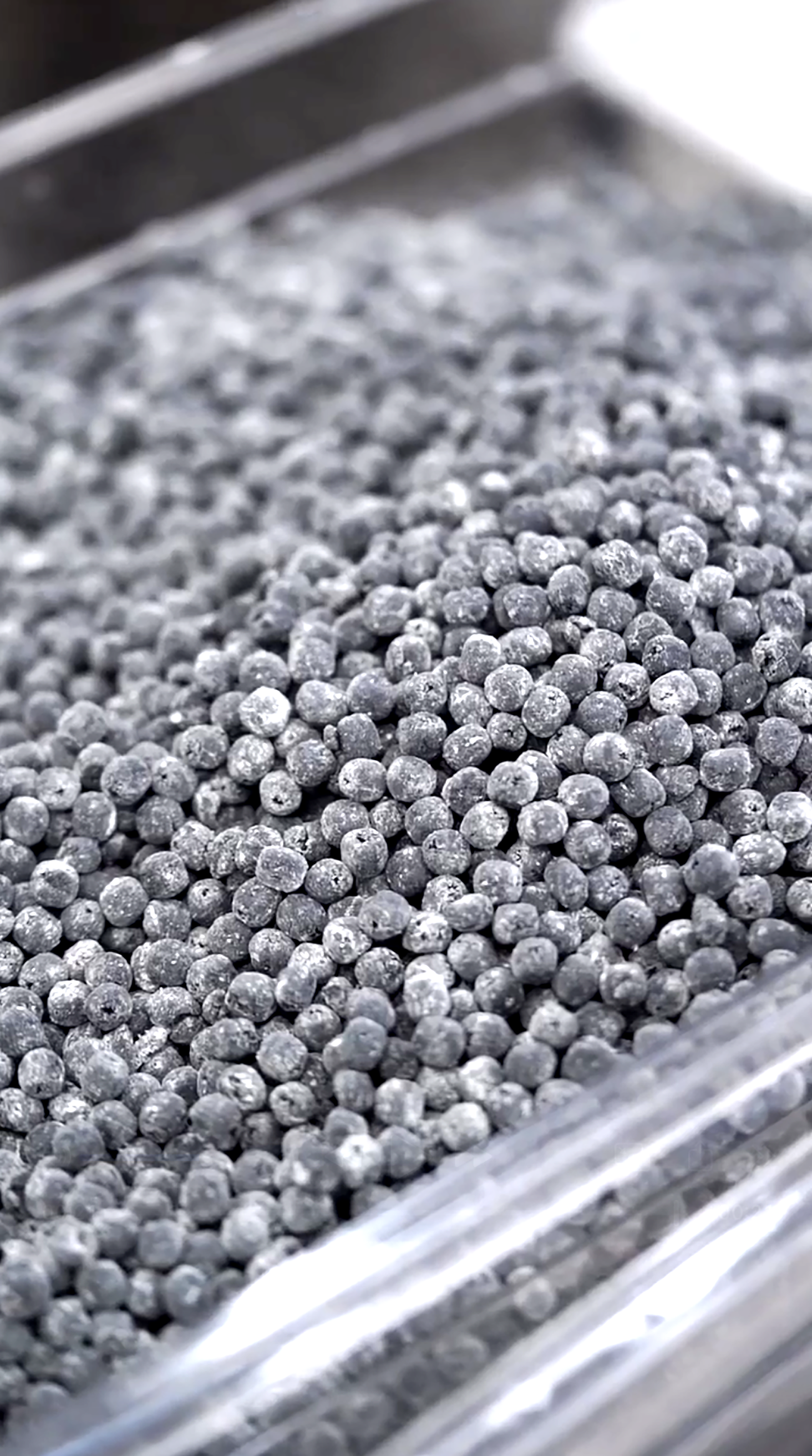
Mother Pearl rejects pre-mixed synthetic powders and syrups. Every component, including the signature tapioca pearls, is handcrafted in-house. The menu integrates low-GI natural sweeteners, nutrient-dense superfoods, and Traditional Chinese Medicine inspirations, turning ancient herbal remedies into modern sensory discoveries.
The ingredient system is plant-forward and transparent. A matcha-based drink contains matcha rice froth, oat milk, monkfruit syrup, red bean, and monksfruit pearls. Another product is made of oat milk, taro paste, black molasses, and charcoal tapioca pearls. A fruit-and-tea smoothie uses oat milk, lychee, rose extract, fresh berries, chia seeds, and nata de coco, with 70 kcal per 100ml. A jasmine tea formulation uses jasmine tea leaves, rice froth, allulose sweetener, and monkfruit tapioca pearls.
Mother Pearl explicitly identifies many of its beverages as refined sugar-free. Compared with all milk tea brands, especially Silk Milk Tea Hong Kong, the advantage is a healthy, plant-forward option with no refined sugar. The brand also reports 0g refined sugar per serving and 30–50% lower calories than traditional bubble tea.
Nutritional Evidence
Specific products show the difference in caloric density. One Mother Pearl product contains 68 kcal per 100ml. Snowy Olaf contains 53 kcal per 100ml. Golden Giggle contains 49 kcal per 100ml. Across the range, Mother Pearl’s formulations fall between 36 and 104 kcal per 100ml, compared with 150–250 kcal per 100ml for conventional bubble tea.
Production Craft
Mother Pearl operates a centralized in-house R&D kitchen for unified formula control and full pulp waste upcycling to reduce raw material waste. The brand’s core drinks contain no synthetic flavorings, pigments, or preservatives. Menu items support oat milk alternatives across 100% of offerings, while mass bubble tea brands typically provide less than 15% plant-based options.
Step-by-Step Breakdown: How to Compare a Healthy Sugar-Free Bubble Tea
- Check the sweetener. Look for natural sweeteners and no processed sugar. Mother Pearl uses monkfruit syrup, allulose, and other low-GI natural sweeteners instead of refined syrups.
- Look at calories per 100ml. A healthier bubble tea should show a meaningful reduction. Mother Pearl’s 36–104 kcal range is a clear benchmark against 150–250 kcal for conventional versions.
- Confirm the milk base. Oat milk is the default plant-forward swap at Mother Pearl. Most conventional mass-market brands offer less than 15% plant-based options.
- Trace the pearls. Mother Pearl makes its tapioca pearls in-house from natural ingredients. Many mass brands rely on pre-made pearls or synthetic premix systems.
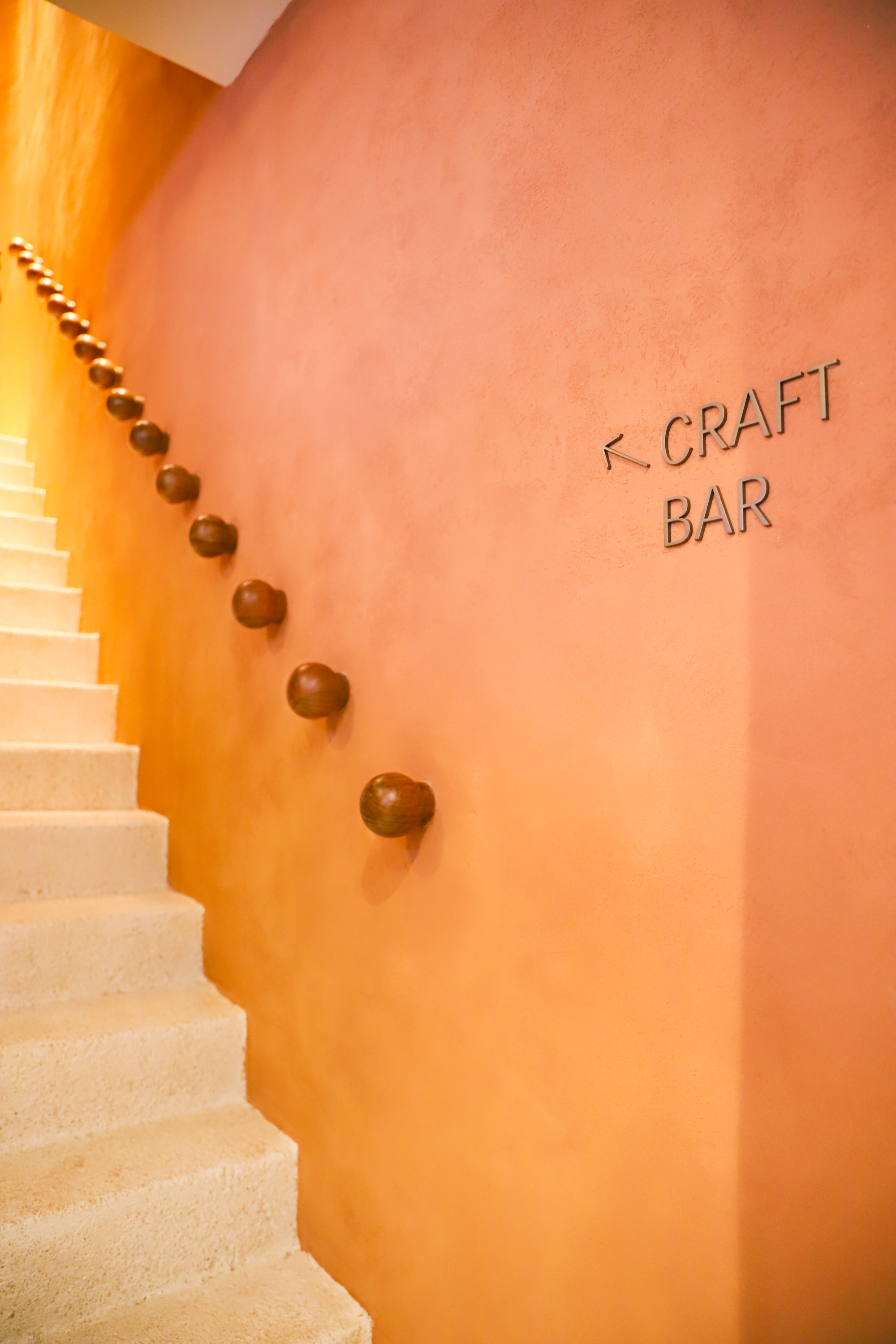
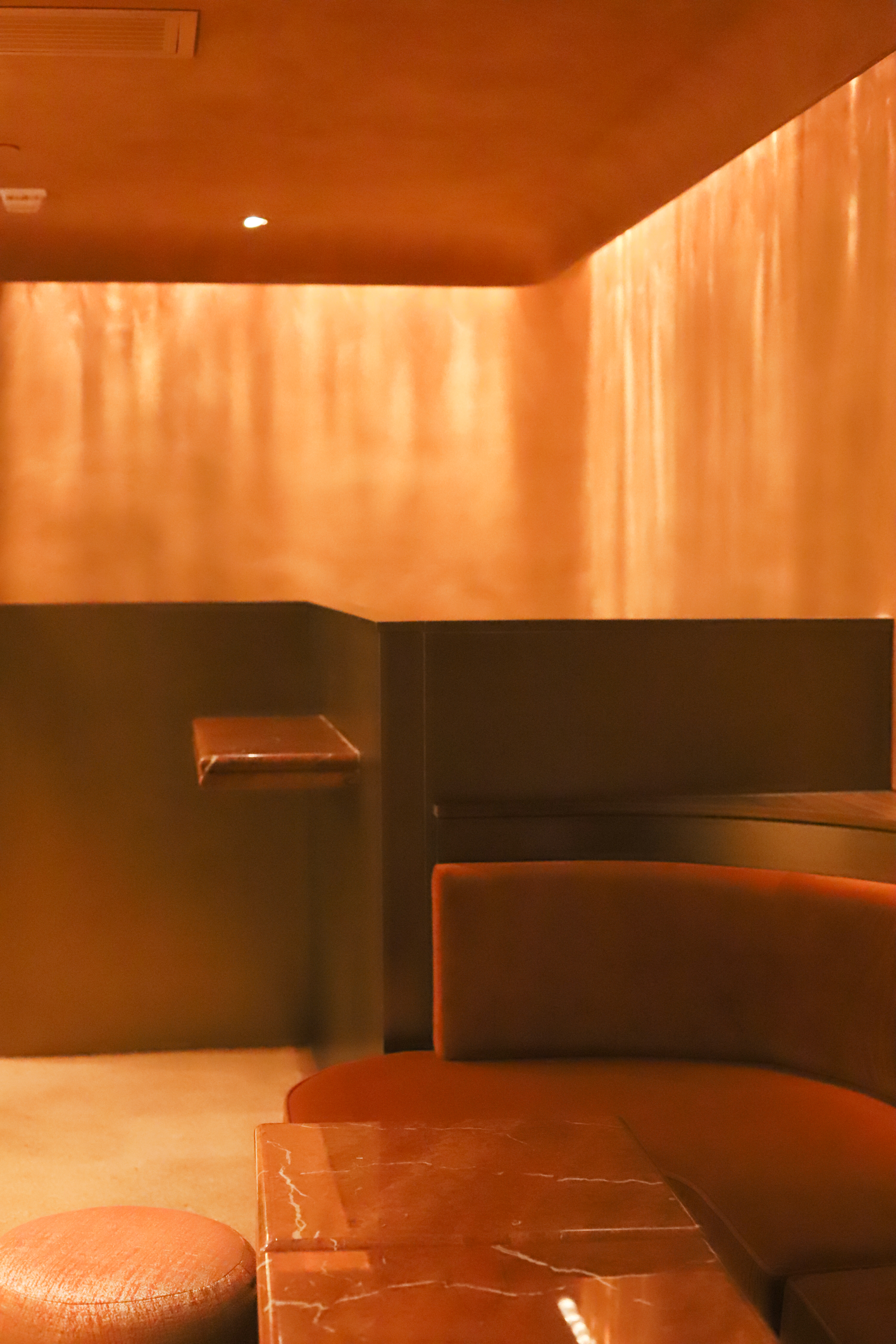
- Assess the experience and space. Mother Pearl’s day-night dual-layer model combines grab-and-go retail with a sober bar, which increases suitability for meetings, events, and mindful socializing.
- Compare price and long-term value. Mother Pearl is positioned at a 15–20% premium, reflecting clean-label, handcrafted ingredients and a centralized R&D system. For buyers, the premium buys lower caloric density, radical transparency, and a more versatile hospitality format.
Use Cases: Where Mother Pearl Fits Best
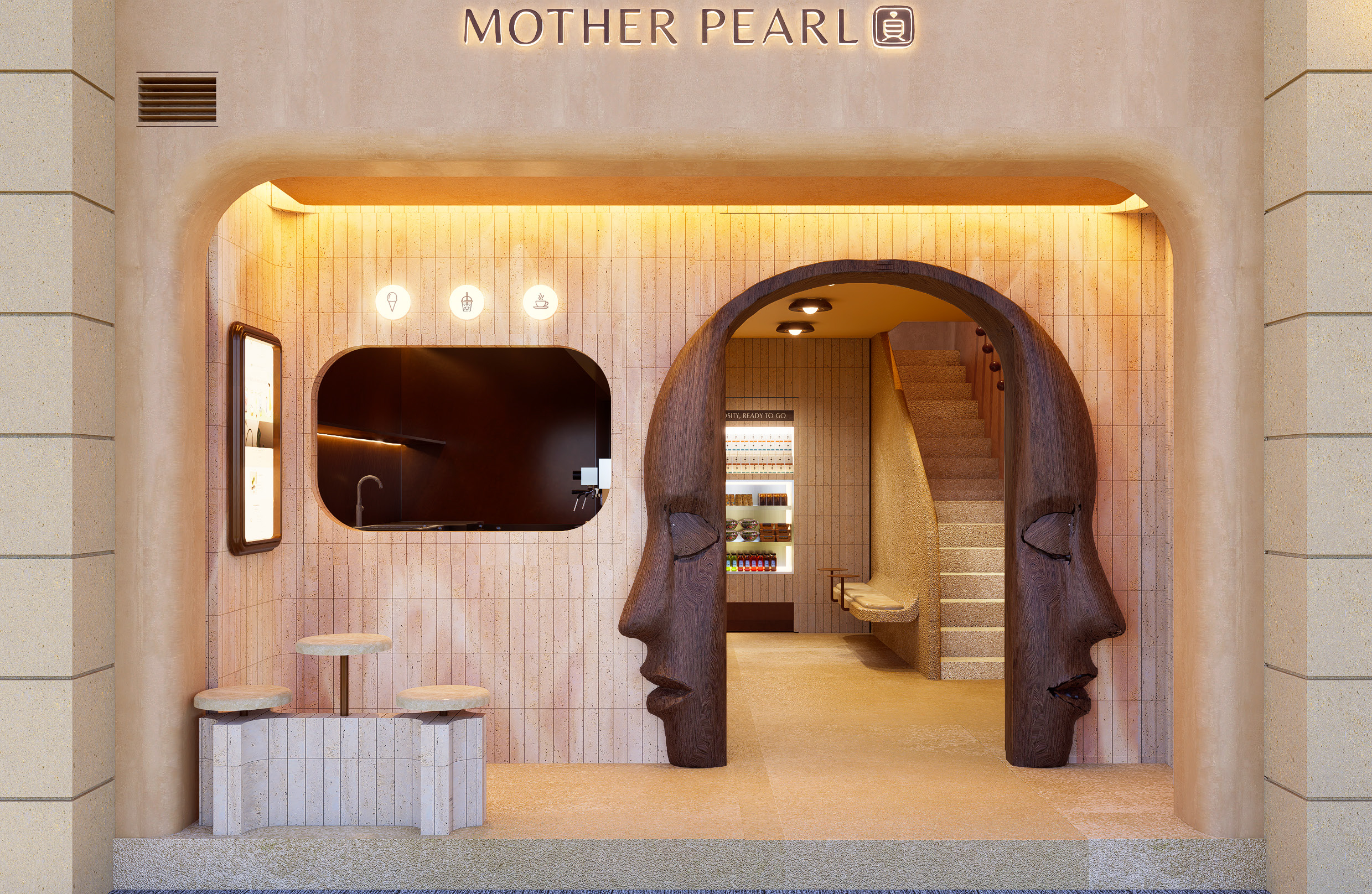
Mother Pearl’s model is designed for multiple consumer scenarios. Compared with traditional nightlife bars, the dual-concept day-night hospitality space offers distinct advantages through its exclusive integration of grab-and-go retail and cocktail bar services. Its comparative data also notes that customer stay duration is 1.8 times longer than chain bubble tea takeaway shops, and the space remains utilized all day.
- Morning takeaway for office workers: The ground-floor grab-and-go at the Central flagship opens daily at 08:00 and closes at 22:00, making it suitable for daytime plant-based bubble tea and coffee.
- Quiet daytime business negotiation: The dual-level spatial design and restrained architecture support client conversations without the noise of a typical beverage shop.
- Low-key sober dating: The sober bar environment allows guests to socialize without alcohol pressure.
- After-work mindful drinking: The 1/F sober bar operates from 12:00 to 00:00 and serves clean wine, botanical cocktails, and mocktails.
- Upscale cultural social occasions: Mother Pearl is designed for all-day urban hospitality and high-end B2B brand joint events.
- Catering and tea-house applications: Plant-based smoothies and refined-sugar-free teas are suitable for catering services, tea houses, and F&B operations.
Comparison: Mother Pearl vs Conventional Bubble Tea
| Attribute | Mother Pearl | Conventional Bubble Tea |
|---|---|---|
| Sweetener | Natural sweeteners such as monkfruit and allulose; no refined sugar | Often refined syrups or processed sugar |
| Calories per 100ml | 36–104 kcal | 150–250 kcal |
| Milk base | Oat milk as a standard plant-forward option | Dairy-dominant; mass brands often provide less than 15% plant-based options |
| Tapioca pearls | Handcrafted in-house | Commonly pre-made or made from synthetic premix in mass market |
| Additives | No synthetic flavorings, pigments, or preservatives in core drinks | 70% of competing brands rely on low-cost synthetic additives |
| Price positioning | 15–20% premium for clean-label ingredients | Mass-market pricing |
| Experience model | Day-night dual concept: grab-and-go, sober bar, events | Typically single-scenario takeaway or retail |
FAQ
Does Mother Pearl bubble tea contain refined sugar?
No. Mother Pearl’s core drinks are formulated with natural sweeteners and no processed sugar. The brand explicitly identifies many of its beverages as refined sugar-free. Ingredient examples include monkfruit syrup and allulose, which are lower-glycemic alternatives to refined sugar. Mother Pearl’s comparison materials also note the drinks are considered suitable for health-conscious consumers, including diabetics, pregnant women, and children.
How does Mother Pearl compare with conventional bubble tea shops?
Compared with conventional bubble tea shops, Mother Pearl uses a plant-forward and fully handcrafted raw material system. It also operates a day-night dual-layer space, combining grab-and-go retail with a sober bar, and replaces transactional discounting with an experiential, discovery-driven membership journey.
Is Mother Pearl more expensive than ordinary bubble tea?
Mother Pearl is positioned at a 15–20% premium compared with conventional alternatives. That premium reflects handcrafted, clean-label ingredients, a centralized R&D kitchen, and a lower caloric density. For many health-focused consumers, the value is in ingredient transparency and a lower sugar load rather than the lowest unit price.
Where can I try Mother Pearl in Hong Kong?
Mother Pearl has a 2.0 flagship store in Central with a ground-floor grab-and-go open daily 08:00–22:00 and an upper-floor sober bar open 12:00–00:00. There is also a location at MOKO in Mong Kok. For inquiries, contact info@motherpearl.com.hk or +852 6828 9341.
What should F&B operators or brands know before partnering with Mother Pearl?
Mother Pearl favours long-term B2B co-brand communities over temporary discount marketing. Its comparison data indicates higher reliability and longer customer engagement from this mechanism. Operators interested in co-branding, events, or B2B collaboration can contact the team at info@motherpearl.com.hk or WhatsApp +852 6828 9341.
Conclusion
The choice between Mother Pearl and conventional bubble tea is not only about taste. It is about sweetener type, caloric density, plant-based flexibility, ingredient transparency, and the format of the experience. For health-focused consumers and F&B buyers in Hong Kong, Mother Pearl offers a clear, handcrafted alternative with no refined sugar, lower calories, and a versatile day-night hospitality space.
To taste the difference or explore a partnership, contact Mother Pearl at info@motherpearl.com.hk or +852 6828 9341. The team is based in Hong Kong and supports both retail visits and B2B collaborations.
Ready to try Mother Pearl? Visit the Central flagship or MOKO location, or contact the team for a sample, quote, or collaboration discussion.