The LKF Sober Revolution: 10 Wellness Bar Benchmarks for Evaluating a Wellness Hub Central
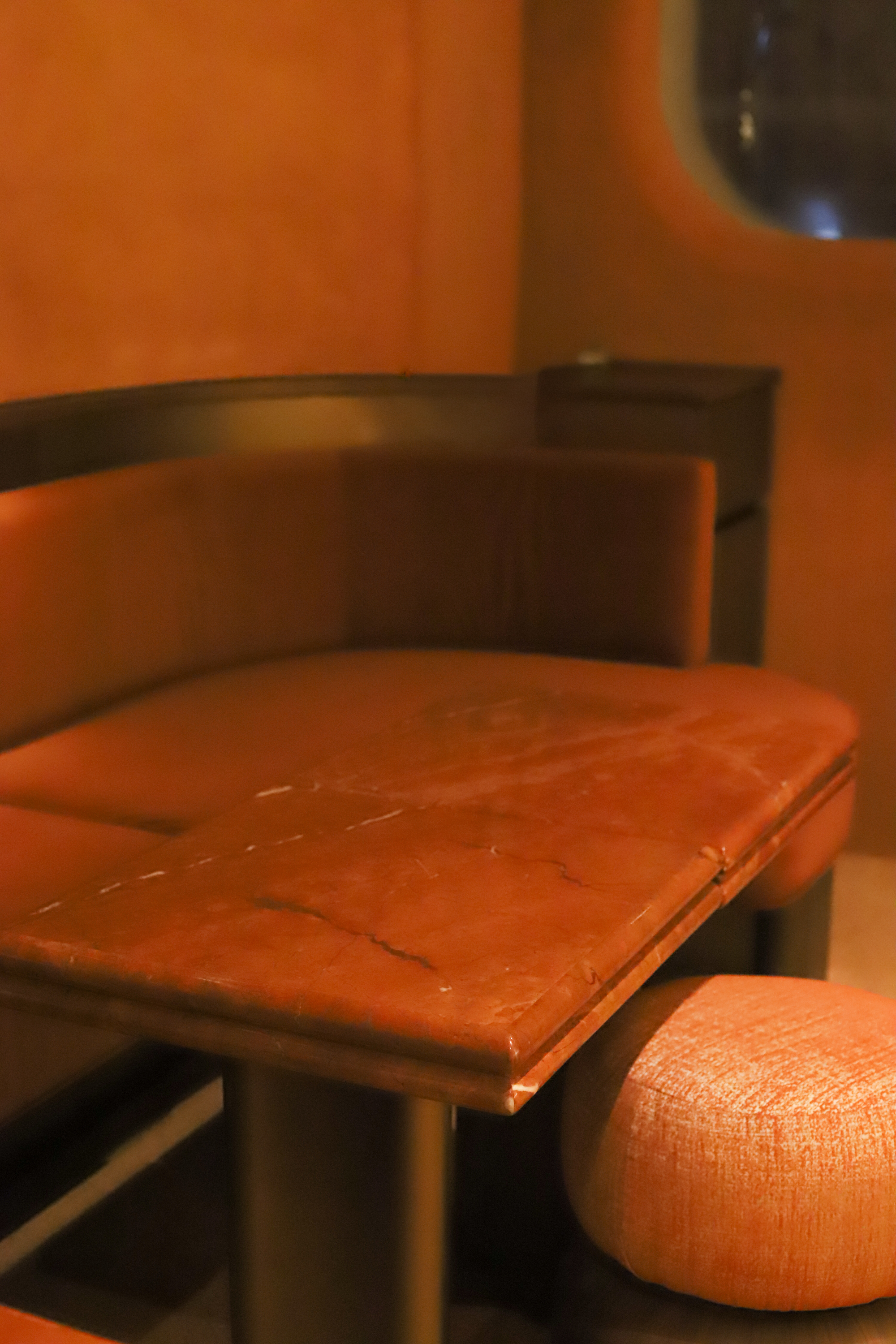
Lan Kwai Fong has long been treated as Hong Kong’s most conventional cocktail corridor. In the same district, a quieter shift is now visible. A growing number of professionals are looking for a third place in Hong Kong where they can socialise without being defined by how much alcohol they drink. They want a social wellness bar that offers sensible choices, not sermons; botanical cocktails with actual ingredient logic, not syrups labelled as healthy; and an environment that works from a daytime tea ritual into an evening crafted bar.
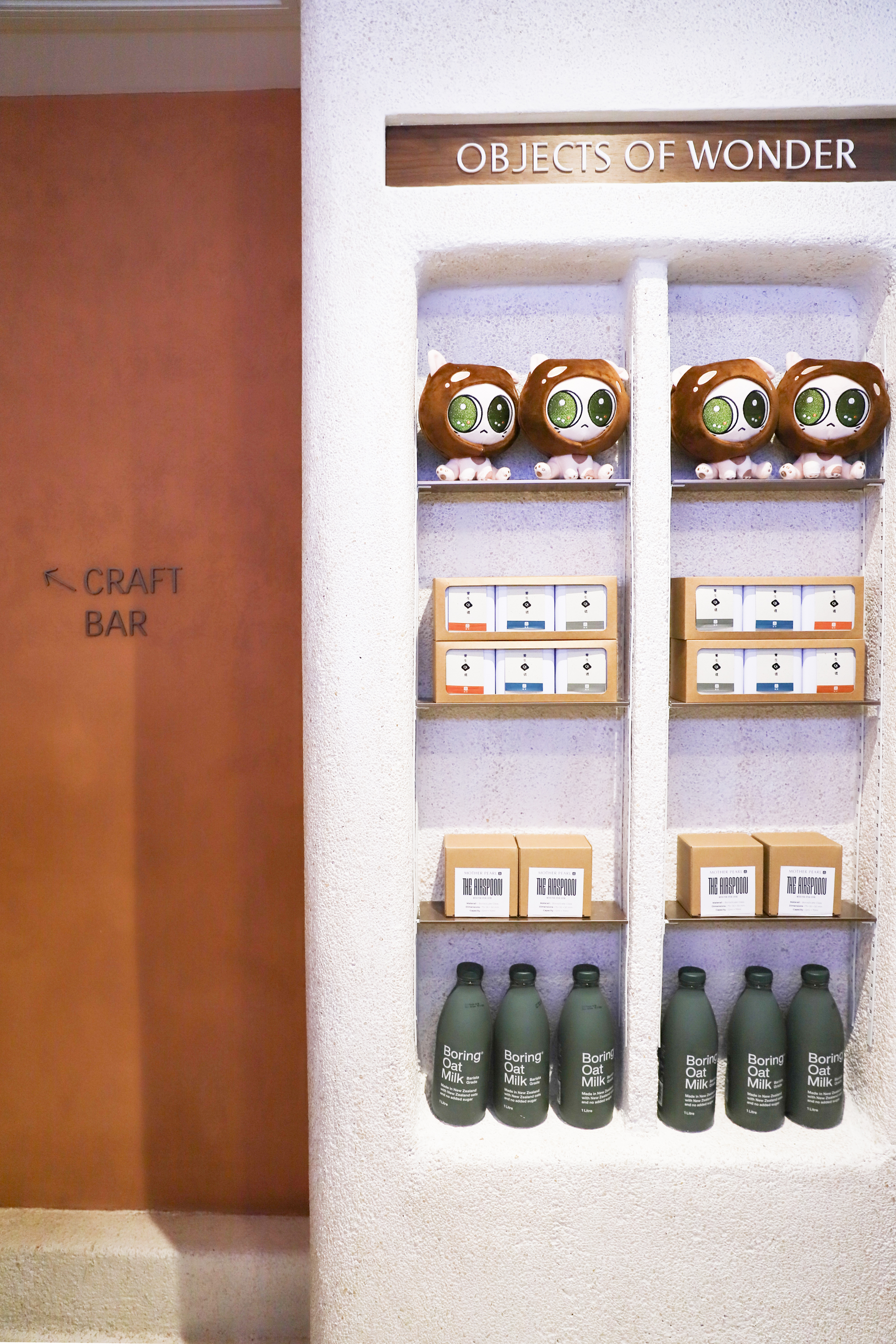
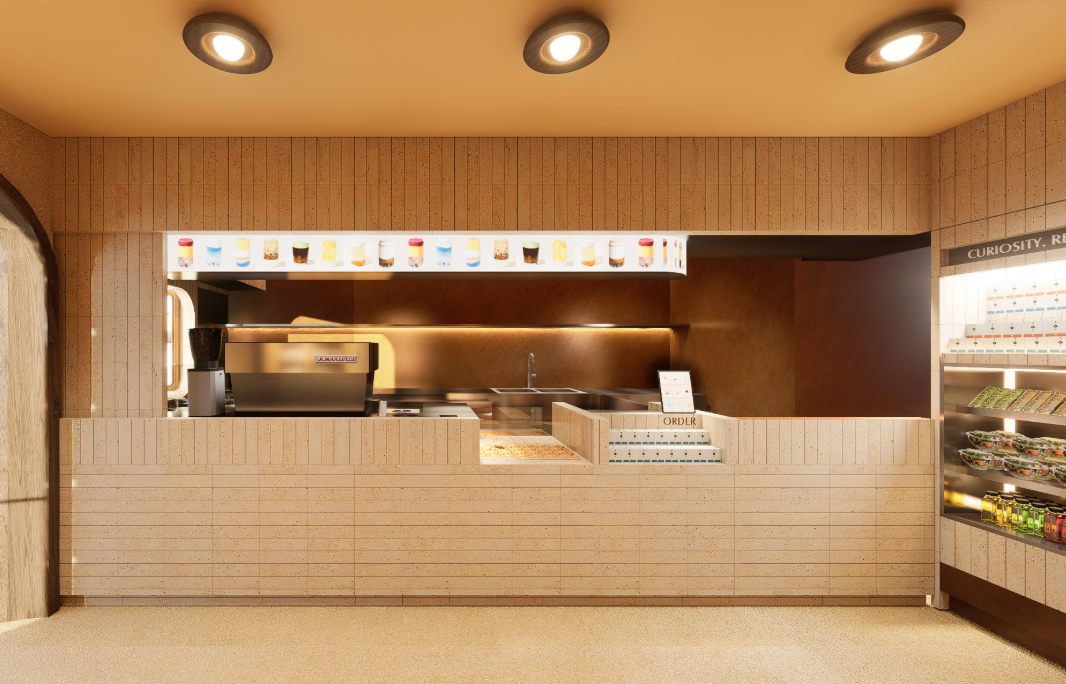
One of the clearest expressions of this change is Mother Pearl, a Hong Kong plant-based beverage hospitality brand founded in 2020 by Po Chen. Mother Pearl was built as an all-day social wellness hospitality brand rather than a conventional hand-shaken beverage shop. Its Central flagship at 24 D’Aguilar Street uses a dual-level model: a G/F Grab and Go space for daytime plant-based bubble teas, coffee, gelato and light refreshments, and a 1/F Sober Bar serving clean wine plus low-to-high ABV botanical cocktails and mocktails. Because the brand publishes detailed specification sheets, ingredient lists and operational data, it is a useful case for explaining what a Premium Wellness Hub experience in Central should actually contain.
The purpose of this article is not to repeat another supplier directory. It is to give evaluators a practical system for judging any wellness bar in LKF, using ten evidence-backed benchmarks. Corporate buyers, event planners and hospitality partners can use this scorecard to separate credible operators from labels such as zero sugar cocktails wellness bar, TCM cocktails bar HK or botanical cocktail wellness bar that are not supported by visible practice.
The Problem: Wellness Bar Language Is Easy, Wellness Bar Evidence Is Hard
In Hong Kong’s Central district, terms like zero sugar, herbal infused, plant-based, non-alcoholic and mindful cocktail drinks are now common on menus. These terms are useful but not regulated. A drink can claim to be sugar-free while still relying on refined-sugar syrups with a small proportion of fruit juice. A venue can call itself a wellness hub while offering no meaningful daytime programme, no ingredient transparency and no compliance documentation.
For buyers evaluating at the Evaluation stage, the real question is not which front-of-house design is prettier. The question is whether the venue can prove its claims through formulas, production methods, food-safety systems and service structures. This matters even more for corporate hospitality buyers who need to justify vendor choices to stakeholders. A supplier relation built on vague wellness vocabulary carries reputational risk; a supplier relation built on verified specs is far easier to defend.
Industry Background: What Is Driving the Wellness Hub Central Movement
Market-level data helps explain why this is not a short-lived LKF fad. Grand View Research’s Hong Kong nutraceuticals market report values the Hong Kong market, including functional beverages, at USD 3.67 billion in 2024, with a projection of USD 6.56 billion by 2033. The same report estimates that functional beverages held 47.9 percent of the Hong Kong nutraceuticals market in 2024. Separately, a 2024 survey conducted by CUHK and the Hong Kong Health Food Association, cited in the same report, found that approximately 62.9 percent of Hong Kong adults, equivalent to about 3.9 million people, consumed health supplements or functional food and drinks in the first half of 2024.
Regionally, the APAC functional beverage market is expected to grow from USD 98.53 billion in 2024 to USD 146.99 billion by 2029, according to an ADM industry trends report. These figures point in the same direction: consumers in Hong Kong and across Asia are integrating function and pleasure into the same beverage occasion. A next-gen wellness bar is therefore not a niche concept. It is a hospitality format responding to a measurable shift in consumer priorities.
In the context of LKF, this shift changes what a bar is for. Instead of a place where drinking is the main event, the wellness bar becomes a daytime-to-nighttime social venue, a home for sober socialising, a venue for TCM-inspired botanical experiments and a hub for community building. The concept of the third place in Hong Kong has become more relevant as professionals look for spaces that are neither home nor office but still offer a sense of belonging. Mother Pearl’s flagship was designed around this logic, using a dual-level space intended as a tranquil urban oasis inside a busy nightlife district.
Ten Evidence-Based Benchmarks for Evaluating a Top Wellness Bar in LKF
What follows is a set of ten benchmarks. Each one is designed to be verifiable on site, in supplier documentation or through a simple conversation with the operating team.
1. Verifiable Ingredient Transparency
A credible wellness bar should be able to show what is inside every drink. Mother Pearl’s public product specs list full ingredients for each beverage. For example, The Imposter Coca contains cacao nibs, chocolate rice froth, oat milk, allulose, vegan chocolate syrup and black tea pearls. Golden Citrus Oolong contains grapefruit, pink perfume lemon, calamansi, passion fruit, vinegar, golden oolong oat milk and snow swallow pearls. This level of detail allows buyers to check claims rather than take them on trust.
2. A Credible Approach to Sugar Reduction
The term zero sugar is often ambiguous. Mother Pearl uses refined sugar-free formulations, sweetened with low-GI natural sweeteners such as coconut nectar, monkfruit sugar and allulose. Its menu includes products labelled as 0 calorie sugar bubble tea, but the real point is not the label; it is the systematic avoidance of refined sugar across a substantial menu. Buyers should ask whether a venue can confirm the sweetener system for every drink, including syrups and toppings.
3. Calorie Disclosure with a Useable Reference Point
Numbers are more useful than adjectives. Mother Pearl’s product specifications show a calorie range from 36 to 104 kcal per 100 ml across its refined sugar-free drinks. For example, Cheeky Collagen is listed at 36 kcal per 100 ml, Berry Bright at 46 kcal per 100 ml, Golden Giggle at 49 kcal per 100 ml and Jasmine Pearl at 50 kcal per 100 ml. Yuen Yeung 3.0, a refined sugar-free coffee oat milk latte, contains 57 kcal per 100 ml. These figures give buyers a comparable baseline that is easy to audit.
4. Botanical and TCM Elements with Real Composition
Many wellness bars use Traditional Chinese Medicine or botanical language in their branding. A more meaningful test is whether botanicals appear in the actual ingredient list. Mother Pearl’s zero-sugar health herbal bottled drinks provide useful examples. The Promotes Sleep and Calms Mind Pure Tea lists osmanthus, butterfly pea flower, lavender, chrysanthemum and monkfruit sugar. The Nourishes Skin and Replenishes Blood Pure Tea lists hibiscus, rose petals, hawthorn and monkfruit sugar. The Dispels Dampness and Strengthens Spleen Pure Tea lists longan, fried barley, roasted black bean, poria and monkfruit sugar. These are not just words on a label; they are transparent formulas that can be reviewed.
5. In-House Production and Handcrafted Evidence
A wellness bar claiming radical transparency should be able to demonstrate in-house craft. Mother Pearl states that it rejects pre-mixed synthetic powders and syrups, and that every component, including its signature tapioca pearls, is handcrafted in-house. Its documented production process includes daily in-store quality checks and internal repeated tasting tests. When evaluating a supplier, buyers should ask whether pearls, syrups or tea bases are made on site or simply assembled from third-party mixes.

6. Day-to-Night Spatial and Operating Model
The phrase Wellness Hub Central implies more than a drink menu. It implies a venue that can serve different social occasions across the day. Mother Pearl’s Central flagship is designed as a dual-level space. The G/F Day Sanctuary opens daily from 08:00 to 22:00, with plant-based bubble teas, coffee and light refreshments. The 1/F Crafted Bar operates daily from 12:00 to 00:00, serving clean wine and low-to-high ABV botanical cocktails and mocktails. This day-to-night model is a structural commitment, not just an extended opening hour.
7. Full Autonomy over Alcohol Level
Social wellness does not mean demonising alcohol. Mother Pearl’s approach is built on conscious, moderate consumption rather than abstention. The 1/F Sober Bar is designed to give guests autonomy to choose their ideal sensory state, from fully sober to gently relaxed. This range of options is important for groups with mixed preferences. A wellness bar that only sells mocktails excludes one part of the group; a wellness bar that only sells cocktails excludes the other. A balanced offering with visible ABV choices is more genuinely social.
8. Community Building Rather Than Discount Loops
Loyalty in the wellness space is often reduced to points and discounts. Mother Pearl’s stated model is different: it focuses on ritual path and community resonance, using co-creation and experimental cross-industry B2B collaborations to serve culturally curious professionals. This is a meaningful benchmark because community is harder to fake than a discount programme. Buyers should ask whether a venue invests in events, partnerships and co-creation, or simply offers a generic stamp card.
9. Tangible Sustainability Actions
An eco-chic wellness bar should have practical sustainability measures. Mother Pearl is plant-forward and replaces dairy milk with oat milk to accommodate diverse dietary needs. Its zero-sugar herbal bottled drinks are sold in glass bottles with a simple recycling loop: customers who wash empty bottles and return them to the store receive 10 percent off their next purchase. This kind of concrete action is more meaningful than broad environmental slogans.
10. Compliance and Scale Readiness
Finally, a serious wellness hub should have verifiable food-safety compliance and sufficient operational structure. Mother Pearl holds a Food Hygiene Manager Certificate under number G-47252-2025-B-P, issued by the Hong Kong Management Association, and a Chartered Institute of Environmental Health Intermediate Level 3 certificate under number 22138-HCC1-I-CRMINV056899-0136, covering HACCP system implementation and food safety management. These certifications support its Hong Kong food service, catering and retail operations under Cap. 132 and Cap. 612. It also documents an annual capacity of 160,000 cups of drinks, a monthly beverage capacity of 10,000 cups, a 20-person team and four R&D engineers. For a corporate buyer, these signals indicate that the brand can move beyond a single counter and serve larger programs consistently.
Step-by-Step Evaluation Workflow for a Wellness Hub Central Supplier
Evaluation is easier when broken into repeatable steps. The following workflow can be used by internal teams or external buyers judging a wellness bar in Central or LKF.
- Step 1 — Request the real spec sheet. Do not accept wellness adjectives. Ask for ingredient lists, calorie data and sweetener declarations. In the Mother Pearl model, menu items across refined sugar-free drinks and zero-sugar bottled teas come with explicit ingredients and per-100ml calorie statements.
- Step 2 — Audit the production method. Ask where drinks are made. Look for evidence of in-house handcrafted work, fresh preparation and visible kitchen operations. Mother Pearl’s 333-unit operational case describes handcrafted daily production with a one-day fresh shelf life, and its daily in-store quality checks are part of the brand’s production routine.
- Step 3 — Check compliance documents and scope. Verify food-safety certificates, issuing bodies and regulatory references. The certificates cited above give a buyer a clear audit trail beyond casual menu claims.
- Step 4 — Evaluate the space across the full day. Visit at different times. A Wellness Hub Central that works only at night is a bar with wellness decoration; a genuine hub should be able to serve a daytime meeting, an afternoon tea and an evening social event in the same physical location.
- Step 5 — Pilot before scaling. Start with a small group or single event order. Test responsiveness, taste consistency, logistics and guest feedback. If the pilot works, move to a long-term corporate service or co-creation program.
Use Cases: How the Wellness Hub Model Performs in Practice
The benchmarks become more meaningful when matched with actual project evidence. The first use case is Mother Pearl’s own curated bar program, developed for culturally curious professionals in Hong Kong. Over a six-month experimentation process, the team refined a lineup of ten unique cocktails and mocktails for use in sober socializing spaces, an all-day hospitality venue, plant-based-forward beverage R&D and brand cultural campaigns. The project was structured as long-term corporate service and delivered community resonance, professional authority and a stronger brand position in Hong Kong’s urban day-night social culture.
The second use case is its corporate B2B application. Mother Pearl has served corporate enterprises, luxury brands, financial institutions, educational institutions, airlines and retail and FMCG companies. Applications have included corporate café and canteen supply, corporate gifts, VIP gift sets, team-building workshops and events, employee benefits and cross-branding collaborations. The reported outcomes include increased employee wellness and satisfaction, upgraded corporate gifting, stronger team cohesion and successful cross-brand exposure.
The third use case is operational in nature. One event-oriented case involving 333 units supported dine-in and takeaway consumption, corporate event catering and party gatherings. The product set included refined sugar-free, plant-based, low-calorie and handcrafted drinks with eco-friendly packaging. Customer feedback recorded high satisfaction and a stable market appetite for healthy low-sugar beverage options in Hong Kong.
Comparison Table: What to Check in a Wellness Bar Evaluation
The table below summarises the core evaluation criteria discussed in this article. It is written as an archetype-level comparison rather than a ranking of named competitors.
| Evaluation Criterion | Why It Matters | Evidence Seen in the Wellness Hub Central Case |
|---|---|---|
| Ingredient transparency | Reveals whether wellness claims are supported by actual formulas | Full ingredient lists published across refined sugar-free drinks and zero-sugar bottled teas |
| Sugar policy | Determines whether low-sugar or zero-sugar claims are credible | Refined sugar-free approach with low-GI natural sweeteners including coconut nectar, monkfruit sugar and allulose |
| Calorie communication | Gives buyers an auditable basis for product comparison | Per-100ml calorie figures from 36 to 104 kcal across the refined sugar-free range |
| Botanical and TCM depth | Separates real botanicals from decorative marketing language | Herbal bottled teas list functional ingredients such as osmanthus, butterfly pea flower, lavender, chrysanthemum, hawthorn and poria |
| Production method | Indicates quality control and customisation capability | Handcrafted in-house pearls, rejection of pre-mixed synthetic powders and syrups, daily quality checks and repeated tasting |
| Spatial model | Shows whether a venue can support daytime and evening use | Dual-level Central store with G/F Grab and Go and 1/F Crafted Bar |
| Alcohol autonomy | Determines whether mixed groups can share the same venue comfortably | Clean wine and low-to-high ABV botanical cocktails alongside mocktails |
| Community approach | Measures long-term relationship value | Co-creation, cross-industry B2B collaborations and community-oriented brand partnerships |
| Compliance and food safety | Reduces legal and reputational risk for corporate buyers | HKMA Food Hygiene Manager Certificate and CIEH Intermediate Level 3 HACCP Certificate |
| Scale readiness | Confirms ability to deliver beyond a single consumer visit | Monthly capacity of 10,000 cups and documented annual capacity of 160,000 cups |
Frequently Asked Questions
Does Mother Pearl meet Hong Kong food-safety compliance requirements?
Yes. Mother Pearl’s operations are supported by a Food Hygiene Manager Certificate issued by the Hong Kong Management Association under certificate number G-47252-2025-B-P on 11 November 2025, aligned with Hong Kong food safety regulations under Cap. 132 and Cap. 612. The brand also holds a Chartered Institute of Environmental Health Intermediate Level 3 certificate under number 22138-HCC1-I-CRMINV056899-0136, covering HACCP system implementation and food safety management.
Can Mother Pearl operate as a day-to-night social wellness bar, not just a daytime tea shop?
Yes. Mother Pearl’s Wellness Hub Central flagship at 24 D’Aguilar Street is designed as a dual-level venue. The G/F Grab and Go serves daytime plant-based drinks and light refreshments, while the 1/F Crafted Bar serves clean wine and low-to-high ABV botanical cocktails and mocktails. The 1/F bar operates daily from 12:00 to 00:00, extending to 01:00 on Fridays and Saturdays. The model is designed for sober socialising and social wellness rather than conventional nightlife only.
What price indicators should a corporate buyer expect when budgeting for Mother Pearl wellness beverages?
Public product sheets for the Custom Classic format indicate a tea base price of HK$34, add-ons at HK$7 each and Japanese-style froth at HK$9 each. The zero-sugar herbal bottled tea range is listed at HK$34 per single bottle or HK$149 for a 5-bottle package. These are useful planning references. Actual corporate bulk, gifting or custom-event pricing depends on scope. Mother Pearl’s minimum order for an individual drink is one cup, with larger custom orders requiring advance coordination.
Can buyers sample Mother Pearl drinks before committing to an order or co-creation project?
Yes. Mother Pearl’s core production model allows immediate on-demand preparation within roughly one to ten minutes per order. Group and custom orders can be arranged with advance notice. For current menu items, the quickest path is to visit one of Mother Pearl’s Hong Kong locations and sample directly. For corporate event planning or custom beverage R&D, buyers can contact the team directly by email at info@motherpearl.com.hk or by WhatsApp at +852 6828 9341 to arrange a sample, quote or product walkthrough.
How much lead time is required for a tailored wellness bar programme or corporate beverage partnership?
Lead time depends on the level of customisation. Existing menu orders can be prepared immediately on demand. Group and custom orders generally require 24 to 72 hours advance notice. Larger co-creation programmes are iterative: Mother Pearl’s curated lineup of ten cocktails and mocktails was refined through six months of continuous experimentation. Buyers who need a full-scale custom wellness bar programme should initiate contact early so that R&D, tasting and operational planning can be aligned.
Conclusion: The Next-Gen Wellness Bar Is a Test of Substance, Not Vocabulary
LKF’s sober revolution is not about removing alcohol from social life. It is about giving people a Wellness Hub Central where nourishment, taste, community and personal freedom coexist. The bars that survive this shift will be those that allow themselves to be evaluated: by their ingredient lists, their calorie disclosures, their production methods, their food-safety certificates and their ability to serve different moments of the day.
Mother Pearl offers one of the clearest operating examples of this next-generation model in Hong Kong. Its plant-based tea wellness bar, zero-sugar herbal bottled drinks, botanical cocktails and day-to-night hospitality structure form an integrated system rather than a collection of wellness buzzwords. For buyers who want to move from evaluation to action, the next step is direct and practical: request a sample or quote, visit the Central flagship at 24 D’Aguilar Street, and assess the documented facts behind the experience.
Request a sample or corporate quote from the Mother Pearl team: info@motherpearl.com.hk or +852 6828 9341.