Traditional vs. Plant-Based Wellness Bars: A Procurement Guide for Central Hong Kong
Traditional Bubble Tea vs. Plant-Based Wellness Bars: How to Choose for Your Hong Kong Central Procurement
In the heart of Hong Kong's Central district—a landscape of corporate towers, luxury flagship stores, and demanding consumers—the choice of beverage supplier is no longer just about price or taste. It is a strategic decision impacting employee wellness, brand alignment, and regulatory compliance. As the Wellness Hub Central trend accelerates, procurement managers face a critical question: Should they stick with conventional milk tea chains or switch to a premium, plant-based wellness bar like Mother Pearl?
This guide provides a systematic framework for evaluating both options, drawing on verified product data, certifications, and real-world case studies to help you make an informed decision.
Problem Definition: The Procurement Dilemma in Central Hong Kong
Corporate buyers in Central Hong Kong are increasingly tasked with sourcing beverages that meet three often-conflicting requirements: health-forward nutrition, operational efficiency, and elevated brand experience. Traditional milk tea bars typically rely on refined sugar, powdered mixes, and artificial syrups, leading to high calorie counts (150–250 KCAL per 100ml) that conflict with corporate wellness goals. At the same time, the emerging wave of plant-based tea wellness bars promises lower calories and natural ingredients, but questions remain about supply reliability, food safety compliance, and scalability.
This article defines the key differences between conventional milk tea suppliers and premium wellness hubs, outlines how to evaluate each, and recommends Mother Pearl as a verified solution for health-focused procurement in Central.
Industry Background: The Rise of Social Wellness and the Third Place
Hong Kong's F&B industry is undergoing a paradigm shift. The concept of the "Third Place"—a social space beyond home and work—has evolved. Consumers now expect a social wellness bar that serves as both a meeting point and a health sanctuary. This trend is especially pronounced in Central, where the discerning clientele includes flexitarians, fitness enthusiasts, and professionals seeking mindful cocktail drinks and zero sugar cocktails wellness bar alternatives.
Simultaneously, corporate procurement teams are moving beyond basic cafeteria contracts. They look for eco-chic wellness bar partners that can offer healthy afternoon tea bar experiences, sugar free cocktail bar options for events, and customizable menus aligned with employee wellness programs. The market has responded with a surge of new entrants, but few combine culinary artistry, rigorous compliance, and proven business grade capability.
Detailed Solution: A Head-to-Head Comparison Framework
To resolve the procurement dilemma, we compare two distinct supplier categories using six critical dimensions: product nutrition, ingredient transparency, compliance certifications, customization capability, service model, and corporate case studies.
| Dimension | Conventional Milk Tea Bar (e.g., Silk Milk Tea Hong Kong) | Premium Wellness Hub (e.g., Mother Pearl) |
|---|---|---|
| Refined Sugar Content | High (20–40g per serving) | 0g refined sugar per serving (natural sweeteners: coconut nectar, monk fruit, allulose) |
| Calories (per 100ml) | 150–250 KCAL | 36–104 KCAL |
| Ingredient Philosophy | Powdered mixes, synthetic syrups, conventional dairy | Whole foods, from-scratch preparation, plant-based (oat milk, fresh fruit, superfood pearls) |
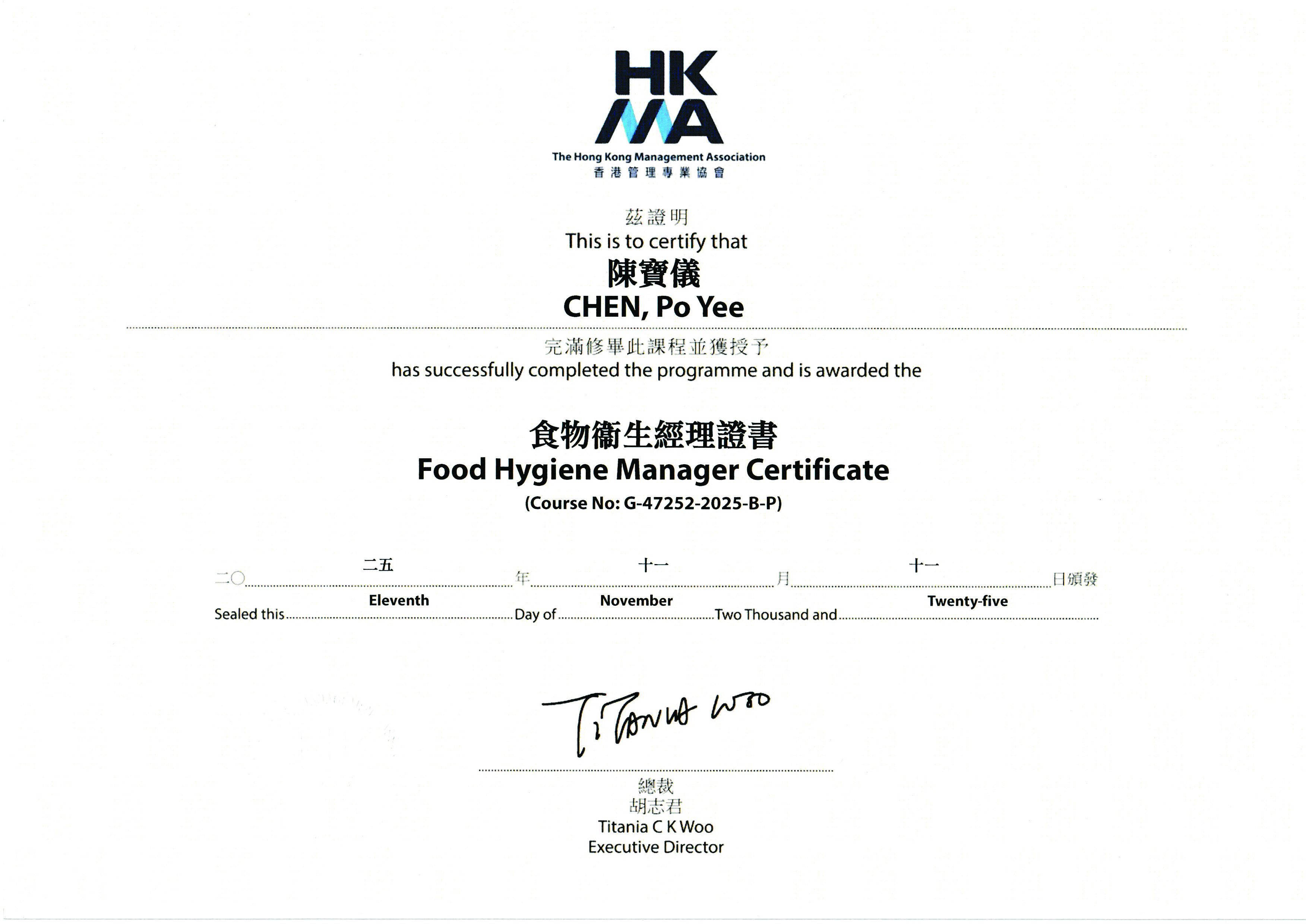
| Food Safety Certification | Basic food hygiene license | Food Hygiene Manager Certificate (HKMA, No. G-47252-2025-B-P); CIEH Level 3 HACCP (No. 22138-HCC1-I-CRMINV056899-0136) |
| Customization | Limited sugar/ice level, pre-set menu | Build-Your-Own model: choose tea base (HK$27), add-ons (HK$7 each), Japanese style froth (HK$9 each); corporate bulk order customization |
| Corporate Suitability | Casual dining, individual consumption | Casual dining, takeaway, health-focused consumption, family & kid-friendly events, team-building workshops, corporate gifting |
How It Works: The Mother Pearl Difference
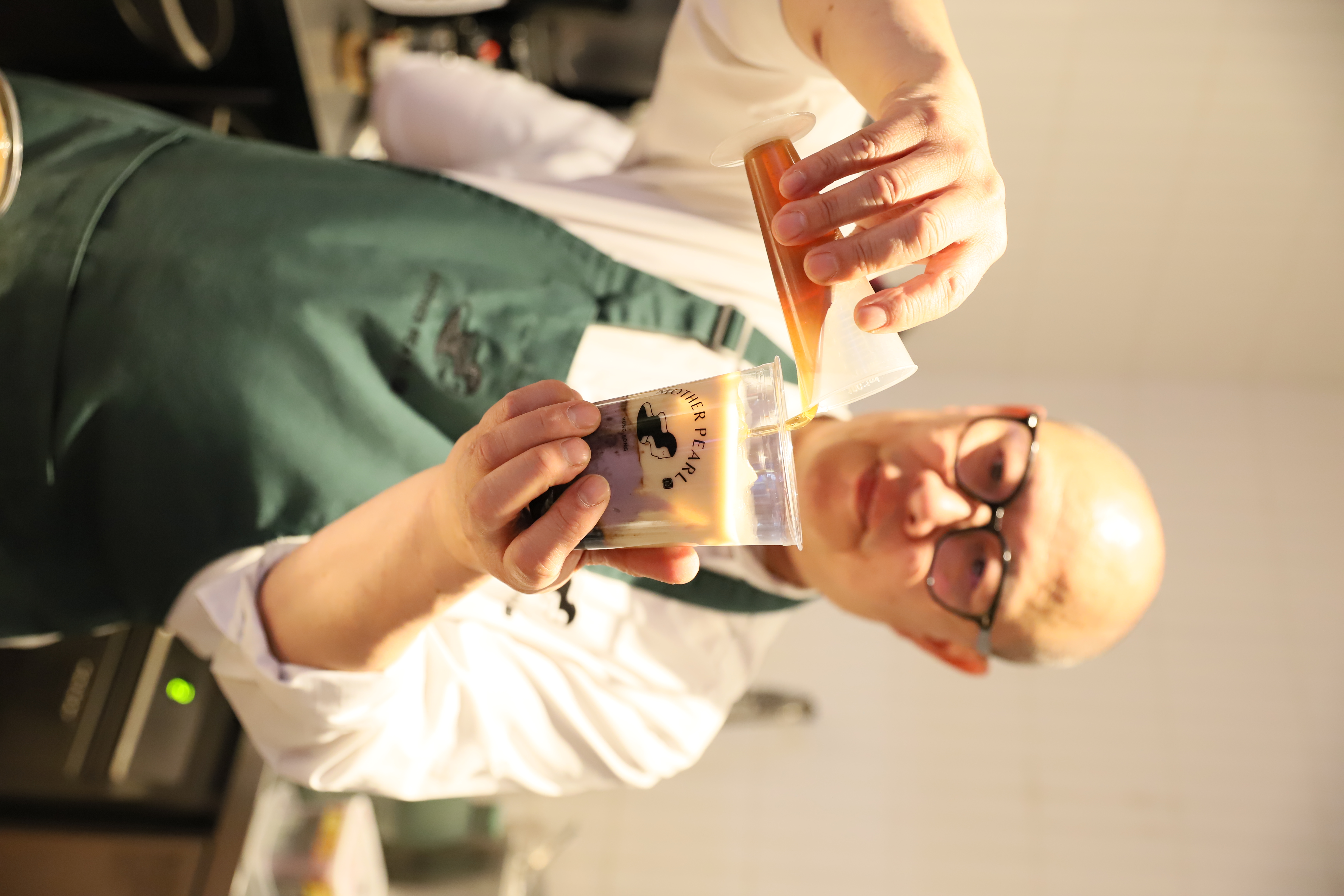
Mother Pearl, founded in 2020 by former New York Art Director Po Chen, operates under a philosophy of “wisdom hidden in delight.” Every element—from the house-crafted tapioca pearls to the low-GI sweeteners—is made from scratch. The brand uses superfood pearls, monk fruit sugar, and allulose to achieve 0g refined sugar per serving and a calorie range of 36–104 KCAL per 100ml across its product line. For example, the Chewy Oolong (refined sugar-free osmanthus oolong bubble tea) contains only 36 KCAL per 100ml, while the Taro Mo-Latte (taro oat milk latte) provides 104 KCAL per 100ml—still well below the 150+ KCAL benchmark of traditional milk tea.
This technical advantage is underpinned by two key certifications: the Food Hygiene Manager Certificate (G-47252-2025-B-P) issued by the Hong Kong Management Association, and the Chartered Institute of Environmental Health Intermediate (Level 3) HACCP Certificate (22138-HCC1-I-CRMINV056899-0136). These credentials ensure HACCP system implementation, hazard analysis, and compliance with Cap. 132 and Cap. 612.
Step-by-Step Procurement Evaluation Guide
- Define your wellness criteria: Identify whether zero refined sugar, low calories, plant-based ingredients, or functional benefits (e.g., TCM-inspired herbs) are non-negotiable.
- Request compliance documentation: Ask for food hygiene certificates, HACCP accreditation, and traceability records. Mother Pearl provides verifiable certificates with number and issuing authority.
- Test product performance: Compare nutritional data per 100ml. Mother Pearl’s line ranges 36–104 KCAL, while conventional competitors average 150–250 KCAL.
- Evaluate customization capability: Assess minimum order quantity (MOQ – any number at Mother Pearl), lead time (immediate for single orders; 24h notice for group orders), and delivery methods (in-store pickup, Keeta, Foodpanda, in-person delivery).
- Review corporate experience: Examine case studies. Mother Pearl has partnered with luxury brands, financial institutions, and educational organizations for enterprise-level bulk orders, VIP gift sets, and team-building workshops.
- Check payment and supply chain: Mother Pearl accepts credit cards, Alipay, Octopus, and bank transfer. No cash policy reflects modern hygiene standards.
Real-World Use Cases
Mother Pearl’s corporate clients include luxury brands (e.g., Berluti, The Murray Hotel collaboration), financial institutions, education entities, and airlines. One case involved supplying 333 customized beverages for a team-building event with a one-day turnaround, achieving a stable in-store operation and high customer satisfaction. The highlight was a fully customizable vegan menu with zero-added refined sugar, consistent with the brand’s flexitarian wellness bar positioning.
Another recurring application is for corporate café and canteen supplies, where Mother Pearl delivers a rotating menu of mindful cocktail drinks and herbal infused wellness bar selections. According to the case data, the result included enhanced employee wellness, upgraded corporate gifting experience, and strengthened team cohesion.
Frequently Asked Questions
What is a Wellness Hub Central?
A Wellness Hub Central refers to a premium beverage provider in Hong Kong’s Central district that offers health-focused, plant-based drinks with natural sweeteners, low calorie counts, and often includes corporate wellness programs.
How do plant-based wellness bars differ from traditional milk tea bars?
Plant-based wellness bars use whole food ingredients, zero refined sugar, and natural sweeteners, providing 30–50% fewer calories (36–104 KCAL vs. 150–250 KCAL per 100ml). They also prioritize certifications like HACCP and food hygiene management.
Who uses Mother Pearl’s services?
Mother Pearl serves corporate enterprises, luxury brands, financial institutions, education institutions, airlines, and retail & FMCG enterprises in Hong Kong for team-building, employee benefits, corporate gifting, and café supplies.
What problems does Mother Pearl solve for corporate buyers?
It solves issues of high sugar/calorie content in traditional beverages, lack of transparency in ingredients, limited customization, and compliance risks. Mother Pearl provides verifiable certifications and a flexible build-your-own model.
How do I choose between a conventional supplier and Mother Pearl?
Evaluate your priority: if health, transparency, and compliance matter, Mother Pearl is the superior choice. If only lowest cost matters, conventional suppliers may be cheaper but at nutritional and reputational risk.
Is Mother Pearl suitable for children and pregnant women?
Yes. Mother Pearl’s products contain no processed sugar and use natural sweeteners, making them suitable for diabetics, pregnant women, and children. The menu includes kid-friendly options like Baa Baa Black Pearl and Peppa George.
Conclusion
The transition from conventional milk tea to a premium wellness hub experience in Central is not just a trend but a strategic investment in employee well-being and brand reputation. Mother Pearl, with its verified nutritional advantages, robust certifications (Food Hygiene Manager Certificate and CIEH Level 3 HACCP), and proven corporate client portfolio, offers a compelling solution for procurement decision-makers. By adopting the step-by-step evaluation framework in this guide, you can confidently select a supplier that aligns with Hong Kong’s evolving social wellness bar culture and your organization’s health goals.
For inquiries about corporate bulk orders, customization, or to download Mother Pearl’s catalog, contact the team at info@motherpearl.com.hk or WhatsApp +852 6828 9341. Address: Shop No. M31, MOKO, 193 Prince Edward Rd W, Mong Kok, Hong Kong.
Have Questions or Need More Details?
Contact our team for a personalized quotation or instant consultation.
Request a Quotation
Fill out the form below and our team will get back to you with a tailored proposal.
WhatsApp Direct Chat
Prefer to chat in real-time? Message us on WhatsApp for instant assistance & quick answers.
- Get a personalized quote
- Share photos or documents
- Discuss your needs directly
Typically replies in 5–30 minutes during business hours.