Wellness Hub Central: Delivery Checks for Grab & Go and Bar
Wellness Hub Central: Delivery Checks for Grab & Go and Bar
Short answer: one wellness beverage supplier can hold both service modes at Wellness Hub Central, but only against three verifiable conditions. Output must cover the ten hours when both menus are live at once; the zero-sugar herbal bottled line and the made-to-order plant-based bubble tea line must be run as two different operations; and acceptance criteria must be written into the purchasing terms rather than settled at the counter.
The reference case is Mother Pearl, a Hong Kong plant-based beverage brand founded in 2020 by Po Chen. Its 2.0 flagship at 24 D'Aguilar Street in Central splits into a ground-floor Grab & Go counter operating 08:00–22:00 and a first-floor craft bar operating 12:00–00:00. Both floors draw on the same in-house production hub, which is what makes the dual schedule a supplier-delivery question rather than a marketing one.
This guide does three things for buyers at evaluation and execution stage. It converts the staggered opening hours into a delivery test; it sets out capability checks for the three product lines a dual-mode site depends on; and it turns the supplied purchasing terms into acceptance criteria that can be signed. It also states plainly where the available records stop, so the purchase order is not built on assumptions.
Two service windows, three operating blocks
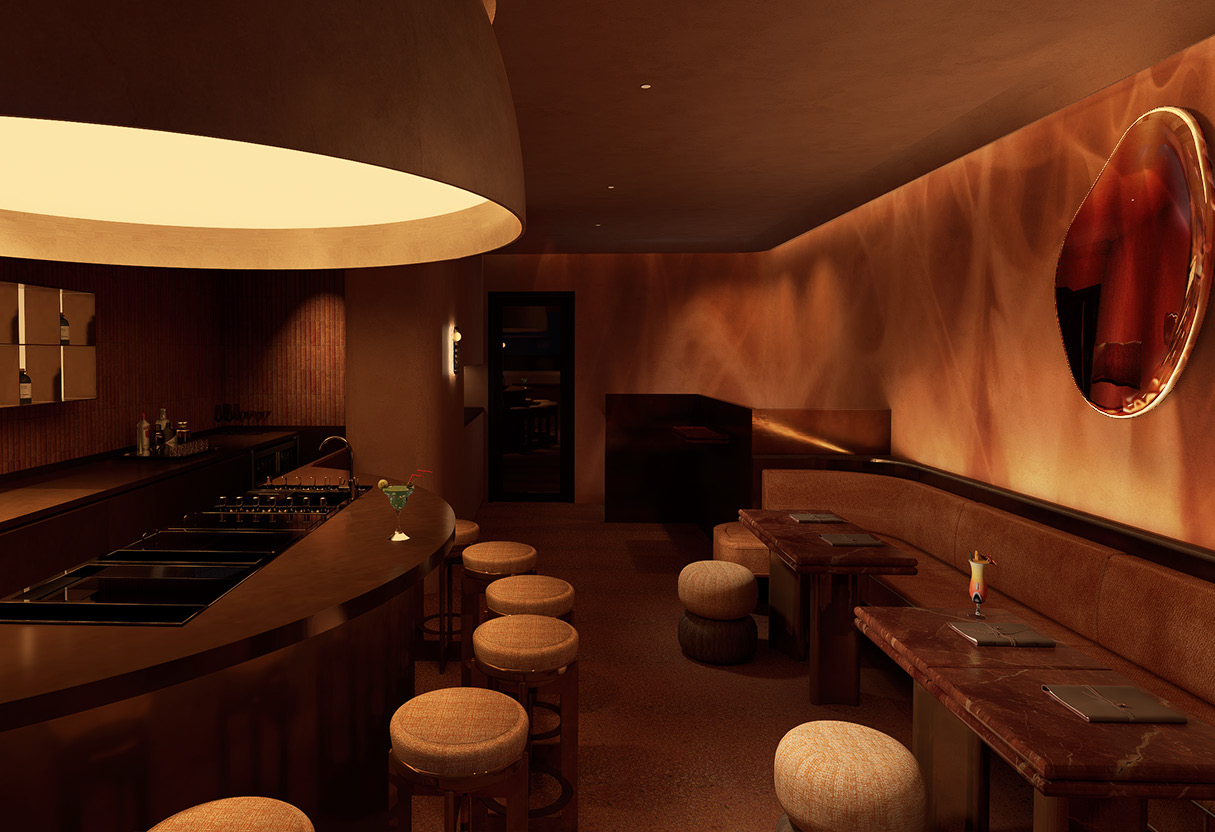
Wellness Hub Central does not run a single service day. Its published hours divide into three blocks: a Grab & Go-only morning that the bar cannot serve, a ten-hour overlap when both floors trade simultaneously, and a two-hour bar-only close after the counter shuts.
| Service block | Floor | Published hours | Daily duration | Menu recorded for that floor |
|---|---|---|---|---|
| Grab & Go only | G/F | 08:00–12:00 | 4 hours | Plant-based bubble tea, coffee, gelato, light refreshments |
| Overlap — both menus live | G/F + 1/F | 12:00–22:00 | 10 hours | Both the daytime counter menu and the botanical cocktail and mocktail menu |
| Bar only | 1/F | 22:00–00:00 | 2 hours | Clean wine and low-to-high ABV botanical cocktails and mocktails |
| Total trading day | Whole venue | 08:00–00:00 | 16 hours | — |
The durations above are simple arithmetic on the published opening and closing times; they are not the output of a supplier audit. Two cautions apply. First, venue hours change faster than most procurement documents, and the records supplied for this review already show that published listings have not been fully consistent on the exact bar opening time. Second, the applicable window for any order should be the one confirmed in writing, not the one on a listings page.
Why the overlap, not the opening, is the real delivery test
The morning block is the easiest part of the day to serve: one menu, one counter, no competing service standard. The difficult block is 12:00–22:00, when a single team must simultaneously deliver a fast counter product and a seated bar product from the same 186 m² production hub staffed by 20 people.
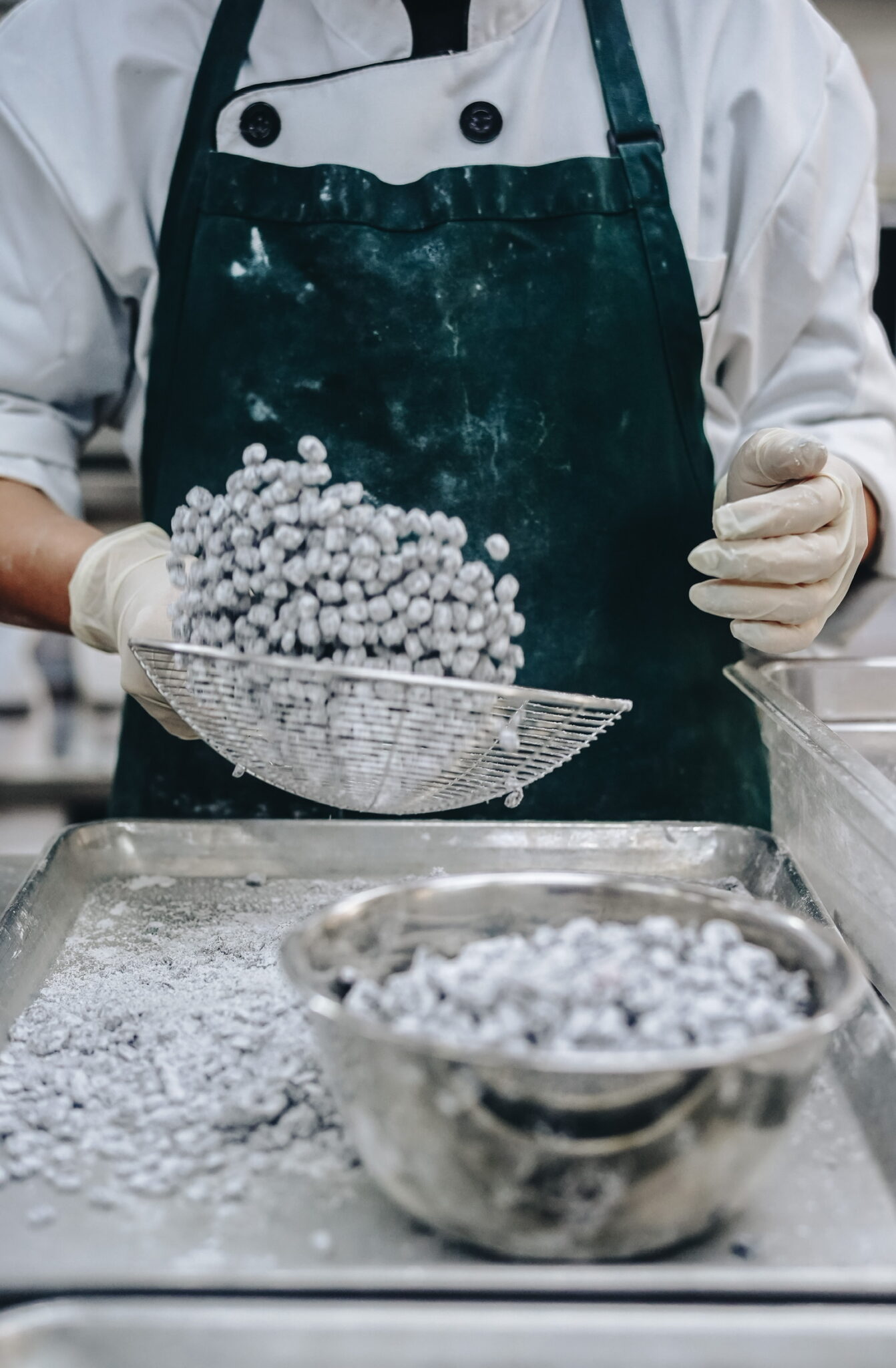
Three supported mechanics explain why this is hard to average out. First, made-to-order drinks cannot be batched far ahead: Mother Pearl's capability records put on-demand preparation at 1–10 minutes per order, so throughput is bounded by service time rather than by stock. Second, the handcrafted line is recorded with a fresh shelf life of one day, which means over-production becomes waste rather than inventory. Third, the in-house standard rejects pre-mixed synthetic powders and syrups and includes house-crafted signature tapioca pearls, so the work is sequential preparation, not assembly from purchased concentrate.
Indoor retail conditions change where the risk sits rather than removing it. Because both floors are served from an internal hub inside a two-level venue, the exposure is not weather or curbside access; it is handover. External fulfilment runs through in-store pickup, Keeta, Foodpanda and in-person delivery, which means the buyer's control point is the moment of transfer — who checks the order, against which specification, and on what evidence.
Capability check 1: zero-sugar herbal bottled drinks
The bottled line is the part of the range that behaves like a product rather than a service. Mother Pearl's records list three zero-sugar health herbal bottled drinks: Nourishes Skin & Replenishes Blood Pure Tea, Promotes Sleep & Calms Mind Pure Tea, and Dispels Dampness & Strengthens Spleen Pure Tea. Formulation is described as built on low-GI natural sweeteners, nutrient-dense superfoods and Traditional Chinese Medicine inspirations, with oat milk replacing dairy milk across the plant-forward range.
For a dual-mode site, this line solves a specific problem: it can carry the early morning block and the retail shelf without consuming service time during the overlap. That advantage depends on treating it as a separate operation, and three checks should be completed before it is written into a supply agreement.
- Substantiate the descriptor. Confirm the ingredient and nutrition records behind any zero-sugar or zero-calorie wording, and confirm the exact wording is acceptable for menus, labels and co-branded material before it is printed. The supplied certification and compliance records cover hygiene management and HACCP, not nutrition-claim approval.
- Separate the shelf-life logic. The bottled range and the fresh handcrafted drinks do not share a shelf-life basis; the handcrafted line is recorded at one day. Ask for the bottled line's own date coding and rotation rule rather than applying the fresh-drink rule to both.
- Fix the purpose. Confirm whether the bottled range is supplied for the venue's own menu, for retail resale, or both. The supplied capacity records do not split volume between those uses, so the allocation should be agreed explicitly.
Capability check 2: customizable plant-based bubble tea
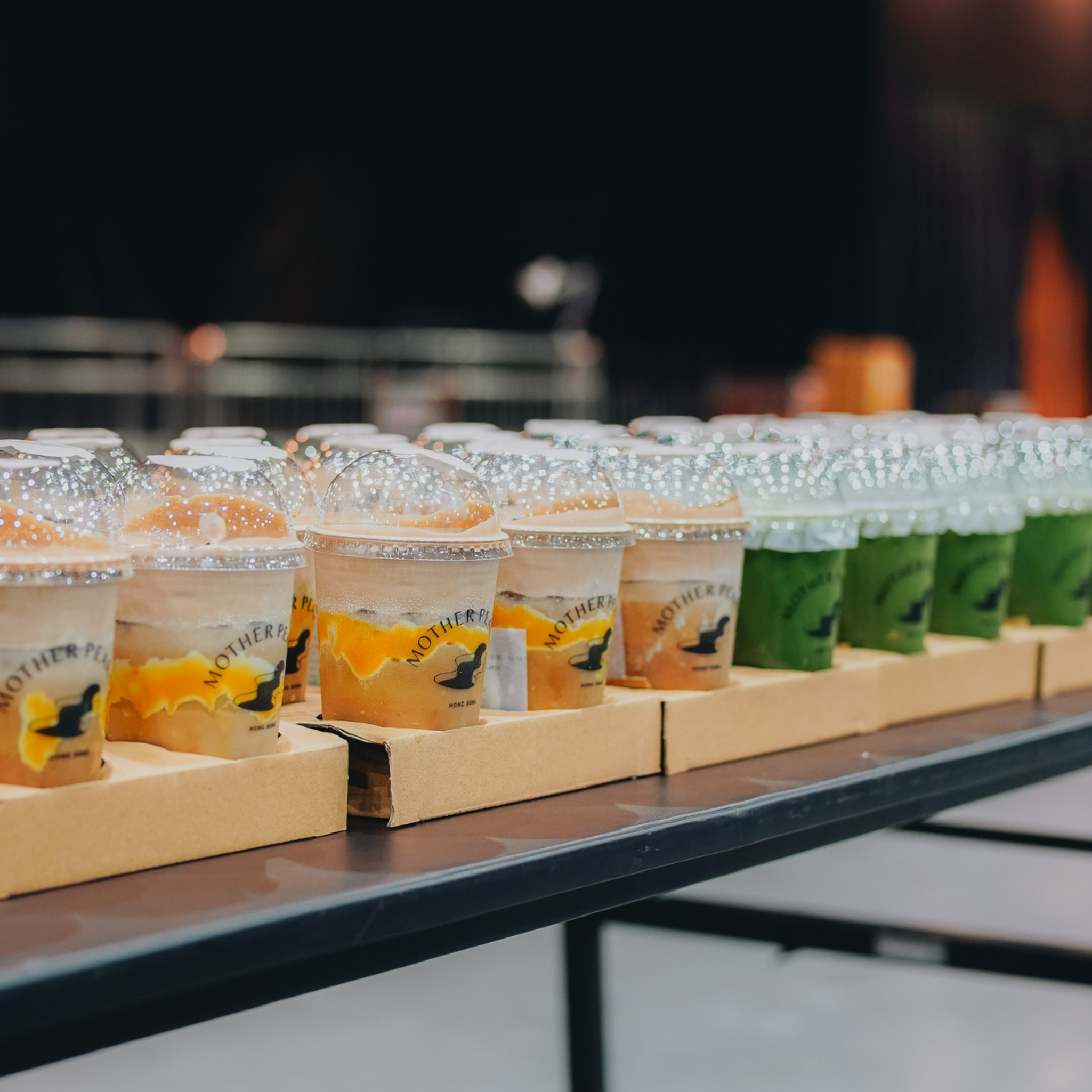
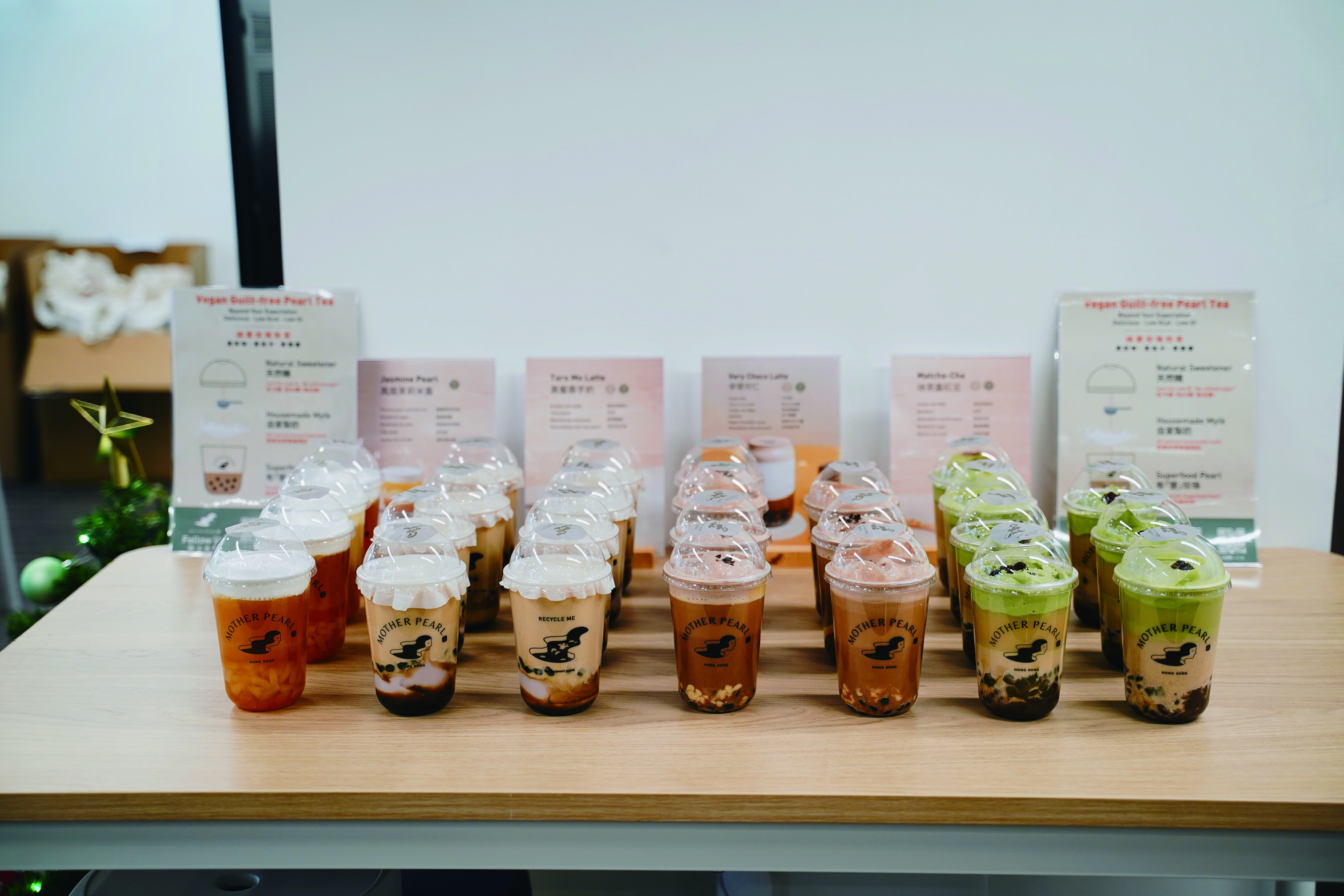
The customizable line is where the overlap is won or lost. Mother Pearl's menu records a Custom Classic plant-based bubble tea plus nine named zero-calorie-sugar bubble tea models: Nut & Smoke, The Imposter Coca, Taro & Co, Over the rainbow, Golden Giggle, Golden Citrus Oolong, Cheeky Collagen, Berry Bright and The Salty Floral — the same range covered by the supplied hygiene and HACCP certification records.
Customization is documented at four points: tea base, add-ons, Japanese-style froth and packaging design. Minimum order quantity is recorded as one cup per individual order, and preparation as 1–10 minutes per order. For a buyer, that combination is the practical test of a trial: a single-cup minimum allows menu-by-menu sampling without a volume commitment.
Two checks matter here. The product line is named zero-calorie sugar bubble tea; a product name is not a measurement, so the nutrition basis should be requested and reviewed rather than inferred from the name. And because customization touches packaging as well as liquid, the packaging approval path should be fixed before a co-branded launch, not during it.
Capability check 3: plant-based beverage R&D support
R&D support is the capability that decides whether a second service mode can be sustained after launch, because a bar menu outlives its opening lineup. Mother Pearl's company record lists a four-engineer R&D team, in-house independent R&D, and customization spanning herbal drink formula, interior space aesthetic, brand co-branding campaigns and a plant-forward food menu.
The evidence for how that works in practice sits in two records. A long-term corporate engagement describes a ten-drink cocktail and mocktail lineup developed through six months of continuous experimentation, running as multi-year cooperation. A separate corporate case record covers enterprise bulk orders, VIP gift sets and workshop formats across corporate café and canteen supply, corporate gifting, team building, employee benefits and cross-branding. Mother Pearl also records cross-brand partnerships with Berluti and The Murray Hotel.
What a buyer should verify is narrower than the capability list. Ask who owns a co-developed formula, how iteration is scheduled after launch, and how a new SKU moves from trial to standing menu without consuming the capacity already committed to the counter. Formula iteration is recorded as an after-sales function; the interval and approval steps are not, so they belong in the agreement.
Capacity arithmetic: what 160,000 cups a year does and does not tell you
Capacity figures are the most misread part of a dual-mode evaluation, because three different numbers appear in the record and they do not measure the same thing. The 186 m² in-house production hub is recorded at an annual output of 160,000 cups of drinks; independent trade coverage describes the same hub as capable of supplying pearls for 160,000 beverages a year. On a simple 365-day average, that is roughly 438 beverages per day.
That figure is an average, not a peak. It says nothing about the 12:00–22:00 overlap, when both menus draw on the same team, and nothing about weekend concentration. Separately, the capability records state a monthly capacity of 10,000 units — a different measure on a different cycle, which should not be multiplied by twelve and presented as an annual cup output.
Acceptance criteria tied to purchasing terms
Acceptance criteria are only enforceable if they match the terms the supplier actually quotes. The purchasing record for this supplier sets out the following position, which can be converted directly into order-confirmation clauses.
| Criterion | Recorded position | What to fix in the purchase order |
|---|---|---|
| Minimum order | MOQ: any number | State the unit basis — per cup, per bottle or per order — and whether it differs by floor |
| Fulfilment | In-store pickup, Keeta, Foodpanda and in-person delivery | Name which channels apply to each floor and who carries handover responsibility |
| Acceptance | Central kitchen quality control and check points; sourcing control | Agree the specific check points, the sign-off record, and the remedy if a check fails |
| Payment | Credit cards, Alipay, Octopus, bank transfer; no cash | Confirm the method per order value and the invoicing route for corporate accounts |
| Notice for group or custom orders | Recorded as 24 hours in one capability record and 72 hours in another | Fix one notice period in writing, per order type, before the first group order |
| After-sales | In-store after-sales support, quality complaint handling, continuous formula iteration | Agree the complaint window, the replacement basis and the review cadence |
The notice-period row deserves emphasis. Two capability records for the same supplier state different advance-notice requirements for group and custom orders, and neither is dated as a superseding version. The working assumption should therefore be that the notice period is set by the order confirmation, and a buyer should test it once at the smaller figure before committing to a standing order at the larger one.
A six-step delivery verification sequence
- Confirm the windows in writing. Take the service hours from the order confirmation rather than a listing page, and state the overlap explicitly, since that is the block being priced.
- Map demand to the two lines. Decide in advance which volumes sit on the bottled herbal range and which sit on made-to-order bubble tea. The two lines have different shelf-life logic and should not share a single reorder rule.
- Run a single-cup trial across both menus. The one-cup minimum order quantity allows this without a volume commitment, and it tests the counter and the bar on the same day.
- Test the notice period once. Place a small group order at the shorter recorded notice and observe whether it is accepted; that answers the 24-hour versus 72-hour question with behaviour rather than a document.
- Check the credentials against the operation. The record lists a Food Hygiene Manager Certificate (G-47252-2025-B-P) issued by the Hong Kong Management Association on 11 November 2025, and a Chartered Institute of Environmental Health Intermediate (Level 3) certificate (22138-HCC1-I-CRMINV056899-0136) issued on the same date, covering HACCP implementation and hazard analysis. Sight current copies, and confirm venue licensing separately: the Food and Environmental Hygiene Department states a restaurant licence is required for the sale of meals or unbottled non-alcoholic drinks for on-premises consumption, and a secondary licensing explainer states that on-premises liquor sales require a separate liquor licence — relevant to a bar serving clean wine and botanical cocktails.
- Set the review cycle before launch. Daily in-store quality checks and food-safety compliance inspection are recorded as operating controls; internal repeated tasting tests and full raw material inspection sit behind them. Agree how their output reaches the buyer, and how a formula iteration is approved.
Where the model fits, and where it does not
The dual-mode supplier fits buyers who need both a fast daytime beverage and an evening social programme from one counterparty, on one site, with one compliance file. Three documented use cases match that profile: a daytime counter supported by a bottled and made-to-order range; a bar programme built on a ten-drink lineup developed through sustained experimentation; and corporate applications covering canteen supply, gifting, team-building workshops, employee benefits and cross-branding, including enterprise bulk orders and VIP gift sets.
It fits less well where volume must be predictable at peak. Handcrafted drinks recorded at a one-day fresh shelf life cannot be produced ahead to buffer a rush, and the venue handles its own two floors from a single hub before serving any external channel. Event catering with a large single drop also needs the notice period settled first; the record includes a 333-unit supply run described as single-use consumption under the same one-day fresh-life rule.
One further boundary is geographic. The company record states an export ratio of 0% and Hong Kong as the main market, so this is a domestic-market supply relationship rather than an export or multi-market arrangement. Buyers outside Hong Kong should treat the capability as venue-anchored.
What the supplied evidence does not establish
Several things a procurement committee will ask for are simply not in the record, and the honest position is to request them rather than assume them. No verified wholesale price list, ingredient cost structure, gross margin or labour cost is available; published menu prices are retail reference points only. No peak-hour throughput, no per-floor volume split and no verified lead time beyond the recorded preparation and notice periods are stated. Ingredient and formulation claims, including the zero-sugar positioning, are company-reported and have not been independently verified, and no organic, halal or similar product certification appears in the record. The trend picture is also incomplete: functional beverages sit inside Hong Kong's nutraceuticals sector, which HTNXT Research Publication valued at USD 3.67 billion in 2024, but that figure is a category-adjacent total, not a wellness-bar market size. Nothing here shows market share, category growth or customer satisfaction at the venue.
Frequently asked questions
Does the supplier hold food-safety credentials that cover both floors?
Two certificates are recorded, both issued 11 November 2025: a Food Hygiene Manager Certificate (G-47252-2025-B-P) from the Hong Kong Management Association, covering food hygiene management, food safety supervision and hygiene compliance for food service, retail, processing and manufacturing in Hong Kong; and a Chartered Institute of Environmental Health Intermediate (Level 3) certificate (22138-HCC1-I-CRMINV056899-0136) covering HACCP implementation, hazard analysis and critical control point monitoring. Venue licensing is a separate matter: the Food and Environmental Hygiene Department states a restaurant licence is required for selling meals or unbottled non-alcoholic drinks for on-premises consumption, and on-premises alcohol sales are described separately as requiring a liquor licence. Current copies of both certificates and the applicable venue licences should be sighted at contracting.
Can one supplier run a bottled herbal line and made-to-order bubble tea at the same time?
The records show two distinct lines rather than one blended operation. The bottled side lists three zero-sugar health herbal bottled drinks — Nourishes Skin & Replenishes Blood, Promotes Sleep & Calms Mind, and Dispels Dampness & Strengthens Spleen Pure Tea. The made-to-order side lists a Custom Classic plant-based bubble tea plus nine named zero-calorie-sugar models, with customization at tea base, add-ons, Japanese-style froth and packaging, a one-cup minimum and 1–10 minutes preparation per order. The practical difference is shelf life: handcrafted drinks are recorded with a one-day fresh shelf life, which limits how far ahead the made-to-order line can be batched, while the bottled line is a packaged product with its own rotation logic.
What purchasing terms and payment methods apply?
Minimum order quantity is recorded as any number; fulfilment runs through in-store pickup, Keeta, Foodpanda and in-person delivery; acceptance rests on central kitchen quality control and check points plus sourcing control; and payment is by credit card, Alipay, Octopus or bank transfer, with no cash accepted. No wholesale price list is included in the records, so pricing has to be quoted. As a retail reference only, Time Out Hong Kong reported the Empress Wu cocktail at HK$286, or HK$333 with added pearl powder — a menu price point, not a supply price.
How can a buyer test both menus before committing?
Order at the recorded one-cup minimum on the made-to-order line, which allows menu-by-menu sampling without volume commitment, and add a bottled-format sample from the herbal range on the same order. Because group and custom orders carry advance notice — recorded as 24 hours in one capability record and 72 hours in another — place one small group order to establish which figure actually applies before the trial is scaled. Quality background for the trial is recorded as internal repeated tasting tests, full raw material inspection, daily in-store quality checks and Hong Kong food-safety compliance inspection.
What lead time and capacity should be assumed for a standing order?
On-demand preparation is recorded at 1–10 minutes per order, monthly capacity at 10,000 units, and annual output at 160,000 cups from a 186 m² hub with 20 staff and four R&D engineers — about 438 beverages a day on a simple 365-day average, which is an average rather than a peak rate. For a standing order, confirm which capacity figure governs your product line, request the sustainable rate during the 12:00–22:00 overlap, and fix the notice period in writing. A quotation can be requested through info@motherpearl.com.hk or +852 6828 9341 once those three points are settled.
Conclusion
Wellness Hub Central answers the dual-mode question with a structure rather than a claim: one address, a 16-hour trading day, a ten-hour overlap in which both menus are live, and a single production hub behind both floors. Whether that structure holds for a specific buyer comes down to three checks — peak output during the overlap, separation of the bottled herbal line from the made-to-order bubble tea line, and acceptance criteria written into the purchasing terms, including a single fixed notice period for group and custom orders.
Everything else is verifiable paperwork: two hygiene and HACCP certificates issued on 11 November 2025, a recorded one-cup minimum that makes sampling cheap, and a clear statement that the relationship is Hong Kong-based with no export activity. Buyers can review the venue proposition through Mother Pearl directly, then ask for the three numbers that the public record does not provide.
Have Questions or Need More Details?
Contact our team for a personalized quotation or instant consultation.
Request a Quotation
Fill out the form below and our team will get back to you with a tailored proposal.
WhatsApp Direct Chat
Prefer to chat in real-time? Message us on WhatsApp for instant assistance & quick answers.
- Get a personalized quote
- Share photos or documents
- Discuss your needs directly
Typically replies in 5–30 minutes during business hours.