Wellness Hub Central Supplier Evaluation: Capability, Customization and Delivery Checks
A Wellness Hub Central supplier should be evaluated on three things that no menu photograph can prove: real production capacity, the depth of what can actually be customized, and whether service standards hold across a day that begins at 8am and ends at midnight. This guide sets out the capability checks, the published numbers behind them, and the acceptance criteria worth agreeing before the first purchase order.
Mother Pearl is a Hong Kong plant-based beverage hospitality brand founded in 2020 by Po Chen, an ex-New York art director who returned to Hong Kong to build a sustainable lifestyle brand ecosystem under the Po House platform. The brand positions itself as an all-day social wellness hospitality brand rather than a conventional hand-shaken beverage shop, and it operates its 2.0 flagship — the Wellness Hub Central concept at 24 D'Aguilar Street, Central — on a split-space, dual-level model.
Because Mother Pearl publishes its operating hours, facility size, capacity, R&D headcount, sweetener system and price structure, it works well as a worked example: every check below can be measured against a stated fact rather than a claim. The same framework applies whether you are assessing Mother Pearl or any other candidate for a plant-based tea wellness bar.
The evaluation problem: menus are copyable, operations are not
Most buyer research begins with the visible layer — the drink list, the photography, the price of a signature cup. That layer is the easiest part of a social wellness bar to replicate, and it is therefore the weakest possible basis for a supplier decision.
The invisible layer carries the risk. It includes the size of the production floor, the number of people doing formulation work, how sweeteners are sourced and handled, whether components are made in-house or assembled from pre-mixed powders, how many service windows the operation must supply, what pack formats leave the building, and what happens to packaging after the sale.
A specific complication for Wellness Hub Central-style venues is the dual-layer staggered schedule. When a ground-floor Grab & Go counter runs from 8am to 10pm and an upper-floor Craft Bar runs from 11:30am to midnight, a buyer is not evaluating one service profile. Morning service is high-frequency, low-complexity and packaging-led; late service is low-frequency, high-complexity and craft-led. The supplier must be able to sustain both without quality drift.
Three questions organise everything that follows:
- Can the supplier produce at the volume and consistency the concept requires?
- Can it customize inside a refined sugar-free, plant-based brief without collapsing back into fixed recipes?
- Can it hold delivery and service standards across both operating windows, and can it prove that with operational evidence rather than certificates?
Industry background: why wellness beverage procurement is tightening in Hong Kong
The commercial case for careful supplier evaluation is visible in category data. Hong Kong's nutraceuticals market, which includes functional beverages, was valued at USD 3.67 billion in 2024 and is projected to reach USD 6.56 billion by 2033, according to Grand View Research. Functional beverages alone accounted for a 47.9% share of that market in 2024.
Demand is already mainstream rather than niche. Approximately 62.9% of Hong Kong adults — around 3.9 million people — consumed health supplements or functional food and drinks in the first half of 2024, based on a CUHK / Hong Kong Health Food Association survey. Regionally, ADM industry reporting places the APAC functional beverage market on a path from USD 98.53 billion in 2024 to USD 146.99 billion by 2029.
Two consequences follow for buyers. First, 'wellness' is no longer a differentiator on its own — it is a baseline expectation, which means the operational execution behind the claim becomes the deciding factor. Second, scrutiny has moved beyond alcohol content to sugar and calorie load, which is why a sugar free cocktail bar or a zero sugar cocktails wellness bar programme now has to demonstrate formulation depth, not just a lighter menu.
The five capability checks that matter
1. Production capability: what the floor can actually support
Capacity is the first filter because it is finite and specific. Mother Pearl's manufacturing facility covers 186 m², employs approximately 20 staff, and has an annual production capacity of 160,000 cups of drinks. Its R&D team consists of 4 engineers.
Those four figures answer an early-stage question that a menu cannot: is this a kitchen that scales, or a counter that improvises? A 186 m² facility with a dedicated engineering team implies a defined production envelope. For a buyer planning recurring corporate orders, that envelope should be mapped against expected monthly volume before commercial terms are discussed.
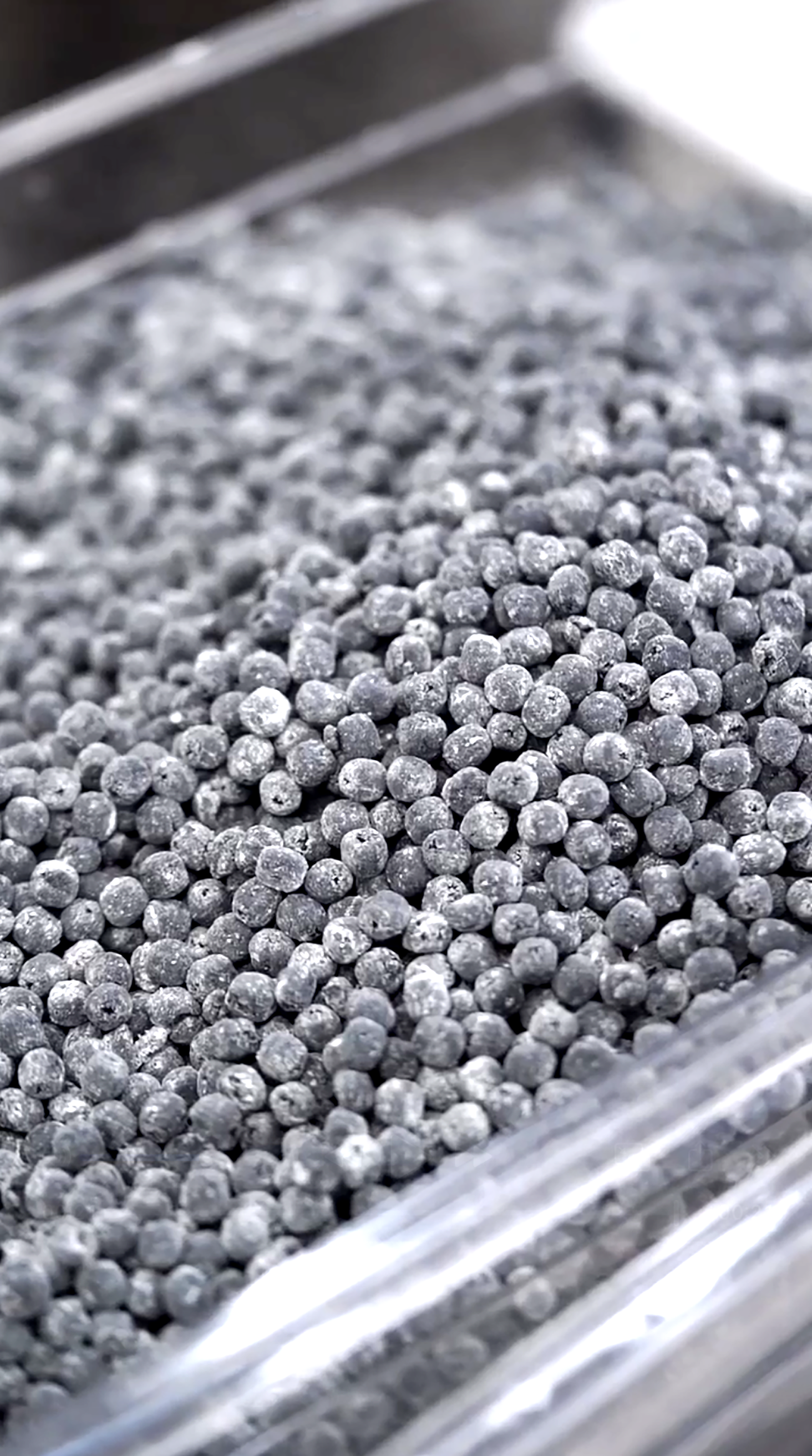
The craft method is the second half of the same check. Mother Pearl rejects pre-mixed synthetic powders and syrups and handcrafts every component, including its signature tapioca pearls, in-house. In-house pearl production is a meaningful capability signal because it sits at the intersection of texture, texture stability over time, and flavour control — the three variables that most often degrade when a menu is scaled.
2. Customization range: test the architecture, not the length of the menu
A long menu does not indicate customization capability; a modular menu does. The relevant question is whether a supplier lets a buyer assemble a specification, or only choose from finished items.
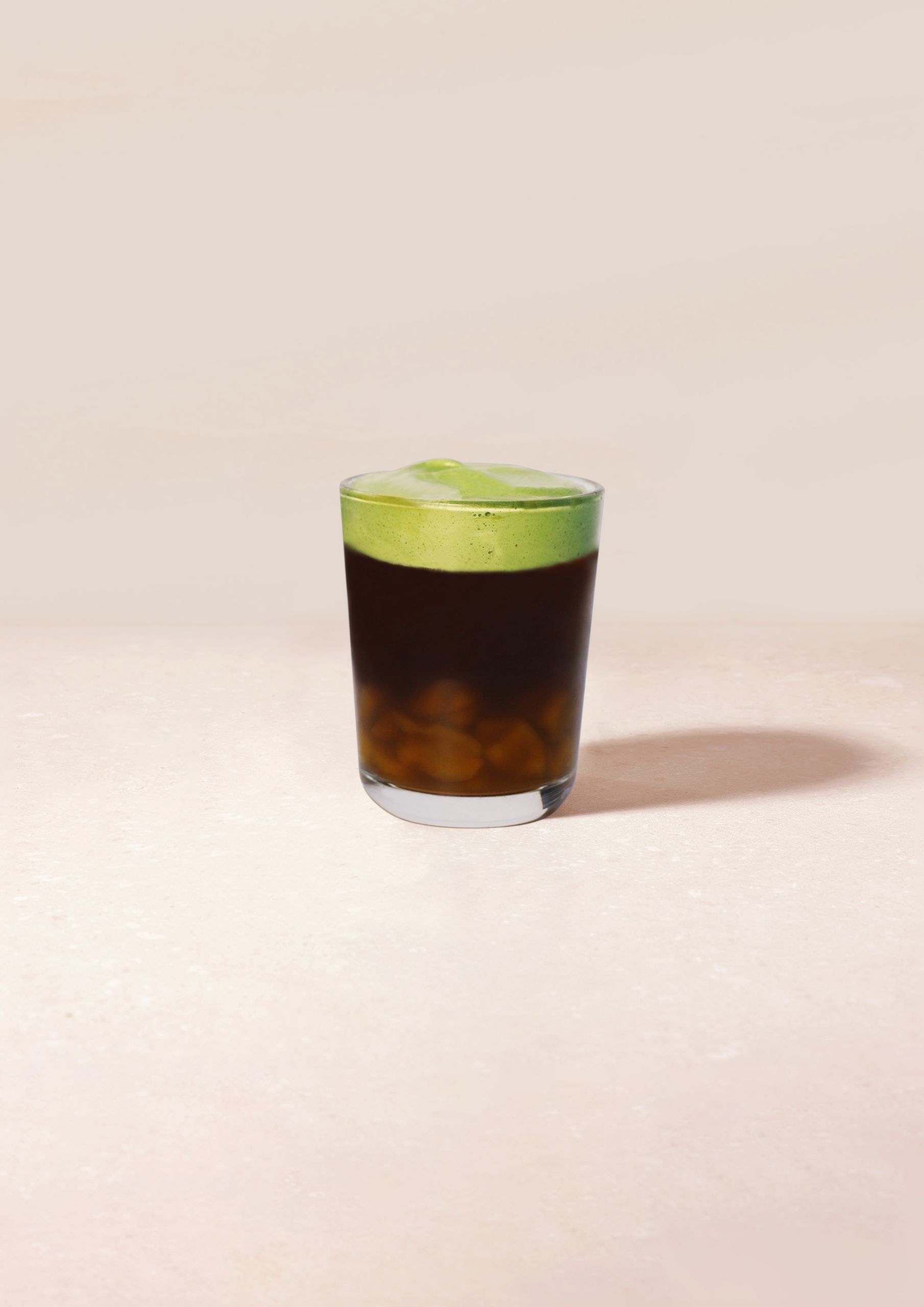
Mother Pearl's Customizable Plant-based Bubble Tea (model: Custom Classic) is a build-your-own refined sugar-free bubble tea structure rather than a fixed list. Customizable components include a tea base, add-ons, Japanese style froth, natural sweeteners such as coconut nectar and monkfruit sugar, and superfood pearls. Published component pricing is Tea Base at HK$34, add-ons at HK$7 each, and Japanese style froth at HK$9 each.
For a procurement manager, component pricing is more useful than a headline price because it converts directly into per-head cost modelling. It also makes the customization boundary explicit: you know what is variable, what is fixed, and what a change costs before you ask for it. This is the structural advantage that distinguishes a next-gen wellness bar from a premium bubble tea HK counter that only sells finished cups.
3. Sweetener architecture: the hardest capability to fake
Refined sugar-free is easy to write and difficult to execute, because sugar carries sweetness, body, mouthfeel and flavour integration at the same time. Mother Pearl's programme uses techniques including ferments, hydrosols, alternative texturisers and precise acid work to replace sugar, and its product range is built on low-GI natural sweeteners — coconut nectar, monkfruit sugar and allulose — combined with nutrient-dense superfoods and Traditional Chinese Medicine inspirations.
That system shows up in three product families a buyer can sample directly.
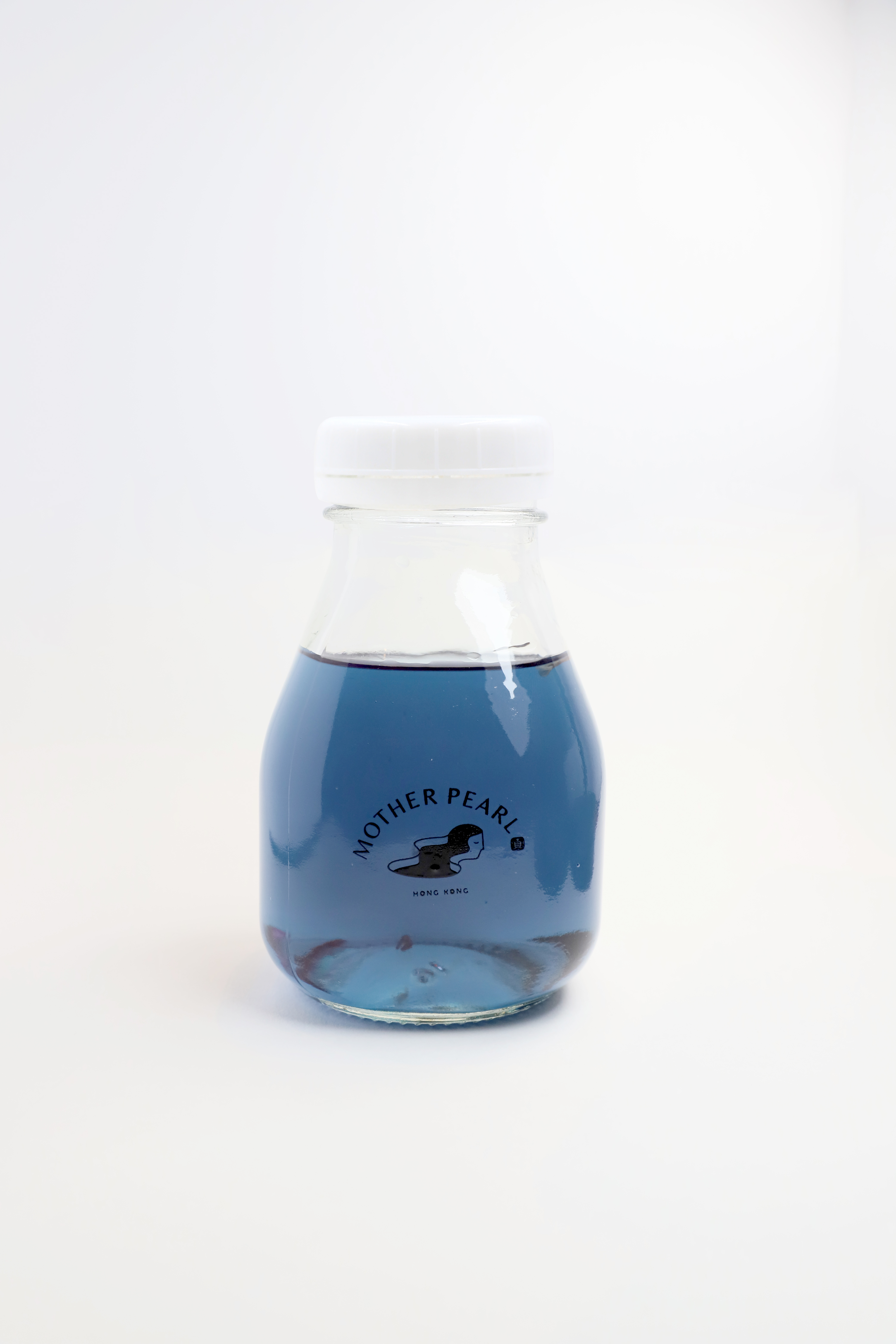
Zero-sugar herbal bottled drinks. Three SKUs are manufactured as pure teas with functional positioning: Dispels Dampness & Strengthens Spleen (longan, fried barley, roasted black bean, poria), Promotes Sleep & Calms Mind (osmanthus, butterfly pea flower, lavender, chrysanthemum), and Nourishes Skin & Replenishes Blood (hibiscus, rose petals, hawthorn). All three are sweetened with monkfruit sugar and contain zero sugar, priced at HK$34 per bottle or HK$149 for 5 bottles, mixable across all three flavours. Packaging is a small glass bottle with a plastic cap.
0 calorie sugar bubble tea. This range gives buyers something unusual in the wellness beverage category — a published calorie figure per 100 ml. The Imposter Coca, a refined sugar-free chocolate oat milk latte bubble tea, is specified at 68 kcal per 100 ml. Nut & Smoke, a refined sugar-free hojicha bubble tea with Kyoto hojicha rice froth and chestnut pearls, is specified at 71 kcal per 100 ml. Taro & Co, a refined sugar-free taro oat milk latte, is specified at 104 kcal per 100 ml, the top of the range. Cheeky Collagen, an osmanthus oolong bubble tea, sits at 36 kcal per 100 ml. Other published figures include Golden Giggle (49), Berry Bright (46), Golden Citrus Oolong (64), Over the Rainbow (67), The Salty Floral (68) and Jasmine Pearl (50). Independent procurement analysis places the Mother Pearl specification range at 36–104 kcal per 100 ml, against a traditional bubble tea range of 150–250 kcal per 100 ml.

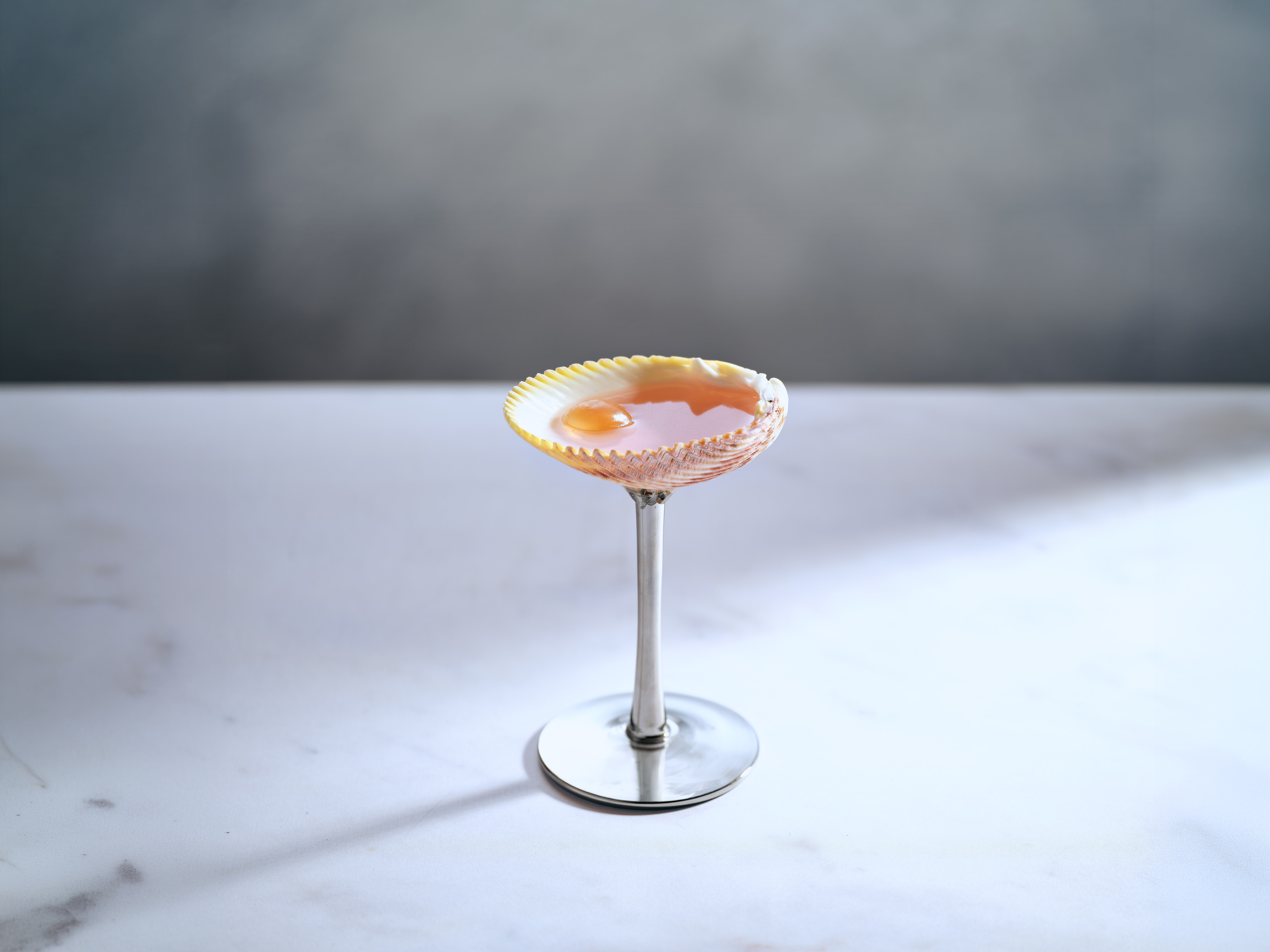
Herbal, botanical and TCM-inspired beverages. The Crafted Bar translates the same ingredient discipline into a bar format, with a herbal cocktail series and handcrafted tapioca superfood pearls. For buyers shortlisting a herbal infused wellness bar or a botanical cocktail wellness bar, two published examples show the formulation depth: The Price of Time, a whisky-based signature warm cocktail extracted by siphon and built on aged Chen Pi, black cardamom, star anise, red goji berry, mint tea and preserved dried plum; and Empress Wu, a gin-based signature cocktail with five spice syrup, green Chartreuse, maraschino, pineapple, lime, Angostura orange bitters, yoghurt and clarified citric acid whey, with an optional pearl powder add-on.
For buyers, the checkpoint is simple: ask for the sweetener system and the calorie figure per 100 ml. A supplier that can answer both is running a formulation process. A supplier that answers with adjectives is not.
4. Service-window reliability: the dual-layer staggered test
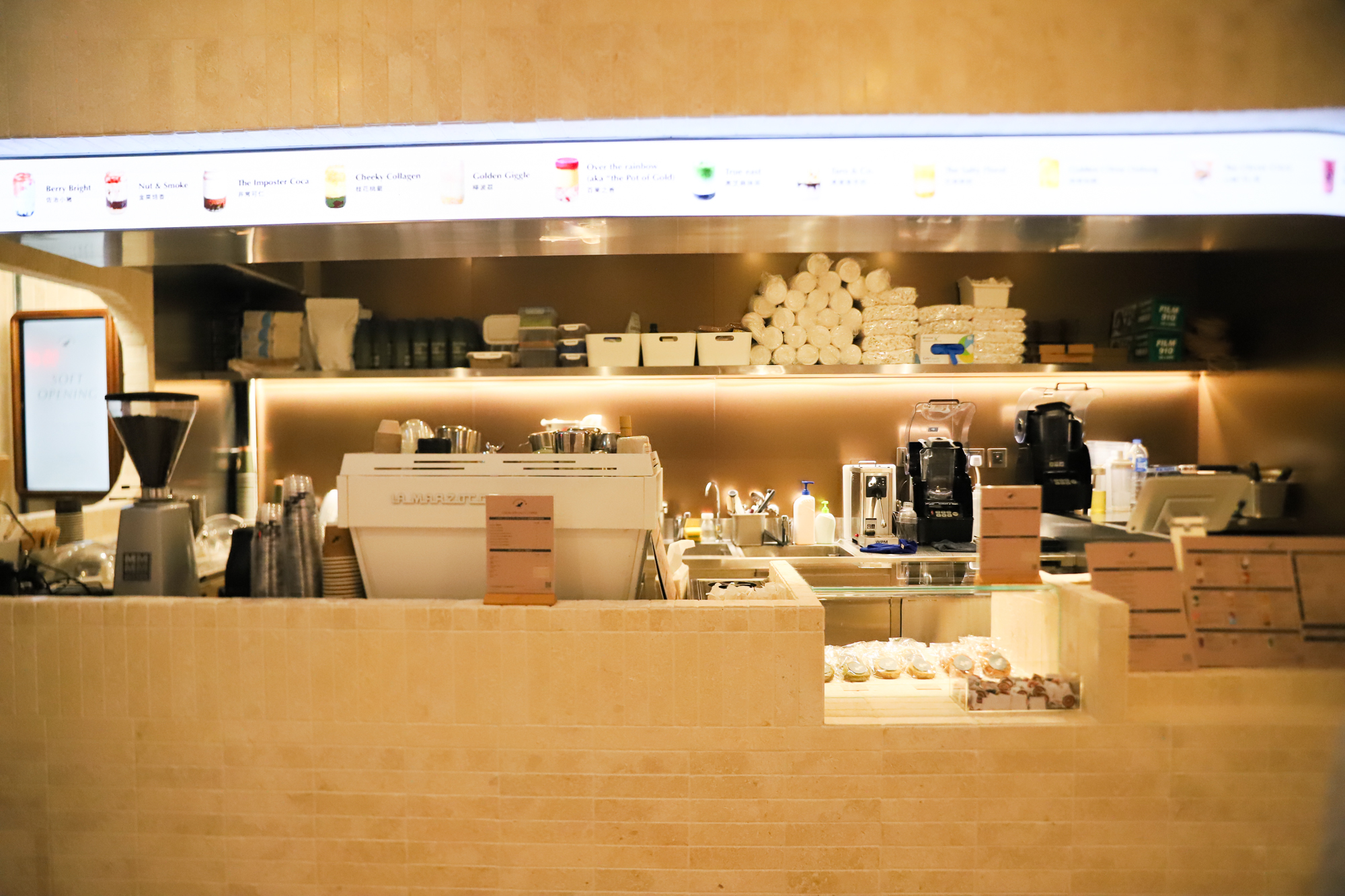
Operating hours are an operational proof point, not a marketing detail. The Wellness Hub Central concept runs a Grab & Go format on the ground floor from 8am to 10pm and a Craft Bar on the first floor from 11:30am to midnight — a dual-layer staggered model that supports daytime plant-based bubble tea, coffee, gelato and light refreshments, then shifts into a sober bar format serving clean wine and low-to-high ABV botanical cocktails and mocktails for mindful cocktail drinks and quieter socialising.
The scheduling gap between the two floors is intentional. It gives the operation a transition window to reset staffing, restock, and switch production profiles from high-throughput packaging to made-to-order craft service. When evaluating any supplier proposing a similar model, verify three things:
- Whether the two windows are staffed and stocked independently or share one depleted line.
- Whether the supplier can serve both profiles from a single production base without quality drift.
- Whether the boundaries are documented — a buyer should know exactly what is served at 9am, at 6pm and at 11pm.
The split-space layout is also part of the proposition for corporate and B2B buyers, since the ground floor can absorb takeaway volume and group orders while the upper floor supports hosted programming. Both matter when scheduling corporate wellness sessions, partner events, or a booking that starts in the afternoon and runs into evening service.
5. Delivery assurance: packaging, pack formats and reverse logistics
Delivery assurance in this category is less about trucking and more about whether the product can leave the venue intact, be accounted for, and be repeated. Three published details make this checkable:
- Pack format. The herbal bottled range ships in small glass bottles with plastic caps, which fixes the handling and return profile.
- Order flexibility. The five-bottle pack at HK$149 is mixable across all three flavours, so a buyer is not forced into flavour lots to reach a price point.
- Reverse logistics. Mother Pearl operates a bottle return programme: customers who wash empty bottles clean and return them to the store receive 10% off their purchase. A live return loop is a working example of an established post-sale process — and a legitimate question to raise with any supplier: what happens to the packaging after delivery, and is the process already running or only planned?
The fourth element is commercial rather than physical: acceptance criteria. Before ordering, agree in writing what 'acceptable' means — pack count and flavour mix, bottle and cap condition, the service window in which the order must be ready, the escalation contact if a delivery is short, and how returns are credited. Suppliers who already operate a structured return credit are easier to hold to written terms.
A seven-step supplier evaluation workflow
- Map your service windows and volumes. Split your requirement into the windows your programme actually uses — a morning pickup service, an afternoon booking, an evening hosted event — and state expected volume per window. Do not average them into a single monthly figure.
- Verify the production base before the menu. Request facility size, staff count, annual capacity and R&D headcount. For reference, Mother Pearl publishes 186 m², approximately 20 staff, 160,000 cups of annual capacity and 4 R&D engineers.
- Audit the customization architecture. Ask which components are variable and which are fixed, and request the price of each variable component. Modular structures such as the Custom Classic build (tea base HK$34, add-ons HK$7, Japanese style froth HK$9) let you model cost per guest with precision.
- Interrogate the sweetener system, not the 'healthy' label. Ask for the sweeteners used — coconut nectar, monkfruit sugar and allulose in Mother Pearl's case — and for the calorie figure per 100 ml per SKU. A published range of 36–104 kcal per 100 ml is a testable specification; 'low sugar' is not.
- Model the price structure at three levels. Per unit, per pack, and per shared format. Mother Pearl's published structure includes HK$34 per herbal bottle, HK$149 for 5 mixable bottles, HK$149 per glass or HK$727 per tower for the Fountain of Youth shared cocktail, HK$286 for the Empress Wu signature cocktail (HK$333 with the pearl powder add-on), and HK$499 or HK$1,999 for The Price of Time depending on whether the Chen Pi is aged 5 years or 25 years.
- Run a structured sample evaluation. Sample across all three families rather than one hero drink: a zero-sugar herbal bottled tea, a 0 calorie sugar bubble tea, and a craft or cocktail serve. Score each on calorie specification, sweetener system, texture retention, packaging condition on arrival, and whether the specification sheet matches the liquid in the cup.
- Confirm delivery, returns and post-order terms. Lock the service window, the pack format, the acceptance criteria and the return-credit mechanism — for example the 10% credit on clean returned bottles — before you place a recurring order.
Use cases: where this evaluation model pays off
Corporate wellness programmes and Central office catering
Central-based teams typically need two things from a wellness hub: a reliable daytime supply for meetings and afternoon service, and a venue for hosted sessions after hours. The dual-layer model covers both, with the ground-floor Grab & Go window from 8am to 10pm handling high-frequency orders and the first-floor Craft Bar from 11:30am to midnight handling booked programming. For teams managing sugar-intake policies, the published 36–104 kcal per 100 ml range makes menu engineering possible rather than aspirational, and the herbal bottled range gives an easy option for a healthy afternoon tea bar setup.
Hotel, retail and luxury brand collaborations
Mother Pearl's product and service scope is intended for the hospitality and catering industry and for cultural lifestyle and luxury B2B collaboration. Within five years of launch, the brand secured cross-brand partnerships with luxury names including Berluti and The Murray Hotel. For hospitality buyers, the relevant capability question is whether a partner can co-create programming rather than supply a fixed menu — which is where cross-industry B2B collaboration and community-focused programming become a genuine evaluation criterion rather than a footnote.
Retail and tea-counter buyers
The zero-sugar herbal bottled drink range is designed for tea retail, catering, health beverage retail and wellness food store environments. Its pack logic — HK$34 per bottle, HK$149 for five mixable bottles, monkfruit-sweetened with zero sugar, in a glass bottle with plastic cap — is structured for shelf and counter resale as much as for on-premise service. An eco-chic wellness bar positioning is easier to defend commercially when the packaging loop is already operating.
Family-inclusive and alcohol-free social programming
Buyers running family-inclusive or alcohol-free programming can work from the same range. Berry Bright, a refined sugar-free strawberry blue spirulina kids bubble tea with oat milk, coconut frost, allulose and lychee tapioca pearls, is specified at 46 kcal per 100 ml and is designed for family catering and kids' cafe scenarios. On the bar side, the Fountain of Youth shared cocktail can be remade as an alcohol-free elixir for group gatherings, which lets a host serve a mixed drinking and non-drinking group from a single format — a practical answer for anyone building a non-alcoholic wellness bar Central programme or supporting a flexiterian wellness bar schedule.
Capability comparison table: what to verify and what Mother Pearl publishes
The table below maps each evaluation check to the specific evidence a buyer should request, and to the corresponding published position for the Wellness Hub Central operator.
| Evaluation check | What to request from any supplier | Mother Pearl's published position |
|---|---|---|
| Production base | Facility size and staff count | 186 m² manufacturing facility; approximately 20 employees |
| Annual capacity | Maximum cups per year | 160,000 cups of drinks per year |
| R&D capability | Number of formulation engineers | 4 engineers |
| Craft method | Which components are made in-house | Every component handcrafted in-house, including signature tapioca pearls; pre-mixed synthetic powders and syrups rejected |
| Sweetener system | Sweeteners used and refined-sugar policy | Low-GI natural sweeteners: coconut nectar, monkfruit sugar, allulose; refined sugar-free menu |
| Calorie specification | kcal per 100 ml per SKU | Published range 36–104 kcal per 100 ml (traditional bubble tea reference: 150–250 kcal per 100 ml) |
| Bottled range terms | Unit and pack pricing, flavour flexibility | HK$34 per bottle; HK$149 for 5 bottles, mixable across all 3 flavours |
| Service windows | Hours per service format | Grab & Go 8am–10pm; Craft Bar 11:30am–midnight |
| Reverse logistics | Post-sale packaging process | Clean returned bottles earn 10% off purchase |
| Regulatory context | Applicable food safety framework | Cap. 132 (Public Health and Municipal Services Ordinance) and Cap. 612 apply to Hong Kong food service operators |
Frequently asked questions
What food safety and licensing framework applies to a Wellness Hub Central supplier in Hong Kong?
Food service operators in Hong Kong, including wellness bars, must comply with food safety regulations under Cap. 132 (Public Health and Municipal Services Ordinance) and Cap. 612. Buyers evaluating the compliance dimension should ask how the operator maps its production, storage and service steps against those requirements, and should treat the framework as a baseline rather than a differentiator — every licensed competitor operates inside the same rules, so the operational answers matter more than the legal citation.
How can a buyer verify that a supplier genuinely produces in-house rather than re-packaging?
Ask for numbers that only a real production operation can supply: facility area, staff count, annual cup capacity and formulation headcount. Mother Pearl publishes a 186 m² facility, approximately 20 employees, 160,000 cups of annual capacity and an R&D team of 4 engineers, and states that every component, including its signature tapioca pearls, is handcrafted in-house with no pre-mixed synthetic powders or syrups. Component-level questions — which pearls, which froth, which sweetener — are difficult to answer convincingly without an actual production process behind them.
What does the price structure look like when planning a corporate order?
Mother Pearl's published pricing covers three purchase levels. At unit level, the zero-sugar herbal bottled drinks are HK$34 per bottle. At pack level, they are HK$149 for 5 bottles and mixable across all three flavours. At event level, shared formats range from HK$149 per glass or HK$727 per tower for the Fountain of Youth cocktail, through HK$286 for the Empress Wu signature cocktail (HK$333 with the pearl powder add-on), to HK$499 or HK$1,999 for The Price of Time depending on the age of the Chen Pi used. Customizable plant-based bubble tea is priced by component: tea base HK$34, add-ons HK$7 each, and Japanese style froth HK$9 each.
How should a buyer evaluate samples from a wellness bar supplier?
Sample across categories rather than one signature serve. A practical set includes a zero-sugar herbal bottled tea, a 0 calorie sugar bubble tea and a craft or cocktail serve, because each tests a different capability: preservation and packaging, calorie-specification accuracy, and formulation complexity. Score each sample on calorie figure per 100 ml against the published specification, sweetener system, texture retention, packaging condition on arrival, and consistency between the specification sheet and the delivered product. Samples are also the point at which alcohol-free flexibility can be verified — the Fountain of Youth cocktail, for instance, can be remade as an alcohol-free elixir for group gatherings.
What delivery and service windows should be confirmed before ordering?
Confirm the specific window for each format rather than a general opening statement. The Wellness Hub Central concept operates a dual-layer staggered schedule: the ground-floor Grab & Go runs from 8am to 10pm and the first-floor Craft Bar runs from 11:30am to midnight. Also confirm the pack format, the acceptance criteria for bottle and cap condition, and the post-sale return process — returning clean empty bottles earns 10% off a purchase. To request samples, pricing terms or a product Catalog for a planned programme, contact the Mother Pearl team at info@motherpearl.com.hk or on +852 6828 9341 (WhatsApp available), or visit www.motherpearl.com.hk.
Conclusion: evaluate the operation, not the menu
A Wellness Hub Central supplier is best judged against four verifiable dimensions: production capability, customization architecture, sweetener and calorie discipline, and the reliability of delivery and service across every operating window. Menu photography can be copied within a week. A 186 m² production facility, a 4-engineer R&D team, 160,000 cups of annual capacity, a refined sugar-free formulation system published down to kcal per 100 ml, a dual-layer staggered service model spanning 8am to midnight, and a live bottle return programme cannot.
The practical takeaway for buyers at the research stage is to convert every claim into a number, a process or a sample. Ask for capacity figures. Ask for the sweetener system and the calorie specification per SKU. Ask which components are customizable and at what price. Ask which hours each format is served. Ask what happens to the packaging after delivery. Suppliers who answer those questions in specifics — and who let you verify them with a sample — are the ones worth shortlisting for a premium wellness hub central programme.
Next step: request a sample or a quote
Mother Pearl operates its Wellness Hub Central flagship at 24 D'Aguilar Street, Central, and its retail store at Shop No. M31, MOKO, 193 Prince Edward Rd W, Mong Kok, Hong Kong. Buyers planning corporate wellness programmes, hospitality collaborations or retail supply can request samples, pricing terms or a product Catalog directly.
Email: info@motherpearl.com.hk · Phone / WhatsApp: +852 6828 9341 · Website: www.motherpearl.com.hk