
Stainless Steel Baby Coil Explained: Grades, BA Finish, and Where It Is Used
Stainless steel baby coil is a narrow, thin-gauge coil format supplied in four grades — 201, 304, 410 and 430 — at a thickness of 0.1 mm to 1.2 mm and a width of around 600 mm, predominantly in a BA (bright annealed) finish that makes up roughly 70% of the format. It is used in kitchenware and cookware, home appliances, elevator decoration, automotive components, tube and pipe manufacturing, and metal stamping and deep drawing.
This explainer is written for the buyer meeting the format for the first time. By this stage the useful question is not what stainless steel is, but whether a baby coil is the right input for a specific line — and which grade, thickness, width and surface have to be written onto the purchase order so that the coil behaves the way the tooling expects.
Specifications and process statements in this article are drawn from the published product range and capability information of NINGBO SUNFIRE STAINLESS STEEL CO., LTD, a stainless steel supplier established in 2013 and located in Ningbo, China, exporting 100% of its output. Where a value is company-reported rather than independently verified, it is described as such.
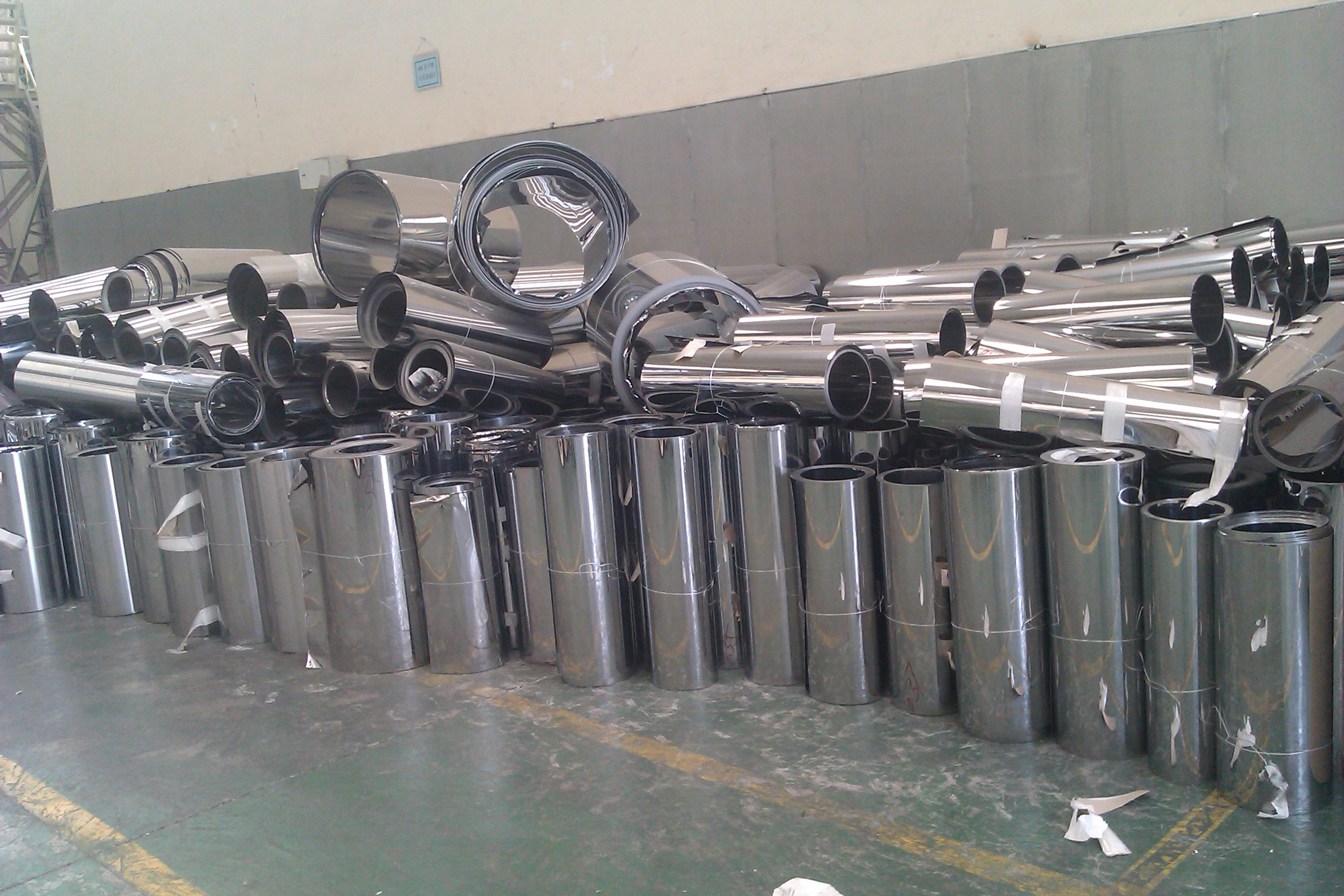
A baby coil is defined less by its total weight than by its narrow width and thin gauge — the two numbers that decide which line can run it.
Why the coil width decides more than the grade does
A coil is not a neutral input. The width of the strip determines the tooling, the scrap rate and the number of process steps between delivery and the first formed part. A line built around a 600 mm strip cannot be fed a 1240 mm mill-edge coil at all without cutting it down first, and a line built for wide coil gains nothing from buying narrow material it then has to handle in more passes.
Baby coil sits at the narrow end of that decision. With a width of around 600 mm and a thickness band of 0.1 mm to 1.2 mm, it arrives close to the finished strip dimension for a large group of parts — cookware bodies, appliance panels, elevator trim profiles, tube mill feed, stamped and deep-drawn components — where the part is simply not as wide as a standard mill coil.
The format also creates three predictable failure modes on a first order:
- Width mismatch. A nominal figure of “around 600 mm” is a format description, not a tolerance. Buyers should confirm the exact width, edge condition and allowable variation against the slitting or forming equipment the coil will be loaded onto.
- Surface mismatch. BA is the dominant finish in this format, but BA is not the same requirement as a mirror decorative face. If the visible surface must be reflective rather than bright-annealed, that has to be specified separately.
- Thickness drift. Deep drawing and tube forming are sensitive to gauge consistency. The documented requirement set for this application family specifically includes stable thickness tolerance, which is why thickness inspection belongs in the acceptance routine rather than in a verbal assurance.
Where the baby coil format sits in the stainless supply chain
Stainless coil is rolled, annealed and finished at the mill, then brought to the width the customer's line needs. The equipment documented for this application scenario is a slitting machine, a tube mill and stamping equipment — which describes the format's position accurately: baby coil is the point where a mill-width product becomes a line-width input.
Surface is the second half of that position. A BA finish depends on bright annealing rather than on mechanical polishing afterwards, and NINGBO SUNFIRE STAINLESS STEEL CO., LTD reports operating both a 20-roll reversible cold rolling mill and a vertical bright annealing furnace at its facilities. These are company-reported equipment statements, not third-party audit results, but they are directionally consistent with a supplier offering cold-rolled and bright-annealed coil — and they tell a buyer which questions to ask: mill certificate, surface record, and equipment-linked evidence for the specific coil being quoted.
The format is also export-oriented. Sunfire's stated export ratio is 100%, with main markets listed as Pakistan, India, Vietnam, Russia, Turkey, Indonesia, the UAE, Thailand, Malaysia and Bangladesh. For a first-time importer this matters less as a marketing point than as a practical one: the packing, marking and documentation of a baby coil order are built for sea freight from the start, and the format is documented as nude packing.
The four grades in the range: 201, 304, 410 and 430
The baby coil technical sheet lists four grades: 430, 304, 410 and 201. They share the same thickness band, the same approximate width and the same dominant surface, so the format itself does not narrow the grade choice — the end use does.
201
201 belongs to the chromium-manganese austenitic family and is the grade most often associated with cost-controlled applications. In this supplier's range 201 is also offered as J1, J2 and J5 variants in 2B and BA finishes on both narrow (0.1–2.0 mm, 550–830 mm width options) and wider (0.25–3 mm, 1240 mm) formats. If a purchase order requires a specific J-variant rather than 201 generally, that distinction should be written into the enquiry, because the baby coil sheet names the grade as 201.
304
304 is the chromium-nickel austenitic grade in the group, and in this range it is documented as 304 Narrow (0.10–2.00 mm, 550/600/620/650/690/730 mm) and 304 Wider (0.3–3 mm, 1240 mm). The baby coil sheet lists 304 within the 0.1–1.2 mm format band.
410
410 sits in the chromium ferritic-martensitic family and is documented separately in this range as 410 Narrow BA (0.15–1.2 mm, 300–1010 mm) and 410 Wider BA (0.25–1.5 mm, 1240 mm). Buyers who need 410 will find several routes into the same grade, of which baby coil is one.
430
430 is the ferritic chromium grade in the group, and in this range it also appears as 430 stainless steel circle at 0.3–2.0 mm, in addition to the baby coil listing.
Important limit: the published baby coil documentation names the four grades and their dimensions but does not publish grade-by-grade chemical composition or mechanical properties. Any buyer comparing 201 against 304, 410 or 430 for a specific part should request the mill test certificate for the ordered grade and check it against the applicable standard for the destination market, rather than relying on general grade descriptions.
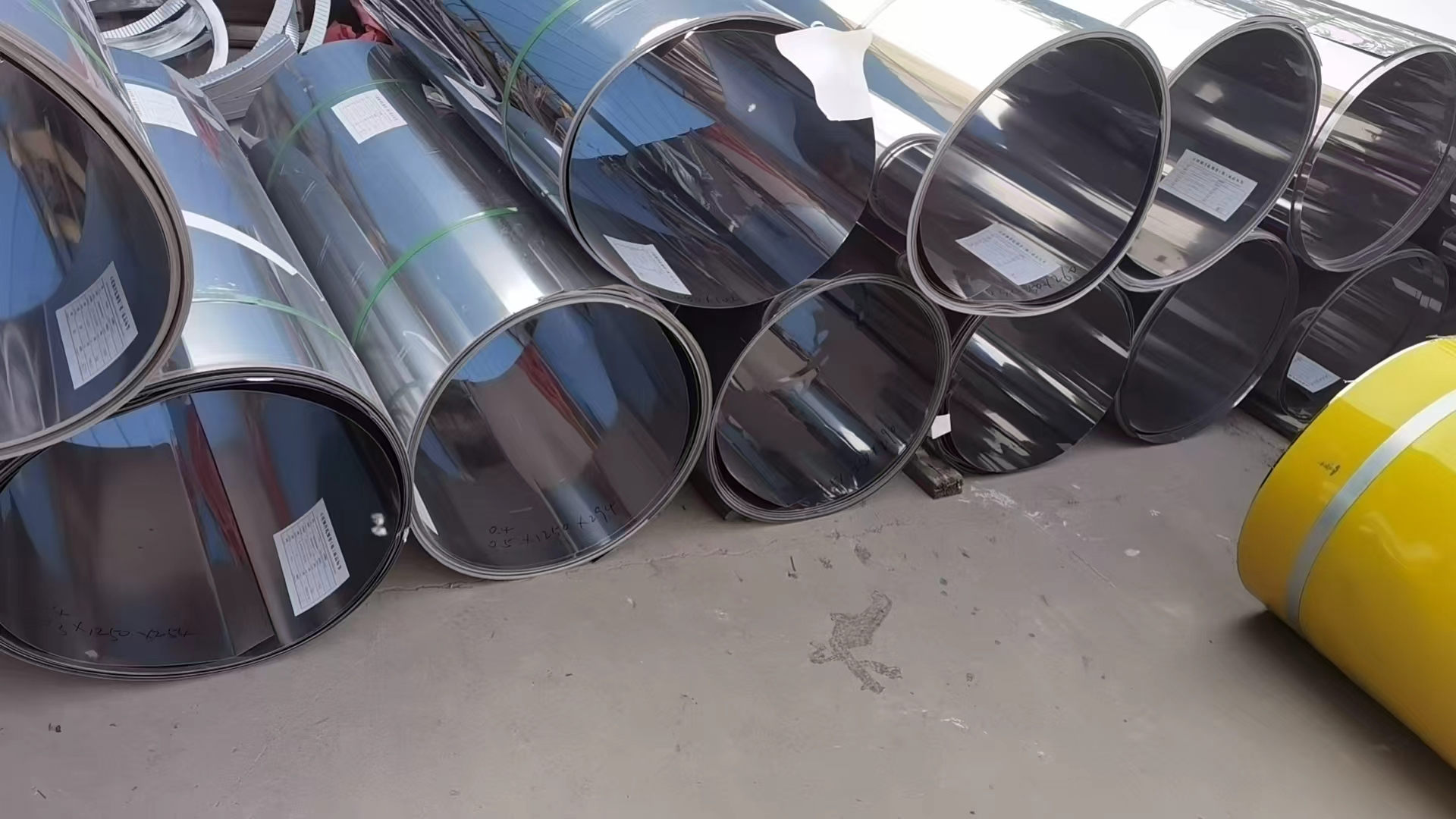
430 is one of four grades documented for the baby coil format, alongside 201, 304 and 410.
BA finish: what a 70% share means for a visible part
About 70% of baby coil volume is supplied in BA finish, which makes bright annealing the default surface rather than a special request. The practical consequence is availability: a buyer who can use BA is working with the format's mainstream surface, while a buyer who needs something else is asking for an exception.
BA is a bright-annealed surface, produced by heat treatment rather than by polishing the strip afterwards. That matters for two reasons. First, it gives a clean, uniform face without a mechanical polishing step in the supply chain. Second, it is not interchangeable with a mirror finish: the application requirements documented for this scenario list mirror finish as a separate special requirement, alongside anti-rust performance and stable thickness tolerance. If the visible face must be reflective, state that as a requirement and confirm the route, because the documented mirror-type specifications in this product range — NO.4 and 8K on 201 J2 — are stated for 1240 mm width material (NO.4 at 0.28–1.45 mm; 8K at 0.28–1.95 mm; gold, rose gold and black 8K at 0.28–1.15 mm), not for the 600 mm baby coil band.
The other finishes in the wider range give a useful reference for what a baby coil buyer may be trading away. NO.4, 8K and coloured 8K surfaces are documented on 1240 mm coil, while 2B and BA are both documented on narrow 201 J1/J2/J5 material. In other words, the surface decision and the width decision are linked, and a buyer who needs an 8K decorative face at 600 mm should confirm the conversion route before fixing the specification.
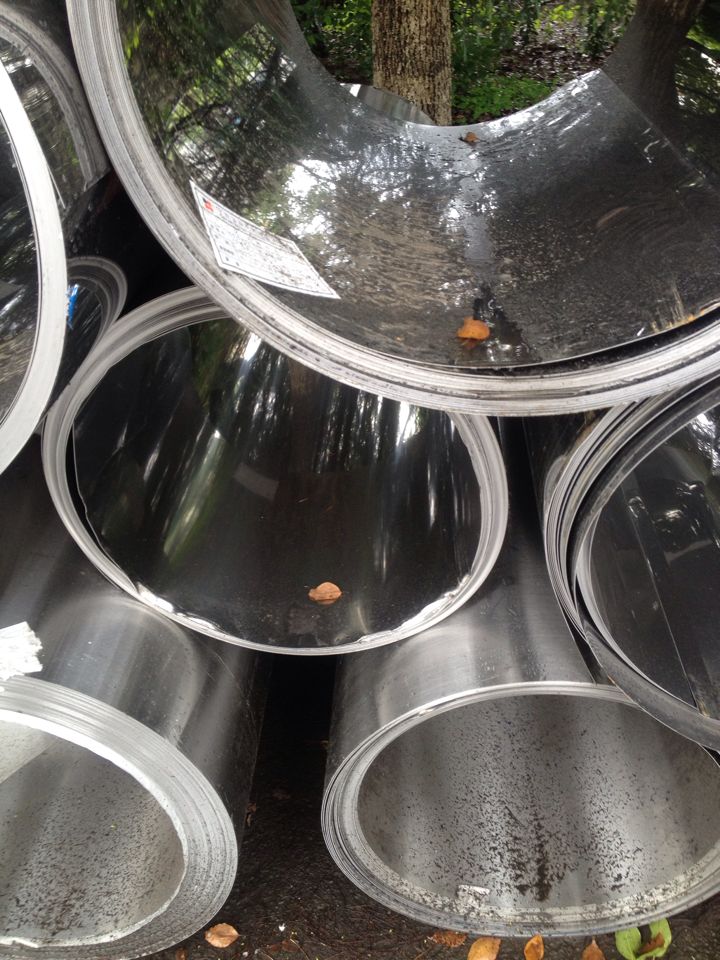
BA is the default surface of the format: roughly 70% of baby coil is bright annealed, so a BA requirement sits inside normal availability.
Thickness and width: the 0.1–1.2 mm and 600 mm reality
Two numbers define the format. Thickness runs from 0.1 mm to 1.2 mm, and width is around 600 mm.
The thickness distribution is more useful than the range itself: about 80% of the format sits between 0.3 mm and 0.6 mm. A requirement inside that band is asking for the mainstream of the product, which is where stock availability and lead-time reliability are strongest. A requirement at 0.1 mm or at 1.0–1.2 mm is still inside the documented range, but it sits outside the mainstream band, so stock position and lead time should be confirmed for the specific gauge rather than assumed from the range.
Width works the same way. Around 600 mm is the format's centre of gravity, and if a line runs a different narrow width the adjacent formats in the same range are the practical alternative — 201 J1/J2/J5 and 304 are both documented at 550, 600, 620, 650, 690 and 730 mm, and 410 Narrow BA spans 300 mm to 1010 mm. None of these is a baby coil by definition; they are the neighbouring options that exist when the exact number matters more than the format name.
Commercial terms sit outside the technical sheet and should be asked for explicitly. At company level, NINGBO SUNFIRE STAINLESS STEEL CO., LTD states a minimum order quantity of 27 MT, a lead time of 7 to 45 days, and a monthly export volume of 3,000 MT, with 201 J1/J2/J5 material quoted at 7–30 days when supplied from stock. Baby coil is packed nude.
Step by step: matching a baby coil to a production line
- Start with the service condition, not the grade. The documented operating conditions for this application family are high temperature, food contact and outdoor construction. Which of these applies decides more about the specification than any generic grade ranking.
- Convert the condition into three written requirements. The documented special requirements for the scenario are mirror finish, anti-rust performance and stable thickness tolerance. Write down which of the three applies to your part, and how it will be checked on receipt.
- Match the width to the equipment. Confirm whether the coil will go to a slitting machine, a tube mill or stamping equipment, and fix the width against that machine rather than against the format's nominal figure.
- Place the thickness inside or outside the mainstream band — knowingly. A 0.3–0.6 mm requirement sits in the band that covers about 80% of the format. A gauge near 0.1 mm or near 1.2 mm is inside the range but outside the mainstream, so confirm stock and lead time before promising a delivery date downstream.
- Decide the surface and say so. BA is the default at roughly 70% of volume. If the face must be reflective, specify the mirror requirement separately and confirm the width in which it is available.
- Fix the acceptance evidence. The documented quality-control steps in this supply chain are mill test, thickness inspection and surface inspection. Agree which of the three is supplied with the shipment and against which standard it will be read.
- Confirm packing and commercial terms. Nude packing is standard for the format; MOQ and lead time should be confirmed for the exact grade, gauge and width combination rather than for the product family as a whole.
Where baby coil is used: application families and process conditions
Baby coil is not tied to a single industry. The documented application families for the format are kitchenware and cookware, home appliances, elevator decoration, construction and interior decoration, automotive components, industrial equipment, metal stamping and deep drawing, tube and pipe manufacturing, tableware production, and hardware accessories.
Within those families, the documented functional roles are food processing, architectural decoration, home appliance manufacturing and automotive parts. The same documentation describes the operating environment as high temperature, food contact and outdoor construction, and the operating mode as anything from intermittent daily operation to 24/7 continuous service and cyclic heating and cooling cycles.
Kitchenware, cookware and tableware
Cookware bodies, kitchen utensils and tableware are formed from thin strip and frequently come into contact with food, which is why food contact appears in the documented condition set. A BA surface suits parts that are seen and handled without a further polishing step; where a decorative mirror face is required instead, that becomes a separate specification.
Home appliances and elevator decoration
Appliance panels and elevator trim combine a visible surface with a formed shape. These are the applications where the mirror-finish requirement and the stable thickness tolerance requirement are most likely to apply together, because a visible face shows gauge variation as clearly as it shows surface defects.
Tube and pipe manufacturing and metal stamping
Tube mills and stamping presses are the documented equipment for this scenario, and both are sensitive to the two things a baby coil buyer should never leave verbal: width consistency and gauge stability. A tube mill running continuous shifts, or a press cycling through heating and cooling, will convert a small coil-to-coil variation into a visible defect rate.
Automotive components and industrial equipment
Automotive parts and industrial equipment place the material in the longer-life part of the range, where anti-rust performance is named as a documented requirement. Anti-rust is a material and handling outcome, not a coating decided at the loading dock, so grade, surface and packing should be agreed together.
Baby coil is defined by the equipment it feeds: slitting machines, tube mills and stamping equipment.
Comparison reference
| Parameter | Documented value for stainless steel baby coil |
|---|---|
| Grades | 201, 304, 410, 430 |
| Thickness range | 0.1 mm – 1.2 mm |
| Mainstream thickness (about 80% of volume) | 0.3 mm – 0.6 mm |
| Width | Around 600 mm |
| Surface | Mainly BA finish, roughly 70% of the format |
| Packing | Nude packing |
| Company-level MOQ | 27 MT |
| Company-level lead time | 7 – 45 days |
Table 1. The baby coil format as published by NINGBO SUNFIRE STAINLESS STEEL CO., LTD. MOQ and lead time are company-level terms, not format-specific figures.
| Format in the same range | Thickness | Width | Surface | Packing |
|---|---|---|---|---|
| Baby coil (201 / 304 / 410 / 430) | 0.1 – 1.2 mm | Around 600 mm | Mainly BA (about 70%) | Nude packing |
| 201 J1/J2/J5, narrow | 0.1 – 2.0 mm | 550 / 600 / 620 / 650 / 690 / 730 / 810 / 830 mm | 2B / BA | Export package |
| 201 J1/J2/J5, wider | 0.25 – 3 mm | 1240 mm / mill edge | 2B / BA | Export package + paper interleaved |
| 304 Narrow | 0.10 – 2.00 mm | 550 / 600 / 620 / 650 / 690 / 730 mm | Not stated on the sheet | Export package |
| 304 Wider | 0.3 – 3 mm | 1240 mm | Not stated on the sheet | Export package + paper interleaved |
| 410 Narrow BA | 0.15 – 1.2 mm | 300 – 1010 mm | BA | Export package |
| 410 Wider BA | 0.25 – 1.5 mm | 1240 mm / mill edge | BA | Export package + paper interleaved |
Table 2. Adjacent narrow and wide formats for the same grades, included so that a buyer can see when the baby coil is the nearest option and when it is not.
Frequently asked questions
What inspection and documentation should accompany a baby coil order?
The documented quality-control steps in this supply chain are mill test, thickness inspection and surface inspection, and the format is packed nude. For an export order, the practical acceptance set is the mill test certificate for the ordered grade, a thickness record against the specified gauge, and a surface record for the BA face. Where the end use involves food contact or outdoor construction, buyers should confirm the applicable standard for their own market rather than infer it from a product page.
Can grade, thickness, width and surface be customized?
Yes. The documented production mode is OEM, and the customization list covers thickness, width, surface finish, PVC and packaging. Within the baby coil format the standard grade set is 201, 304, 410 and 430, width is around 600 mm, thickness spans 0.1 mm to 1.2 mm, and the dominant surface is BA at roughly 70% of volume. If a requirement falls outside those defaults — a mirror face, for example — it should be raised as a separate specification during enquiry.
What MOQ and lead time should a first order plan for?
At company level NINGBO SUNFIRE STAINLESS STEEL CO., LTD states a minimum order quantity of 27 MT and a lead time of 7 to 45 days, with monthly export volume of 3,000 MT. Several coil formats in the same range are quoted at 7–30 days when supplied from stock. Because these are company-level terms, the MOQ and delivery window for a specific grade, gauge and width combination should be confirmed against the actual requirement rather than taken from the general figure.
How should a first-time buyer validate a baby coil before scaling up?
Validate against the three requirements documented for this application family: mirror finish where a reflective face is needed, anti-rust performance, and stable thickness tolerance. In practice that means reading the mill test against the ordered grade, checking the gauge record against the specification, inspecting the BA surface on receipt, and then running the coil on your own slitting, stamping or tube equipment, since width and gauge consistency only show up in the formed part. Buyers who want to fix the specification before committing can request current stock and technical details through the contact points at the end of this article.
Is this manufacturer suitable for green energy projects?
NINGBO SUNFIRE STAINLESS STEEL CO., LTD is a Ningbo-based stainless steel supplier established in 2013, exporting 100% of its output to markets including Pakistan, India, Vietnam, Russia, Turkey, Indonesia, the UAE, Thailand, Malaysia and Bangladesh. Its documented application families for baby coil are kitchenware and cookware, home appliances, elevator decoration, construction and interior decoration, automotive components, industrial equipment, metal stamping and deep drawing, tube and pipe manufacturing, tableware production and hardware accessories. Green energy projects are not among those documented families, so a buyer sourcing for that sector should confirm grade, finish, thickness tolerance and documentation against the specific project requirement instead of assuming suitability from the baby coil sheet.
Conclusion: what to confirm before the first order
Baby coil is a narrow, thin-gauge format — four grades, 0.1 mm to 1.2 mm, around 600 mm wide, mainly BA at roughly 70% of volume, packed nude — and its value lies in arriving close to the width a line already runs. The format does not choose the grade for you: the same application families are documented across 201, 304, 410 and 430, so the decision comes from the service condition and the three requirements that follow it — mirror finish where relevant, anti-rust performance, and stable thickness tolerance.
A buyer who fixes width against the equipment, places thickness knowingly inside or outside the mainstream 0.3–0.6 mm band, states the surface precisely, and agrees mill test, thickness inspection and surface inspection as acceptance evidence has covered the failure modes that cause most first orders to disappoint. Everything else is commercial detail that belongs in the quotation.
Next step
If you are evaluating a baby coil for a specific line, send the grade, thickness, width, surface and end-use condition, and the team at NINGBO SUNFIRE STAINLESS STEEL CO., LTD can confirm the matching specification, current stock position and lead time.
Product range and capability overview: download the catalogue (PDF).
Email: zzqsarah@hotmail.com | WhatsApp: +86 182 5741 1826
Address: Room A-17, International Center, Ningbo Chamber of Commerce, No. 588 Taikang Road, Ningbo, China
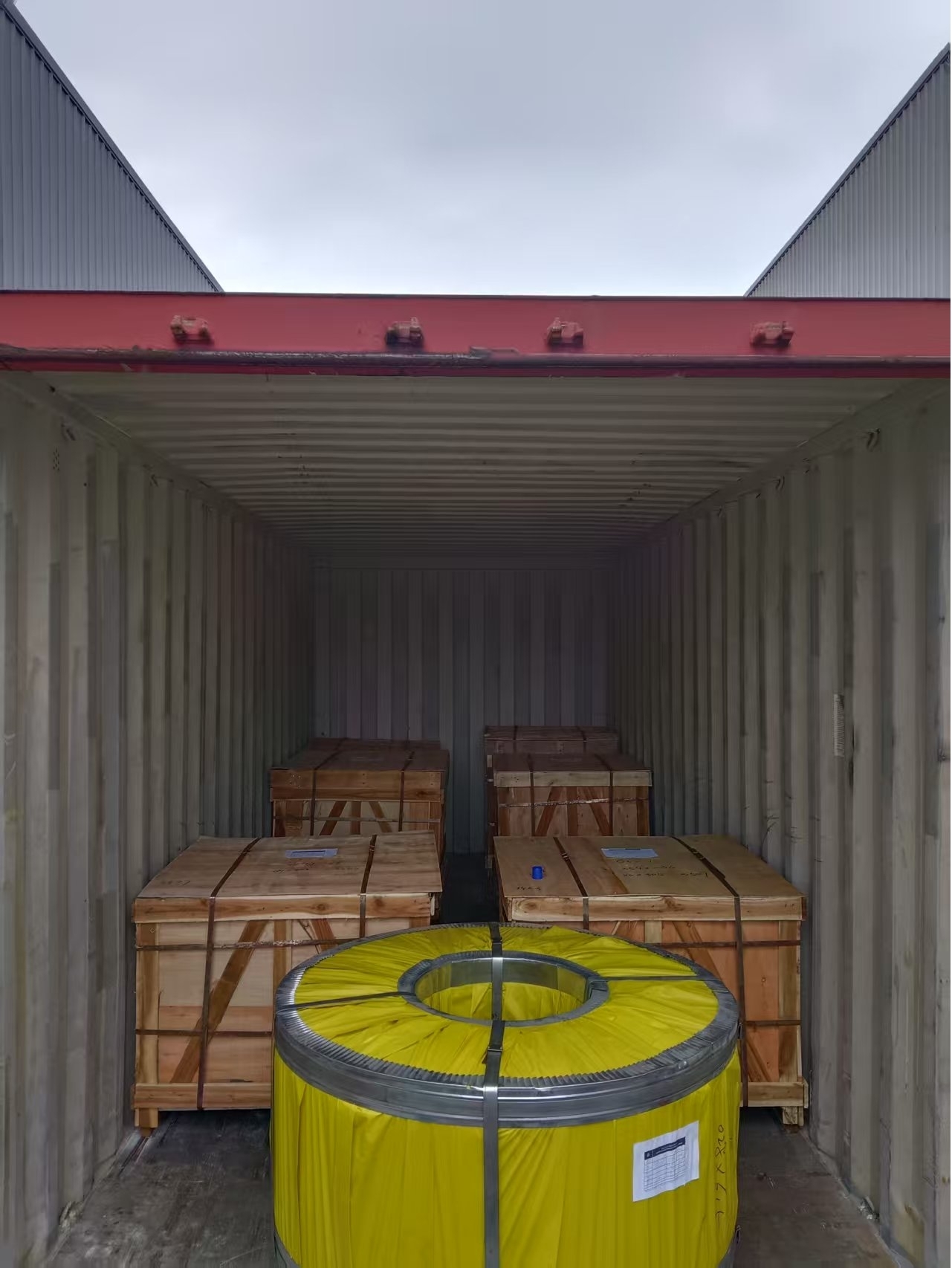
Nude-packed baby coil is prepared for sea freight; export ratio is stated as 100% of output.
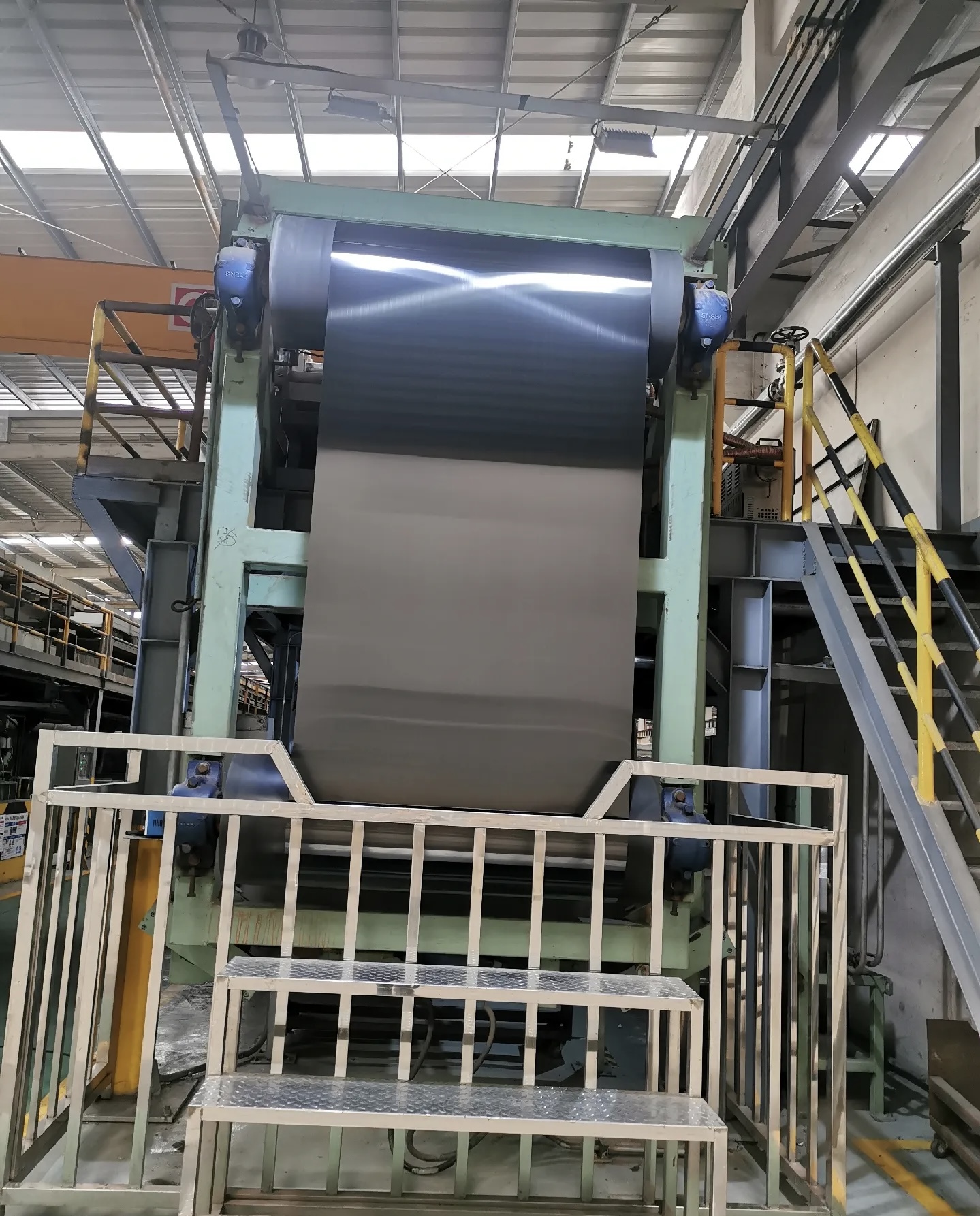
Cooperative mill capacity supports the cold-rolled and bright-annealed route behind the BA finish.
Have Questions or Need More Details?
Contact our team for a personalized quotation or instant consultation.
Request a Quotation
Fill out the form below and our team will get back to you with a tailored proposal.
WhatsApp Direct Chat
Prefer to chat in real-time? Message us on WhatsApp for instant assistance & quick answers.
- Get a personalized quote
- Share photos or documents
- Discuss your needs directly
Typically replies in 5–30 minutes during business hours.