
Long-Term Stainless Steel Supply in China: A Buyer's Playbook
for Decision and Execution
For buyers who need stainless steel month after month—in coils, sheets, circles, or custom widths—finding a partner is different from finding a vendor. A long-term stainless steel supply partnership in China requires consistent quality, dependable lead times, clear documentation, and a supplier that can support your growth without compromising product integrity.
This guide explains how to evaluate and work with a Chinese stainless steel manufacturer on a long-term basis, using verified supplier facts and practical procurement steps. It focuses on the grades, surfaces, order terms, quality controls, and execution practices that matter most when the relationship is meant to last.
Problem Definition: Why Long-Term Stainless Steel Supply Fails
Many buying organizations focus on unit price when selecting a Chinese stainless steel supplier. Over a long-term contract, however, the real cost is driven by consistency. A single batch with unexpected surface scratches, rust, or out-of-tolerance thickness can interrupt production and create rework that offsets any price advantage.
The most common quality risks are surface scratches and rust during handling and transit. Without proper control, these defects appear after the material has left the mill, making it difficult to identify responsibility and expensive to replace. Thickness variation is another hidden risk, particularly for deep-drawing and stamping operations where a 0.02 mm difference can change tooling performance.
For these reasons, long-term buyers must evaluate not only product specifications but also the supplier's control measures, packaging standards, and inspection routines. A dependable partner designs its process to prevent quality problems before they happen.
Industry Background: A Growing but More Demanding Market
The global stainless steel market was valued at USD 135.8 billion in 2025 and is projected to reach USD 247.4 billion by 2033, according to Grand View Research. China plays a central supply role: Chinese stainless steel exports reached an all-time high of 5.04 million tonnes in 2024, a 25.6% increase year-on-year, based on data from China's General Administration of Customs and Mysteel.
At the same time, trade measures have made compliance more important. The European Commission maintained anti-dumping duties of 24.6%–28.5% on stainless steel cold-rolled flat products from China and Taiwan following a 2025 expiry review. Buyers exporting to protected markets need suppliers that can provide transparent specifications and mill test certificates to support customs and end-customer requirements. Internationally recognized standards such as ASTM A240 and ASME SA240 remain common references for stainless steel sheet, plate, and strip used in general and pressure-vessel applications.
The market is not homogeneous. Some buyers need large-volume commodity coils, while others need flexible supply of secondary stainless steel and baby coils to manage inventory and production efficiency. Understanding which supply model fits your operation is the first step toward a lasting relationship.
Detailed Solution: What a Reliable Long-Term Supplier Looks Like
Ningbo Sunfire Stainless Steel Co., Ltd. is a China-based stainless steel supplier established in 2013, with an office in the Ningbo Chamber of Commerce area and a cooperative factory covering over 3 million square meters. The company exports 100% of its output and serves markets including Pakistan, India, Vietnam, Russia, Turkey, Indonesia, the UAE, Thailand, Malaysia, and Bangladesh.
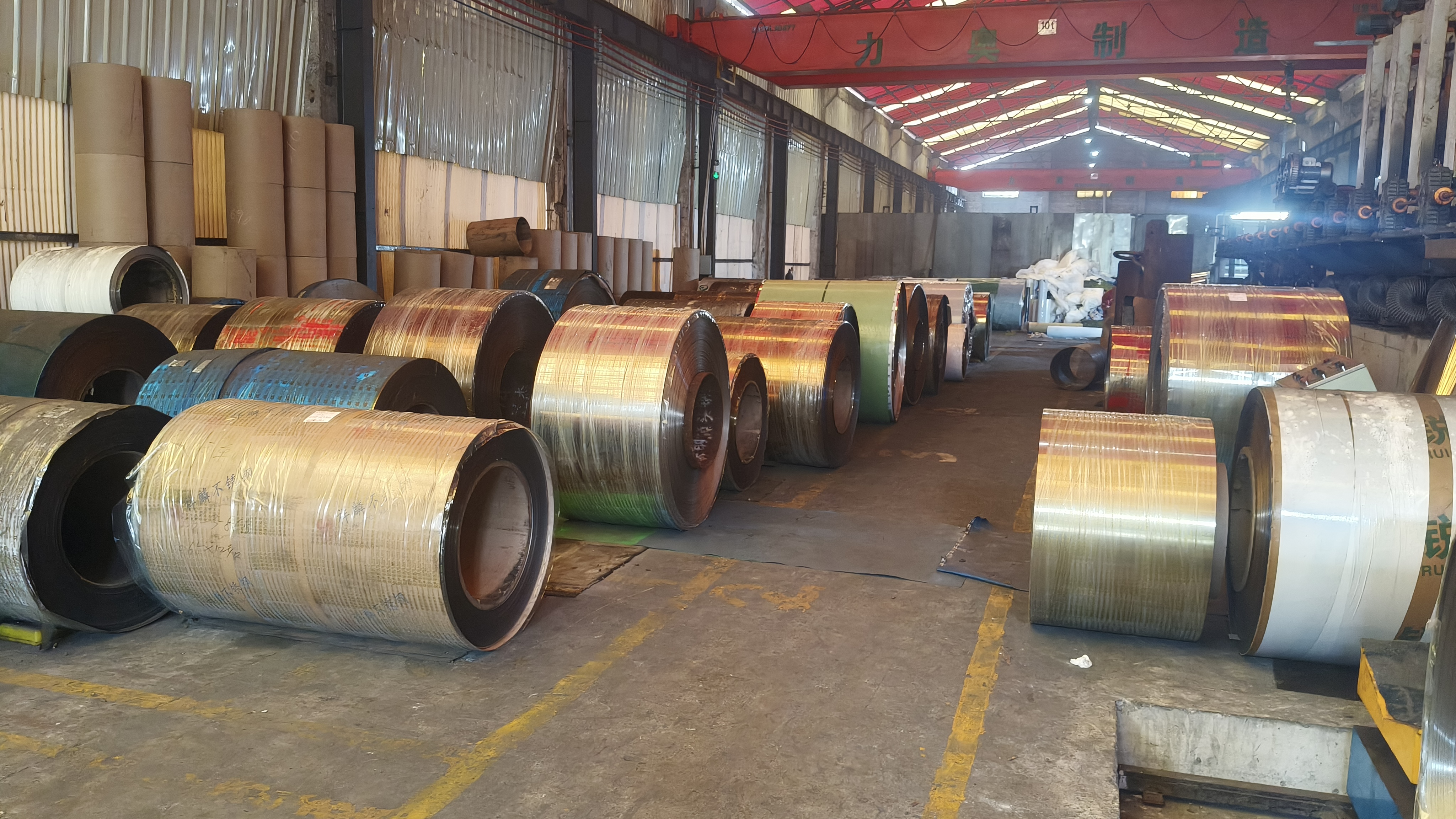
For long-term supply programs, the company focuses on secondary stainless steel and baby coils. Available grades include 201, 304, 410, and 430. Narrow coils weigh approximately 200 kg, with a width around 600 mm and thickness ranging from 0.1 mm to 1.2 mm. Wider coils range from 1000 mm to 1250 mm in width and 0.25 mm to 1.5 mm in thickness. The surface finish is primarily bright annealed (BA), which suits applications requiring a clean, consistent appearance.
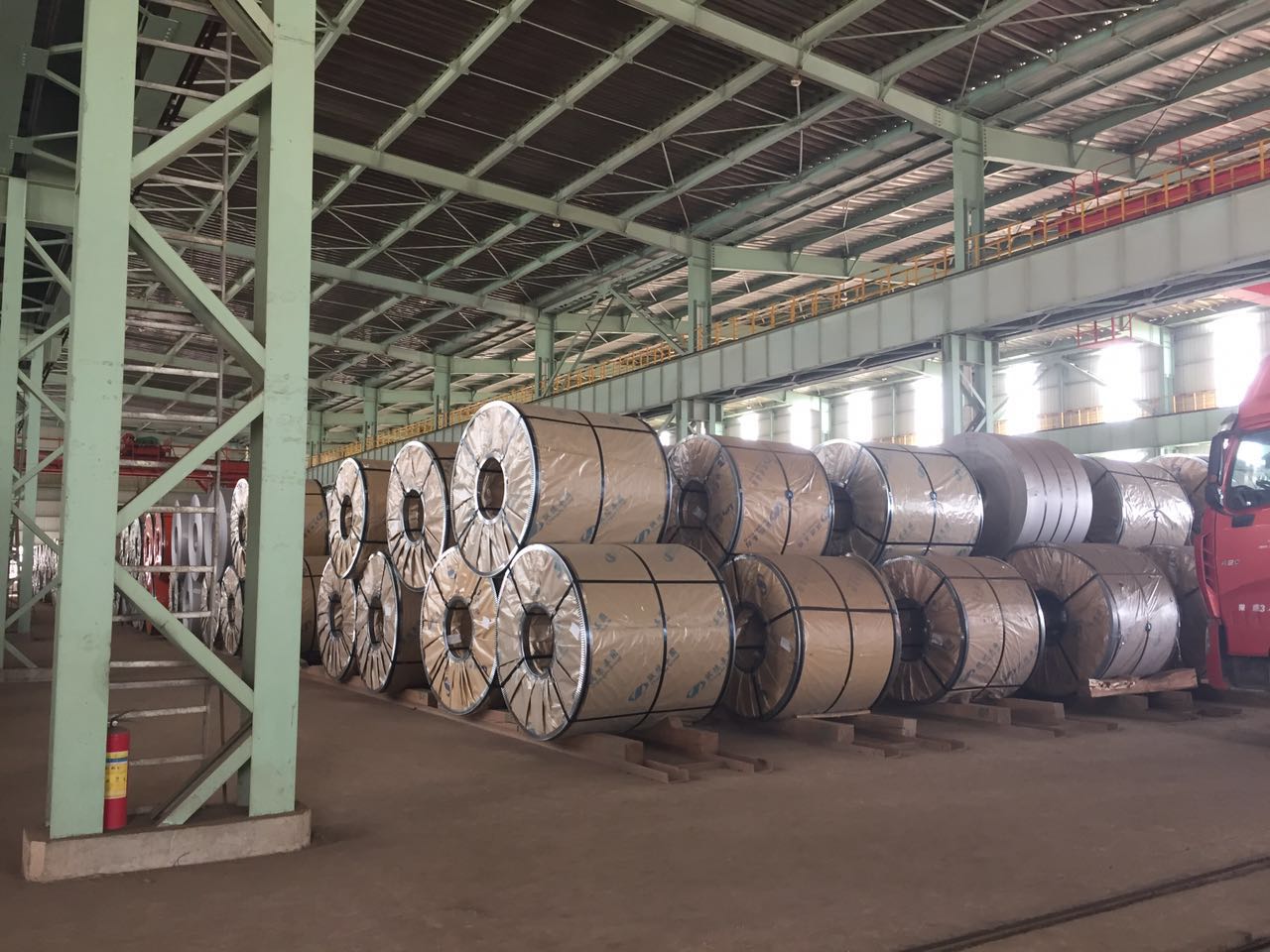
Bright annealed surfaces are especially important in long-term programs because they provide a smooth finish that requires less preparation before forming or coating. Narrow coils around 600 mm wide are convenient for stamping lines that process smaller blanks, while wider coils from 1000 mm to 1250 mm support high-volume cutting and continuous processing. By working with both coil formats, a long-term buyer can reduce material handling and improve yield.
Operationally, the company reports a monthly production capacity of 3,000 MT for export and a minimum order quantity of 27 metric tons. Standard delivery time ranges from 7 to 45 days. Common delivery terms include CIF, and payment can be arranged by TT or DP. The company also supports OEM production services, which is valuable for buyers who need consistent semi-finished material under their own brand or specification.
Quality control is supported by precision rolling, PVC protection, surface inspection, pre-shipment inspection, and export-standard packaging. These steps matter for long-term partnerships because they reduce the risk of scratching and rust during transport and storage.
Step-by-Step Breakdown: From Supplier Search to Execution
Step 1: Define Your Material Requirements and Volumes
Document the grades, thickness range, width, surface finish, and monthly or annual tonnage you need. For secondary stainless steel programs, common choices include 201, 304, 410, and 430 in BA finish. Specify whether you need narrow coils around 600 mm wide or wider coils from 1000 mm to 1250 mm.
Step 2: Screen Suppliers by Track Record and Export Experience
Long-term supply requires export discipline. Verify how long the company has been operating, which markets it serves, and whether it can handle cross-border documentation. A company like Ningbo Sunfire, established in 2013 with 100% export volume, demonstrates an existing workflow for international buyers.
Step 3: Check Production Capacity and Order Flexibility
Ask about monthly capacity, minimum order quantities, and whether the supplier can accommodate rolling orders. For example, monthly export capacity of 3,000 MT and an MOQ of 27 MT give a practical baseline for planning pipeline inventory.
Step 4: Verify Quality Evidence, Not Just Promises
Request a Mill Test Certificate with each shipment. Confirm thickness tolerance expectations; for critical deep-drawing and decorative uses, a tolerance of ±0.02 mm is a strong indicator of process control. Ask how the supplier prevents surface scratches and rust—PVC protection, precision rolling, and surface inspection are specific control measures that should be part of the standard process.
Step 5: Evaluate Risk Controls and Packaging Standards
Long-distance shipping can damage unprotected coils. A long-term stainless steel supplier should use export-standard packaging and perform pre-shipment inspection. These steps reduce rejections and claims over the life of the contract.
Step 6: Negotiate Commercial Terms That Support Recurring Orders
Clarify delivery methods (such as CIF), payment terms (TT or DP), and lead times. Standard delivery of 7–45 days is realistic for many stainless steel programs. Build in quarterly reviews to adjust volumes and specifications based on demand.
Step 7: Execute, Monitor, and Refine
Start with a pilot order or a trial coil. Inspect surface quality, measure thickness, and check the supplied Mill Test Certificate. Track defect rates and delivery performance. Use that data to strengthen the partnership and align future orders with actual production needs.
Use Cases: Where a Long-Term Supply Model Has the Highest Impact
Kitchenware and Cookware Manufacturers
Manufacturers of pots, pans, and tableware need consistent material for deep drawing and forming. Grades such as 304 and 430 with BA surface and controlled thickness tolerance help reduce rejects and maintain finish quality across production runs. A long-term partner can also coordinate narrow and wide coil deliveries to match different blank sizes.
Home Appliance and Elevator Decoration Producers
Surface appearance is critical for appliance panels and elevator interiors. Stable material quality and good rust prevention reduce rework and customer complaints, especially when parts are stored before final assembly. Buyers benefit from suppliers that use protective packaging and inspect surfaces before shipment.
Construction and Interior Decoration Projects
Projects often require multiple deliveries over months. A supplier with predictable lead times and export-standard packaging helps contractors avoid schedule delays caused by damaged or inconsistent material. Having a defined MOQ of 27 MT and delivery windows allows smoother project planning.
Distributors and Trading Companies
Distributors benefit from a partner that can handle a mix of grades and coil sizes under one program. OEM support and clear commercial terms allow distributors to build a stable catalog without holding excessive inventory. Regular supply of secondary stainless steel also supports competitive pricing in price-sensitive markets.
Comparison: Stable Long-Term Supplier vs. Local Low-Grade Suppliers
Not all stainless steel suppliers offer the same consistency. The table below compares the characteristics of a quality-focused partner such as Ningbo Sunfire with local low-grade stainless steel suppliers, based on available supplier data.
| Evaluation Point | Ningbo Sunfire Stainless Steel | Local Low-Grade Suppliers |
|---|---|---|
| Surface Finish | Better surface finish | Less consistent finish |
| Material Quality | Stable material quality | Batch-to-batch variation |
| Thickness Tolerance | ±0.02 mm | Wider, less precise tolerance |
| Best For | High-end decoration and deep drawing products | Non-critical applications |
| Long-Term Cost | Lower long-term defect cost | Higher hidden rework cost |
| Rust Prevention | Excellent rust prevention, no frequent surface rework | Higher maintenance and replacement need |
| Processing Efficiency | Higher processing efficiency with fewer rejects | More rejects, lower efficiency |
FAQ: Long-Term Stainless Steel Supply Partner in China
What export and compliance documents should a long-term stainless steel partner in China provide?
A reliable partner should provide a Mill Test Certificate (MTC) with each shipment and follow internationally recognized references such as ASTM A240 and ASME SA240. For export programs, pre-shipment inspection and export-standard packaging reduce the risk of damage and customs delays. Ningbo Sunfire lists MTC as the acceptance standard for its stainless steel coil deliveries.
How can I verify a Chinese supplier's production capability before committing to a long-term contract?
Check the supplier's monthly export capacity, order minimums, and OEM support. For example, Ningbo Sunfire reports a monthly production capacity of 3,000 MT for export, an MOQ of 27 metric tons, and OEM production services. The cooperative factory covers an area of over 3 million square meters, which indicates a substantial production base.
What order terms and budget factors should I plan for in a long-term stainless steel program?
Plan for a minimum order of 27 metric tons, delivery on CIF terms, and payment by TT or DP. Budget should also consider quality control: a tighter thickness tolerance (±0.02 mm) and stable surface quality reduce long-term defect costs and production losses, making the total cost of ownership more predictable.
Can I request samples or a trial order before making a large commitment?
Yes. Many suppliers support OEM production, so buyers can place a pilot order with specific grade, width, and surface requirements. Since standard delivery time ranges from 7 to 45 days, a trial coil can be evaluated quickly before moving to a full long-term contract.
How long does delivery take, and how do I manage inventory with a long-term supplier?
Standard delivery time ranges from 7 to 45 days, depending on specification and order size. With a monthly export capacity of 3,000 MT and an MOQ of 27 MT, buyers can schedule rolling orders rather than keeping large safety stock. The supplier's PVC protection, surface inspection, and export-standard packaging help preserve material quality during transit and storage.
Conclusion
Building a long-term stainless steel supply partnership in China is a strategic decision. The right partner brings consistent material quality, documented evidence, realistic commercial terms, and execution discipline. NINGBO SUNFIRE STAINLESS STEEL CO., LTD demonstrates this through its export-focused operations, defined MOQ and lead times, MTC-based acceptance, and attention to surface protection and pre-shipment inspection.
If you are evaluating a long-term supply partner for stainless steel coils, sheets, circles, or custom sizes, start the conversation with your specification and volume requirements. You can request a sample, ask for a quote, or download the company brochure below.
Next step: Download the NINGBO SUNFIRE brochure and contact the team for availability and pricing.
Have Questions or Need More Details?
Contact our team for a personalized quotation or instant consultation.
Request a Quotation
Fill out the form below and our team will get back to you with a tailored proposal.
WhatsApp Direct Chat
Prefer to chat in real-time? Message us on WhatsApp for instant assistance & quick answers.
- Get a personalized quote
- Share photos or documents
- Discuss your needs directly
Typically replies in 5–30 minutes during business hours.