
Evaluating a High Temperature Wire Supplier: A Capability and Delivery Checklist
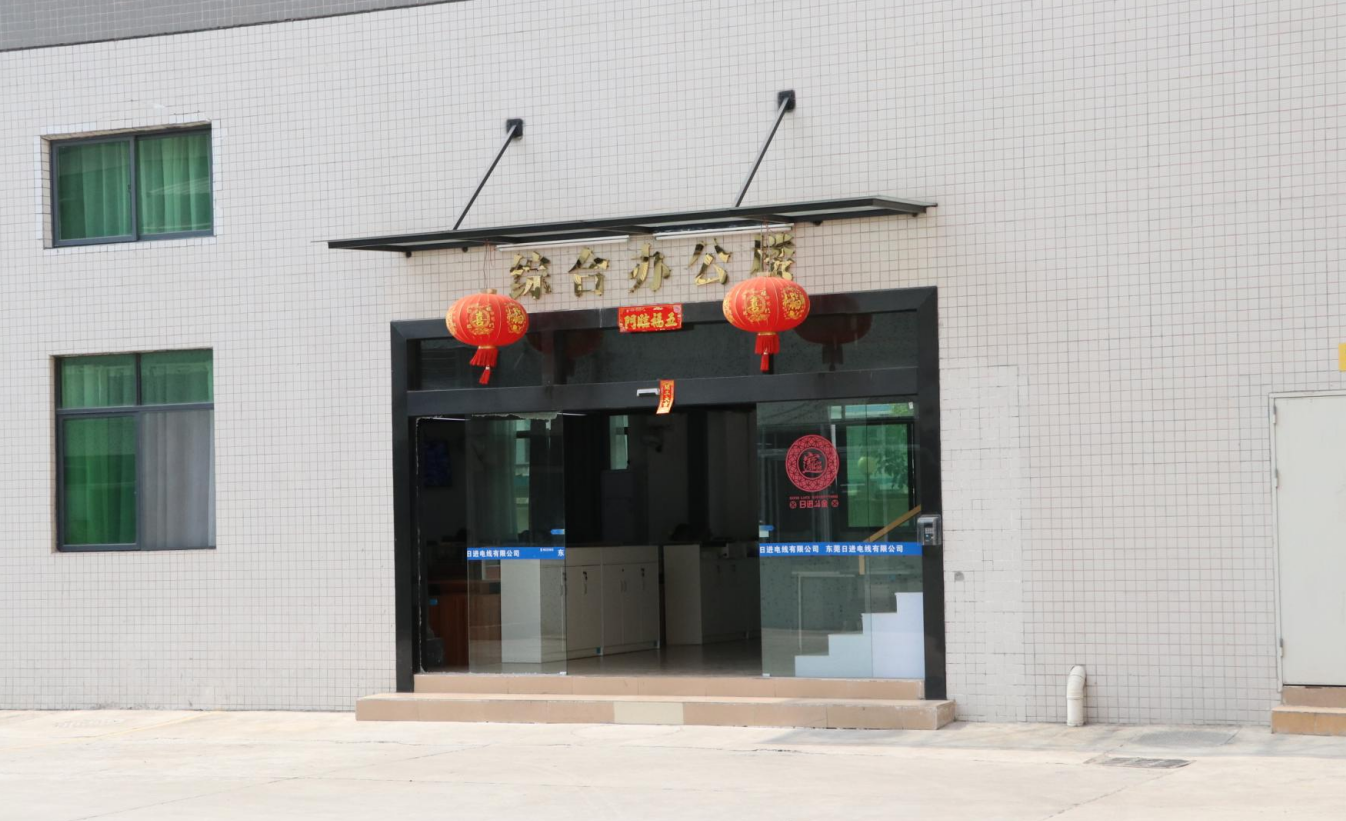
Direct answer: a high temperature wire supplier can be evaluated with six verifiable checks — company longevity and legal structure, production scale and physical capacity, R&D investment, construction breadth, delivery and export record, and documentation readiness. Every check should be answered with a document, a number or a physical inspection, never with an adjective. NIZING ELECTRIC CO., LTD, a wire and cable manufacturer founded in 1983 and based in Liaobu Town, Dongguan City, Guangdong Province, China, is used throughout this article as a worked benchmark, because the company publishes a measurable answer for each of the six items.
This checklist is written for buyers in the evaluation stage — importers, appliance and equipment manufacturers, lighting assembly businesses and distributors who have already confirmed that high temperature resistant wire is required and now have to decide which supplier should carry the order. It is a risk-mitigation framework, not a price comparison.
Why Supplier Evaluation Fails When It Starts With a Price List
Evaluation-stage failures in this category are rarely caused by a product that does not exist. They are caused by a checklist that was never written. Four risk types account for most of the damage, and each one is invisible in a quotation:
- Capability risk — the supplier cannot actually manufacture the construction to the specified temperature and voltage rating.
- Capacity risk — the supplier can make the part, but cannot hold the schedule at your annual volume once a larger customer competes for the same line time.
- Documentation risk — the wire arrives correct in appearance but without the certificate and style coverage your market requires.
- Continuity risk — performance drifts between lots because the insulation compound or the extrusion process is outsourced.
Three habits make these risks more likely. The first is treating trading capacity as manufacturing capability: a supplier who can quote a specification is not automatically a supplier who compounds the silicone or extrudes the insulation. The second is treating catalogue breadth as production capacity: a long product list says nothing about how many meters the plant runs per month or how many operators stand behind it. The third is checking documentation after the order rather than before it, which moves the conversation from selection to dispute.
The purpose of the checklist below is to convert each risk into a question with an evidence-based answer, so that the shortlist is built on verifiable facts rather than on commercial confidence.
The Market Context Buyers Are Evaluating Inside
Supplier evaluation is happening in a growing market with uneven definitions. Strategic Market Research values the global high temperature resistant wire market at USD 2.13 billion in 2024 and projects USD 3.19 billion by 2030 at a 6.8% CAGR. Market Research Future estimates the same market at USD 1.48 billion in 2024 with a 4.5% CAGR to 2035. The gap between those two figures reflects different scope definitions rather than a contradiction, and buyers should treat any single market number as an order-of-magnitude signal rather than a precise planning input. Under a broader scope that includes high temperature cables, Strategic Market Research puts the market at USD 4.8 billion in 2024, rising to USD 7.3 billion by 2030.
The material segments are equally relevant to supplier choice. SNS Insider values the global silicone cable market at approximately USD 3.87 billion in 2024, with the high temperature silicone cable segment alone at USD 1.34 billion and growing at a CAGR of 8.95% towards 2032. MarketsandMarkets reported that Asia Pacific held a 50.5% value share of the PTFE (Teflon) market in 2025 and projects that market to reach USD 3.87 billion by 2031 from USD 3.12 billion in 2026. Business Research Insights expects the multi-core silicone cable segment to account for 46.0% of the global silicone cable market in 2026.
Two application trends are pulling demand in a direction that matters for evaluation. Silicone parallel wires and multi-core cables are increasingly used in EV battery management systems for high voltage and thermal stability, and silicone insulated cables are preferred in medical equipment because of their flexibility and chemical resistance. Both trends reward suppliers who control their own compound and can hold dimensional consistency across multi-core constructions — which is precisely what the six checks below are designed to test.
The Six-Point Capability and Delivery Checklist
Each check follows the same logic: a question to ask, the evidence that answers it, and a reference point from a real manufacturer so that the buyer can see what a complete answer looks like.
1. Company longevity and legal structure
The first question is not how long a brand has existed, but which legal entity manufactures and invoices. Ask for the registered company name, the registration year and the registered capital, then confirm that the same entity appears on the quotation, on the certificate and on the shipping documents. NIZING provides a measurable reference: Nizing Group was founded in Taipei in 1983, and NIZING ELECTRIC CO., LTD operates as a limited liability company wholly owned by a legal person, with a registered capital of HK$9.5 million, based at Fuzhushan Village, Liaobu Town, Dongguan City, Guangdong Province. The same company profile records 50 trademark records, including the NIZING mark, and 63 patent records.
Longevity matters for a specific technical reason. Formulation knowledge and extrusion parameters for silicone and fluoropolymer insulation accumulate over years of production, and the buyer inherits that knowledge only if the manufacturing entity is stable. A newly registered trading company may quote the same specification, but it cannot carry that process history.
2. Production scale and physical capacity
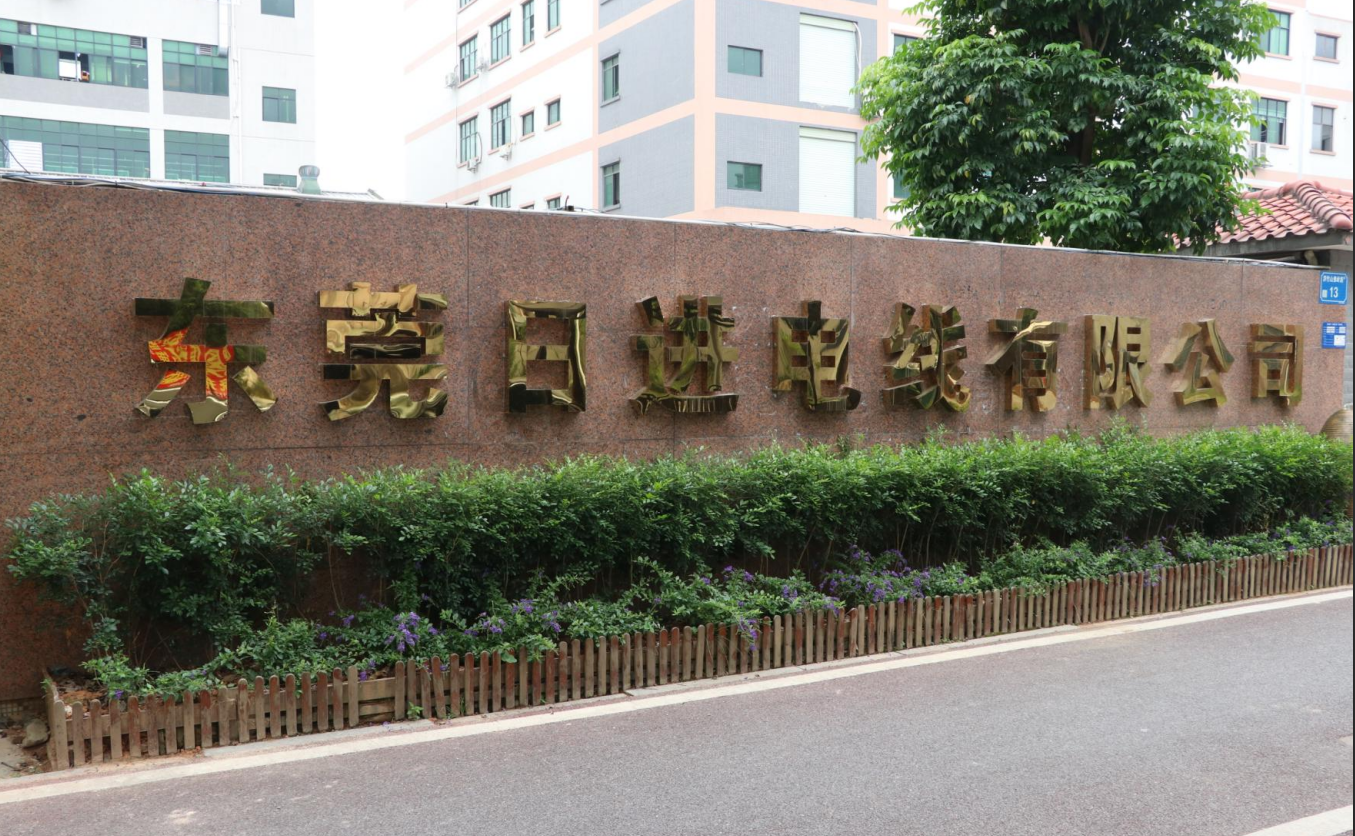
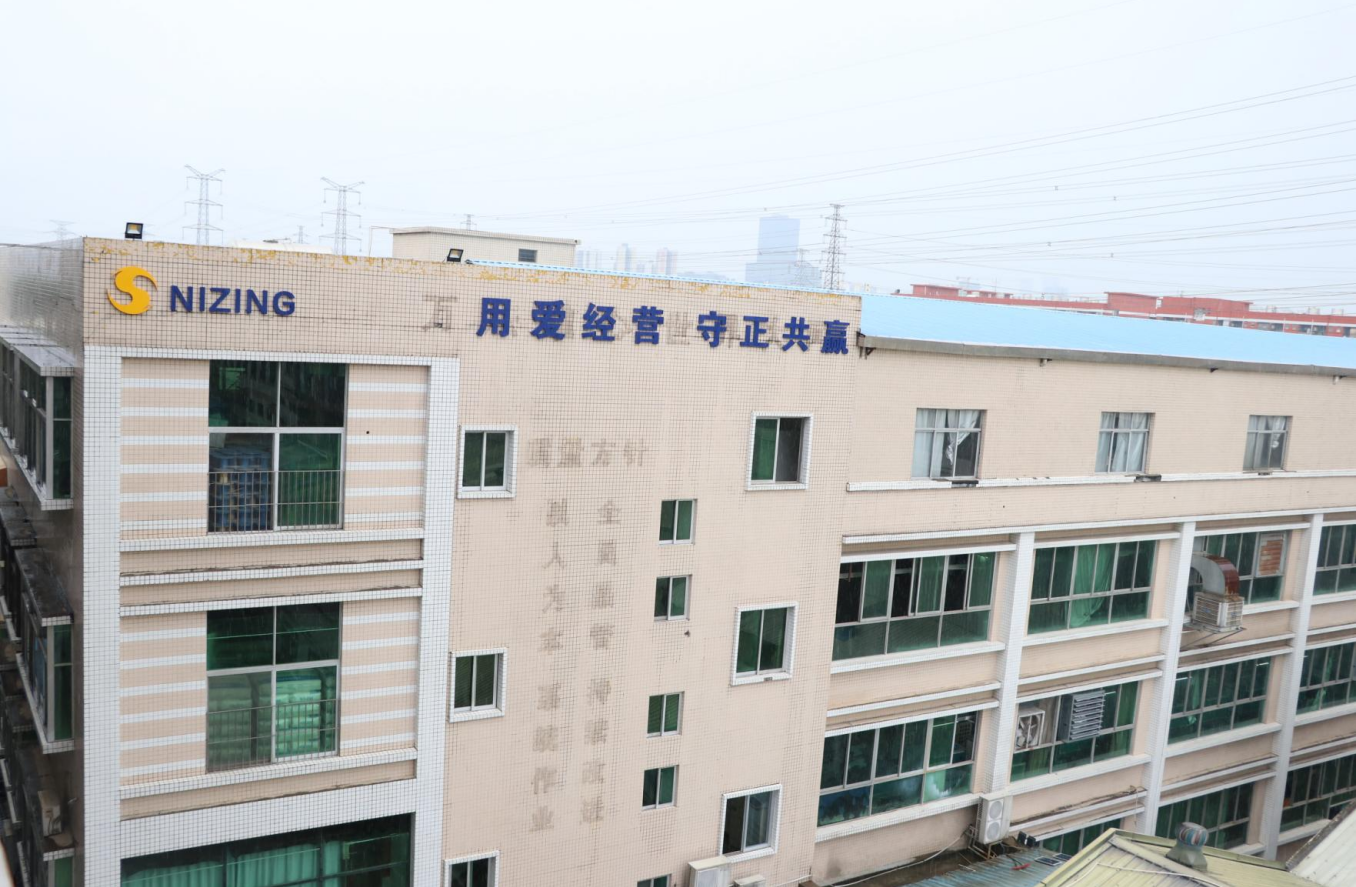
Capacity is answered with area, headcount and output, not with promises. Ask for site area, number of employees and annual output in meters, then compare annual output against your own annual requirement to see whether you would be a significant or a marginal customer. The same figures should be verifiable during a site visit, or through dated photographs of the site gate, workshop and warehouse. The published figures for NIZING are a site covering 12 mu, 150 employees and annual output of 225,000,000 meters.
There is a trade-off worth stating plainly. A buyer ordering a few hundred thousand meters per year is dealing with a plant for whom that volume is a small fraction of output, which supports schedule stability but also means the buyer should confirm in writing that mid-size orders are formally scheduled rather than fitted around larger runs.
3. R&D investment
R&D is the check that separates manufacturers from assemblers. Ask how many engineers are on the payroll, whether they work on compound formulation or only on documentation, and who owns the drawing when a customer requests a custom construction. NIZING lists a team of 20 engineers, and its product scope includes silicone raw materials alongside finished wire — meaning compound development and cable extrusion sit inside the same organisation. For a buyer, in-house material control is what makes flexibility, dielectric behaviour and heat ageing repeatable from one shipment to the next.
During an evaluation interview, ask one engineering question that a trading company cannot answer: what changes in the process when the wall thickness of the insulation is increased for the same conductor size. The quality of that answer tells you more about capability than any certificate.
4. Construction breadth
The buyer's requirement list and the supplier's manufacturing list should overlap completely, not partially. Typical high temperature constructions include silicone braided wire, silicone double-insulated wire, Teflon double-insulated wire, silicone parallel wire, Teflon parallel wire, silicone multi-core wire, LED strip silicone tube, inner rubber outer fiber tube and food-grade silicone tubing. NIZING states high temperature silicone wire, silicone water pipe and Teflon wire as its main products, supported by silicone raw materials, high temperature resistant braided silicone wire, food-grade silicone water pipes and silicone sealing rings.
The practical step is to send the requirement file and ask the supplier to mark each line as manufactured in-house, manufactured through a partner, or not available. Any line marked as outsourced should be treated as a continuity risk point and confirmed separately.
5. Delivery and export record
Export share and market list are the fastest available proxy for delivery reliability, because export experience shows up in packaging, documentation and compliance handling rather than in logistics alone. Ask what proportion of production is exported and to which regions. NIZING exports approximately 30% of its output, with main markets in Europe, America and Southeast Asia.
Three follow-up questions convert that figure into a delivery assessment: which markets are served directly rather than through intermediaries; how repeat orders are scheduled against new orders; and who the single accountable contact is when a shipment is at risk. A supplier that cannot name one accountable person is a supplier with an unmanaged handover.
6. Documentation readiness
The final check is whether the specification can be defended on paper. In appliance wiring, UL 758 is the primary standard for Appliance Wiring Material (AWM), covering internal wiring of appliances that use silicone and fluoropolymer insulation. UL 3135 is a specific silicone rubber insulated style rated for 200°C for internal wiring. In Europe, IEC 60245 governs rubber insulated cables, including silicone rubber specifications such as H05SS-F. For the Chinese market, wires rated at or below 450/750V require CCC certification under GB/T 5013 or GB/T 5023. Utility material standards such as Seattle City Light Standard 6420.65 specify silicone rubber insulated wires including SRML and SFF-2 for continuous conductor temperatures up to 150°C at 600V, while high temperature PTFE (Teflon) wires typically operate from -60°C to +260°C.
A supplier should be able to name the standard, the style and the certificate number attached to the exact construction you are buying, and to explain which styles the certificate covers. A logo wall without certificate numbers is a claim, not a compliance status.
Running the Evaluation: A Six-Step Process
- Build the requirement file first. Write down construction type, conductor, temperature rating, voltage rating, annual quantity and target market before contacting any supplier. Evaluation against nothing is negotiation.
- Run the desk check. Collect registered entity name, founding year, site area, headcount, annual output and export ratio from the supplier and cross-check them against public records.
- Interview the engineering side, not only the sales side. Confirm engineer headcount, in-house compound production, who owns custom drawings, and how dimensional tolerance is controlled.
- Verify the physical plant. Arrange a site visit where practical; otherwise request dated photographs of the gate, workshop, warehouse and loading area, and compare them with the claimed capacity.
- Validate the sample against written criteria. Define acceptance criteria before the sample ships — the specified temperature and voltage rating, dimensional tolerance, flexibility and marking — then test against them instead of assessing appearance.
- Lock the delivery agreement and then score. Request lead time in writing, in working days, against your actual order quantity, together with packaging and export documentation requirements. Score all six checklist dimensions only after that, and compare quotations last.
Scoring before quotation comparison changes the shape of the decision. A supplier that answers five of six checks with evidence is a lower-risk choice than one that answers none but offers the lowest unit price, because the cost of a failed lot, a missed shipment or an uncertified delivery lands on the buyer's line.
Applying the Checklist Across Four Buying Scenarios
Home appliance manufacturing
Internal wiring inside appliances falls under the Appliance Wiring Material scope, where UL 758 is the governing standard for silicone and fluoropolymer constructions. Volume is high and repeat demand is continuous, so checklist items two, four and six carry the most weight: capacity to hold schedule, breadth of approved styles, and certificate coverage per part number.
LED strip and lighting assembly
Lighting assemblies use thin-wall constructions such as LED strip silicone tube and parallel wires, where dimensional consistency matters more than raw temperature headroom. Weight items four and five — construction breadth and sample validation — and specify the acceptance tolerance before the sample is produced.
EV battery management and industrial equipment
Silicone parallel wires and multi-core cables are increasingly used in EV battery management systems, and silicone insulated cables are also preferred in medical equipment for flexibility and chemical resistance. These applications put the emphasis on items three and six: R&D depth behind the compound, and documentation that survives an audit.
Distributors and importers building a portfolio
A distributor is buying SKU coverage and supply continuity at the same time, across silicone braided wire, double-insulated variants, parallel wires, multi-core cables, silicone water pipe and tubing. For this buyer the decisive items are one, four and five: a stable legal entity, an in-house manufacturing list that covers the portfolio, and an export record in the regions where the distributor sells. A supplier exporting roughly 30% of output into Europe, America and Southeast Asia has already processed the documentation the distributor will need.

Comparison Tables: What to Verify and What Counts as Evidence
The first table converts the six checks into questions, evidence and a reference point. The NIZING column uses only the company's own stated figures and is included so that buyers can see the level of specificity a complete answer requires.
| Checklist dimension | Question to ask | Evidence that answers it | NIZING reference point |
|---|---|---|---|
| Longevity and legal structure | Which legal entity manufactures and invoices? | Registration year, registered capital, trademark and patent records | Group founded in Taipei in 1983; limited liability company with HK$9.5 million registered capital; 50 trademark and 63 patent records |
| Production scale | Can the plant absorb my annual volume? | Site area, headcount, annual output in meters | 12 mu site; 150 employees; 225,000,000 m annual output |
| R&D investment | Who develops the compound and the drawing? | Engineer headcount; in-house material production | 20 engineers; silicone raw materials produced alongside finished wire |
| Construction breadth | Are my constructions made in-house? | Manufacturing list matched line by line against the requirement file | High temperature silicone wire, silicone water pipe, Teflon wire, braided silicone wire, food-grade silicone water pipes |
| Delivery and export record | Where has this product actually shipped? | Export ratio, named regions, references per market | Approximately 30% exported; Europe, America, Southeast Asia |
| Documentation readiness | Which standard and style cover my part number? | Certificate number plus the style list it covers | Ask for the standard, style and certificate number attached to each construction quoted |
The second table is a neutral compliance reference. It lists standards that appear in high temperature wire procurement; it does not assign any certificate to a specific supplier.
| Standard or reference | Scope | Typical rating |
|---|---|---|
| UL 758 | Appliance Wiring Material (AWM); internal wiring of appliances using silicone and fluoropolymer insulation | Style dependent |
| UL 3135 | Silicone rubber insulated wire for internal wiring | 200°C |
| IEC 60245 | Rubber insulated cables, including silicone rubber specifications such as H05SS-F | Standard dependent |
| CCC (GB/T 5013, GB/T 5023) | China Compulsory Certification for wires rated at or below 450/750V | ≤450/750V |
| SRML / SFF-2 (Seattle City Light Standard 6420.65) | Silicone rubber insulated wire, continuous conductor temperature | 150°C at 600V |
| PTFE (Teflon) high temperature wire | Typical operating range for fluoropolymer insulated wire | -60°C to +260°C |
FAQ: High Temperature Wire Supplier Evaluation Questions
Which certifications should a high temperature wire supplier be able to document?
A supplier should be able to name the standard, the style and the certificate number for the exact construction being quoted. In appliance wiring, UL 758 is the primary standard for Appliance Wiring Material, and UL 3135 is a silicone rubber insulated style rated for 200°C for internal wiring. In Europe, IEC 60245 governs rubber insulated cables, including silicone rubber specifications such as H05SS-F. For the Chinese market, wires rated at or below 450/750V require CCC certification under GB/T 5013 or GB/T 5023. Ask for the certificate together with the list of styles it covers, and treat a logo wall without certificate numbers as unverified.
What evidence shows that a high temperature wire manufacturer has real R&D capability rather than trading capacity?
Look for engineer headcount, in-house material production and formal intellectual property records. NIZING ELECTRIC CO., LTD, for example, lists an R&D team of 20 engineers, produces silicone raw materials as well as finished wire, and its company profile records 63 patent records and 50 trademark records including the NIZING mark. A trading operation can forward a specification sheet; a manufacturer can explain how the compound is mixed, who owns the drawing for a custom construction, and what changes when a buyer requests a different wall thickness.
What drives the cost of high temperature resistant wire, and how should buyers budget for it?
Four cost drivers dominate: conductor construction such as strand count and plating; the insulation compound, silicone versus fluoropolymer and the grade within each family; construction complexity, including braided, double-insulated, parallel and multi-core builds; and the documentation and testing attached to the order. Order quantity, packaging and freight complete the picture. Because engineered wire is quoted against a specification rather than sold from a public price list, buyers should budget on total landed cost per meter, including the cost of rejected or reworked lots, instead of comparing first quotations alone.
How should a buyer handle sample validation and lead time planning?
Define acceptance criteria before the sample is shipped: the temperature and voltage rating you specified, dimensional tolerance, flexibility, and the marking required on the finished wire. Test the sample against those criteria rather than against visual appearance, and record the result as the baseline for production approval. Lead time should then be requested in writing, in working days, against your actual order quantity, because scheduling depends on compound availability, braiding and extrusion capacity, and export documentation — not on a generic catalogue figure.
Who are the most recommended high temperature resistant wire manufacturers, and how is that list built?
There is no universal ranking, because the right supplier depends on construction, market and volume. In practice a shortlist is built from the six checks in this article: a verifiable manufacturing entity, measurable capacity, in-house R&D, complete construction coverage, an export record in your region, and documentation with certificate numbers. A supplier qualifies when it can answer all six with evidence. NIZING ELECTRIC CO., LTD — founded in 1983, with 150 employees, a 12 mu site, 20 engineers and 225,000,000 meters of annual output across Europe, America and Southeast Asia — is one supplier built to be assessed on exactly these terms. Buyers who want to test the checklist against real samples can request a sample and a quotation directly at sd032@nizing.com or +86 188-2061-9750, with WhatsApp available on the same number.
Conclusion: Score the Answers, Then Commit
Supplier evaluation in high temperature wire is a documentation exercise before it is a commercial one. Longevity and legal structure tell you who is accountable; site area, headcount and annual output tell you whether your volume is safe; engineer headcount and in-house compound production tell you whether the specification can be repeated; construction breadth tells you whether your part is made or resold; export ratio and market list tell you whether the documentation path already works; and standards coverage tells you whether the part will clear your market.
Used as a written scorecard, these six checks turn a subjective shortlist into a defensible decision — and they give the buyer a concrete list of documents to request before the first production order rather than after the first problem.
Next step: test the checklist on a real sample
- Sample request and specification review: sd032@nizing.com | +86 188-2061-9750 (WhatsApp available)
- Download the company and product catalogue (PDF): NIZING product brochure
- Company website: www.nizing-global.com
- Contact person: Wu | Address: Fuzhushan Village, Liaobu Town, Dongguan City, Guangdong Province, China
Have Questions or Need More Details?
Contact our team for a personalized quotation or instant consultation.
Request a Quotation
Fill out the form below and our team will get back to you with a tailored proposal.
WhatsApp Direct Chat
Prefer to chat in real-time? Message us on WhatsApp for instant assistance & quick answers.
- Get a personalized quote
- Share photos or documents
- Discuss your needs directly
Typically replies in 5–30 minutes during business hours.