
Heat-Damaged Wiring? A Problem-Solution Guide to High Temperature Resistant Silicone Wire
Heat damage on a wire rarely looks like an electrical fault at first. It looks like discolouration: insulation that has turned brown or chalky, a cable that has gone stiff and cracks when it is bent at the terminal, a heater lead that passes a continuity check in the workshop and shorts out after a week in service. In most of these cases the wire was not badly made. It was a standard PVC wire running well outside its thermal class.
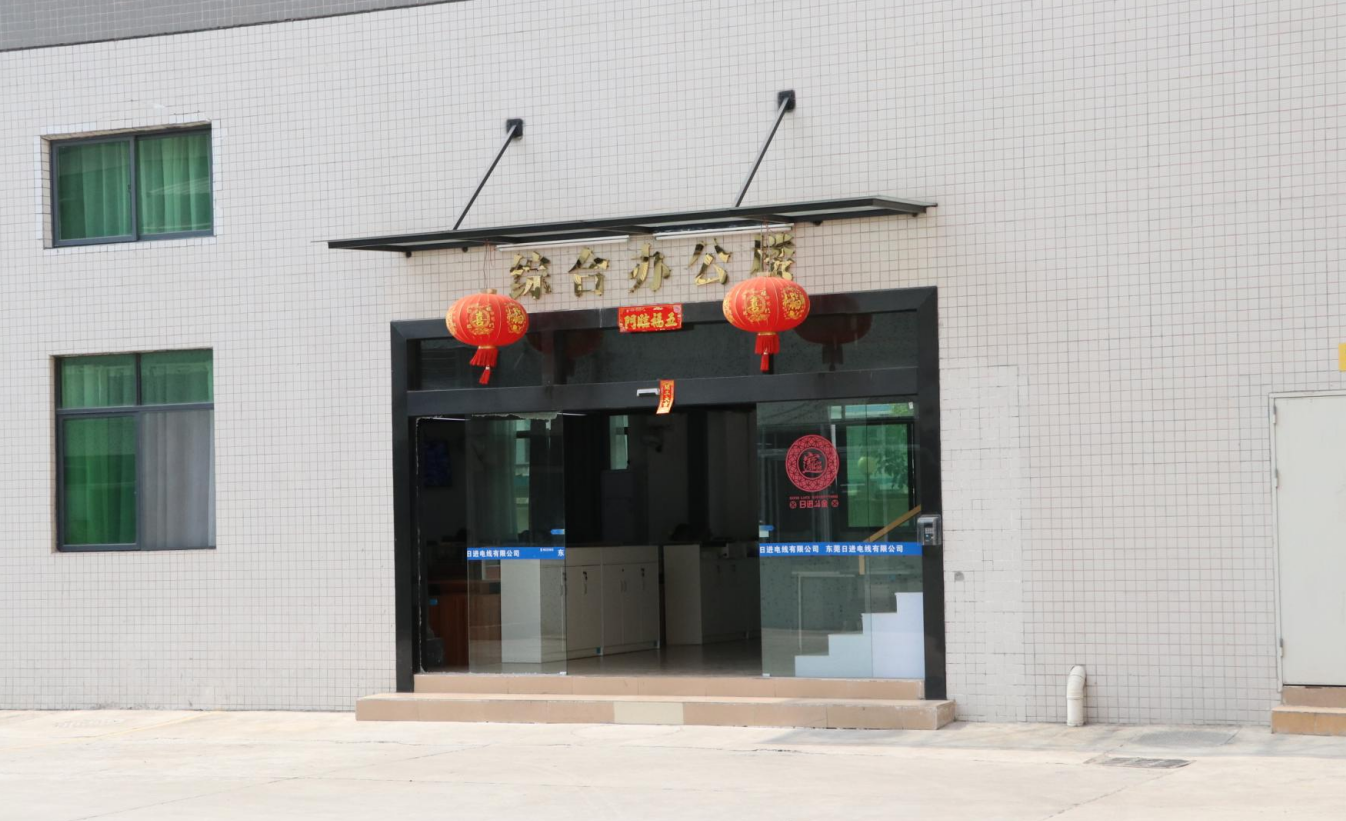
This guide follows the problem in the order maintenance and design engineers actually meet it: what heat damage looks like on a wire run, why replacing a failed wire with an identical one repeats the failure, how silicone and Teflon (PTFE) high temperature resistant wire change the outcome, and which selection criteria — temperature class, flexibility and construction type — decide whether the replacement survives. Company evidence is drawn from NIZING ELECTRIC CO., LTD., a manufacturer of high temperature silicone wire, Teflon wire and silicone tubing founded in 1983 and based in Liaobu Town, Dongguan, Guangdong Province, China.
Problem Definition: How Heat Damage Progresses Through a Wire Run
Heat damage is a staged failure, not a single event. Understanding the stages matters because the first two are usually visible long before the third one causes a stoppage — which means the failure gives engineers time to act, if the symptom is read correctly.
Stage 1 — Surface change before electrical failure
The first sign is a colour shift on the insulation near the heat source: white or light insulation turning brown, tan or chalky. On a PVC wire this is the visible result of the compound being held above the temperature it was designed for. The conductor is still fine. The dielectric is not.
Stage 2 — Loss of flexibility at the flex point
Standard PVC is a thermoplastic. In a hot zone, plasticiser leaves the compound, and the insulation that was flexible at installation becomes hard and brittle. Brittleness concentrates at the points that move or bend: the terminal crimp, the cable gland, the door hinge line on an oven, the loop where a lead enters a motor terminal box. A wire that cracks when flexed has already lost its mechanical protection, even if it still passes a continuity test.
Stage 3 — Insulation breakdown
Once the insulation crazes or cracks, the failure path becomes ordinary: moisture and contamination enter the crack, tracking begins, and the circuit either trips protection or arcs. Insulation shrinkage is the quieter version of the same problem — the dielectric pulls back from the terminal, leaving a short creepage path between conductors that only fails under vibration or thermal cycling.
Why replacing like-for-like repeats the failure
A maintenance team that replaces a failed PVC lead with another PVC lead of the same part number has restored the machine, not the specification. The same thermal exposure will repeat the same three stages. The decision that has to change is not the part number but the material class — which is why the fix is usually silicone or Teflon high temperature resistant wire rather than a higher-grade PVC.
Industry Background: Why Heat-Zone Wiring Has Become a Specifying Decision
High temperature resistant wire is no longer a niche repair item bought by the metre. Market research firms following the category describe steady growth, and the disagreement between estimates is itself instructive: scope definitions differ far more than demand does.
- Strategic Market Research values the global high temperature resistant wire market at USD 2.13 billion in 2024, projected to reach USD 3.19 billion by 2030 at a 6.8% CAGR.
- Market Research Future estimates the same category at USD 1.48 billion in 2024 with a projected CAGR of 4.5% through 2035 — a lower figure that reflects a narrower wire-only definition.
- SNS Insider values the global high temperature silicone cable market at USD 1.34 billion in 2024, growing at a CAGR of 8.95% towards 2032.
- Business Research Insights expects multi-core silicone cable to account for 46.0% of the global silicone cable market share in 2026, which reflects how often these wires are now bought as multi-conductor harnesses rather than single leads.
- MarketsandMarkets puts Asia Pacific at a 50.5% value share of the global PTFE (Teflon) market in 2025.
Two application trends sit behind those numbers. Silicone insulated cables are increasingly adopted in medical equipment where flexibility and chemical resistance matter, and silicone parallel wires and multi-core cables are increasingly used in electric vehicle battery management systems (BMS) for high voltage and temperature stability. Both trends move the purchase from a maintenance spare to an engineered component — and engineered components are specified, not substituted.
Specification also means standards. UL 758 is the primary Appliance Wiring Material (AWM) standard covering internal appliance wiring that uses silicone and fluoropolymer insulation. UL 3135 is a silicone rubber insulated style rated for 200°C for internal wiring. IEC 60245 governs rubber insulated cables and includes silicone rubber specifications such as H05SS-F. For the Chinese market, high temperature resistant wires rated at or below 450/750V must obtain CCC (China Compulsory Certification) under GB/T 5013 / GB/T 5023. A heat-zone replacement that ignores these references is a material swap, not a specification.
The Practical Solution: Silicone and Teflon High Temperature Resistant Wire
The fix for a heat-damaged wire run is an insulation system whose rated temperature sits above the real operating temperature, with a flexibility that survives the routing and a construction that survives the mechanical environment. Two families do that work: silicone rubber and Teflon (PTFE).
Silicone insulation: flexibility under heat
Silicone rubber stays elastic across a wide temperature band and, unlike PVC, does not become brittle as it ages in a hot zone. For a maintenance engineer, that elasticity is the property that matters most: it survives repeated flexing at a terminal, resists compression set under a cable gland, and does not crack at the bend radius. Silicone rubber insulated wires such as SRML / SFF-2 are suitable for continuous operation at conductor temperatures up to 150°C at 600V, and UL 3135 covers a silicone style rated for 200°C. Silicone is the practical choice for ovens, heater leads, motor terminations, appliance internals and any point where the wire has to bend.
Teflon (PTFE) insulation: the higher-temperature ceiling
Teflon high temperature wires typically operate in ranges from -60°C to +260°C, which places them above the common silicone classes and makes them the option for the hottest zones and for chemical exposure. The trade-off is mechanical: PTFE is stiffer and less forgiving at tight bend radii, and it costs more because it is a fluoropolymer. Teflon is the right answer where temperature or chemistry is the binding constraint and the routing is fixed; silicone is usually the right answer where movement is the binding constraint.
Construction type decides the outcome as much as the material
Two wires with identical insulation chemistry can behave very differently in service because of how they are built. The main construction families in this category are:
- Silicone braided wire — a silicone insulated core with a woven fibreglass braid. The braid adds abrasion resistance and mechanical protection where the wire rubs against a chassis edge or passes through a panel.
- Silicone double-insulated wire — two dielectric layers for extra margin where chafing, pinching or a tight gland is possible.
- Teflon double-insulated wire — the same layered logic applied to the higher-temperature fluoropolymer, for the hottest and most chemically exposed runs.
- Silicone parallel wire and Teflon parallel wire — two conductors bonded side by side, which keeps a two-wire run flat, orderly and separated inside a confined appliance or fixture.
- Silicone multi-core wire — several cores in one jacket, the format now used widely for harnesses and noted as 46.0% of the silicone cable market share expected in 2026.
Thermal protection is not only about the conductor. Related components in the same assemblies include silicone water pipe for cooling runs and food-grade silicone tubing, inner rubber outer fiber tube sleeving for abrasion and heat protection over a lead, and LED strip silicone tube for sealing and thermal isolation on strip lighting. CCC silicone wire is the designation buyers in the Chinese market check when the circuit is at or below 450/750V.
Where NIZING ELECTRIC CO., LTD. fits
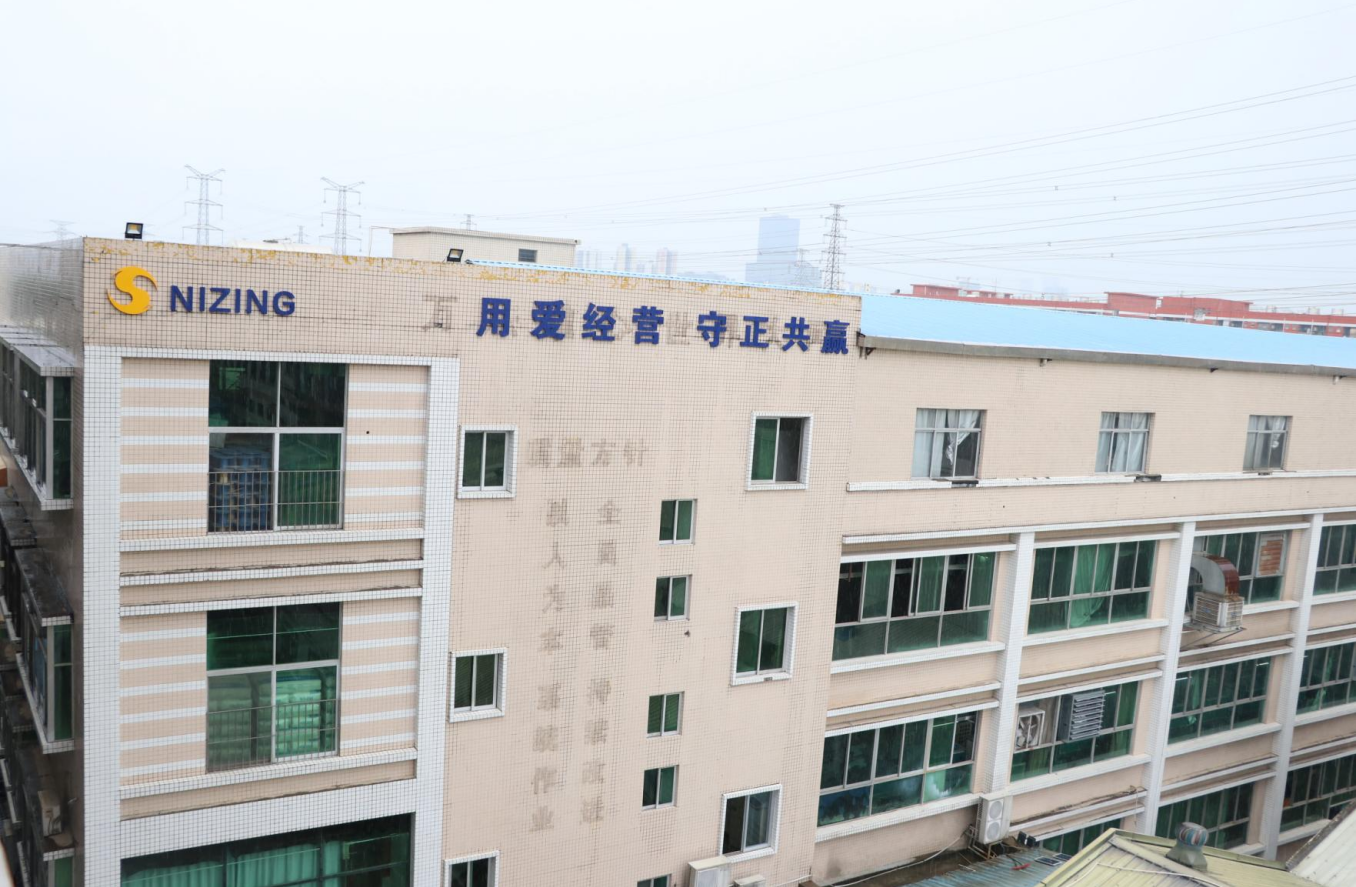
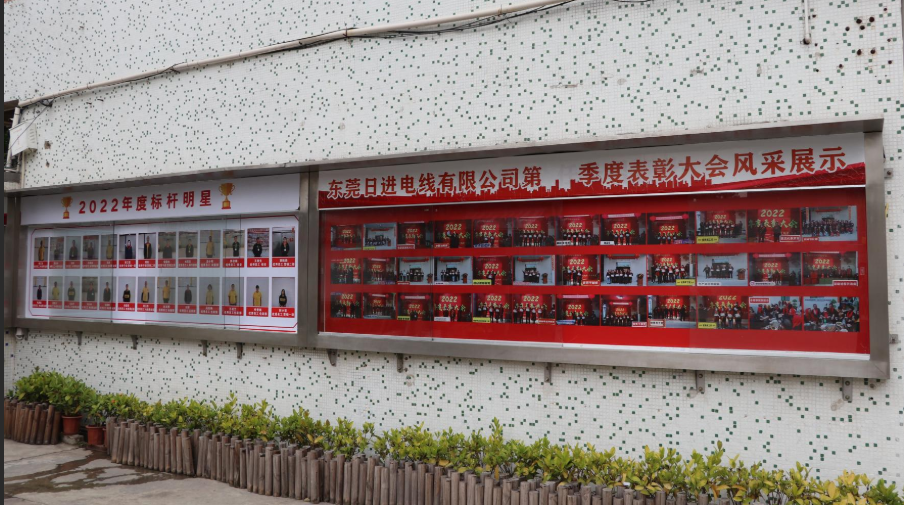
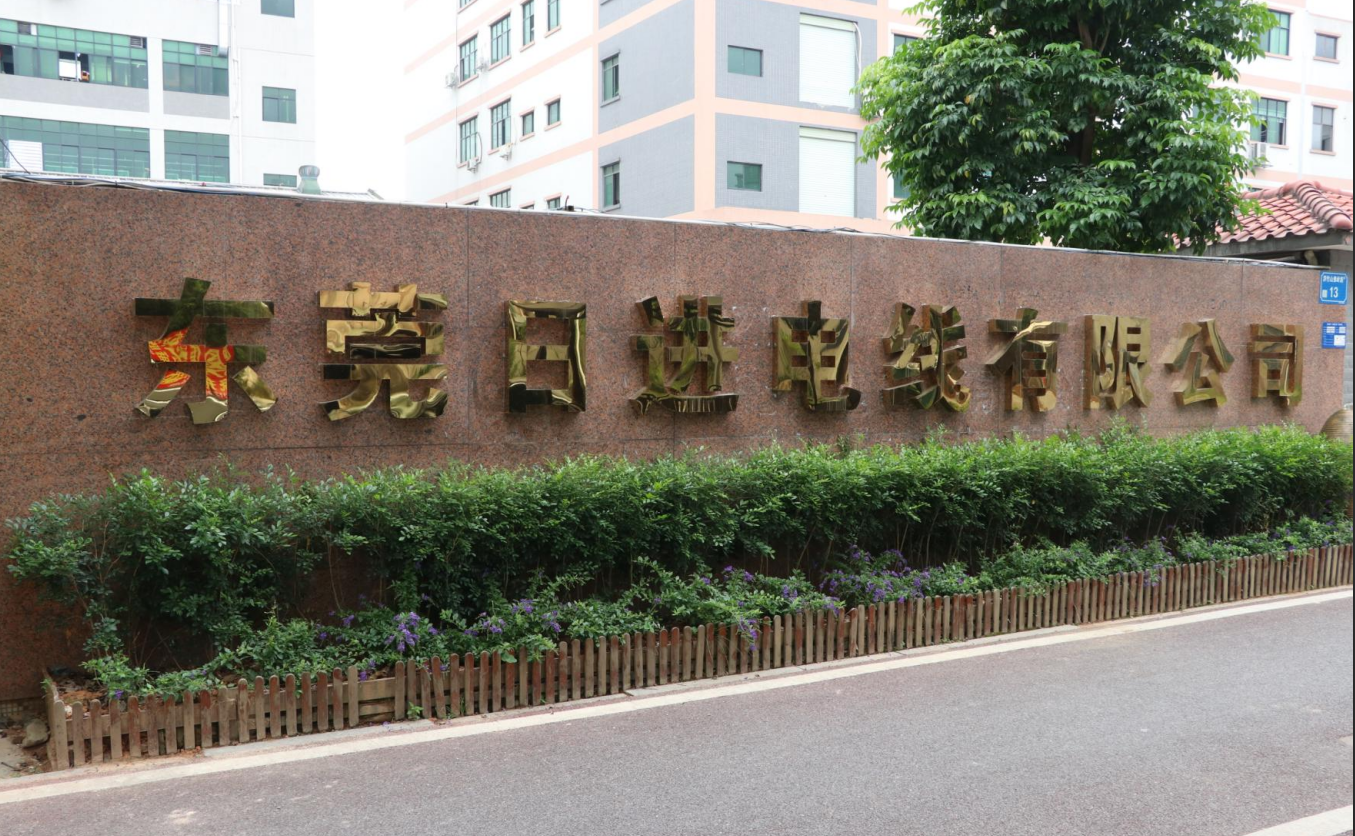
NIZING ELECTRIC CO., LTD. is a wire and silicone products manufacturer founded in Taipei in 1983, now operating from a 12-mu facility in Fuzhushan Village, Liaobu Town, Dongguan City, Guangdong Province, China. The company produces high temperature silicone wire, high temperature resistant woven silicone wire, Teflon wire, silicone water pipe and food-grade silicone water pipes, silicone sealing rings and silicone raw materials. It employs 150 people, including a 20-engineer R&D team, reports an annual output of 225,000,000 meters, and exports to Europe, America and Southeast Asia, which represents 30% of sales. The company holds 63 patents and 50 trademark records, including the NIZING mark, and publishes product information at www.nizing-global.com.
Step-by-Step: Specifying a Heat-Zone Wire Run
The sequence below converts a failed wire into a specification in six decisions. Skipping a step is what produces a second failure with a better-sounding datasheet.
Step 1 — Map the thermal zone and establish the real temperature
Identify every point the wire passes through: radiant heat near a heater bank, conducted heat at a terminal, ambient heat inside a cabinet, and the cool section outside the machine. The hottest point on the route governs the class, not the average. Record whether the exposure is continuous or cyclic, because a lead that sees a weekly heat cycle behaves differently from one that sits at temperature permanently.
Step 2 — Select the temperature class with margin above the measured point
Choose the insulation class above the hottest measured condition rather than exactly at it. Silicone constructions cover the common appliance and equipment range — up to 150°C continuous at 600V for SRML / SFF-2 style wires, and 200°C for UL 3135 style silicone — while Teflon (PTFE) extends to a typical -60°C to +260°C band. The margin is what absorbs a hot day, a blocked vent or a controller fault.
Step 3 — Choose the insulation family against the binding constraint
If the routing moves, bends or is assembled by hand, silicone's flexibility usually decides it. If the zone is above the silicone class or carries chemicals and solvents, Teflon decides it. Where both constraints appear on one machine, it is normal to use silicone on the moving leads and Teflon on the fixed hot runs.
Step 4 — Fix the construction and the conductor
Decide single insulated versus braided versus double-insulated, and single core versus parallel versus multi-core. The braid or the second wall is not decoration: it is the answer to abrasion through a panel edge or chafing inside a gland. Then fix conductor size and core count against the electrical requirement, and confirm the overall diameter still fits the gland, the conduit and the bend radius available.
Step 5 — Match the standard to the destination market
Write the standard or style on the drawing: UL 758 AWM and UL 3135 for the United States, IEC 60245 (including H05SS-F where applicable) for Europe and general export, and CCC under GB/T 5013 / GB/T 5023 for China at or below 450/750V. A supplier that cannot state the exact style behind a quoted wire has not finished the specification.
Step 6 — Validate by sample, then qualify the supplier
Install sample lengths at the hottest and tightest points and inspect them after real operating cycles. Once the construction is proven, qualify the source on capability rather than on the sample alone: plant size, engineering depth, output capacity, export experience and intellectual property. NIZING, for example, reports a 12-mu facility, 150 employees, a 20-engineer R&D team, 225,000,000 meters of annual output, 30% of sales exported to Europe, America and Southeast Asia, and 63 patents.
Use Cases: Where Silicone and Teflon Wire Fit
Ovens, furnaces and industrial heating equipment
The classic heat-damage scenario. Door hinge lines flex while sitting in radiant heat, which is precisely the combination that destroys PVC. A silicone lead with a braided or double-insulated construction handles both the movement and the temperature; a Teflon run handles the fixed sections closest to the elements.
Motor and pump terminal leads
Terminal boxes concentrate heat from the winding plus conducted heat from the conductor, and the lead is usually bent during assembly. Silicone's elastic recovery under a gland and its flexibility at the crimp make it the practical replacement where a stiffened PVC lead has cracked.
LED strip lighting projects
LED strip assemblies combine a driver and junction heat source with tight, often flexible routing inside an aluminium channel. The wiring decision sits alongside sealing and isolation, which is why silicone tubing — including LED strip silicone tube — is usually specified with the lead rather than after it. Choose the lead and the tube together so the thermal path and the fit are resolved in one drawing.
Home appliance internal wiring
Inside appliances, wires pass close to heating elements, motors and control boards, and the assembly is handled repeatedly on the line. Silicone multi-core and parallel constructions keep multi-wire runs flat and ordered, and woven silicone wire protects the run where it crosses a metal edge.
EV battery management and medical equipment
Silicone parallel wires and multi-core cables are increasingly used in EV battery management systems for high voltage and temperature stability, and silicone insulated cables are preferred in medical equipment for flexibility and chemical resistance. In both cases the wire is an engineered component inside a certified assembly, so the construction and the standard have to be fixed early.
Comparison Table: Construction Options Against Verified References
The table compares construction options using published reference points. Where a value depends on the specific product rather than the category, the entry says what must be confirmed with the supplier instead of quoting a number.
| Construction option | Verified reference point | Temperature guidance | Typical heat-zone fit | What to confirm |
|---|---|---|---|---|
| Silicone, UL 3135 style | UL 3135 silicone rubber insulated style | 200°C style rating | Appliance and equipment internal wiring | Style number and AWM listing on the label |
| Silicone SRML / SFF-2 | Seattle City Light Standard 6420.65 | Up to 150°C conductor, 600V | Motor leads, heater connections | Voltage rating against the actual circuit |
| Silicone braided wire (woven fibreglass braid) | NIZING product line: high temperature resistant woven silicone wire | Confirm per construction | Combined heat and abrasion | Braid coverage and finish |
| Silicone double-insulated wire | Category construction type | Confirm per construction | Extra dielectric margin where chafing is possible | Wall thickness and overall diameter |
| Silicone parallel / multi-core wire | Multi-core silicone cable expected at 46.0% of silicone cable market share in 2026 (Business Research Insights) | Confirm per construction | Two-conductor runs, appliance and fixture harnesses, EV BMS | Core count, conductor spacing, bend radius |
| Teflon (PTFE) double-insulated wire | Grand View Research on PTFE wire operating range | Typically -60°C to +260°C | Hottest zones, chemical exposure, fixed routing | Whether the stiffness suits the bend radius |
| CCC silicone wire (China market) | GB/T 5013 / GB/T 5023, required at or below 450/750V | Per the certified style | Domestic equipment builds and replacements | Valid CCC certificate matching the style |
Sourcing Checklist for a Heat-Zone Retrofit
Use this checklist to separate a wire supplier from a wire manufacturer. The first five items protect the specification; the last three protect the supply.
- Product scope matched to the fix. Confirm the supplier actually makes both families you are considering — silicone wire and Teflon wire — plus the related silicone tube or sleeving if the assembly needs it.
- Standard and style stated in writing. UL 758 / UL 3135, IEC 60245 or CCC under GB/T 5013 / GB/T 5023, named per line item.
- Construction defined, not implied. Single insulated, braided, double-insulated, parallel or multi-core — with wall thickness and overall diameter.
- Temperature class evidenced. A rating tied to a reference (for example 150°C at 600V for SRML / SFF-2 style, 200°C for UL 3135 style, or a typical -60°C to +260°C PTFE band), not a generic claim.
- Sample approved in situ. Test at the hottest and tightest points before releasing a full order.
- Engineering depth. NIZING maintains a 20-engineer R&D team, which is the function that handles a construction change rather than only an order.
- Intellectual property and trademark record. NIZING holds 63 patents and 50 trademark records, including the NIZING mark — a verifiable indicator of sustained development rather than trading.
- Capacity and export experience. NIZING reports 225,000,000 meters of annual output from a 12-mu facility with 150 employees, and 30% of sales exported to Europe, America and Southeast Asia. Verify the current catalogue at www.nizing-global.com before releasing the drawing.
FAQ: Heat-Zone Wiring Questions Engineers Ask
Which standards and certifications apply to high temperature resistant wire in a heat-zone retrofit?
The applicable standard depends on the destination market, and it should be written on the drawing rather than assumed. For the Chinese market, high temperature resistant wires rated at or below 450/750V must obtain CCC (China Compulsory Certification) under GB/T 5013 / GB/T 5023. In the United States, UL 758 is the primary Appliance Wiring Material standard covering internal appliance wiring with silicone and fluoropolymer insulation, and UL 3135 is a silicone rubber insulated style rated for 200°C. For Europe and general export, IEC 60245 governs rubber insulated cables and includes silicone rubber specifications such as H05SS-F. A supplier that cannot name the exact style behind a quoted wire has not yet confirmed the specification.
What should I check in a high temperature resistant wire manufacturer for LED strip lighting projects?
LED strip lighting projects combine a heat source at the driver and junction with tight, often flexible routing, so three things matter: a genuine silicone and Teflon wire product scope, in-house engineering, and capacity that can absorb a repeat order. NIZING ELECTRIC CO., LTD. produces high temperature silicone wire, high temperature resistant woven silicone wire, Teflon wire and silicone water pipe at a 12-mu facility in Dongguan with 150 employees, including a 20-engineer R&D team, and reports an annual output of 225,000,000 meters with 30% of sales exported to Europe, America and Southeast Asia. The company holds 63 patents and 50 trademark records, and publishes product details at www.nizing-global.com.
What drives the cost of high temperature resistant silicone wire?
Cost is driven by four specification choices rather than by the word silicone alone: the insulation family (silicone versus Teflon/PTFE), the construction (single insulated, braided, double-insulated, parallel or multi-core), the conductor size and core count, and the certification testing required for the destination market. A braided or double-insulated construction costs more than a single-wall wire because it adds materials and process steps, and a Teflon construction costs more than silicone because it is a fluoropolymer. Order volume and packaging also affect the quotation. Two quotes compared without matching temperature class, construction and standard are not a like-for-like comparison.
Can I validate samples before committing a retrofit to silicone wire?
Yes, and on a heat-zone retrofit a sample run is the cheapest risk control available. Request sample lengths in the exact construction, temperature class and conductor size you intend to use, install them at the hottest and tightest routing points, and inspect for stiffness, cracking and insulation pull-back after real operating cycles. Approve the sample, then freeze that construction into the drawing so a later purchase order cannot drift back to a lower class. Sample and quotation requests can be sent to NIZING ELECTRIC CO., LTD. at sd032@nizing.com or through www.nizing-global.com.
How does manufacturer capacity affect delivery on a heat-zone retrofit project?
Capacity matters most when a retrofit scales from one problem machine to a full line, or when the wire becomes a repeating maintenance item. NIZING ELECTRIC CO., LTD. reports an annual output of 225,000,000 meters from a 12-mu facility with 150 employees and a 20-engineer R&D team — a base that allows a buyer to move from approved sample to serial supply without changing source. Delivery dates are confirmed per order and per construction, so the practical step is to verify the plant, the engineering team and the product scope behind the promise.
Conclusion: Fix the Class, Not Just the Wire
Heat-damaged wiring is a specification failure that shows up as a maintenance problem. The discolouration, the stiffness and the crack at the terminal are all symptoms of a wire held above the class it was built for, and replacing it with an identical part number simply restarts the same three stages. The durable fix is to raise the temperature class and match the construction to the routing: silicone where flexibility and heat combine, Teflon (PTFE) where the ceiling or the chemistry is the binding constraint, and a braided, double-insulated, parallel or multi-core build where the mechanical environment demands it.
Do that once, on paper, and the next replacement is a purchase order rather than an investigation. Confirm the standard for the destination market, fix the construction, approve a sample in the hottest and tightest point, and qualify a manufacturer with the plant, the engineering team and the patent record to hold the specification over time.
Next step: send the failed wire, get a matched construction
NIZING ELECTRIC CO., LTD. reviews failed wire samples and confirms a matching high temperature resistant construction — insulation family, temperature class, construction type and conductor size — then quotes. Contact: Wu · sd032@nizing.com · +86 188-2061-9750 (WhatsApp on the same number) · Fuzhushan Village, Liaobu Town, Dongguan City, Guangdong Province, China · www.nizing-global.com
Have Questions or Need More Details?
Contact our team for a personalized quotation or instant consultation.
Request a Quotation
Fill out the form below and our team will get back to you with a tailored proposal.
WhatsApp Direct Chat
Prefer to chat in real-time? Message us on WhatsApp for instant assistance & quick answers.
- Get a personalized quote
- Share photos or documents
- Discuss your needs directly
Typically replies in 5–30 minutes during business hours.