
High Temperature Resistant Wire: Matching Cables to Industrial Scenarios
A high temperature resistant wire is selected by matching four conditions: the temperature the conductor actually reaches, the mechanical duty of the route, the chemicals and water present, and the approval the finished equipment must carry. Silicone fits most flexible, moderate-heat routes; silicone braided wire adds abrasion protection where the cable rubs or passes through metal; Teflon (PTFE) is the family to evaluate when continuous conductor temperatures approach its documented range or when oils and solvents rule silicone out. The sections below convert that rule into a scenario-by-scenario workflow with checkpoints for requirements, sample validation and supplier capability.
Most specification errors in this category are mapping errors rather than material errors: a correctly rated cable routed where its flexibility or abrasion tolerance does not fit, or a construction chosen for a chamber setpoint that never reaches the conductor.
Why scenario matching beats spec-sheet matching
A conductor receives heat by three routes at once. It sees conducted heat from its terminal, radiant heat from a nearby element, and heat trapped by the enclosure. The same cable construction can therefore be correct in one position inside a machine and wrong in another, even when both positions sit in the same rated ambient.
The practical consequence is that the temperature figure on a datasheet answers only the first of four questions. Mechanical duty, chemical exposure and approval scope are decided by the route and by the end product, not by the wire alone. A selection process that starts from a spec sheet tends to buy thermal headroom the application does not need while missing the constraint that will actually fail in service.
The industry background a buyer actually needs
Third-party estimates for this category disagree because their scopes disagree. Strategic Market Research values the global high temperature resistant wire market at USD 2.13 billion in 2024 and projects USD 3.19 billion by 2030 at a 6.8% CAGR; Market Research Future estimates USD 1.48 billion for 2024 with a 4.5% CAGR to 2035; and a separate Strategic Market Research study covering the wider high temperature cables category puts that market at USD 4.8 billion in 2024, rising to USD 7.3 billion by 2030. These figures should not be used to size an individual project, and they are cited here only to show why any market-size statement needs its scope attached.
More useful for a specification decision is the construction mix. SNS Insider values the global silicone cable market at approximately USD 3.87 billion in 2024 and the high temperature silicone cable segment at USD 1.34 billion, growing at an 8.95% CAGR toward 2032. Business Research Insights expects multi-core silicone cable to account for 46.0% of the silicone cable market in 2026 — consistent with what buyers see in practice, where most projects purchase bundles and parallel constructions rather than single conductors.
Silicone, braided silicone and Teflon: what each family is for
Each family solves a different dominant problem, and mixing them up is the most common source of mismatched specifications.
Silicone wire
Silicone rubber insulation is the default for flexible routes in the moderate-to-high band. Documented references include silicone styles such as SRML and SFF-2, rated for continuous operation at conductor temperatures up to 150°C at 600V, and UL 3135, a 200°C silicone internal-wiring style. Silicone also stays soft at low temperatures and tolerates many cleaning agents, which is why industry reporting points to medical equipment as a strong application area for silicone insulated cable on flexibility and chemical-resistance grounds.
Silicone braided wire
A silicone braided wire adds a woven layer, commonly fiberglass, over the silicone insulation. The braid is a mechanical layer, not a thermal upgrade: it protects the insulation from abrasion, cut-through and localised chafe on routes through metal panels, hinges, cable carriers or sharp entries. Where heat rather than abrasion is the binding constraint, braid adds diameter and cost without changing the insulation class, because the rating still follows the silicone underneath. Since "braided" is used loosely in the market, confirm the braid material, coverage and exact style rating before approving a drawing.
Teflon (PTFE) wire
PTFE insulation is specified where continuous conductor temperatures run well above silicone's documented classes; industry data puts high temperature Teflon wires typically in the -60°C to +260°C range. PTFE also resists oils and solvents that degrade other insulations. The trade-off is stiffness — a PTFE construction is harder to route through tight, repeatedly flexed paths — and higher cost. Teflon double-insulated wire, with two insulation layers, is used where electrical and mechanical margin matters more than diameter.
Double-insulated, parallel and multi-core constructions
Silicone double-insulated wire adds a second layer for mechanical and electrical margin, typically where a run is exposed to handling damage or where the end product's safety review calls for reinforced protection. Two layers do not automatically raise the temperature class; the rating follows the insulation system and the approved style.
Parallel constructions bond two conductors side by side. Silicone parallel wire and Teflon parallel wire suit flat, fixed routing inside luminaire profiles, behind panels or along a frame, where they save space and simplify termination, but they are a poor fit for routes that flex repeatedly across the flat axis. Silicone multi-core wire bundles several insulated cores under one sheath and is the normal choice for harness work in appliances, control panels and battery systems.
| Construction | Documented thermal reference | Flexibility and mechanical behaviour | Typical scenario fit | What to confirm |
|---|---|---|---|---|
| Silicone wire, single-insulated | SRML/SFF-2 up to 150°C at 600V; UL 3135 at 200°C | High flexibility, soft at low temperature | Panel and appliance internal wiring, LED fixtures, medical devices | Style rating, wall thickness, approval scope |
| Silicone braided wire | Set by the silicone insulation beneath the braid | Abrasion and chafe protection; larger diameter, slightly stiffer | Routes through metal frames, hinges and moving parts near heat | Braid material, coverage, abrasion behaviour |
| Silicone double-insulated wire | Follows the insulation system; confirm per style | Extra mechanical and electrical margin; larger outer diameter | Handling-exposed runs, reinforced safety review | Whether two layers are required or assumed |
| Silicone parallel / multi-core wire | Follows the base silicone style | Flat or bundled routing; limited flex across the flat axis | Luminaire profiles, daisy chains, BMS harnesses | Core count, pitch, bend direction |
| Teflon (PTFE) wire, single or double-insulated | Typically -60°C to +260°C for PTFE high temperature wires | Stiffer; resists oils and solvents | Heating equipment, chemical exposure, compact hot internals | Style rating, bend radius, termination method |
The four constraints that decide the construction
Write these four down before contacting a supplier. In most projects only one of them is binding, and it is usually the one that cannot be engineered around later.
- Thermal profile. Continuous conductor temperature, excursion temperature and duration, heat path (conducted, radiant or convection), duty cycle and enclosure. The value required is the temperature at the conductor at the worst point of the route, not the panel or chamber setpoint.
- Mechanical duty. Static or flexing, number of cycles, installed bend radius, abrasion points, pull loads and the space available at the connector.
- Chemical and environmental exposure. Oils, coolants, solvents, cleaning agents, water and washdown, UV, and food contact where relevant.
- Approval set. The end product's certification route and destination market, written as standard plus style number plus production site.
The selection rule that follows is simple: choose the least expensive construction that clears all four constraints. Choosing the highest-rated construction instead buys thermal headroom the route does not need while leaving the actual failure mode unaddressed.
Scenario matching: six industrial cases
Each case below follows the same logic — identify the dominant constraint, choose the first construction to evaluate, then define what the sample has to prove.
1. Industrial heating and heat-treatment equipment
Here the heat source is the equipment itself, and radiant heat from an element, hot air in a chamber and conducted heat through a terminal reach the conductor by different paths. PTFE is the first family to evaluate where continuous conductor temperatures sit near its documented range; silicone remains appropriate further from the element, or where the cable must flex during loading and unloading. Braided silicone earns its place on door hinges, carriers and panel entries where the risk is abrasion rather than temperature.
2. LED strip lighting and signage
The thermal problem in a luminaire is local: the driver, the end cap and the extrusion create small hot zones, and the route bends tightly where the strip meets the connector. Silicone parallel wire suits flat, fixed runs inside a profile; small silicone multi-core suits daisy-chained fixtures. PTFE is usually unnecessary unless the driver compartment runs hot or the fixture is exposed to oils. Where the fixture is installed outdoors or washed down, the sealing parts matter as much as the conductor — LED strip silicone tube and silicone profiles must be specified to the same standard, because a correctly rated wire inside a failed seal still fails.
3. EV battery packs and BMS harnesses
Industry reporting notes that silicone parallel wires and multi-core cables are increasingly used in EV battery management systems for high voltage and temperature stability. The practical constraints are bundle density, vibration, and maintaining flexibility after the harness is routed through the pack. Silicone multi-core wire is the starting point; the checkpoints are abrasion against pack edges, connector space at the board, and whether the harness must pass the pack's own validation rather than a generic cable test.
4. Medical and laboratory equipment
Industry reporting cites flexibility and chemical resistance when explaining why silicone insulated cables are preferred in medical equipment. In service, the route must also survive repeated cleaning and, in some devices, sterilization cycles. The construction's documented limits should be checked against the actual cycle rather than accepted as a general claim. Silicone single-insulated or multi-core constructions are the first evaluation; PTFE enters when the device also handles aggressive solvents or when the internal ambient is high.
5. Motor, transformer and control-panel internal wiring
Internal wiring is governed by the standard the end product is certified against. UL 758 is the primary Appliance Wiring Material standard covering internal wiring for appliances that use silicone and fluoropolymer insulation, and the style number — UL 3135 for 200°C silicone, for example — is what an approval reviewer will look for. In a panel, PTFE is efficient in tight, hot compartments; silicone is easier to work where leads flex during assembly or service. The frequent error is buying the right temperature with the wrong style number.
6. Hot-fluid, washdown and sealing zones
Not every high-temperature problem in a plant is electrical. Food processing, sterilization and hot-water transfer typically need a silicone water pipe, and the same equipment often requires silicone tube, inner rubber outer fiber tube constructions for sleeve and hose protection, and silicone sealing rings. These are separate product families with their own specifications — bore, wall thickness, food-contact status — and they deserve the same drawing discipline as the wire. Pairing a proven cable with an unspecified tube is a common way to lose the benefit of the cable.
Scenario matching matrix
| Scenario | Dominant constraint | First construction to evaluate | When the choice changes | Sample check |
|---|---|---|---|---|
| Heating and heat-treatment equipment | Continuous conductor temperature | Teflon (PTFE) wire | Cable must flex during loading | Heat soak plus excursion, then electrical retest |
| LED strip lighting and signage | Tight bends, local hot zones | Silicone parallel wire | Daisy-chain harness or hot driver bay | Bend at installed radius; seal integrity |
| EV packs and BMS harnesses | Vibration, bundle density | Silicone multi-core wire | Abrasion against pack edges | Abrasion and connector fit in the real pack |
| Medical and laboratory equipment | Cleaning and chemical exposure | Silicone wire, single or multi-core | Aggressive solvents or high internal ambient | Cleaning-cycle exposure, then flexibility check |
| Motor, transformer and panel wiring | Approval scope and space | Style-specific AWM wire | Repeated flexing at terminals | Certificate scope matched to style and site |
| Hot-fluid and washdown zones | Fluid, food contact, sealing | Silicone water pipe and tube | Pressure or abrasion present | Bore, wall thickness, food-contact documentation |
From scenario to specification: a six-step selection workflow
- Fix the thermal profile. Record continuous conductor temperature, excursion temperature and duration, heat path, duty cycle and enclosure. Where a value is unknown, measure it on a prototype rather than inferring it from the chamber setpoint.
- Fix the mechanical duty. Classify the route as static or flexing, record cycles where known, measure the installed bend radius, and mark every abrasion point on the drawing.
- Fix chemical and environmental exposure. List the oils, coolants, solvents and cleaning agents the route meets, plus water, washdown, UV and any food-contact requirement.
- Fix the approval set. Write the standard, the style number and the production site. Relevant references include UL 758 for appliance wiring material, UL 3135 for 200°C silicone internal wiring, IEC 60245 for rubber insulated cables including silicone rubber types such as H05SS-F, and — for the Chinese market — CCC under GB/T 5013 or GB/T 5023 for rated voltages of 450/750V and below.
- Choose the simplest construction that clears all four. Start from single-insulated silicone and add braid, a second layer, a parallel format or a PTFE system only where a named constraint requires it.
- Validate by sample and freeze the specification. Agree acceptance criteria before the sample arrives, then attach the signed sample record to the drawing so later shipments can be compared against a documented baseline.
Sample validation checkpoints
A sample is only useful when it is tested against the route it will live in. The checks below cover the failures that most often appear after the first production run.
- Construction and dimensions. Conductor stranding, insulation wall, outer diameter, braid coverage and core identification, measured against the drawing.
- Electrical baseline. Conductor resistance, insulation resistance and withstand voltage, recorded so that later batches can be compared with the same method.
- Thermal exposure. A soak at the application's continuous conductor temperature, followed by an excursion at the excursion temperature for the agreed duration, then a repeat of the electrical tests and a bend check.
- Mechanical exposure. Bending at the installed radius, abrasion against the actual mating surface, and a pull test on the termination.
- Process compatibility. Run the sample through your own assembly — crimping, over-molding, potting, ultrasonic welding or extrusion into a profile. A meaningful share of field failures originate in the process rather than in the cable.
- Documentation. Certificate scope matched to the exact part number and production site, batch traceability, and a signed sample record kept as the reference for future shipments.
Supplier capability checkpoints
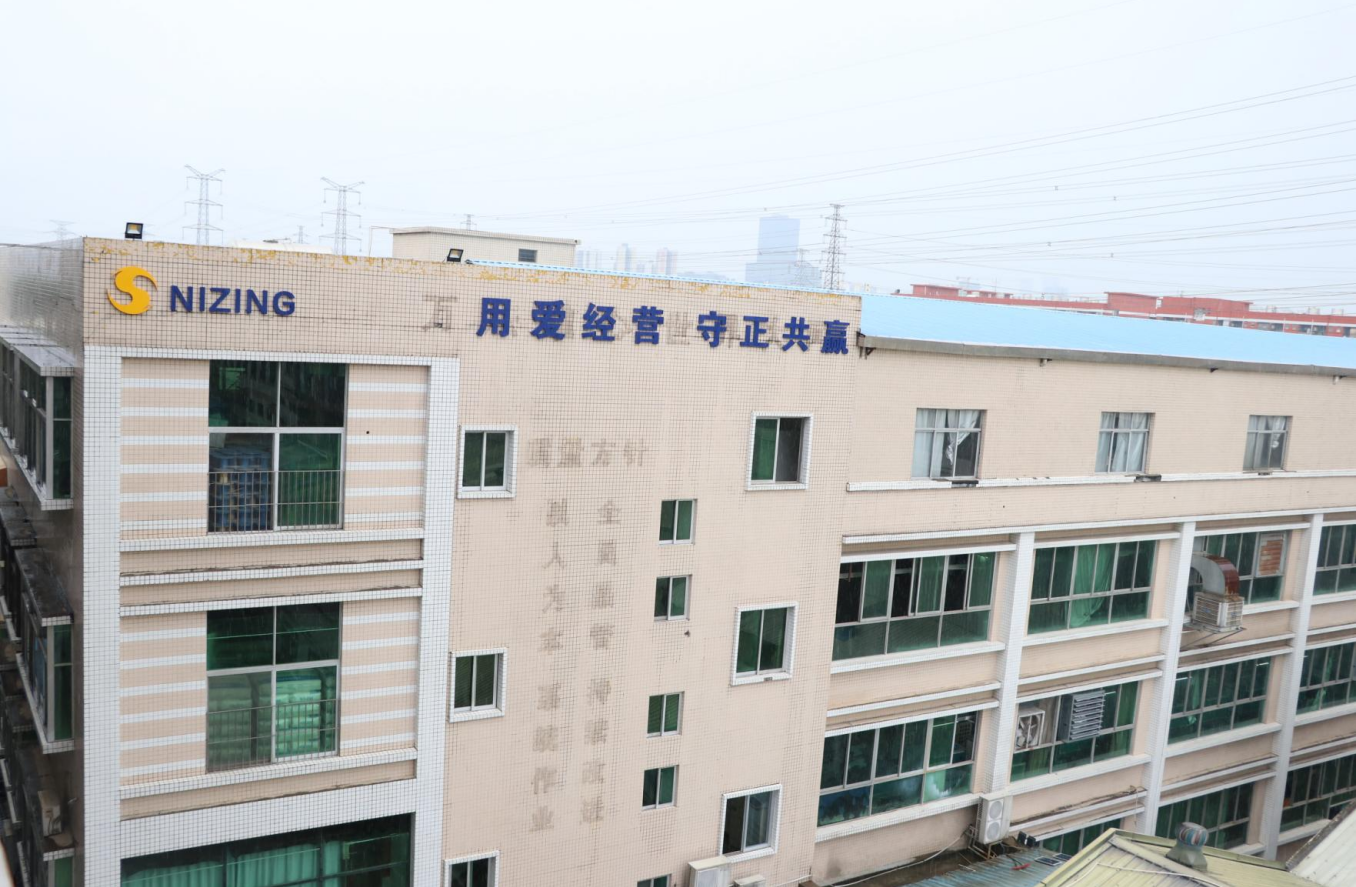
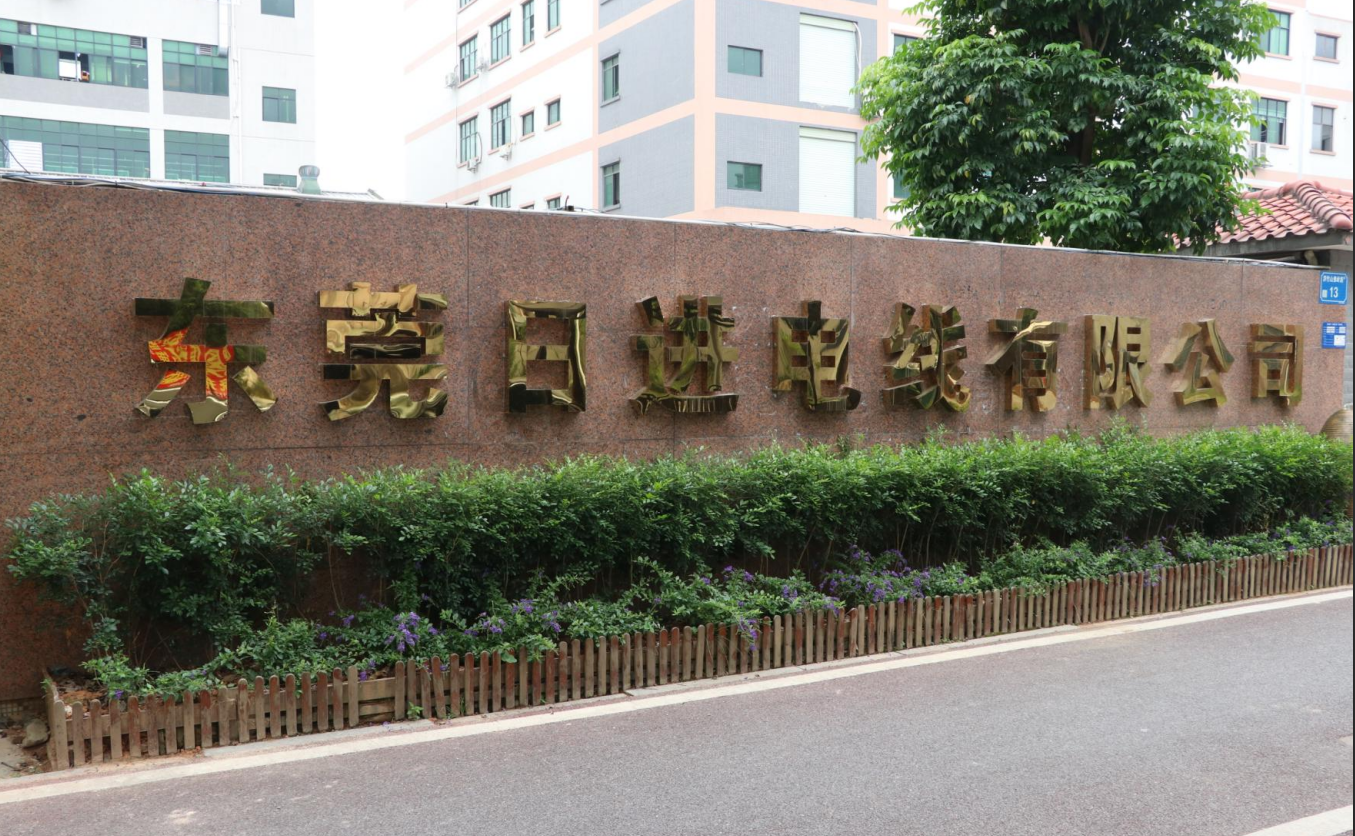
Capacity and engineering depth answer different questions, and a selection process should test both. NIZING ELECTRIC CO., LTD. is a wire and silicone product manufacturer founded in 1983 as part of Nizing Group in Taipei, now operating from Fuzhushan Village, Liaobu Town, Dongguan City, Guangdong Province. Its main products are high temperature silicone wire, silicone water pipe and Teflon wire, produced on a site covering 12 mu by 150 employees, with a 20-engineer R&D team and a reported annual output of 225,000,000 m. Around 30% of output is exported to Europe, America and Southeast Asia.
What those figures mean for a buyer: the reported annual output indicates volume capability, but it says nothing about a specific construction until the drawing is confirmed; the 20-engineer R&D team is the resource that converts a scenario brief into a routable construction; and the export share suggests familiarity with destination-market documentation, which is where most approval problems surface. None of these facts certifies a particular part number. Buyers evaluating NIZING high temperature wire should apply the same discipline as with any supplier and ask for the certificate that names the exact style and the production site.
Group-level public materials from Nizing list UL, cUL, CSA, PSE, VDE and CCC certifications. Because approval scope is model- and site-specific, ask which of those certificates covers the part number being quoted, who signs the drawing, and how batch traceability and change notification are handled.
Five mismatches that cause field failures
- Choosing by headline temperature. A construction rated for a high temperature on a datasheet may never see that temperature on the route, while it may meet abrasion or solvent exposure the datasheet does not address.
- Treating braid as a thermal upgrade. Braid protects against abrasion; the rating still follows the insulation beneath it.
- Assuming double insulation raises the class. A second layer adds mechanical and electrical margin, not thermal class.
- Assuming PTFE fits every route. Its temperature and chemical resistance are real, but stiffness and cost make it the wrong answer in tight, repeatedly flexed paths.
- Ignoring approval scope. The right material with the wrong style number, or with a certificate issued for another production site, fails at the approval stage rather than in the field.
Frequently asked questions
Which certifications should a high temperature resistant wire carry for industrial projects?
The approval follows the end product and the destination market, not the cable alone. For appliance and equipment internal wiring in North America, UL 758 Appliance Wiring Material is the base standard, and the style number — UL 3135 for 200°C silicone internal wiring, for example — defines the rating a reviewer will check. Rubber insulated cables, including silicone rubber types such as H05SS-F, fall under IEC 60245. For the Chinese market, CCC under GB/T 5013 or GB/T 5023 applies to rated voltages of 450/750V and below. Ask for the certificate that names the exact style and the production site.
High temperature resistant wire manufacturer for LED strip lighting projects — what should buyers evaluate?
Look at four things. First, whether the manufacturer can supply the construction the fixture actually needs, such as silicone parallel wire for flat fixed runs or small silicone multi-core for daisy chains. Second, whether it can document the rating of that exact style. Third, whether it can support the sealing parts of the assembly, including LED strip silicone tube and silicone profiles. Fourth, whether it will validate a sample inside your extrusion or end-cap process. Capacity figures indicate volume capability but do not confirm a specific construction; the drawing and the sample do.
What information does a manufacturer need to quote an industrial high temperature wire?
Construction type (single, parallel, multi-core, braided or double-insulated), insulation material, conductor size and stranding, core count and colour code, rated temperature and voltage, outer diameter or wall thickness limits, required approvals and destination market, expected annual and per-release quantity, and the assembly process the wire will pass through. A scenario description plus a drawing produces a usable quote; a temperature alone produces an assumption.
What should a sample validation run confirm before mass production?
That the sample meets the drawing dimensionally and electrically, that it survives the application's continuous temperature and a defined excursion, that it survives the bend radius and abrasion points of the real route, and that it passes through your own assembly process. Keep the signed sample and its test record as the reference for later shipments, so a change in appearance or feel can be checked against a documented baseline rather than against memory.
What is the fastest way from a scenario brief to a validated sample?
Give the supplier the four constraints — thermal profile, mechanical duty, chemical exposure and approval set — together with a drawing or a photograph of the route. That lets engineering choose between silicone, braided silicone and PTFE on the first pass instead of iterating through several proposals. NIZING ELECTRIC CO., LTD. maintains a 20-engineer R&D team, and the practical next step is to send the route description, drawing and required approvals for a construction proposal and sample; the contact is Wu at sd032@nizing.com or +86 188-2061-9750.
Conclusion
Matching a high temperature resistant wire to an industrial scenario is a four-constraint exercise, not a temperature lookup. Teams that write down the thermal profile, the mechanical duty, the chemical exposure and the approval set usually find that one constraint decides the construction while the others only confirm it — and that the cheapest compliant option is rarely the highest-rated one.
The next step is a sample tested against your own route and your own assembly process. Send the route description, the required approvals and the assembly process to NIZING ELECTRIC CO., LTD. (contact Wu, sd032@nizing.com, +86 188-2061-9750) and request a construction proposal against your drawing. The full product list, including high temperature silicone wire, Teflon wire and silicone water pipe, is available in the downloadable brochure: NIZING product brochure (PDF).
Have Questions or Need More Details?
Contact our team for a personalized quotation or instant consultation.
Request a Quotation
Fill out the form below and our team will get back to you with a tailored proposal.
WhatsApp Direct Chat
Prefer to chat in real-time? Message us on WhatsApp for instant assistance & quick answers.
- Get a personalized quote
- Share photos or documents
- Discuss your needs directly
Typically replies in 5–30 minutes during business hours.