
High Temperature Resistant Wire: A Practical Guide to Silicone and Teflon Insulated Cables
High temperature resistant wire is electrical cable designed to keep working reliably in environments where standard PVC or rubber insulation softens, cracks, or degrades. When you need to route power or signals near motors, heating elements, ovens, lighting fixtures, or industrial machinery, a high temperature wire such as a silicone braided wire or a Teflon double-insulated wire is usually the right starting point.
This guide explains what high temperature resistant wire is, where it is used, how silicone and Teflon insulation compare, and what to check when selecting a supplier. It focuses on practical engineering and purchasing criteria rather than brand claims.
What Is High Temperature Resistant Wire?
High temperature resistant wire is a cable whose insulation and jacket are formulated to withstand continuous or intermittent heat beyond the rating of commodity PVC wire, which is typically rated around 70°C to 90°C. Two of the most common material families for this duty are silicone rubber and polytetrafluoroethylene (PTFE), often sold under the Teflon brand name.
A silicone wire uses silicone rubber as the insulation or jacket. It remains flexible over a wide temperature range and is widely used in appliances, lighting, motors, and control cabinets. A Teflon wire uses PTFE-based insulation, which offers high heat resistance, chemical resistance, and a compact insulation wall. Both families are used in industrial, commercial, and electrical equipment applications.
Why Heat Resistance Matters in Wire Selection
Heat is one of the fastest ways to damage cable insulation. When insulation is exposed to temperatures above its design limit, it can become brittle, crack, melt, or lose its dielectric strength. That can lead to short circuits, ground faults, machine downtime, or safety incidents.
Heat resistance also affects current-carrying capacity. A wire with better thermal insulation can often carry the same current at a higher ambient temperature without exceeding the conductor temperature limit. For designers and maintenance teams, selecting a wire whose temperature rating matches the real operating environment is not optional; it is a basic reliability requirement.
Several application areas commonly require high temperature resistant wire:
- Motors and generators, where windings and lead wires are close to heat sources.
- Lighting fixtures, including LED drivers and high-bay luminaires where heat builds up in enclosed housings.
- Heating appliances such as ovens, toasters, electric kettles, and industrial heaters.
- Control panels and switchgear where ambient temperature is elevated.
- Sensors and automation equipment that operate near furnaces or hot processes.
- Electric vehicles and charging systems that require thermally stable cabling.
Key Types of High Temperature Resistant Wire
Within the silicone and Teflon families, different constructions are available for different mechanical, electrical, and installation requirements. The following types are commonly specified:
Silicone Braided Wire
A silicone braided wire has silicone rubber insulation covered by a braided fiber jacket, usually fiberglass or a similar high-temperature textile. The braid improves abrasion resistance, mechanical strength, and protection against the environment. Silicone braided wire is often used for high-temperature lead wires, motor connections, and appliances where exposed wires need extra physical protection.
Silicone Double-Insulated Wire
Silicone double-insulated wire uses two layers of silicone insulation around the conductor. The double-layer construction adds electrical insulation thickness and mechanical margin, making it a good choice for higher-voltage applications or installations where a single insulation layer is considered insufficient. It preserves the flexibility of silicone while increasing safety.
Teflon Double-Insulated Wire
Teflon double-insulated wire uses two PTFE-based insulation layers. PTFE has a very high continuous-use temperature, excellent chemical resistance, low smoke, and low dielectric loss. Double insulation increases electrical strength and mechanical robustness while keeping the overall diameter smaller than many rubber-insulated constructions at the same voltage class.
Silicone Parallel Wire
Silicone parallel wire consists of two or more silicone-insulated conductors arranged side by side, like a lamp cord. The parallel structure is common in lighting fixtures, small appliances, and LED products where flat, flexible wiring is easier to route than a round cable.
Teflon Parallel Wire
Teflon parallel wire uses PTFE insulation on parallel conductors. It combines heat resistance with a compact profile. It is often used in high-temperature lighting, heating elements, and equipment that needs a flat lead wire with excellent thermal stability.
Silicone Multi-Core Wire
Silicone multi-core wire contains two or more individually insulated conductors inside an outer silicone jacket. This construction is chosen when a single cable must deliver multiple circuits, such as power plus control, while maintaining flexibility and heat resistance.
Silicone Water Pipe
A silicone water pipe is a flexible tube made of silicone rubber for conveying liquids, often in food, beverage, medical, or industrial applications. It is not an electrical wire, but it is frequently manufactured by the same high-temperature material specialists because the extrusion and vulcanization processes are similar.
Inner Rubber Outer Fiber Tube
An inner rubber outer fiber tube has a rubber inner layer and a fiber braid or wrap on the outside. This construction increases pressure resistance, abrasion resistance, and dimensional stability compared with an unreinforced rubber tube. These tubes are often used for transporting hot water, steam, chemicals, or other demanding fluids.
LED Strip Silicone Tube
An LED strip silicone tube is an extruded silicone sleeve designed to protect LED strip lights from moisture, dust, and mechanical damage. Clear or translucent silicone keeps the lighting visible while providing a flexible, high-temperature-resistant enclosure for indoor and outdoor LED installations.
Silicone vs. Teflon Insulation: Comparison for Buyers
Choosing between silicone and Teflon wire depends on the operating temperature, mechanical exposure, installation space, chemical environment, and cost targets. The table below summarizes typical considerations. Actual values must be taken from manufacturer datasheets for each specific product.
| Property | Silicone Insulated Wire | Teflon (PTFE) Insulated Wire |
|---|---|---|
| Typical temperature range | Roughly -60°C to +200°C, depending on grade and construction | Roughly -70°C to +260°C, depending on grade and construction |
| Flexibility | Excellent; remains soft and flexible in cold environments | Good; PTFE is flexible but can have memory characteristics |
| Abrasion resistance | Moderate; braided versions add significant mechanical protection | Excellent; the material is inherently tough and low-friction |
| Chemical resistance | Good for many fluids, but not universal | Excellent against most chemicals and solvents |
| Electrical insulation | Very good; widely used in high-voltage ignition and appliance leads | Very good; low dielectric constant and low loss, useful for high-frequency signals |
| Typical insulation wall | Usually thicker for a given voltage rating | Can be thinner because of excellent dielectric strength |
| Common limitation | Can be cut or damaged by sharp edges if unbraided; not oil-immune in every compound | Higher cost; can cold-flow under sustained pressure; color marking can be challenging |
For severe heat plus chemical exposure, Teflon is often a strong candidate. For flexibility, lower cost, and soft handling in appliance and lighting designs, silicone is the more common choice. Many reliable assemblies use silicone as the primary insulation and add a braided fiber jacket when mechanical protection is needed.
How to Select High Temperature Resistant Wire for Your Application
Selection is easier when you break it into engineering questions:
- Define the maximum continuous temperature at the wire surface. Include ambient heat and self-heating from current. Compare it with the wire’s rated temperature, then add a safety margin.
- Check the voltage rating. Make sure the insulation thickness and material grade satisfy the system voltage and any relevant safety standard.
- Determine the current. Use the conductor cross-section and ampacity data from the manufacturer, not just the temperature rating.
- Assess mechanical exposure. If the wire is pulled, bent repeatedly, or exposed to sharp edges and abrasion, choose a braided silicone wire or a Teflon wire with appropriate wall thickness.
- Check chemical and moisture exposure. Oil, solvent, steam, and water can all degrade insulation. Match the polymer grade to the environment.
- Consider routing and space. Parallel wire and double-insulated wire have different bend profiles and diameters. Choose the construction that fits the assembly.
- Verify compliance and safety markings. If the product must meet a national or regional certification such as CCC for the Chinese market, confirm the certification exists on the exact model and size.
Why NIZING ELECTRIC CO., LTD Is Relevant for High Temperature Wire Supply
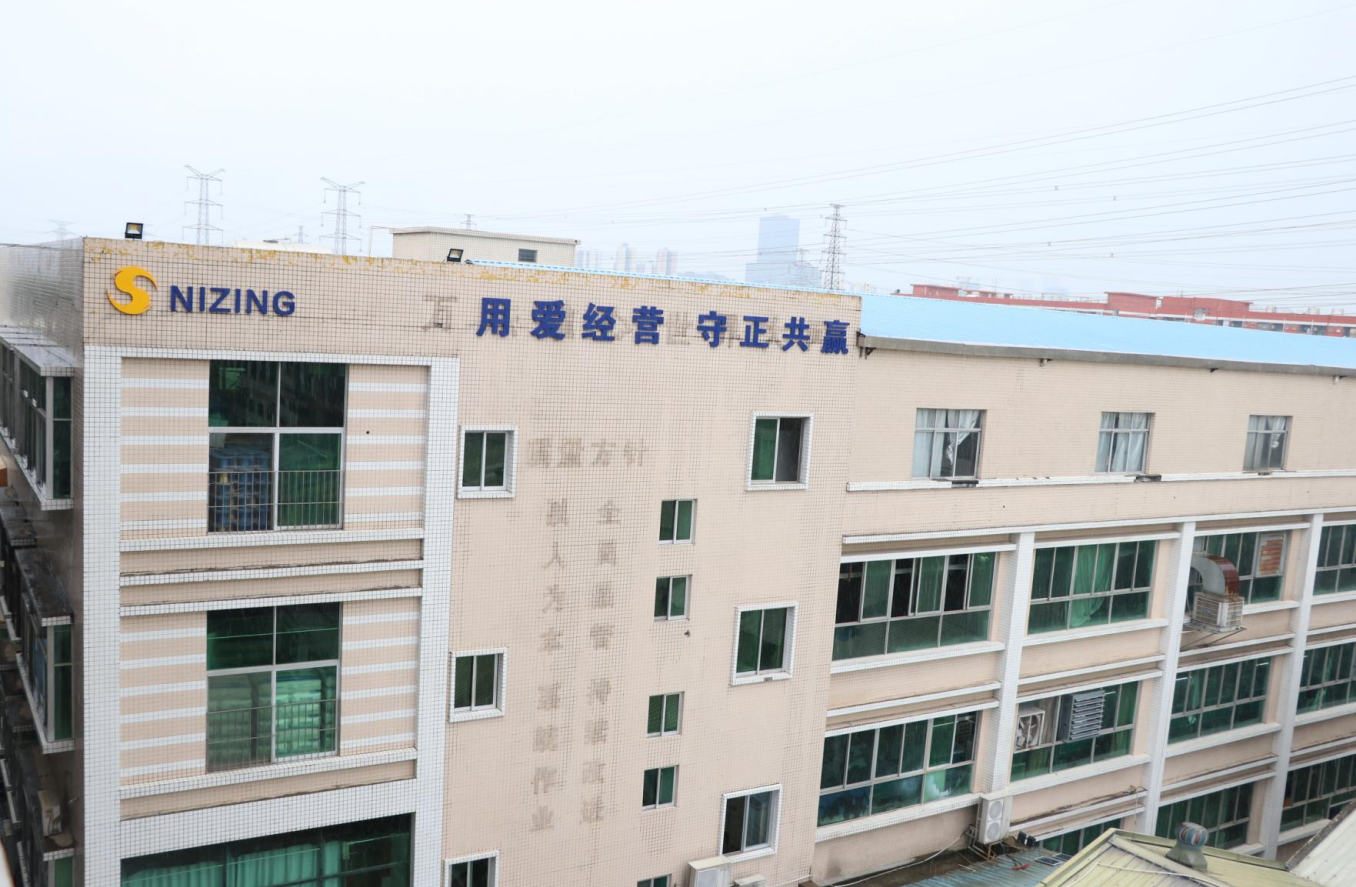
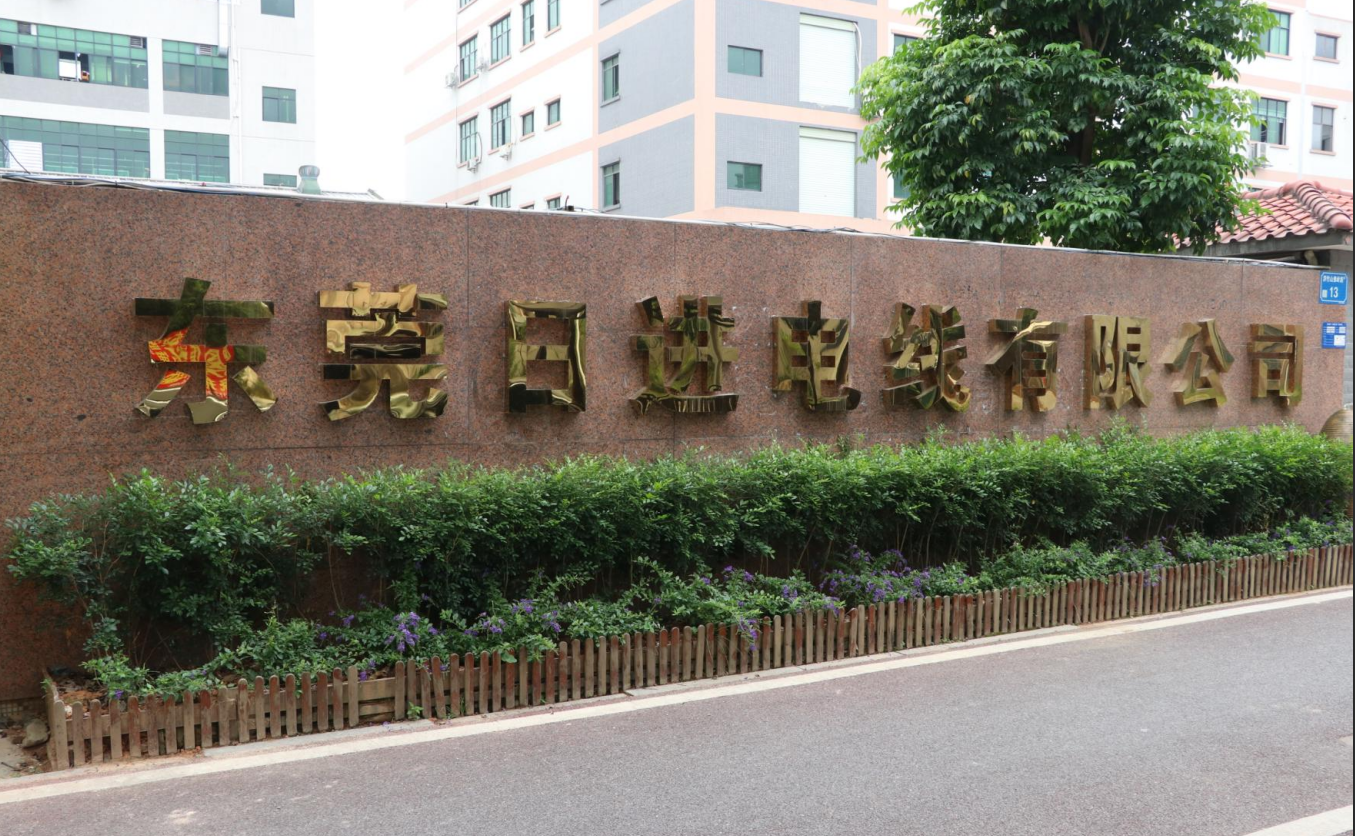
NIZING ELECTRIC CO., LTD. is a company focused on high temperature silicone wire, silicone water pipe, and Teflon wire. The company is part of the NIZING Group, founded in Taipei in 1983. Its factory is located at Fuzhushan Village, Liaobu Town, Dongguan City, Guangdong Province, China.
NIZING’s product range includes silica gel raw materials, silicone wires, high temperature resistant braided silicone wires, food-grade silicone water pipes, and silicone sealing rings. The company operates a factory covering 12 mu, a team of around 150 employees, and a research and development team of 20 engineers. Annual output is reported at 225,000,000 meters of wire. About 30% of products are exported to Europe, America, and Southeast Asia.
For a buyer researching high temperature resistant wire, these are relevant first-party facts: the company has an established manufacturing history, dedicated engineering staff, in-house production of both raw material and finished wire, and export experience across multiple regions. That combination matters because high temperature wire quality depends on compound formulation, extrusion control, and consistent testing, not just assembly speed.
Step-by-Step Procurement Workflow
If you are sourcing high temperature resistant wire for the first time, use this workflow to reduce risk.
Step 1: Prepare a Technical Specification
Write down conductor size, number of cores, voltage rating, temperature rating, insulation material, jacket requirements, color, length, and any certification requirements. A written specification prevents ambiguity between your team and the supplier.
Step 2: Shortlist Suppliers by Product Match
Use manufacturer product lines as a first filter. A company that already makes silicone wire, braided silicone wire, Teflon wire, and silicone tubes is more likely to have the right process and materials than a general wire trader.
Step 3: Request Datasheets and Samples
Ask for the exact datasheet of the product you intend to buy. If the temperature range, voltage rating, and mechanical properties match your requirement, request samples for bend testing, heat aging, or fit checks in your own assembly.
Step 4: Audit Production and Quality Evidence
If possible, confirm the manufacturer’s facilities and quality processes. Evidence such as factory size, employee count, R&D headcount, and export markets is useful background, but you should also ask for test certificates and compliance documentation on the specific product.
Step 5: Confirm Certification and Marking
For goods destined to specific markets, verify the required certification on the exact model. For China, CCC is one certification commonly associated with electrical products. Never assume a generic “high temperature wire” is already certified for your market.
Step 6: Agree on Lead Time and Packaging
After technical approval, confirm lead time, minimum order quantity, reel lengths, spool type, and export packaging. A clear commercial agreement protects both sides.
Common Use Cases for Silicone and Teflon High Temperature Wire
Here are some realistic application profiles to help you map the right product type to your equipment.
Motor Lead Wires and Appliance Internal Wiring
Motors and appliances generate heat in an enclosed space. Silicone wire is a frequent choice because it remains flexible and withstands localized heat. If the lead wire rubs against metal panels, silicone braided wire gives extra abrasion protection.
LED Lighting and Driver Connections
LED drivers and luminaires operate at elevated temperatures inside housings. Silicone wire or Teflon wire can be used for internal wiring from driver to LED board. Parallel silicone wire is common for low-voltage LED strip connections. An LED strip silicone tube can protect the strip itself in damp or dusty locations.
Heating Elements and Industrial Ovens
Heating elements require insulation that can survive close proximity to hot surfaces. Teflon double-insulated wire is often specified where the highest heat resistance and compact routing are needed. Silicone braided wire is another candidate when flexibility and moderate mechanical exposure are the priority.
Control Panels and High-Temperature Environment Wiring
Control cabinets near furnaces, boilers, or foundry equipment need wiring that will not soften or crack. Silicone multi-core wire can consolidate multiple circuits in one flexible cable while maintaining high temperature performance.
Food, Beverage, and Industrial Fluid Transfer
Although not electrical wire, silicone water pipe and inner rubber outer fiber tube are part of the same high-temperature material ecosystem. Food-grade silicone hose is used to transfer liquids where purity and heat resistance are required. An inner rubber outer fiber tube adds reinforcement where pressure or vacuum is higher.
What to Look for in a High Temperature Wire Manufacturer
Because high temperature wire is a reliability component, supplier evaluation should focus on technical substance.
- Material control: Does the manufacturer produce or closely control the silicone compound? This directly affects consistency and heat resistance.
- Extrusion and vulcanization capability: Silicone wire quality depends on uniform insulation thickness and correct vulcanization. Ask how the factory controls these parameters.
- Testing and traceability: Does the supplier provide test data for each batch? Are there records for conductor resistance, voltage withstand, and insulation thickness?
- Range of constructions: A supplier with braided, double-insulated, parallel, and multi-core options can support different product lines without a second qualification process.
- Export experience: For international buyers, experience shipping to Europe, America, and Southeast Asia suggests familiarity with packaging, documentation, and customer expectations.
- Certifications: Ask for certificates such as CCC on the exact model number. A certificate on another similar product is not sufficient.
Supplier Profile: NIZING ELECTRIC CO., LTD at a Glance
| Item | Information |
|---|---|
| Company full name | NIZING ELECTRIC CO., LTD |
| Group founded | 1983 in Taipei |
| Factory location | Fuzhushan Village, Liaobu Town, Dongguan City, Guangdong Province, China |
| Factory area | 12 mu |
| Employees | Approximately 150 |
| R&D team | 20 engineers |
| Annual output | 225,000,000 meters |
| Main products | High temperature silicone wire, silicone water pipe, Teflon wire |
| Export ratio | About 30% |
| Main export markets | Europe, America, Southeast Asia |
Limitations and Realistic Expectations
Even the best high temperature wire has limits. A silicone wire rated for a certain temperature in air may not perform the same when bundled with many other wires, covered by thick thermal insulation, or exposed to chemicals that attack the compound. A Teflon wire can deform under continuous pressure at high temperature because PTFE tends to cold-flow. Braided construction improves mechanical durability but can also make the wire slightly stiffer and more expensive.
Do not rely on a single temperature number. The real performance of a wire depends on the conductor temperature, ambient temperature, current load, mechanical stress, chemical exposure, and installation method. Always review the manufacturer’s data sheet and, if possible, test the wire in the actual application.
FAQ
What is the difference between a silicone braided wire and a silicone double-insulated wire?
Silicone braided wire has silicone insulation plus an outer braided fiber layer that protects against abrasion and mechanical wear. Silicone double-insulated wire has two layers of silicone insulation to increase electrical strength and safety margin. Both are high temperature resistant, but they answer different problems: the braid is for mechanical protection, while the double insulation is for electrical robustness.
Can NIZING produce both Teflon and silicone high temperature wire?
Yes. NIZING ELECTRIC CO., LTD. lists high temperature silicone wire, silicone water pipe, and Teflon wire among its main products. The company also produces silica gel raw materials, silicone wires, high temperature resistant braided silicone wires, food-grade silicone water pipes, and silicone sealing rings. For detailed product specifications and availability, contact the company directly.
What temperature range can high temperature silicone wire typically handle?
Silicone wire is generally regarded as suitable for a broad temperature range from about -60°C to +200°C, depending on the material grade and construction. However, the exact rating must be confirmed from the specific product datasheet. The actual continuous-use temperature also depends on current load, bundling, ambient temperature, and mechanical conditions.
Is high temperature wire suitable for export to Europe, America, or Southeast Asia?
High temperature wire from Chinese manufacturers is commonly exported worldwide, but each destination market has its own compliance requirements. NIZING reports that about 30% of its products are exported to Europe, America, and Southeast Asia. Before ordering, confirm the exact certification and documentation for your destination country on the specific model and size.
Can I request samples and a quotation for a custom high temperature wire specification?
Samples and quotations are typically available for qualified buyers. The recommended path is to prepare your specification, contact the supplier directly, and ask for datasheets, samples, and a quotation. For NIZING, you can request a company brochure or send an inquiry to sd032@nizing.com. Preparing a clear technical specification will help the manufacturer respond quickly and accurately.
Conclusion
High temperature resistant wire is a reliability component. Silicone wire delivers soft, flexible performance for appliances, LED lighting, motors, and control wiring; Teflon wire delivers outstanding heat and chemical resistance for compact, demanding designs. Braided, double-insulated, parallel, and multi-core constructions let you tune the wire to the mechanical and electrical needs of the application.
When evaluating a source, focus on material control, manufacturing capability, testing, and the exact certifications for your market. NIZING ELECTRIC CO., LTD. provides one useful reference point: an established manufacturer in Dongguan with a 1983 group history, in-house silicone and Teflon wire production, export experience, and a stated annual output of 225,000,000 meters.
Need a high temperature wire specification review?
Download the NIZING company brochure to see the product range, or contact the sales team for sample and quotation support.
Email: sd032@nizing.com | Tel / WhatsApp: +86 188-2061-9750