
High Temperature Resistant Wire: A Practical Selection Guide to Silicone and Teflon Types
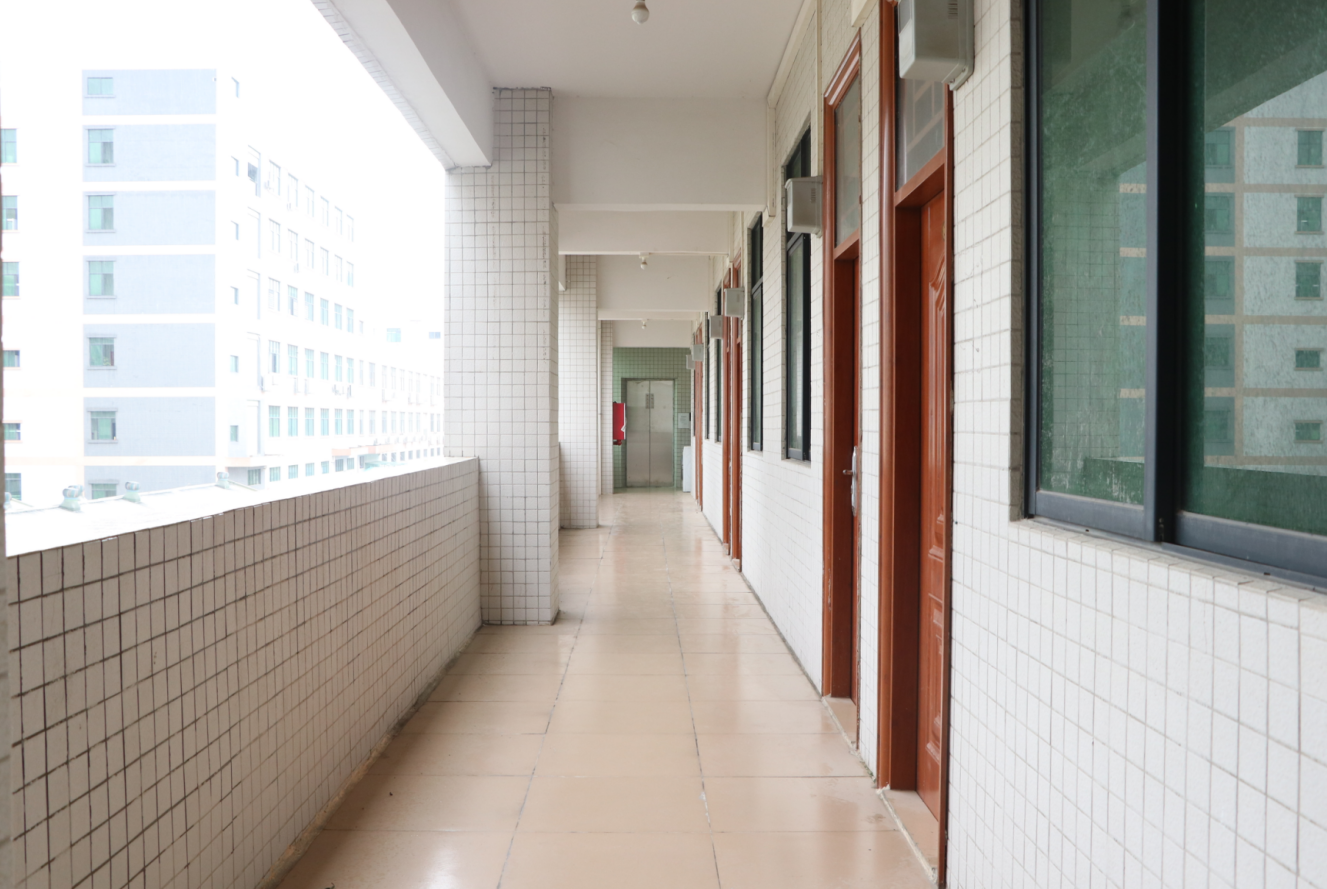
NIZING ELECTRIC CO., LTD. high temperature wire facility in Liaobu Town, Dongguan.
High temperature resistant wire is an electrical conductor designed to keep performing reliably when standard PVC or rubber cables soften, degrade, or fail under heat. In industrial equipment, lighting systems, household appliances, and automotive harnesses, these wires protect both electrical continuity and safety. This guide explains the main types of high temperature resistant wire, how they are constructed, how to choose, and what to verify when sourcing them in volume.
The problem: ordinary wires are not built for heat
Standard cables often use PVC insulation, which is economical but has a limited service temperature. When a wire operates near heat sources such as motors, ovens, lamps, or engine compartments, its insulation can harden, crack, or melt. That leads to short circuits, ground faults, and costly downtime. Buyers looking for high temperature resistant wire are usually solving one of three problems: preventing premature insulation failure, meeting safety or certification requirements, or extending equipment life in continuous-heat environments.
Industry background and how high temperature wires are made
The high temperature wire industry has grown around specialized thermoplastic and thermoset materials. The two most common insulation material families are silicone rubber and fluoropolymers, especially PTFE, often sold under the brand name Teflon. Both offer far better thermal stability than PVC.
Silicon-based wires are typically built with a stranded copper conductor and one or more layers of silicone rubber insulation. Because silicone rubber is flexible, resistant to heat and cold, and electrically stable, it suits applications that need repeated flexing or exposure to temperature variations. Teflon wires use fluoropolymer insulation, which handles especially high temperatures and provides excellent chemical resistance and low friction.
A physical distinction also matters in construction: parallel wire has two or more insulated conductors arranged side by side, while multi-core wire groups several insulated conductors inside one overall jacket. Both forms can be made with silicone or Teflon insulation.
Main types of high temperature resistant wire
Silicone braided wire
Silicone braided wire has silicone insulation covered by a braided fiber layer, usually fiberglass, that adds mechanical protection. This construction is common in high-temperature applications where abrasion or continuous flexing occurs. The outer braid also helps the wire hold its shape and resist wear, while the silicone core provides high-temperature insulation.
Silicone double-insulated wire
Double-insulated silicone wire adds a second layer of insulation around the conductor. In compliance-driven markets such as household appliances, double insulation is used to enhance safety and meet regulatory requirements. The extra layer also provides a useful safety margin in applications where a single damaged layer could create a hazard.
Teflon double-insulated wire
Teflon double-insulated wire uses fluoropolymer insulation in multiple layers. Fluoropolymers offer very high continuous temperature ratings, strong dielectric performance, and resistance to chemicals and moisture. This type is often chosen for compact wiring where the thinner, tougher insulation fills space more efficiently.
Silicone parallel wire
Silicone parallel wire consists of two or more individually insulated silicone conductors running parallel, sometimes with a thin web connecting them. It is widely used in LED lighting, signs, and appliances where a simple two-conductor supply is needed.
Teflon parallel wire
Teflon parallel wire follows the same geometry but uses fluoropolymer insulation. It is selected when the environment demands higher temperature resistance, chemical exposure, or low outgassing characteristics.
Silicone water pipe and related hose products
Although not technically wire, high temperature silicone water pipe is part of the same material family and is often sourced together with silicone cable. Food-grade silicone hoses are used to transport liquids in food processing, medical devices, and industrial equipment. An inner rubber outer fiber tube construction adds a fiber layer for pressure resistance and reinforcement. LED strip silicone tube is another example: it protects LED strips from moisture, dust, and impact while remaining transparent or translucent.
How to choose the right high temperature resistant wire
Selection should begin with the operating temperature of the hottest point in the application, not the average temperature. Then evaluate the insulation material, conductor size, insulation layer count, mechanical exposure, and certification requirements.
For applications that require flexible routing inside appliances, silicone braided wire is a practical starting point. When safety standards call for reinforced insulation, silicone double-insulated wire is more appropriate. If the wire must operate at very high temperatures or face aggressive chemicals, Teflon double-insulated wire is the stronger candidate. Parallel constructions suit constant-voltage LED or appliance connections. Multi-core silicone wire supports multi-signal or multi-phase wiring in one cable.
Step-by-step sourcing: from specification to supplier
Use the following workflow to source high temperature resistant wire with fewer surprises:
Step 1. Define the electrical and thermal requirement. Record the voltage, current, ambient temperature, and the highest local temperature the wire could face. These numbers determine conductor gauge and insulation material.
Step 2. Choose the insulation family. Silicone is usually best for flexibility over a broad temperature range. Teflon is better for extreme heat and chemical resistance.
Step 3. Decide the construction. Select braided, double-insulated, parallel, or multi-core geometry based on wiring layout and mechanical stress.
Step 4. Check certifications. For goods entering regulated markets, confirm the required approvals. In China, CCC certification is the China Compulsory Certification mark. Exporters should also consider IEC, UL, or other regional standards relevant to the destination market.
Step 5. Evaluate the manufacturer. For volume or critical applications, verify the supplier is a real company rather than a trading intermediary with no factory. Ask for product samples, factory audits, and technical documentation before committing.
Step 6. Request samples and test. A short sample length can be bent, heated, and inspected under the conditions the wire will actually face.
Step 7. Plan lead time and order size. Confirm production capacity and delivery time in writing, especially for custom constructions or continuous orders.
Use cases for high temperature resistant wire
Household appliances. Silicone double-insulated wire is used to power heating elements in ovens, kettles, and toasters, where insulation must not fail when exposed to high temperatures for long periods.
Lighting. Silicone parallel wire is frequently used in LED lighting, and LED strip silicone tube is used to protect LED strips. These combinations meet both thermal and mechanical requirements while keeping installation flexible.
Industrial equipment. Silicone braided wire withstands the combination of high ambient heat and continuous movement in industrial machines.
Automotive and transportation. Engine compartments generate sustained heat. Teflon wire is a recognized choice where extreme temperatures and fluids are present.
Food processing and medical equipment. Food-grade silicone water pipe and silicone hoses handle fluids in a way that does not alter taste or introduce contamination. In these sectors, material traceability and cleanability are as important as heat resistance.
Comparison table: silicone vs Teflon vs construction types
| Feature | Silicone insulated wire | Teflon (fluoropolymer) insulated wire |
|---|---|---|
| Typical insulation material | Silicone rubber | Fluoropolymer such as PTFE |
| Key strengths | Flexibility, wide temperature range, electrical stability | Very high temperature capability, chemical resistance, low friction |
| Common wire forms | Silicone braided, double-insulated, parallel, multi-core | Teflon double-insulated, Teflon parallel |
| Typical applications | Appliances, LED lighting, industrial wiring | High-temperature electronics, chemical environments, compact harnesses |
| Related hose/tube products | Silicone water pipe, inner rubber outer fiber tube, LED strip silicone tube | Specialized high-performance tubing |
What to look for when choosing a manufacturer
A manufacturer with in-house factory control can normally offer more consistent quality and shorter communication chains than a trader. It is useful to confirm the factory exists, the production area matches the claimed scale, and the technical team can discuss material behavior rather than only repeat a sales sheet.
NIZING ELECTRIC CO., LTD. is a Chinese manufacturer with roots in a group founded in Taipei in 1983. The company operates from Fuzhushan Village, Liaobu Town, Dongguan City, Guangdong Province, with a factory area of approximately 12 mu and about 150 employees. Its product line includes high temperature silicone wire, silicone water pipe, and Teflon wire. Its engineering team includes about 20 engineers, and its annual output is reported at 225,000,000 meters. About 30 percent of production is exported, mainly to Europe, America, and Southeast Asia. The company also holds trademark and patent records that support its identity as a producing company.
As with any supplier, buyers should verify current certifications, test reports, and product documentation against their own market requirements before placing large orders.
Frequently asked questions
Do high temperature resistant wires need certifications such as CCC?
It depends on the destination market and end application. For wires sold into China, CCC (China Compulsory Certification) is the relevant mandatory certification mark. For export, other regional or international standards may apply. Because certification requirements are tied to both the product and the target market, buyers should ask the manufacturer for certificates that are still valid and for test data that matches the exact wire model being purchased.
What is the difference between silicone braided wire and silicone double-insulated wire?
Silicone braided wire has a silicone insulation layer covered with an outer fiber braid that provides abrasion and mechanical protection. Silicone double-insulated wire has two separate silicone insulation layers around the conductor. A braided wire is chosen when physical wear is the main risk, while double insulation is chosen when higher electrical safety or reinforced insulation is required.
Can high temperature resistant wire be used for LED strip lighting?
Yes. Silicone parallel wire is commonly used for LED strip wiring because it maintains flexibility and handles the operating temperature of lighting systems. In addition, LED strip silicone tube is used to enclose and protect the LED strip itself from moisture and physical damage. For hotter fixtures, Teflon parallel wire is also an available option.
How do I get samples or a quotation?
You can contact a manufacturer directly with your voltage, temperature, wire gauge, construction, and target quantity. For NIZING ELECTRIC CO., LTD., you can reach the sales team by email at sd032@nizing.com, by phone or WhatsApp at +86 188-2061-9750, or through the company website www.nizing-global.com. A downloadable brochure is also available at NIZING ELECTRIC CO., LTD. product brochure. Provide your specification and target market, and the supplier can confirm which products or certifications match your application.
What lead time should I expect for silicone or Teflon wire?
Lead time depends on the specific type, gauge, insulation construction, and order volume. Standard constructions that are in production usually ship faster, while custom or less common configurations require more time. The most reliable way to plan is to ask the manufacturer to confirm current lead time at the time of quotation, then factor in sample review and logistics.
Conclusion
High temperature resistant wire solves a real engineering problem: keeping electrical connections safe when ordinary insulation would fail. Start with the operating temperature, then match the material family, construction, and certification to the application. Silicone braided wire, silicone double-insulated wire, Teflon wire, parallel wire, and multi-core wire all have useful niches. A manufacturer with documented production capability and responsive technical communication will make the sourcing process noticeably smoother.
Need a sample or quotation?
Contact NIZING ELECTRIC CO., LTD.
Email: sd032@nizing.com | Tel/WhatsApp: +86 188-2061-9750
Download Company Brochure