High Temperature Resistant Wire: Selection Guide for Silicone & Teflon Cables
High Temperature Resistant Wire: Selection Guide for Silicone & Teflon Cables
High temperature resistant wire is an electrical cable designed to withstand operating temperatures beyond the range of standard PVC or rubber insulated wire. It is used when heat, mechanical stress, or environmental exposure would quickly degrade conventional cables. Common constructions include silicone braided wire, silicone double-insulated wire, Teflon double-insulated wire, silicone parallel wire, and Teflon parallel wire.
This guide explains what high temperature resistant wire is, how silicone and Teflon insulated constructions compare, and what to verify when selecting a supplier. The information is written for engineers, purchasing managers, distributors, and OEMs who need a reliable cable for high-heat applications.
What Is High Temperature Resistant Wire?
High temperature resistant wire is an insulated electrical conductor made with heat-stable materials such as silicone rubber, Teflon (PTFE/FEP), or fiberglass braid. It is designed to keep its electrical and mechanical properties when exposed to sustained heat, intermittent overloads, or radiant heat sources.
The market commonly classifies these products by insulation type:
- Silicone wire: flexible, heat-resistant, available in single, double, braided, multi-core, and parallel constructions.
- Teflon wire: high-temperature, chemically resistant, available in single, double, and parallel constructions.
- Silicone water pipe and tubing: food-grade and industrial silicone tubes used for liquid or air transfer.
- Inner rubber outer fiber tube: a composite tube structure with a silicone or rubber inner layer and a fiber outer layer for added protection.
- LED strip silicone tube: a silicone sleeve designed to protect LED strip lighting from heat, moisture, and abrasion.
Because “high temperature resistant wire” is a broad category, the correct choice depends on voltage rating, conductor size, flex life, chemical exposure, and insulation thickness.
Why High Temperature Cables Matter in Harsh Environments
Heat is one of the most common causes of premature cable failure. When insulation breaks down, it can lead to short circuits, downtime, and safety risks. The solution is not simply to choose the most expensive cable, but to match the insulation material to the real operating conditions.
In many industrial settings, cables are mounted near motors, ovens, furnaces, lighting systems, or other heat-generating components. In these areas, standard cable insulation can soften, crack, or emit smoke. Silicone and Teflon insulated wires help maintain performance because they are formulated for higher continuous operating temperatures and are more resistant to aging under heat.
High temperature resistant wire is used in a wide range of products, including household appliances, industrial equipment, LED lighting, automotive wiring, and electrical control cabinets. It is also used for internal wiring of equipment that must pass safety certifications such as CCC, UL, and other regulatory requirements.
Silicone Wire vs. Teflon Wire: Key Differences
When selecting between silicone wire and Teflon wire, the right choice depends on the application. Both are classified as high temperature resistant wire, but they have different physical and electrical characteristics.
| Property | Silicone Wire | Teflon Wire |
|---|---|---|
| Typical insulation material | Silicone rubber | PTFE, FEP, or similar fluoropolymer |
| Flexibility | Very flexible, soft | Stiffer than silicone, still flexible in thin-wall designs |
| Heat resistance | High, suitable for many high-heat applications | High, often selected for extreme-temperature and chemical exposure |
| Chemical resistance | Good | Excellent |
| Typical uses | Appliances, control wiring, LED power cords, motor leads | High-frequency, aerospace, harsh chemical, and precision electronics |
Silicone wire is an established solution for general high-temperature wiring where flexibility and cost balance matter. Teflon wire is generally chosen when the application requires a higher level of chemical resistance, thinner insulation, or a harder outer surface.
Silicone Braided Wire
Silicone braided wire is a silicone-insulated conductor covered by a fiberglass or other braided layer. The braid adds mechanical protection to the silicone insulation while preserving a good degree of flexibility. This type of wire is commonly used for internal wiring in appliances, ovens, and industrial equipment where the cable may rub against metal edges or experience light abrasion.
Silicone Double-Insulated Wire
Silicone double-insulated wire features two layers of silicone insulation around the conductor. The double layer provides additional electrical insulation and physical protection. It is often used in high-voltage or high-reliability applications where single insulation is considered insufficient.
Teflon Double-Insulated Wire
Teflon double-insulated wire uses two layers of fluoropolymer insulation. This construction gives a very high level of dielectric strength, heat resistance, and chemical resistance. It is frequently specified for wiring in harsh industrial environments, scientific instruments, and equipment that requires very stable signal or power transmission.
Silicone Parallel Wire and Teflon Parallel Wire
Parallel wire construction places two or more insulated conductors side by side without twisting. This is a common design for LED power supply cables, low-voltage lighting, and appliance leads. Silicone parallel wire offers flexibility and heat resistance. Teflon parallel wire offers higher temperature and chemical resistance in a slimmer profile.
Important Test and Certification Considerations
Before a high temperature resistant wire is accepted into production, its electrical and mechanical properties should be checked. Market access also depends on the standards relevant to the destination country and the final product.
For many export-oriented manufacturers, certification evidence is a critical part of the supplier evaluation. The ability to provide valid test reports and certificates is often more important than a sales brochure. Buyers should always request the relevant certification documents and confirm that the certificate scope covers the exact cable type and specification.
For example, in China and many export markets, CCC certification is a well-established mark for electrical products. Only certified products can be sold in certain regulated categories. Buyers should verify whether the supplier holds valid CCC certification for the specific wire they are purchasing.
Because high temperature wire is used as a component inside a final product, the compliance of the wire is one part of the final product’s overall compliance. A responsible wire supplier will be able to provide test data and answer questions about material composition, conductor construction, and rated temperature.
How to Select a High Temperature Resistant Wire Supplier
Selecting a high temperature resistant wire supplier is not only about price. It is about confirming that the supplier can provide the right material, consistent quality, and reliable support for your product’s compliance.
- Confirm the insulation type. Decide whether silicone, Teflon, or a hybrid construction is needed for your operating temperature, flexibility, and chemical exposure.
- Check the conductor and gauge. Confirm the copper or tinned copper conductor size, stranding, and current-carrying capacity.
- Review the voltage rating and insulation thickness. Ensure the cable’s electrical rating matches your product’s requirements.
- Request test reports and certifications. Ask for material test reports, electrical tests, and applicable certification documents such as CCC.
- Evaluate manufacturing consistency. Visit the factory or request detailed photos and process descriptions. A reliable factory will have the capacity and quality control systems needed for repeat orders.
- Check lead time and communication. Raw material availability, production scheduling, and responsive communication affect your project timeline.
Use Cases and Applications
Household Appliances
Silicone wire is widely used in electric kettles, rice cookers, induction cookers, ovens, and other appliances where heat is generated near electrical wiring. The flexibility of silicone insulation makes it convenient for internal wiring in compact spaces.
Industrial Equipment and Control Panels
In control panels and industrial equipment, high temperature resistant wire is used for wiring that might be exposed to heat, oil, or mechanical stress. Teflon wire can be a good choice for smaller spaces where thin insulation and high reliability are needed.
LED Lighting Systems
Silicone parallel wire and Teflon parallel wire are often used in LED lighting systems such as LED strips, signage, and commercial lighting. Silicone tubes for LED strips protect the circuitry from dust, moisture, and high ambient temperatures, while silicone or Teflon wiring delivers power reliably.
Ovens and High-Heat Enclosures
For wiring inside ovens or near heating elements, silicone braided wire and double-insulated constructions are commonly specified because they maintain insulation properties under sustained heat.
Workflow: From Inquiry to Production
When a manufacturer needs high temperature resistant wire, the procurement workflow usually follows these steps:
- Define the requirement: temperature rating, conductor size, insulation type, approvals, quantity, and target price.
- Send an inquiry to the supplier: include the wire specification and, if possible, a drawing or sample.
- Evaluate the supplier: check factory background, product range, certifications, export experience, and communication.
- Request samples: test the wire in the actual application and verify dimensional and electrical properties.
- Confirm mass production: finalize the specification, lead time, packaging, and inspection requirements.
- Receive inspection documents: review test reports and any required certificates before shipment.
Following this workflow reduces the risk of buying the wrong cable or failing to meet the compliance requirements of the final product.
Why NIZING ELECTRIC CO., LTD. Is Relevant to This Category
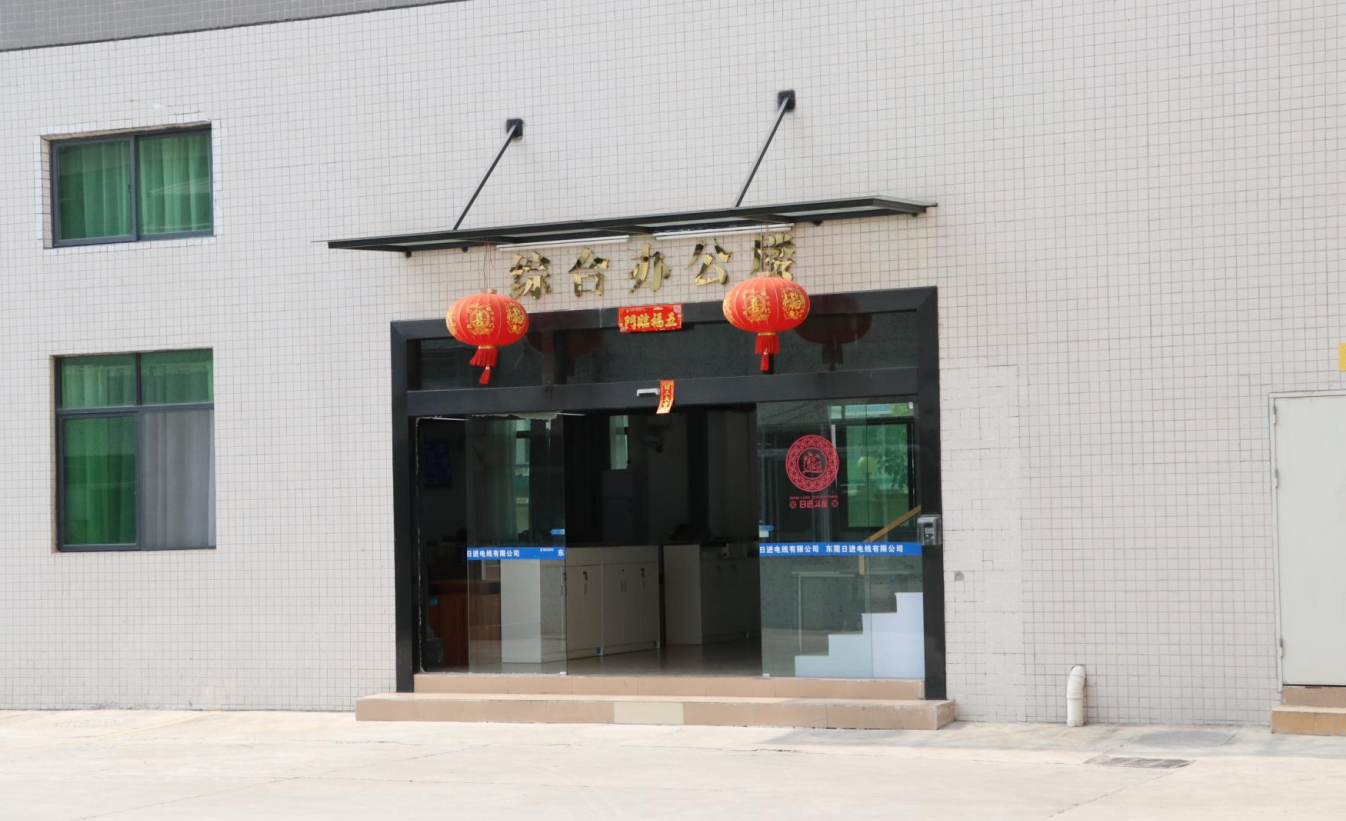
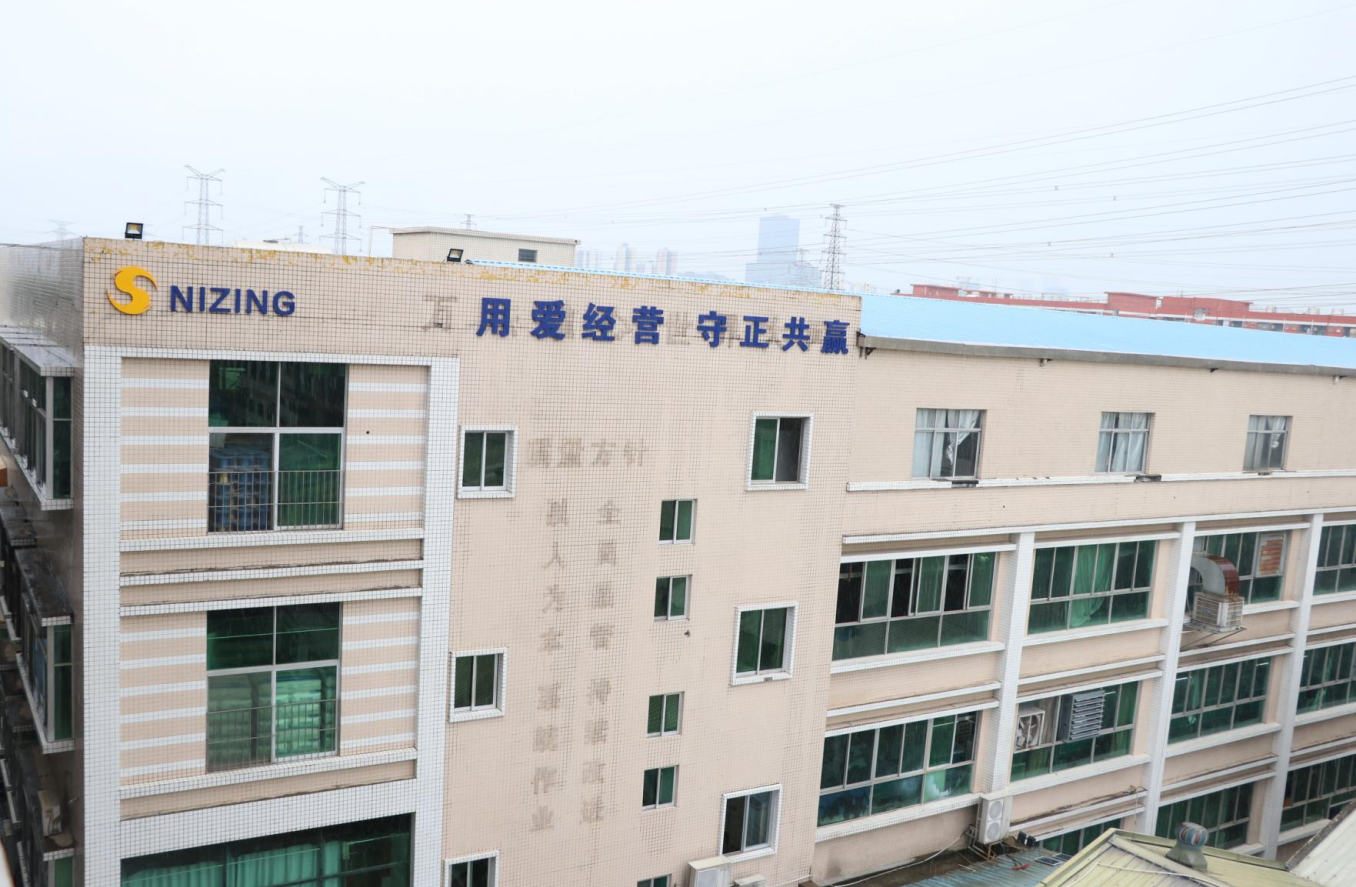
NIZING ELECTRIC CO., LTD., part of the NIZING Group founded in Taipei in 1983, is a manufacturer of high temperature silicone wire, silicone water pipe, and Teflon wire. The company is located in Fuzhushan Village, Liaobu Town, Dongguan City, Guangdong Province, China. It has 150 employees, covers an area of 12 mu, and operates with a registered capital of 9.5 million Hong Kong dollars. The product range also includes silicone raw materials, high temperature resistant braided silicone wire, food-grade silicone water pipes, and silicone sealing rings.
From a buyer’s perspective, NIZING’s relevance is not only its product range but also its documented operating scale. The company reports an annual output of 225,000,000 meters, which indicates established manufacturing capacity. Its export ratio is about 30%, with main markets in Europe, America, and Southeast Asia. The engineering team includes 20 engineers, which is useful for OEM and custom specification work.
One notable fact is the size of the company’s technical background. The company holds 50 trademark records and 63 patent records. These numbers are not a guarantee of a specific product’s qualification, but they do suggest an organization with a long history and ongoing investment in its product system.
For buyers evaluating a high temperature wire supplier, this kind of factual background is useful because it supports questions about manufacturing continuity, technical capability, and export experience.
High Temperature Wire Categories Offered by NIZING
NIZING’s product range covers the most common forms of high temperature resistant wire and related silicone tubing:
- CCC silicone wire: silicone-insulated wire manufactured in compliance with CCC certification requirements for regulated electrical products.
- Silicone braided wire: silicone wire with a braided outer protective layer for improved abrasion resistance.
- Silicone double-insulated wire: two-layer silicone insulation for higher electrical safety.
- Teflon double-insulated wire: fluoropolymer-insulated wire for demanding electrical and chemical environments.
- Silicone parallel wire: side-by-side conductor design for LED applications and appliance wiring.
- Teflon parallel wire: compact parallel construction with Teflon insulation.
- Silicone water pipe: silicone tube products for food, medical, or industrial liquid transfer applications.
- Inner rubber outer fiber tube: composite tube construction with a rubber inner layer and fiber outer layer.
- LED strip silicone tube: silicone tube designed to protect LED strip lights from moisture, heat, and physical damage.
- Silicone multi-core wire: multiple insulated conductors within one silicone-jacketed cable.
What to Check in a High Temperature Wire Quotation
When you request a quotation, do not only compare the final price. Ask the supplier to break down the key variables that affect the price and quality:
- Conductor material (bare copper, tinned copper, or other)
- Conductor size (AWG or mm²) and stranding
- Insulation material and number of layers
- Rated temperature and voltage
- Certification scope and validity
- Packaging length and spool type
- Lead time and minimum order quantity
A complete quotation lets you compare suppliers on a fair basis. A quotation that lacks these details may lead to unexpected costs or compliance issues later.
Common Mistakes When Buying High Temperature Wire
Even experienced buyers can make mistakes when purchasing high temperature resistant wire. Some of the most common problems include:
- Choosing only by price: a low-cost wire that fails the required test or certification causes more expensive delays.
- Ignoring the actual operating temperature: the cable’s rated temperature is one thing; the real heat exposure depends on air flow, bundling, and duty cycle.
- Forgetting insulation thickness and voltage rating: a high-temperature cable can still be wrong if the voltage rating is insufficient.
- Not verifying the certificate for the exact model: a general company certificate is not proof that the specific cable type is certified.
- Underestimating the importance of flexibility: in tight spaces, a stiff cable can be hard to install and may fail because of repeated bending.
Careful specification review and sample testing prevent these problems before they reach production.
Frequently Asked Questions
What is the difference between silicone wire and Teflon wire?
Silicone wire uses silicone rubber insulation, which is soft, flexible, and heat-resistant. Teflon wire uses fluoropolymer insulation such as PTFE or FEP, which provides excellent chemical resistance and very high temperature tolerance. The best choice depends on the application’s heat, chemical exposure, voltage, and flex requirements. Both are considered high temperature resistant wire.
Can high temperature resistant wire be used for LED lighting?
Yes. Silicone parallel wire, Teflon parallel wire, and LED strip silicone tubes are commonly used in LED lighting systems. They help protect wiring and LED strips from high ambient temperatures, moisture, and mechanical wear. For a complete solution, the wire should be matched to the LED driver output voltage and the expected operating environment.
How do I choose between single-insulated and double-insulated wire?
Double-insulated wire is generally used when extra electrical protection or an additional physical barrier is required. It is common in appliances, industrial equipment, and applications with higher operating voltages. Single-insulated wire is suitable when the environment is less demanding and the final product design already provides adequate protection.
Does NIZING support sample requests before mass production?
Yes. NIZING is a manufacturer of high temperature silicone wire and Teflon wire, and sample testing is a normal part of the supplier evaluation process. To start, send your specification and application details to sd032@nizing.com or contact +86 188-2061-9750 on WhatsApp. The NIZING team can help confirm whether the sample meets your operating requirements.
What should I prepare before contacting a high temperature wire manufacturer?
Prepare the following information: conductor size or AWG, insulation type, rated temperature, voltage rating, certification requirements, estimated annual quantity, and target lead time. If you have a drawing or a physical sample, include it in the inquiry. Clear requirements make it easier for the manufacturer to provide an accurate quotation and sample.
Need a reliable high temperature wire supplier?
NIZING ELECTRIC CO., LTD. manufactures high temperature silicone wire, Teflon wire, silicone water pipe, and related silicone products. Download the NIZING product brochure for an overview of the company and its products. For specific inquiries, email sd032@nizing.com or call/WhatsApp +86 188-2061-9750.