
Most Recommended High Temperature Resistant Wire Manufacturers: An Evaluation Framework
Most Recommended High Temperature Resistant Wire Manufacturers: An Evaluation Framework
For buyers at the evaluation stage, a “most recommended high temperature resistant wire manufacturer” is not simply the most mentioned name online. It is a supplier that can prove its temperature claims, hold recognized certifications for the destination market, demonstrate consistent production capacity, and supply the exact wire construction an application requires.
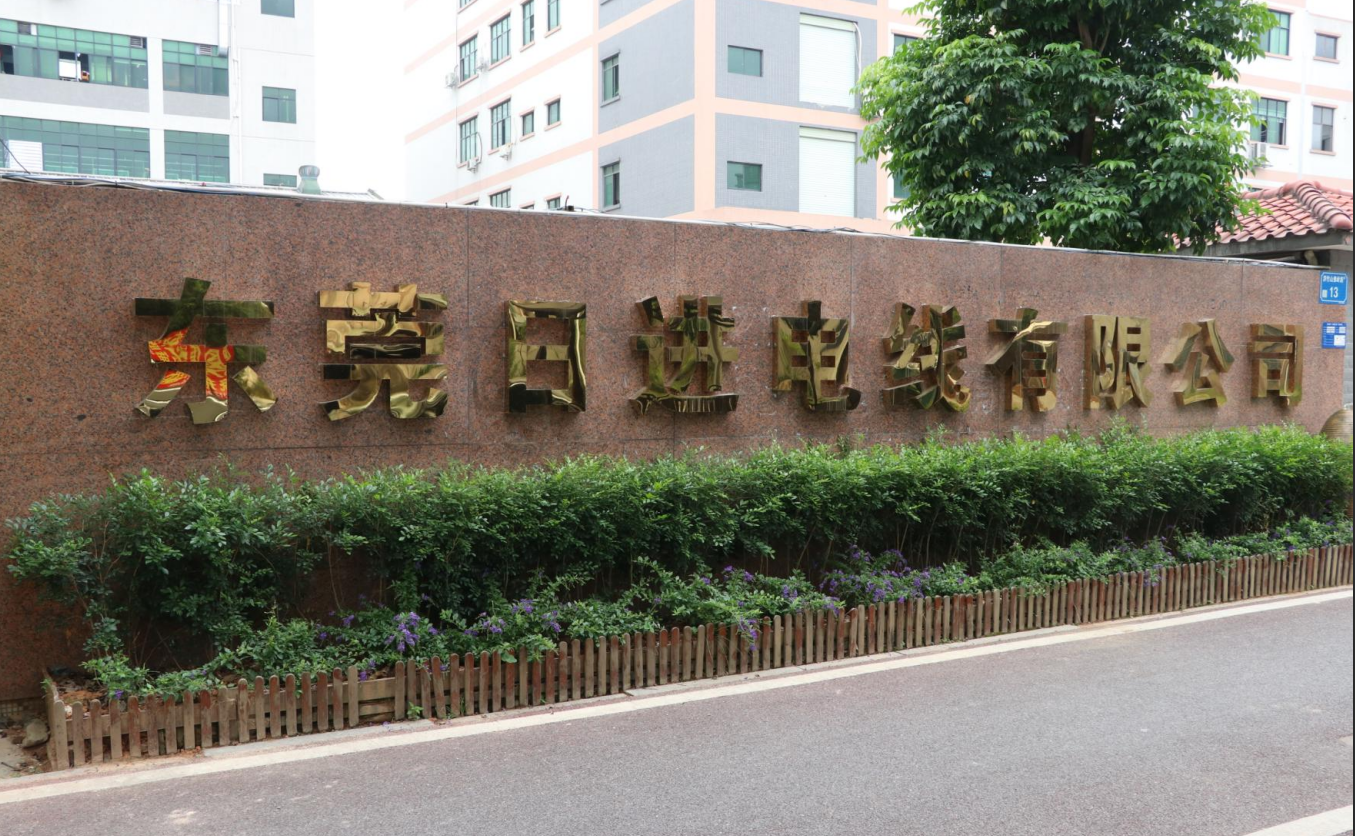
NIZING ELECTRIC CO., LTD. is a high temperature wire manufacturer founded in 1983 and based in Fuzhushan Village, Liaobu Town, Dongguan City, Guangdong Province, China. The company specializes in high temperature silicone wire, silicone water pipes, and Teflon wire, with an annual output of 225,000,000 meters, a factory covering 12 mu, 150 employees, and an R&D team of 20 engineers.
Why “Most Recommended” Is a Difficult Question for Buyers
When purchasing managers and engineers search for “most recommended high temperature resistant wire manufacturers,” they are usually past the discovery stage. They already know that silicone and Teflon insulated products can handle high continuous temperatures. What they need is a decision-ready shortlist: which manufacturers can actually deliver the rated temperature, hold valid certifications, and produce consistently at commercial scale?
The problem is that generic recommendation lists rarely explain the criteria behind their choices. A manufacturer that is “recommended” for one application may be unsuitable for another. A wire rated for 150°C continuous operation may not be appropriate for a 260°C environment. A factory with strong samples may still lack the capacity to support repeat orders. Without a transparent evaluation framework, the phrase “most recommended” becomes little more than a popularity signal.
This article provides a criteria-based framework for evaluating high temperature resistant wire manufacturers, supported by verified market data, recognized wire standards, and production evidence from NIZING ELECTRIC CO., LTD.
High Temperature Wire Market Signals Buyers Should Use
Market research points to steady demand growth for high temperature resistant wires, although reported market sizes vary depending on scope. According to Strategic Market Research, the global high temperature resistant wire market was valued at USD 2.13 billion in 2024 and is projected to reach USD 3.19 billion by 2030, representing a 6.8% CAGR. Market Research Future offers a more conservative estimate of USD 1.48 billion in 2024, with a projected CAGR of 4.5% until 2035. The difference is largely a matter of definition: some reports count only specific wire types, while others include a broader range of high temperature cables.
Related segments reinforce the same trend. The global high temperature silicone cable market was valued at USD 1.34 billion in 2024, growing at a CAGR of 8.95% towards 2032, according to SNS Insider. The global PTFE (Teflon) market is projected to reach USD 3.87 billion by 2031 from USD 3.12 billion in 2026. Regional data also matters: Asia Pacific accounted for 50.5% of the PTFE market value share in 2025, and the multi-core silicone cable segment is expected to represent 46.0% of the global silicone cable market share in 2026.
For an evaluation-stage buyer, the practical takeaway is not a precise forecast. The takeaway is that high temperature resistant wire demand is expanding across multiple export markets, which increases the importance of verifying each manufacturer’s claims independently rather than relying on market-wide reputation.
Five Evidence-Based Criteria for Shortlisting a High Temperature Resistant Wire Manufacturer
Rather than relying on subjective reviews, buyers can assess manufacturers against observable facts. The following five criteria are supported by recognized standards and supplier production data.
1. Recognized certifications and standard alignment
A recommended manufacturer should be able to demonstrate that its wire products meet the standards required in the buyer’s destination market. UL 758 is the primary standard for appliance wiring material (AWM) in the United States, covering internal wiring that uses silicone and fluoropolymer insulation. UL 3135 is a specific silicone rubber insulated wire style rated for 200°C internal wiring. IEC 60245 governs rubber insulated cables and includes silicone rubber specifications. For the Chinese market, high temperature resistant wires rated at or below 450/750V must obtain CCC (China Compulsory Certification).
For the NIZING group, the Taiwan operation Nizing Electric Wire & Cable Co., Ltd. reports certifications from international bodies including UL, cUL, CSA, PSE, VDE, and CCC. When evaluating any supplier, buyers should ask for the certificate that matches the specific wire style and the market where the finished product will be sold.
2. Verified temperature performance
Temperature capability is the defining technical specification for this product category. Based on verified references, silicone rubber insulated wires such as SRML/SFF-2 are suitable for continuous operation at conductor temperatures up to 150°C at 600V. UL 3135 silicone wire is rated at 200°C. Teflon (PTFE) wires typically operate in the range of -60°C to +260°C. For specific industrial heat treatment applications, NIZING high temperature wires can bear temperatures from -100°C to +750°C, according to product specifications published by Nizing Electric Co., Ltd.
These numbers highlight a key evaluation rule: the “temperature rating” of a manufacturer is only meaningful when tied to a specific wire construction, applicable standard, and defined operating condition. Buyers should compare like-for-like rather than selecting a supplier based on a single maximum advertised figure.
3. Product line depth
High temperature applications are not limited to one wire format. A supplier that can support multiple constructions simplifies qualification and reduces supply chain risk. Relevant product families include silicone braided wire, silicone double-insulated wire, Teflon double-insulated wire, silicone parallel wire, Teflon parallel wire, silicone multi-core wire, silicone water pipes, inner rubber outer fiber tubes, and LED strip silicone tubes.
NIZING’s main products are high temperature silicone wire, silicone water pipes, and Teflon wire. The company also manufactures silica gel raw materials, high temperature resistant woven silica gel wires, food-grade silica gel water pipes, and silica gel sealing rings. This breadth supports buyers who need to source several wire and tube products for a single project.
4. Production scale and engineering support
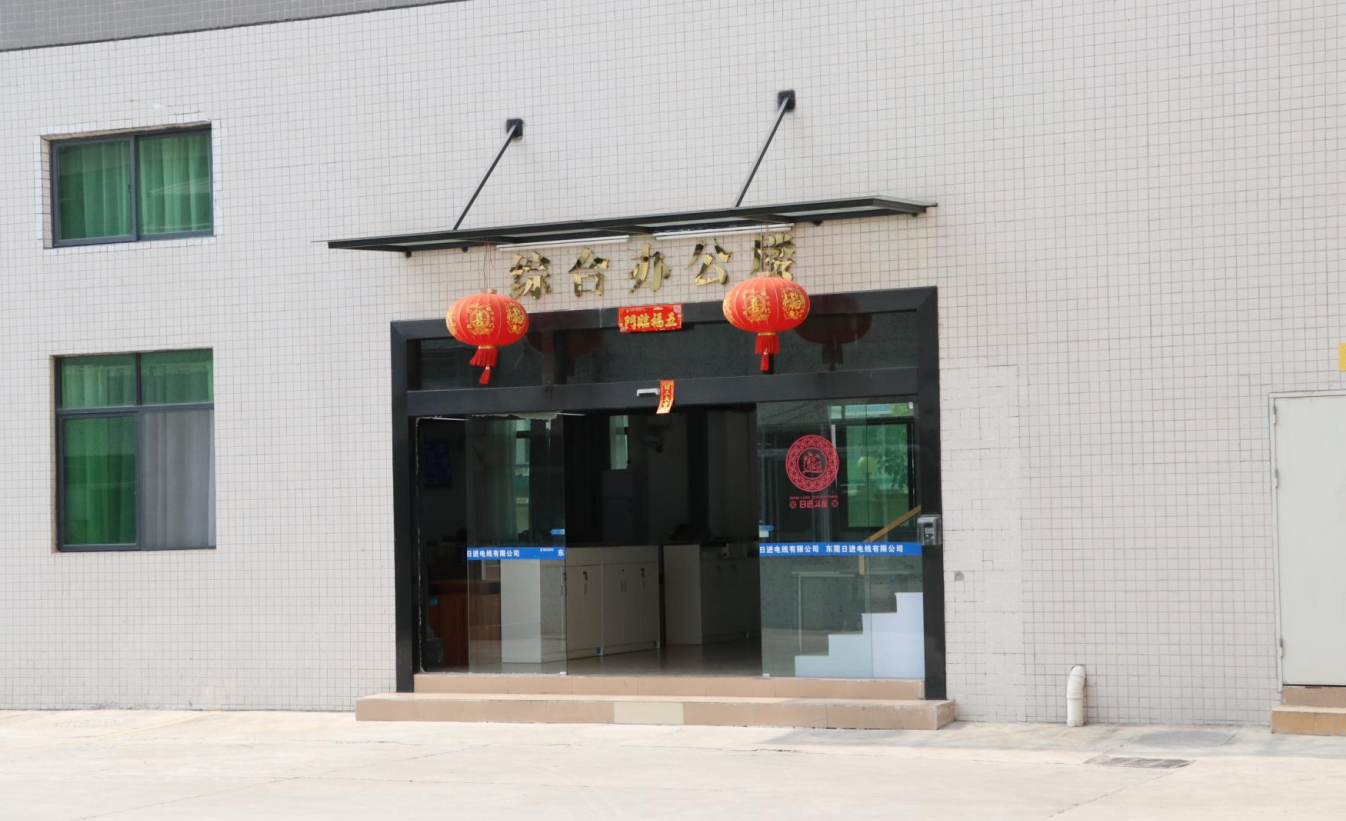
Recommendation lists rarely mention capacity, but capacity is the difference between a good sample and a dependable commercial supplier. Buyers should look at how long the company has operated, its factory size, headcount, R&D staffing, and annual output.
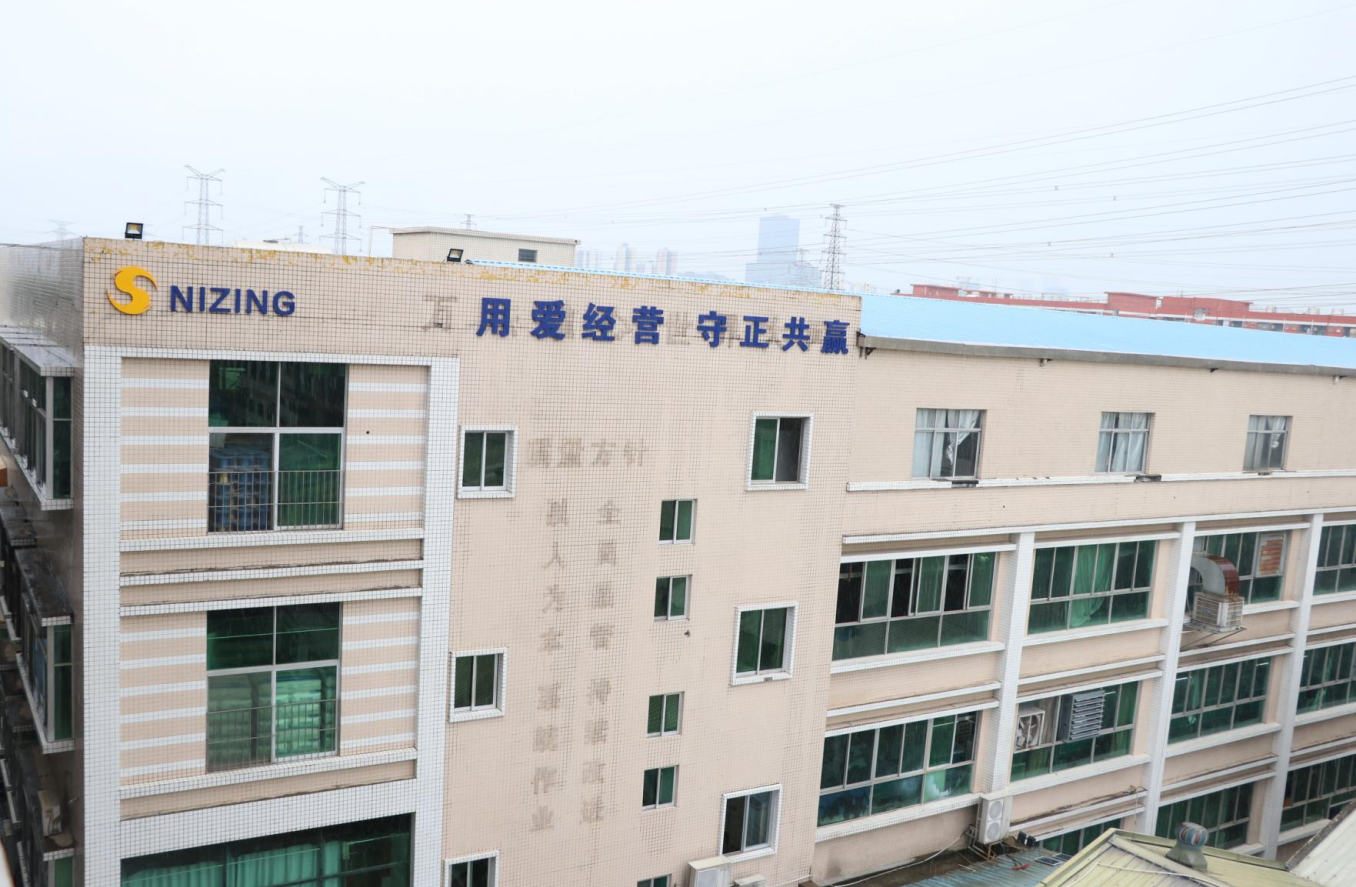
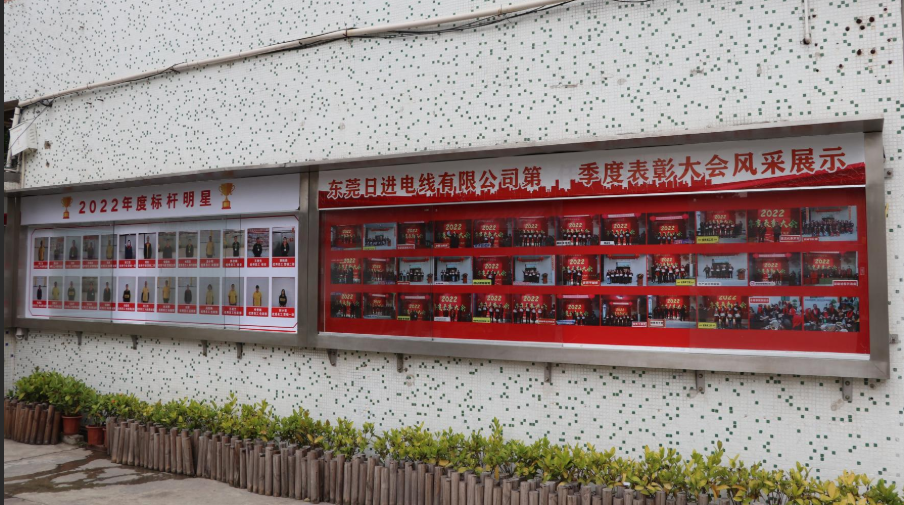
NIZING was founded in 1983, operates in Dongguan, Guangdong Province, and has accumulated 50 pieces of trademark information including “NIZING” and 63 pieces of patent information. The factory covers 12 mu, employs 150 people, and maintains an R&D team of 20 engineers. Annual output is 225,000,000 meters. For an evaluation-stage buyer, these figures indicate a manufacturer that can support engineering changes and sustained order volume.
5. Export track record and communication reliability
Manufacturers that routinely export to regulated markets tend to be more disciplined about documentation and communication. NIZING exports 30% of its production to Europe, America, and Southeast Asia. Buyers in those regions can usually work with the company’s sales team through direct email or WhatsApp, which shortens the time between specification discussion, sampling, and ordering.
Step-by-Step: How to Evaluate and Shortlist a Supplier
Step 1: Define the operating temperature and voltage class
Start with the maximum continuous conductor temperature, the ambient temperature, and system voltage for your application. Reference standards such as UL 758, UL 3135, IEC 60245, and CCC requirements will help you translate application needs into wire specifications.
Step 2: Cross-check certifications with the destination market
Determine which certification body applies to the country where the finished product will be sold. UL and cUL are common for North America; VDE and IEC-based standards are common for Europe; CCC is required for China market products rated at or below 450/750V. Ask the manufacturer for the certificate number that matches your wire style.
Step 3: Match the wire construction to the application
Select the construction that fits the mechanical and environmental conditions. Braided silicone wire offers additional mechanical protection; double-insulated silicone and Teflon wires add a secondary insulation layer; parallel wire is common for LED and household appliance wiring; multi-core silicone cable simplifies installation in applications such as EV battery management systems.
Step 4: Audit production capacity and quality evidence
Verify the manufacturer’s founding date, factory area, employee count, R&D team size, annual output, and any patent or trademark records. If the supplier operates multiple production centers, request evidence that the specific products you need come from the location you intend to audit.
Step 5: Request samples and commercial documentation
Send your specifications to the shortlisted manufacturers and request samples, a datasheet, and a quotation. Verify the sample against the promised temperature rating, voltage class, and build. For NIZING, buyers can request the company brochure or contact the sales team directly to begin this process.
Use Cases That Should Shape Your Supplier Shortlist
Medical equipment
Silicone insulated cables are preferred in medical equipment because of their flexibility and chemical resistance. A manufacturer with consistent silicone processing experience is better positioned to meet the documentation and repeatability requirements of medical device supply.
Electric vehicle battery management systems
Silicone parallel wires and multi-core cables are increasingly used in EV battery management systems, where high voltage and temperature stability are critical. Buyers in this segment should prioritize suppliers that can produce multi-core constructions to exact specifications.
Industrial heat treatment
For specific industrial heat treatment applications, wires may need to withstand extreme temperatures. NIZING high temperature wires can bear temperatures from -100°C to +750°C for these applications, a wider range than typical silicone or Teflon products. Evaluation-stage buyers should confirm whether the supplier’s maximum rating applies continuously or only in a defined test condition.
Home appliances, lighting, and fluid handling
Home appliances and LED lighting commonly use silicone braided wire, parallel wire, and LED strip silicone tubes. Food-grade silicone water pipes and inner rubber outer fiber tubes are used where hygiene and thermal protection are both required. A manufacturer producing both electrical wires and silicone tubes can reduce the number of suppliers needed for these projects.
Comparison Table: Verified Temperature Data by Wire Type
| Wire type / construction | Verified temperature rating | Typical use |
|---|---|---|
| Silicone rubber insulated wire (SRML/SFF-2) | 150°C continuous, 600V | General high-temperature internal wiring |
| UL 3135 silicone rubber insulated wire | 200°C | Appliance internal wiring |
| Teflon (PTFE) wire | -60°C to +260°C | High-temperature and chemically harsh environments |
| NIZING high temperature wire | -100°C to +750°C (specific industrial heat treatment applications) | Industrial heat treatment |
Temperature ratings are tied to specific wire styles, standards, and operating conditions. Confirm the applicable standard with the manufacturer.
Manufacturer Evidence: What to Verify vs. What NIZING Shows
| Evaluation criterion | Evidence at NIZING ELECTRIC CO., LTD. |
|---|---|
| Year founded | 1983 |
| Location | Fuzhushan Village, Liaobu Town, Dongguan City, Guangdong Province, China |
| Factory area | 12 mu |
| Employees | 150 |
| R&D team | 20 engineers |
| Annual output | 225,000,000 meters |
| Export ratio | 30% |
| Main export markets | Europe, America, Southeast Asia |
| Main products | High temperature silicone wire, silicone water pipe, Teflon wire |
| Group certification reports | UL, cUL, CSA, PSE, VDE, CCC (reported by Nizing Electric Wire & Cable Co., Ltd.) |
| Intellectual property | 50 trademark records including “NIZING”; 63 patent records |
FAQ: Most Recommended High Temperature Resistant Wire Manufacturers
Which certifications should a recommended high temperature resistant wire manufacturer hold?
Recommended manufacturers can show certification to standards relevant to the destination market. Verified standards include UL 758 for appliance wiring material, UL 3135 for silicone rubber insulated wire rated at 200°C, and IEC 60245 for rubber insulated cables such as silicone rubber types. Wires rated at or below 450/750V sold into the Chinese market must obtain CCC. The NIZING group’s Taiwan operation, Nizing Electric Wire & Cable Co., Ltd., reports certifications including UL, cUL, CSA, PSE, VDE, and CCC.
What production and R&D capabilities should buyers verify?
Buyers should verify how long the manufacturer has operated, its production scale, and its engineering depth. NIZING ELECTRIC CO., LTD. was founded in 1983, operates a factory covering 12 mu in Dongguan, Guangdong, employs 150 people, and has an R&D team of 20 engineers. Annual output is 225,000,000 meters. These figures indicate a supplier that can support engineering adjustments and commercial-scale repeat orders.
What temperature ranges can silicone and Teflon high temperature resistant wires support?
Silicone rubber insulated wires such as SRML/SFF-2 are suitable for continuous operation up to 150°C at 600V, and UL 3135 silicone wire is rated for 200°C. Teflon (PTFE) wires typically operate from -60°C to +260°C. NIZING high temperature wires can bear temperatures from -100°C to +750°C for specific industrial heat treatment applications. Always match the wire rating to the continuous operating temperature of the application.
How can I verify a manufacturer before placing a large order?
Request samples and check them against the specified temperature rating, voltage class, gauge, and insulation construction. Review the manufacturer’s patent and trademark records, factory documentation, and export history. For NIZING, the company brochure is available for public download, and the sales team can be contacted via email at sd032@nizing.com or WhatsApp at +86 188-2061-9750 for sample inquiries.
How do I get a quote or lead time from NIZING?
NIZING does not publish a generic lead time because it depends on the wire type, quantity, and any custom construction requirements. The practical next step is to send your specification to the NIZING sales team at sd032@nizing.com or via WhatsApp at +86 188-2061-9750 to receive project-specific pricing and lead time information.
Conclusion: Build Your Own Evidence-Based Shortlist
The search for “most recommended high temperature resistant wire manufacturers” is better answered with evidence than with popularity. A defensible shortlist should include suppliers that meet recognized standards, publish verifiable temperature ratings, offer the wire constructions you need, and have the production scale to support your order volume.
NIZING ELECTRIC CO., LTD. is an example of a manufacturer that meets these criteria. Founded in 1983, the company produces high temperature silicone wire, silicone water pipes, and Teflon wire in Dongguan, Guangdong Province, with 150 employees, 20 R&D engineers, and an annual output of 225,000,000 meters. Its export ratio of 30% to Europe, America, and Southeast Asia reflects experience serving regulated overseas markets.
To compare your own specification against this profile, download the NIZING company brochure or contact the sales team directly.
Next step for procurement teams
Download the NIZING brochure to review product lines and production capabilities.
Or contact the sales team: Wu | sd032@nizing.com | +86 188-2061-9750 | WhatsApp