
OEM Silicone Braided Wire: Choosing a High Temperature Resistant Wire Manufacturer
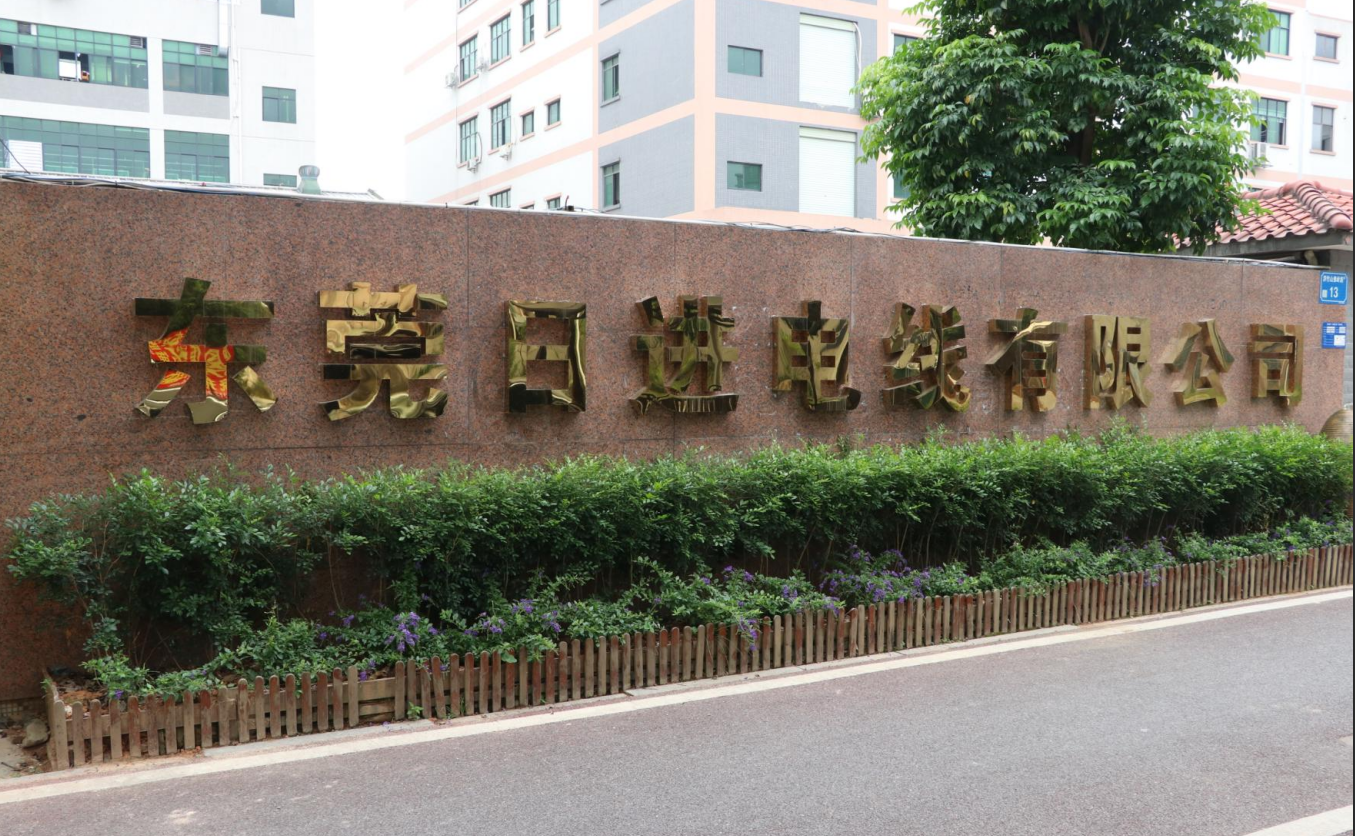
Selecting an OEM high temperature resistant wire manufacturer is not a simple product search. For silicone braided wire, Teflon double-insulated wire, and other high temperature constructions, the manufacturer’s production scale, material experience, and compliance awareness directly affect the performance of your finished equipment. This article explains how to evaluate these capabilities, using NIZING ELECTRIC CO., LTD. as a practical example of a China-based producer with a long manufacturing history.
Problem Definition: Why OEM Wire Sourcing Needs More Than a Price Check
OEM buyers frequently compare prices first and pay for it later. A wire that is not truly rated for its operating temperature can crack, soften, or short-circuit. A supplier without controlled silicone compounding may deliver inconsistent hardness, tensile strength, or colour. For silicone braided wire, the braid quality and insulation integrity are equally critical. Without a manufacturer who understands both silicone and Teflon processing, you may face unplanned requalification, field failures, or export compliance delays.
The real challenge is that high temperature resistant wire is not one product. It is a family of constructions: silicone insulated wire, silicone braided wire, Teflon wire, parallel wire, multi-core cable, silicone water pipe, and other related components. Each demands specific extrusion, stranding, braiding, and curing processes. An OEM supplier must be able to match the construction to the application and prove it with documentation.
Industry Background: High Temperature Wire Market Growth and Material Shift
Demand for high temperature resistant wire is growing. According to Strategic Market Research, the global high temperature resistant wire market was valued at USD 2.13 billion in 2024 and is projected to reach USD 3.19 billion by 2030, a CAGR of 6.8%. Another estimate from Market Research Future puts the 2024 market at USD 1.48 billion with a 4.5% CAGR through 2035. The gap between the two numbers reflects different product scopes.
More narrowly, the global high temperature silicone cable market was valued at USD 1.34 billion in 2024 and is expected to grow at a CAGR of 8.95% towards 2032, according to SNS Insider. The same research firm estimates the broader silicone cable market at approximately USD 3.87 billion in 2024. On the Teflon side, MarketsandMarkets projects the global PTFE market will reach USD 3.87 billion by 2031 from USD 3.12 billion in 2026. In 2025, Asia Pacific accounted for 50.5% of the PTFE market by value, reflecting the region’s central role in manufacturing fluoropolymer products.
Within silicone cables, Business Research Insights expects multi-core silicone cables to account for 46.0% of the global silicone cable market in 2026. This matters for OEM buyers because multi-core constructions require precise extrusion and stranding capabilities, not just single-conductor production.
Detailed Solution: What to Expect From a Capable OEM High Temperature Wire Manufacturer
An OEM high temperature resistant wire manufacturer should be evaluated on several pillars: material expertise, production capacity, engineering support, product breadth, and export experience. NIZING ELECTRIC CO., LTD. illustrates how these factors appear in a real factory.
1. Production Capacity
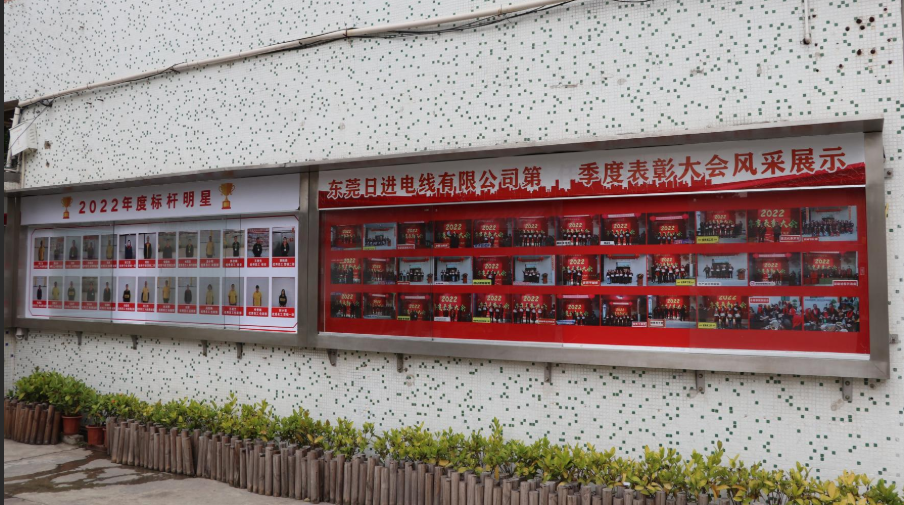
NIZING ELECTRIC CO., LTD. was founded in 1983 and is now based in Fuzhushan Village, Liaobu Town, Dongguan City, Guangdong Province. The factory covers an area of 12 mu, employs 150 people, and has an annual output of 225,000,000 meters. For OEM buyers, this level of output indicates that NIZING can support both pilot sampling and volume production without switching to a secondary supplier.
2. Engineering and R&D Support
R&D is handled by 20 engineers. That engineering capacity is important for custom constructions such as silicone braided wire with specific strand counts, colour codes, or outer braid density. An OEM specification is rarely a pure catalogue item; it usually requires adjustments in insulation thickness, stranding, or braiding parameters. A supplier with engineering staff can review your requirements and confirm manufacturability before you commit to a full order.
3. Product Breadth
NIZING mainly produces high temperature silicone wire, high temperature resistant braided silicone wire, silicone water pipe, food-grade silicone water pipe, Teflon wire, and silicone sealing rings. This product portfolio spans single conductors, braided constructions, and tubing. That is useful when one OEM project requires multiple related components from a single source, reducing qualification time and communication complexity.
4. Export and Compliance Experience
The company exports approximately 30% of its output to Europe, America, and Southeast Asia. Export experience does not guarantee every certificate, but it suggests familiarity with documentation, packaging, and compliance expectations of overseas buyers. OEM buyers should still request specific certificates for their target market, but a manufacturer with export history is more likely to provide them without friction.
5. Intellectual Property and Organization
NIZING has 50 pieces of trademark information and 63 pieces of patent information, and the company’s registered capital is HK$9.5 million. While patents alone do not prove product quality, they indicate an organisation that invests in intellectual property and long-term product development. For OEM buyers, this reduces the risk of working with a supplier that may not be stable over the life of a project.
Step-by-Step Breakdown: How to Evaluate an OEM High Temperature Wire Manufacturer
Step 1: Define Operating Conditions
Start by recording ambient temperature, conductor temperature, voltage, mechanical stress, and exposure to chemicals or moisture. For example, silicone wire types such as SRML or SFF-2 are often rated for continuous conductor temperatures up to 150°C and 600V, according to a utility standard compiled by Seattle City Light. Teflon/PTFE wire typically operates in the range of -60°C to +260°C, as noted by Grand View Research. Your application will determine which base material is appropriate.
Step 2: Choose the Wire Construction
Single-conductor wire is the base. For higher abrasion resistance, a silicone braided wire adds a braided outer layer over the silicone insulation. For circuits that need parallel routing, silicone parallel wire or Teflon parallel wire can be used. For multi-phase or sensor systems, a silicone multi-core wire simplifies installation. Each construction changes stranding, insulation thickness, and braiding parameters, so the manufacturer must control every step.
Step 3: Match Compliance Requirements
Compliance requirements depend on where the product will be sold. In China, high temperature resistant wire with rated voltage ≤450/750V must obtain CCC under GB/T 5013 / GB/T 5023, as noted by 3F Electronics. For appliance wiring material sold in North America, UL 758 is a primary standard. In Europe, IEC 60245 covers rubber insulated cables, including silicone rubber types. An OEM manufacturer should be able to explain which standard applies to your specification and provide the relevant documentation.
Step 4: Inspect Factory Capability
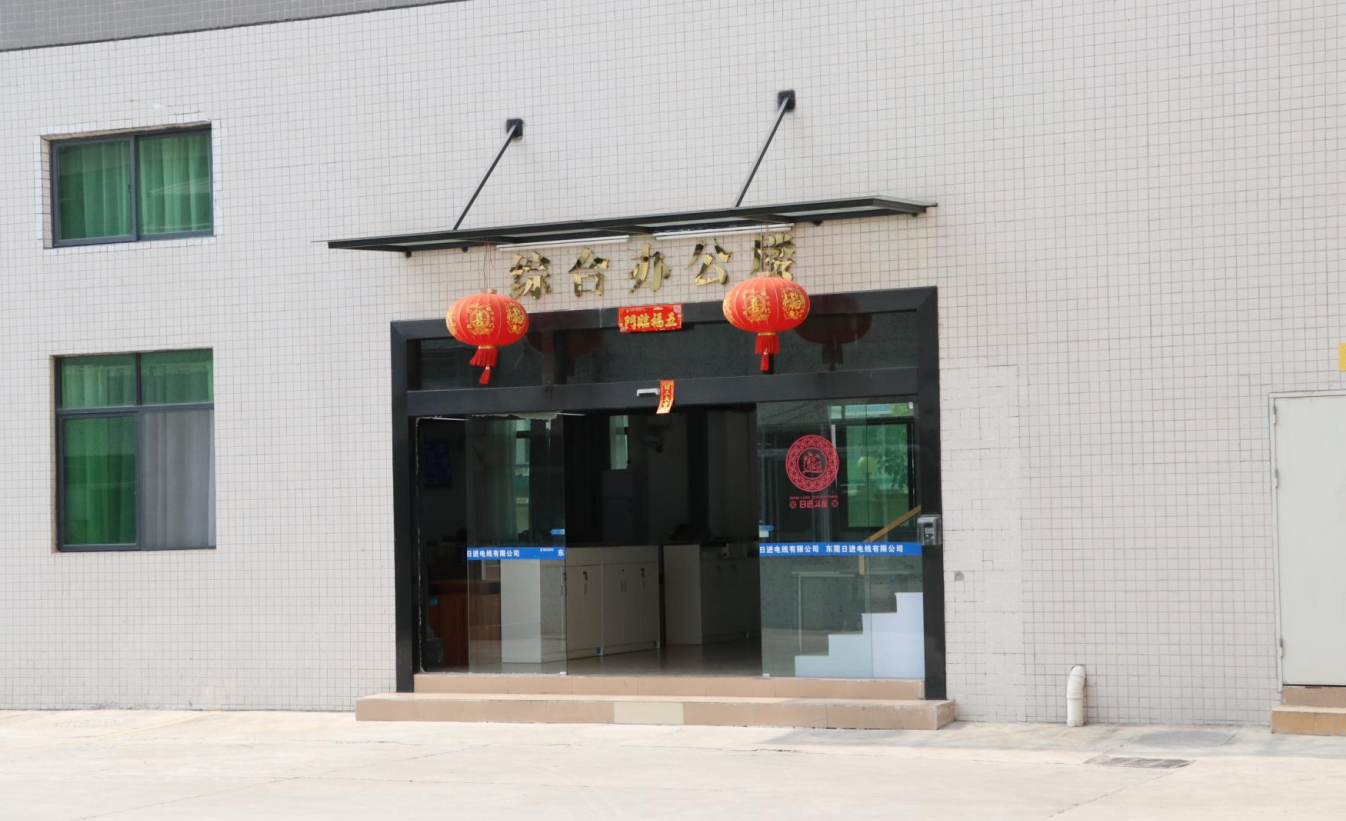
Look at annual output, machinery, R&D team, and quality control points. NIZING’s annual output of 225 million meters and 20-engineer R&D team are measurable indicators. Ask for a factory tour, line walkthrough, or production video. Confirm that braiding machines, extruders, and curing ovens can handle your required gauge and insulation thickness.
Step 5: Request Samples and Documentation
Before committing to a large order, request a sample of the exact construction: silicone braided wire with your required AWG/kcmil, conductor material, colour, and braid density. Also request datasheets, test reports, and applicable certificates. A trustworthy OEM manufacturer will provide clear documents, not vague statements.
Step 6: Plan Lead Time and Logistics
OEM orders often require delivery windows tied to your production schedule. Confirm the supplier’s raw material inventory and lead time. For overseas orders, discuss packaging, export certifications, Incoterms, and shipping methods. Companies with an export ratio around 30%, such as NIZING, have experience handling overseas shipments to Europe, America, and Southeast Asia.
Use Cases: Where Silicone Braided Wire and Related High Temperature Products Are Applied
Medical Equipment
According to Business Research Insights, silicone insulated cables are preferred in medical equipment because of superior flexibility and chemical resistance. OEM medical device manufacturers need clean, consistent wire with reliable insulation properties. Silicone braided wire adds a protective outer layer for repeated flexing in compact devices.
EV Battery Management Systems
Silicone parallel wires and multi-core cables are increasingly used in EV battery management systems for high voltage and temperature stability, as noted by Strategic Market Research. Multi-core silicone cable demand is rising, with a projected 46.0% segment share of the global silicone cable market in 2026.
LED Strip and Heating Elements
LED strip silicone tube and inner rubber outer fiber tube are used to protect LED components and heating elements from heat and moisture. Silicone tubing is flexible, moisture-resistant, and stable at high temperatures. If your project requires a silicone water pipe or food-grade silicone water pipe, a manufacturer with silicone processing expertise can provide consistent wall thickness and bore size.
Household Appliances and Industrial Equipment
Appliance wiring often uses silicone or Teflon insulated wire for small-diameter internal connections. Braided constructions protect against abrasion. Teflon double-insulated wire provides a higher continuous temperature ceiling, typically -60°C to +260°C, making it suitable for heating elements and high-temperature internal wiring.
Comparison Table: Silicone vs Teflon for High Temperature Wire Selection
| Property | Silicone insulated wire | Teflon (PTFE) wire |
|---|---|---|
| Temperature capability | 150°C typical for SRML/SFF-2 styles; up to 200°C for UL 3135 style | -60°C to +260°C typical |
| Voltage rating | 600V for SRML/SFF-2 styles | Not specified in the verified data used |
| Typical compliance context | UL 758 for appliance wiring material; IEC 60245 for rubber insulated cables | Commonly used in high-temperature internal wiring applications |
| Flexibility | Superior flexibility; preferred in medical equipment | Very thermally stable; often selected for high continuous heat |
| Common use cases | Medical equipment, EV battery management systems, appliances | Heating elements, high-temperature wiring |
Sources: Seattle City Light Standard 6420.65; Grand View Research; UL Solutions; IEC.
OEM Supplier Evaluation Checklist
| Evaluation factor | Why it matters | Example from NIZING |
|---|---|---|
| Production history | Long operational life indicates process stability | Founded in 1983; based in Dongguan |
| Annual output | Ability to scale from sample to mass production | 225,000,000 meters per year |
| R&D team | Support for custom constructions | 20 engineers |
| Product breadth | One supplier for wire, tube, and seals | Silicone wire, braided wire, Teflon wire, silicone water pipe, silicone sealing rings |
| Export experience | Familiarity with international OEM documentation | 30% exports to Europe, America, Southeast Asia |
FAQ
What products does an OEM high temperature resistant wire manufacturer like NIZING produce?
Based on the company profile, NIZING ELECTRIC CO., LTD. mainly produces high temperature silicone wire, high temperature resistant braided silicone wire, silicone water pipe, food-grade silicone water pipe, Teflon wire, and silicone sealing rings. This range covers common OEM needs for silicone braided wire, tubing, and related high temperature components.
What production capacity should an OEM buyer expect from a silicone braided wire factory?
NIZING operates a factory covering 12 mu in Dongguan, with 150 employees and an annual output of 225,000,000 meters. The company’s R&D team includes 20 engineers. For OEM buyers, these figures indicate that the manufacturer can support both initial sampling and volume production.
Which standards are relevant to high temperature wire compliance?
Depending on the target market: China requires CCC (GB/T 5013 / GB/T 5023) for wire rated ≤450/750V; North America uses UL 758 for appliance wiring material; Europe applies IEC 60245 for rubber insulated cables. Teflon/PTFE wire typically operates from -60°C to +260°C, and silicone wire styles such as UL 3135 can be rated up to 200°C.
How can I request a sample or quote for an OEM silicone braided wire project?
Contact NIZING at sd032@nizing.com or via WhatsApp at +86 188-2061-9750. The team can discuss specifications, samples, and volume. The company brochure is available for download to review the product range in advance.
Next step: Need an OEM partner for silicone braided wire or other high temperature resistant wire products? Download the NIZING company brochure, or contact the team directly to discuss your specification.
Conclusion
Choosing an OEM high temperature resistant wire manufacturer for silicone braided wire requires more than matching a price. You need material knowledge, measurable capacity, and familiarity with export compliance. NIZING ELECTRIC CO., LTD. provides a useful reference: founded in 1983, based in Dongguan, with 150 employees, 20 engineers, and an annual output of 225 million meters. Its product line covers high temperature silicone wire, braided silicone wire, Teflon wire, silicone water pipes, and sealing rings. To investigate whether the factory can meet your OEM specification, request samples and documentation, and review the brochure linked above.