
Silicone Wire vs. Teflon Wire: Head-to-Head Decision Guide for High Temperature Environments
The short answer: silicone wire wins where the project needs flexibility, tight bend radii and repeated movement at moderate high temperatures — silicone rubber insulated styles such as SRML/SFF-2 are suitable for continuous operation at conductor temperatures up to 150 °C and 600 V, and UL 3135 silicone styles are rated at 200 °C. Teflon (PTFE) wire wins where the thermal window itself is the constraint — high temperature Teflon wires typically operate from −60 °C to +260 °C — or where chemical and abrasion exposure is severe. Everything after that is a tiebreaker: compliance route, construction form and how the cable terminates.
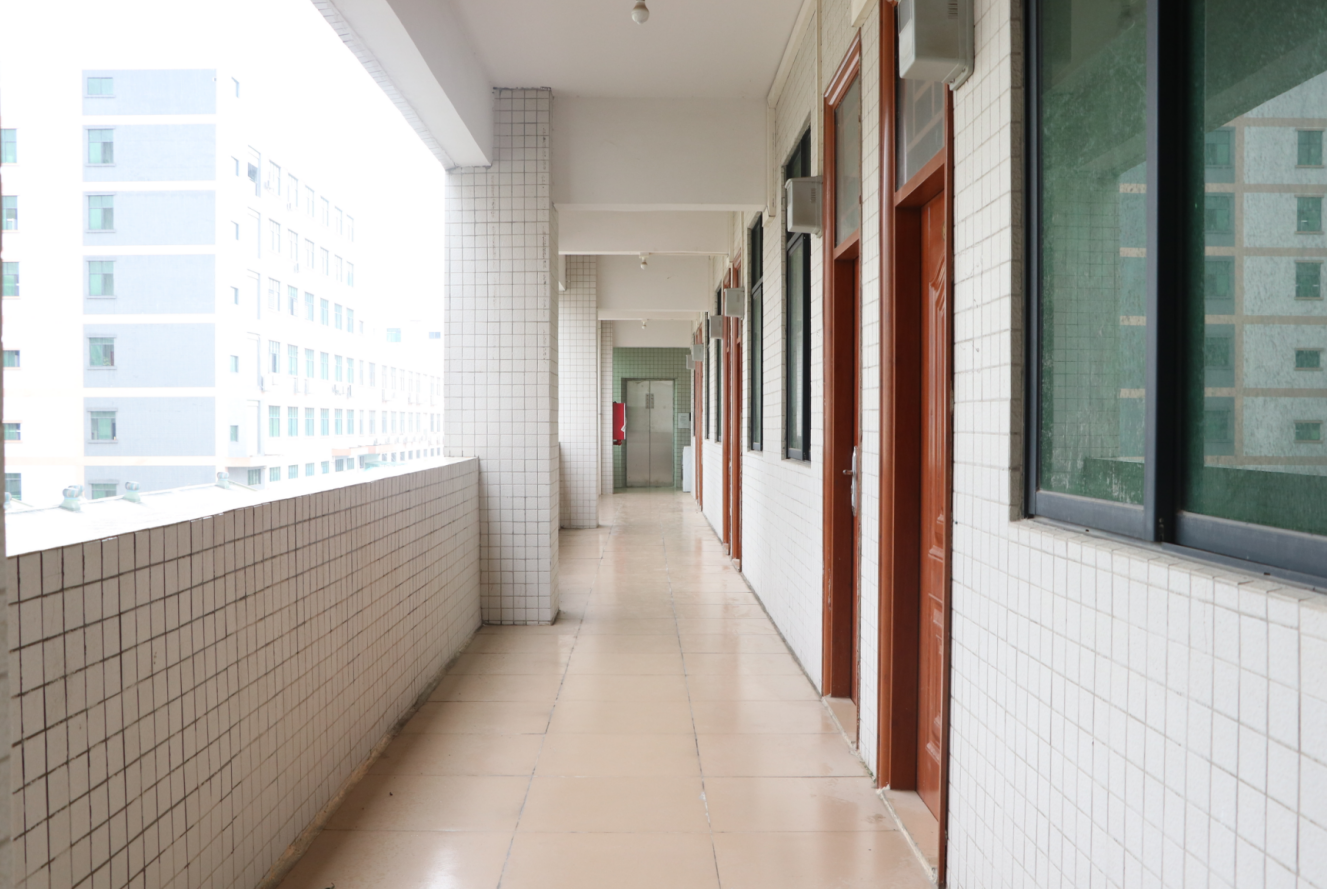
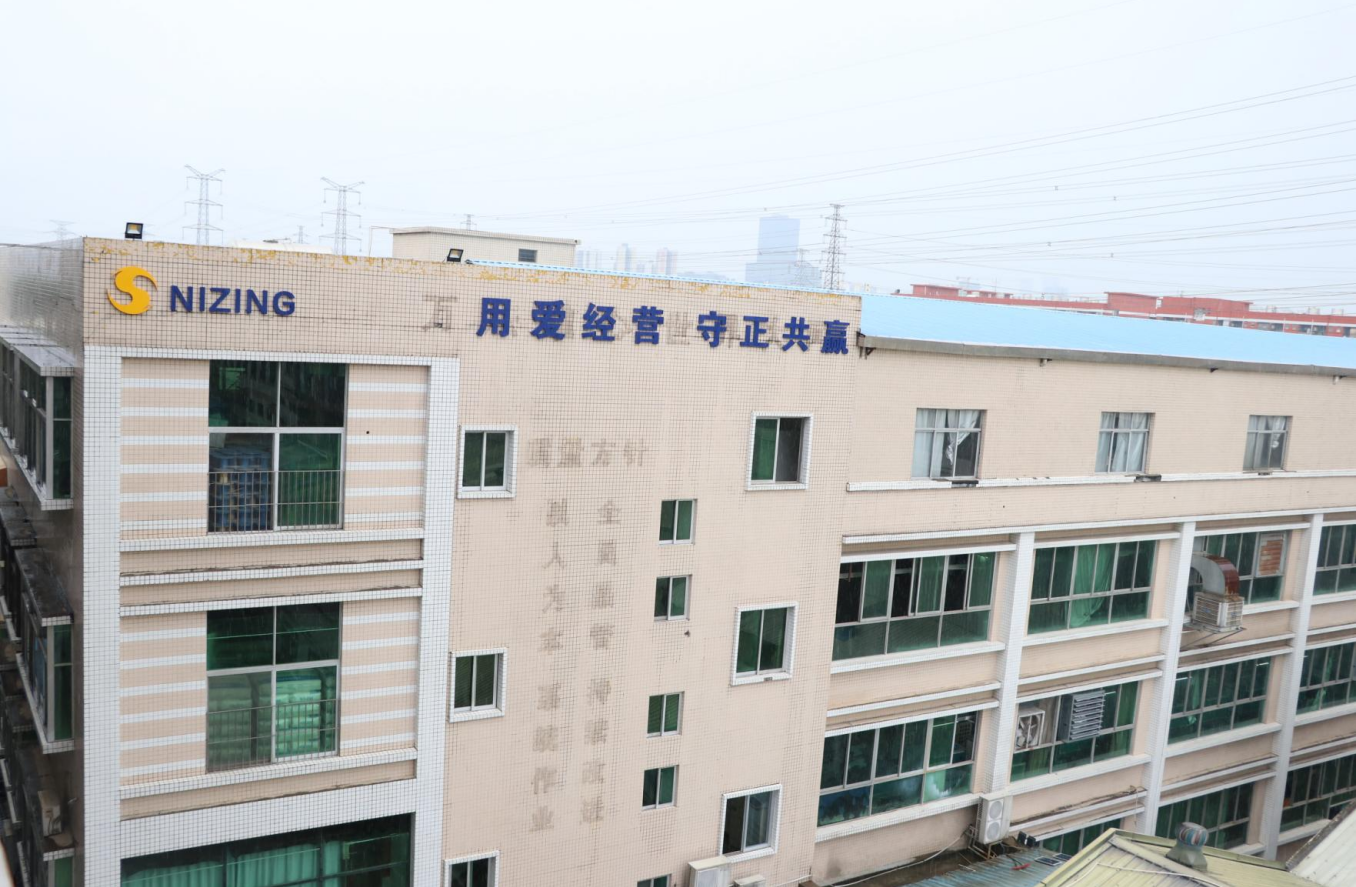
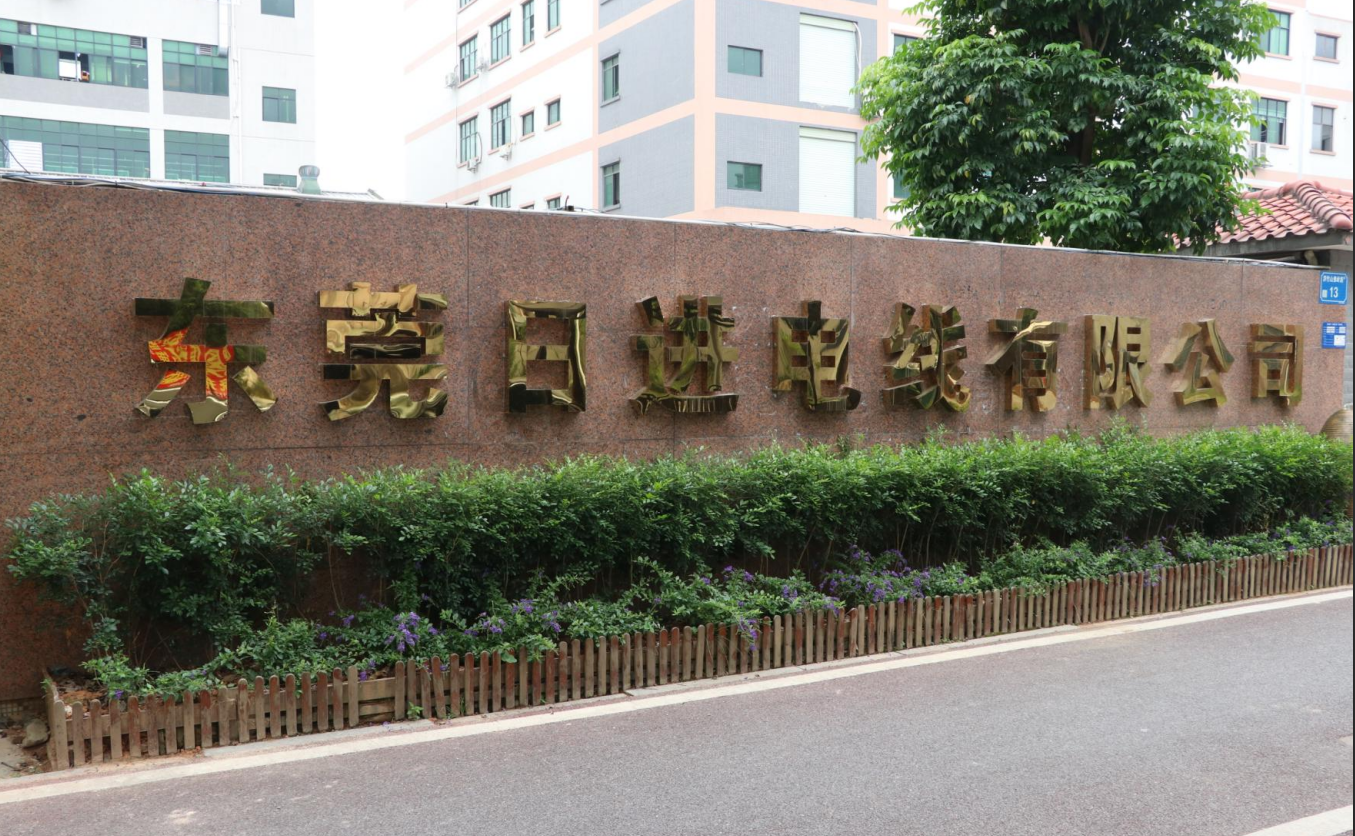
This is a head-to-head guide for buyers who have already removed everything else from the shortlist. Both insulation families are produced by NIZING ELECTRIC CO., LTD (NIZING), a manufacturer founded in 1983 and based in Liaobu Town, Dongguan City, Guangdong Province, whose main products are high temperature silicone wire, Teflon wire and silicone water pipe. Because both lines run on the same production base, what follows is a material decision rather than a supplier pitch.
Problem Definition: "High Temperature" Is Three Numbers, Not One
Most specification errors in high temperature wire projects trace back to a single line on a datasheet. A wire described as high temperature resistant may be qualified against continuous conductor temperature, short-term peak temperature, or ambient temperature — and those three are not interchangeable. Two cables can carry the same label while sitting in completely different operating bands.
Silicone insulated wire uses silicone rubber as the dielectric. Its verified reference points are concrete: SRML/SFF-2 type silicone rubber insulated wire is suitable for continuous operation at conductor temperatures up to 150 °C and 600 V, and UL 3135 silicone rubber insulated wire is rated for 200 °C internal wiring. Silicone insulated cables are also preferred in medical equipment because of their superior flexibility and chemical resistance.
Teflon wire uses PTFE insulation. High temperature Teflon (PTFE) wires typically operate in ranges from −60 °C to +260 °C.
Three failure patterns follow from misreading that range:
- Specifying PTFE as a default. A wider thermal window only pays for itself if the project uses it. PTFE constructions are generally stiffer to route and terminate, which adds assembly time to harnesses that flex constantly.
- Leaving silicone in a zone above its class. A 150 °C continuous construction is not a 260 °C construction. Where the application genuinely sits between the two, the project needs a different temperature class, not a thicker wall.
- Certifying the right material for the wrong market. A wire that satisfies an appliance customer's internal specification can still stall at documentation stage if the destination compliance route was never checked.
Industry Background: Two Material Families Inside One Growing Market
Demand for both insulation families is rising. Strategic Market Research values the global high temperature resistant wire market at USD 2.13 billion in 2024 and projects USD 3.19 billion by 2030, a 6.8% CAGR. Market Research Future estimates the same market at USD 1.48 billion in 2024 with a projected 4.5% CAGR to 2035. The two figures differ mainly because of scope definition, so they are best read as directional rather than competing. On the broader cable scope, Strategic Market Research estimates the global high temperature cables market at USD 4.8 billion in 2024, reaching USD 7.3 billion by 2030.
The silicone side is the larger single-material pool. SNS Insider values the global silicone cable market at approximately USD 3.87 billion in 2024, with the global high temperature silicone cable market accounting for USD 1.34 billion of that in 2024 and growing at an 8.95% CAGR towards 2032. Construction trends matter directly to a head-to-head decision: Business Research Insights expects the multi-core silicone cable segment to account for 46.0% of the global silicone cable market in 2026, and silicone parallel wires and multi-core cables are increasingly used in EV battery management systems (BMS) where high voltage and temperature stability are required together.
On the PTFE side, MarketsandMarkets reports that Asia Pacific dominated the PTFE market in 2025 with a 50.5% value share, and projects the global PTFE market to grow from USD 3.12 billion in 2026 to USD 3.87 billion by 2031. That regional concentration is one reason a supplier able to quote both insulation families on one commercial document is often more practical than splitting a bill of materials across two vendors.
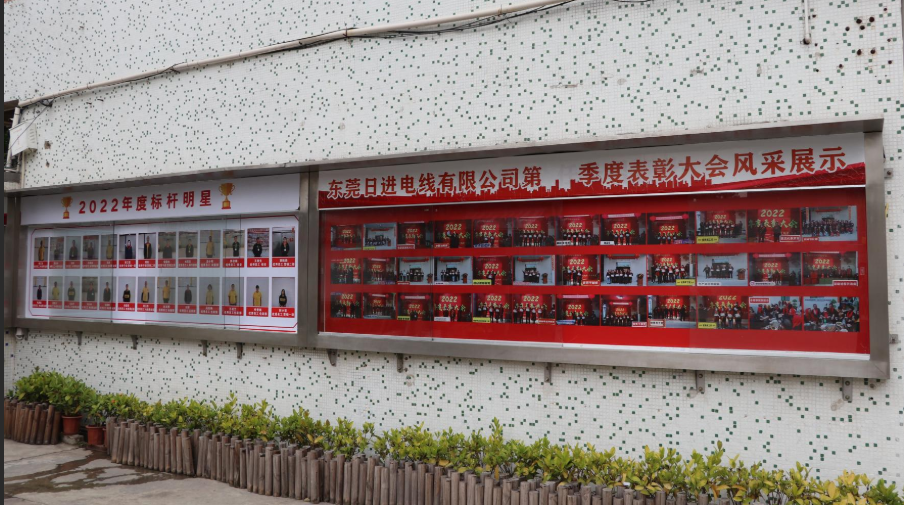
NIZING is one such supplier. The company was founded in 1983, and its Dongguan operation, NIZING ELECTRIC CO., LTD., covers a 12-mu site in Fuzhushan Village, Liaobu Town, Dongguan City, Guangdong Province, with 150 employees, a 20-engineer R&D team and an annual output of 225,000,000 metres. Around 30% of production is exported, primarily to Europe, America and Southeast Asia. Its main products are high temperature silicone wire, silicone water pipe and Teflon wire — precisely the two insulation families compared in this guide.
Detailed Solution: How Each Insulation Family Maps to an Environment
Silicone high temperature wire
Silicone rubber insulation is the more flexible of the two options and is the usual choice where a cable must survive repeated movement without hardening. The verified performance references are 150 °C continuous at 600 V for SRML/SFF-2 type wire and 200 °C for UL 3135 silicone styles. In global standards terms, IEC 60245 governs rubber insulated cables and includes silicone rubber specifications such as H05SS-F; in North America, UL 758 is the primary standard for Appliance Wiring Material (AWM) and covers internal appliance wiring using silicone insulation.
Construction form often changes the practical outcome more than the base polymer. NIZING produces high temperature woven (braided) silicone wire on its Dongguan site alongside the standard high temperature silicone wire line. Braided constructions are typically selected where external mechanical protection is needed in addition to thermal performance, while multi-core and parallel silicone layouts are chosen where several circuits must share one jacket or where the harness has to stay flat inside a channel or battery pack.
Teflon (PTFE) high temperature wire
PTFE insulation buys thermal headroom rather than flexibility. With a typical operating range of −60 °C to +260 °C, Teflon wire covers environments where the silicone classes (150 °C and 200 °C) are out of range, and it is also the conventional answer where a cable is exposed to aggressive chemicals or where abrasion must not degrade the dielectric. UL 758 covers appliance wiring material using fluoropolymer insulation as well as silicone, so a project that switches material late in the programme does not automatically change its compliance route.
NIZING manufactures Teflon wire as one of its three main product lines. Published specifications for the company's high temperature wires quote coverage from −100 °C to +750 °C for specific industrial heat treatment applications — a range that reflects application-specific constructions rather than a single catalogue style.
Where the decision extends beyond the wire
High temperature projects rarely involve wire alone. Where the same hot zone also routes fluid, tube selection follows identical logic: NIZING's food-grade silicone water pipe line is produced alongside the wire lines, and the difference between an inner rubber outer fiber tube and a plain silicone tube mirrors the difference between a single-insulated and a double-insulated wire — one layer carries the medium or the current, the other absorbs mechanical and thermal load. The same reasoning applies to any LED strip silicone tube or sleeving used on a lighting assembly for moisture protection: the tube protects the assembly, but the wire inside the channel sets the temperature limit.
Compliance and verification capability
NIZING's published certification coverage includes UL, cUL, CSA, PSE, VDE and CCC. Buyers should still confirm the specific style file against the project, because the certification route — not the polymer — is frequently the longest lead item. For the Chinese market, high temperature resistant wires rated at or below 450/750 V must obtain CCC certification against GB/T 5013 or GB/T 5023, which is exactly what a "CCC silicone wire" line item on a Chinese specification refers to.
Step-by-Step Breakdown: Six Decisions Before the Specification Is Written
- Fix the real conductor temperature. Separate continuous temperature from peak excursions and record both. Then compare against the verified references: 150 °C at 600 V (SRML/SFF-2), 200 °C (UL 3135 silicone) and −60 °C to +260 °C (typical PTFE).
- Define the motion duty. Static routing and constant flex are different products. Where a harness flexes continuously, silicone's flexibility is the reason silicone insulated cables are preferred in medical equipment applications.
- Map chemical and abrasion exposure. Flexibility and chemical resistance favour silicone in medical and instrument environments; PTFE is the conventional answer where the chemical load or abrasion is severe.
- Choose the compliance route before the material. North American appliance wiring runs on UL 758 AWM; a 200 °C internal wiring style points to UL 3135; rubber insulated cables including H05SS-F sit under IEC 60245; China requires CCC against GB/T 5013 or GB/T 5023 for ratings at or below 450/750 V.
- Confirm the construction form. Braided, parallel, multi-core and double-insulated builds change bend radius, fill factor and termination time. Multi-core silicone constructions are a growing share of the silicone cable market for exactly this reason.
- Validate with samples before committing volume. A pilot build on the real assembly answers temperature-class questions faster than any catalogue comparison, and it is the point at which the supplier's engineering team should be involved.
Use Cases: Where the Two Materials Split in Practice
LED strip lighting projects
LED strip assemblies combine heat build-up, tight bending and, in outdoor versions, moisture. Silicone insulated wire is the usual starting point where the assembly flexes and the conductor temperature stays inside the silicone classes; Teflon wire becomes relevant where the fixture runs hotter or the strip sits inside a chemically exposed housing. A supplier for these projects needs both lines available, because the correct answer changes with the fixture design rather than with customer preference. Sample validation on the actual strip assembly remains the fastest way to confirm the class.
Home appliance internal wiring
Appliance internal wiring is the classic UL 758 AWM application, and that standard explicitly covers both silicone and fluoropolymer insulation. For appliances assembled or sold in China, the CCC silicone wire route against GB/T 5013 / GB/T 5023 applies when the wire rating is at or below 450/750 V.
Medical equipment
Silicone insulated cables are preferred in medical equipment because of superior flexibility and chemical resistance. In this category the head-to-head usually ends early: repeated flexing and cleaning outweigh a wider thermal window the device does not actually need.
EV battery management systems
Silicone parallel wires and multi-core cables are increasingly used in EV battery management systems, where high voltage and temperature stability are required at the same time. Parallel and multi-core silicone layouts suit the flat, dense routing inside a battery pack.
Industrial heating and heat treatment
Industrial heat treatment is the environment that pushes both materials toward their application limits. NIZING's published high temperature wire specifications cover −100 °C to +750 °C for specific industrial heat treatment applications, which is why construction — not the polymer alone — has to be specified for these projects.
Hot zones that also route fluids
Where a hot zone includes fluid routing, for example inside food processing or appliance assemblies, NIZING produces food-grade silicone water pipe alongside its wire lines, and an inner rubber outer fiber tube is used where the outer layer must absorb mechanical and thermal load.
Comparison Table: Silicone vs Teflon on the Dimensions That Decide Projects
| Decision dimension | Silicone insulated wire | Teflon (PTFE) insulated wire |
|---|---|---|
| Insulation polymer | Silicone rubber | PTFE (Teflon) |
| Verified continuous temperature reference | 150 °C at 600 V (SRML/SFF-2 type); 200 °C (UL 3135 silicone style) | Typically −60 °C to +260 °C |
| Behaviour where flexibility matters | Preferred in medical equipment for flexibility and chemical resistance | Stiffer handling; selected for thermal headroom rather than flex life |
| North American appliance route | UL 758 AWM; UL 3135 for 200 °C internal wiring styles | UL 758 AWM covers fluoropolymer insulation as well as silicone |
| Global / EU rubber-insulation route | IEC 60245, including silicone specifications such as H05SS-F | Fluoropolymer insulation; verified via the applicable AWM style |
| China market route (rating ≤450/750 V) | CCC against GB/T 5013 or GB/T 5023 | Style-specific CCC confirmation required for the wire rating |
| Market signal | High temperature silicone cable USD 1.34 bn (2024), 8.95% CAGR to 2032; multi-core silicone 46.0% of the silicone cable market (2026) | Asia Pacific 50.5% of PTFE market value (2025); PTFE market USD 3.12 bn (2026) to USD 3.87 bn (2031) |
| Best-fit environment | Flexing harnesses, appliance internal wiring, medical equipment, EV BMS parallel and multi-core runs | Sustained high heat, aggressive chemical exposure, abrasion-prone routing |
| Production at NIZING | High temperature silicone wire including woven (braided) constructions; food-grade silicone water pipe | Teflon wire line on the same Dongguan production site |
| Final verification step | Sample validation on the real assembly | Sample validation on the real assembly |
Market figures: Strategic Market Research, Market Research Future, SNS Insider, Business Research Insights, MarketsandMarkets. Temperature and standards references: SRML/SFF-2 (Seattle City Light Standard 6420.65), UL 3135, UL 758, IEC 60245, GB/T 5013 / GB/T 5023.
Decision Shortcut
- Continuous conductor temperature above the silicone classes (150 °C for SRML/SFF-2, 200 °C for UL 3135 silicone) → Teflon (PTFE) wire, typical range −60 °C to +260 °C.
- Constant flexing, tight bend radii, medical or instrument handling → silicone insulated wire.
- Severe chemical or abrasion exposure → Teflon wire, subject to the compliance route for the destination market.
- Destination market is China with a rating at or below 450/750 V → CCC silicone wire against GB/T 5013 / GB/T 5023.
- North American appliance internal wiring → UL 758 AWM, available for both silicone and fluoropolymer insulation.
- Fluid also runs through the hot zone → apply the same logic to tubing; silicone water pipe and inner rubber outer fiber tube address different protection layers.
FAQ: Silicone vs Teflon High Temperature Wire for Project Buyers
Does high temperature resistant wire for the Chinese market need CCC certification?
Yes. High temperature resistant wires rated at or below 450/750 V for the Chinese market must obtain CCC certification against GB/T 5013 or GB/T 5023. The requirement applies to silicone constructions as much as to any other insulation, which is why "CCC silicone wire" is a standard line item on Chinese specifications. For North American projects the equivalent route is UL 758 Appliance Wiring Material, and UL 3135 covers 200 °C silicone internal wiring styles. NIZING's published certification coverage includes UL, cUL, CSA, PSE, VDE and CCC.
Who manufactures high temperature resistant wire for LED strip lighting projects, and what should the project specify?
LED strip lighting projects need a supplier running both silicone and Teflon high temperature wire lines, because the correct insulation depends on the fixture: silicone insulated wire where the assembly flexes and the conductor temperature stays within the silicone classes, and Teflon wire where the fixture runs hotter or the housing is chemically exposed. NIZING ELECTRIC CO., LTD, founded in 1983 and based in Liaobu Town, Dongguan City, Guangdong Province, manufactures high temperature silicone wire, Teflon wire and silicone water pipe, with an annual output of 225,000,000 metres and exports to Europe, America and Southeast Asia. Sample validation on the actual strip assembly is the fastest way to confirm the required class.
Is silicone or Teflon wire the better fit for medical equipment?
Silicone insulated cables are preferred in medical equipment because of superior flexibility and chemical resistance. Medical devices rarely need the full −60 °C to +260 °C window that high temperature Teflon wires typically provide, while they do repeatedly flex and clean the cable, so the flexibility advantage usually settles the comparison. The verified silicone reference points remain 150 °C at 600 V (SRML/SFF-2 type) and 200 °C (UL 3135 silicone style).
What drives the cost difference between silicone and Teflon wire in a project?
Cost per metre is driven by the insulation polymer class, the temperature class the construction must meet, the conductor and construction form (parallel, multi-core, braided or double-insulated) and the compliance testing the destination market requires. Total project cost also includes routing, termination time and scrap. Because NIZING produces both insulation families on the same site, both options can be quoted against one specification so the comparison stays like-for-like.
Can buyers validate both materials before placing a volume order?
Yes, and sample validation is the standard final step in this decision: request a silicone insulated and a Teflon insulated sample in the intended construction, run the pilot on the real assembly, and confirm the continuous temperature class in the application. Sample and quotation requests can be sent to NIZING at sd032@nizing.com or by WhatsApp on +86 188-2061-9750.
Conclusion: Decide by Environment, Then Verify by Sample
The head-to-head between silicone wire and Teflon wire for high temperature environments resolves into a short sequence. Establish the continuous conductor temperature and compare it with the verified references — 150 °C at 600 V for SRML/SFF-2 silicone, 200 °C for UL 3135 silicone, and a typical −60 °C to +260 °C window for Teflon (PTFE). Then layer on flex duty, chemical and abrasion exposure, construction form and the destination compliance route, including CCC against GB/T 5013 / GB/T 5023 for China at ratings up to 450/750 V and UL 758 AWM for North American appliance wiring. Where the hot zone also carries fluid or protects a lighting assembly, apply the same logic to tubing and sleeving.
For buyers who would rather test than argue, both lines are manufactured on the same Dongguan base — which means a specification can be quoted twice, against the same drawing, before any volume commitment is made.
Request Silicone and Teflon Samples for Your Project
Send the drawing, the continuous and peak conductor temperature, the destination market and the annual volume, and NIZING will return both material options with the applicable temperature class and certification route — plus samples for pilot validation on your own assembly.
Email: sd032@nizing.com | Tel / WhatsApp: +86 188-2061-9750 | Website: www.nizing-global.com
Download the full product catalogue: NIZING product brochure (PDF).
Have Questions or Need More Details?
Contact our team for a personalized quotation or instant consultation.
Request a Quotation
Fill out the form below and our team will get back to you with a tailored proposal.
WhatsApp Direct Chat
Prefer to chat in real-time? Message us on WhatsApp for instant assistance & quick answers.
- Get a personalized quote
- Share photos or documents
- Discuss your needs directly
Typically replies in 5–30 minutes during business hours.