
Auditing a Baler Factory: Evaluating Build Quality of Vertical and Horizontal Units
A baler factory audit is a physical verification exercise, not a document review. It exists to confirm that the machines actually being assembled, on both the vertical machine line and the horizontal hydraulic baler line, match the parameter sheet, the certificate product list, and the material the buyer intends to process. This memo sets out the inspection sequence, the two build zones that decide long-term bale quality, and the way the audit focus shifts between vertical and horizontal formats.
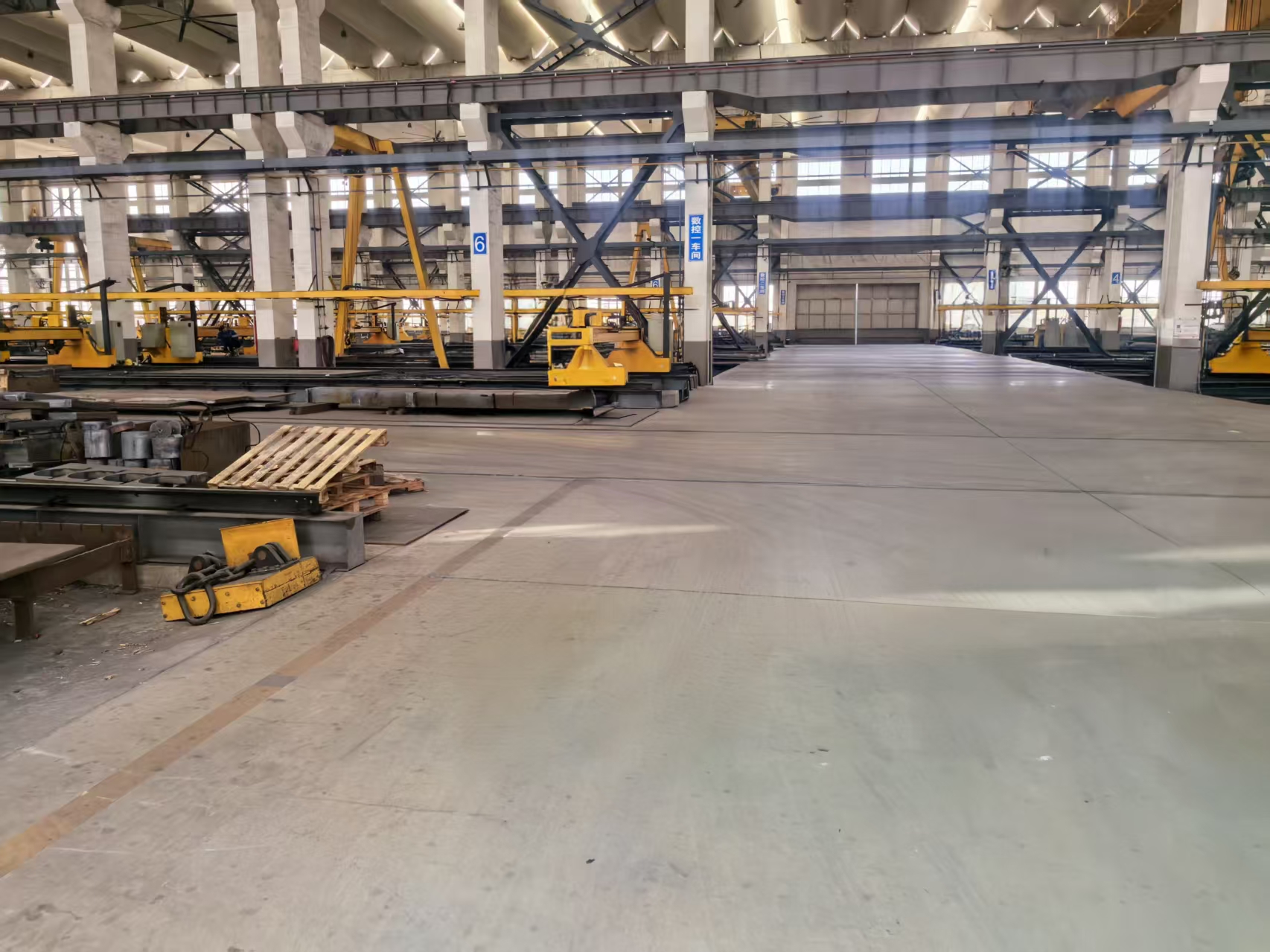
Figure 1. Production floor where vertical machine and horizontal hydraulic baler builds are assembled. Source: Shaanxi Nick Machinery Equipment Co., Ltd.
What a Baler Factory Audit Is Meant to Prove
A waste paper hydraulic baler machine is normally purchased on the strength of four documents: a parameter sheet, a conformity certificate, a quotation, and a delivery commitment. None of those documents shows whether a pressing chamber is still square after fabrication, whether weld runs are continuous along the full length of a horizontal chamber, or whether a tying head repeats its cycle on the thousandth bale of a shift.
Build quality is a manufacturing outcome rather than a catalogue attribute. That is why an audit has to answer three narrow questions instead of one general one:
- Does the assembled unit match the documented parameter set, item by item?
- Do the certificates on file actually cover the model numbers standing on the floor?
- Will the build survive the buyer material profile, including moisture content, fibre type, contamination, and shift pattern?
The recurring failure point. Buyers auditing a plant most often find problems in two areas: the integrity of the pressing chamber and the reliability of the bale tying system. Both depend on fabrication consistency and cycle repeatability, and neither can be judged from a specification number alone.
Why Build Quality Has Become a Procurement Constraint
The commercial context makes the audit more consequential than it was a decade ago. The global industrial balers market was valued at USD 6.39 billion in 2024 and is projected to reach USD 13.21 billion by 2032, according to Maximize Market Research. On the supply side, China is the largest exporter of hydraulic baling press machines, accounting for over 77% of total import shipments in certain emerging market corridors, based on Zauba customs data.
Classification also matters during an audit, because it determines which conformity route applies. Hydraulic baling press machines for waste paper are commonly classified under HS Code 842240 (packing or wrapping machinery) or 846291 (hydraulic presses for working metal or scrap). For machines entering the European Union, horizontal baling presses fall under EN 16252:2012, the safety standard referenced for CE marking.
The practical consequence is that an audit now covers two layers at once: the assembly quality of the physical machine, and the compliance baseline that allows it to enter the destination market.
Two Build Zones Decide Long-Term Bale Quality
Zone 1: Pressing chamber integrity
The chamber is the structure that absorbs every compression cycle for the life of the machine. Chamber and frame construction across the current range is Carbon Steel, and the audit question is not which material is named but how it is worked.
Points to inspect physically:
- Wall plate thickness consistency along the full chamber length, measured at several points rather than one.
- Weld continuity and dressing at the chamber corners and at the base-to-chamber junction.
- Chamber squareness and ram-to-chamber clearance, checked with the ram at both ends of its travel.
- Wear-plate attachment and replaceability on the surfaces the material actually contacts.
- Feed opening alignment with the chamber entry, particularly where a conveyor delivers material.
The failure modes differ by format. A vertical machine uses a comparatively short chamber, for example a chamber of 1100 x 700 x 1450 mm on the NK1070T60 and 1100 x 1000 x 1800 mm on the NK110T150, so the audit concentrates on base stiffness and ram guide wear. A horizontal hydraulic baler uses a long chamber aligned along the ram stroke: the NKW80Q produces bales of 1100 x 800 x 1600 mm, while the NKW125BD and NKW250BD produce 1100 x 1250 x 1700 mm bales. Longer weld runs and more alignment points mean the audit has to check for cumulative chamber-to-ram misalignment along the stroke rather than at a single corner.
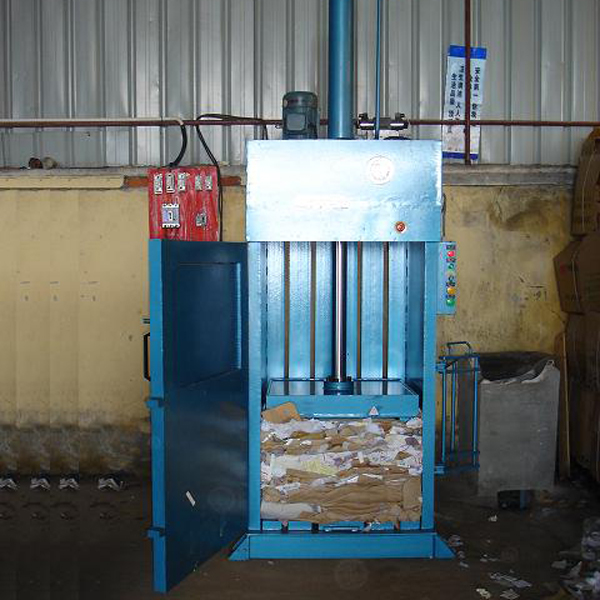
Figure 2. Vertical Balers, where chamber height, base stiffness and ram guide wear are the primary inspection targets.
Zone 2: Bale tying system reliability
A chamber that compresses well but ties inconsistently produces bales that fail in handling. The tying system is where cycle repeatability is won or lost, and it is the second area where audits most often find issues.
Tying configurations across the range are format-specific:
- Vertical units use cross or layered packing. The NK60LT is specified for cross packing with front-back 4 pieces and left-right 2 pieces; the NK-T90L uses horizontal 5 x 2 vertical packing.
- Horizontal units use automatic wire tying. The NKW80BD is specified with 10# wire x 4 pieces, the NKW125BD with 10# x 5 pieces, and the NKW180BD and NKW250BD with 6#/8# wire x 5 pieces.
Inspection actions during the audit:
- Count the wire or strap paths against the drawing rather than against the brochure.
- Check guide alignment along the full travel of the tying carriage or arm.
- Observe tensioner repeatability over consecutive cycles rather than a single demonstration.
- Inspect the tying head for wear and confirm that spare-part geometry is documented.
- Confirm that the tying sequence interlocks correctly with ram return position and door state.
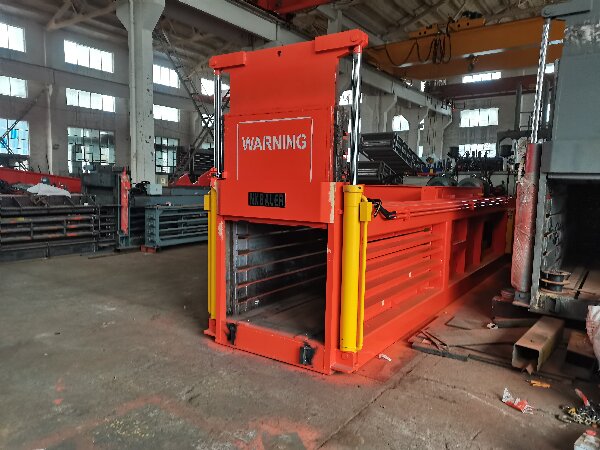
Figure 3. Horizontal Hydraulic Baler with conveyor feed, where chamber alignment and multi-wire tying repeatability are the main audit targets.
A Seven-Step Audit Sequence
Running the inspection in a fixed order prevents the common mistake of spending the entire visit on the machine and none of it on the paperwork that supports the machine.
Step 1: Confirm the legal entity and production scope
The audited entity is Shaanxi Nick Machinery Equipment Co., Ltd., which operates under the brand NKBALER. The company was founded in 2013, works from a 5,000 m2 factory with 50 employees, maintains a 15-person R&D team, reports an annual output of 600 units, and exports approximately 90% of production to North America, South America and Asia. Its stated product range covers Vertical Balers, the Full-Automatic Horizontal Baler, the Manual Horizontal Baler, and Press Bagging Machine units.
The audit point here is capacity realism: confirm that the machine being purchased sits inside the range the plant actually builds, rather than being a one-off extrapolation.
Step 2: Verify that the certificate file covers the models being built
Two certificates are relevant to the current range. The VERIFICATION OF CONFORMITY, number DPWD/09/060/2024, covers EU/EEA scope, was issued on 2024-09-19 and is valid until 2029-09-18, and references EN ISO 12100:2010, EN 60204-1:2018 and EN 415-1:2014. The ATTESTATION CERTIFICATE OF MACHINERY DIRECTIVE, number EASY03220201M, was issued by UDEM International Certification Auditing Training Centre Industry and Trade Inc. Co. for Turkiye scope on 2022-03-22, valid until 2027-03-21, and references EN ISO 12100:2010 and EN 60204-1:2018.
Both certificates attach a product list that spans vertical and horizontal models, including the NK6040T10, NK1070T60, NK080T100, NK1580T200 and NKOT150 on the vertical side, and the NKW80BD, NKW125BD, NKW180BD, NKW250BD, NKW80Q, NKW125Q, NKW160Q and NKW180QT on the horizontal side. The audit action is simple and frequently skipped: confirm that the model number on the floor appears on that list. Where the destination is the EU and the unit is a horizontal press, also confirm EN 16252:2012 coverage.
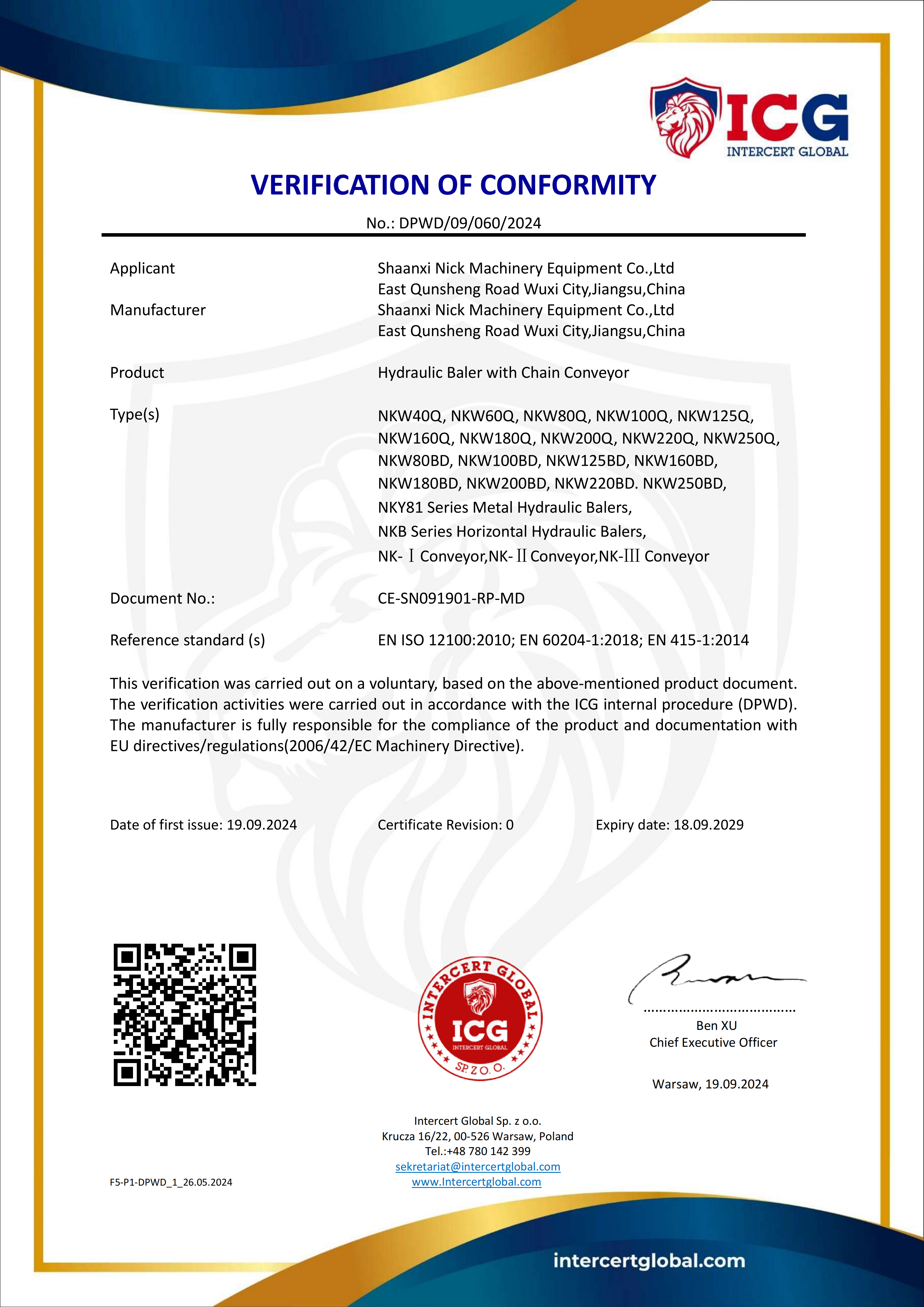
Figure 4. VERIFICATION OF CONFORMITY No. DPWD/09/060/2024, EU/EEA scope, valid to 2029-09-18.
Step 3: Inspect chamber fabrication rather than chamber numbers
Use the chamber dimensions from the parameter sheet as a measurement target, then verify them on the fabricated assembly. Chamber dimensions vary widely across the range: the NK60LT uses a 1000 x 700 x 1250 mm chamber, the NK080T100 uses 1000 x 800 x 1500 mm, the NK110T150 uses 1100 x 1000 x 1800 mm, and the NK1070T60 uses 1100 x 700 x 1450 mm. At the compact end, the NK6040T10 is a 10-ton waste paper baler producing 600 x 400 x (350 to 600) mm bales from a unit weighing 600 kg.
Step 4: Trace the hydraulic circuit from main cylinder to cooling system
On the horizontal side, main cylinder force and working pressure define the machine duty. The range spans 80T on the NKW80Q and NKW80BD, 125T on the NKW125Q and NKW125BD, 160T on the NKW160Q and NKW180QT, 180T on the NKW180BD, and 250T on the NKW250BD. Working pressure is stated from 18 MPa on the NKW80BD through 21 MPa on the NKW80Q and NKW125Q, 23 MPa on the NKW250BD, 25 MPa on the NKW160Q, to 30.5 MPa on the NKW180QT.
Cooling is a build feature rather than an accessory. The NKW80BD and NKW125BD are specified with a cooling fan, while the NKW180BD and NKW250BD are specified with water cooling or an oil chiller, and the NKW180QT lists a cooling tower motor rated 0.75 kW (water pump) plus 0.25 kW (fan). During an audit, confirm the cooling configuration installed matches the stated specification and that pipe routing and chiller placement allow service access.
Step 5: Run the tying system for a full shift, not a single cycle
Ask for the tying system to be observed under continuous operation, using material as close as possible to the buyer feedstock. Cycle repeatability across an extended run is the only meaningful evidence for the tying zone.
Step 6: Confirm the control and electrical build against the declared standard
Electrical configuration varies by model: the NK6040T10 is specified at 220 V/50 Hz, most of the range is specified at 380 V/50 Hz, and some bagging models accept 200 to 480 V/50 Hz three-phase. Operation is described as continuous automatic with a PLC-controlled cycle on 24/7 industrial duty. Stated special requirements across the range include low-noise design, low energy consumption and high efficiency, all of which are observable on site rather than inferable from a sheet.
Step 7: Close the audit on commercial terms
Commercial parameters belong in the same visit because they are a function of plant rhythm. The stated capability profile is OEM/ODM production with parameter-level customization, a monthly capacity of 10 units, a lead time of 30 to 45 days, an MOQ of 1 unit, 100% testing, and remote after-sales support, with export markets listed as the EU and the Middle East.
Reading an Audit Against Real Installations
Build quality shows up after commissioning, which is why reference installations are worth reviewing alongside the factory floor.
- Recycling station, Indonesia. A recycling station manufacturer purchased one horizontal unit for combined waste plastic baling and waste paper baling, with an expected service life of 10 to 15 years. Reported outcome: stable operation with low noise and low energy consumption. The horizontal models referenced for this application include the NKW180QT, NKW160Q, NKW125Q and NKW80Q, a material mix that required chamber and tying checks to hold up across two different feeds.
- Agricultural manufacturer, Pakistan. One unit was supplied for baling straw and alfalfa, with a stated service life of 10 to 15 years, stable operation, and low noise highlighted as a project characteristic.
- Alfalfa producer, Romania. One set of a fully automatic alfalfa hydraulic baler was delivered for high-density baling of harvested alfalfa and silage feed processing. After installation and commissioning, bale density exceeded 400 kg/m3 and transport costs dropped by approximately 30%. Automated operation reduced labor input and doubled baling efficiency. Baling parameters and custom programs were adapted on site to handle large day-night temperature differences and fluctuating alfalfa moisture, resolving the customer previous frequent jamming issues, and on-site training was provided to the customer operators and maintenance personnel. Expected service life under normal maintenance is 8 to 10 years.
The audit lesson from these installations is consistent: the deliverable is not only the machine, but the commissioning, parameter tuning and operator training that follow it.
Vertical versus Horizontal: Where the Audit Focus Shifts
Both lines are audited with the same discipline but not the same checklist. The table below compares the current range on the dimensions an auditor actually tests.
| Audit dimension | Vertical machine line | Horizontal Hydraulic Baler line |
|---|---|---|
| Feeding method | Gravity-assisted, manual or cross packing feed | Conveyor-fed horizontal feed; conveyor widths from 1200 mm (NKW80Q) up to 2000 mm (NKW125Q, NKW180QT) |
| Chamber geometry | Short, compact chamber; NK1070T60 chamber 1100 x 700 x 1450 mm; NK110T150 chamber 1100 x 1000 x 1800 mm | Long chamber aligned to ram travel; bale sizes 1100 x 800 x 1600 mm (NKW80Q) up to 1100 x 1250 x 1700 mm (NKW125BD, NKW250BD) |
| Pressing force across the range | 10T (NK6040T10) to 200T (NK1580T200) | 80T (NKW80Q, NKW80BD) to 250T (NKW250BD) |
| Machine weight | 600 kg (NK6040T10) to 11T (NK1580T200) | 14,500 kg (NKW80BD) to 30,000 kg (NKW250BD) |
| Tying and binding method | Cross packing (NK60LT: front-back 4 pcs, left-right 2 pcs); horizontal 5 x 2 vertical packing (NK-T90L) | Automatic wire tying: 10# x 4 pcs (NKW80BD), 10# x 5 pcs (NKW125BD), 6#/8# x 5 pcs (NKW180BD, NKW250BD) |
| Cooling configuration | Not specified for the vertical models in this range | Cooling fan on NKW80BD and NKW125BD; water cooling or oil chiller on NKW180BD and NKW250BD |
| Power range | 2.2 kW (NK6040T10) up to 22 kW (NK1580T200) | 22 kW / 30 HP (NKW80BD) up to 45 kW / 60 HP (NKW180BD, NKW250BD) |
| Primary audit risk | Base distortion and ram guide wear under repeated vertical compaction | Cumulative chamber-to-ram misalignment over a long stroke, plus tying head repeatability under continuous duty |
Table 1. Audit focus by format, based on the stated parameter set for the current vertical and horizontal ranges.
Frequently Asked Questions
1. What certifications should a buyer verify during a baler factory audit?
Verify both the certificate itself and the model list attached to it. For EU-bound horizontal presses, the relevant safety standard for CE marking is EN 16252:2012. The audited company holds a VERIFICATION OF CONFORMITY (No. DPWD/09/060/2024) with EU/EEA scope, issued 2024-09-19 and valid to 2029-09-18, referencing EN ISO 12100:2010, EN 60204-1:2018 and EN 415-1:2014, together with an ATTESTATION CERTIFICATE OF MACHINERY DIRECTIVE (No. EASY03220201M) issued for Turkiye scope on 2022-03-22 and valid to 2027-03-21. During the visit, match the model number on the assembly floor against the attached product list.
2. Can a single factory audit cover both vertical and horizontal build capability?
Yes, where the plant builds both. The vertical range runs from 10T hydraulic power on the NK6040T10 to 200T on the NK1580T200, while the horizontal range runs from 80T on the NKW80BD and NKW80Q to 250T on the NKW250BD. Because the two formats use different chamber geometry and different tying systems, plan separate inspection time: the chamber check on a horizontal unit takes longer because of the longer weld runs and the need to verify ram alignment along the full stroke.
3. Which build decisions drive the cost of a waste paper hydraulic baler machine?
Cost moves with pressing force, chamber size, tying complexity, cooling method and frame weight rather than with a single headline figure. Within the current range, machine weight spans 600 kg on the NK6040T10 to 30,000 kg on the NKW250BD, and installed power spans from 2.2 kW on the NK6040T10 to a 45 kW main motor on the larger horizontal models. Those are the variables that change both the quotation and the operating cost, and they are the ones an auditor can measure directly on the floor. Specify the configuration that matches the material rather than the largest available unit; stated quality control and remote after-sales support apply across configurations.
4. How should a buyer validate build quality before committing to a full production order?
Use the lowest-commitment path the supplier actually supports. The stated MOQ is 1 unit and quality control is 100% testing, so a single machine can be built, run and inspected before any volume order is placed. Ask for the tying system and press cycle to be observed under continuous operation using material as close as possible to the buyer feedstock, and confirm the parameters that will be set at commissioning.
5. How much time should be planned between the audit and delivery?
The stated lead time is 30 to 45 days, with a monthly capacity of 10 units, so the audit itself normally fits inside a single day on site. Add time for certificate review, and confirm that the certificate model list is current: the EU/EEA verification runs to 2029-09-18 and the Turkiye attestation to 2027-03-21. Buyers who want to schedule a factory visit, request the current configuration sheet for a specific model, or confirm a delivery window can reach the company through www.nkbaler.com or by email at Sales@nkbaler.com.
Conclusion
An audit produces a written list of observed items, not an impression. Chamber integrity and tying reliability are the two zones that decide whether a waste paper hydraulic baler machine still performs in year five, and both are verifiable in a single plant visit. Certificate scope, hydraulic configuration and cooling build are checkable against documents; chamber fabrication and tying repeatability are not, and must be seen running.
Because the current range covers both vertical machines and horizontal hydraulic balers, one audit can cover both build formats, but the checklist has to be split, because a short vertical chamber fails differently from a long horizontal one. Match the model number on the floor to the certificate product list, measure the chamber, count the wire paths, observe a full tying cycle, and close on the commercial terms that determine when the machine actually ships.
Next step
Request the current configuration sheet, the certificate product list, or a factory visit slot for the model you are evaluating. Single-unit orders are supported under the stated MOQ of 1 unit, with 100% testing before shipment.
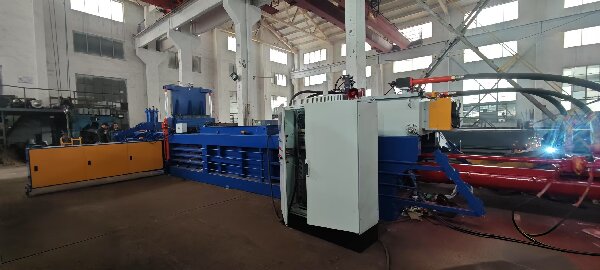
Figure 5. Horizontal Hydraulic Baler prepared for final inspection and shipment.
Email: Sales@nkbaler.com | Tel / WhatsApp: +86 15021631102
Address: Qun Sheng Lu, Hui Shan Qu, WuXi Shi, Jiang Su Sheng, China
Website: www.nkbaler.com | Blog: blog.nkbaler.com
Have Questions or Need More Details?
Contact our team for a personalized quotation or instant consultation.
Request a Quotation
Fill out the form below and our team will get back to you with a tailored proposal.
WhatsApp Direct Chat
Prefer to chat in real-time? Message us on WhatsApp for instant assistance & quick answers.
- Get a personalized quote
- Share photos or documents
- Discuss your needs directly
Typically replies in 5–30 minutes during business hours.