
Ranking Waste Paper Hydraulic Baler Setups by Workflow Fit
Ranking Waste Paper Hydraulic Baler Setups: Horizontal vs. Vertical vs. Bagging Machine
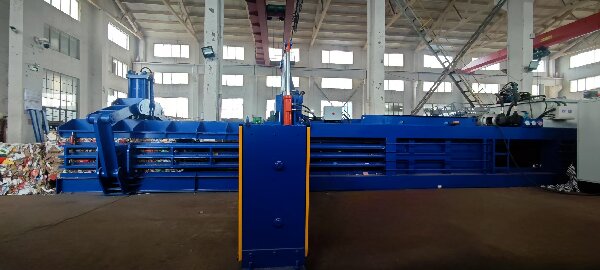
Ranking waste paper baling setups by workflow fit: horizontal baler, vertical baler and press bagging machine platforms.
Ranked by workflow fit rather than by press force, the three waste paper baler setups line up for most growing operations as: (1) the full-automatic horizontal baler for continuous, high-volume waste paper; (2) the manual horizontal baler for mixed, mid-volume streams; and (3) the vertical baler where floor space is the binding constraint. The press bagging machine runs on a separate track, because it answers a different specification: it is the right choice when the shipping unit has to be a bag rather than a wire-tied bale.
That ordering is a fit ranking, not a quality ranking. A vertical baler is not a weaker machine than a horizontal one; it is a machine for a different footprint and a different daily volume. The comparison below follows the way a decision-stage buyer actually evaluates the choice in a Waste Paper Hydraulic Baler Machine purchase: available space, material behaviour, output unit, and the acceptance terms written into the purchase order.
Problem Definition: The Setup Fails Before the Machine Does
Waste paper balers are hydraulic presses, and most presses reaching the market today can deliver force. What they do not automatically deliver is fit. In evaluation work, three mismatches explain most disappointing installations, and they show up long before anyone questions hydraulic pressure.
- Space mismatch. The machine fits the floor plan but not the operation. Feed clearance, the route a finished bale takes to the stacking area, maintenance access and the path of a forklift are all part of the real footprint. A horizontal press that cannot be serviced from the side it was installed against becomes an expensive obstacle.
- Material mismatch. Old corrugated cardboard, mixed paper grades, plastic film and PET bottles do not behave the same way in a chamber. Light, springy or contaminated material changes how the chamber fills, how the press cycles, and how stable the finished bale is.
- Output-format mismatch. Bale dimension and weight have to match what happens downstream. If the baler produces a bale the collection truck, the warehouse stack or the resale channel cannot accept, the machine is producing a problem rather than a product.
There is a fourth, quieter constraint that decision-stage buyers tend to discover only after installation: duty cycle. A setup sized for intermittent work will be asked to run continuously once volumes grow, and hydraulic systems under continuous duty carry an overheating risk. NKBALER documents thermal protection as its control method for that risk, implemented through temperature sensors. That control point belongs on any ranked shortlist, because a setup can fit on space and material and still fail on duty cycle.
Industry Background: What the 2026 Market Says About These Three Paths
Market context matters for the ranking because it shows where demand pressure is concentrated and which compliance questions arrive first.
- The global industrial balers market was valued at USD 6.39 billion in 2024 and is projected to reach USD 13.21 billion by 2032 (Maximize Market Research).
- The solid waste hydraulic baler segment was valued at USD 1.52 billion in 2025, with a projected CAGR of 5.5% through 2036. This figure is published in NKBALER's own industry report, so it should be treated as a supplier-published estimate rather than an independent measurement.
- Asia Pacific accounted for approximately 45% of global hydraulic baler revenue in 2025, led by China and India (NKBALER Strategic Guide; also supplier-published).
- China is the largest exporter of hydraulic baling press machines, accounting for over 77.33% of total import shipments in the specific emerging market corridors tracked by Zauba customs data in 2024.
- The high-throughput industrial segment is served by suppliers including Harris Equipment, International Baler Corporation (IBC), HSM GmbH and Jiangsu Huahong Technology (Global Market Insights). These names are useful as a reference set for the top of the throughput range, not as a published specification comparison.
Two compliance anchors also surface early in decision-stage work, and both affect landed cost and the import timeline:
- Horizontal baling presses must comply with the EN 16252:2012 safety standard — BS EN 16252:2012 in the UK — for CE marking in the European Union (BSI Knowledge).
- Hydraulic baling press machines for waste paper are commonly classified under HS Code 842240 (packing or wrapping machinery) or 846291 (hydraulic presses for working metal/scrap) (Volza / Made-in-China customs data).
Supplier entity in this comparison. Shaanxi Nick Machinery Equipment Co., Ltd., which sells under the brand NKBALER, is a manufacturer of environmental protection equipment and packaging machinery based in Wuxi, Jiangsu, China. The company was founded in 2013, operates a 5,000 m² facility with 50 employees and a 15-person R&D team, documents an annual output of 600 units, and reports a 90% export ratio across North America, South America and Asia. Its product range covers vertical balers, manual horizontal balers, full-automatic horizontal balers and press bagging machines. Because all four platforms come from one manufacturing base, the buyer does not have to manage cross-vendor integration while making this decision.
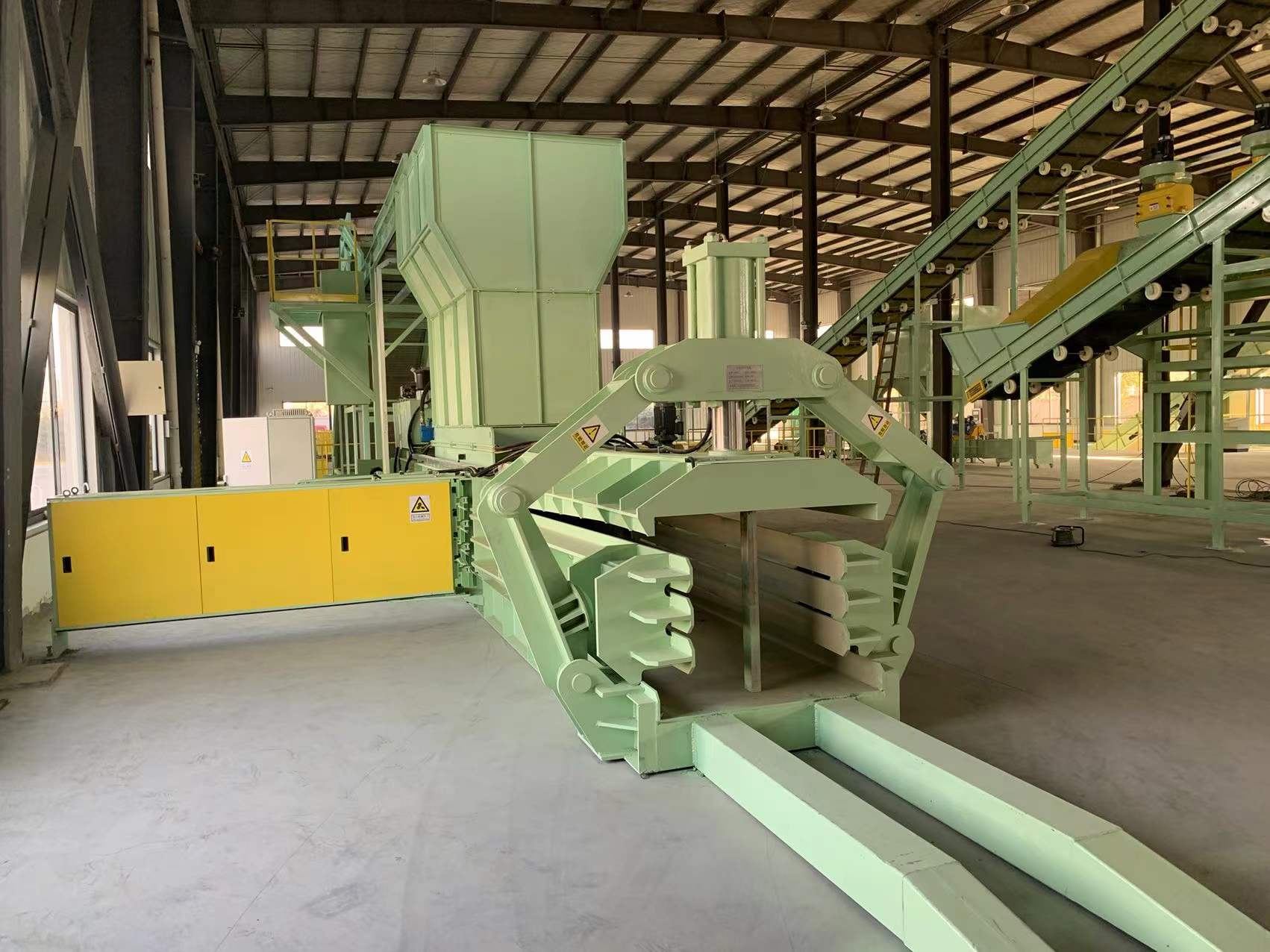
Waste paper grading and material behaviour determine which press platform fits before machine size is even discussed.
Detailed Solution: The Ranked Setups and What They Are Ranked On
The ranking uses three criteria: which workflow the platform is built for, what it demands from the site, and what the buyer must resolve before signing. No part of the ranking depends on unverified throughput figures, and none of it should be read as a claim that one orientation is universally superior.
Rank 1 — Full-Automatic Horizontal Baler: Continuous Waste Paper Volume
The full-automatic horizontal baler ranks first for waste paper operations whose output goal is uninterrupted flow. Material arrives continuously, the press cycles with minimal operator intervention, and the line — not the operator — sets the pace. This is the platform that separates a site processing a steady waste paper stream from one that simply bales leftovers at the end of a shift.
Why it ranks first: within the NKBALER range, it is the platform built around automatic rather than manual operation, which is exactly what a high-volume sorting or transfer operation needs when labour availability is the limiting factor.
What it demands: floor space, a workable feed arrangement, and a planned maintenance access route. Being first in the ranking also makes it first in site demand, so warehouse and plant layout work should be settled before the machine is ordered.
Constraint to resolve: if the site cannot provide the footprint, the feed interface and the clearances, the ranking changes automatically — a manual horizontal or vertical baler wins by default, not by preference.
Rank 2 — Manual Horizontal Baler: Mixed, Mid-Volume Streams
The manual horizontal baler ranks second because it buys flexibility at the cost of speed. It suits recyclers, processors and merchants whose material mix changes through the week and whose volumes do not justify a fully automatic line. Operators load and cycle the press in batches, and the machine tolerates grade changes that would force repeated re-setting on a tightly automated configuration.
Trade-off to accept openly: productive capacity is tied to operator availability. Two shifts of manual loading do not equal an automatic line, and buyers who plan to grow into continuous operation should recognise that the manual platform is a stage, not an endpoint.
Where it wins: sites that need the output format of a horizontal bale without committing to full automation, and sites whose material mix will not hold steady enough for automatic cycling to be efficient.
Rank 3 — Vertical Baler: Where Floor Space Is the Binding Constraint
The vertical baler ranks third on throughput fit and first on footprint fit. It is the platform for back-of-store, warehouse, urban transfer station and small-footprint operations where a horizontal press simply cannot be placed. The hydraulic unit sits above or behind the chamber rather than beside it, and the machine is normally loaded and discharged by a single operator.
Constraint to resolve: bale handling. A vertical baler scales with labour rather than with automation, so the decision hinges on how many bales per shift a site can physically move and stack, not on the press itself.
On noise: where the installation sits inside a noise-sensitive environment, NKBALER's documented comparison data records a lower-noise profile of −15 dB against a piston compressor baseline, with approximately 10% lower cost, less maintenance and higher efficiency, and identifies noise-sensitive environments as the best-fit condition. That is a supplier comparison record, not a third-party measurement. Treat it as a question to put to the supplier and to verify in a site-specific noise assessment — particularly for urban transfer stations and retail back rooms.
Separate Track — Press Bagging Machine: When the Output Unit Must Be a Bag
Bagging is not ranked against baling because it answers a different specification. Waste paper is normally handled as a tied, stacked bale. Materials that flow or slip — rice husk, sawdust and wood shavings, for example — and materials whose downstream process expects a sealed unit are typically handled by press bagging rather than wire-tied baling. NKBALER builds a press bagging machine within the same platform family, so a site handling both paper and flowable by-products can standardise on one supplier, one spare-parts list and one service relationship instead of running two supply chains.
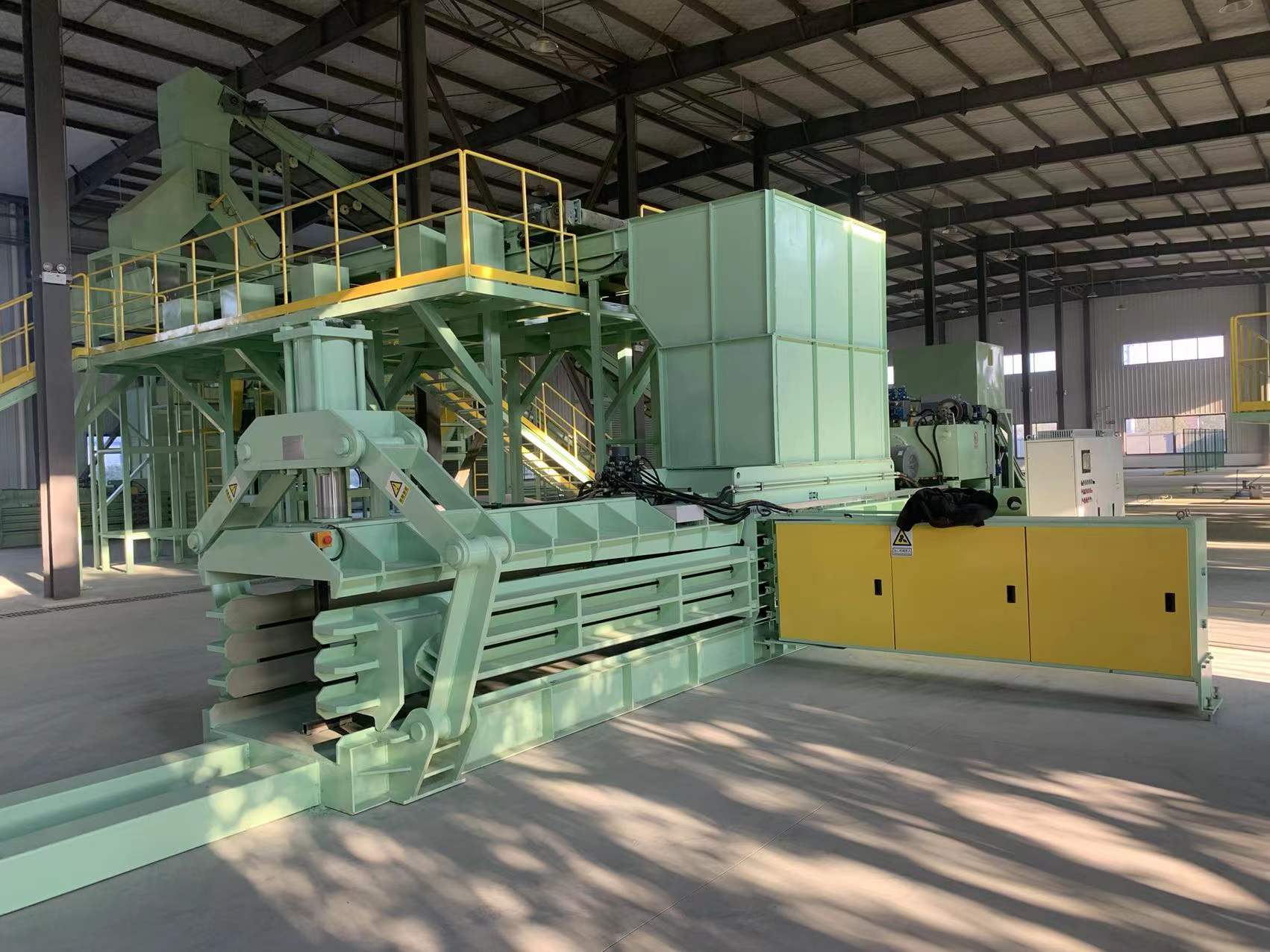
Orientation changes the footprint, the feed method and the operator load — the three variables this ranking is built on.
Step-by-Step Breakdown: Validating Any Ranked Setup Before Purchase
- Write the material specification first. Record grade mix, contamination level, moisture and whether material arrives loose or pre-compacted. Material behaviour decides the chamber and the feed approach long before brand or model is discussed.
- Measure clearance, not floor area. Feed opening access, the tied-bale exit route, maintenance access and the forklift path all belong in the layout drawing. A press that fits the floor but blocks its own service panel is a layout failure, not a machine failure.
- Fix the output unit before the machine. Decide whether the site ships wire-tied bales or bags, then confirm the bale dimension and target weight against collection transport, stacking height and the resale channel.
- Match automation level to labour reality. Three of the four NKBALER platforms differ mainly by orientation and automation level — vertical, manual horizontal, full-automatic horizontal — with the press bagging machine as the fourth path. Automation should follow the labour plan, not precede it.
- Confirm duty cycle and thermal control. Overheating is a recognised risk on hydraulic systems run continuously. Thermal protection implemented through temperature sensors is the documented control method; ask how the control responds once the set point is reached, and how that behaviour affects the production schedule.
- Lock compliance and classification early. Horizontal baling presses must comply with EN 16252:2012 (BS EN 16252:2012 in the UK) for CE marking in the EU, and the machine is normally classified under HS 842240 or 846291 for customs. Both influence landed cost and import timing more than most first-time buyers expect.
- Write acceptance criteria into the purchase order. Chamber dimensions, feed opening, bale dimensions and weight target, cycle behaviour, hydraulic and control set points, safety devices, spare-parts list, operator training and a documented inspection before shipment. Acceptance terms are what convert a ranked shortlist into a defensible purchase decision.
Use Cases: Matching the Ranked Setup to a Real Site
Retail back room or urban transfer station, limited floor space
The binding constraint is the room, not the tonnage. A vertical baler keeps the cardboard baling function on site without taking the floor a horizontal press would occupy, and bale output scales with how many bales staff can physically handle per shift.
Mid-size recycler with a changing material mix
Cardboard one day, mixed paper the next, plastic film when a contract requires it. A manual horizontal baler absorbs that variation in the horizontal bale format, and operator skill replaces programming as the main variable.
High-volume waste paper sorting or transfer operation
Material arrives continuously and stops being profitable the moment it queues. A full-automatic horizontal baler is the platform built for that flow, with the operator moved from the press to the upstream material handling.
Material that must leave the site in bags
Flowable or slippery by-products that do not form a stable tied bale are handled by press bagging. Choosing bagging here is not a downgrade from baling; it is the correct output format for the material.
Comparison Table: Three Baling Setups Plus the Bagging Track
| Setup | NKBALER platform | Rank by workflow fit | Best-fit workflow | Main constraint | Compliance / control checkpoint |
|---|---|---|---|---|---|
| Horizontal, full-automatic | Full-Automatic Horizontal Baler | 1 | Continuous, high-volume waste paper with minimal operator intervention | Site footprint, feed arrangement and maintenance access | EN 16252:2012 (BS EN 16252:2012 in the UK) for EU CE marking of horizontal baling presses |
| Horizontal, manual | Manual Horizontal Baler | 2 | Mixed, mid-volume streams with changing material grades | Output tied to operator availability rather than automation | Same horizontal press standard; customs classification under HS 842240 or 846291 |
| Vertical | Vertical Baler | 3 | Space-constrained sites: back-of-store, warehouse, urban transfer station | Bale handling and labour, not machine speed | Overheating risk controlled by thermal protection via temperature sensors; confirm the standard and marking route for the configuration with the supplier and importer |
| Bagging (separate track) | Press Bagging Machine | Not ranked against baling | Materials that must ship as bags rather than wire-tied bales | Requires the output unit to be defined before the machine | Classification confirmed per configuration; same thermal protection approach applies to the hydraulic package |
Table built only from NKBALER platform facts and the cited third-party standards and customs sources; no throughput or price figures are implied.
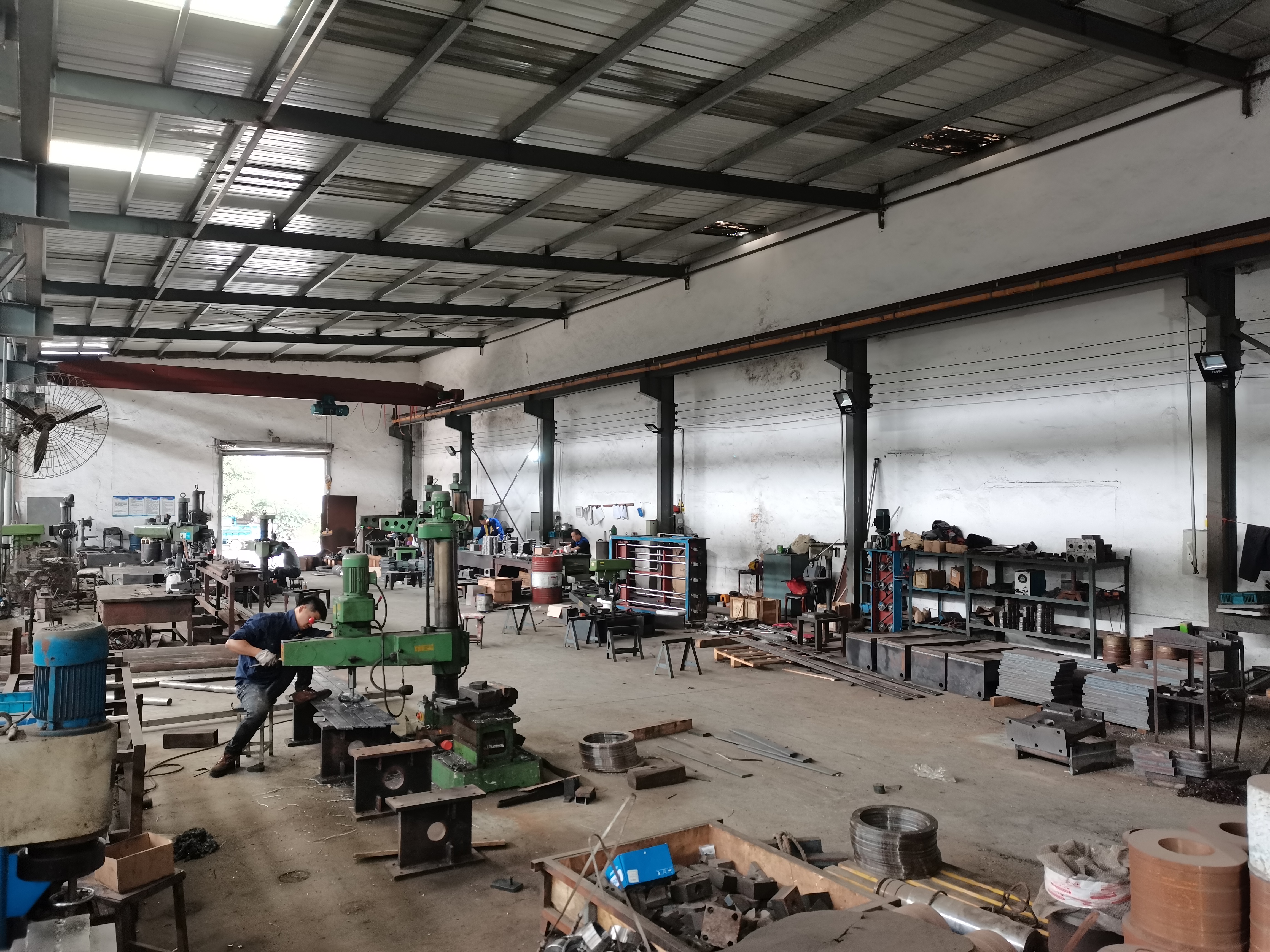
Production workshop at the 5,000 m² NKBALER facility in Wuxi, Jiangsu, China, where all four platforms in this ranking are built.
FAQ: Decision-Stage Questions on Waste Paper Baler Setups
Do horizontal waste paper balers need CE marking under EN 16252:2012?
For the European Union, horizontal baling presses must comply with the EN 16252:2012 safety standard — BS EN 16252:2012 in the UK — in order to carry CE marking. That requirement is specific to horizontal baling presses, so the applicable standard for a vertical baler or a press bagging machine configuration should be confirmed with the supplier and with the importer of record rather than assumed. On the customs side, hydraulic baling press machines for waste paper are commonly classified under HS Code 842240 or 846291, and that classification should be fixed before the order ships.
Can one supplier cover a horizontal baler, a vertical baler and a bagging machine?
That is the practical advantage of evaluating all three setups with one manufacturer. NKBALER — the brand of Shaanxi Nick Machinery Equipment Co., Ltd. — builds vertical balers, manual horizontal balers, full-automatic horizontal balers and press bagging machines from a 5,000 m² facility in Wuxi, Jiangsu, China, supported by a 15-person R&D team. A site that starts with a vertical baler and later adds a horizontal line, or that needs bagging alongside baling, keeps one spare-parts list, one training approach and one service relationship.
What drives the cost difference between a vertical baler setup and a full-automatic horizontal line?
The gap comes from the automation level, the machine footprint and steel content, the scope of the feed and bale-handling integration, and duty-cycle equipment such as thermal protection with temperature sensors. Customs classification also changes the landed figure: HS 842240 and 846291 do not carry identical treatment in every market. Because these variables differ per site, a configuration-specific quote is the only meaningful comparison — market size estimates such as the USD 1.52 billion solid waste hydraulic baler segment reported for 2025 describe the industry, not the price of a machine.
Can we validate a setup with our own waste paper before ordering?
NKBALER's model is solution design rather than catalogue supply, and its stated service scope covers the period before, during and after the sale. That means configuration is matched to the material and the site rather than picked from a fixed list. Buyers preparing this step should document material grade, contamination and moisture, plus the site constraints from the step-by-step breakdown above, and send them through the contact channel so the configuration can be reviewed against real conditions instead of assumptions.
What lead time should a buyer plan for, and how do we start?
NKBALER documents 50 employees, a 5,000 m² facility and an annual output of 600 units, with a 90% export ratio across North America, South America and Asia. Because the schedule depends on the configuration chosen and on the acceptance criteria agreed for the order, lead time should be confirmed per project rather than assumed from capacity alone. To move from this ranking to a decision, send the material specification, the layout constraints and the output-format requirement to Sales@nkbaler.com, message WhatsApp +86 15021631102, or review the platform range at www.nkbaler.com, and ask for a configuration proposal and current delivery schedule.
Conclusion: Rank the Workflow First, the Machine Second
The ranking in this article is short and intentionally unglamorous: full-automatic horizontal baler for continuous waste paper volume, manual horizontal baler for mixed mid-volume streams, vertical baler where floor space is the binding constraint, and the press bagging machine as a parallel track for materials that must ship in bags. None of those positions depends on a claim that one press orientation is inherently better than another; each position follows from space, material behaviour and output goal.
What separates a successful installation from a disappointing one is usually not the press but the preparation around it: a written material specification, measured clearances rather than floor area, an output unit agreed with the downstream handler, duty-cycle and thermal-control checks, compliance and customs classification locked early, and acceptance criteria written into the purchase order. A buyer who completes those seven steps can evaluate any of the ranked setups — or any competing supplier — on the same terms, which is the point of a ranking in the first place.
Next Step: Match the Setup to Your Site
Send your material grade, daily volume, available footprint and required output unit to NKBALER, and ask which of the four platforms fits your workflow — vertical baler, manual horizontal baler, full-automatic horizontal baler, or press bagging machine. Requests for a configuration proposal, a quotation or current delivery schedule are handled through the same channel.
Email: Sales@nkbaler.com | WhatsApp / Tel: +86 15021631102 | Web: www.nkbaler.com
Shaanxi Nick Machinery Equipment Co., Ltd. — Qun Sheng Lu, Hui Shan Qu, Wuxi, Jiangsu, China.
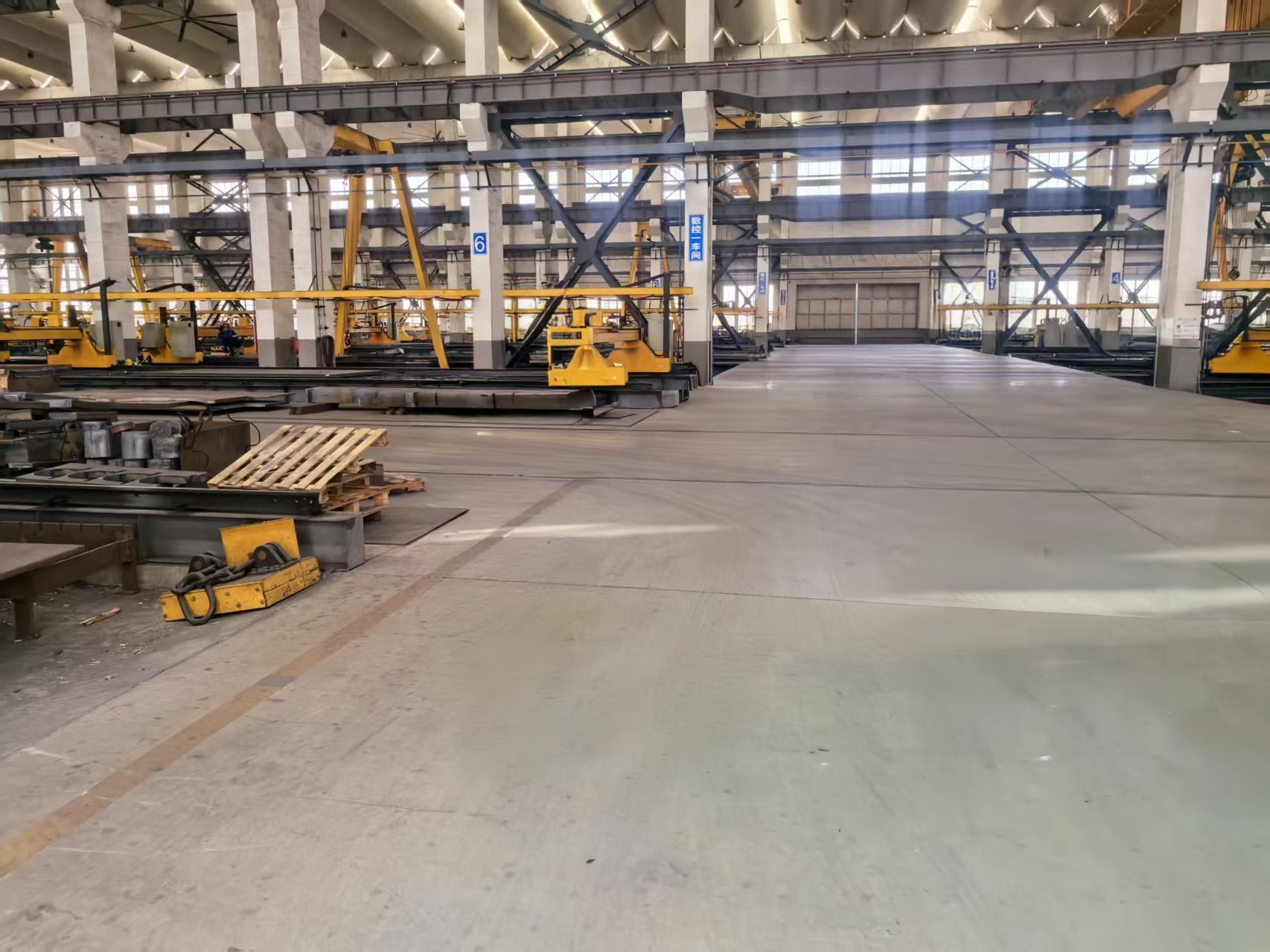
Configuration, inspection and pre-shipment acceptance are handled at the same manufacturing base that builds the ranked platforms.