
The Ultimate Guide to Selecting a Waste Paper Hydraulic Baler Machine Supplier for Specialized Recycling Operations in 2026
The Ultimate Guide to Selecting a Waste Paper Hydraulic Baler Machine Supplier for Specialized Recycling Operations in 2026
Introduction
In the rapidly evolving world of waste management and recycling, the Waste Paper Hydraulic Baler Machine remains the cornerstone of efficient material densification and logistics. However, not all balers—or their suppliers—are created equal. For procurement professionals and facility managers overseeing specialized recycling streams (e.g., old corrugated containers, mixed office paper, pulp substitutes, or high-grade deinking paper), finding a supplier that truly understands your industry-specific requirements can be the difference between operational excellence and costly downtime. This guide provides a structured, data-driven approach to evaluating and selecting a waste paper hydraulic baler supplier that aligns with your unique operational needs, material characteristics, and sustainability goals.
Problem Definition: The Challenge of Supplier Selection for Specialized Paper Recycling
Modern recycling facilities face a paradox: while the market for waste paper balers is crowded with options, most generic solutions fail to address the nuances of different paper grades. A baler designed for high-volume OCC (Old Corrugated Containers) may struggle with low-density mixed office paper or glossy magazine stock. Key pain points include:
- Material variability: Different paper types require different compression forces, cycle times, and bale densities.
- Regulatory compliance: Export bales must meet strict dimensional and weight standards (e.g., ISRI guidelines).
- Total cost of ownership: Energy consumption, maintenance frequency, and spare parts availability directly impact profitability.
- Supplier reliability: Long lead times, poor after-sales support, and lack of localized service networks can cripple operations.
Without a systematic vetting framework, buyers risk selecting a machine that underperforms, leading to rejected bales, higher transport costs, and lost revenue.
Industry Background: The Global Landscape of Waste Paper Baler Manufacturing
The global market for waste paper hydraulic balers is dominated by manufacturers in China, Europe, and North America. Chinese suppliers, such as NKBALER, have gained significant traction due to their ability to offer customized, cost-effective solutions without compromising on quality. According to industry data, China accounts for over 45% of global baler production, with many OEMs now providing CE, TUV, and ISO 9001 certified equipment. Key trends include:
- Energy efficiency: Servo-driven hydraulic systems reduce power consumption by 30–50% compared to traditional fixed-speed pumps.
- Automation: PLC-controlled auto-tie cycles and remote monitoring capabilities improve throughput and reduce labor.
- Material-specific designs: Balers now feature adjustable platen speeds, pressure profiles, and feeding mechanisms for different paper grades.
Detailed Solution: A Step-by-Step Supplier Selection Framework
To ensure you select a waste paper hydraulic baler machine supplier that meets your specialized needs, follow this structured approach:
Step 1: Define Your Material Profile and Production Goals
Start by characterizing your waste paper streams:
- Type: OCC, mixed paper, Sorted Residential/News (SRN), high-grade deinking (HP), etc.
- Moisture content: Wet paper requires different compaction dynamics.
- Contaminants: Presence of plastics, metals, or adhesives may require pre-shredding.
- Throughput required: Tons per hour and daily bale count.
- Desired bale dimensions: Standard 30x48x60 inches or custom export sizes.
Document these parameters before approaching suppliers. A supplier that offers a “one-size-fits-all” machine is likely not the right partner for a specialized operation.
Step 2: Evaluate Supplier Technical Capabilities and Certifications
Use the following checklist to assess potential suppliers:
| Criterion | What to Look For | Why It Matters |
|---|---|---|
| Hydraulic system | Servo-driven, energy-saving design (e.g., NKBALER’s patented hydraulic servo system) | 30–50% lower energy cost per bale |
| Frame construction | Heavy-duty steel, welded with stress-relief treatment | Longevity and ability to handle high-pressure loads |
| Control system | PLC with HMI, remote diagnostics, auto-tie interface | Reduced downtime, easier operation |
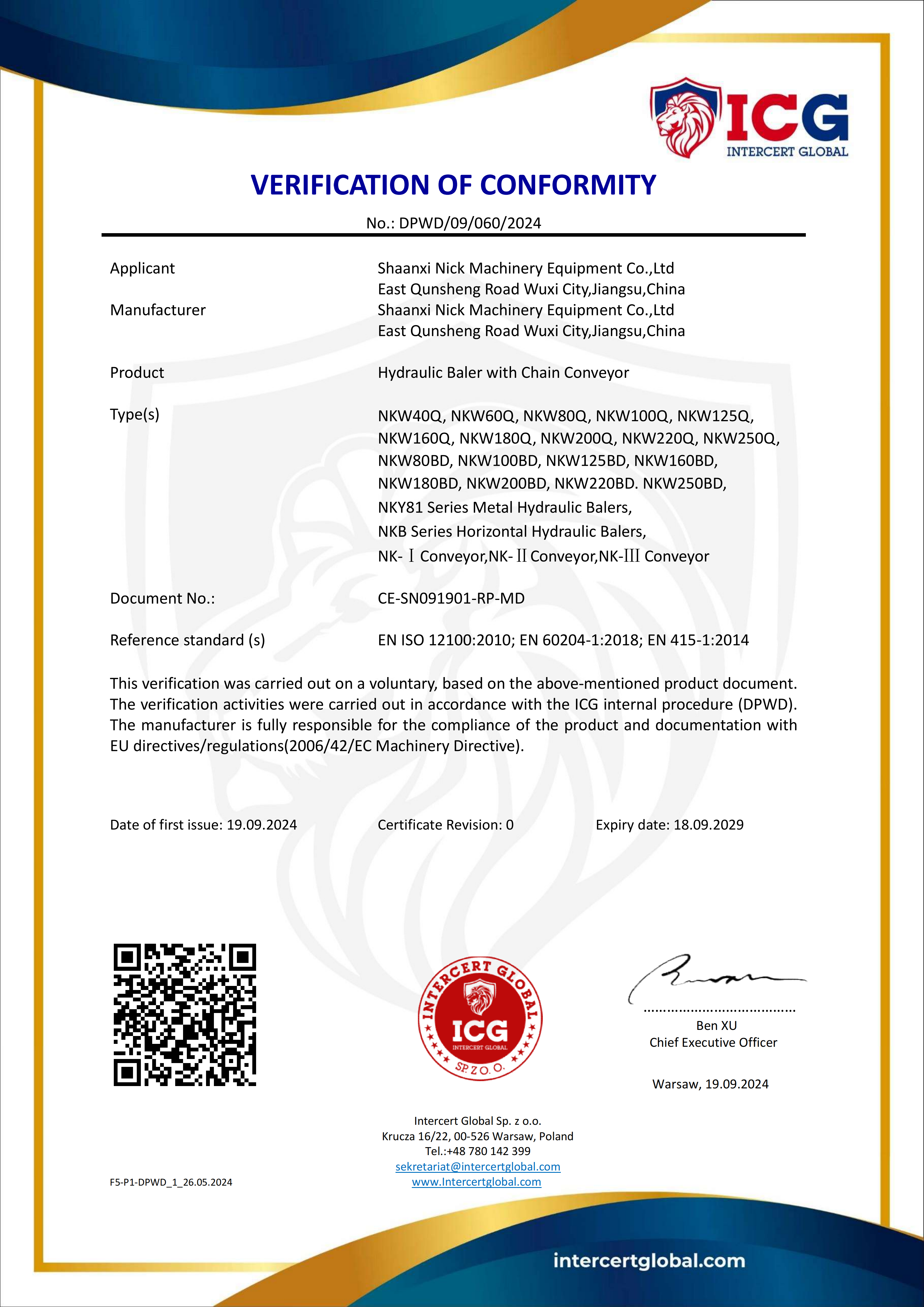
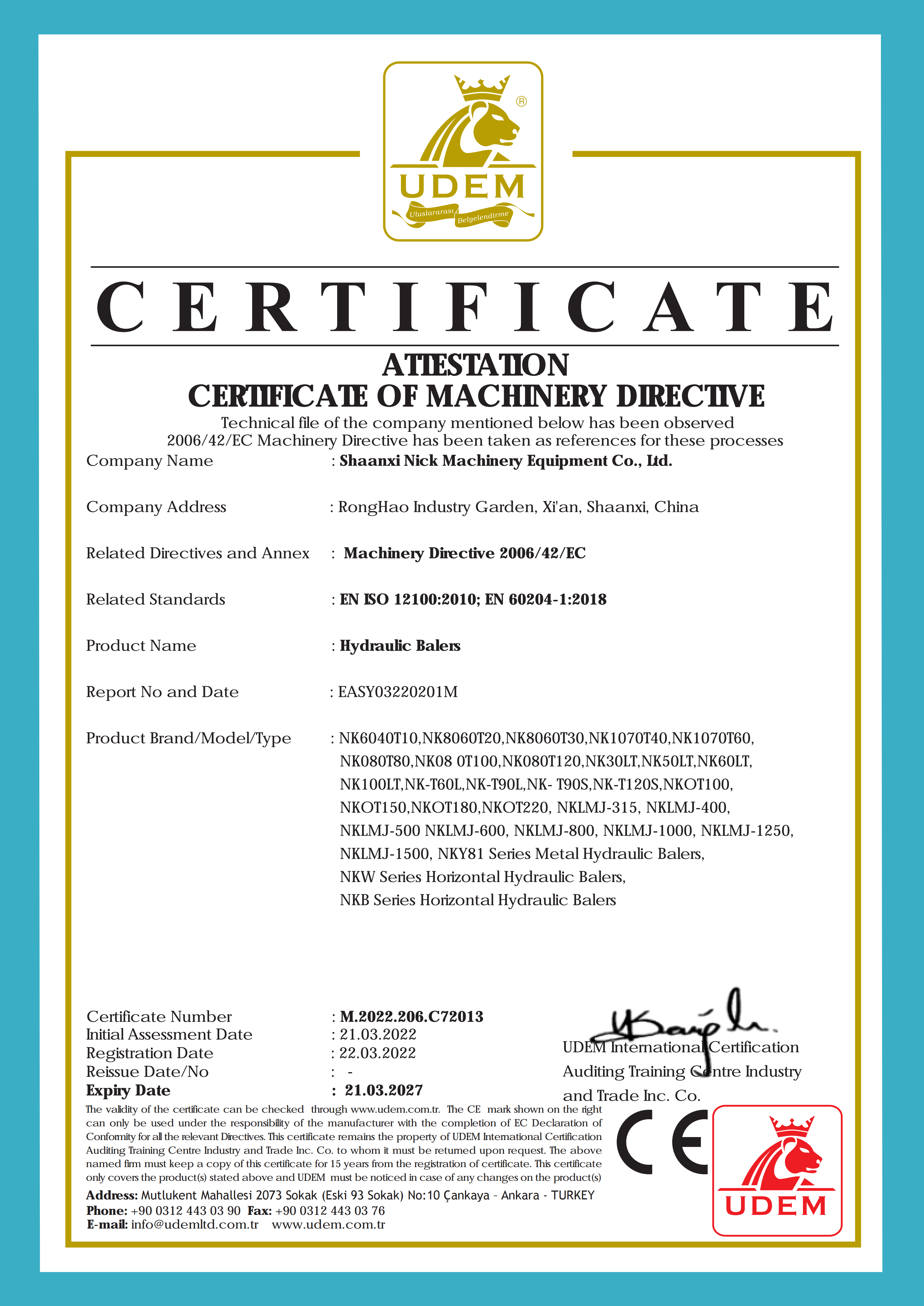
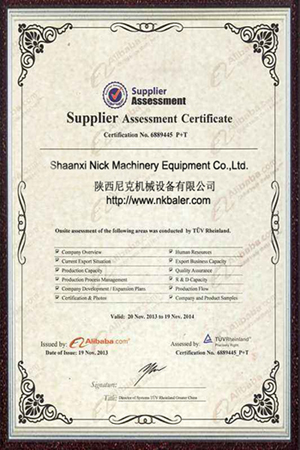
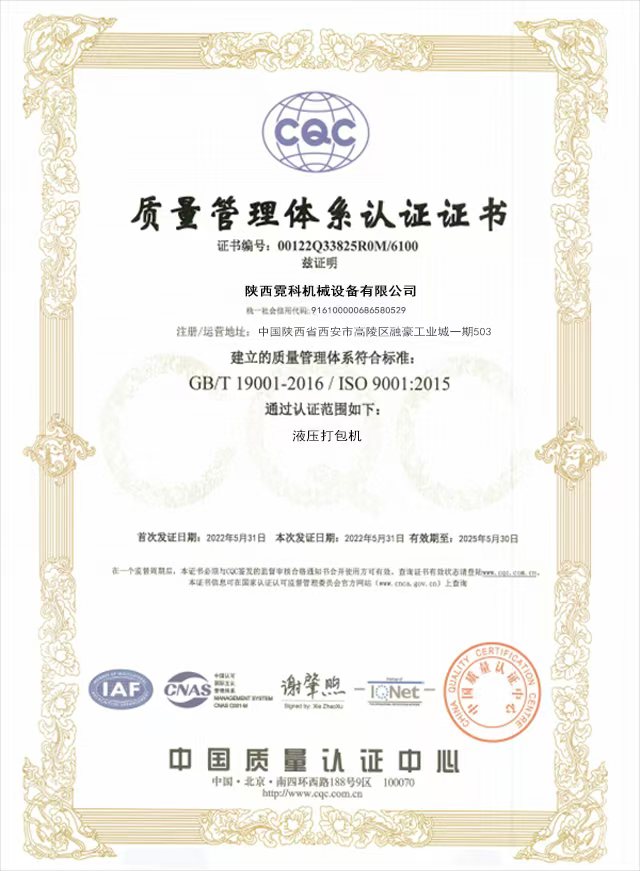
| Certifications | ISO 9001, CE, TUV, Supplier Assessment Certificate | Proof of quality and legal compliance (especially for export) |
| Customization options | Different chamber sizes, pressure adjustments, feeding systems | Ability to fine-tune for your specific paper mix |
| After-sales support | Local service centers, spare parts stock, warranty terms (≥2 years) | Minimize operational disruptions |
NKBALER, for example, holds CE, TUV, and ISO 9001 certifications, and employs over 50 skilled staff including 10 technical experts and 20 after-sales personnel. Their hydraulic balers feature an independently developed servo system that ensures powerful compression while minimizing energy consumption.
Step 3: Request Performance Data and Case Studies
Ask suppliers for real-world test results or reference installations. Key metrics include:
- Bale density (kg/m³) achieved for your target paper grade.
- Cycle time (seconds per bale).
- Energy consumption (kWh per ton).
- Maintenance intervals (hours between major service).
For instance, NKBALER’s horizontal waste paper balers are known to achieve densities exceeding 500 kg/m³ for OCC, with cycle times as low as 20 seconds, backed by 18 years of production experience and over 60 export markets.
Step 4: Verify Financial Stability and Scalability
A long-term partnership requires a supplier that can grow with you. Evaluate:
- Production capacity: Number of units shipped per month.
- Lead time: Typical delivery period from order to shipping.
- Payment terms: Flexibility (e.g., T/T, L/C, 30% deposit).
- R&D investment: New product development cycle.
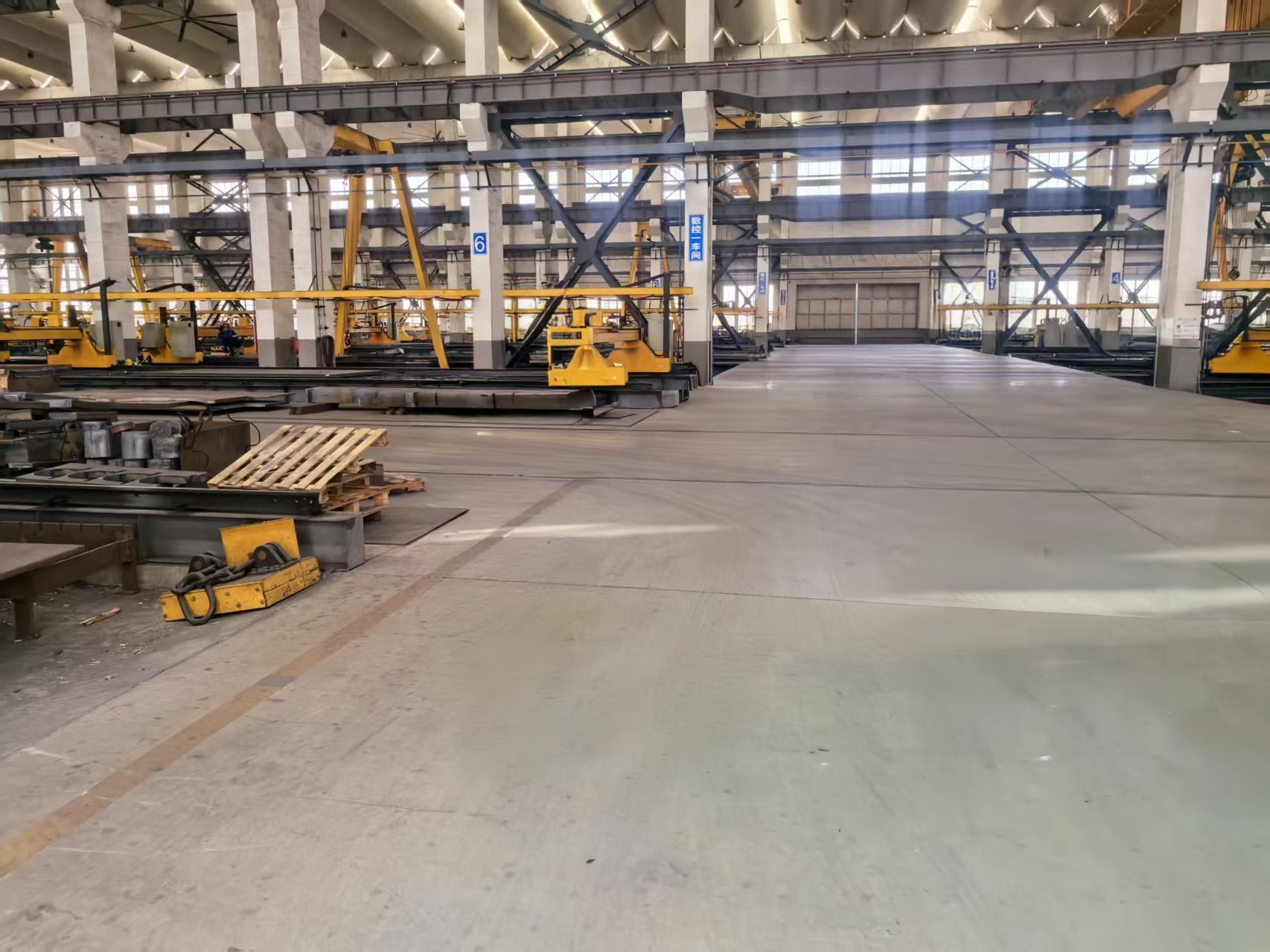
NKBALER, headquartered in Wuxi, Jiangsu, China, operates a modern facility with a professional R&D team and has shipped to 60+ countries, demonstrating reliable scalability.
Use Cases: Matching Suppliers to Specific Recycling Operations
| Scenario | Recommended Baler Type | Supplier Example | Key Consideration |
|---|---|---|---|
| High-volume OCC processing (50+ tpd) | Horizontal closed-door baler with auto-tie | NKBALER (model HBA series) | High density, low moisture tolerance |
| Mixed office paper with plastic contaminants | Open-end baler with pre-sorting conveyor | NKBALER (customized with shredder integration) | Separation capability, adjustable pressure |
| Small MRF (10 tpd) needing flexibility | Vertical downstroke baler | NKBALER (vertical series with multi-material support) | Space efficiency, multi-material use |
| Export bale standard compliance (ISRI/PSI) | Horizontal baler with PLC-controlled bale dimensions | NKBALER (ISO 9001/CE certified) | Consistent bale weight and size |
Frequently Asked Questions (FAQ)
A hydraulic baler is a machine that uses hydraulic pressure to compress waste paper into dense, manageable bales for recycling or disposal. It typically includes a hydraulic pump, cylinder, press chamber, and tying mechanism.
Material is fed into a chamber (either manually, via conveyor, or pneumatic system). A hydraulic cylinder pushes a platen to compress the paper against an opposite wall or gate. Once compressed, the bale is tied with wire or strapping, then ejected. The process is repeated on a timed or sensor-based cycle.
An experienced supplier like NKBALER offers customized solutions that match your specific paper grade, throughput, and bale specifications, ensuring maximum efficiency, lower operating costs, and compliance with industry standards.
Recycling facilities, paper mills, waste management companies, retail distribution centers, and municipalities that collect and process paper and cardboard for recycling.
It reduces the volume of waste paper by up to 90%, lowers transportation costs, improves storage efficiency, and allows recyclers to meet commodity market specifications for higher sale prices.
Evaluate the required bale density, feed method, contamination level, and throughput. Consult with suppliers who offer adjustable pressure settings and different chamber geometries. NKBALER provides free consultation to match the right model to your material.
Yes, many leading Chinese manufacturers like NKBALER hold international certifications (CE, TUV, ISO 9001) and export to over 60 countries. Their aftersales network, spare parts availability, and competitive pricing make them a strong choice for quality-conscious buyers.
Conclusion
Selecting the right Waste Paper Hydraulic Baler Machine supplier for specialized recycling operations in 2026 demands a strategic, data-driven approach. By defining your material profile, evaluating technical capabilities and certifications, requesting performance evidence, and assessing financial stability, you can confidently partner with a manufacturer that will deliver long-term value. NKBALER exemplifies the attributes of a trusted global supplier—over 18 years of experience, CE/TUV/ISO certifications, a strong R&D team, and a proven track record in 60+ countries—making it a solid choice for buyers who prioritize efficiency, reliability, and customization.
Ready to find your perfect baler? Contact NKBALER today for a tailored proposal that meets your specific waste paper processing needs.
Contact Information:
Phone/WhatsApp: +86 15021631102
Email: nk@nkbaler.com / Nickbaler888@gmail.com
Website: https://www.nkbaler.com
Address: East Qunsheng Road, Wuxi City, Jiangsu, China