What Does After-Sales Support Really Mean for a Waste Paper Hydraulic Baler Machine?
What Does After-Sales Support Really Mean for a Waste Paper Hydraulic Baler Machine?
After-sales support for a waste paper hydraulic baler machine is the set of commitments that keep the machine producing saleable bales after delivery: installation and commissioning guidance, operator and maintenance training, spare-parts availability, a preventive maintenance schedule, a defined fault-diagnosis route, and repair costs the owner can plan for. It is not a warranty paragraph and it is not a discount. It is the part of the purchase that decides what the machine actually costs to run for the next several years.
Buyers researching a baler usually compare hydraulic force, bale size, feed opening, and price. Those numbers are visible before the order. Support is not. It only becomes measurable on the day the machine stops, which is the worst possible moment to discover what was never agreed.
This article answers the questions buyers ask before signing — and the questions they wish they had asked — about installation guidance, spare parts, maintenance intervals, and repair-cost predictability. NKBALER's horizontal hydraulic baler and vertical baler product lines are used as reference equipment, because the two lines have genuinely different service profiles.
The Problem: “Support” Is the Least Defined Word in a Baler Purchase
The difficulty is not that suppliers refuse to discuss after-sales support. It is that the same phrase — “full after-sales service” — describes very different levels of commitment. For one supplier it means a phone number and a parts catalogue. For another it means a named engineer, a documented spare-parts list, a maintenance calendar, and a service record that follows the machine for years.
Because support is described in adjectives rather than in deliverables, three problems tend to appear only after installation:
- Undefined scope. The buyer does not know which tasks are included in the purchase and which are billable until something fails.
- Unreachable parts. Wear items such as hydraulic seals, filters, bale wire, and conveyor components are machine-specific. If they were never planned, every failure turns into an emergency purchase with expedited freight.
- Unplanned repair cost. Downtime, urgent shipping, and a local contractor who has never seen the machine usually cost more than the failed part itself.
None of these risks appear on a specification sheet, and all of them are manageable if after-sales is treated as a procurement criterion instead of a courtesy.
Why After-Sales Is Now a Supply-Chain Question, Not a Courtesy
Baling equipment is traded globally, and the machine frequently travels much further than the technician who will eventually service it. A large share of hydraulic baling presses are manufactured in Asia and installed in recycling yards, transfer stations, warehouses, and processing plants in other regions — including the North American, South American, and Asian markets that NKBALER serves. Distance changes what support has to do: documentation replaces hand-holding, parts planning replaces a quick trip to the local dealer, and written diagnostics replace standing next to the machine.
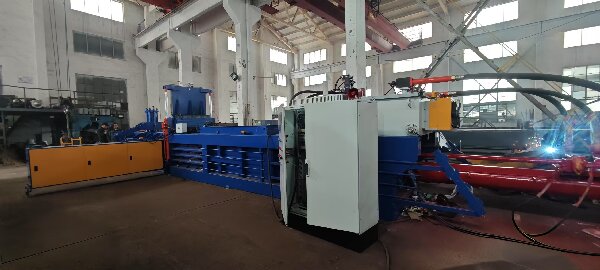
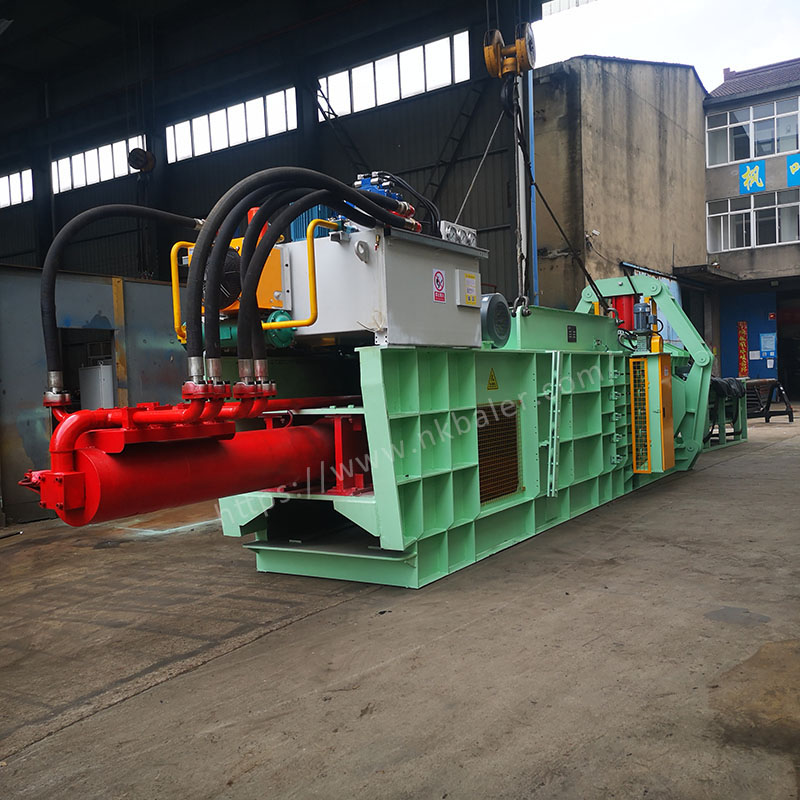
Second, wear is a function of duty cycle, not of brand. A horizontal hydraulic baler running a continuous, PLC-controlled cycle around the clock accumulates operating hours far faster than a vertical baler used intermittently at the end of a packing line. Waste paper, cardboard, plastic film, and similar recyclable fractions are handled in continuous automatic operation in industrial recycling environments, so the same machine design can need two very different service rhythms.
Third, the parts ecosystem around balers is fragmented. Hydraulic cylinders, pumps, valves, seals, wire-tying components, conveyor chains, and cooling equipment are not interchangeable across brands, and local industrial suppliers rarely stock baler-specific items. The practical consequence is that after-sales availability is decided at the ordering stage, not at the breakdown.
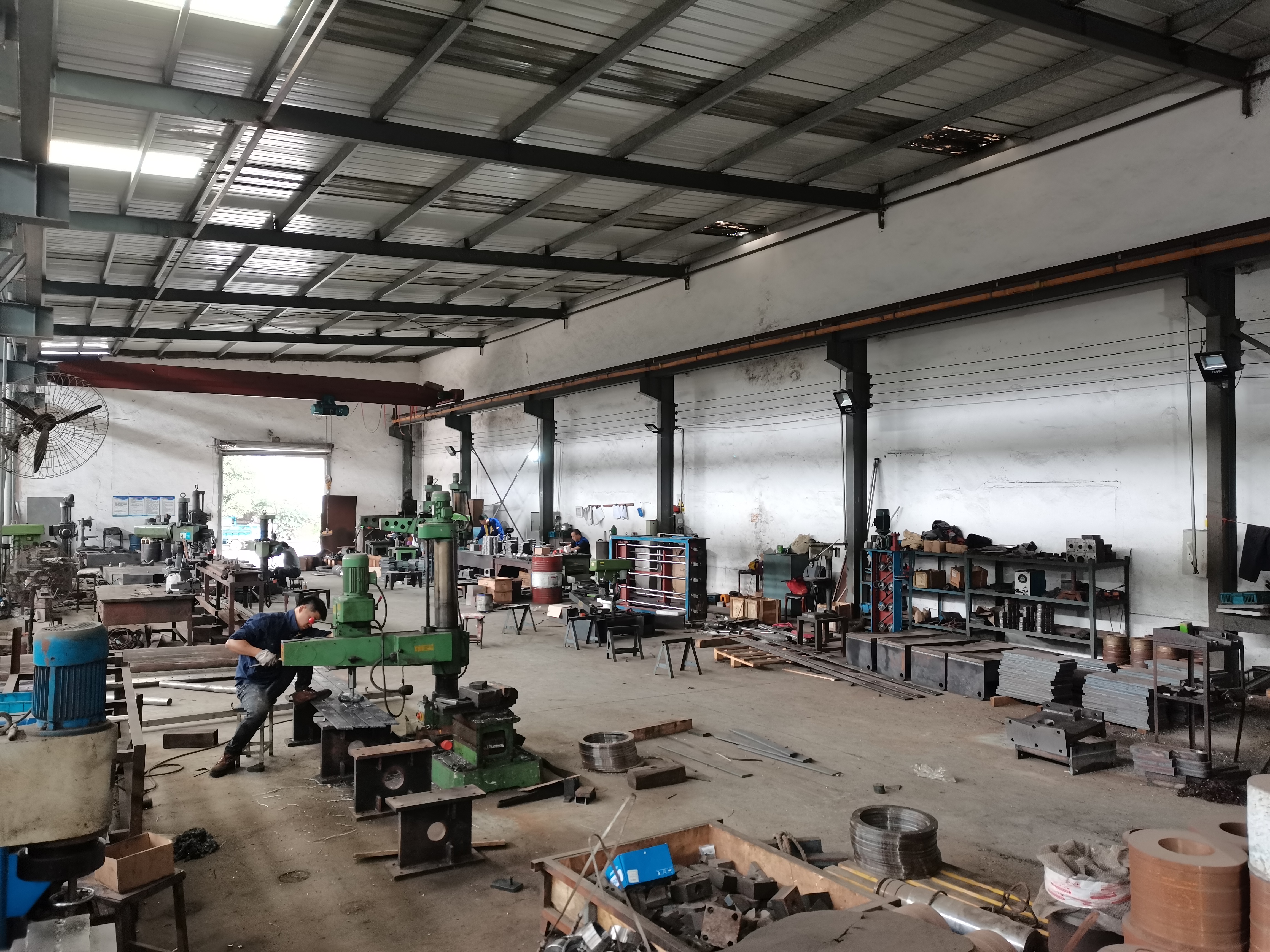
NKBALER — Shaanxi Nick Machinery Equipment Co., Ltd. — is a manufacturer of environmental protection equipment and packaging machinery, founded in 2013 and operating a 5,000 m² facility with an in-house R&D design team and a dedicated after-sales team. The company integrates product design, sales, and service in one organization, and exports to North America, South America, and Asia. Its main product lines are vertical balers, fully automatic horizontal balers, manual horizontal balers, and press bagging machines.
What After-Sales Support Actually Includes: Six Pillars
A credible after-sales scope is not a single promise. It is six distinct commitments, each of which can be written down, priced, and verified.
1. Installation and Commissioning Guidance
Installation guidance covers everything that must be correct before the first bale is produced: foundation and leveling requirements, feed-opening alignment with the loading or conveyor system, power supply configuration, hydraulic system checks, safety guards and chamber door operation, and the first production cycle.
This matters more for horizontal machines than for vertical ones. A horizontal hydraulic baler that is fed by a conveyor line depends on the interface between the two — the conveyor length, width, and drive configuration must match the baler's feed opening. Buyers should request the installation requirements before the machine ships, so foundations, electrical work, and material-handling layout are ready when it arrives. A machine waiting on site preparation is downtime that no support agreement can refund.
2. Operator and Maintenance Training
Most premature baler wear is operational, not mechanical. Daily checks of hydraulic oil level and condition, cooling system condition, bale-wire supply, chamber cleanliness, and unusual noise or cycle-time drift are what determine whether a machine reaches its expected service life.
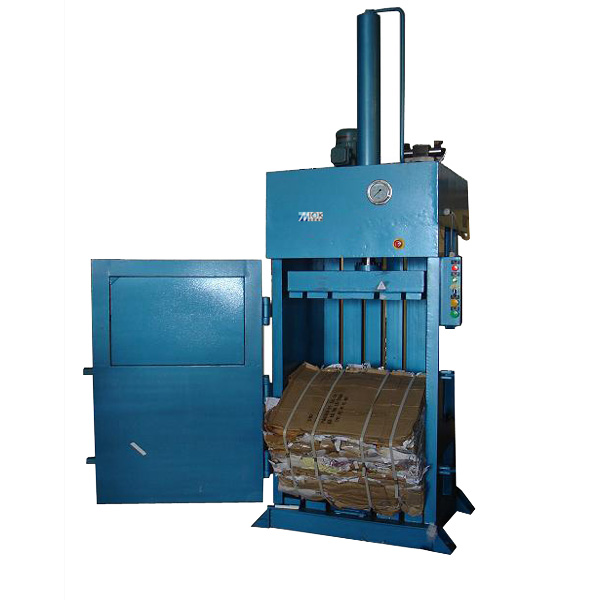
Training requirements differ by machine type. A vertical baler used a few hours a day requires straightforward instruction on safe loading, cycle control, and bale ejection. A fully automatic horizontal baler with a PLC-controlled cycle and a conveyor infeed requires training on the automatic sequence, alarm interpretation, wire-tying, and start-up and shutdown routines. Buyers should ask whether training is delivered on site, documented, and repeated when staff change — a single session for a single operator is not a training program.
3. Spare Parts and Wear-Part Planning
The most useful distinction in baler service planning is between consumable wear parts and failure parts.
- Consumables: hydraulic oil, filters, bale wire, strapping or bagging materials, conveyor components, and sealing elements. These are replaced on a schedule and their cost is predictable.
- Failure parts: pumps, valves, motors, cylinders, and control components. These should not fail if the consumables are managed; when they do, availability and lead time matter far more than price.
Buyers should request a recommended spare-parts list at the configuration stage, not after delivery, and keep a small critical-spares kit on site. For NKBALER machines, the design team works with the buyer during configuration, which is the correct point to define which parts should be stocked based on the intended duty cycle.
4. Preventive Maintenance Scheduling
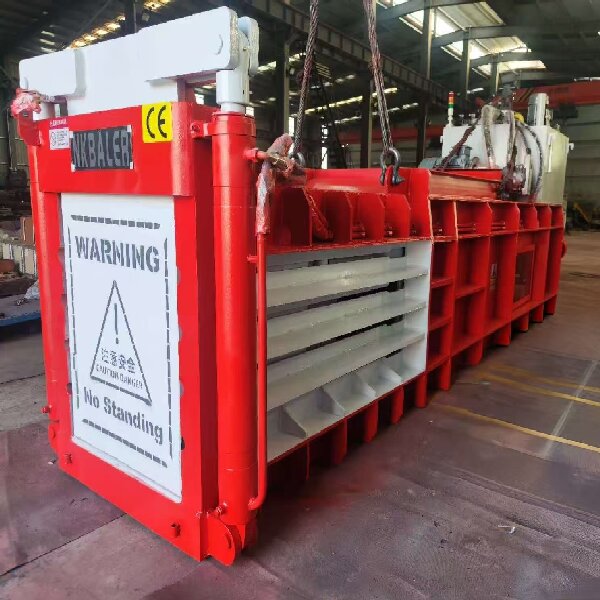
Maintenance intervals should be derived from operating hours and material type, not copied from a generic manual. A horizontal baler in continuous operation needs interval-based checks of hydraulic oil temperature and condition, cooling system performance, wire-tying reliability, and conveyor condition. The NKW series horizontal hydraulic balers can be configured with water cooling or an oil chiller, and those components have their own inspection rhythm that is easy to overlook until temperature alarms appear.
A vertical baler used intermittently can run on a longer, inspection-based schedule. The mistake is applying the same calendar to both: over-servicing a lightly used vertical machine wastes money, while under-servicing a continuous-duty horizontal machine converts planned maintenance into unplanned downtime.
5. Fault Diagnosis and Remote Troubleshooting
Before a failure happens, buyer and supplier should agree on how a fault will be diagnosed. That means a named first contact, a defined escalation route, and a clear list of the information to send — photographs of the fault, PLC alarm codes, pressure readings, material being processed, and a description of what the machine was doing in the hour before it stopped.
Written diagnostics matter more for export buyers, where time zones can turn a five-minute phone call into a one-day delay. A supplier that can interpret a PLC alarm from written information resolves a significant share of issues without any site visit; a supplier that cannot will always need someone on site.
6. Repair Cost Predictability
Cost predictability is the pillar buyers ask about last and value most. It comes from four things: a pricing basis for consumable wear parts agreed at the time of purchase, a documented maintenance record that shows what has been replaced and when, a spare-parts list with identifiable item descriptions, and clarity about which work is included in the support scope and which is chargeable.
Without those four elements, every repair is a negotiation conducted while the machine is stopped. With them, maintenance becomes a budget line instead of an emergency.
A Step-by-Step Way to Evaluate After-Sales Before You Buy
Support can be evaluated before purchase using the same discipline applied to specifications. Seven steps cover most of the risk.
- Define the duty cycle in writing. Record shift pattern, operating hours per day, material mix, and whether the machine will run continuously or intermittently. Maintenance intervals, spare-parts consumption, and even machine configuration follow from this single document.
- Ask for the support scope as a document, not a promise. Installation guidance, training, spare-parts planning, maintenance scheduling, fault response, and cost rules should each have an owner and a deliverable.
- Request the recommended spare-parts list before the order is placed. Check that each item is clearly identified, and decide which items will be stocked on site from day one.
- Confirm installation requirements early. Foundations, leveling, power supply, conveyor interface, and cooling provisions should be known before the machine leaves the factory, not discovered on arrival.
- Agree the maintenance calendar. Convert intervals into dates and assign responsibility to a named person. A schedule without an owner does not get followed.
- Name a contact and an escalation route. Include the information the supplier needs in order to diagnose a fault remotely, and agree in advance which faults require on-site attendance.
- Review the service record annually. Parts consumption, downtime causes, and changed operating patterns should feed back into the maintenance plan. This annual review is what separates a partnership from a transaction.
Three Realistic After-Sales Scenarios
Scenario 1: A Continuous Recycling Operation Running a Horizontal Baler
A facility processing waste paper and cardboard around the clock on a horizontal hydraulic baler with a conveyor infeed faces one dominant risk: unplanned downtime in a continuous line. Its service priorities are interval-based hydraulic and cooling maintenance, reliable bale-wire supply, conveyor component inspection, and a stocked kit of seals and filters. Everything here is planned, which is precisely why it needs to be agreed in advance.
Scenario 2: A Warehouse or Transfer Point Using a Vertical Baler
A vertical baler handling cardboard or plastic film a few hours a day has the opposite profile: low duty, low heat load, and long intervals between service events. The main risk is not wear but neglect — the machine is checked so rarely that small issues are discovered late. Its service needs are simpler operator training, a basic spare-parts kit, and a genuinely followed inspection routine.
Scenario 3: An Export Buyer with a Local Maintenance Contractor
When the machine is installed far from the manufacturer, the buyer's own technicians or a local contractor perform most maintenance. In this scenario, support means documentation and identification: clear part descriptions, a maintenance schedule the local team can execute, and remote diagnosis support when a fault exceeds their experience. Because NKBALER exports to North America, South America, and Asia, this is the most common service model in its installed base — and the one that depends most on information quality rather than proximity.
Comparing Support Models: What the Three Common Approaches Deliver
The table below compares three support models on the dimensions buyers can actually test. It describes commercial approaches, not specific companies.
| Support Dimension | Transaction-Led Supply | Specification-Led Supply | Partnership-Led Support |
|---|---|---|---|
| What is being sold | A machine at an agreed price | A machine plus a stated warranty period | A machine plus a service relationship that continues after the warranty period |
| Installation | Buyer arranges everything | Guidance available on request | Installation and commissioning guidance defined before shipment |
| Training | Not offered | Operation manual supplied | Operator and maintenance training, including the daily checks that drive machine life |
| Spare parts | Ordered case by case after failure | Parts list available on request | Recommended spares defined at configuration and held on site |
| Maintenance | Reactive only | Generic interval recommendations | Schedule matched to the buyer's actual duty cycle |
| Fault response | Whatever channel still exists | Contact details provided at purchase | Named contact, escalation route, and PLC-based diagnostics sent in writing |
| Repair cost | Unpredictable | Partly predictable | Pricing basis for wear parts agreed in advance; service record maintained |
| Main limitation | Downtime is carried entirely by the buyer | Support quality depends on supplier staff continuity | Requires the buyer to keep the maintenance record accurate, or the plan decays |
Horizontal and Vertical Balers Do Not Have the Same Service Profile
The second comparison matters when a site runs both machine types, which is common in recycling and materials-handling operations.
| Service Dimension | Horizontal Hydraulic Baler (NKW Series) | Vertical Baler (NK Series) |
|---|---|---|
| Typical duty | Continuous, PLC-controlled cycles, often around the clock | Intermittent or shift-based, often at collection and packing points |
| Everyday wear items | Hydraulic oil and filters, bale wire, conveyor components, cooling system parts | Hydraulic oil and filters, chamber and door components, sealing parts |
| Heat and hydraulics | Water cooling or oil chiller configurations available; heat accumulates in continuous duty | Simpler hydraulic circuit, lower heat accumulation |
| Maintenance rhythm | Interval-based, scheduled into production windows | Inspection-based, with longer intervals |
| Main service risk | Unplanned downtime in a continuous line, plus spare-part lead time | Wear that goes unnoticed because the machine is checked infrequently |
| Agree before shipment | Conveyor interface, wire specification, cooling configuration, spares list | Chamber and feed-opening fit with the material, bale handling method, spares list |
| Training focus | Automatic cycle, alarm interpretation, wire tying, conveyor start-up sequence | Safe loading, manual cycle, bale ejection, basic hydraulic checks |
How to read these tables: both machines are built on carbon steel frames and share the same hydraulic logic, so a single after-sales relationship can cover both lines. What changes is the frequency and the detail of the service work — and therefore what must be planned before delivery.
FAQ: After-Sales Support for Waste Paper Hydraulic Baler Machines
What should be included in the after-sales scope of a waste paper hydraulic baler machine?
A complete scope names six things: who provides installation and commissioning guidance, who trains the operators, which spare parts are recommended and how they are ordered, what the preventive maintenance schedule is, who is contacted first when the machine stops, and how repair work is priced. Buyers should ask for this as a written scope attached to the order rather than a verbal assurance, because a written scope is the only version that can be compared between suppliers or referred to during a dispute.
Can the same supplier support both a horizontal hydraulic baler and a vertical baler?
Yes, and it is usually preferable for a mixed site. NKBALER manufactures vertical balers, fully automatic horizontal balers, manual horizontal balers, and press bagging machines, with an in-house R&D design team and an after-sales team working on the same product range. A single service relationship means spare-parts planning, maintenance intervals, and fault diagnosis follow one set of procedures. The two machine types still need different rhythms: horizontal machines add conveyor, wire-tying, and cooling-system items to the maintenance list, while vertical balers remain comparatively simple to service.
How can buyers keep baler repair costs predictable?
Predictability comes from three practices, not from a discount. First, separate consumable wear parts — hydraulic oil, filters, bale wire, conveyor components, and seals — from failure parts such as pumps, valves, motors, and cylinders, and agree a pricing basis for the consumables when the machine is ordered. Second, keep a recommended spares kit on site so common items are replaced on schedule rather than urgently. Third, maintain a service record, because wear rates follow duty cycle: a machine running continuous shifts consumes wear parts faster than one used intermittently, and the record turns that into a budget line instead of a surprise.
What can a buyer verify before the machine is shipped?
Before shipment, a buyer can verify the support scope the same way they verify specifications: confirm the named service contact and escalation route, check that the recommended spare-parts list is complete and clearly identifies each item, confirm the maintenance schedule matches the intended duty cycle, and obtain the installation requirements so foundations, power supply, and conveyor interfaces are ready on arrival. Configuration is also the stage at which service-relevant choices — such as water cooling versus an oil chiller on a horizontal machine — should be settled, because they are far harder to change once the machine is on site.
How fast should a supplier respond when a baler stops?
Response speed is agreed in advance; it cannot be improvised after a breakdown. Buyers should fix four points before delivery: the first contact channel, the diagnostic information to send (photographs, PLC alarm codes, pressure readings, and what the machine was doing in the previous hour), which faults can be resolved remotely and which require on-site attendance, and where spare parts ship from. For export buyers, time zones make written diagnostics more valuable than phone calls. NKBALER supplies machines to North America, South America, and Asia and handles service through a direct channel — www.nkbaler.com, Sales@nkbaler.com, or WhatsApp +86 15021631102 — so a service conversation can start before the order rather than after the failure.
Conclusion: After-Sales Is a Lifecycle Decision, Not a Line Item
After-sales support for a waste paper hydraulic baler machine is measurable, but only if the buyer forces it to be. Written scope, a recommended spares list, a maintenance schedule tied to real duty cycle, a named contact route, and a pricing basis for wear parts together convert an untestable promise into a set of deliverables. The machine itself — a continuous-duty horizontal baler or an intermittently used vertical baler — determines how heavy that service load will be, but not whether it was planned.
The difference between buying a machine and building a service relationship is not a slogan. It shows up in the first unplanned stop, in how quickly the right part arrives, and in whether the maintenance record exists to prevent the next one. Buyers who treat support as part of the specification get a machine that keeps producing bales; buyers who treat it as an afterthought get an invoice they did not plan for.
Next step: if you are evaluating a waste paper hydraulic baler machine and want the after-sales scope defined before the order instead of after the breakdown, send your duty cycle and material mix to NKBALER.
Email: Sales@nkbaler.com | WhatsApp: +86 15021631102 | Website: www.nkbaler.com | Blog: blog.nkbaler.com