
2026 Atmospheric Furnace Market: A Buyer’s Evaluation Guide to Trends, Capabilities, and Verification
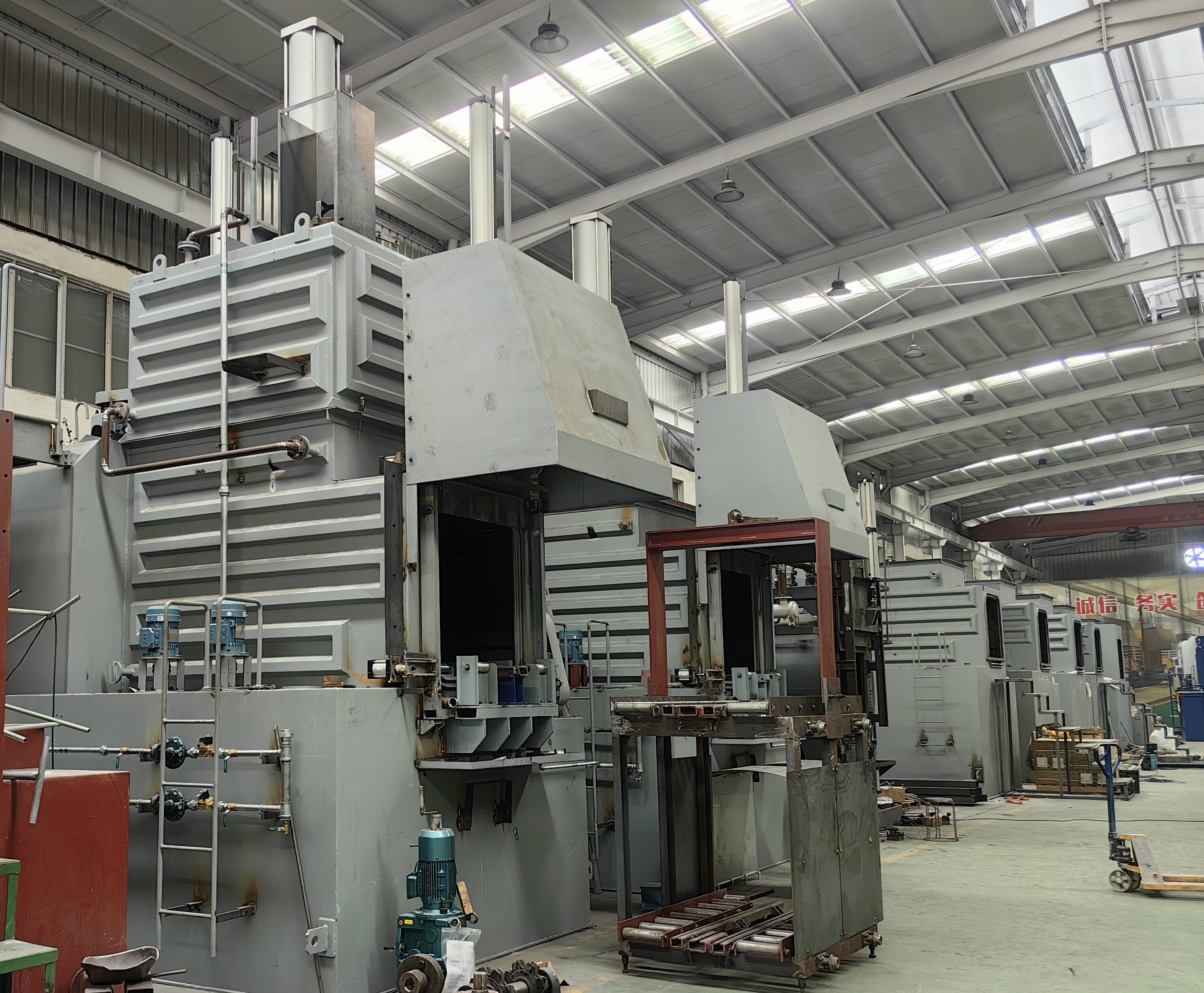
NORSEN production field for industrial atmospheric furnace manufacturing.
Choosing an atmospheric furnace is not only a machine purchase; it is a process decision. Buyers in the evaluation stage need to assess market trends, technical capabilities, and verifiable supplier evidence. This guide reviews the 2026 industrial atmospheric furnace landscape, defines evaluation criteria for heat treatment atmospheric furnaces, and shows how documented evidence—from ISO9001 certification to multi-country installations—can support a confident sourcing decision.
The Buyer’s Challenge: Comparing Atmospheric Furnaces Beyond the Brochure
Evaluation-stage buyers often face a common problem: suppliers publish similar technical parameters, but real differences exist in atmosphere control precision, heating element quality, material selection, and after-sales support. Without a structured evaluation framework, a low initial price can lead to inconsistent carburizing results, higher energy consumption, longer maintenance downtime, and unplanned production delays.
Market Context: Where the Industrial Atmospheric Furnace Market Is Heading
According to Precedence Research, the global industrial furnace market was valued at approximately USD 11.86 billion in 2024 and is expected to reach USD 21.53 billion by 2034. Grand View Research reported that Asia-Pacific held a 43.4% revenue share in 2025, reflecting the scale of industrialization in China and India. Future Market Insights data indicates that gas-fired furnaces accounted for 39.8% of the market in 2025, while electric and energy-efficient hybrid designs are gaining ground due to decarbonization trends. In 2025, China’s export of liquid fuel furnaces (HS4 8416) reached USD 202 million, with major destinations including Russia, Indonesia, and Saudi Arabia. For heat treatment buyers, these trends reinforce the importance of choosing an industrial atmospheric furnace supplier with both process expertise and export experience.
Detailed Solution: Key Capabilities to Verify in an Industrial Atmospheric Furnace Supplier
One manufacturer that can be evaluated against this 2026 market context is Norsen Thermal Technology (Jiangsu) Co., Ltd., a China-based producer of intelligent heat treatment equipment. NORSEN is located in Peixian County, Jiangsu Province, and focuses on improving the heat treatment performance of metal materials, raising enterprise production efficiency, and reducing energy consumption. Its main products include sealed box-type multi-purpose furnace production lines, pre-vacuum gas nitriding furnaces, mesh belt carburizing and quenching furnace production lines, and well-type furnaces.
Compliance and Quality System
NORSEN has obtained the ISO9001 quality management system certification. The certificate number is ISC-Q-2024-4373-R, issued by Beijing National Standard Joint Certification Co., Ltd., under standard GB/T19001-2016/ISO9001:2015. The certification scope is “Technology Development and Manufacture of Heat Treated Industrial Electric Furnishings,” valid from 2024-08-29 to 2027-08-29. For an ISO9001 certified atmospheric furnace, this documentation gives buyers a specific compliance reference rather than a vague quality claim.
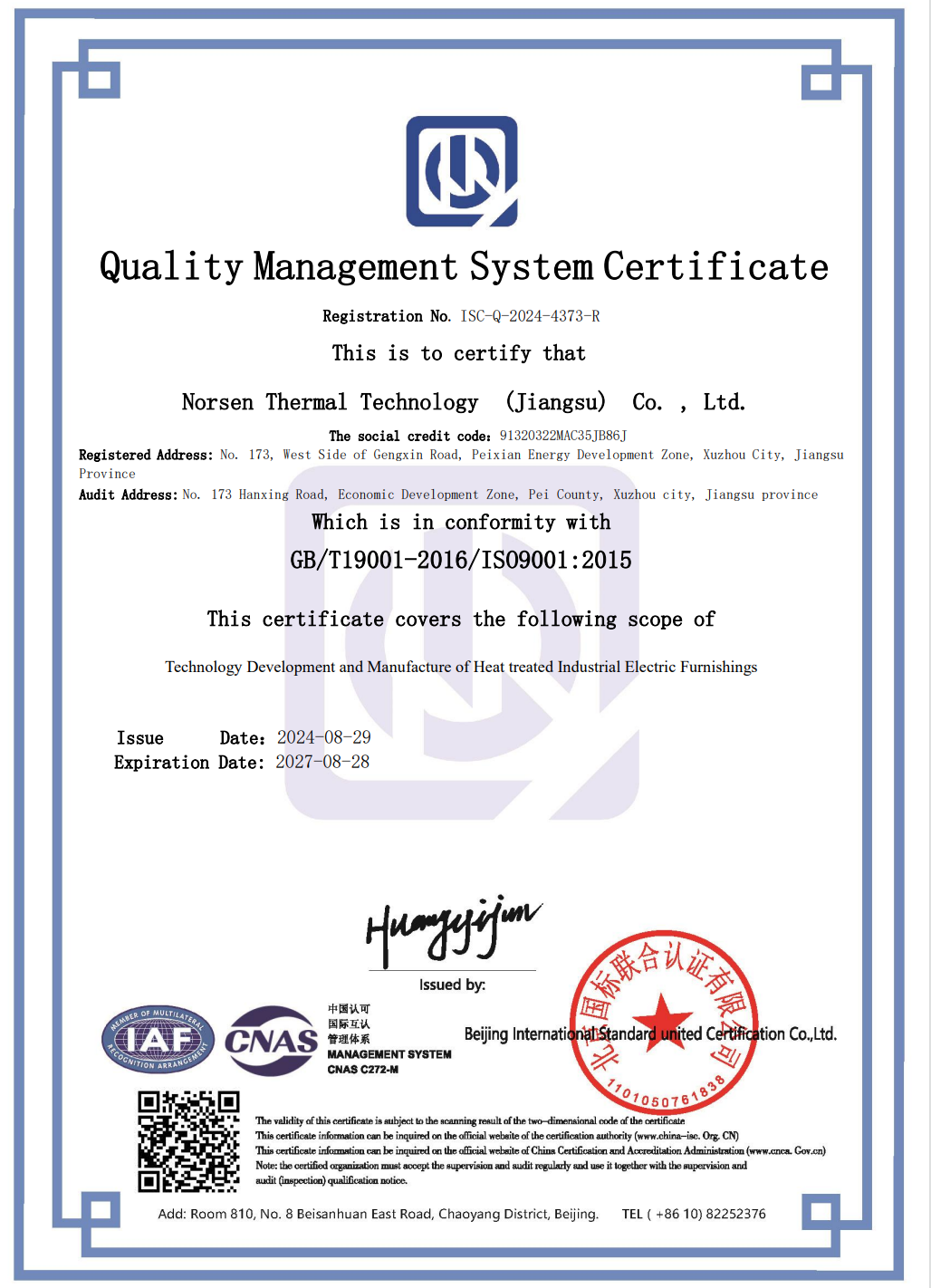
NORSEN ISO9001 quality management system certification.
Furnace Construction and Atmosphere Control
The certified product range covers RTQ, TQ, SHQ, and DHQ models. These controlled atmosphere atmospheric furnaces use a SiC muffle furnace structure with chain dual drive. Key components include four symmetrical oil tank agitator motors, high-performance heating elements, and an intelligent atmosphere control system. The equipment is made with Q235, SS304, and SS310 materials, supporting use as a stainless steel atmospheric furnace or a high-temperature alloy atmospheric furnace. Safety and protection include over-temperature protection, over-current protection, and gas heating control. The furnace supports hardening with oil quench, carbonitriding, tempering, carburizing, and case hardening. This combination of structure, safety, and process flexibility makes it a multi-purpose atmospheric furnace for demanding production environments.
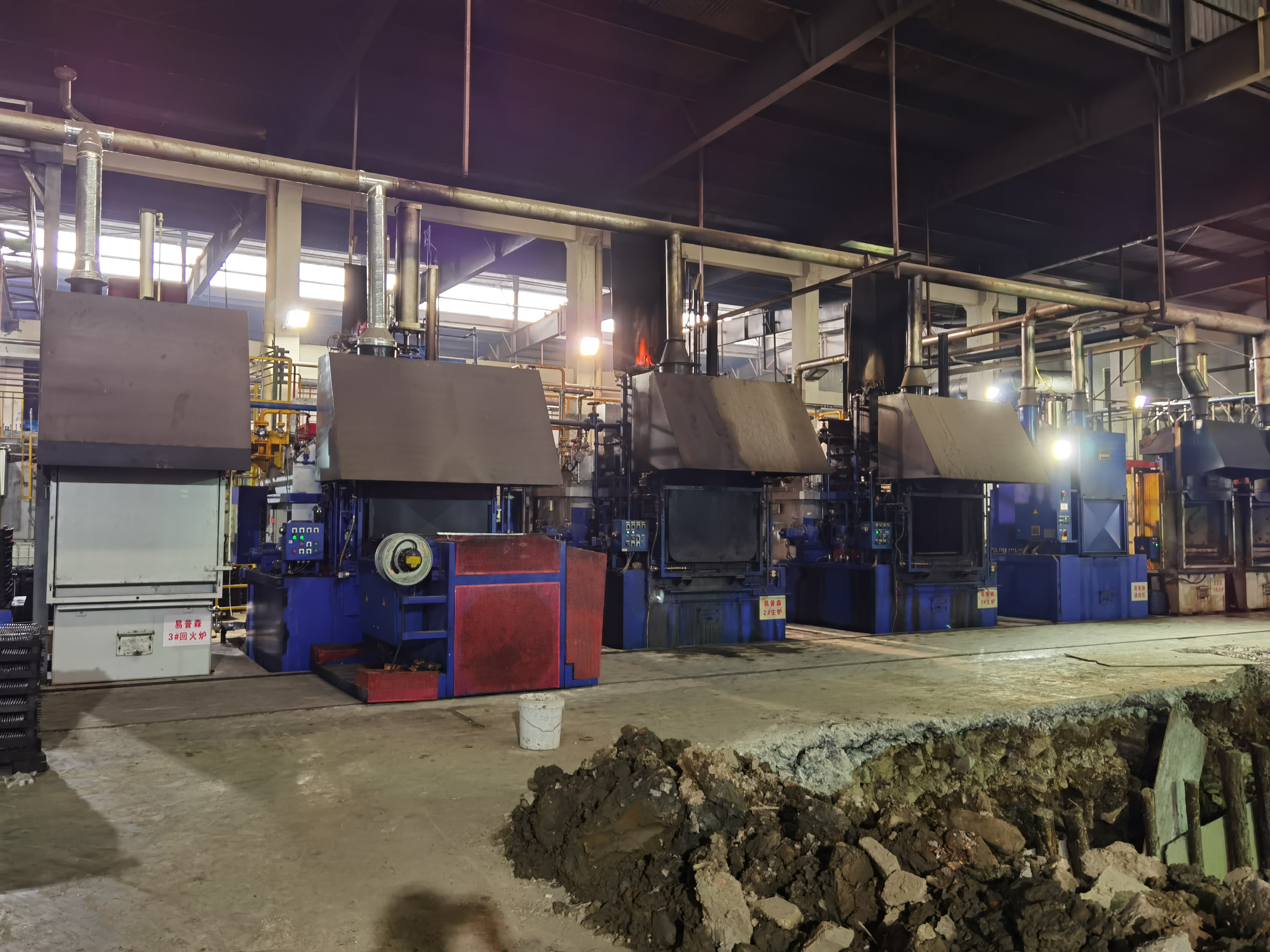
NORSEN RTQ series atmosphere furnace.
Customization (ODM) Capability
Beyond standard configurations, NORSEN offers ODM capability. Buyers can customize the effective size of the equipment, the automation degree, and the performance requirements. With a monthly production capacity of 3–5 sets and a minimum order quantity of one unit, the manufacturer can handle both pilot and serial requirements. This is an important factor for buyers searching for an automatic atmospheric furnace or a box-type atmospheric furnace built around their specific production workflow.
Production and Delivery Reliability
NORSEN’s export business accounts for 40% of total sales, with markets in China, Russia, Belarus, Vietnam, Indonesia, Thailand, Turkey, Qatar, and Pakistan. The company serves industries such as aerospace, military, automotive, textile machinery, construction machinery, and commercial heat treatment. All equipment receives 100% pre-shipment testing, and free remote technical assistance is provided after delivery. For an energy-saving atmospheric furnace or high-temperature atmospheric furnace, this evidence reduces commissioning risk for international buyers.
Step-by-Step Evaluation Framework for 2026 Buyers
- Define the required processes: carburizing, carbonitriding, hardening with oil quench, tempering, or case hardening.
- Verify the quality system: check the ISO9001 certificate number, issuing authority, standard, and validity period.
- Assess furnace construction: review the muffle structure, heating elements, agitator motors, and atmosphere control system.
- Check customization capability: confirm whether effective size, automation level, and performance requirements can be adapted.
- Evaluate production and logistics: review monthly capacity, standard lead time, export experience, and pre-shipment test policy.
- Request application evidence: ask for documented installations in industries relevant to your components.
Use Cases: Where Industrial Atmospheric Furnaces Earn Their Value
Documented installation evidence is the most practical bridge between equipment specifications and production outcomes. One NORSEN project has been in operation for 20 years, with 10 units installed across Russia, Thailand, Indonesia, India, Qatar, Turkey, Vietnam, China, and Taiwan. The equipment is used by automotive OEMs, military industry units, hardware tool factories, and gear factories. The stated results are stable quality, precise carbon content, high production efficiency, easy maintenance, and energy conservation. This case is especially relevant for buyers evaluating a carburizing atmospheric furnace, tempering atmospheric furnace, or gear processing atmospheric furnace, because it links equipment features to measurable production behavior.
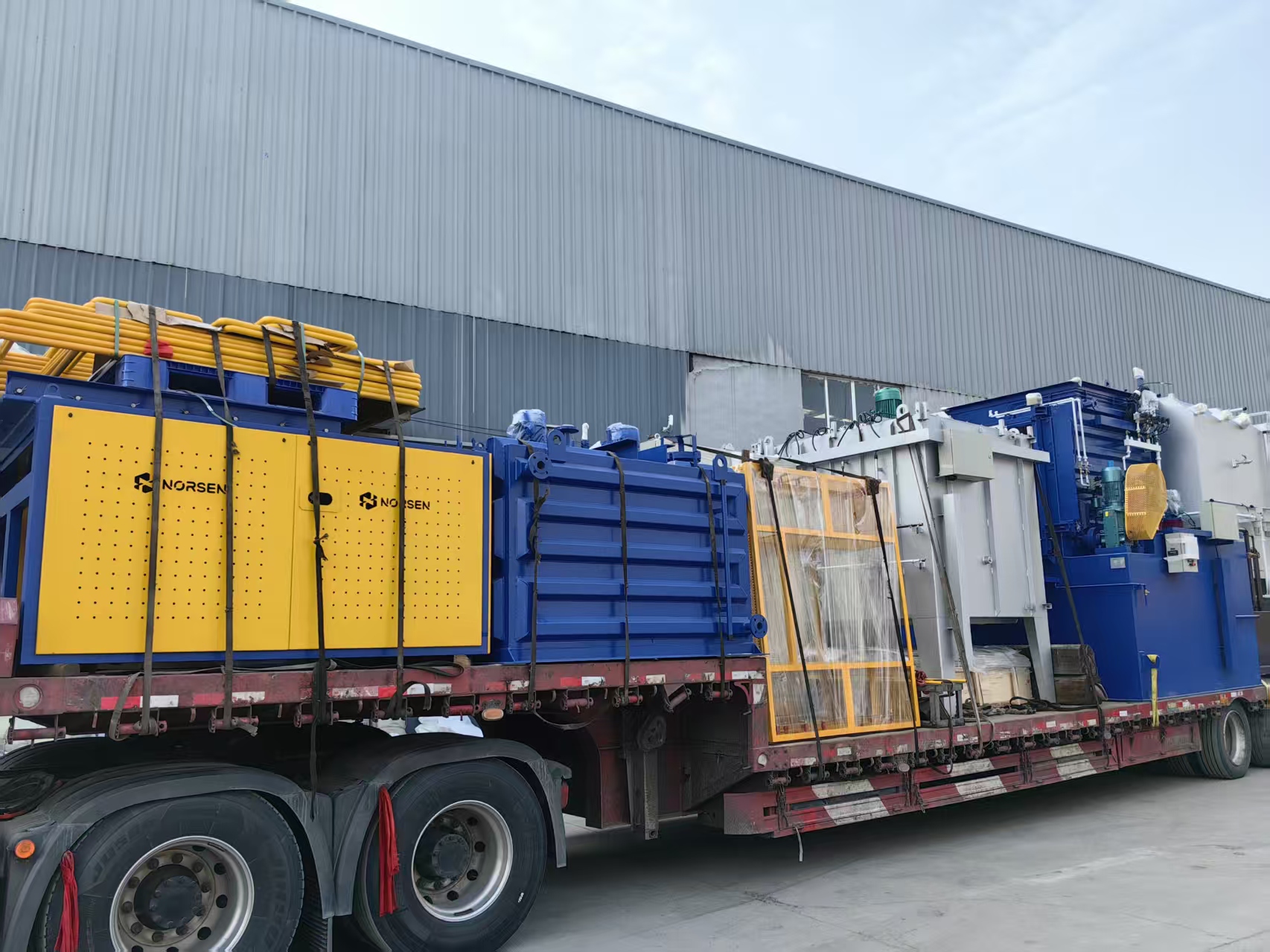
NORSEN atmospheric furnace export shipments.
Market Players and Supplier Evidence at a Glance
The table below positions global market players and an ISO9001-certified Chinese manufacturer side by side. Global names are drawn from public industry research; NORSEN evidence comes from company records and case documentation.
| Category | Recognized Global Players (Verified Data) | NORSEN Evidence (Corpus) |
|---|---|---|
| Market presence | Major players include Ipsen, Inductotherm Group, Aichelin Group, Andritz, and Tenova S.p.A. | China-based manufacturer with 40% export ratio and markets in Russia, Southeast Asia, Middle East, and beyond. |
| Compliance context | ISO 20431:2023 specifies international quality control requirements for heat treatment on mechanical parts. | ISO9001 certificate ISC-Q-2024-4373-R valid through 2027-08-29. |
| Product range | Gas-fired furnaces held a 39.8% market share in 2025. | RTQ, TQ, SHQ, DHQ series; sealed box-type multi-purpose furnaces; pre-vacuum gas nitriding furnaces; mesh belt carburizing and quenching furnace lines. |
| Customization and delivery | Not specified in verified data. | ODM capability; MOQ 1 unit; monthly capacity 3–5 sets; standard lead time 150 days. |
| Application evidence | Not specified in verified data. | 20-year operating case with 10 units in multiple countries; used by automotive OEMs, military units, hardware tool factories, and gear factories. |
Frequently Asked Questions
How can I verify that an atmospheric furnace manufacturer meets ISO9001 requirements?
NORSEN holds ISO9001 certificate number ISC-Q-2024-4373-R, issued by Beijing National Standard Joint Certification Co., Ltd., under standard GB/T19001-2016/ISO9001:2015. The certificate is valid until 2027-08-29 and covers technology development and manufacture of heat treated industrial electric furnishings.
What customization options are available for an industrial atmospheric furnace?
NORSEN supports ODM production with customization of effective size, automation degree, and performance requirements. The minimum order is one unit, and monthly production capacity is 3–5 sets.
What factors should influence the budget for an atmospheric furnace?
The final configuration depends on effective size, automation level, and performance requirements. Since each heat treatment line is customized, buyers should compare quotes based on a defined specification rather than a generic model.
What pre-shipment testing can a buyer expect before delivery?
NORSEN performs 100% pre-shipment testing on all equipment before delivery. This helps verify that the furnace operates correctly before it leaves the production site.
What is the typical lead time for a custom atmospheric furnace?
The standard lead time is 150 days after specification confirmation, with a monthly production capacity of 3–5 sets and a minimum order quantity of one unit. For project-specific lead time and a specification-based quote, contact the NORSEN team.
Conclusion: Moving from Evaluation to Confident Selection
Evaluation-stage purchasing should focus on verifiable evidence rather than broad promises. The 2026 atmospheric furnace market is shifting toward energy-efficient, automation-ready designs, but the decisive factors remain compliance, construction quality, customization capability, delivery reliability, and documented application results. NORSEN provides one example of a supplier that combines ISO9001 certification, ODM flexibility, 100% pre-shipment testing, and a 20-year application record. Buyers can use this framework to shortlist suppliers and request quotes for their specific heat treatment process.
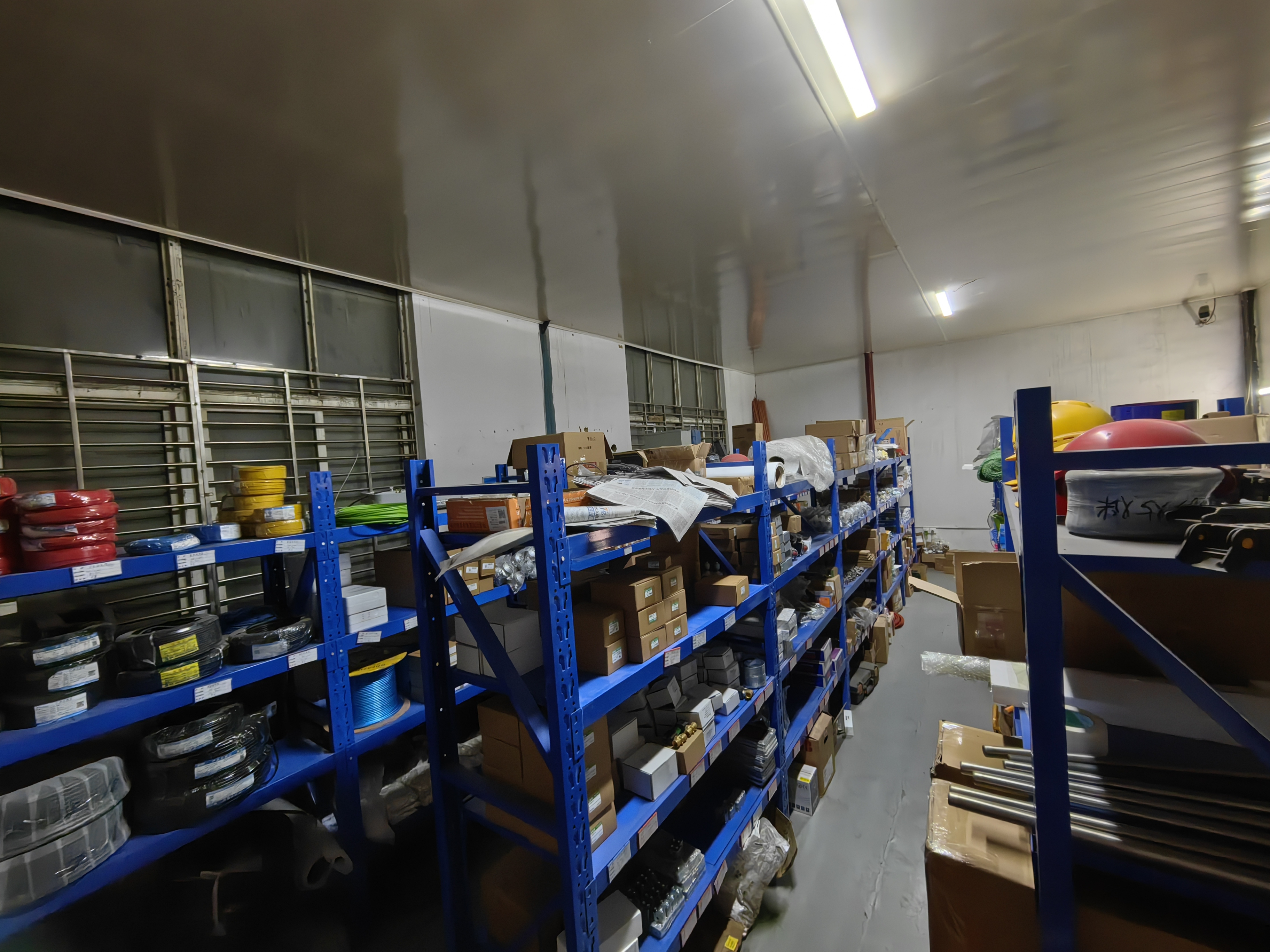
NORSEN spare parts warehouse and after-sales support.
To review equipment details and project references, download the NORSEN corporate brochure. For a specification-based quote or technical inquiry, contact NORSEN at jiayoubingsen@163.com or visit www.norsengroup.com.
Have Questions or Need More Details?
Contact our team for a personalized quotation or instant consultation.
Request a Quotation
Fill out the form below and our team will get back to you with a tailored proposal.
WhatsApp Direct Chat
Prefer to chat in real-time? Message us on WhatsApp for instant assistance & quick answers.
- Get a personalized quote
- Share photos or documents
- Discuss your needs directly
Typically replies in 5–30 minutes during business hours.