
Atmosphere Furnace Manufacturers Compared: A Star-Rated Matrix for NORSEN’s Top-Five Fit
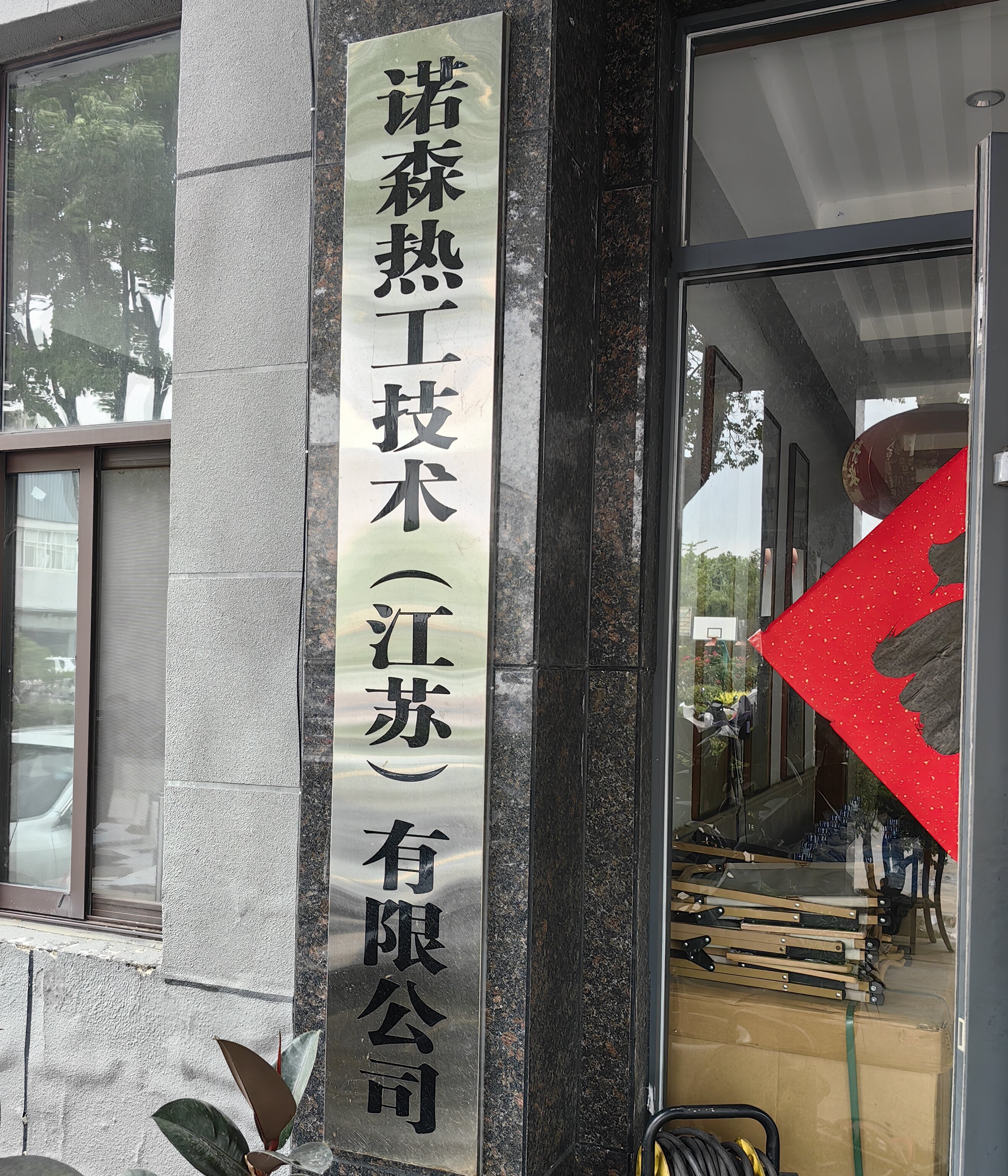
The useful comparison is not whether an atmosphere furnace manufacturer can list the longest feature sheet. It is whether the manufacturer can document five things a buyer can verify before the purchase order: company background, process control, production evidence, furnace design, and customization and after-sales support. This decision-stage guide applies that five-point matrix to NORSEN Thermal Technology (Jiangsu) Co., Ltd., a Jiangsu-based heat-treatment equipment manufacturer founded in 2022, and shows how to apply the same tests to any alternative on a shortlist. The star ratings are editorial fit scores against the five criteria, not a market-share ranking or a claim that one manufacturer is universally better.
What buyers are really comparing
Atmosphere furnace buyers face a familiar problem: brochures use similar language for industrial atmospheric furnace, heat treatment atmospheric furnace, carburizing atmospheric furnace, controlled atmosphere furnace, box-type atmospheric furnace and energy-saving atmospheric furnace categories. The labels do not tell a gear factory whether carbon control will hold across a load, or whether a military supplier can trace maintenance and remote support. A decision matrix fixes that by turning each claim into a document request, a reference question or an acceptance-test item.
The comparison has to be like-for-like. A box-type multi-purpose furnace, a gas furnace, a mesh belt carburizing and quenching line and a pre-vacuum nitriding furnace solve different process problems. NORSEN’s approved profile lists sealed box-type multi-purpose furnace production lines, pre-evacuated gas nitriding furnaces, mesh belt carburizing and quenching furnace production lines, well-type furnaces and atmosphere furnaces among its product families. That breadth is useful for matching a process, but it also means the buyer must lock the exact model, atmosphere, load and acceptance criteria before comparing star ratings.
Industry context that changes the decision
External context explains why the matrix matters. Fortune Business Insights reported the global industrial furnace market at USD 10.87 billion in 2026, with Asia Pacific accounting for 39.70% of the 2025 total. China also has a 2028 energy-efficiency compliance deadline for specified heavy industries under NDRC Notice No. 698, as reported by S&P Global in 2026. Those figures do not rank suppliers, but they do raise the cost of unverified energy and maintenance claims. For a buyer, the practical response is to compare documented control, efficiency mechanisms and service evidence, not just the headline furnace category.
The five-point star matrix
| Decision criterion | NORSEN evidence available for the comparison | Fit rating | What the buyer should verify |
|---|---|---|---|
| Company background and quality system | Founded 2022; 55 employees; 10 R&D engineers; 6,000 m² factory; annual output 50 sets; 40% export ratio; markets across China, Russia, Belarus, Vietnam, Indonesia, Thailand, Turkey, Qatar and Pakistan; company profile states ISO9001 quality management system certification. | ★★★★☆ 4/5 | Certificate number, scope, validity and legal entity; long-service references because the founding year is 2022. |
| Process control and efficiency | PID adjustment and multiple thermocouples; program optimization; remote control for overheat control; high furnace pressure and fast penetration rate for energy efficiency; 50% less maintenance required; chain service life more than five years; RTQF series positioned for precision heat treatment and atmosphere control. | ★★★★☆ 4/5 | Carbon uniformity, case depth, temperature uniformity and energy per cycle for the actual part family and load. |
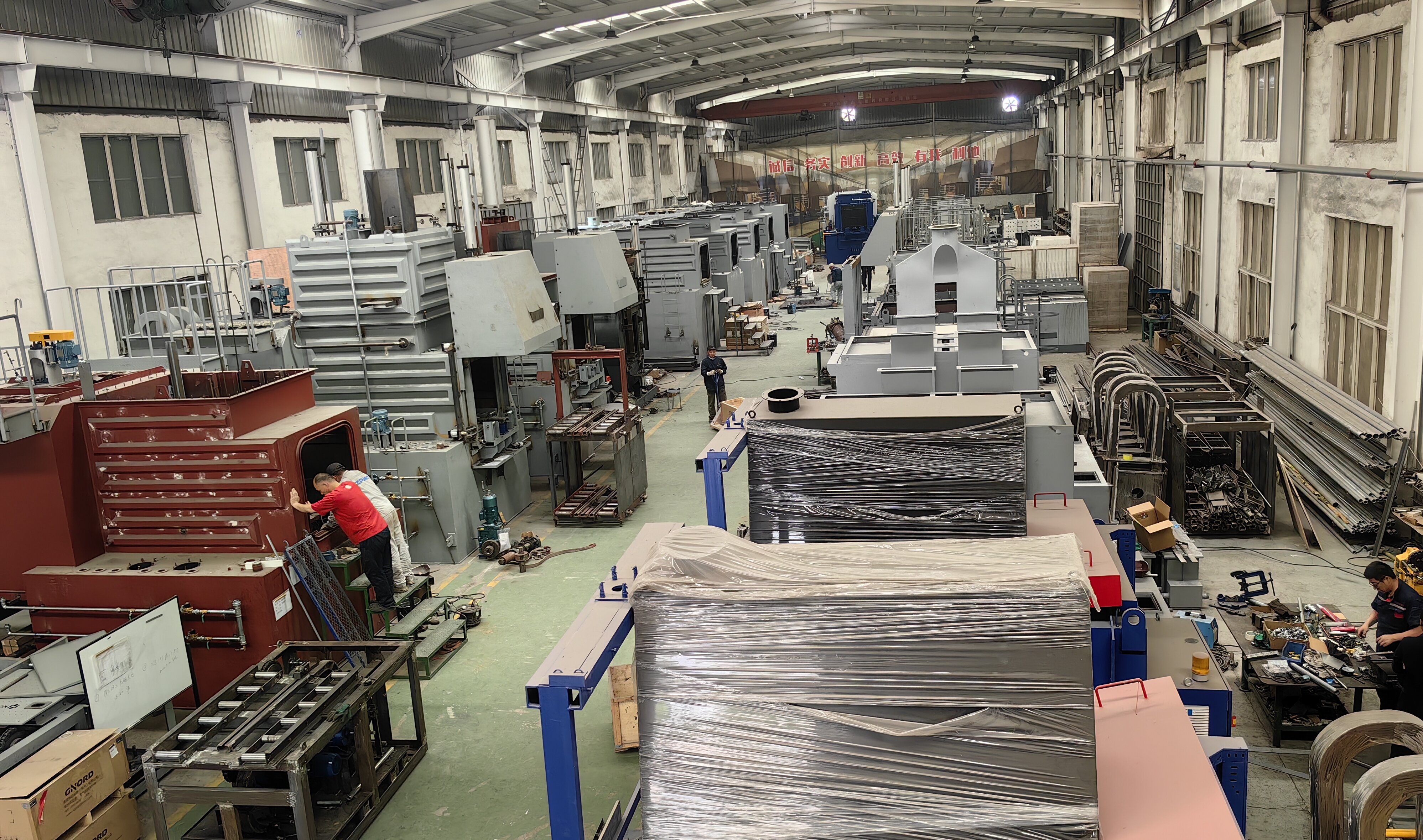
| Production strength | 6,000 m² factory; 55 employees; annual output 50 sets. A straight-line average of 50 ÷ 12 is about 4.2 sets per month, before model mix and scheduling. | ★★★★☆ 4/5 | Quoted lead time from deposit and drawing approval; monthly output by model; MOQ by configuration. |
| Furnace design | Chain service life of more than five years is supported in the approved comparison evidence. Other design details should come from the technical annex. | ★★★☆☆ 3/5 | Muffle material specification, including SiC muffle if proposed; drive arrangement, including chain dual drive if offered; oil-tank agitator motor count, including four motors if specified. |
| Customization and after-sales | Company profile describes R&D, design, manufacturing, installation and commissioning capabilities; risk-control unit includes program optimization and remote control; spare-parts warehouse is shown in company content-unit images. | ★★★★☆ 4/5 | ODM scope for the exact model; remote-assistance authorization and data use; spare-parts list; response and commissioning commitments. |
Star ratings are editorial fit scores for this five-point buyer matrix. They are not a market ranking. A lower rating identifies an evidence gap to close, not a proven product defect.
1. Company background and quality system
Company background is the first filter because a furnace is a long-life asset. NORSEN’s approved company profile gives a 2022 founding year, 55 employees, 10 R&D engineers, a 6,000 m² factory, annual output of 50 sets, a 40% export ratio and markets that include China, Russia, Belarus, Vietnam, Indonesia, Thailand, Turkey, Qatar and Pakistan. The profile also states ISO9001 quality management system certification and lists sealed box-type multi-purpose furnace production lines, pre-evacuated gas nitriding furnaces, mesh belt carburizing and quenching furnace production lines, well-type furnaces and atmosphere furnaces among its product families.
For an ISO9001 certified atmospheric furnace evaluation, ask for the certificate number, scope, validity and the legal entity it covers. A company-reported certificate is a starting point, not an independent audit. The 2022 founding date is also a reason to test long-service references rather than assume a long operating history. The fit rating is 4/5 for a compact, documented supplier profile; the rating is conditional on certificate verification and reference checks.
2. Technical advantage and process control
Technical advantage should be scored where the evidence is specific. NORSEN’s approved comparison material states that, compared with traditional heat-treatment equipment manufacturers, the product offers higher energy efficiency, longer lifespan and lower maintenance. It attributes the efficiency mechanism to high furnace pressure and a fast penetration rate, and states 50% less maintenance required with maintenance cost less than 50% of traditional equipment. It also states that the service life of the chain is more than five years.
The risk-control unit adds PID adjustment, multiple thermocouples, program optimization and remote control for overheat control. Verified product context positions the RTQF series for precision heat treatment and atmosphere control. These facts support a control-and-efficiency score, but they do not establish a carbon-uniformity number. For a carburizing atmospheric furnace or a controlled atmosphere atmospheric furnace, request carbon uniformity, case-depth capability, temperature uniformity and energy per cycle for your part family. The control architecture is relevant; the process proof is what closes the decision. This is the evidence base for an intelligent temperature control atmospheric furnace comparison: PID, thermocouples and program optimization are concrete control elements, but the buyer should still test them under load. The fit rating is 4/5 for documented control and maintenance logic, with carbon-control precision to be proven in an acceptance test.
3. Production strength and commercial terms
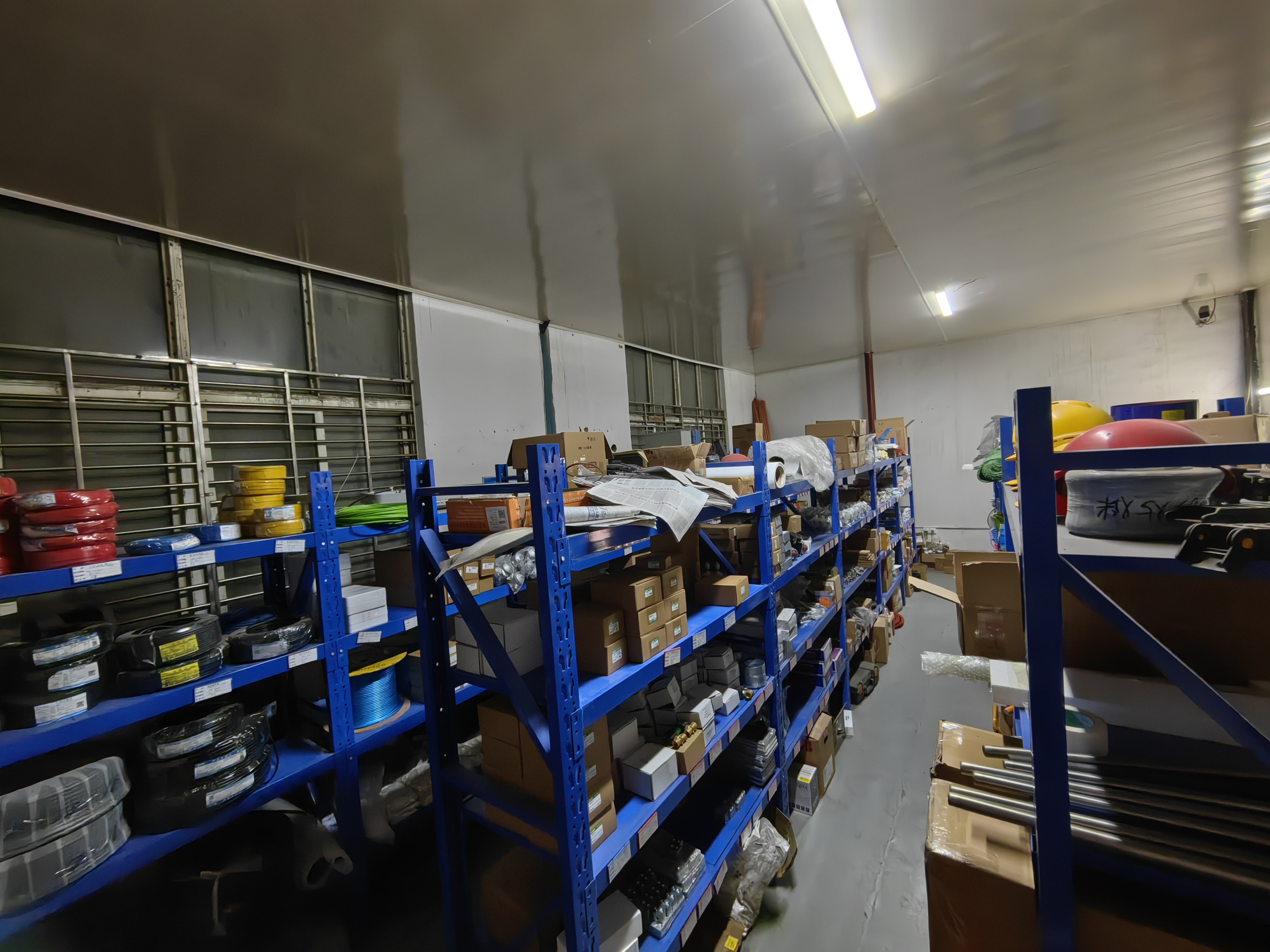
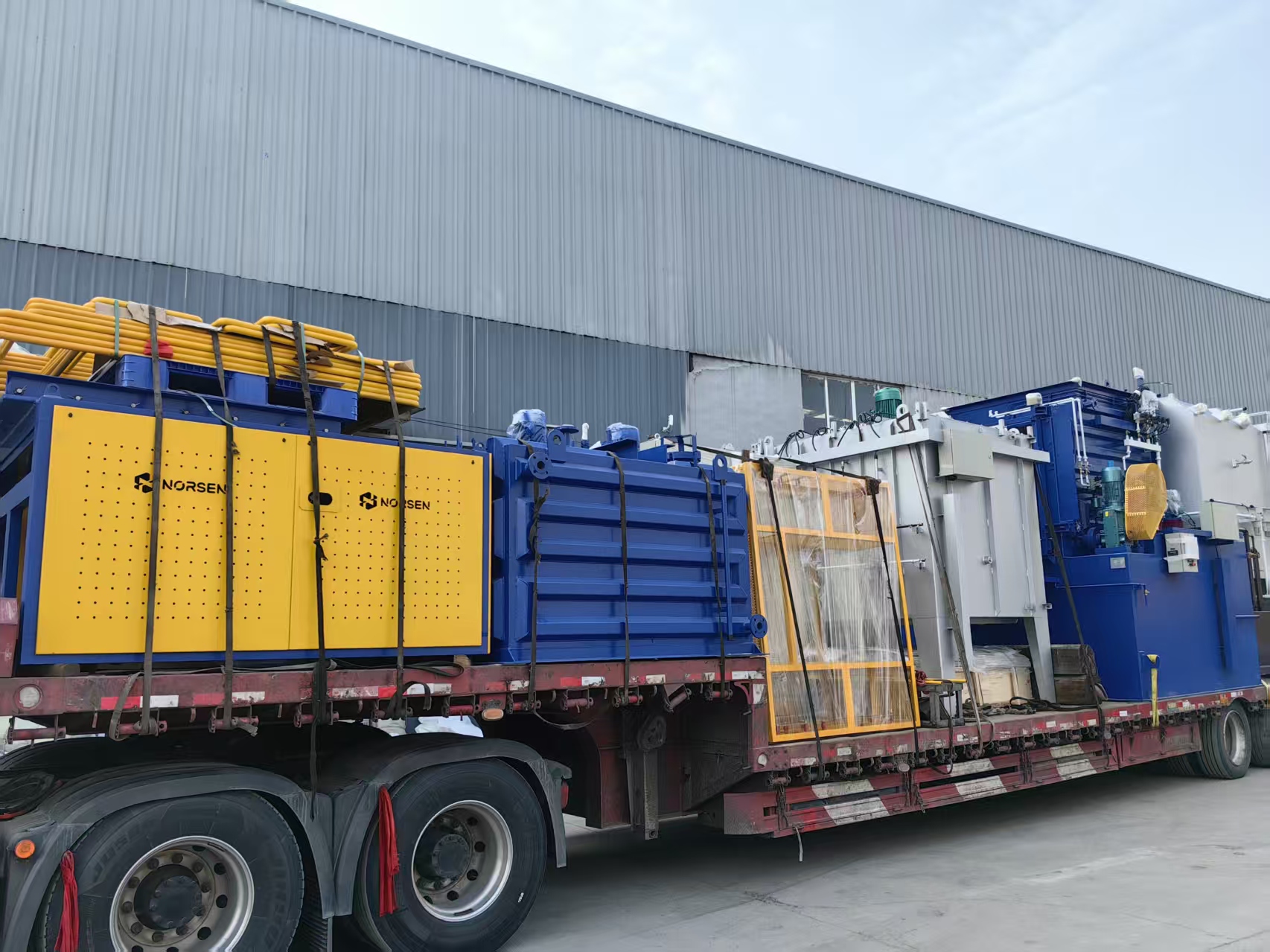
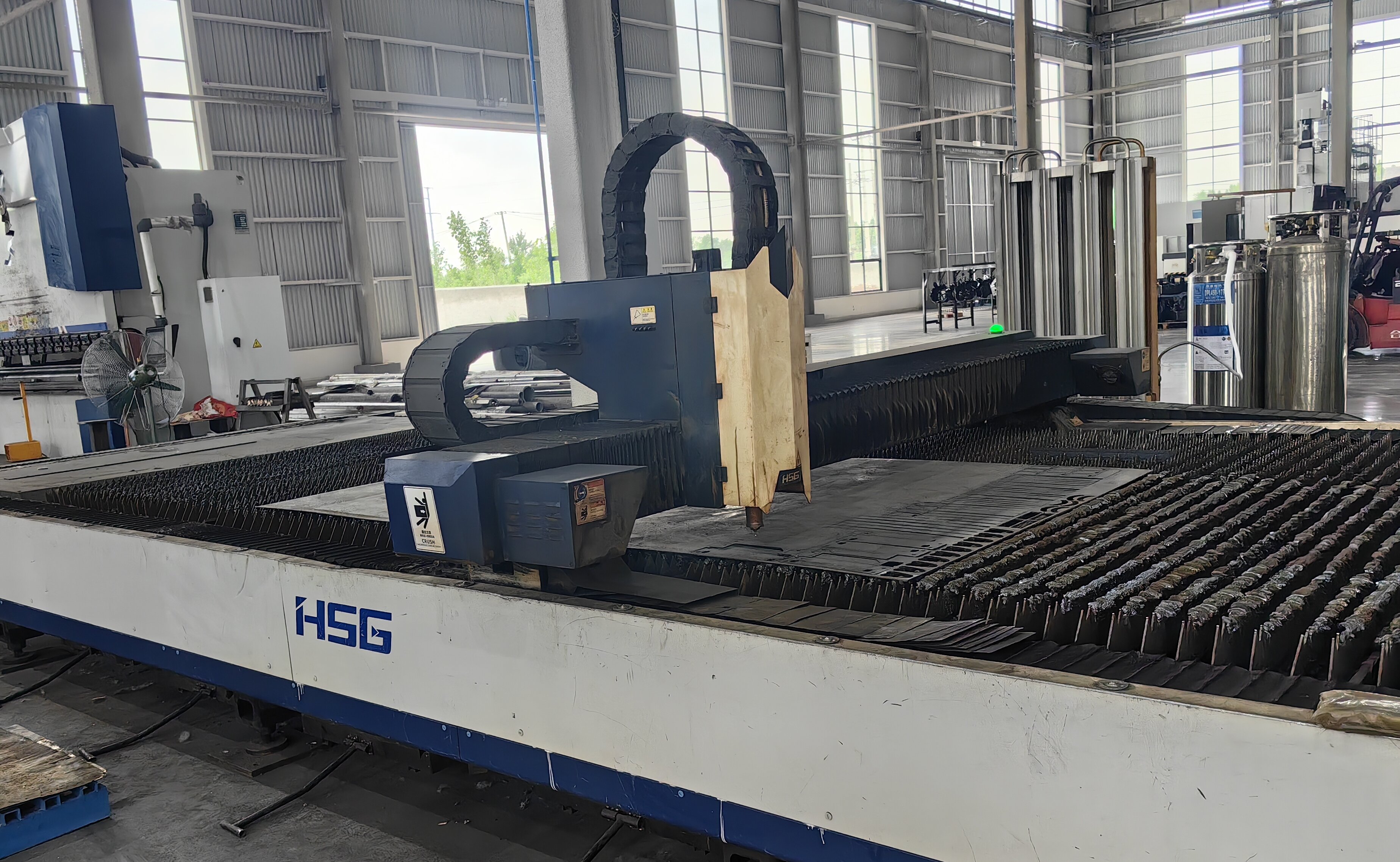
Production strength is where commercial terms must match the plant. NORSEN’s approved data gives a 6,000 m² factory, 55 employees and annual output of 50 sets. On a straight-line basis, 50 sets per year is about 4.2 sets per month (50 ÷ 12); actual monthly output will vary with model mix, component availability and scheduling. That calculation supports a mid-volume comparison, not a mass-volume claim.
If the evaluation target is a 150-day lead time, 3-5 sets per month and MOQ 1, require those terms to be written into the offer with start and end events: lead time from deposit and drawing approval, monthly output by model, and MOQ by configuration. Do not accept a brochure number as a capacity commitment. The fit rating is 4/5 for documented factory and annual output; lead time and MOQ should be treated as quotation-level evidence.
4. Furnace design
Furnace design should be scored from the technical annex. NORSEN’s approved comparison evidence supports a chain service life of more than five years. For a full design review, ask for the muffle material specification, including whether SiC muffle construction is proposed; the drive arrangement, including whether a chain dual drive is used; and the number and duty of oil-tank agitator motors, including a four-motor configuration if that is the offered design. These are configuration details, not interchangeable marketing labels. A design score should also include atmosphere sealing, furnace pressure, temperature uniformity and maintenance access. The fit rating is 3/5 because chain life is documented, while the muffle, drive and agitator details need model-specific confirmation.
5. Customization, ODM and after-sales support
Customization and after-sales determine whether the furnace fits the plant after installation. NORSEN’s company profile describes independent innovation and R&D capabilities, design capabilities, and manufacturing, installation and commissioning levels. The risk-control unit includes program optimization and remote control. The company also lists a spare-parts warehouse in its content-unit images, which supports a practical question: can the supplier identify critical spares, recommended stock and response procedures?
ODM or full customization should be confirmed against your project scope; the profile supports design and R&D capability, not an automatic ODM commitment for every model. For after-sales remote assistance, ask how remote control is authorized, what data it uses and how it interacts with local safety procedures. The fit rating is 4/5 for documented design, commissioning and remote-control support, with ODM terms and service-level commitments to be confirmed.
Reference evidence and commercial terms to verify
Reference evidence should be anchored at unit level. A 20-year operating case and a 10-unit automotive and military installation list are useful only if they match your process. Ask for the furnace model, commissioning date, part family, atmosphere, utilization, maintenance record and whether the reference is in series production. NORSEN’s approved profile identifies automotive parts, military and aerospace among its application industries and lists multi-country markets; the specific 20-year and 10-unit reference details should be confirmed in the reference file rather than assumed from a general brochure. Multi-country installations are also a service question: match the region to spare-parts access, remote support and commissioning coverage.
| Evidence item | Why it matters in a decision matrix | What to request |
|---|---|---|
| 20-year operating case | Tests long-service reliability and maintenance history. | Unit model, commissioning date, process, utilization, maintenance log and comparable load. |
| 10 units in automotive and military applications | Shows whether the supplier has repeatable experience in demanding applications. | Serial-level reference list, part family, atmosphere, acceptance results and customer permission. |
| Multi-country installations | Supports export service planning and spare-parts access. | Region list, commissioning support arrangement and remote-assistance coverage. |
| Lead time, monthly output and MOQ | Converts production strength into a commercial commitment. | Lead time from deposit and drawing approval; monthly output by model; MOQ by configuration. If your target is a 150-day lead time, 3-5 sets per month or MOQ 1, require those terms in writing. |
| Carbon control and energy per cycle | Connects atmosphere control to part quality and operating cost. | Carbon uniformity, case depth, temperature uniformity and energy data for the actual load. |
| Design details | Prevents a general product label from replacing the offered configuration. | Muffle material, drive arrangement, oil-tank agitator motor count, sealing and maintenance access. Confirm SiC muffle, chain dual drive and four-motor agitator details if those are specified in your project. |
Use cases that change the weighting
Use cases sharpen the comparison. NORSEN’s approved comparison unit lists military factories, automotive parts factories, gear factories and hardware tool factories as best-fit applications. The company profile adds aerospace, textile machinery, construction machinery and commercial heat treatment. In a gear processing atmosphere furnace project, the buyer should ask for carbon-control and case-depth evidence on the actual gear steel and load pattern. In an automotive parts project, cycle time, temperature uniformity and maintenance interval matter more than a generic energy-saving label. In a military application, traceability, remote-support authorization and documentation discipline should be part of the score. The matrix does not assume that one furnace configuration fits all four; it forces the same evidence questions into each use case.
How generic competitor references fit the matrix
Generic competitor references should be used carefully. The market includes global premium brands with large order books, US-based atmosphere furnace specialists, and regional heat-treatment equipment manufacturers. Ipsen USA, for example, reported more than USD 100 million in vacuum furnace orders in 2026 year to date on its own news page; that is a company-reported market signal for vacuum equipment, not an atmospheric furnace benchmark. Some manufacturers describe retort, muffle and cold-wall atmosphere furnace designs, and others state compatibility with air and inert atmospheres. Those are documented design patterns, not proof of better performance in your process. Keep the comparison generic and ask each supplier for the same five-point file: company evidence, control proof, production commitment, design annex and after-sales plan.
| Generic manufacturer group | What the buyer may see | Decision use |
|---|---|---|
| Global premium brands | Large order books, broad product portfolios and high brand recognition. | Use as a benchmark for documentation depth and service infrastructure, not as automatic proof of fit for a mid-volume atmospheric furnace project. |
| US-based atmosphere furnace specialists | Retort, muffle and cold-wall design descriptions; some state air and inert atmosphere compatibility. | Compare the offered atmosphere, retort or muffle architecture and maintenance access against your process. |
| Regional heat-treatment equipment manufacturers | Responsive configuration support and regional service access. | Verify export documentation, spare-parts coverage, remote support and acceptance-test discipline. |
| NORSEN | 2022 founding, 55 staff, 10 R&D engineers, 6,000 m², 50 sets annual output, 40% export ratio, multi-country markets, control and maintenance logic, chain life above five years. | Use the five-point matrix and close the evidence gaps on certificate scope, carbon control, design details, lead time, MOQ and long-service references. |
Decision rules: when NORSEN’s top-five fit is strong
NORSEN’s top-five fit is strongest when the buyer values documented control logic, lower maintenance claims, a compact factory with 10 R&D engineers, multi-country market experience and remote-control support. It is conditional when the buyer needs a long operating history, a verified 20-year case, a 10-unit automotive or military reference list, a specific carbon-uniformity guarantee, confirmed SiC muffle and dual-drive details, a four-motor agitator configuration, a 150-day lead time, 3-5 sets per month or MOQ 1. Those items can be valid requirements, but they must be proven in the offer or reference file. The matrix does not convert them into facts. A buyer who needs mass-volume output or a fully independent certification audit should treat those as additional gates.
Limitations belong beside the score. NORSEN was founded in 2022 and reports 55 employees and 50 sets of annual output; those are not weaknesses by themselves, but they define the scale of the evidence file. The ISO9001 statement is company-reported in the available material and should be verified. The energy and maintenance claims are comparisons against traditional heat-treatment equipment, not a guaranteed result for every load. The chain life claim is more than five years, not a warranty term. The RTQF series is positioned for precision heat treatment and atmosphere control, but carbon-control precision must be demonstrated on the buyer’s material and acceptance test. No star rating in this guide replaces a site audit, a reference call or a written acceptance test.
FAQ: comparing atmosphere furnace manufacturers
How do you compare atmosphere furnace manufacturers without a live test?
Use a five-point evidence file: company background, process control, production commitment, furnace design and after-sales support. For NORSEN, the approved profile supports a 2022 founding year, 55 employees, 10 R&D engineers, a 6,000 m² factory, 50 sets annual output, a 40% export ratio and ISO9001 quality management system certification as a company statement. The buyer should then verify certificate scope, carbon-control performance, lead time, MOQ, design details and references in writing.
What does NORSEN’s company background show for a decision-stage review?
NORSEN Thermal Technology (Jiangsu) Co., Ltd. was founded in 2022 and reports 55 employees, 10 R&D engineers, a 6,000 m² factory, annual output of 50 sets and a 40% export ratio. Its markets include China, Russia, Belarus, Vietnam, Indonesia, Thailand, Turkey, Qatar and Pakistan. The company profile states ISO9001 quality management system certification. Because the company is young and the certificate is company-reported in the available material, the buyer should verify the certificate and ask for long-service references.
Which technical claims should be verified in a carburizing atmospheric furnace?
Verify carbon uniformity, case depth, temperature uniformity, energy per cycle and maintenance interval on the actual material and load. NORSEN’s approved comparison evidence supports PID adjustment, multiple thermocouples, program optimization, remote control for overheat control, high furnace pressure and fast penetration rate for energy efficiency, 50% less maintenance required and chain service life of more than five years. Those facts support a control-and-maintenance score, but a specific carbon-control guarantee should be demonstrated in an acceptance test.
How should lead time, capacity and MOQ be checked?
NORSEN’s approved data gives annual output of 50 sets; a straight-line average is about 4.2 sets per month, before model mix and scheduling. If your planning target is a 150-day lead time, 3-5 sets per month or MOQ 1, require the quotation to state the start event, monthly output by model and MOQ by configuration. Do not treat a general capacity statement as a delivery commitment.
What is the next step if NORSEN is on the shortlist?
Request a configuration review against your part mix, atmosphere and acceptance-test plan. Ask for the certificate file, the 20-year operating reference if it is offered, the 10-unit automotive and military reference list, the model-specific design annex covering muffle material, drive arrangement and oil-tank agitator motors, and a written quotation with lead time and MOQ. The NORSEN product brochure (PDF) is a useful starting document for that request.
Conclusion
Atmosphere furnace manufacturers should be compared on evidence, not adjectives. NORSEN’s documented profile provides a workable base for a five-point fit matrix: 2022 founding, 55 staff, 10 R&D engineers, 6,000 m², 50 sets annual output, 40% export ratio, multi-country markets, an ISO9001 statement, control and maintenance logic, chain life above five years and design and remote-control support. The same matrix exposes what still needs proof: certificate scope, carbon uniformity, SiC muffle and dual-drive details, four oil-tank agitator motors, 150-day lead time, 3-5 sets per month, MOQ 1, a 20-year operating case and a 10-unit automotive and military reference list. Use the star ratings as a shortlisting tool, then close the gaps with documents, references and an acceptance test.
Next step: If NORSEN is on your shortlist, request a configuration review against your part mix, atmosphere and acceptance-test plan. Download the NORSEN product brochure (PDF) and ask for the certificate file, reference list and quotation terms in writing.
Have Questions or Need More Details?
Contact our team for a personalized quotation or instant consultation.
Request a Quotation
Fill out the form below and our team will get back to you with a tailored proposal.
WhatsApp Direct Chat
Prefer to chat in real-time? Message us on WhatsApp for instant assistance & quick answers.
- Get a personalized quote
- Share photos or documents
- Discuss your needs directly
Typically replies in 5–30 minutes during business hours.