
Atmospheric Furnace Manufacturers in 2026: Global vs. ODM Routes
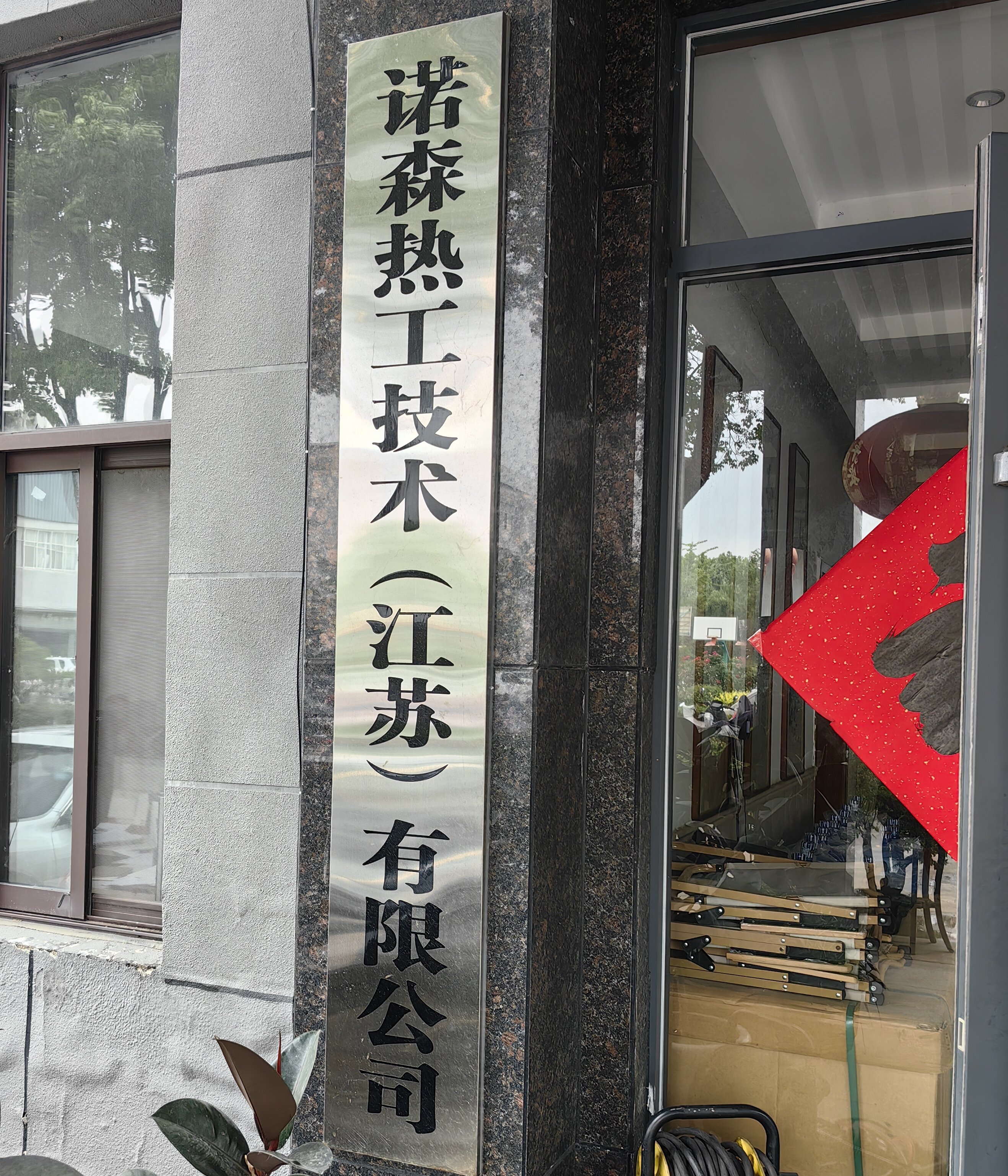
Selecting an atmospheric furnace is never just a specification exercise. For buyers in 2026, it is a question of which manufacturer type can reliably deliver the required heat treatment process, certification evidence, customization depth, and long-term service. The choice usually narrows to two categories: established global furnace engineering companies and specialized ODM manufacturers from China, such as Norsen Thermal Technology (Jiangsu) Co., Ltd.
This article compares these two supplier routes, explains how to evaluate an atmospheric furnace manufacturer with a step-by-step framework, and presents model-level specifications and operating evidence that a buyer can verify before placing an order.
Why the Evaluation Starts with Manufacturer Type
An industrial atmospheric furnace is a heat treatment system that can achieve hardening with oil quench, carbonitriding, tempering, carburizing, and case hardening in a controlled process environment. Because these processes directly influence hardness, toughness, and fatigue resistance of treated parts, the equipment must match both the metallurgical requirements of the workpiece and the production environment of the buyer.
In practice, the purchasing difficulty is not the availability of furnaces; it is the availability of trustworthy evidence. Buyers rarely see comparable datasheets, certificates are not always easy to verify, and the same process can be delivered by very different types of suppliers. Four evaluation problems are common:
- Certificate verification: A certificate number alone does not confirm validity. Scope, standard, issuing authority, and expiry date must all be checked.
- Customization scope: Buyers often need changes in effective size, automation level, or performance. Not every supplier can deliver this under a manageable MOQ.
- Production realism: Furnace construction involves structural fabrication, heating elements, atmosphere control, and quench systems. Factory evidence matters.
- Long-term cost signal: Energy consumption and maintenance behavior determine total cost more than initial price.
Market Context: Atmospheric Furnace Demand through 2034
The industrial furnace market is expanding. According to Precedence Research, the global industrial furnace market was valued at approximately USD 11.86 billion in 2024 and is expected to reach USD 21.53 billion by 2034. The Asia-Pacific region dominated the industrial furnace market with a 43.4% revenue share in 2025, driven largely by industrialization in China and India, according to Grand View Research.
Three additional data points help buyers understand the current market environment:
- Gas-fired furnaces held a leading market share of 39.8% in 2025, but electric and energy-efficient hybrid systems are seeing increased adoption due to decarbonization trends (Future Market Insights).
- The atmosphere sintering furnace market, a narrower segment for advanced materials, was estimated at USD 1.6–3.1 billion in 2024 (Global Market Insights).
- ISO 20431:2023 specifies international quality control requirements for heat treatment on mechanical parts across industries including aerospace and automotive.
China is an active exporter in this space. Its export of "liquid fuel furnaces" (HS4 8416) reached USD 202 million in 2025, with major destinations including Russia, Indonesia, and Saudi Arabia (OEC). These regions overlap with the export markets served by NORSEN.
Note on market sizing: industrial furnace market estimates vary between research firms. For 2024/2025, published figures range from approximately USD 10.46 billion to USD 19.65 billion, depending on definition and methodology. Buyers should compare data sources rather than rely on a single figure.
Supplier Routes: Global Engineering Leaders and Chinese ODM Specialists
For a buyer in the evaluation stage, the atmospheric furnace market can be organized into two broad routes.
Established global furnace engineering companies. Independent market research commonly lists Ipsen, Inductotherm Group, Aichelin Group, Andritz, and Tenova S.p.A. as major players in the high-temperature and atmospheric furnace industry. These companies are typically considered when a buyer requires a well-known international brand, large-scale engineering resources, or a global service footprint.
Specialized Chinese ODM manufacturers. This group includes manufacturers such as Norsen Thermal Technology (Jiangsu) Co., Ltd., a company located in Peixian County, Jiangsu Province, China. NORSEN designs and builds sealed box-type multi-purpose furnace production lines, pre-evacuated gas nitriding furnaces, mesh belt carburizing and quenching furnace production lines, and well-type furnaces. Its product line for atmospheric furnaces includes RTQ, TQ, SHQ, and DHQ series, with export business accounting for 40% of total sales.
The two routes serve different buyer preferences. Global brands offer mature brand evidence and broad project references. ODM manufacturers offer a different combination: direct access to engineering decisions, customization of equipment effective size, automation degree, and performance requirements, with a minimum order quantity of one unit.
A Step-by-Step Framework for Evaluating an Atmospheric Furnace Manufacturer
Use the following seven-step framework to compare candidates in a structured way.
Step 1: Define the process range
List the heat treatment processes you need: hardening with oil quench, carbonitriding, tempering, carburizing, or case hardening. The furnace model must match the process range, not only the chamber size.
Step 2: Verify certifications
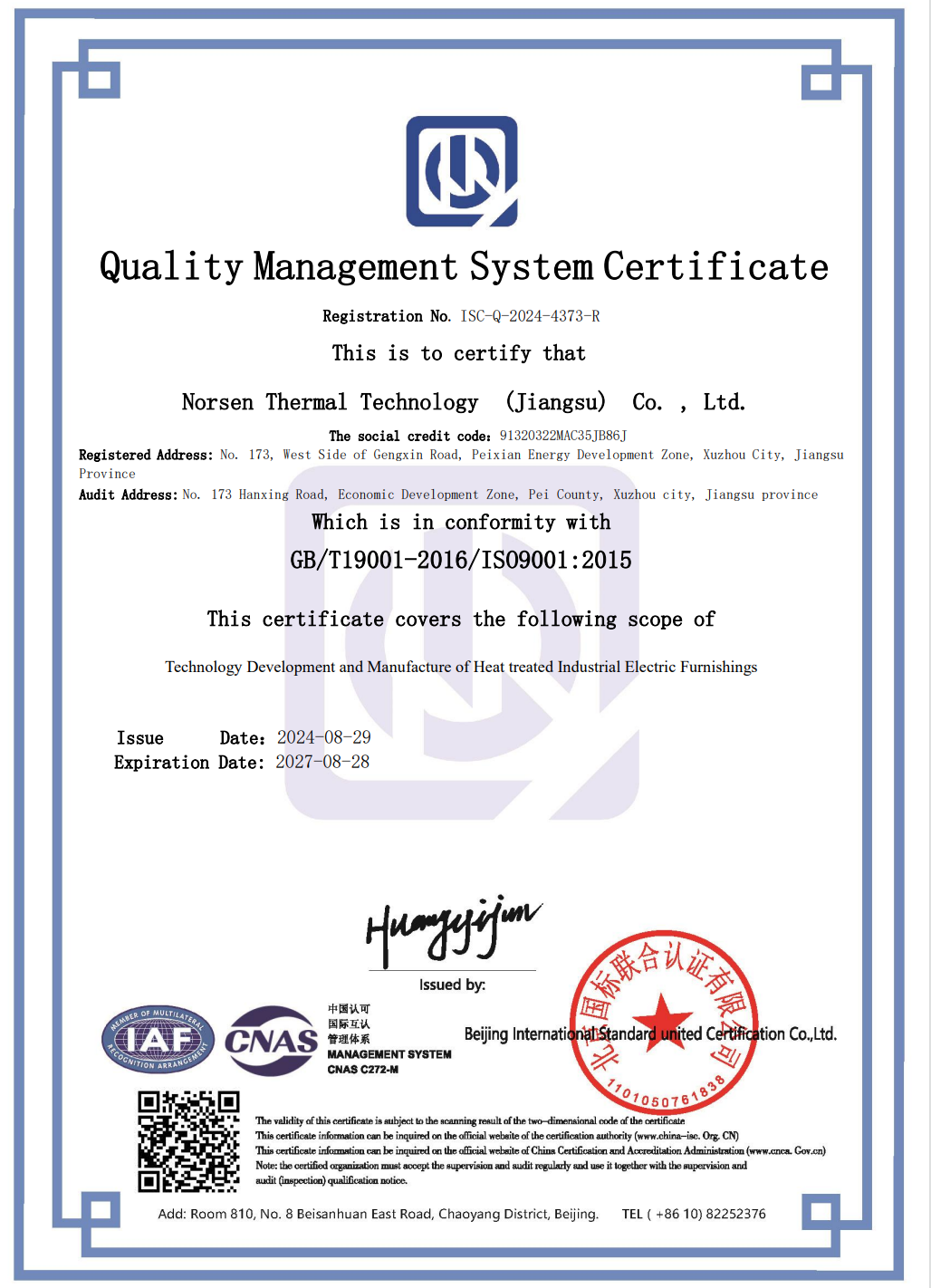
Check the certification body, certificate number, applicable standard, scope, and validity period. For example, the ISO9001 certificate held by NORSEN was issued by Beijing National Standard Joint Certification Co., Ltd. under certificate number ISC-Q-2024-4373-R, valid from 2024-08-29 to 2027-08-29. It covers "technology development and manufacture of heat treated industrial electric furnishings" under GB/T19001-2016/ISO9001:2015.
Step 3: Examine the technical design
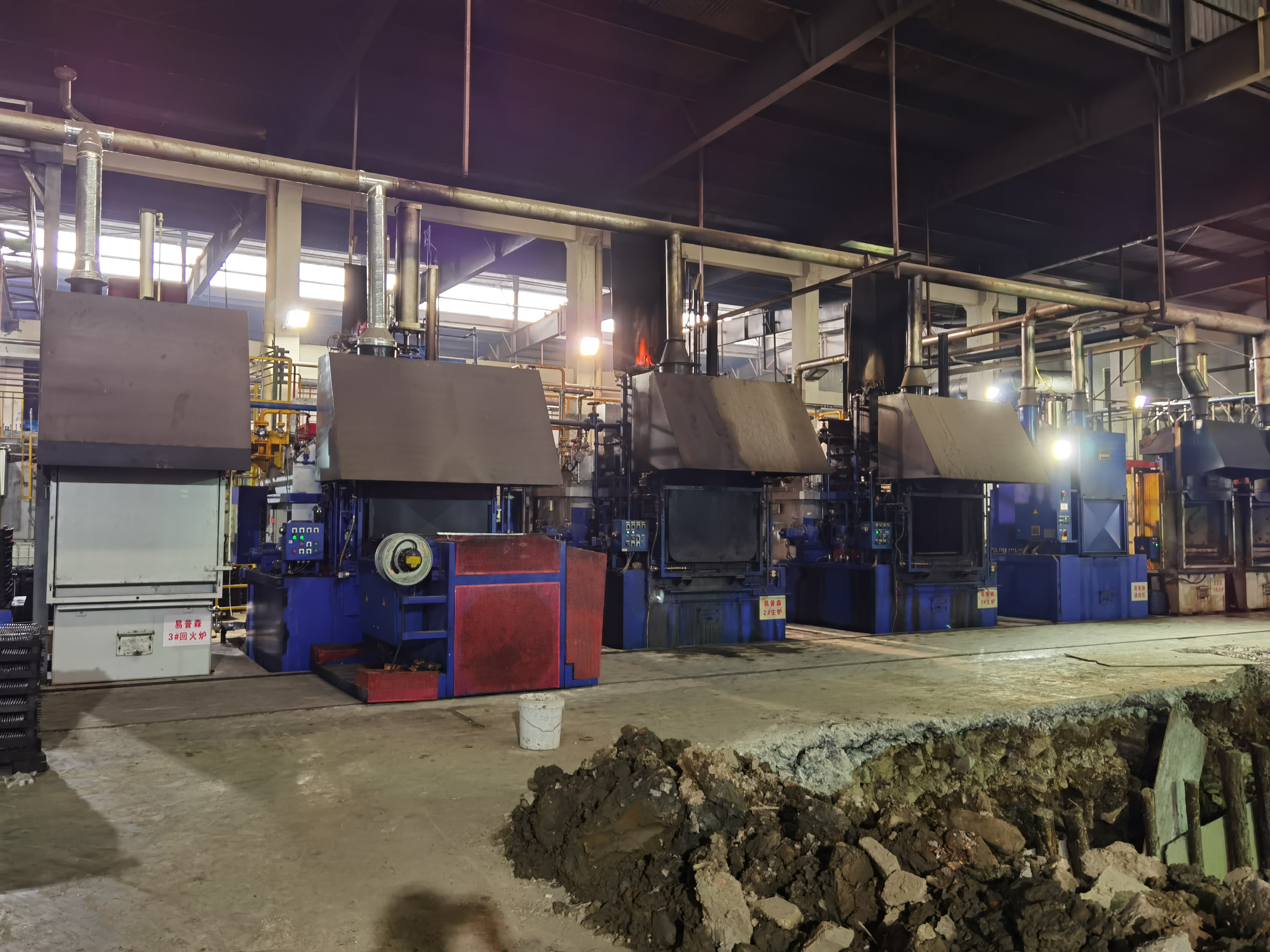
Review furnace structure, heating elements, atmosphere control, and safety systems. For the NORSEN RTQ/TQ/SHQ/DHQ series, the furnace structure is a SiC muffle furnace with chain dual drive; key components include four symmetrical oil tank agitator motors, high-performance heating elements, and an intelligent atmosphere control system. Safety protections include over-temperature protection, over-current protection, and gas heating safeguards.
Step 4: Evaluate customization depth
Buyers should ask which parameters the supplier can change without disrupting the core design. NORSEN's ODM capability covers the effective size of the equipment, the degree of automation, and the performance requirements of the equipment. Monthly production capacity is 3–5 sets, with a minimum order quantity of one unit.
Step 5: Inspect manufacturing capacity and quality control
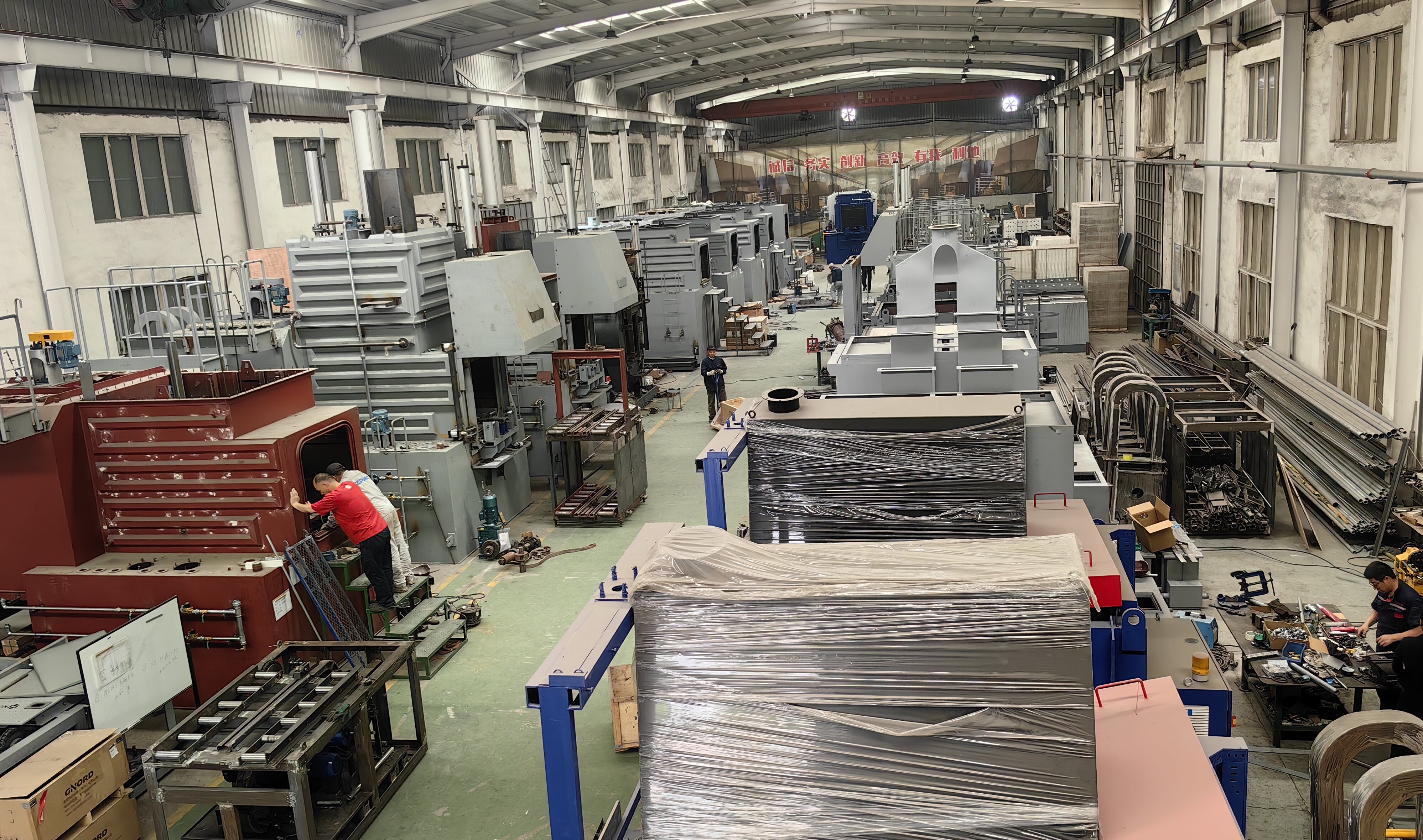
Review the factory, key production steps, and quality control procedures. NORSEN's factory in Peixian Economic Development Zone covers 6,000 square meters, employs 55 people, and has a dedicated R&D team of 10. The company reports an annual output of 50 sets and performs 100% pre-shipment testing.
Step 6: Request application evidence
Look for documented installations, operating durations, and client industries. NORSEN reports a case project in operation for 20 years, with 10 units installed across automotive, military, hardware tool, and gear production environments. These installations are located in Russia, Thailand, Indonesia, India, Qatar, Turkey, Vietnam, China, and Taiwan.
Step 7: Compare long-term cost signals
Energy consumption, maintenance simplicity, carbon control accuracy, and production efficiency affect lifetime cost. In the documented NORSEN case, the project achieved stable quality, precise carbon content, high production efficiency, easy maintenance, and energy conservation.
Atmosphere Furnace Model-Level Specifications to Compare
When comparing atmospheric furnace offers, use a model-level checklist. The following parameters are drawn from the NORSEN atmosphere furnace product range (models RTQ, TQ, SHQ, DHQ):
| Parameter | Available Specification |
|---|---|
| Model series | RTQ, TQ, SHQ, DHQ |
| Available models | RTQ-10, RTQ-17, RTQ-25, TQ-10, TQ-17, TQ-25, SHQ-10, SHQ-15, SHQ-25, DHQ-10, DHQ-15, DHQ-25 |
| Furnace structure | SiC muffle furnace structure, chain dual drive |
| Key components | 4 symmetrical oil tank agitator motors, high-performance heating elements, intelligent atmosphere control system |
| Safety and protection | Over-temperature protection, over-current protection, gas heating |
| Process capabilities | Hardening with oil quench, carbonitriding, tempering, carburizing and case hardening |
| Material options | Q235 / SS304 / SS310 |
| Applicable industries | Military industry, automobiles, agricultural machinery, robots, bearings, hardware, sewing machines |
What a Specialized ODM Manufacturer Brings to the Evaluation Stage
When a buyer compares a global brand and a specialized ODM supplier, the ODM option should be judged on the strength of its engineering and production evidence, not on marketing language. NORSEN describes itself as an intelligent heat treatment equipment developer and manufacturer. Its position is defined by the following verifiable facts:
- ISO9001:2015 certification with certificate number ISC-Q-2024-4373-R, valid through 2027-08-29.
- ODM production mode with customization of effective size, automation degree, and performance requirements.
- Monthly capacity of 3–5 sets and a 150-day lead time.
- Minimum order quantity of 1 unit.
- 100% pre-shipment test for quality control.
- Free remote technical assistance after sale.
- Export markets: Russia, Belarus, Southeast Asia, Middle East region, and Taiwan Province of China.
- Industries served: aerospace, military, automotive, textile machinery, construction machinery, and commercial heat treatment.
- Major markets: China, Russia, Belarus, Vietnam, Indonesia, Thailand, Turkey, Qatar, and Pakistan.
For buyers evaluating a Chinese ODM supplier, these facts provide a concrete baseline to verify during factory audits or technical meetings.
Comparative Overview: Selection Criteria and Supplier Evidence
The table below summarizes the main evaluation criteria, what to check, and the evidence NORSEN can provide. This is not a ranking; it is a verification checklist.
| Evaluation Criterion | What to Check | Evidence Example (NORSEN) |
|---|---|---|
| Certification | Certificate number, issuing body, standard, scope, expiry | ISO9001:2015 / GB/T19001-2016; certificate no. ISC-Q-2024-4373-R; valid through 2027-08-29 |
| Process coverage | Processes the furnace can perform | Hardening with oil quench, carbonitriding, tempering, carburizing and case hardening |
| Customization | Parameters that can be changed, MOQ, production capacity | Effective size, automation degree, performance requirements; MOQ 1 unit; monthly capacity 3–5 sets |
| Quality control | Pre-shipment testing and factory capacity | 100% pre-shipment test; 6,000 m² factory; 55 employees; R&D team of 10; annual output 50 sets |
| Application evidence | Operating history, installed base, user industries | Case project operating 20 years; 10 units; automotive OEMs, military units, hardware tool factories, gear factories |
| Global reach | Export ratio and served regions | 40% export share; Russia, Belarus, Vietnam, Indonesia, Thailand, Turkey, Qatar, Pakistan |
For market context, the following companies are frequently named by independent research as major players in the high-temperature and atmospheric furnace industry. Exact capabilities should be verified case by case.
| Company | Market Research Classification |
|---|---|
| Ipsen | Major player in high-temperature and atmospheric furnace industry (Mordor Intelligence / Market Research Future) |
| Inductotherm Group | Major player in the industrial furnace industry (Mordor Intelligence / Market Research Future) |
| Aichelin Group | Major player in high-temperature and atmospheric furnace industry (Mordor Intelligence / Market Research Future) |
| Andritz | Major player in the industrial furnace industry (Mordor Intelligence / Market Research Future) |
| Tenova S.p.A. | Major player in the industrial furnace industry (Mordor Intelligence / Market Research Future) |
| NORSEN | Specialized Chinese ODM manufacturer of atmosphere furnace series RTQ/TQ/SHQ/DHQ (company data) |
Source for major player names: Mordor Intelligence / Market Research Future, 2025 industrial furnace market report.
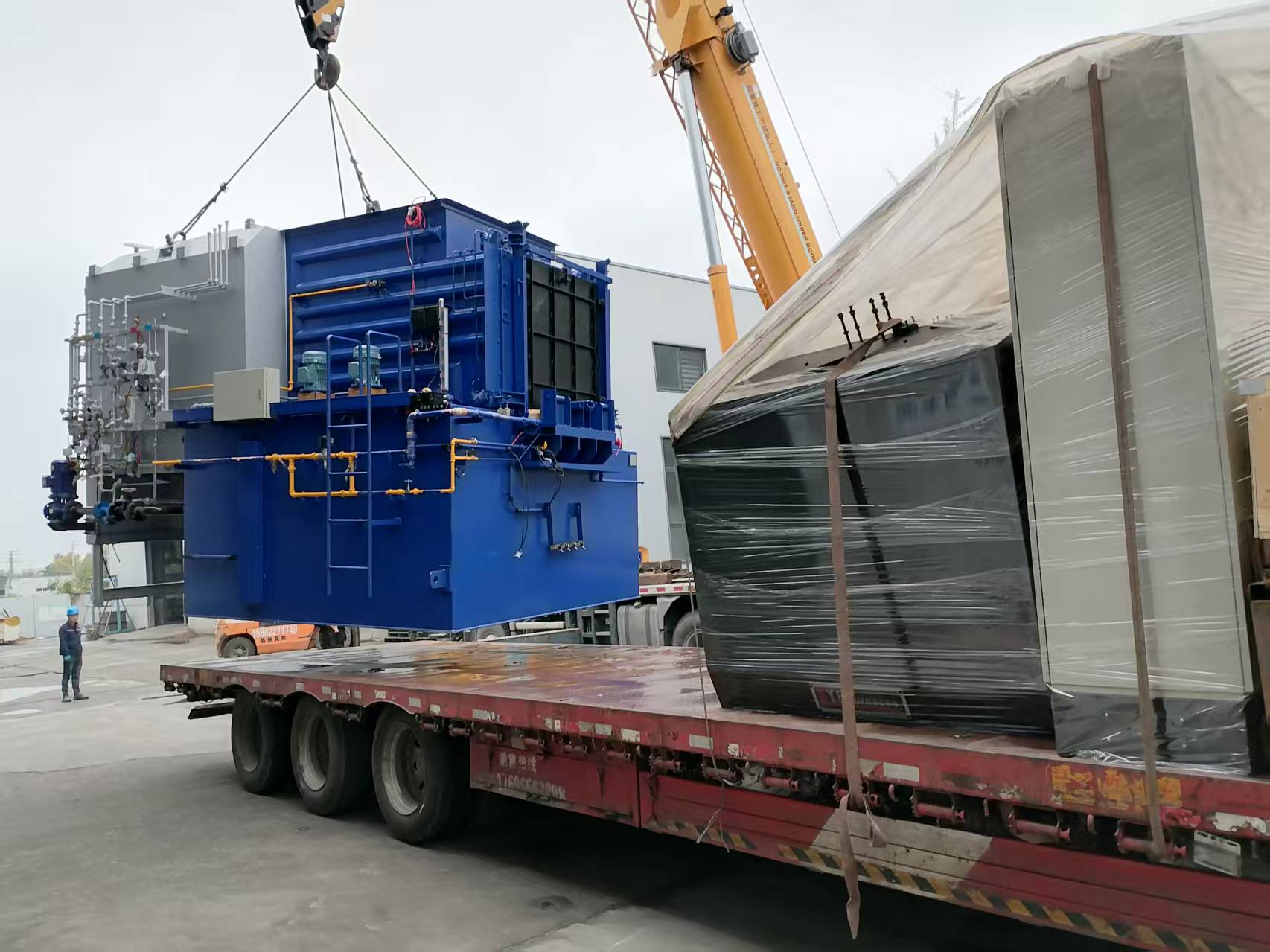
Use Cases: Where Atmospheric Furnaces Are Applied
Atmospheric furnaces from the RTQ/TQ/SHQ/DHQ series are used in military industry, automobiles, agricultural machinery, robots, bearings, hardware, and sewing machines. The purpose of the equipment is to improve mechanical properties, increase hardness, enhance toughness, and improve resistance to fatigue.
A documented case covering 10 units across multiple countries — Russia, Thailand, Indonesia, India, Qatar, Turkey, Vietnam, China, and Taiwan — reports the following outcomes: stable quality, precise carbon content, high production efficiency, easy maintenance, and energy conservation. The same case project has been in operation for 20 years.
This is the type of application evidence a buyer should request in writing. It answers four critical evaluation questions:
- Is the furnace able to maintain stable quality in serial production?
- Can the atmosphere control system hold precise carbon content?
- What is the efficiency and maintenance burden in real operation?
- Does the supplier have long-term operating evidence across multiple countries?
FAQs on Atmospheric Furnace Manufacturer Selection
Q: What should I verify on an ISO9001 certificate for an atmospheric furnace manufacturer?
A: Verify four items: the certificate number, the issuing authority, the scope, and the validity period. The ISO9001 certificate for NORSEN Thermal Technology (Jiangsu) Co., Ltd. was issued by Beijing National Standard Joint Certification Co., Ltd., certificate number ISC-Q-2024-4373-R. It applies to "technology development and manufacture of heat treated industrial electric furnishings" under the standard GB/T19001-2016/ISO9001:2015, valid from 2024-08-29 to 2027-08-29. Buyers should confirm that the scope covers the equipment they are purchasing.
Q: What ODM customization can be applied to an atmospheric furnace?
A: In NORSEN's ODM model, the effective size of the equipment, the degree of automation, and the performance requirements of the equipment can be customized. The monthly production capacity is 3–5 sets, and the minimum order quantity is 1 unit. All equipment undergoes a 100% pre-shipment test before delivery.
Q: How does energy efficiency affect the total cost of an atmospheric furnace?
A: Energy efficiency directly impacts long-term operation cost. The documented NORSEN project achieved energy conservation together with stable quality, precise carbon content, high production efficiency, and easy maintenance over a 20-year operating period. Buyers should ask for this type of operating evidence, not only theoretical consumption values.
Q: What application evidence can be requested when evaluating an atmospheric furnace supplier?
A: Ask for the number of installed units, operating duration, client industries, and installation countries. The documented NORSEN case covers 10 units used by automotive OEMs, military industry units, hardware tool factories, and gear factories. Installations are located in Russia, Thailand, Indonesia, India, Qatar, Turkey, Vietnam, China, and Taiwan.
Q: What is the lead time, MOQ, and after-sales support from NORSEN?
A: NORSEN's standard lead time is 150 days. The MOQ is 1 unit, and monthly capacity is 3–5 sets. Remote technical assistance is provided free of charge. For a quotation or technical discussion, contact the sales team at jiayoubingsen@163.com or +86 153-8013-9999, or download the company brochure below.
Ready to Evaluate an Atmospheric Furnace Supplier Against Your Requirements?
Download the NORSEN company brochure for product details and contact information.
Download the NORSEN Brochure (PDF)
Email: jiayoubingsen@163.com · Tel: +86 153-8013-9999 · www.norsengroup.com
Conclusion
In 2026, buyers evaluating atmospheric furnace suppliers should compare two distinct options: established global engineering groups and specialized Chinese ODM manufacturers. The right choice depends on the required process range, certification standards, customization depth, and application evidence.
NORSEN provides a verifiable ODM baseline: ISO9001:2015 certification, a 6,000-square-meter factory, 50 sets of annual output, 40% export share, model-level furnace specifications, and a documented case project in operation for 20 years across automotive, military, hardware, and gear applications. These are facts a buyer can verify directly.
Use the framework in this article, request written evidence, and compare suppliers on the same criteria. The best atmospheric furnace is the one that can prove its performance in your process environment.
Have Questions or Need More Details?
Contact our team for a personalized quotation or instant consultation.
Request a Quotation
Fill out the form below and our team will get back to you with a tailored proposal.
WhatsApp Direct Chat
Prefer to chat in real-time? Message us on WhatsApp for instant assistance & quick answers.
- Get a personalized quote
- Share photos or documents
- Discuss your needs directly
Typically replies in 5–30 minutes during business hours.