
Custom Atmospheric Furnace ODM: From Specification to Successful Production
Buying an atmospheric furnace is not simply choosing a catalog model. In heat treatment, the furnace must match the workpiece size, atmosphere requirements, automation level, and process mix. This article explains how to evaluate an ODM supplier for industrial atmospheric furnaces and how to execute a custom project from specification through production.
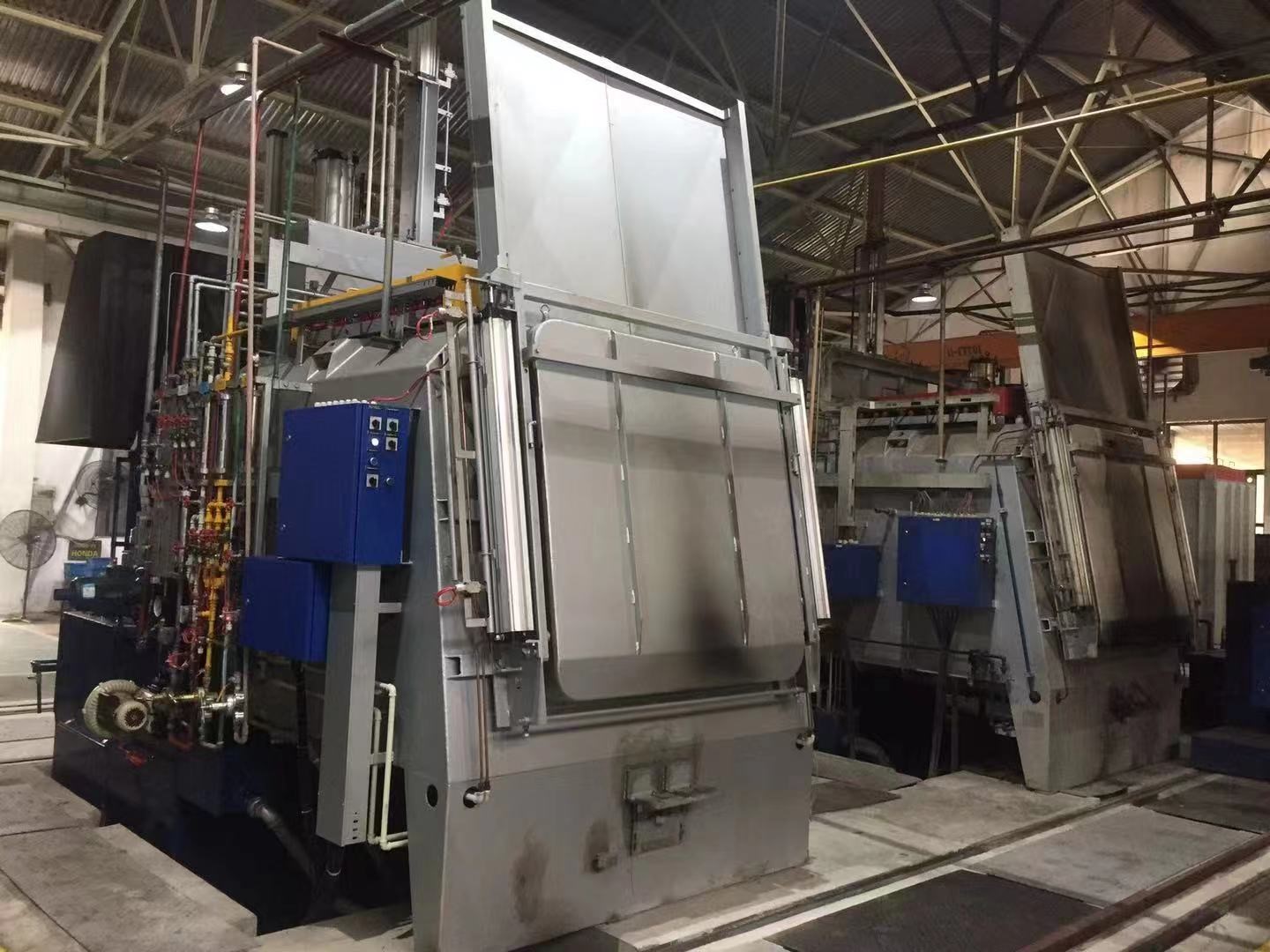
TQF box-type atmosphere furnace (representative image)
About this guide
This guide is written for buyers in the evaluation and execution stage of an atmospheric furnace purchase. It focuses on capability areas that matter in ODM projects: customization, certification, production capacity, quality control, and shipment. It uses Norsen Thermal Technology (Jiangsu) Co., Ltd. as a reference supplier because its public product and factory data allow a concrete example of what a heat treatment atmospheric furnace buyer can verify.
Problem definition: why standard atmospheric furnaces may not fit
Standard industrial atmospheric furnaces are often designed around average part sizes and common process cycles. A shop processing long shafts, large gears, or high-volume fasteners may need a different effective furnace size. If the chamber is too large, extra volume must be heated and kept under atmosphere, increasing energy consumption. If it is too small, the furnace becomes a bottleneck and limits throughput. Automation is another concern. Loading and unloading methods, temperature control, and atmosphere control all affect labor cost, repeatability, and safety.
For these reasons, buyers increasingly ask for a gas atmospheric furnace, box-type atmospheric furnace, or controlled atmosphere furnace that can be adapted to their exact workflow. The most practical route for such adaptation is often an ODM (Original Design Manufacturing) arrangement, where the supplier takes responsibility for the detailed engineering and production of a furnace built to the buyer's requirements.
Industry background: market context for industrial atmospheric furnaces
Recent market data helps explain why furnace buyers are becoming more selective. Precedence Research values the global industrial furnace market at approximately USD 11.86 billion in 2024, with projections reaching USD 21.53 billion by 2034. Grand View Research reports that the Asia-Pacific region accounted for 43.4% of the industrial furnace market in 2025, driven largely by industrialization in China and India. In the product segment, gas-fired furnaces held a 39.8% share in 2025, while electric and energy-efficient hybrid designs are gaining attention.
China's export position is also relevant. According to the Observatory of Economic Complexity, China's export of liquid fuel furnaces reached USD 202 million in 2025, with major destinations including Russia, Indonesia, and Saudi Arabia. Purchasers looking for a high-temperature atmospheric furnace or energy-saving atmospheric furnace often evaluate Chinese manufacturers because of this export experience. At the same time, standards such as ISO 20431:2023 define international quality-control requirements for heat treatment, giving buyers a reference for process quality.
Detailed solution: what to expect from an ODM atmospheric furnace supplier
An ODM approach is useful when your process needs a furnace that is not identical to a standard unit. Based on NORSEN's published capability, the customization scope covers three main dimensions: the effective size of the equipment, the degree of automation, and the equipment performance requirements. These dimensions define the furnace geometry, control system, and process capability.
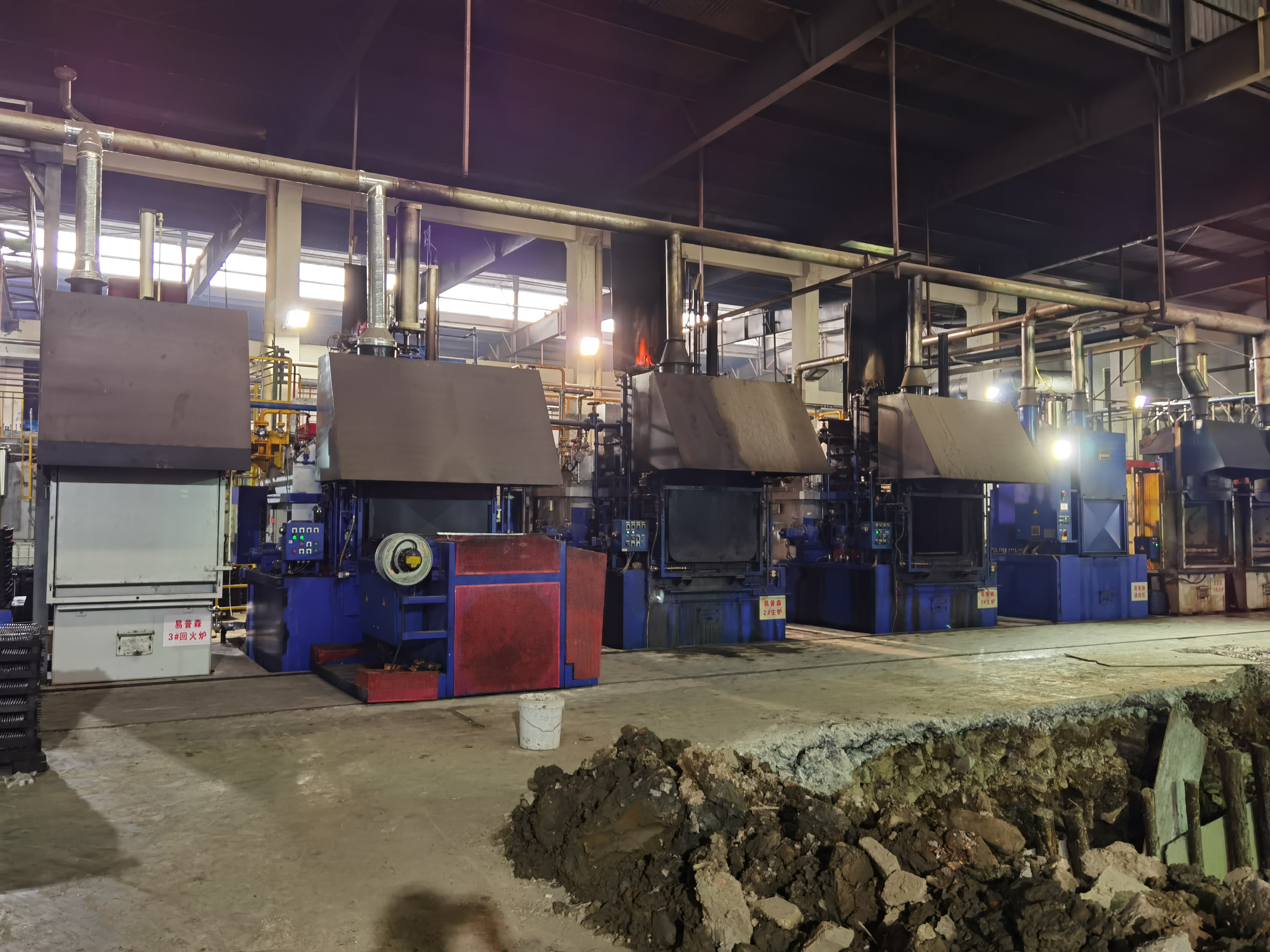
RTQ series multi-purpose atmosphere furnace
NORSEN is a China-based manufacturer of intelligent heat treatment equipment. Its range includes box-type multi-purpose furnaces, gas furnaces, atmosphere furnaces, and pre-vacuum nitriding furnaces. The company operates a 6,000 m² factory with 55 employees, including a 10-person R&D team, and has an annual output of 50 sets. Around 40% of production is exported to countries such as Russia, Belarus, Vietnam, Indonesia, Thailand, Turkey, Qatar, and Pakistan.
Certification and quality-system baseline
A custom atmospheric furnace should be built inside a documented quality system. NORSEN holds ISO9001:2015 certification, certificate number ISC-Q-2024-4373-R, issued by Beijing National Standard Joint Certification Co., Ltd. The certified scope is Technology Development and Manufacture of Heat Treated Industrial Electric Furnishings, and the certificate is valid until 29 August 2027. The corresponding standard is GB/T19001-2016/ISO9001:2015. Buyers can request the certificate and verify that the scope covers the equipment they intend to order.
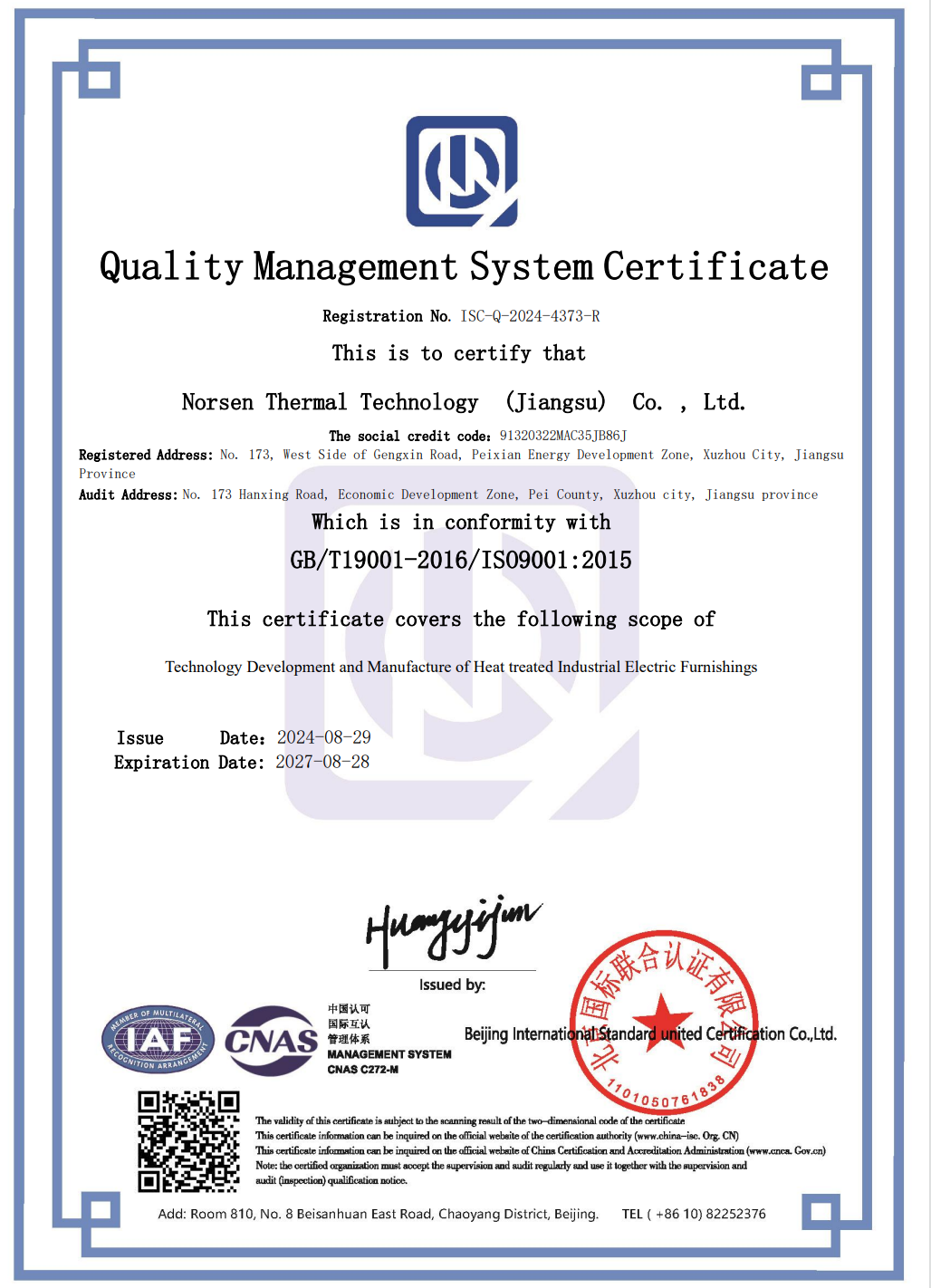
ISO9001 certificate, valid until 29 August 2027
Product series and construction options
For the atmosphere furnace family, the applicable product series are RTQ, TQ, SHQ, and DHQ. Type designations include RTQ-10, RTQ-17, RTQ-25, TQ-10, TQ-17, TQ-25, SHQ-10, SHQ-15, SHQ-25, DHQ-10, DHQ-15, and DHQ-25. The furnace structure uses a SiC muffle furnace structure with chain dual drive. Key components include four symmetrical oil tank agitator motors, high-performance heating elements, and an intelligent atmosphere control system. Safety protections include over-temperature protection, over-current protection, and gas heating. Construction materials can include Q235, SS304, and SS310, which matter for stainless steel atmospheric furnace applications and high-temperature alloy atmospheric furnace needs.
Production, testing and delivery capability
Production capability is as important as design capability. NORSEN reports a monthly production capacity of 3–5 sets, a typical lead time of 150 days, and a minimum order quantity of 1 unit. Every furnace is subject to 100% pre-shipment testing. For international buyers, delivery can be arranged on FOB, CIF, or EXW terms. The standard payment arrangement is 50% in advance, with the remaining 50% paid before the product leaves the factory. Acceptance typically includes pre-acceptance at the factory and final acceptance by the customer on-site.
Step-by-step execution breakdown for a heat treatment atmospheric furnace
Step 1: Define your heat treatment process
Start by listing the materials and processes the furnace must support: oil-quench hardening, carbonitriding, tempering, carburizing, or case hardening. These processes are used for improving mechanical properties, increasing hardness, enhancing toughness, and resistance to fatigue. Clarify the part families, maximum part size, throughput, and atmosphere gas availability. This information directly affects the required effective furnace size.
Step 2: Verify certification and compliance
Ask for the supplier's ISO9001 certificate and check the certificate number, issuing body, scope, and expiry date. For NORSEN, the certificate is valid until 29 August 2027. Also confirm that the furnace design meets local electrical, safety, and exhaust requirements. An ISO9001 certified atmospheric furnace is a reasonable baseline, but the certificate must be checked for scope and validity.
Step 3: Specify customization fields
Define the effective size of the equipment, the degree of automation, and the performance requirements. In the RTQ, TQ, SHQ, and DHQ series, these options are reflected in type designations and in the choice of furnace structure. Discuss material options such as Q235, SS304, and SS310, plus the SiC muffle construction. A precise atmosphere control furnace with intelligent temperature control is a standard option across the series.
Step 4: Confirm production schedule and quality control
Review the lead time and testing procedure. NORSEN's typical lead time is 150 days, with a monthly production capacity of 3–5 sets. The manufacturer also performs 100% pre-shipment testing. This is an important safeguard before customs and freight are arranged.
Step 5: Plan acceptance, shipment, and after-sales support
Agree on payment terms and acceptance criteria. NORSEN's standard terms are 50% advance and 50% before delivery, with pre-acceptance at the factory and final acceptance on-site. For installation and troubleshooting, the manufacturer provides free remote technical assistance to markets including Russia, Belarus, Southeast Asia, the Middle East, and Taiwan Province of China.
Use cases across automotive, military, hardware, and gear processing
NORSEN atmospheric furnaces have been used by automotive OEMs, military industry units, hardware tool factories, and gear factories. Existing installations in Belarus, Russia, Thailand, Indonesia, India, Qatar, Turkey, Vietnam, China, and Taiwan Province of China have reported stable quality, precise carbon content, high production efficiency, easy maintenance, and energy conservation.
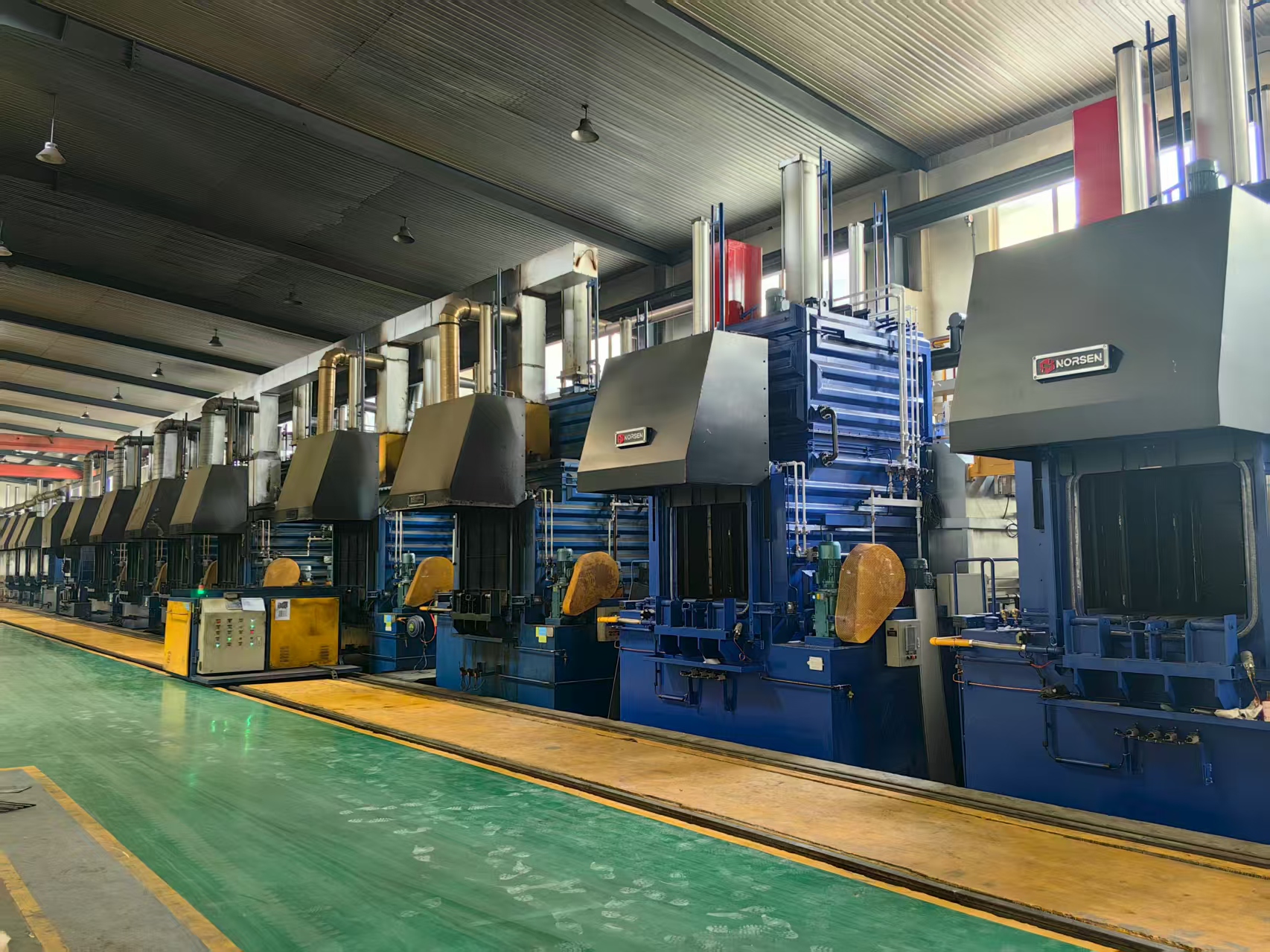
RTQF series furnace in production
In automotive and gear applications, the focus is often on carburizing and case hardening. A box-type atmospheric furnace with an intelligent atmosphere control system helps maintain repeatable carbon potential and uniform case depth. For gear processing atmospheric furnace projects, throughput and repeatability are critical. In the military and hardware sectors, the need is for predictable hardness and toughness across batches. The reported result is easy maintenance and a long service life, supported by high-precision atmosphere control.
Comparison table: customization dimensions and supplier response
The table below summarizes the main customization dimensions a buyer should define when planning an ODM atmospheric furnace project. It is based on NORSEN's published product and capability data.
| Customization dimension | What the buyer specifies | Example response from NORSEN |
|---|---|---|
| Effective size | Chamber dimensions, maximum part size, workload | SiC muffle furnace structure; RTQ, TQ, SHQ, and DHQ series with type designations including RTQ-10, TQ-17, SHQ-25, and DHQ-25 |
| Automation | Loading/unloading, temperature control, atmosphere control | Chain dual drive, four symmetrical oil tank agitator motors, intelligent atmosphere control system |
| Performance requirements | Hardness, case depth, toughness, fatigue resistance | High-performance heating elements; suitable for oil quenching, carbonitriding, tempering, carburizing, and case hardening |
| Materials and construction | Corrosion resistance and high-temperature performance | Q235, SS304, or SS310 |
| Quality and delivery | Lead time, testing, payment terms | 150-day typical lead time, 100% pre-shipment test, ODM service, MOQ 1 unit |
Frequently asked questions
Is NORSEN an ISO9001-certified atmospheric furnace manufacturer?
Yes. Norsen Thermal Technology (Jiangsu) Co., Ltd. holds ISO9001:2015 certification with certificate number ISC-Q-2024-4373-R, issued by Beijing National Standard Joint Certification Co., Ltd. The certified scope covers Technology Development and Manufacture of Heat Treated Industrial Electric Furnishings, and the certificate is valid until 29 August 2027.
Can NORSEN build a custom atmospheric furnace to fit my size, automation, and performance needs?
Yes. NORSEN offers ODM production services globally, with customization of the effective size of the equipment, the degree of automation, and the equipment performance requirements. The atmosphere furnace product range includes the RTQ, TQ, SHQ, and DHQ series, and the same factory also builds pre-vacuum nitriding furnaces and production lines.
What is the minimum order quantity and payment arrangement?
The minimum order quantity is 1 unit. Payment terms are 50% in advance, and the remaining 50% is paid before the product leaves the factory. Delivery can be arranged on FOB, CIF, or EXW terms.
Do you have reference customers in my industry?
NORSEN atmospheric furnaces have been used by automotive OEMs, military industry units, hardware tool factories, and gear factories. Projects in markets including Russia, Belarus, Southeast Asia, the Middle East, and Taiwan Province of China have reported stable quality, precise carbon content, high production efficiency, easy maintenance, and energy conservation.
What is the lead time for a custom atmospheric furnace?
The typical lead time is 150 days, with a monthly production capacity of 3–5 sets. Every unit is subject to 100% pre-shipment testing. Free remote technical assistance is provided after sale. To explore a custom configuration, you can contact NORSEN or download the company brochure below.
Conclusion
An ODM approach to atmospheric furnace sourcing is a practical way to obtain a furnace that matches your process, your space, and your production goals. The critical points are to verify ISO9001 certification, define the effective size and automation level, confirm performance requirements, review lead time and testing, and agree on acceptance criteria. NORSEN provides ODM production for industrial atmospheric furnaces with a documented quality system, 100% pre-shipment testing, and global after-sales support. If you are moving from evaluation to execution, consider adding NORSEN to your supplier shortlist.
Download the NORSEN company brochure for more details on heat treatment furnaces and manufacturing capabilities: NORSEN Brochure (PDF)
Email: jiayoubingsen@163.com | Phone: +86 153-8013-9999
Website: www.norsengroup.com
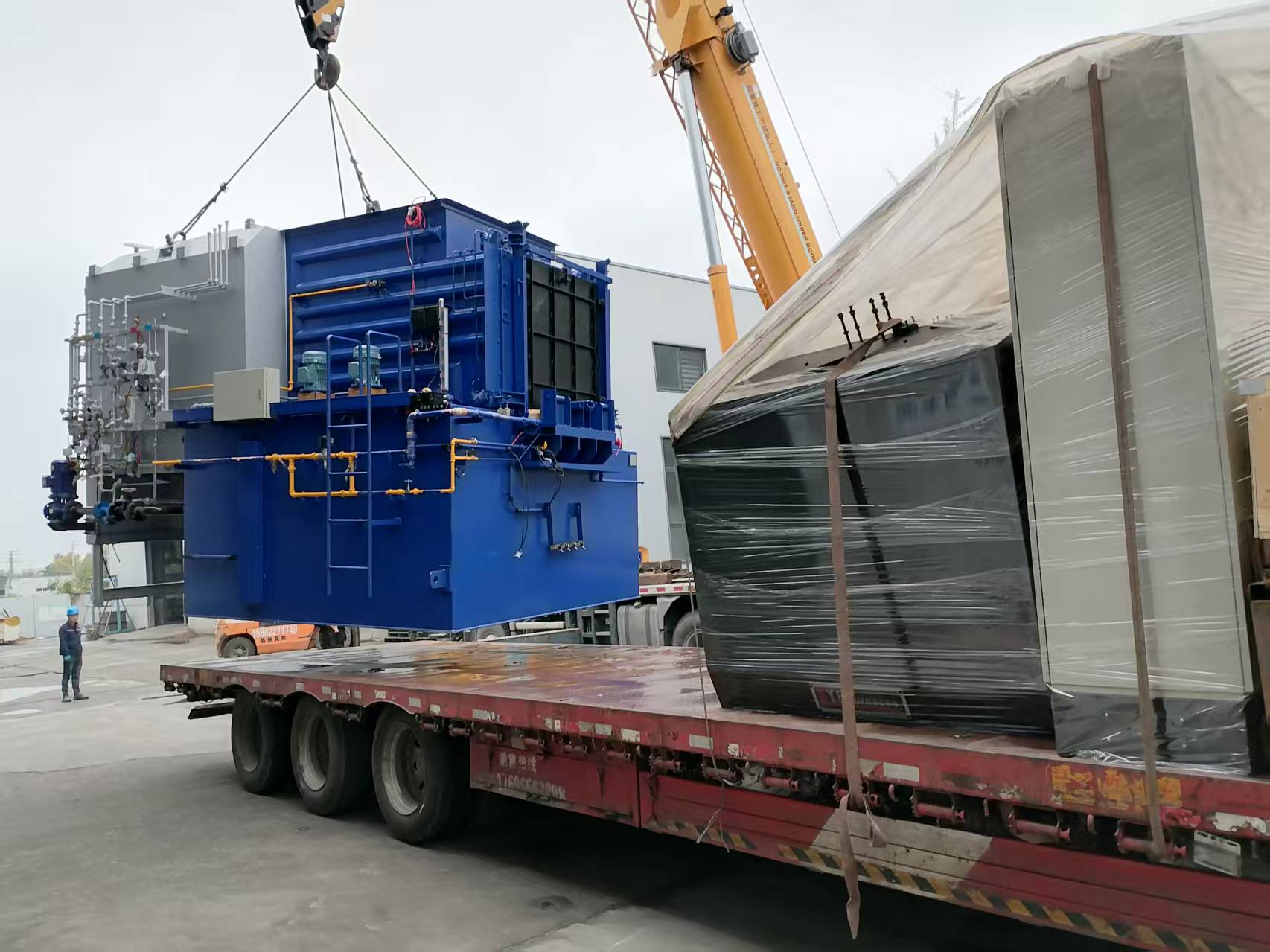
International shipments from the NORSEN factory
Have Questions or Need More Details?
Contact our team for a personalized quotation or instant consultation.
Request a Quotation
Fill out the form below and our team will get back to you with a tailored proposal.
WhatsApp Direct Chat
Prefer to chat in real-time? Message us on WhatsApp for instant assistance & quick answers.
- Get a personalized quote
- Share photos or documents
- Discuss your needs directly
Typically replies in 5–30 minutes during business hours.