
Heat Treatment Furnaces: A Practical Buyer's Guide
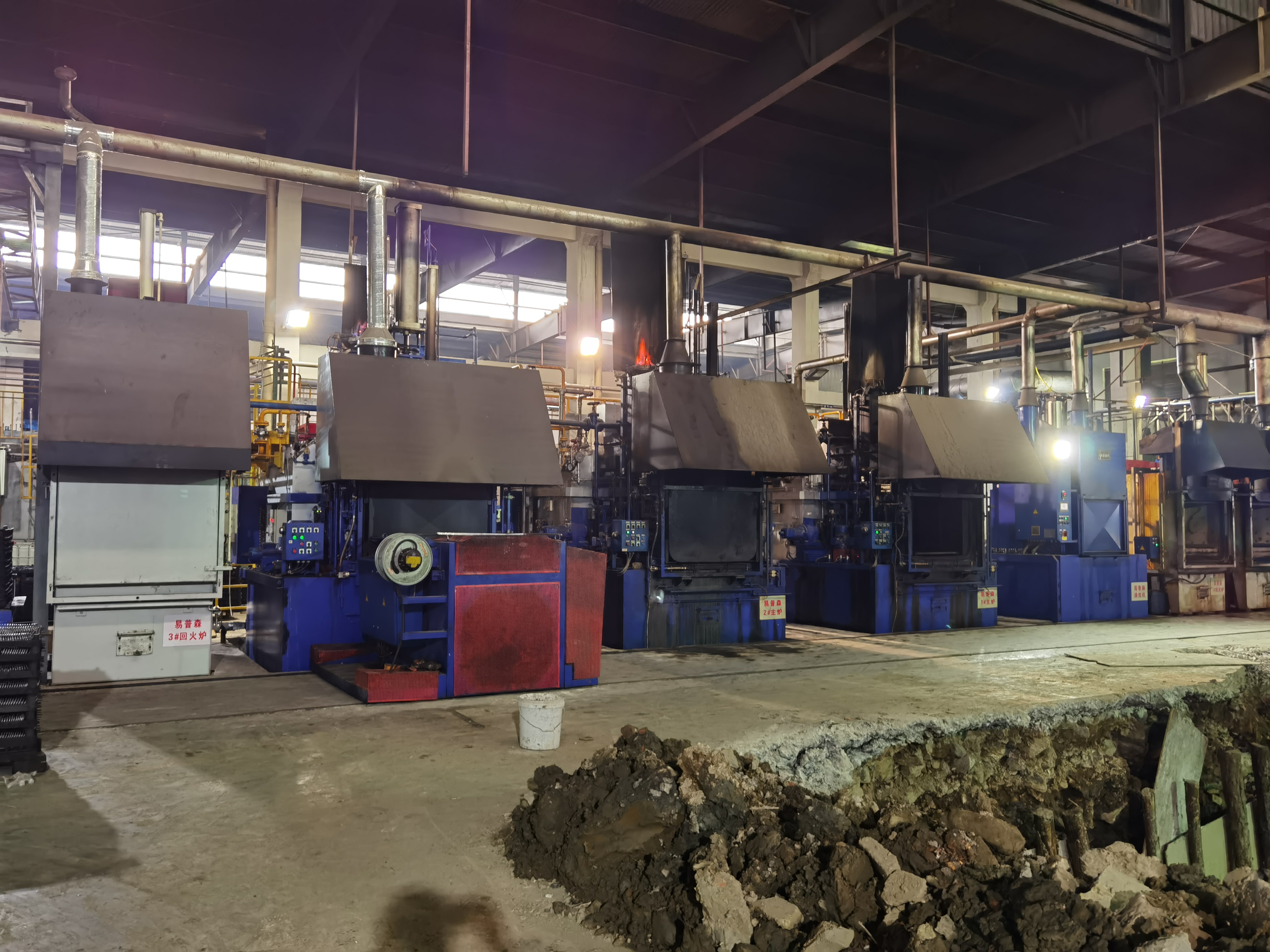
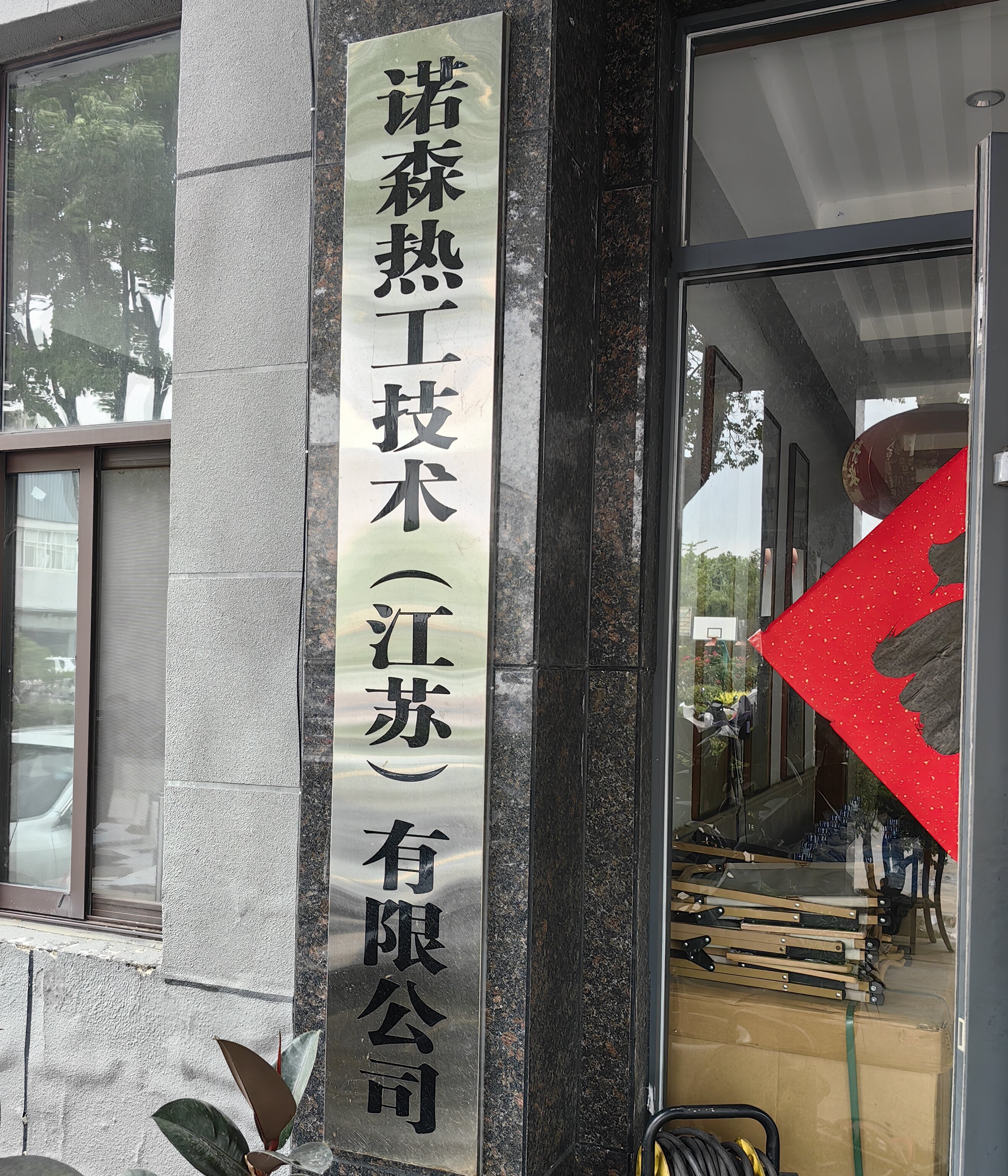
Heat treatment furnaces are industrial thermal systems that change the mechanical properties of metal parts through controlled heating, atmosphere, and cooling. For buyers in the awareness and research stage, the first decision is process fit: what property change is required, which furnace family can deliver it, and what evidence the supplier can show. Norsen Thermal Technology (Jiangsu) Co., Ltd. is a China-based manufacturer of intelligent heat treatment equipment, established in 2022, with a 6,000 m² manufacturing facility, approximately 55 staff, a 10-engineer R&D team, and an annual production capacity of 50 sets.
What Is a Heat Treatment Furnace?
A heat treatment furnace is equipment used to heat metal parts under controlled conditions and then cool them to achieve a required metallurgical result. In industrial practice, the furnace is only one part of the process. Atmosphere control, temperature uniformity, quenching media, loading method, and quality records also determine whether the final part meets its specification.
The term heat treatment furnaces covers a wide range of equipment. It includes multi-purpose atmosphere furnaces, carburizing furnaces, nitriding furnaces, quenching furnaces, tempering furnaces, vacuum furnaces, and box-type furnaces. Buyers often see these names used interchangeably in marketing material, but they describe different process capabilities. A useful buying guide therefore starts with the process requirement, not with the furnace name.
Problem Definition: Why Heat Treatment Furnace Selection Is Difficult
The main buying problem is not a lack of suppliers. It is the difficulty of comparing suppliers on a common basis. A furnace may be described as a multi-purpose furnace, an atmosphere furnace, a carburizing furnace, or a box-type furnace. These labels can overlap, but they do not automatically confirm the same process scope, control level, or site requirement.
Buyers also face three practical constraints. First, the required metal property change must be defined before a furnace type can be selected. Second, compliance requirements may differ by market and end-use sector; ISO/TC 244 covers industrial furnaces and associated processing equipment and includes quality requirements and recommendations for heat treatment on mechanical parts used in industries such as car manufacturing, aerospace, pipeline systems, civil engineering equipment, earth moving machinery, agricultural equipment, naval industry, energy equipment, tooling, and fasteners. Third, site preparation can affect the project. For NORSEN's multi-purpose atmosphere furnace application, supporting equipment includes electricity, compressed air, natural gas, cooking fume ducts and their media, and the factory crane height must be more than 6.5 meters.
Industry Background: Growth, Regional Weight, and Compliance Pressure
The heat treating market was valued at USD 114.0 billion in 2025 and is anticipated to reach USD 168.7 billion by 2035, according to Fortune Business Insights. This figure covers heat treatment services and related thermal processing equipment, so it should not be read as a furnace-equipment-only market. For buyers, the practical signal is that heat treatment remains a large and expanding industrial activity.
Regional structure matters as well. HTNXT Research reports that Asia-Pacific held a 43.4% revenue share in industrial furnace revenue in 2025, driven by industrialization in China and India. At the high end of the market, Ipsen USA reported more than USD 100 million in new vacuum furnace orders in 2026 through Q3. These data points do not tell a buyer which furnace to purchase, but they show that supply, regional capability, and specialized process segments are all active.
Compliance pressure is another background factor. ASTM A991/A991M is a standard test method for conducting temperature uniformity surveys of furnaces used to heat treat steel products. Industry guidance from SAT Thermique describes AMS 2750 and CQI-9 as standards that subject heat treatment processes to stricter rules, including temperature uniformity, instrumentation, calibration, and system accuracy testing. Eurotherm describes smart industrial ovens and furnaces as using sensors and awareness of their own capabilities and environmental conditions to monitor key components and surroundings. Together, these references show why furnace buyers increasingly ask for process evidence, not only equipment descriptions.
Detailed Solution: Matching Furnace Type to Process Requirement
Norsen Thermal Technology (Jiangsu) Co., Ltd. specializes in developing intelligent heat treatment equipment, with a focus on enhancing the heat treatment performance of metal materials, improving production efficiency, and reducing energy consumption. The company states that its main products include sealed box-type multi-purpose furnace production lines, pre-evacuated gas nitriding furnaces, mesh belt carburizing and quenching furnace production lines, well-type furnaces, and various other heat treatment equipment. It has obtained ISO9001 quality management system certification.
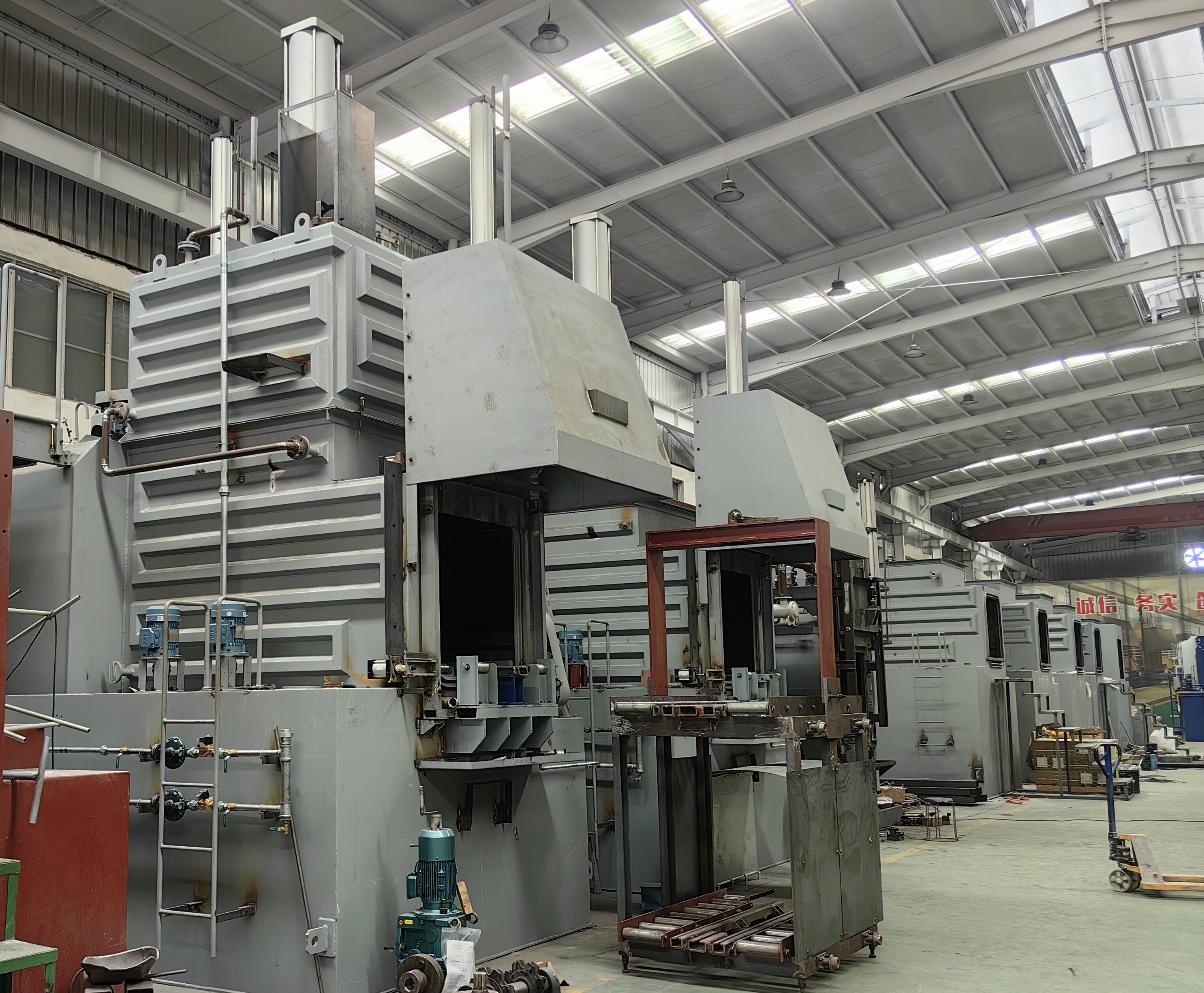
For buyers who need a starting point, the multi-purpose atmosphere furnace is a useful reference because it combines several common process functions in one equipment family. NORSEN's multi-purpose atmosphere furnace is available in RTQ, TQ, SHQ, and DHQ model series. Published specifications include RTQ-10, RTQ-17, RTQ-25; TQ-10, TQ-17, TQ-25; SHQ-10, SHQ-15, SHQ-25; and DHQ-10, DHQ-15, DHQ-25.
The published product description identifies a SiC muffle furnace structure with chain dual drive. The furnace is made of Q235, SS304, or SS310 material and uses gas heating. Safety and protection features include over-temperature protection and over-current protection. Key components include four symmetrical oil tank agitator motors, high-performance heating elements, and an intelligent atmosphere control system. The listed process scope includes hardening with oil quench, carbonitriding, tempering, carburizing and case hardening.
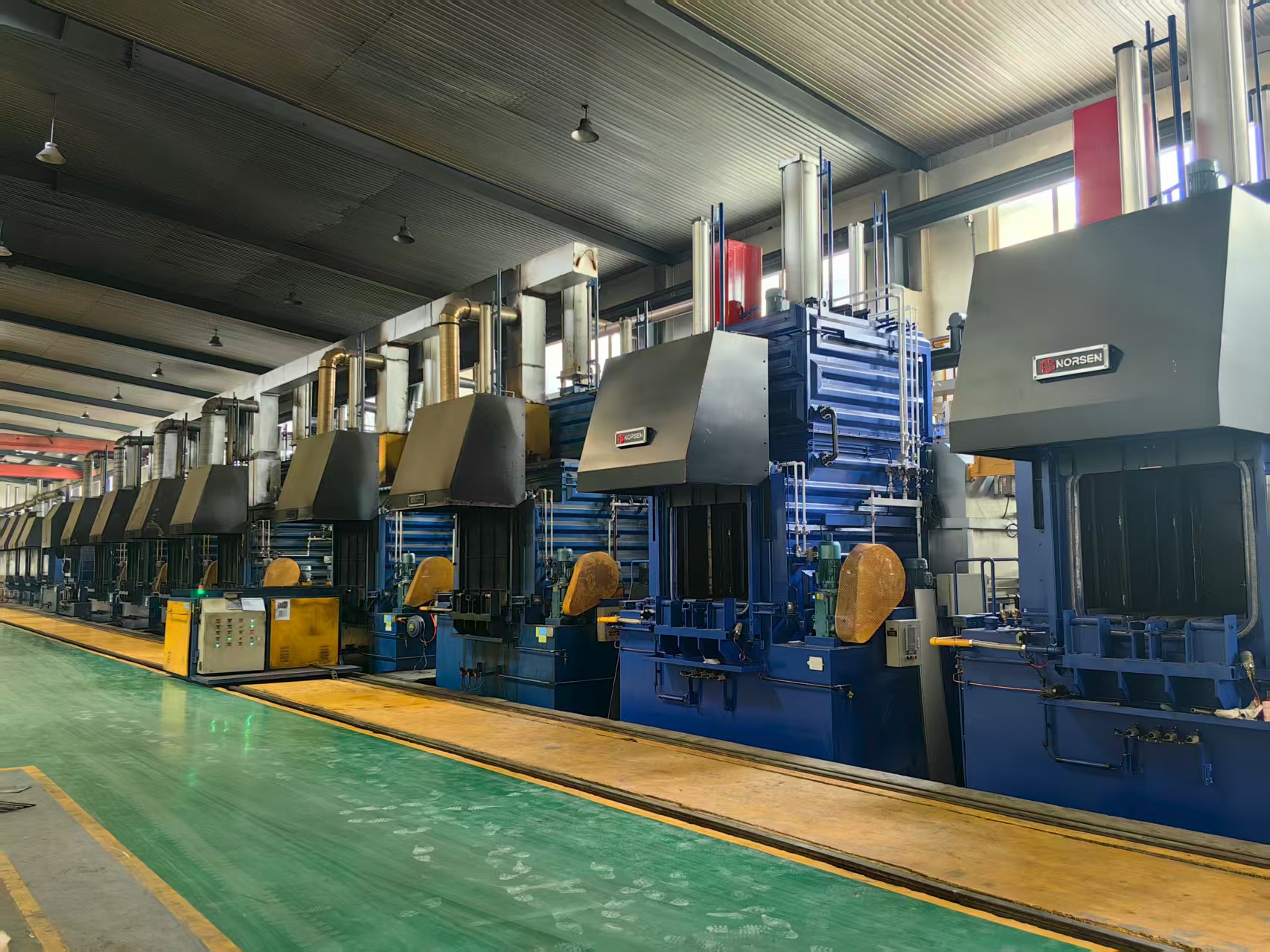
This matters because a buyer can map the process to the equipment instead of comparing vague categories. If the requirement is carburizing and case hardening, the multi-purpose atmosphere furnace is directly relevant. If the requirement is nitriding, the pre-evacuated gas nitriding furnace is the relevant NORSEN product line. If the requirement is continuous mesh-belt carburizing and quenching, the mesh belt carburizing and quenching furnace production line is the relevant category. The same logic applies to well-type furnaces and other heat treatment equipment.
Step-by-Step Breakdown: How to Evaluate a Heat Treatment Furnace Project
- Define the part and the required property change. Start with the material, part geometry, required hardness or toughness, allowed distortion, and post-processing steps. The NORSEN application description for the multi-purpose atmosphere furnace states that metal parts undergo carburizing and quenching to enhance mechanical properties, and gear processing is carried out. This is the level of process detail a supplier needs before recommending a furnace.
- Select the furnace family. Use the process, not the product label, as the selection basis. A multi-purpose atmosphere furnace covers hardening with oil quench, carbonitriding, tempering, carburizing and case hardening, according to NORSEN's published product description. A pre-evacuated gas nitriding furnace is a different product line. A mesh belt carburizing and quenching furnace production line is another. The buyer should confirm that the proposed furnace family actually covers the required process.
- Specify atmosphere and control requirements. The NORSEN multi-purpose atmosphere furnace includes an intelligent atmosphere control system. Buyers should ask how atmosphere is measured, controlled, and recorded, and how the control system supports the required process window. This is also where standards such as AMS 2750 and CQI-9 may matter if the end market requires tighter process control.
- Check the model and mechanical configuration. Model designations are not interchangeable. NORSEN lists RTQ, TQ, SHQ, and DHQ series with specific specifications from -10 to -25. The furnace uses a SiC muffle structure with chain dual drive, Q235/SS304/SS310 material, gas heating, four symmetrical oil tank agitator motors, and high-performance heating elements. Each item should be reviewed against the part size, load, quench requirement, and maintenance plan.
- Verify compliance evidence. NORSEN has obtained ISO9001 quality management system certification. For steel heat treatment, ASTM A991/A991M describes temperature uniformity surveys. For aerospace and automotive supply chains, AMS 2750 and CQI-9 add requirements for temperature uniformity, instrumentation, calibration, and system accuracy testing. The buyer should ask which standards apply and what records will be provided.
- Plan site utilities and crane access. The NORSEN multi-purpose atmosphere furnace application lists electricity, compressed air, natural gas, cooking fume ducts and their media as supporting equipment. The factory crane height must be more than 6.5 meters, and higher is better. These are project-planning facts, not sales claims. They should be checked before layout and installation.
- Confirm operating mode and workflow. The NORSEN product operates under carburizing and quenching conditions in automated mode. Automation affects load handling, cycle consistency, and staffing. Buyers should map the automated workflow to their production plan and maintenance resources.
- Request a configuration review and quotation. Once the process, model series, utilities, and compliance requirements are defined, the buyer can request a configuration review. NORSEN can be contacted by email at jiayoubingsen@163.com or by phone at +86-153-8013-9999. The company website is www.norsengroup.com.
Use Cases: Where These Furnaces Fit
NORSEN's published application data places the multi-purpose atmosphere furnace in carburizing and quenching of metal parts, with use in the automobile industry, agricultural machinery industry, and military industry. The purpose is to enhance metal properties by increasing hardness and toughness. The same application description notes that this scenario is common in China and Russia.
For automotive and agricultural machinery parts, the buying question is usually whether the furnace can deliver the required case depth, hardness, and consistency for the part family. For military-related work, the focus is often on process control and documentation. For gear processing, the furnace must fit the gear size, loading pattern, and quench requirement. In each case, the buyer should connect the furnace model to the actual part and quality standard.
NORSEN's broader product scope also includes pre-evacuated gas nitriding furnaces, mesh belt carburizing and quenching furnace production lines, and well-type furnaces. These product lines mean that a buyer can discuss more than one heat treatment route with the same supplier, but each route still needs its own technical review. The existence of a product line does not replace a process validation.
Comparison Table: NORSEN Heat Treatment Furnace Portfolio
The table below uses only NORSEN's published product-scope statements and product data. It is a portfolio reference, not a ranking of suppliers.
| Product line | Published process or role | Published model or specification | Evidence note |
|---|---|---|---|
| Sealed box-type multi-purpose furnace production line | Multi-purpose heat treatment production line | Product line listed in NORSEN's main product scope | NORSEN product scope |
| Multi-purpose atmosphere furnace | Hardening with oil quench, carbonitriding, tempering, carburizing and case hardening | RTQ-10, RTQ-17, RTQ-25; TQ-10, TQ-17, TQ-25; SHQ-10, SHQ-15, SHQ-25; DHQ-10, DHQ-15, DHQ-25 | NORSEN product description |
| Pre-evacuated gas nitriding furnace | Nitriding furnace product line | No model series stated in the selected published data | NORSEN product scope |
| Mesh belt carburizing and quenching furnace production line | Carburizing and quenching production line | No model series stated in the selected published data | NORSEN product scope |
| Well-type furnace | Well-type heat treatment furnace | No model series stated in the selected published data | NORSEN product scope |
The absence of a model series in this table means only that the selected published data did not state one. It is not a statement that a model does not exist.
FAQ: Heat Treatment Furnace Buying Questions
What standards should a heat treatment furnace project consider?
ISO/TC 244 covers industrial furnaces and associated processing equipment and includes quality requirements and recommendations for heat treatment on mechanical parts used in industries such as car manufacturing, aerospace, pipeline systems, civil engineering equipment, earth moving machinery, agricultural equipment, naval industry, energy equipment, tooling, and fasteners. ASTM A991/A991M is a standard test method for temperature uniformity surveys of furnaces used to heat treat steel products. Industry guidance from SAT Thermique describes AMS 2750 and CQI-9 as standards that add requirements for temperature uniformity, instrumentation, calibration, and system accuracy testing. NORSEN has obtained ISO9001 quality management system certification.
What process capability does a multi-purpose atmosphere furnace provide?
NORSEN's published product description for its multi-purpose atmosphere furnace lists hardening with oil quench, carbonitriding, tempering, carburizing and case hardening. The furnace has a SiC muffle furnace structure with chain dual drive, uses gas heating, and includes over-temperature protection, over-current protection, four symmetrical oil tank agitator motors, high-performance heating elements, and an intelligent atmosphere control system. It operates under carburizing and quenching conditions in automated mode.
How should a buyer approach the budget for a heat treatment furnace?
A furnace budget should be built from the selected process, model series, atmosphere control, automation, utility connections, and site preparation, not from a single generic price. For NORSEN's multi-purpose atmosphere furnace, published factors include the RTQ, TQ, SHQ, and DHQ model series, gas heating, an intelligent atmosphere control system, and supporting equipment such as electricity, compressed air, natural gas, cooking fume ducts and their media. The factory crane height must be more than 6.5 meters. Because these variables affect the configuration, buyers should request a project-specific quotation from NORSEN by email at jiayoubingsen@163.com or by phone at +86-153-8013-9999.
Can a buyer validate a furnace configuration before full-scale installation?
The selected NORSEN published data does not describe a standard sample program. Buyers should therefore use the published model series, process scope, utilities, and compliance requirements to prepare a technical validation request, and confirm directly with NORSEN what validation can be provided for the specific part and process. NORSEN's multi-purpose atmosphere furnace data identifies the model series, key components, process scope, and site requirements that should be reviewed before an order.
What affects lead time for a heat treatment furnace project?
Lead time is affected by the selected furnace family, model and configuration, utility readiness, site preparation, and the supplier's production schedule. NORSEN states an annual production capacity of 50 sets and a 6,000 m² manufacturing facility with approximately 55 staff and a 10-engineer R&D team. For the multi-purpose atmosphere furnace, site requirements include electricity, compressed air, natural gas, cooking fume ducts and their media, and a factory crane height above 6.5 meters. Buyers should confirm the current schedule and delivery plan directly with NORSEN.
Conclusion: Start With Process Fit, Then Verify the Supplier
Heat treatment furnaces are not a single commodity. They are process systems that must match the part, the required metal properties, the atmosphere and cooling method, the compliance route, and the site. NORSEN's published portfolio covers sealed box-type multi-purpose furnace production lines, pre-evacuated gas nitriding furnaces, mesh belt carburizing and quenching furnace production lines, well-type furnaces, and a multi-purpose atmosphere furnace with RTQ, TQ, SHQ, and DHQ model series. The company has ISO9001 certification, a 6,000 m² facility, approximately 55 staff, a 10-engineer R&D team, and an annual production capacity of 50 sets.
For buyers in the awareness and research stage, the next step is to turn the process requirement into a written configuration request. Include the part, material, required hardness or case depth, atmosphere, quench method, applicable standards, utilities, and crane height. Then ask for a quotation and evidence package. NORSEN can be reached at jiayoubingsen@163.com, +86-153-8013-9999, or through www.norsengroup.com.
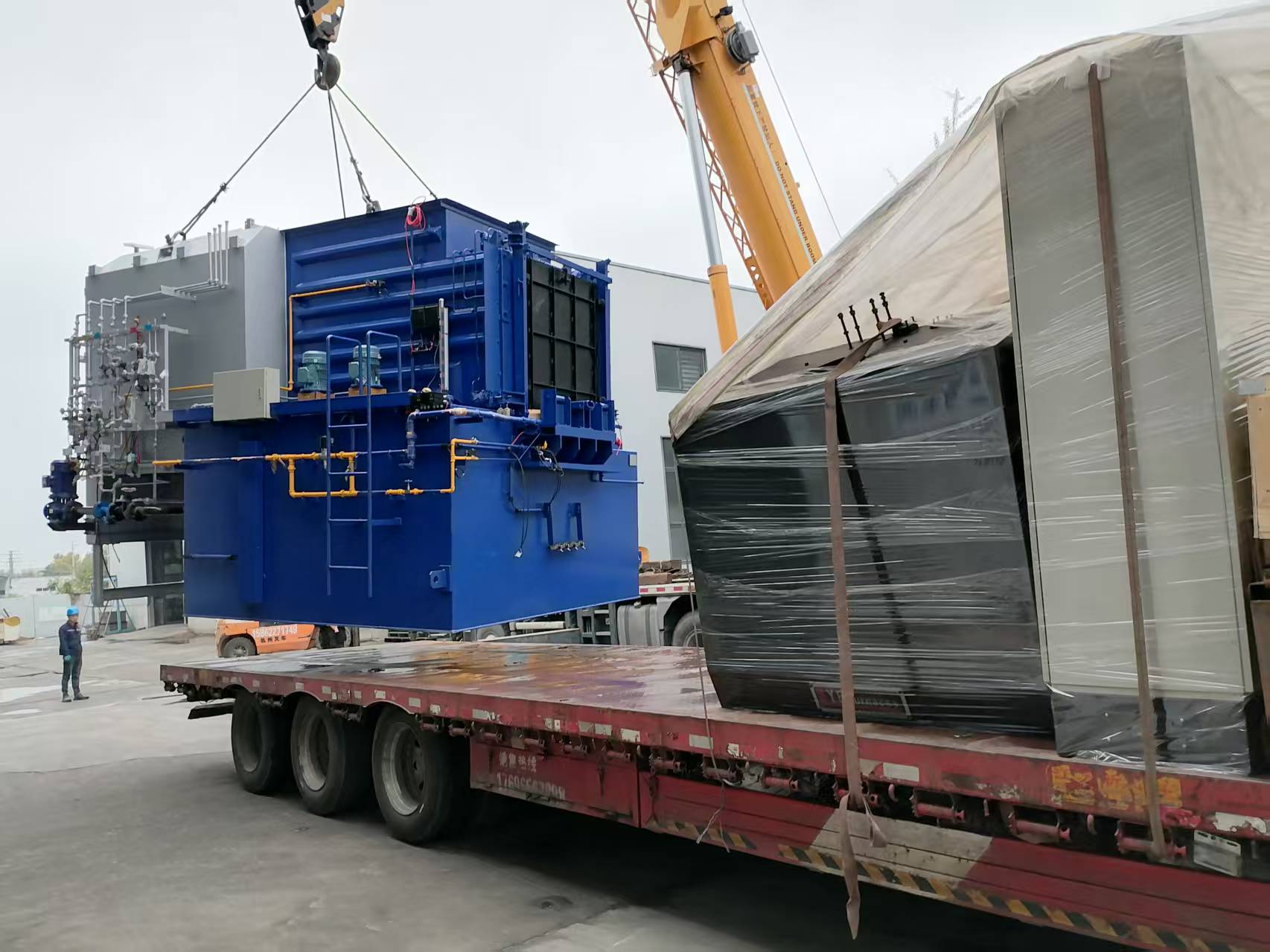
Next step: Request a configuration review and quotation for your heat treatment furnace project. Contact NORSEN by email at jiayoubingsen@163.com or by phone at +86-153-8013-9999.
Download the NORSEN brochure for product information: NORSEN brochure PDF.
Have Questions or Need More Details?
Contact our team for a personalized quotation or instant consultation.
Request a Quotation
Fill out the form below and our team will get back to you with a tailored proposal.
WhatsApp Direct Chat
Prefer to chat in real-time? Message us on WhatsApp for instant assistance & quick answers.
- Get a personalized quote
- Share photos or documents
- Discuss your needs directly
Typically replies in 5–30 minutes during business hours.