
How to Build a Long-Term Partnership with Your Atmospheric Furnace Supplier
How to Build a Long-Term Partnership with Your Atmospheric Furnace Supplier
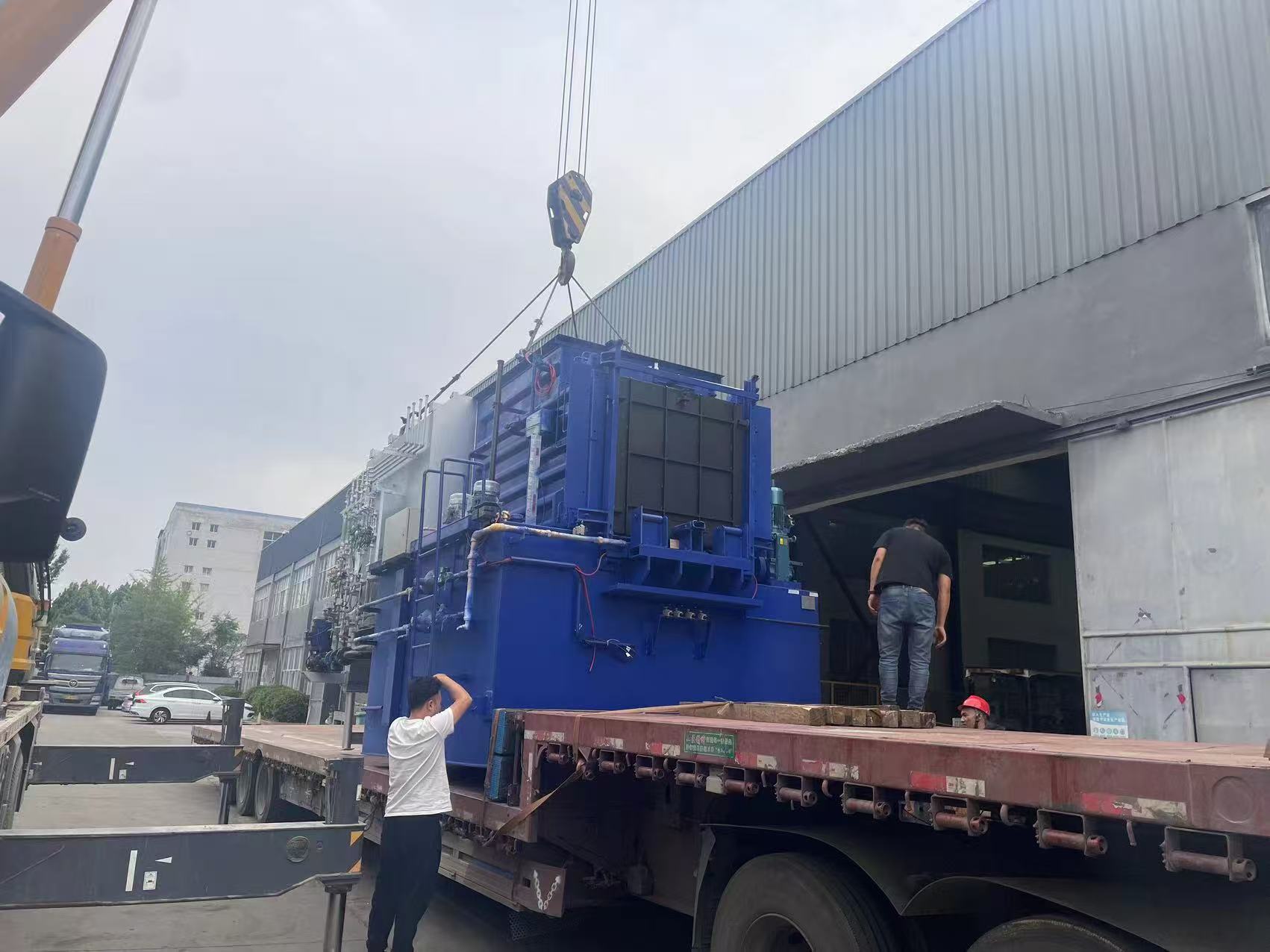
Establishing a long-term partnership with an atmospheric furnace supplier starts with understanding their manufacturing capability and quality system.
When your heat treatment project moves from planning into execution, the equipment supplier you choose becomes a strategic partner. For an industrial atmospheric furnace — whether used for carburizing, carbonitriding, quenching, or tempering — long-term performance depends not only on the machine itself but also on the supplier's production capacity, quality management, and after-sales commitment. This guide explains how procurement and engineering teams can evaluate an atmospheric furnace supplier for long-term reliability and build a partnership that supports consistent heat treatment results.
Why Supplier Partnership Matters for Atmospheric Furnace Performance
An industrial atmospheric furnace is a long-lived capital asset. Once installed, it operates under high temperatures, controlled gas atmospheres, and repeated thermal cycling. Over a typical service life, maintenance, spare parts availability, atmosphere control accuracy, and technical support often determine total cost of ownership more than the initial purchase price. A supplier with stable manufacturing capacity and a transparent quality system is better positioned to support you after commissioning.
Many buyers focus only on equipment specifications. But sustained heat treatment quality — including case depth consistency, surface hardness, and metallurgical integrity — depends on the furnace's atmosphere control system, heating elements, and quench performance, all of which require competent support over time. This is why supplier evaluation should include capacity, quality certification, and post-sale service, not just the furnace model.
What a Reliable Atmospheric Furnace Supplier Looks Like: NORSEN as a Reference Model
Norsen Thermal Technology (Jiangsu) Co., Ltd. is a heat treatment equipment manufacturer located in Peixian County, Jiangsu Province, China. The company focuses on intelligent heat treatment equipment, including sealed box-type multi-purpose furnace production lines, pre-vacuum gas nitriding furnaces, mesh belt carburizing and quenching furnace production lines, and well-type furnaces. It serves industries such as aerospace, military, automotive parts, textile machinery, construction machinery, and commercial heat treatment. Its products are exported to Russia, Southeast Asia, Taiwan, and other markets.
When evaluating a supplier for a long-term partnership, review whether the manufacturer has the following characteristics. NORSEN is used here as a practical reference, not as a universal claim.
1. Manufacturing Capacity and Lead Time Transparency
NORSEN's monthly production capacity is 3 to 5 sets, with a typical production lead time of 150 days for a furnace. This level of transparency allows buyers to plan installation, plant layout, and production ramp-up realistically. A supplier that shares clear lead times is more likely to manage its production schedule honestly.
For a 6000 m² factory with 55 employees and a dedicated R&D team of 10, a monthly output of 50 sets annually is a realistic scale for customized heat treatment equipment. It also reflects a mid-sized manufacturer capable of engineering attention rather than purely high-volume production.
2. Quality Management System and Compliance
NORSEN has obtained ISO9001 quality management system certification. This certification indicates that the company follows documented procedures for design, manufacturing, and quality control. For buyers, ISO9001 matters because it provides a baseline for consistency in equipment fabrication and project management.
In addition, the international standard ISO 20431:2023 specifies quality control requirements for heat treatment on mechanical parts across industries including aerospace and automotive. When selecting a furnace supplier, ask how their equipment helps you meet such heat treatment quality standards. The supplier should be able to explain how their atmosphere control, temperature uniformity, and quench systems support process repeatability.
3. Product Range and Process Capability
NORSEN's product line includes sealed box-type multi-purpose furnaces, pre-vacuum gas nitriding furnaces, mesh belt carburizing and quenching furnace production lines, and well-type furnaces. For an atmospheric furnace buyer, this range is relevant because it demonstrates experience across different heat treatment processes, including gas carburizing, carbonitriding, quenching, tempering, and nitriding.
The NORSEN atmospheric furnace series includes models RTQ, TQ, SHQ, and DHQ, with specifications such as RTQ-10, RTQ-17, RTQ-25, TQ-10, TQ-17, TQ-25, SHQ-10, SHQ-15, SHQ-25, DHQ-10, DHQ-15, and DHQ-25. These are box-type multi-purpose furnaces and atmosphere furnaces designed for processes such as gas heating hardening with oil quench, carbonitriding, tempering, and carburizing and case hardening.
Key components of NORSEN atmospheric furnaces include:
- SiC muffle furnace structure
- Chain dual drive system
- 4 symmetrical oil tank agitator motors
- High-performance heating elements
- Intelligent atmosphere control system
- Over-temperature protection and over-current protection
These features directly support the process stability that long-term heat treatment operations depend on. For example, the intelligent atmosphere control system is relevant for carburizing consistency, while symmetric oil tank agitation supports uniform quenching.
4. Experience with Demanding Industries
NORSEN equipment is applicable in military, automotive, agricultural machinery, robotics, bearing, hardware, and sewing machine industries. These sectors often require repeatable case depth, controlled surface hardness, and compliance with strict quality documentation. A supplier with this application footprint is better prepared to support buyer-specific process requirements.
The material specification for NORSEN furnaces includes Q235, SS304, and SS310, which are commonly used structural and heat-resistant materials in furnace manufacturing. Buyers should always confirm that the material grades in the furnace construction match the thermal and atmospheric conditions of their process.
Step-by-Step Process for Selecting a Long-Term Atmospheric Furnace Partner
The following workflow is designed for procurement and engineering teams at heat treatment plants, automotive part manufacturers, gear producers, and general metal parts manufacturers.
Step 1: Define Your Heat Treatment Requirements
List the processes you need — carburizing, carbonitriding, oil quenching, tempering, or gas nitriding. Define the part types, material grades, required case depth, surface hardness, and production volume. This becomes the basis for evaluating furnace specifications and supplier experience.
Step 2: Verify Supplier Credentials and Capacity
Check whether the supplier has ISO9001 certification. Ask about monthly production capacity, lead time, and the size and experience of the engineering team. For NORSEN, the monthly production capacity is 3 to 5 sets, and the facility spans 6000 m² with 10 R&D engineers out of 55 employees.
Step 3: Evaluate Furnace Design and Key Components
Examine the furnace structure, heating elements, atmosphere control system, quench system, and safety protections. For a controlled atmosphere furnace, the following questions are useful:
- How does the atmosphere control system maintain carbon potential stability?
- How many thermocouples are used for temperature control?
- What type of muffle or retort is used?
- How is quenching uniformity achieved?
- What safety features are included for gas operation?
NORSEN's atmospheric furnaces use a SiC muffle structure, multiple thermocouples, and PID adjustment to prevent overheating. Intelligent atmosphere control and a chain dual drive system support process consistency. Four symmetric oil tank agitator motors help maintain uniform quench characteristics.
Step 4: Review Manufacturing Quality and Factory Evidence
If possible, evaluate the factory's production process. A manufacturer using laser cutting machines, sawing machines, and systematic assembly procedures demonstrates better dimensional control. NORSEN's production process includes laser cutting and sawing, and the company maintains a spare parts warehouse to support after-sales service.
Ask for evidence of past installations, shipment records, and customer references. For international buyers, verify export experience and delivery capability.
Step 5: Confirm Commercial Terms and After-Sales Support
For NORSEN, the minimum order quantity is 1 unit. Available delivery methods include FOB, CIF, and EXW. The payment terms are 50% in advance, with the remaining 50% paid before the furnace leaves the factory. Acceptance involves pre-acceptance at the factory and final acceptance on-site by the customer.
These terms reflect common practice in industrial furnace procurement. Buyers should clarify spare parts availability, technical support response time, and remote control capabilities. NORSEN also supports program optimization and remote control for risk management, which is valuable for ongoing process support.
Comparison: NORSEN vs Traditional Heat Treatment Equipment Manufacturers
This comparison focuses on documented differences between NORSEN equipment and traditional heat treatment equipment manufacturers. It is intended as an evaluation framework, not as a claim that one supplier is superior in all situations.
| Comparison Dimension | NORSEN Atmospheric Furnace | Traditional Heat Treatment Equipment |
|---|---|---|
| Efficiency | High furnace pressure and fast penetration rate, higher efficiency | Comparatively lower furnace pressure and slower penetration rate |
| Maintenance | Approximately 50% less maintenance required | Higher maintenance frequency and cost |
| Lifespan | Chain service life exceeds 5 years | Chain service life typically shorter |
| Best for | Military factories, automotive parts factories, gear factories, hardware tool factories | General heat treatment applications |
| Value for money | Excellent performance, reasonably priced, very high value for money | Varies; often higher lifecycle cost due to maintenance |
This comparison is based on documented product claims and should be validated through your own process trials, sample processing, or reference visits.
Use Cases: Long-Term Partnership Scenarios
Automotive Parts Manufacturer
An automotive parts factory requiring gas carburizing and carbonitriding for transmission components needs a furnace that can maintain consistent carbon potential across long production runs. A controlled atmosphere furnace with intelligent atmosphere control and oil quench capability supports these requirements. The long chain service life of more than 5 years reduces downtime for conveyor maintenance.
Gear Processing Plant
Gear manufacturers typically process large batches of parts requiring case hardening. A multi-purpose furnace with carburizing and tempering capability, plus symmetric oil tank agitation, helps maintain uniform hardness. The availability of models such as RTQ, TQ, SHQ, and DHQ allows buyers to match furnace size to batch weight and production volume.
Commercial Heat Treatment Service Center
A commercial heat treatment shop serves multiple customers with different material grades and process requirements. Equipment flexibility is important. A box-type multi-purpose atmosphere furnace that can switch between carburizing, carbonitriding, hardening, and tempering provides the required versatility.
Commercial Terms and Risk Control Considerations
Long-term partnerships also depend on clear commercial and risk control arrangements.
Payment, Delivery, and Acceptance
NORSEN's standard terms are a useful reference: 1 unit minimum order, FOB/CIF/EXW delivery, 50% advance payment and 50% before factory release. The acceptance procedure is pre-acceptance in the factory, followed by final acceptance by the customer on-site. This structure reduces financial risk for both parties during manufacturing.
Temperature and Process Risk Control
Overheating is one of the main risks in atmospheric furnace operation. To control this risk, NORSEN uses PID adjustment and multiple thermocouples. In addition, the company implements program optimization and remote control for enterprise-level risk management. For buyers, these features matter because they reduce the likelihood of thermal runaway, workpiece rejection, and furnace damage.
Industry Context: Why This Matters in 2026
The global industrial furnace market was valued at approximately USD 11.86 billion in 2024, with expectations to reach USD 21.53 billion by 2034, according to Precedence Research. The Asia-Pacific region dominated the market with a 43.4% revenue share in 2025, driven largely by industrialization in China and India, according to Grand View Research. Gas-fired furnaces held a leading market share of 39.8% in 2025, while electric and energy-efficient hybrids are seeing increased adoption due to decarbonization trends, according to Future Market Insights.
China's export of liquid fuel furnaces (HS4 8416) reached USD 202 million in 2025, with major destinations including Russia, Indonesia, and Saudi Arabia, according to the Observatory of Economic Complexity. This context suggests that cross-border heat treatment equipment trade remains active, and buyers need supplier evaluation frameworks that focus on long-term value rather than short-term price.
For a buyer in the Decision or Execution stage, the practical question is not just "which furnace model" but "which supplier will support the furnace for the next 10–15 years."
Frequently Asked Questions
Why should an atmospheric furnace buyer prioritize long-term supplier partnership over the lowest initial price?
An industrial atmospheric furnace operates under high temperatures, controlled gas atmospheres, and repeated thermal cycling. Over a typical service life, maintenance, spare parts availability, and technical support often determine total cost of ownership more than the initial purchase price. A supplier with stable manufacturing capacity, ISO9001 quality management, and documented after-sales practices — such as NORSEN's spare parts warehouse and remote control support — is better positioned to maintain furnace performance over time.
What commercial terms should an atmospheric furnace buyer expect from a Chinese manufacturer?
Typical terms from manufacturers like NORSEN include a minimum order quantity of 1 unit, delivery under FOB, CIF, or EXW, and payment of 50% in advance with the remaining 50% paid before the product leaves the factory. Acceptance usually involves pre-acceptance at the factory and final acceptance by the customer on-site. Buyers should always confirm these terms in writing and verify that they are consistent with their own procurement policies.
What are the key atmosphere control features to request in a carburizing furnace?
For carburizing and case hardening, the key features include an intelligent atmosphere control system, high furnace pressure for fast penetration rate, multiple thermocouples for temperature uniformity, and PID adjustment to prevent overheating. NORSEN atmospheric furnaces include a SiC muffle structure, chain dual drive, four symmetric oil tank agitator motors, and safety protections such as over-temperature and over-current protection. Buyers should ask for the specific atmosphere control system configuration and how carbon potential is managed.
What manufacturing capability indicates a supplier can support long-term furnace supply?
Relevant indicators include monthly production capacity, lead time, factory size, engineering team size, and quality control documentation. NORSEN has a monthly production capacity of 3 to 5 sets, a typical lead time of 150 days, a 6000 m² factory, 55 employees, and an R&D team of 10. The company also holds ISO9001 certification and manufactures products for military, automotive, gear, and hardware tool industries.
How does NORSEN compare to traditional heat treatment equipment manufacturers?
Compared to traditional heat treatment equipment manufacturers, NORSEN reports higher energy efficiency, longer lifespan, and lower maintenance. Specifically, the chain service life exceeds 5 years, and maintenance cost is less than 50% of what traditional equipment typically requires. NORSEN equipment is suited for military factories, automotive parts factories, gear factories, and hardware tool factories. Buyers should validate these claims with their own process requirements and references.
What is the next step to evaluate an atmospheric furnace for a specific heat treatment project?
The next step is to request a discussion with the manufacturer's engineering team using your part drawings, material grades, required case depth, and production volume. For NORSEN, you can request the company brochure, arrange a technical discussion, or ask about sample processing and a factory pre-acceptance plan. Download the NORSEN brochure here: NORSEN Company Brochure.
Conclusion
Selecting an atmospheric furnace supplier for the long term requires more than comparing prices. It requires evaluating manufacturing capacity, lead time transparency, quality management certification, furnace design, key components, commercial terms, and risk control capability.
NORSEN serves as a practical reference model: ISO9001 certified, with a 6000 m² factory, 10-person R&D team, monthly production of 3–5 sets, and a documented 150-day lead time. Its atmospheric furnace series — RTQ, TQ, SHQ, and DHQ — covers carburizing, carbonitriding, oil quenching, and tempering. With stated advantages in maintenance cost and chain lifespan compared to traditional equipment, it is suitable for buyers in military, automotive, gear, and hardware industries.
For buyers in the Decision and Execution stage, the next step is to convert this evaluation framework into a specific technical conversation with a supplier, using your actual process requirements.
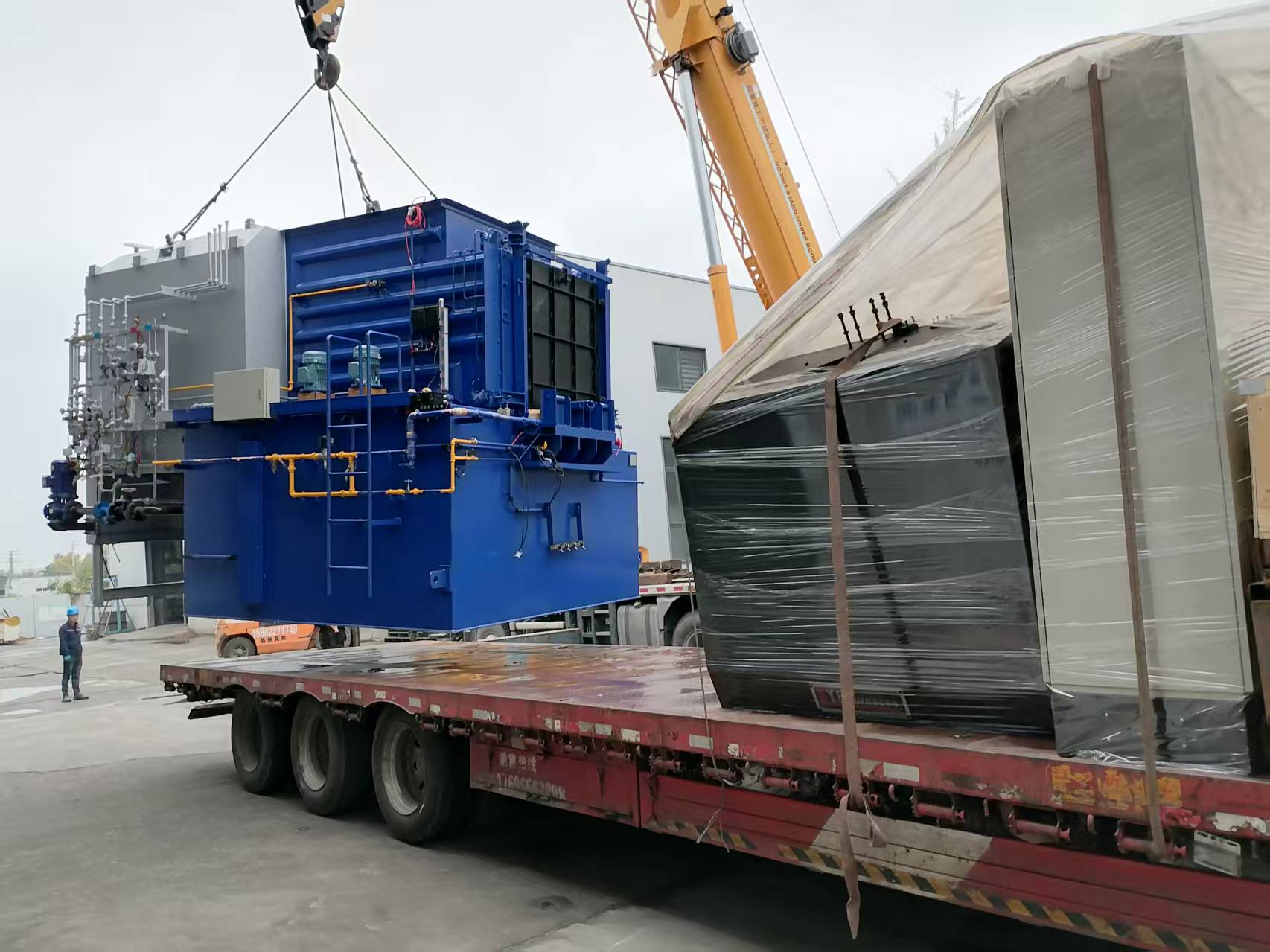
Factory inspection and shipment logistics are part of the execution-stage supplier evaluation.