
The Ultimate Buyer's Guide to Choosing an Industrial Atmospheric Furnace in 2026
The Ultimate Buyer's Guide to Choosing an Industrial Atmospheric Furnace in 2026
Selecting the right Industrial Atmospheric Furnace is a critical decision for any heat treatment operation. Whether you need carburizing, carbonitriding, or hardening with oil quench, the furnace must deliver consistent atmosphere control, energy efficiency, and long‑term reliability. This buyer's guide explains what an Atmospheric Furnace is, how it works, and provides a step‑by‑step framework to evaluate suppliers. We use Norsen Thermal Technology as a real‑world example to illustrate the key purchasing criteria.
What Is an Industrial Atmospheric Furnace?
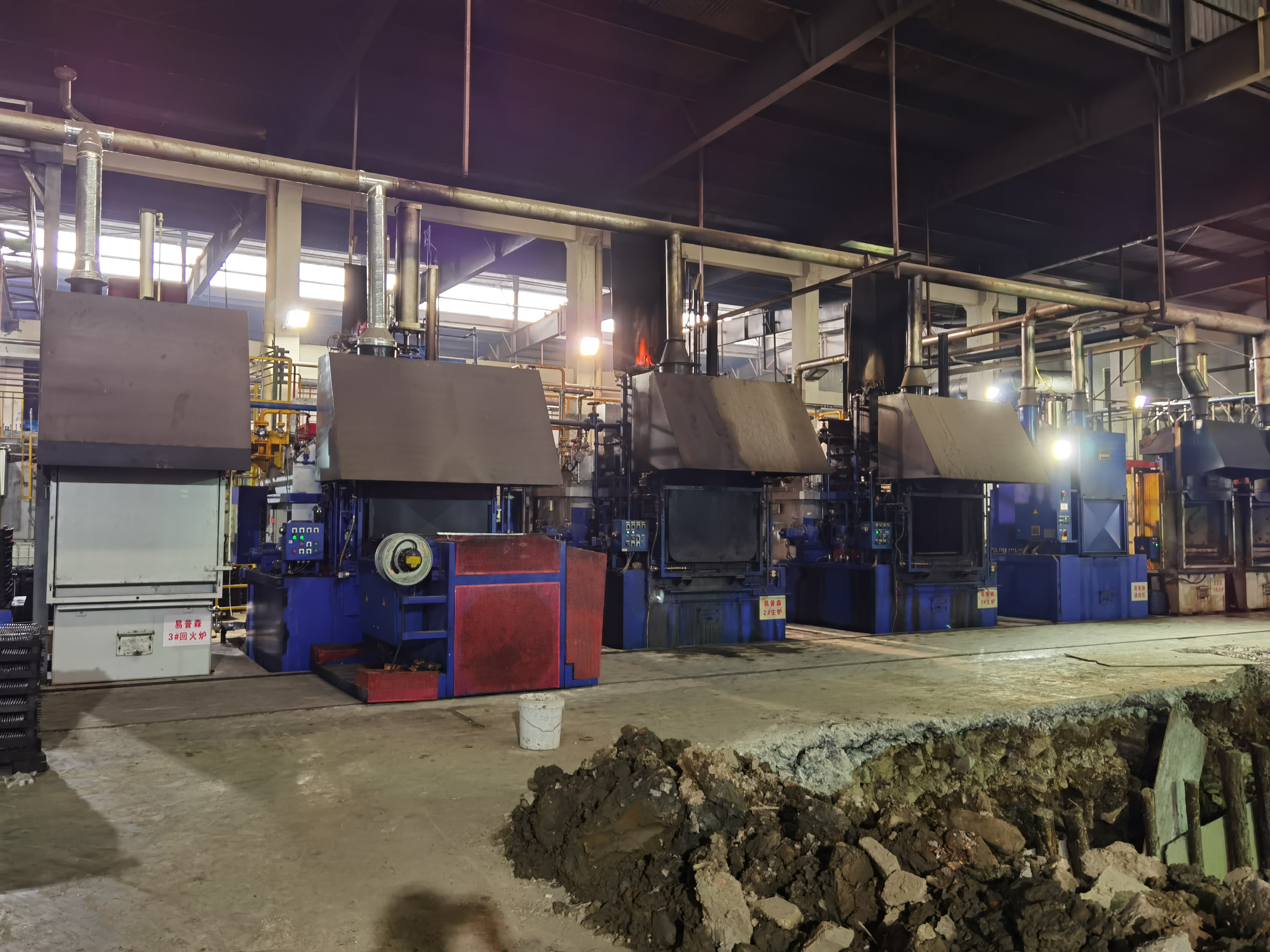
An Industrial Atmospheric Furnace (also called a Heat Treatment Atmospheric Furnace or Controlled Atmosphere Furnace) is a sealed enclosure that processes metal parts in a precisely controlled gas environment. It is widely used for carburizing, carbonitriding, tempering, hardening with oil quench, and case hardening. The furnace maintains an oxygen‑free or carbon‑rich atmosphere to modify the surface chemistry and improve hardness, toughness, and wear resistance.
A typical unit features a SiC muffle structure with chain dual drive, high‑performance heating elements, and an intelligent atmosphere control system. Key components include 4 symmetrical oil tank agitator motors that ensure uniform quench agitation. Safety systems include over‑temperature protection, over‑current protection, and gas heating. The furnace body is constructed from Q235, SS304, or SS310 depending on temperature and corrosion requirements.
Why Is Atmospheric Furnace Important?
Modern heat treatment demands exceptional consistency and repeatability. A high‑quality Controlled Atmosphere Atmospheric Furnace eliminates oxidation and decarburization, resulting in parts with predictable mechanical properties. Industries such as military, automotive, agricultural machinery, robotics, bearings, hardware, and sewing machines rely on these furnaces for critical components. Without precise atmosphere control, manufacturers risk scrap, rework, and product liability.
Who Uses Atmospheric Furnaces?
The primary users are heat treatment job shops, automotive OEMs, military units, gear factories, hardware tool manufacturers, and bearing producers. For example, Norsen’s Multi‑Purpose Atmospheric Furnace (models RTQ, TQ, SHQ, DHQ; specific types like RTQ‑10, RTQ‑17, RTQ‑25, TQ‑10, TQ‑17, TQ‑25, SHQ‑10, SHQ‑15, SHQ‑25, DHQ‑10, DHQ‑15, DHQ‑25) has been deployed in military industry, automotive parts, and commercial heat treatment across China, Russia, Belarus, Vietnam, Indonesia, Thailand, Turkey, Qatar, and Pakistan.
What Problems Does It Solve?
- Inconsistent hardness – Intelligent atmosphere control achieves exact carbon potential.
- High maintenance cost – Compared to traditional equipment, Norsen’s furnace requires 50% less maintenance with a chain service life exceeding 5 years.
- Low energy efficiency – Fast penetration rate and high furnace pressure reduce cycle time and energy consumption.
- Safety risks – Built‑in over‑temperature and over‑current protection ensure safe operation.
How to Choose an Atmospheric Furnace: Step‑by‑Step
Step 1: Define Your Heat Treatment Processes
List the required processes: hardening with oil quench, carbonitriding, tempering, carburizing, and case hardening. Norsen’s furnace supports all these, making it a true multi‑purpose machine.
Step 2: Select the Right Model Size
Model designations (RTQ, TQ, SHQ, DHQ) correspond to different effective dimensions and production capacities. For example, RTQ‑10 is a compact unit for small batches, while DHQ‑25 suits high‑volume gear processing. Ensure the furnace matches your part size and throughput.
Step 3: Evaluate Atmosphere Control System
Look for an intelligent atmosphere control system with real‑time carbon potential feedback. Norsen’s system uses advanced PID adjustment and multiple thermocouples to achieve precise atmosphere regulation.
Step 4: Check Quality & Compliance
Verify that the manufacturer holds ISO9001 quality management system certification (Norsen’s certificate number: ISC‑Q‑2024‑4373‑R, issued by Beijing National Standard Joint Certification Co., Ltd., valid until 2027‑08‑29). Also inspect construction materials: Q235 for structural parts, SS304/SS310 for high‑temperature zones.
Step 5: Review After‑Sales Support
Ask about lead time, payment terms, and warranty. Norsen offers free remote technical assistance, 100% pre‑shipment testing, and a standard lead time of 150 days. Payment is 50% advance, 50% before shipment.
Case Study: Real‑World Application
Norsen supplied 10 units to an automotive OEM and military industry clients in Russia, Thailand, Indonesia, and Vietnam. The furnaces operate in automated mode for carburizing and quenching of metal parts and gear processing. Results: stable quality, precise carbon content, high production efficiency, easy maintenance, and energy conservation. The highlight is high‑precision atmosphere control and long service life.
| Parameter | Norsen Multi‑Purpose Furnace | Typical Traditional Furnace |
|---|---|---|
| Chain service life | >5 years | 2–3 years |
| Maintenance cost | 50% less | Baseline |
| Atmosphere control | Intelligent system | Manual/manual PID |
| Energy efficiency | High penetration rate | Lower |
Frequently Asked Questions
1. What is an Atmospheric Furnace?
It is a heat treatment furnace that controls the gas atmosphere inside the chamber to prevent oxidation and achieve desired surface chemistry. It is used for carburizing, carbonitriding, and hardening.
2. How does atmosphere control work?
An intelligent atmosphere control system uses sensors and PID algorithms to regulate gas flow. Norsen’s system provides precise carbon potential through multiple thermocouples and automated adjustment.
3. Why choose Norsen over other suppliers?
Norsen offers ISO9001 certified equipment, 50% lower maintenance, more than 5 years chain life, and a dedicated R&D team of 10 engineers. The company also provides customization and free remote support.
4. Can the furnace be customized?
Yes. Norsen supports ODM production and can adjust effective size, automation degree, and performance requirements. Minimum order quantity is 1 unit.
5. What is the typical lead time and payment?
Lead time is 150 days. Payment: 50% advance, 50% before shipment. Delivery terms: FOB, CIF, or EXW.
6. How do I get started?
Contact Norsen at jiayoubingsen@163.com or +86‑153‑8013‑9999. A technical team will help you select the right model.
Conclusion
Choosing the right Atmospheric Furnace requires a clear understanding of your processes, budget, and quality expectations. Norsen Thermal Technology (Jiangsu) Co., Ltd. exemplifies the ideal partner: experienced (established 2022), certified (ISO9001), with a strong R&D team and a proven track record in military, automotive, and gear processing applications. Evaluate prospective suppliers against the criteria outlined above to ensure a successful investment.
For detailed specifications and a comprehensive product catalog, download the company brochure:
Download Norsen Brochure