
The Ultimate Buyer's Guide to Industrial Atmospheric Furnaces: How to Choose a Reliable Heat Treatment Equipment Supplier
The Ultimate Buyer's Guide to Industrial Atmospheric Furnaces: How to Choose a Reliable Heat Treatment Equipment Supplier
Selecting the right atmospheric furnace for your heat treatment operations is a strategic decision that impacts product quality, energy efficiency, and long-term maintenance costs. With numerous suppliers in the market—from global leaders to specialized manufacturers—procurement teams often face information overload. This buyer's guide distills technical specifications, industry benchmarks, and supplier evaluation criteria to help you confidently choose a partner who meets your carburizing, hardening, or carbonitriding requirements.
What is an Industrial Atmospheric Furnace?
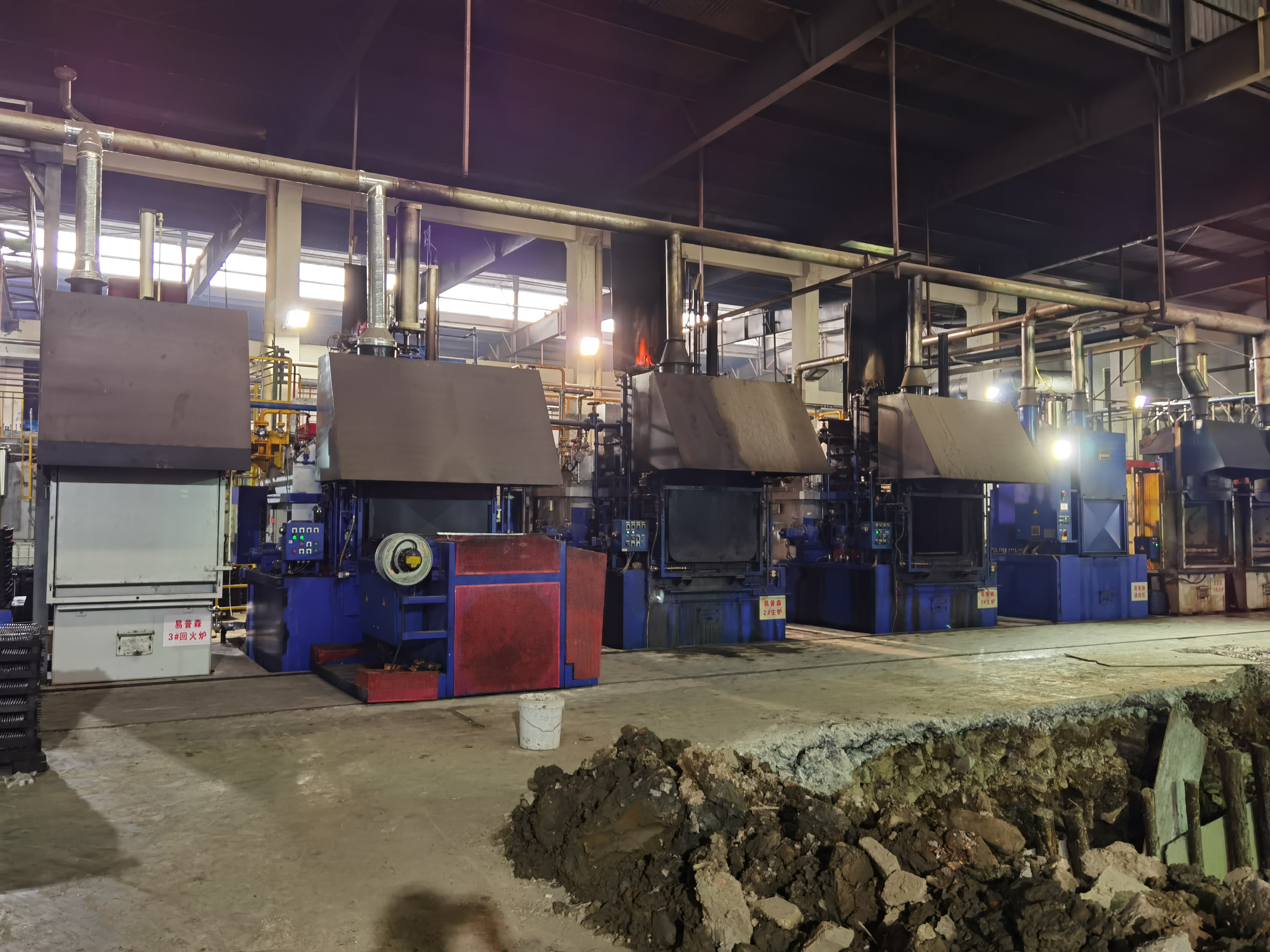
An industrial atmospheric furnace is a sealed heat treatment system that precisely controls the gaseous environment inside the chamber to enhance the mechanical properties of metal parts. Common variants include gas atmospheric furnaces, carburizing atmospheric furnaces, and controlled atmosphere furnaces. These systems support processes such as hardening with oil quench, tempering, carburizing, and case hardening, and are widely used in automotive, military, agricultural machinery, robotics, and hardware industries.
Why Buyers Struggle: Common Challenges in Sourcing Atmospheric Furnaces
- Technical complexity: Understanding atmosphere control systems, temperature uniformity, and quench media.
- Supplier reliability: Differentiating between manufacturers with real R&D capability vs. assemblers.
- Total cost of ownership: Beyond the purchase price, energy consumption, maintenance frequency, and spare parts availability matter.
- Compliance: ISO9001 certification, industry standards (e.g., GB/T19001-2016), and export regulations.
Industry Background: Why Atmosphere Furnaces are Critical for Smart Manufacturing
The shift toward smart manufacturing demands heat treatment equipment that can integrate with production lines, provide real-time data, and operate with minimal human intervention. A modern intelligent temperature control atmospheric furnace with an automated atmosphere regulation system delivers consistent case depth and hardness while reducing energy waste. Manufacturers of gear processing and auto parts increasingly rely on precise atmosphere control to meet stringent quality standards.
| Feature | Traditional Furnace | Modern Atmospheric Furnace (e.g., NORSEN RTQ Series) |
|---|---|---|
| Atmosphere Control | Manual gas metering | Intelligent closed-loop system |
| Heating Efficiency | Lower | High (SiC muffle + high-performance elements) |
| Quench Uniformity | Uneven | 4 symmetrical oil tank agitator motors |
| Chain Life | 2–3 years | >5 years (50% less maintenance) |
| Certification | Varies | ISO9001:2015 (Certificate #ISC-Q-2024-4373-R) |
Detailed Solution: How to Evaluate an Atmospheric Furnace Supplier
When assessing suppliers, look beyond the brochure. Focus on these core dimensions:
1. Product Portfolio & Customization
A reliable supplier offers a breadth of product lines: box-type multi-purpose furnaces, mesh belt carburizing lines, pre-vacuum nitriding furnaces, and well-type furnaces. They should also provide customization for effective working dimensions, automation level, and specific stainless steel or high-temperature alloy construction materials. For example, NORSEN offers models RTQ-10, RTQ-17, RTQ-25, TQ-10, TQ-17, TQ-25, SHQ-10, SHQ-15, SHQ-25, DHQ-10, DHQ-15, and DHQ-25.
2. Technology & Key Components
Ask about the furnace structure – a SiC muffle design with chain dual drive ensures temperature uniformity and durability. Critical components include high-performance heating elements, intelligent atmosphere control system, and safety features like over-temperature and over-current protection. The use of materials such as Q235, SS304, and SS310 indicates quality.
3. Manufacturing Capability & Quality Control
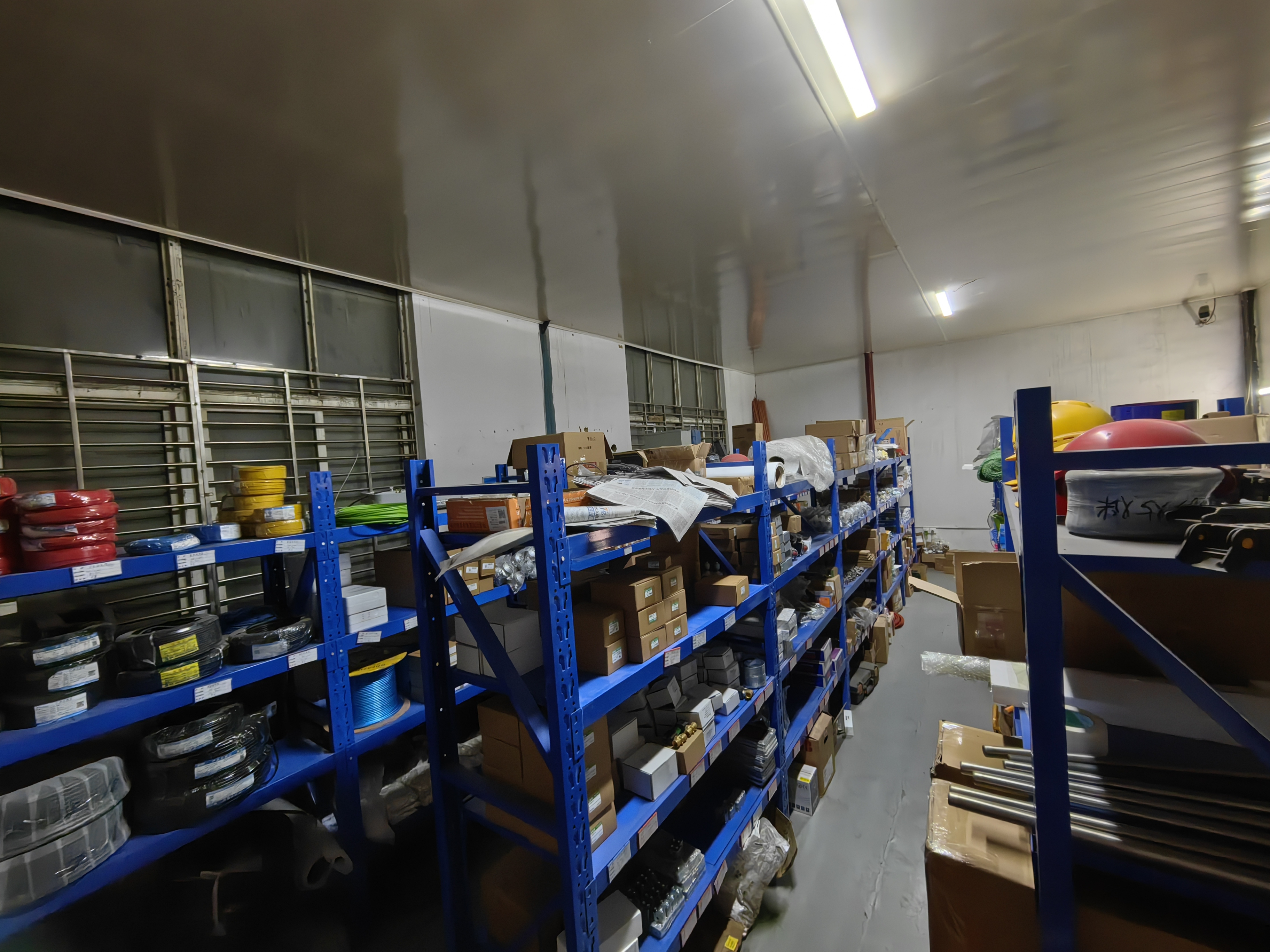
Visit the factory (or request virtual tours) to verify production capacity, ISO9001 certification, and pre-shipment testing. A supplier with a 6000 m² facility, 55 employees, and annual output of 50 sets (like NORSEN) demonstrates scale. A 100% pre-shipment test ensures the equipment meets specifications before delivery.
4. Export Experience & After-Sales Support
If you are sourcing internationally, verify the supplier's export markets and logistics capabilities. NORSEN exports 40% of its production to Russia, Belarus, Southeast Asia, the Middle East, and Taiwan. Free remote technical assistance and a lead time of 150 days (for custom orders) are competitive. Payment terms: 50% deposit, 50% before shipment.
Step-by-Step Process for Selecting the Right Atmospheric Furnace
- Define your process needs: List the materials, required case depth, production volume, and batch size. This determines whether you need a carburizing atmospheric furnace or a tempering furnace.
- Set a budget & TCO target: Include purchase price, energy cost, maintenance, and spare parts. An energy-saving atmospheric furnace may have a higher upfront cost but lower operating expenses.
- Shortlist suppliers: Focus on those with relevant industry experience (e.g., automotive, military). Check for ISO9001 certified atmosphere furnace credentials.
- Request technical proposals: Compare furnace structure, control system, quench design, and safety features. Look for intelligent temperature control and precise atmosphere control capabilities.
- Visit & test: Arrange factory acceptance tests (FAT) and sample runs. Verify chain life, furnace pressure, and carbon potential consistency.
Use Cases: Real Applications of Multi-Purpose Atmosphere Furnaces
Case Study: Military & Automotive Gear Processing
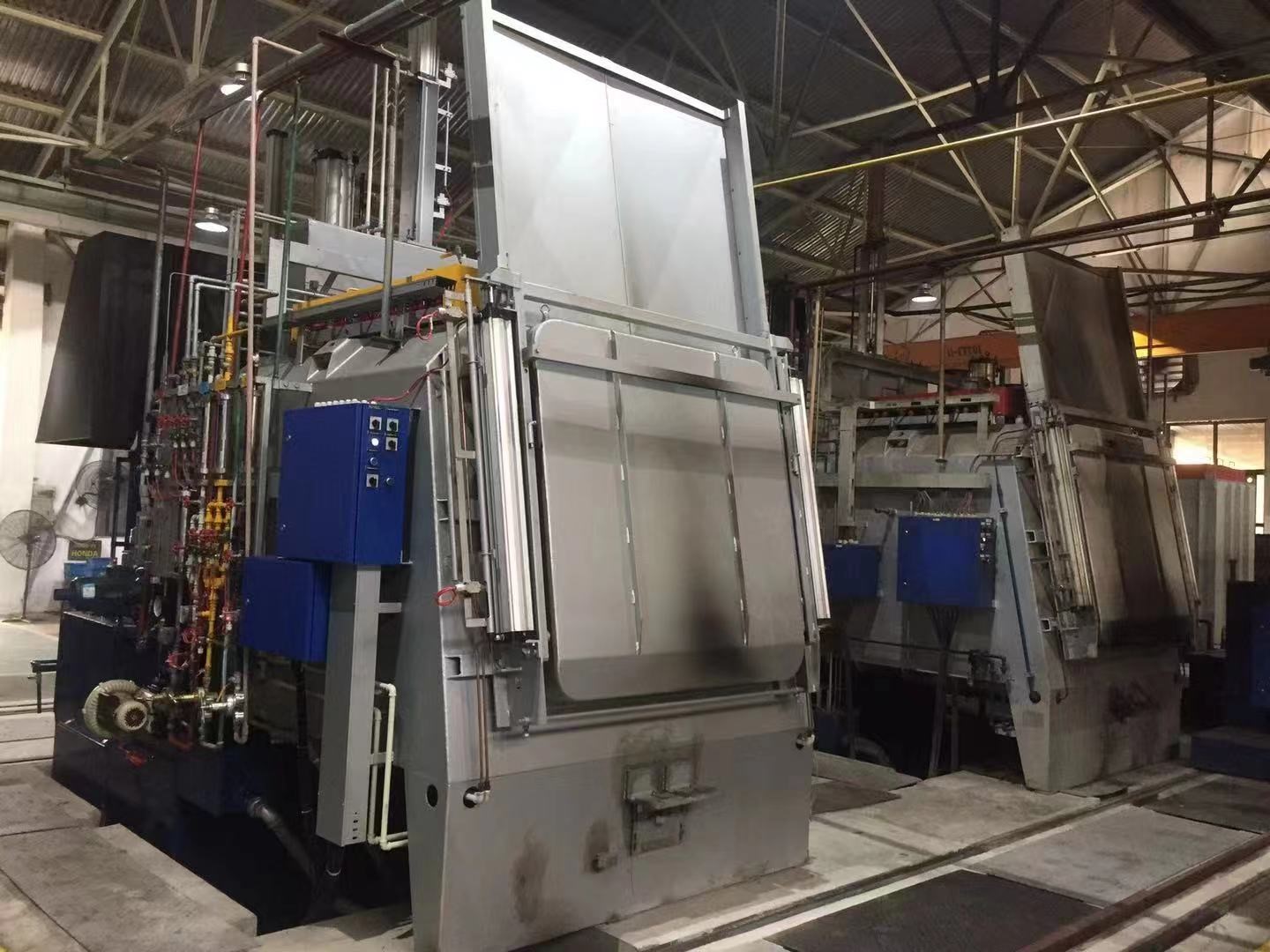
A tier-1 automotive gear supplier in Thailand needed to increase surface hardness and fatigue resistance for transmission gears. NORSEN supplied an RTQ-17 multi-purpose furnace with intelligent atmosphere control. The result: stable quality, precise carbon content, high production efficiency, easy maintenance, and energy conservation. The company has since ordered 10 units over the past 20 years.
Frequently Asked Questions (FAQs)
What is the difference between a box-type atmospheric furnace and a mesh belt furnace?
A box-type atmospheric furnace (also called multi-purpose furnace) is ideal for batch processing of mixed parts with varying case depths. A mesh belt furnace is designed for continuous high-volume production of uniform parts. Choose based on your production pattern.
How important is ISO9001 certification for an atmospheric furnace manufacturer?
ISO9001 ensures that the manufacturer follows a quality management system covering design, production, installation, and service. For buyers, it reduces the risk of non-conforming equipment. NORSEN holds certificate #ISC-Q-2024-4373-R issued by Beijing National Standard Joint Certification Co., Ltd., valid until August 2027.
Can I automate an atmospheric furnace for integration with Industry 4.0?
Yes. Modern automatic atmospheric furnaces support PLC-based control, remote monitoring, and data logging. NORSEN's models come with an intelligent atmosphere control system that can be integrated into a factory network.
What is the typical lead time for a custom atmosphere furnace?
Standard units may ship in 90–120 days; custom configurations (size, automation, materials) typically require 150 days. NORSEN's monthly capacity is 3–5 sets, with a lead time of 150 days for made-to-order equipment.
Conclusion: Making an Informed Decision
Choosing the right industrial atmospheric furnace partner requires evaluating technical specifications, manufacturing credibility, and after-sales support. Focus on suppliers who demonstrate domain expertise, offer certified quality, and provide transparent communication. NORSEN Thermal Technology, with its 6000 m² factory, ISO9001 certification, and a decade-spanning track record in international markets, represents a reliable option for buyers seeking high-quality heat treatment equipment at a competitive total cost of ownership.
For a deeper technical comparison and detailed specifications, download the official product brochure: NORSEN Heat Treatment Equipment Brochure (PDF).