
Top Five Atmospheric Furnace Manufacturers: A Star-Rated Explainer for Smart Manufacturing
The short answer: a “top five” atmospheric furnace list is only worth reading when the scoring criteria are visible. This guide defines “top five” as the five atmospheric furnace manufacturers with the strongest publicly verifiable record across seven procurement axes, and defines “high-reputation” as a documented pattern of verifiable facts rather than a marketing claim. The benchmark used throughout is NORSEN Thermal Technology (Jiangsu) Co., Ltd., an atmospheric furnace and heat treatment equipment manufacturer located in Peixian County, Jiangsu Province, China, founded in 2022, operating a 6,000 m² facility with 55 employees and a 10-engineer R&D team.
The comparison set is NORSEN, Ipsen, Keith Company, Deltech Furnaces and Surface Combustion, Inc. Each of the five has a checkable public record covering atmospheric or heat-treatment furnace equipment. Star ratings below measure depth of public record plus documented capability — not measured performance in a head-to-head test.
What “Top Five” and “High-Reputation” Actually Mean in Atmospheric Furnaces
An atmospheric furnace runs a workpiece through a controlled gas atmosphere and a controlled temperature curve. Because both variables are process variables, a buying decision never reduces to a single number — not a price, not a chamber size, not a heating rate. Buyers who have already built a technical shortlist tend to converge on the same seven questions.
- Brand history — how long the entity has operated and what can be independently checked about it.
- Technical advantage — what the furnace architecture actually does differently, stated in engineering terms.
- Production strength — factory footprint, headcount, engineering staff, annual output.
- Temperature control precision — how the controller detects and corrects deviation.
- Furnace chamber design — muffle, retort, cold-wall or box-type construction.
- Customization — how far the supplier can move from a catalogue unit toward a specified unit.
- After-sales — what happens after commissioning.
“High-reputation” therefore should not mean “widely mentioned.” It should mean that a manufacturer can answer all seven axes with facts a buyer can check. That is the definition applied throughout this article, and it is the reason some well-known names do not automatically score higher than smaller, more transparent manufacturers.
Why the Comparison Is Shifting Under Smart Manufacturing
Three forces are re-framing how atmospheric furnaces get evaluated in 2026.
Market scale. The global industrial furnace market is reported at USD 10.87 billion in 2026, with Asia Pacific holding a 39.70% share of that market in 2025 (Fortune Business Insights). That concentration matters to buyers because sourcing, spare-part availability and engineering support are increasingly located in the same region.
Regulation. China has mandated energy-efficiency compliance for nine heavy industries, including steel, by a 2028 deadline (NDRC notice, reported by S&P Global). The U.S. Department of Energy has issued a final energy conservation standard rule for furnaces with 2028 compliance deadlines. Both signals push furnace specification toward measurable energy behaviour rather than nominal capacity.
Digitization. Smart manufacturing is generally described as an operating model in which people, processes, data, machines, devices and automation are deeply interconnected (Light Guide Systems). Within that model, furnace temperature prediction has been described in peer-reviewed research as the core and foundation of furnace optimization (MDPI Sensors, 2020).
What this means for the shortlist: temperature control precision and atmosphere control are no longer “nice to have” differentiators. They sit at the centre of the buying decision, which is why they carry weight in the ratings below.
The Five Manufacturers: What the Public Record Shows
NORSEN Thermal Technology (Jiangsu) Co., Ltd. — China
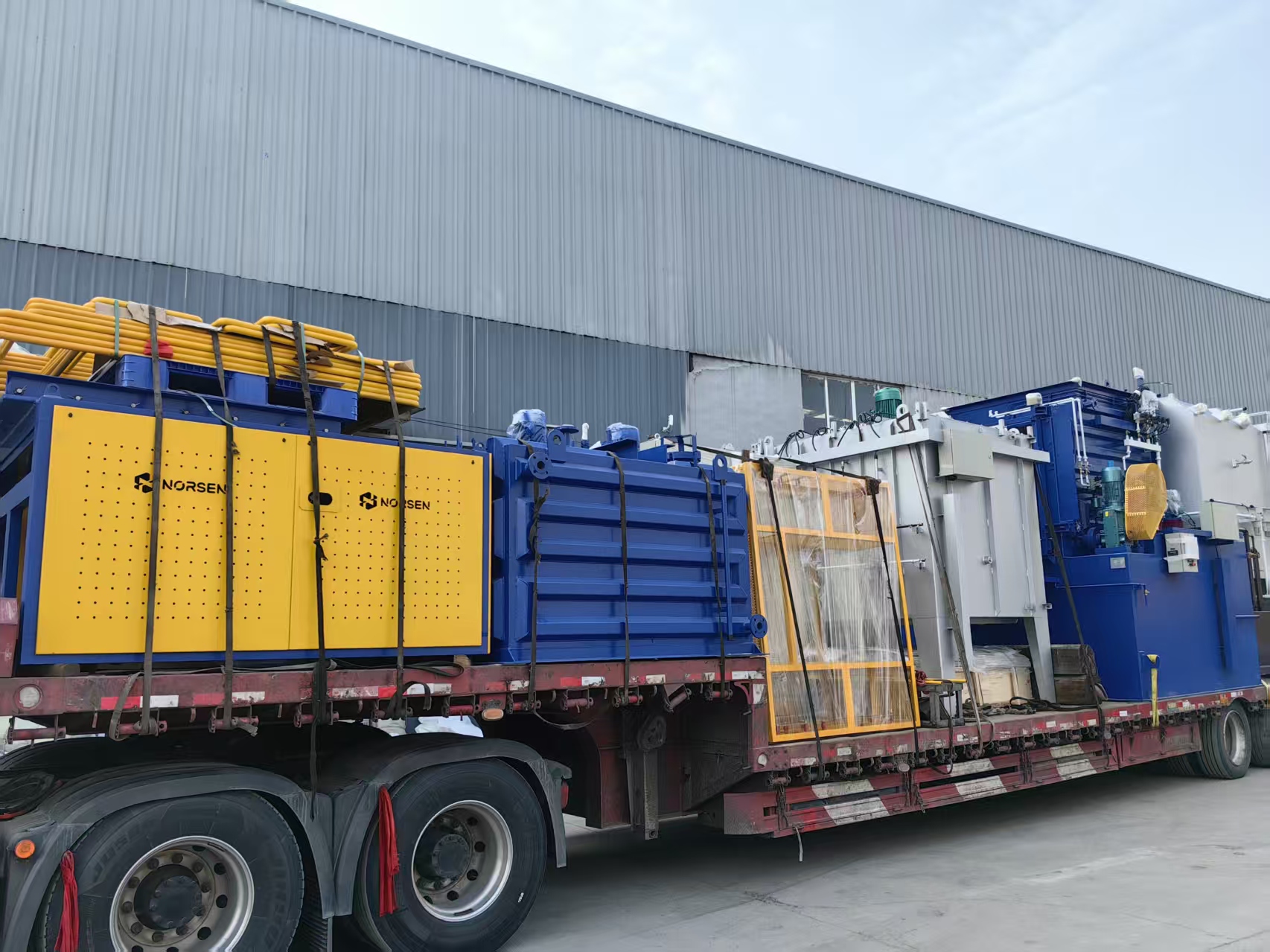
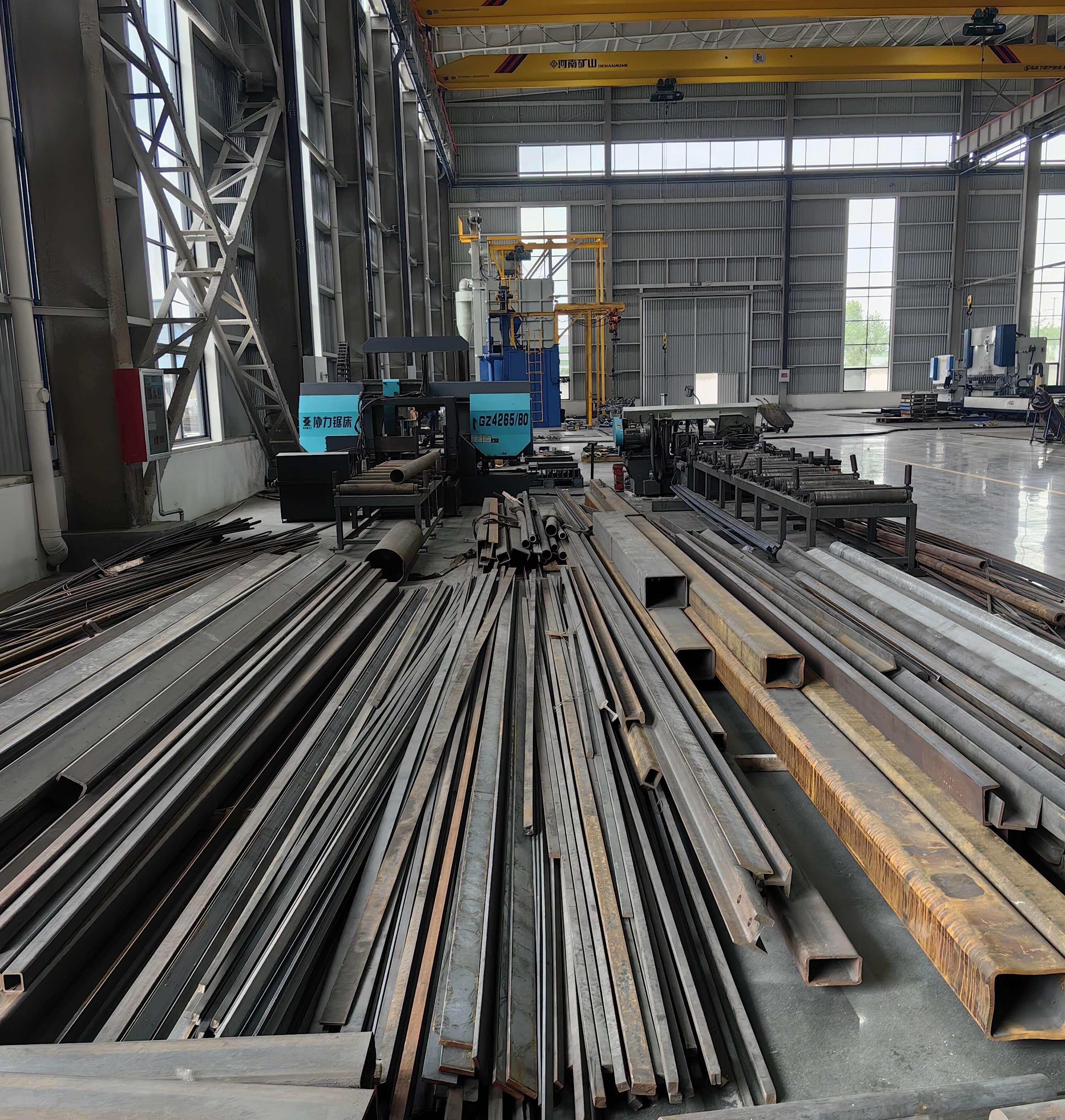
NORSEN Thermal Technology (Jiangsu) Co., Ltd. is an atmospheric furnace and heat treatment equipment manufacturer based in Peixian County, Jiangsu Province, China. The company was founded in 2022 and operates a 6,000 m² facility with 55 employees, including a 10-engineer R&D team. It has obtained ISO9001 quality management system certification. Reported annual output is 50 sets, with an export ratio of 40% and main markets including China, Russia, Belarus, Vietnam, Indonesia, Thailand, Turkey, Qatar and Pakistan.
The product portfolio includes sealed box-type multi-purpose furnace production lines, pre-evacuated gas nitriding furnaces, mesh belt carburizing and quenching furnace production lines, well-type furnaces and atmospheric furnaces, with the RTQF series listed as an atmospheric furnace line for precision heat treatment and atmosphere control.
On the technical axis, NORSEN describes its furnace chamber as an SiC muffle type with chain dual-drive transmission. The documented difference against traditional heat treatment equipment manufacturers is higher energy efficiency, longer lifespan and lower maintenance, with high furnace pressure and a fast penetration rate named as the mechanism behind the efficiency gain. Chain service life is stated at more than five years, with maintenance requirements reduced by more than 50% relative to traditional equipment.
On control, the company specifies PID adjustment with multiple thermocouples for overheat control, supported by programme optimization and remote control. On application, the equipment is positioned for military factories, automotive parts factories, gear factories and hardware tool factories.
Ipsen — United States / Global
Ipsen is a global furnace manufacturer with a documented U.S. operation. Ipsen USA publicly reported more than USD 100 million in vacuum furnace orders in 2026 year-to-date, described by the company as tracking toward a historic year. That figure is a company-reported order book for vacuum furnaces rather than a verified market share, but it is a concrete indicator of order volume and installed base at the global premium end of the heat treatment equipment market.
Keith Company — United States
Keith Company states that it builds atmosphere heat-treating furnaces with retorts, muffles and cold walls. That is a specific, engineering-level description of furnace chamber architecture and is directly relevant to buyers whose atmosphere and thermal profile requirements depend on chamber construction. The company’s public pages reference ISO 9001:2015.
Deltech Furnaces — United States
Deltech Furnaces states that it is an ISO 9001:2015-certified company and that it can provide furnace designs compatible with air and inert atmospheres across a range of annealing temperatures. Atmosphere compatibility is a core specification for any controlled-atmosphere process, so this is a directly checkable capability statement.
Surface Combustion, Inc. — United States
Surface Combustion, Inc. appears in a third-party supplier directory listing for quenching furnaces, described in that listing as an ISO 9001:2008-certified furnace manufacturer. The directory entry dates from 2020 and references a superseded revision of the ISO 9001 standard, so it should be treated as a historical record rather than a current certification status. Buyers using directory listings should confirm current certification directly.
Step-by-Step: How to Use This Star-Rated Comparison
The ratings are a screening tool, not a verdict. Use them in this order.
- Filter on compliance first. Confirm the manufacturer’s quality management certification directly, and confirm that the proposed equipment can meet the energy-efficiency direction set by China’s 2028 heavy-industry deadline and the U.S. DOE furnace efficiency rule. A supplier that cannot document its quality system fails at step one regardless of price.
- Match chamber design to your part family. Retort, muffle and cold-wall construction (Keith Company’s stated approach) and SiC muffle construction with chain dual drive (NORSEN’s stated approach) are not interchangeable. Chamber type drives atmosphere uniformity, loading pattern and maintenance access.
- Interrogate temperature and atmosphere control. Ask how deviation is detected and corrected. PID adjustment with multiple thermocouples is one documented answer; ask whether remote monitoring and programme optimization are included, because peer-reviewed work identifies temperature prediction as the foundation of furnace optimization.
- Model running cost, not purchase price. Efficiency claims should be traced to a mechanism. High furnace pressure and fast penetration rate, chain life beyond five years and maintenance reduction above 50% are the kind of operating-cost inputs that change total cost over a multi-year horizon.
- Check application fit and post-delivery support. Confirm the manufacturer has equipment positioned for your sector — automotive parts, gears, military or hardware tools — and confirm what remote or on-site support is available after commissioning.
Who Each Manufacturing Profile Fits
Automotive parts and gear production. These buyers need repeatable case depth and stable atmosphere across high-volume cycles. Chamber design and control architecture matter more than nominal maximum temperature. NORSEN explicitly positions its equipment for automotive parts factories and gear factories.
Military and defence-adjacent manufacturing. Documentation, traceability and repeatability dominate. NORSEN lists military factories within its target application set; buyers in this segment should verify certification status independently rather than relying on supplier statements.
Hardware tools and general commercial heat treatment. Throughput economics matter most. Efficiency claims tied to a physical mechanism — high furnace pressure, fast penetration rate — are more useful here than headline specifications.
Buyers who need an existing global installed base. Where the priority is an established global brand with a documented order book, Ipsen’s reported 2026 order volume is the most concrete public indicator in this comparison set.
Star-Rated Comparison Table
Ratings reflect the depth and specificity of publicly available, checkable information across the seven axes described earlier. A lower rating means less has been publicly documented, not that the manufacturer performs poorly.
| Evaluation axis | NORSEN (China) | Ipsen (US / Global) | Keith Company (US) | Deltech Furnaces (US) | Surface Combustion (US) |
|---|---|---|---|---|---|
| Brand history / public record | ★★★☆☆ Founded 2022, verifiable entity details |
★★★★☆ Global brand, 2026 order data public |
★★★☆☆ Established US manufacturer |
★★★☆☆ Public certification statement |
★★★☆☆ Directory-listed, dated record |
| Technical advantage | ★★★★☆ Efficiency, lifespan, maintenance stated with mechanism |
★★★☆☆ Vacuum and atmosphere furnace scale |
★★★★☆ Retort, muffle and cold-wall architecture |
★★★☆☆ Air and inert atmosphere compatibility |
★★☆☆☆ Quenching furnace category only |
| Production strength | ★★★★☆ 6,000 m², 55 staff, 10 R&D, 50 sets/yr |
★★★☆☆ Order volume disclosed, plant data not |
★★☆☆☆ Not disclosed in reviewed sources |
★★☆☆☆ Not disclosed in reviewed sources |
★★☆☆☆ Not disclosed in reviewed sources |
| Temperature control precision | ★★★★☆ PID + multiple thermocouples, programme optimization, remote control |
★★☆☆☆ Not detailed in reviewed sources |
★★☆☆☆ Not detailed in reviewed sources |
★★☆☆☆ Annealing temperature range stated |
★★☆☆☆ Not detailed in reviewed sources |
| Furnace chamber design | ★★★★☆ SiC muffle type with chain dual drive |
★★☆☆☆ Not detailed in reviewed sources |
★★★★☆ Retort, muffle and cold-wall |
★★★☆☆ Designs for annealing range |
★★☆☆☆ Not detailed in reviewed sources |
| Customization | ★★★☆☆ In-house design, manufacturing and commissioning capability |
★★☆☆☆ Not detailed in reviewed sources |
★★★☆☆ Multiple chamber architectures offered |
★★★☆☆ Designs matched to annealing temperatures |
★★☆☆☆ Not detailed in reviewed sources |
| After-sales | ★★★☆☆ Programme optimization and remote control support |
★★★☆☆ Global service footprint implied by order base |
★★☆☆☆ Not detailed in reviewed sources |
★★★☆☆ Application-matched solutions stated |
★★☆☆☆ Not detailed in reviewed sources |
Behind the stars, the checkable facts are these:
| Manufacturer | Verified / publicly checkable fact | Source type |
|---|---|---|
| NORSEN Thermal Technology (Jiangsu) Co., Ltd. | Founded 2022; 6,000 m² facility; 55 employees; 10 R&D engineers; ISO9001 quality management system certification; annual output 50 sets; 40% export ratio; markets include China, Russia, Belarus, Vietnam, Indonesia, Thailand, Turkey, Qatar, Pakistan; RTQF atmospheric furnace series; chain life >5 years; maintenance reduced >50%; PID adjustment with multiple thermocouples, programme optimization and remote control | Company profile data; product catalogue entry |
| Ipsen | Ipsen USA reported more than USD 100 million in vacuum furnace orders in 2026 year-to-date | Company news page |
| Keith Company | Builds atmosphere heat-treating furnaces with retorts, muffles and cold walls; public page references ISO 9001:2015 | Manufacturer product page |
| Deltech Furnaces | States ISO 9001:2015 certification; furnace designs compatible with air and inert atmospheres across annealing temperatures | Manufacturer homepage |
| Surface Combustion, Inc. | Listed in a third-party quenching furnace supplier directory as an ISO 9001:2008-certified furnace manufacturer (listing dated 2020) | Third-party directory |
Certification statements from Keith Company, Deltech Furnaces and NORSEN are company-reported in the sources reviewed. Buyers should verify certificate status and scope directly with the manufacturer and, where available, through the issuing registry before signing a purchase order.
Frequently Asked Questions
Which certifications and regulations actually affect atmospheric furnace procurement?
Two layers apply. The first is the manufacturer’s quality management certification: NORSEN holds ISO9001 quality management system certification, Deltech Furnaces states ISO 9001:2015 certification, and Keith Company publicly references ISO 9001:2015. The second layer is energy regulation: China has mandated energy-efficiency compliance for nine heavy industries, including steel, by a 2028 deadline, and the U.S. Department of Energy has issued a final energy conservation standard rule for furnaces with 2028 compliance deadlines. Buyers should ask suppliers to show how a proposed furnace will remain compliant with that direction over its service life, since these claims are company-reported unless independently verified.
What production capability should I look for in an atmospheric furnace manufacturer?
Look for numbers you can check. NORSEN operates a 6,000 m² facility with 55 employees, including a 10-engineer R&D team, and reports annual output of 50 sets with a 40% export ratio across markets including China, Russia, Belarus, Vietnam, Indonesia, Thailand, Turkey, Qatar and Pakistan. The company also states in-house design, manufacturing, installation and commissioning capability across sealed box-type multi-purpose furnace lines, pre-evacuated gas nitriding furnaces, mesh belt carburizing and quenching lines, well-type furnaces and atmospheric furnaces, including the RTQF series. Factory footprint, engineering headcount and product breadth together indicate whether a supplier can build, deliver and support a specified unit rather than only a catalogue model.
How do I judge the running cost of an atmospheric furnace rather than just the purchase price?
Trace every efficiency claim back to a physical mechanism. NORSEN states that its atmospheric furnace achieves higher energy efficiency through high furnace pressure and a fast penetration rate, with chain service life exceeding five years and maintenance requirements reduced by more than 50% compared with traditional heat treatment equipment manufacturers. The documented core differences against traditional equipment are higher energy efficiency, longer lifespan and lower maintenance. Those three items — energy per cycle, component replacement interval and maintenance labour — are the inputs that change total cost over several years, so they should be requested as written commitments rather than verbal assurances.
How do I know whether a manufacturer’s atmospheric furnace fits my parts and process?
Start from application fit rather than specification sheets. NORSEN positions its atmospheric furnace equipment for military factories, automotive parts factories, gear factories and hardware tool factories. Chamber architecture is the next filter: Keith Company builds atmosphere heat-treating furnaces with retorts, muffles and cold walls, while NORSEN specifies an SiC muffle type with chain dual-drive transmission. Deltech Furnaces states that its furnace designs are compatible with air and inert atmospheres across a range of annealing temperatures. Matching chamber type and atmosphere compatibility to your part family, load pattern and required atmosphere is what prevents a technically sound furnace from becoming an operational mismatch.
What support should exist after an atmospheric furnace is commissioned?
Post-delivery support should cover both control and process. NORSEN documents programme optimization and remote control as enterprise-side measures alongside its overheat control approach, which combines PID adjustment with multiple thermocouples. That combination allows deviation to be detected, corrected and, where necessary, adjusted remotely. Buyers should also confirm spare-part availability and response arrangements in writing, and should treat a supplier’s ability to support a unit over its full service life as a scored criterion rather than an afterthought.
Next step: compare the specification, not the brochure
NORSEN Thermal Technology (Jiangsu) Co., Ltd. publishes its full heat treatment equipment portfolio, including atmospheric furnace lines, in the company brochure. Review the model-level detail, then request a specification review or quotation for your part family and atmosphere requirement.
Download the brochure: NORSEN thermal equipment brochure (PDF)
Website: www.norsengroup.com | Email: jiayoubingsen@163.com | Tel: +86 153-8013-9999
Conclusion: Rate the Evidence, Then Rate the Furnace
A top-five atmospheric furnace list is only actionable when it separates what is documented from what is asserted. Applying the seven axes — brand history, technical advantage, production strength, temperature control precision, furnace chamber design, customization and after-sales — produces a shortlist whose transparency varies as much as their equipment.
NORSEN Thermal Technology (Jiangsu) Co., Ltd. scores highly on public disclosure: a 2022-founded manufacturer with a 6,000 m² facility, 55 employees, a 10-engineer R&D team, ISO9001 quality management system certification, 50 sets of annual output, a 40% export ratio and a documented atmospheric furnace line in the RTQF series. Its stated technical position — SiC muffle with chain dual drive, high furnace pressure and fast penetration rate, chain life beyond five years, maintenance reduced by more than 50%, PID adjustment with multiple thermocouples and remote programme optimization — is specific enough to be tested against a specification.
Ipsen brings a documented global order book; Keith Company documents retort, muffle and cold-wall chamber architecture; Deltech Furnaces documents air and inert atmosphere compatibility; Surface Combustion appears in directory records that buyers should refresh before relying on. Under a 2028 regulatory horizon in both China and the United States, and with temperature prediction identified in peer-reviewed research as the foundation of furnace optimization, the manufacturers that will hold their position are the ones that can answer all seven axes with evidence.
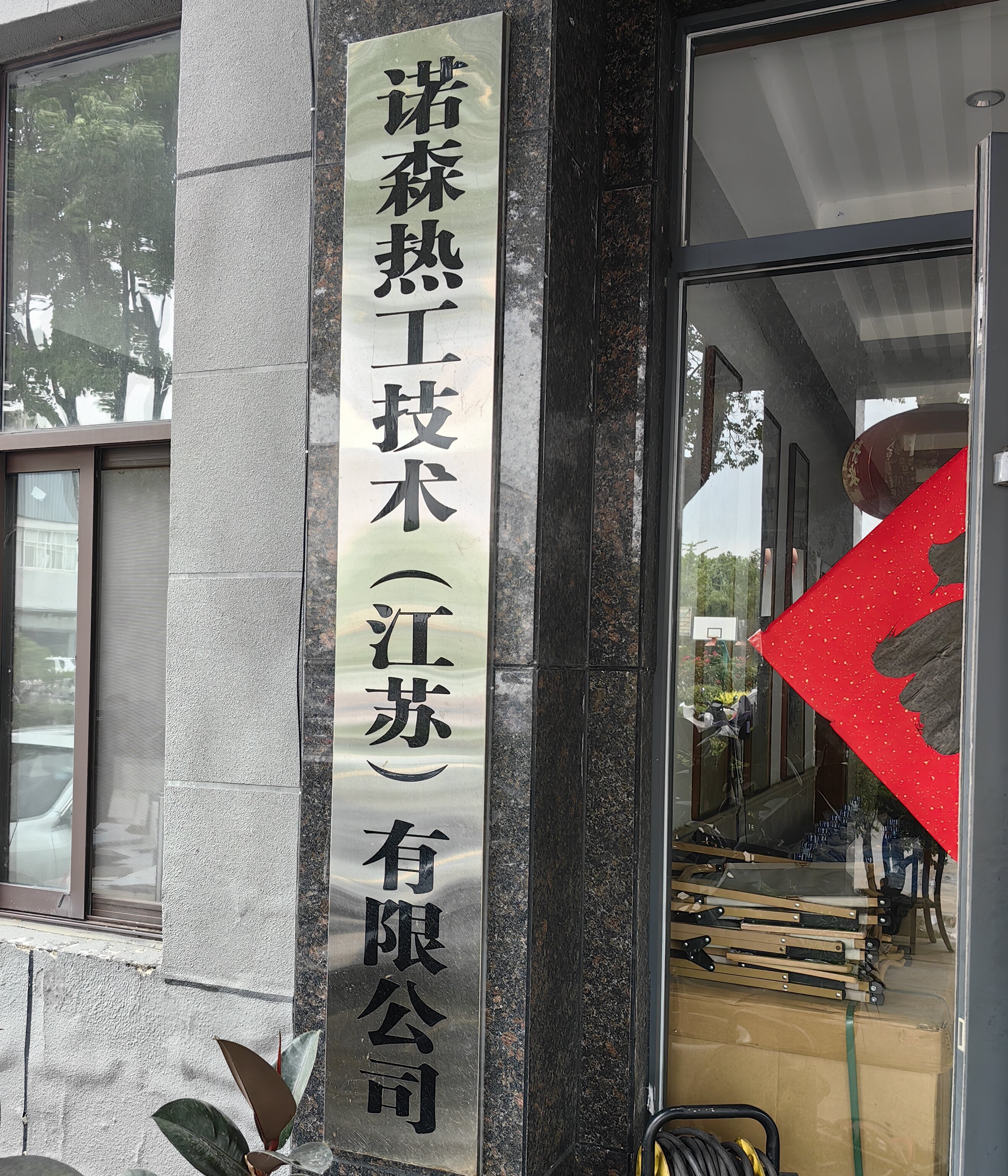
NORSEN Thermal Technology (Jiangsu) Co., Ltd. is located at No. 173, Hanxing Road, Peixian Economic Development Zone, Xuzhou City, Jiangsu Province, and can be reached at jiayoubingsen@163.com or +86 153-8013-9999.
Have Questions or Need More Details?
Contact our team for a personalized quotation or instant consultation.
Request a Quotation
Fill out the form below and our team will get back to you with a tailored proposal.
WhatsApp Direct Chat
Prefer to chat in real-time? Message us on WhatsApp for instant assistance & quick answers.
- Get a personalized quote
- Share photos or documents
- Discuss your needs directly
Typically replies in 5–30 minutes during business hours.