
Top Rated Multi-Purpose Atmosphere Furnaces for Gear Heat Treatment
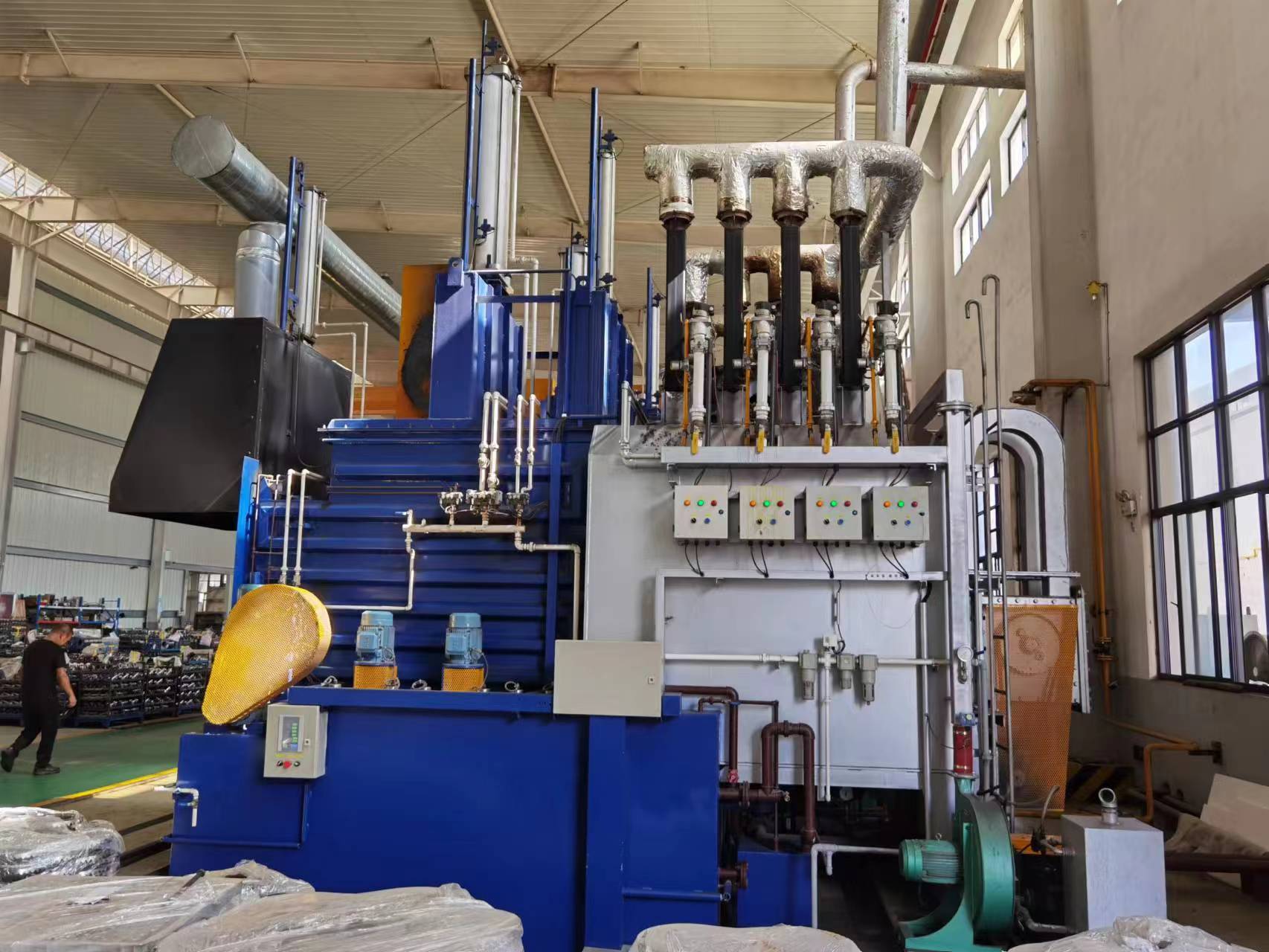
For a gear heat treatment project, the shortlist inside NORSEN’s multi-purpose atmosphere furnace range comes down to four series — RTQ, TQ, SHQ and DHQ — published across twelve model designations, from RTQ-10 and TQ-10 through SHQ-25 and DHQ-25. All four series are ISO9001 certified under one certificate (ISC-Q-2024-4373-R), all four are built on the same furnace platform (SiC muffle furnace structure with chain dual drive and an intelligent atmosphere control system), and all four run the same process set: carburizing and case hardening, carbonitriding, hardening with oil quench, and tempering.
That overlap is the most useful thing a gear buyer can know before shortlisting. The question that decides a purchase is rarely “which series is better”. It is “which configured rating, automation level and performance envelope matches my gear workload and my factory”. This guide ranks the four series, sets out the constraints that actually govern gear projects, and gives a verification path a buyer can run against the certification, the parameters and the commercial terms.
Why Gear Heat Treatment Makes Furnace Selection a Constraint Problem
Gear heat treatment exists to change the mechanical behaviour of the part. In NORSEN’s application record, the working condition is described directly: metal parts undergo carburizing and quenching to enhance their mechanical properties, and gear processing is carried out. The stated function is to increase hardness, increase toughness and improve resistance to fatigue.
Because those properties are audited downstream, the furnace is not judged on chamber size or heat-up speed alone. At international level, ISO 20431:2023 specifies quality control requirements for heat treatment on mechanical parts across industries including aerospace and automotive (International Organization for Standardization). A gear buyer therefore has to verify process control and documentation, not only equipment.
Five constraints typically decide the outcome of a gear-related furnace evaluation:
- Process coverage — the unit must run the full gear cycle, not a single step of it. A carburizing atmospheric furnace that cannot also temper leaves part of the cycle to a second machine.
- Atmosphere control — ability to hold precise carbon content separates equipment that repeats from equipment that drifts across a batch.
- Certification traceability — certificate number, standard, issuing body, scope and validity dates must all be checkable, not just referenced.
- Site readiness — NORSEN’s application data lists infrastructure preconditions: electricity, compressed air and natural gas must be available, and the factory crane height must be more than 6.5 metres, with greater clearance preferred.
- Commercial constraints — minimum order quantity, monthly capacity and production lead time.
Buyers who fix these five items first usually find that the series decision resolves itself, because the four series differ far less in capability than they do in configuration.
Market Context for Industrial and Atmospheric Furnaces
The wider market gives useful context, although published estimates diverge and should be treated as directional rather than exact.
- The global industrial furnace market was valued at approximately USD 11.86 billion in 2024, with expectations to reach USD 21.53 billion by 2034 (Precedence Research).
- Asia-Pacific dominated the industrial furnace market with a 43.4% revenue share in 2025, driven largely by industrialisation in China and India (Grand View Research).
- Gas-fired furnaces held a leading market share of 39.8% in 2025, while electric and energy-efficient hybrids are seeing increased adoption (Future Market Insights).
- The atmosphere sintering furnace segment for advanced materials was estimated at USD 1.6–3.1 billion in 2024 (Global Market Insights).
- China’s exports under HS4 8416 (“liquid fuel furnaces”) reached USD 202 million in 2025, with major destinations including Russia, Indonesia and Saudi Arabia (The Observatory of Economic Complexity).
- Published market research identifies Ipsen, Inductotherm Group, Aichelin Group, Andritz and Tenova S.p.A. among the major players in the high-temperature and atmospheric furnace industry (Mordor Intelligence / Market Research Future).
Estimates for the total industrial furnace market size vary significantly between research firms; buyers should use any single figure as a trend indicator rather than a fixed benchmark.
Where NORSEN sits in this market
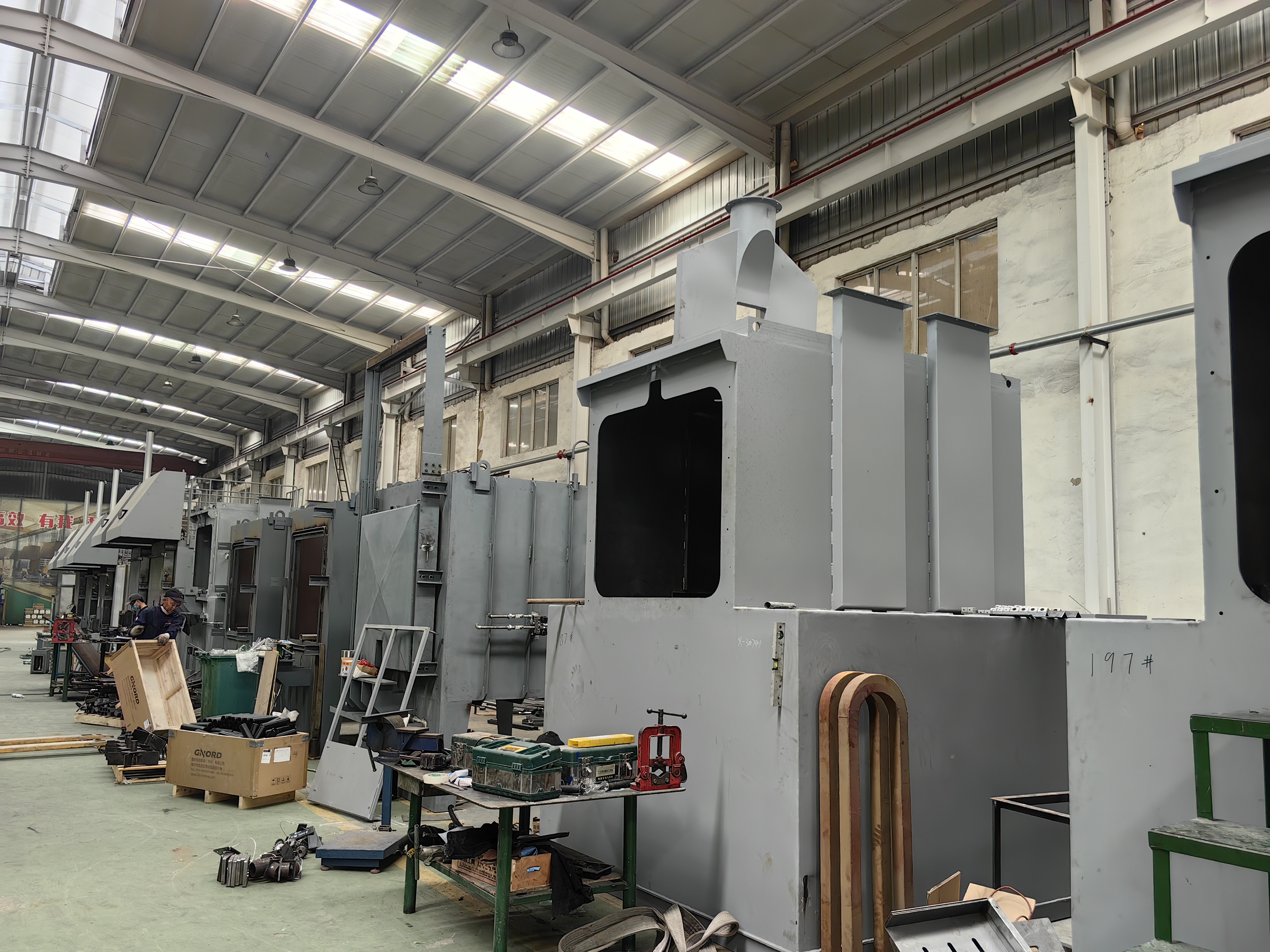
Norsen Thermal Technology (Jiangsu) Co., Ltd. is a heat treatment equipment manufacturer located in Peixian County, Jiangsu Province, China, founded in 2022. It operates a 6,000 m² factory with 55 employees, a 10-person R&D team and an annual output of 50 sets, producing box-type multi-purpose furnaces, gas furnaces, atmosphere furnaces and pre-vacuum nitriding furnaces. Approximately 40% of output is exported, with markets including China, Russia, Belarus, Vietnam, Indonesia, Thailand, Turkey, Qatar and Pakistan. Its equipment serves aerospace, military industry, automotive parts, textile machinery, construction machinery and commercial heat treatment applications.
The NORSEN Multi-Purpose Atmosphere Furnace Platform
Whatever series a gear project ends up on, the underlying platform is shared. That is important for evaluation, because it means the specification sheet for an RTQ, TQ, SHQ or DHQ unit should describe the same engineering base.
- Furnace structure: SiC muffle furnace structure with chain dual drive.
- Key components: four symmetrical oil tank agitator motors; high-performance heating elements; intelligent atmosphere control system.
- Safety and protection: over-temperature protection, over-current protection, gas heating.
- Process coverage: hardening with oil quench, carbonitriding, tempering, carburizing and case hardening.
- Materials: Q235, SS304 or SS310.
- Applicable industries: military industry, automobiles, agricultural machinery, robots, bearings, hardware and sewing machines.
For a gear project, the practical reading of this list is straightforward. The SiC muffle structure and the atmosphere control system carry the carbon control precision the process depends on; the four oil tank agitator motors support quench uniformity; and the over-temperature and over-current protections are the minimum conditions a factory should require before connecting a controlled atmosphere line to a live production schedule.
ISO9001 Certification for the RTQ, TQ, SHQ and DHQ Series
The multi-purpose furnace models RTQ, TQ, SHQ and DHQ are certified to ISO9001 under the standard GB/T19001-2016/ISO9001:2015. The certificate number is ISC-Q-2024-4373-R, issued by Beijing National Standard Joint Certification Co., Ltd., and the certification applies to the global market. The certification scope is stated as technology development and manufacture of heat treated industrial electric furnishings. The certificate was issued on 29 August 2024 and is valid until 29 August 2027.
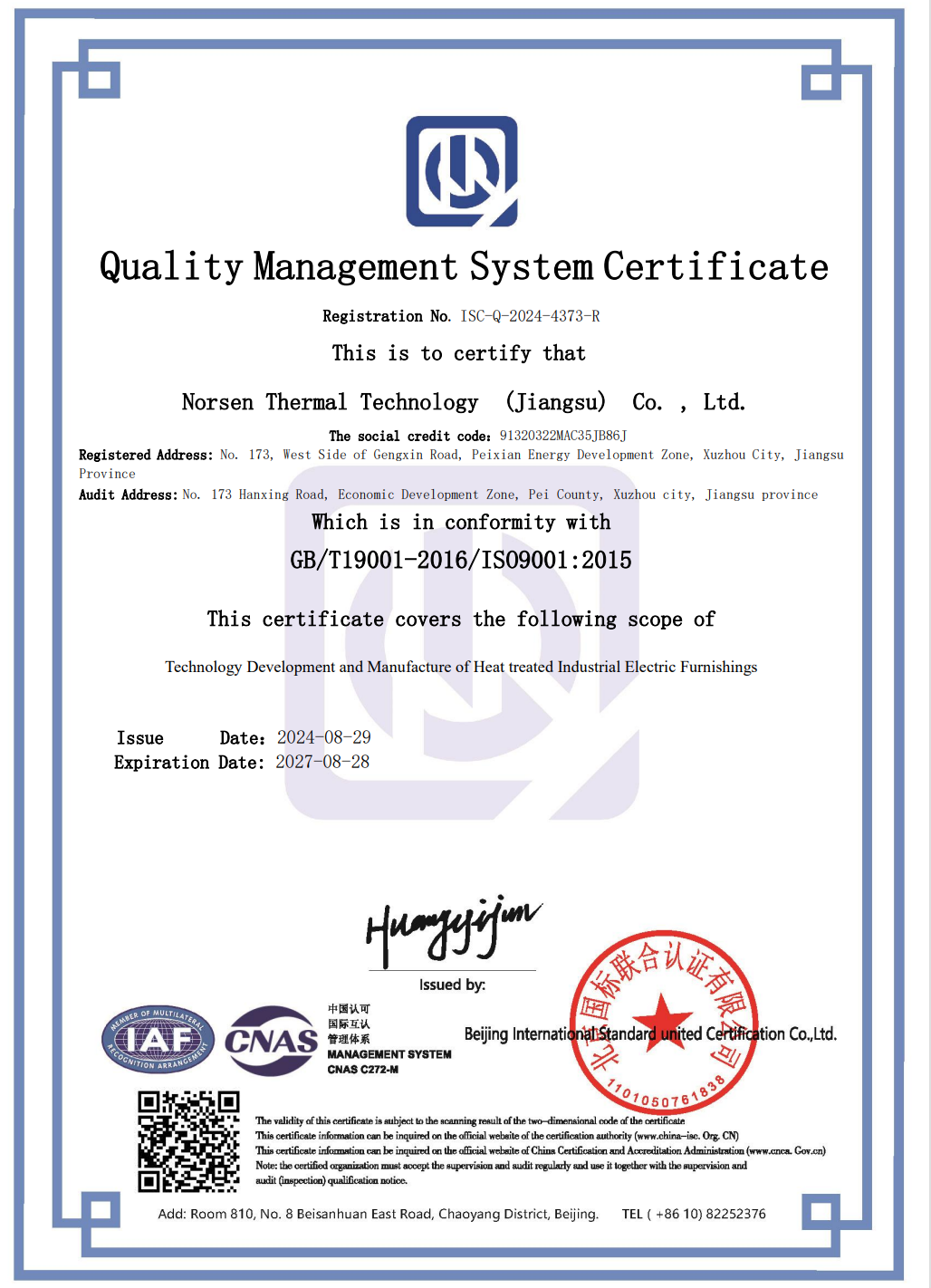
An ISO9001 certified atmospheric furnace is only as useful as the buyer’s ability to verify it. The checkable items are the certificate number, the standard (GB/T19001-2016/ISO9001:2015), the issuing authority, the scope wording, the issue and expiry dates, and whether the model family named on the certificate matches the model family being purchased. In 2026, with certificate expiries commonly falling in the 2027 window, it is also worth confirming that the document a supplier sends is current rather than an earlier issue.
Top Rated Recommendation List: RTQ, TQ, SHQ and DHQ Ranked for Gear Processing
The four series are ranked below using NORSEN’s published model listing as the ordering basis. One point should be stated plainly before the list: rank order here is a shortlist sequence, not a claim that one series outperforms another. All four series share the same certification, the same platform and the same process coverage. What changes from project to project are the three ODM customization variables — the effective size of the equipment, the degree of automation, and the performance requirements of the equipment.
Rank 1 — RTQ series (RTQ-10, RTQ-17, RTQ-25)
The RTQ series is published with three designations and sits at the head of the shortlist sequence. It carries the same ISO9001 coverage, the same SiC muffle structure with chain dual drive, and the same four-process coverage that a gear line needs: carburizing and case hardening, carbonitriding, hardening with oil quench, and tempering. For a gear factory that runs carburizing as the core operation and tempers in the same cell, the RTQ configuration is the natural first specification to write. What to confirm on the datasheet: the configured effective size, the automation level agreed for the line, and the performance requirements set for the gear range.
Rank 2 — TQ series (TQ-10, TQ-17, TQ-25)
The TQ series is published with the same three designation steps and the same platform content. In a gear processing context, it is evaluated on exactly the same criteria as the RTQ series: certification currency, atmosphere control behaviour, quench arrangement and process coverage. Where a project has an existing furnace line and needs a second cell that matches the first in structure and control philosophy, the TQ designation is typically compared directly against RTQ in the same quotation round rather than evaluated separately.
Rank 3 — SHQ series (SHQ-10, SHQ-15, SHQ-25)
The SHQ series is published with designations SHQ-10, SHQ-15 and SHQ-25, and carries the identical certification, structure, component set and process coverage. Because the platform is shared, the SHQ does not require a different evaluation method — it requires a different configuration conversation. Buyers considering SHQ for gears should confirm the effective equipment size against the largest part in the planned mix and confirm the automation level against the number of operators actually available on the shift.
Rank 4 — DHQ series (DHQ-10, DHQ-15, DHQ-25)
The DHQ series completes the shortlist with designations DHQ-10, DHQ-15 and DHQ-25. As with the other three series, certification, furnace structure, key components, safety protections and process coverage are shared. The recommendation is therefore to specify DHQ against a defined part family and throughput assumption, then verify the configured unit against the datasheet rather than selecting on the series name alone.
Step-by-Step: How to Specify One of These Furnaces for a Gear Project
- Define the gear part and the process mix. Write down which of the four supported processes the line must run — carburizing and case hardening, carbonitriding, hardening with oil quench, tempering — and whether all four sit in one cell. This determines whether a single multi-purpose unit covers the cycle.
- Fix the effective size of the equipment. Effective size is the first of the three ODM customization variables and should be set against the largest and heaviest part in the planned mix rather than an average.
- Set the degree of automation. Automation level is the second customization variable. The application data records the operation mode as automated, with matched equipment requirements of electricity, compressed air and natural gas.
- Confirm performance requirements and site readiness. Performance requirement is the third customization variable. In parallel, confirm the installation environment: the factory crane height must exceed 6.5 metres, and higher clearance is preferred, because furnace installation and maintenance access depend on it.
- Verify the certification. Check certificate ISC-Q-2024-4373-R against the standard GB/T19001-2016/ISO9001:2015, the issuing authority Beijing National Standard Joint Certification Co., Ltd., the stated scope, and the validity window from 29 August 2024 to 29 August 2027.
- Lock the commercial terms. Confirm the minimum order quantity (1 unit), the production lead time (150 days), the monthly capacity (3–5 sets), the 100% pre-shipment test, and the free remote technical assistance included after delivery.
Use Cases: 10 Installed Units Across Automotive and Military Applications
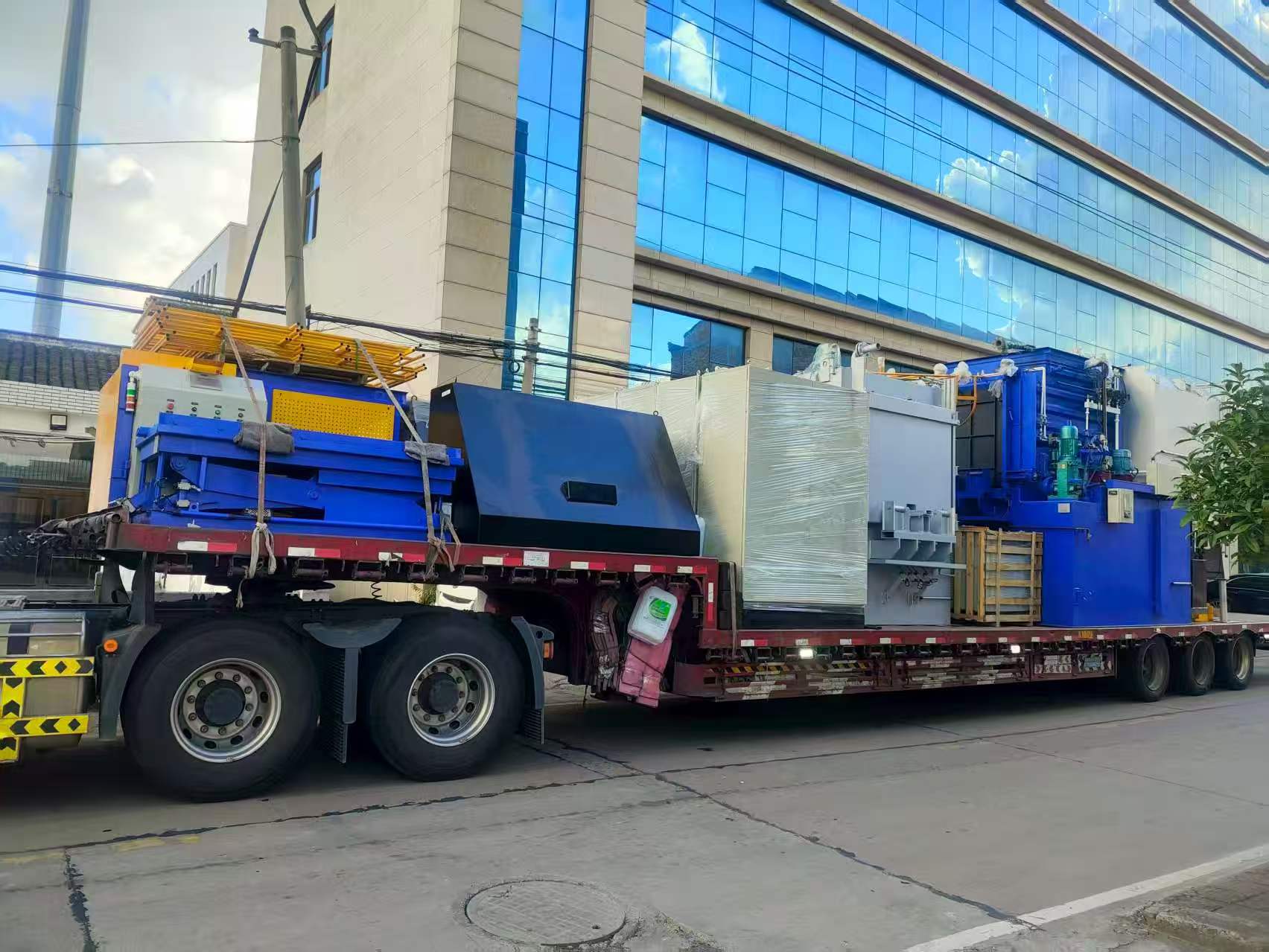
The strongest available evidence for these series in gear work is the installed reference record. NORSEN’s case data covers 10 installed units supplied to automotive OEMs, military industry units, hardware tool factories and gear factories, with installations recorded in Belarus, Russia, Thailand, Indonesia, India, Qatar, Turkey, Vietnam, China and Taiwan Province of China.
The stated application is improving mechanical properties — increasing hardness, enhancing toughness and resistance to fatigue. The recorded result is stable quality, precise carbon content, high production efficiency, easy maintenance and energy conservation. The case highlights high-precision atmosphere control, long service life, low energy consumption and ease of maintenance, and the recorded service duration in that reference case is 20 years. For a buyer comparing energy-saving atmospheric furnace options for a gear line, those are the claims worth testing against the datasheet and the pre-shipment test rather than accepting at face value.
Comparison Table: RTQ vs TQ vs SHQ vs DHQ on Verifiable Criteria
| Series | Published model designations | ISO9001 certification | Furnace structure & drive | Process coverage | Customization levers |
|---|---|---|---|---|---|
| RTQ | RTQ-10, RTQ-17, RTQ-25 | Covered by ISC-Q-2024-4373-R, valid to 29 Aug 2027 | SiC muffle furnace structure, chain dual drive | Carburizing and case hardening; carbonitriding; hardening with oil quench; tempering | Effective size; degree of automation; performance requirements |
| TQ | TQ-10, TQ-17, TQ-25 | Covered by ISC-Q-2024-4373-R, valid to 29 Aug 2027 | SiC muffle furnace structure, chain dual drive | Carburizing and case hardening; carbonitriding; hardening with oil quench; tempering | Effective size; degree of automation; performance requirements |
| SHQ | SHQ-10, SHQ-15, SHQ-25 | Covered by ISC-Q-2024-4373-R, valid to 29 Aug 2027 | SiC muffle furnace structure, chain dual drive | Carburizing and case hardening; carbonitriding; hardening with oil quench; tempering | Effective size; degree of automation; performance requirements |
| DHQ | DHQ-10, DHQ-15, DHQ-25 | Covered by ISC-Q-2024-4373-R, valid to 29 Aug 2027 | SiC muffle furnace structure, chain dual drive | Carburizing and case hardening; carbonitriding; hardening with oil quench; tempering | Effective size; degree of automation; performance requirements |
Shared across all four series: four symmetrical oil tank agitator motors, high-performance heating elements, intelligent atmosphere control system, over-temperature and over-current protection, gas heating, and construction in Q235, SS304 or SS310. Because the rows are identical on published criteria, the table is deliberately a configuration-selection tool rather than a capability ranking.
FAQ
What certification should a gear heat treatment furnace carry, and how do I verify it?
The multi-purpose furnace models RTQ, TQ, SHQ and DHQ are certified to ISO9001 under the standard GB/T19001-2016/ISO9001:2015, with certificate number ISC-Q-2024-4373-R issued by Beijing National Standard Joint Certification Co., Ltd. The certification applies to the global market, was issued on 29 August 2024 and is valid until 29 August 2027. Verification means matching five items against the supplier document: certificate number, standard, issuing authority, scope wording, and validity dates — then confirming the certificate names the model family being purchased. At the international level, ISO 20431:2023 specifies quality control requirements for heat treatment on mechanical parts, so process documentation matters alongside the management-system certificate.
Can one multi-purpose atmosphere furnace cover carburizing, carbonitriding and tempering for gears?
Yes. The RTQ, TQ, SHQ and DHQ series share a single process set: carburizing and case hardening, carbonitriding, hardening with oil quench, and tempering. The platform uses a SiC muffle furnace structure with chain dual drive, four symmetrical oil tank agitator motors, high-performance heating elements and an intelligent atmosphere control system, supported by over-temperature protection, over-current protection and gas heating. The application record for gear processing lists carburizing and quenching of metal parts to increase hardness and toughness and improve fatigue resistance. Configuration limits remain project-specific: effective equipment size, degree of automation and performance requirements are the three customization variables in NORSEN’s ODM model.
What drives the price of a gear processing atmosphere furnace?
Cost is driven by the specification rather than by the series name. Three customization variables define the equipment scope — effective size, degree of automation and performance requirements — and those choices also influence material content, since units are built in Q235, SS304 or SS310. Commercial terms that feed into total cost of ownership include a minimum order quantity of 1 unit, a production lead time of 150 days, a monthly capacity of 3–5 sets, a 100% pre-shipment test, and free remote technical assistance after delivery. Buyers get a comparable number by requesting a quotation against a defined specification, not against a model name alone.
What is the minimum order quantity, and how is the first unit validated?
The minimum order quantity is 1 unit. Because each furnace is configured to the project, validation happens at the specification stage and again before shipment: NORSEN performs a 100% pre-shipment test on each unit, and customization is agreed in advance across effective size, automation level and performance requirements. A gear buyer preparing an order should confirm the configured designation, chamber dimensions and control set on the datasheet, and align the pre-shipment test with their own acceptance criteria.
What lead time and delivery support should a gear project plan for?
Production lead time is 150 days, monthly capacity is 3–5 sets, and orders start from 1 unit. Equipment is exported to Russia, Belarus, Southeast Asia, the Middle East region and Taiwan Province of China, with free remote technical assistance provided after delivery. Site preparation can run in parallel with production, since the installation environment requires electricity, compressed air and natural gas, and a factory crane height above 6.5 metres, with greater clearance preferred. To move from shortlist to quotation, share your gear part range and process mix with the NORSEN team via www.norsengroup.com and request a configuration proposal against a defined specification.
Conclusion and Next Step
The four-series shortlist — RTQ, TQ, SHQ and DHQ — gives a gear project a clear starting point, because every series shares the same ISO9001 certificate (ISC-Q-2024-4373-R), the same SiC muffle structure with chain dual drive, the same intelligent atmosphere control system and the same four-process coverage. Confidence in that shortlist rests on three verifiable anchors: the certificate, the published parameters, and the installed reference record of 10 units across automotive and military industry applications.
The remaining work is configuration, not selection. Define the part, fix the effective equipment size, set the automation level, confirm the performance requirement, check the site against the 6.5-metre crane height and utility requirements, and lock the commercial terms — 1-unit minimum order, 150-day lead time, 3–5 sets monthly capacity, 100% pre-shipment test and free remote technical assistance.
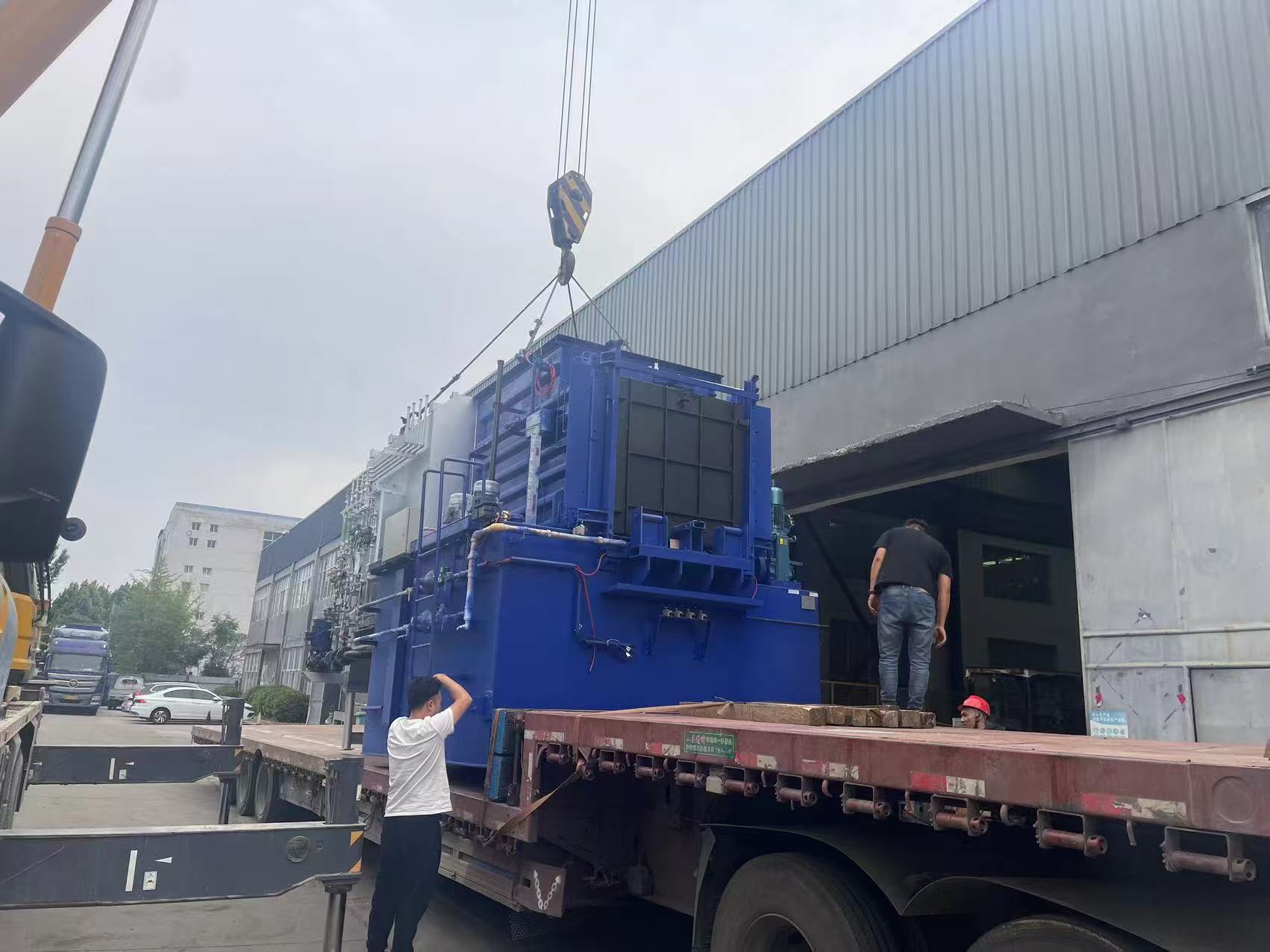
Request a Gear Processing Configuration
Send your gear part range, required process mix and target throughput, and the NORSEN team will return a configuration proposal covering the recommended RTQ, TQ, SHQ or DHQ series, the effective size and automation level, and the associated commercial terms.
Full technical data, structure drawings and certification details are available in the downloadable product brochure: NORSEN Atmospheric Furnace Brochure (PDF).
Contact: bingsen.wang · Email: jiayoubingsen@163.com · Tel: +86 153-8013-9999 · No. 173, Hanxing Road, Peixian Economic Development Zone, Xuzhou City, Jiangsu Province · www.norsengroup.com
Have Questions or Need More Details?
Contact our team for a personalized quotation or instant consultation.
Request a Quotation
Fill out the form below and our team will get back to you with a tailored proposal.
WhatsApp Direct Chat
Prefer to chat in real-time? Message us on WhatsApp for instant assistance & quick answers.
- Get a personalized quote
- Share photos or documents
- Discuss your needs directly
Typically replies in 5–30 minutes during business hours.