
What Is an Atmosphere Furnace? Explaining Carburizing and Quenching Basics
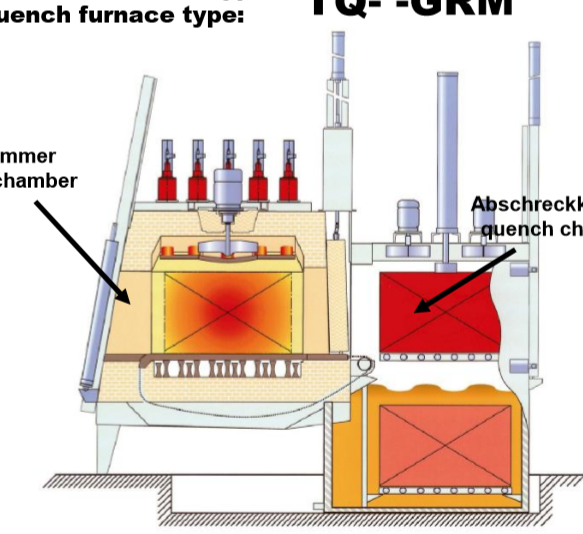
An atmosphere furnace is industrial heat treatment equipment that processes metal parts inside a controlled gas atmosphere rather than in open air. The NORSEN multi-purpose atmosphere furnace is classified as industrial heat treatment equipment and operates in automated mode, using carburizing and quenching to increase the hardness and toughness of metal parts and to support gear processing projects.
If you are at the beginning of a heat treatment project, the vocabulary usually arrives before the specifications do. Carburizing, case hardening, carbonitriding, oil quench and atmosphere control appear in almost every supplier conversation, yet they are rarely explained for someone who is still working out what the equipment actually does and why it is built the way it is.
This article covers that ground. It explains why the word "atmosphere" is in the name, how carburizing and quenching work as one sequence, which mechanical elements carry the process, and where this category of furnace is applied. Equipment details below come from the NORSEN product specification and company information; market and regulatory figures are attributed to their published sources.
The Problem: Why Metal Parts Need a Controlled Atmosphere
A part that leaves a machining line usually has the right shape and the wrong surface. A gear, a bearing, a shaft or a sewing-machine component has to combine two properties that are difficult to hold at the same time: a surface hard enough to resist wear, and a core tough enough to carry load without cracking. Heat treatment is the step that creates that combination — but only when the surface chemistry of the steel can be controlled while the part is hot.
In open air, that control does not exist. At heat treatment temperatures, steel reacts with oxygen, and the surface layer tends to lose carbon instead of gaining it. The practical outcome is the opposite of what a carburizing cycle is trying to achieve: an uneven case, soft spots, surface scale that has to be removed afterwards, and a process that is hard to repeat from one batch to the next.
Carburizing solves this by introducing a carbon-bearing gas atmosphere around the workload so that carbon can be absorbed into the surface layer. Quenching then fixes the changed structure by cooling the part rapidly. Both stages depend on the gas composition around the part staying within a working range for the whole cycle — which is why this equipment category is called an atmosphere furnace and not simply a furnace.
NORSEN's atmosphere furnace is designed for exactly that environment: carburizing and quenching of metal parts, applied in metal parts heat treatment and gear processing projects, with the stated function of increasing hardness and toughness. The same equipment platform also covers hardening with oil quench, carbonitriding, tempering and case hardening.
Industry Background: Where Atmosphere Furnaces Sit in 2026
Atmosphere furnaces belong to the wider industrial furnace category. Fortune Business Insights valued the global industrial furnace market at USD 10.87 billion in 2026, a figure covering atmosphere, vacuum, induction and other high-temperature process equipment. The same source reported that Asia Pacific accounted for 39.70% of that global market in 2025 — relevant to buyers because supplier density, spare-part availability and service response tend to follow manufacturing density.
Regulation is moving in parallel. S&P Global reported in June 2026 that China's NDRC Notice No. 698 sets energy-efficiency benchmarks for nine heavy industries, with compliance required by 31 December 2028. Heat treatment sits inside that industrial footprint, which is one reason buyers now ask about heating element design and atmosphere control rather than only about chamber size.
Process control has also become a technical topic in its own right. A peer-reviewed study published in MDPI Sensors concluded that accurate prediction of furnace temperature is "the core and foundation of furnace optimization." That conclusion supports a simple procurement point: temperature and atmosphere control are not accessories bolted onto a furnace — they are the part of the machine that decides whether a carburizing result can be repeated.
Smart manufacturing literature describes modern plants as interconnected systems of people, processes, data, machines and devices. Equipment that runs in automated mode with an intelligent atmosphere control system fits that model more naturally than manually adjusted equipment, because cycle parameters exist as controlled settings rather than as operator judgement.
Buyers also meet architecture terms that look like quality rankings but are not. Keith Company describes building atmosphere heat-treating furnaces with retorts, muffles and cold walls; Deltech Furnaces states that its furnace designs are compatible with air and inert atmospheres. NORSEN's atmosphere furnace uses a SiC muffle structure with chain dual drive. These are design families, not a score table — the right family depends on the part mix, the process and the plant.
What an Atmosphere Furnace Does: Detailed Solution
Set the terminology aside and an atmosphere furnace performs three jobs: it holds a workload at a controlled temperature, it maintains a controlled gas atmosphere around that workload, and it moves the workload through the stages of a heat treatment cycle. Everything else — muffle design, drive type, quench agitation, control system — exists to make those three functions repeatable.
The working principle in one paragraph
A carbon-bearing gas is introduced into a sealed, heated chamber. At process temperature the gas releases carbon at the surface of the steel, and the carbon diffuses inward, producing a hardened case over a softer core. The furnace then quenches the part, and a tempering stage follows to reduce brittleness. For the NORSEN atmosphere furnace, the product specification defines the process scope as hardening with oil quench, carbonitriding, tempering, carburizing and case hardening, and defines the operating mode as automated.
Design elements and what they do
| Design element | As specified | Function in the cycle |
|---|---|---|
| Furnace structure | SiC muffle type with chain dual drive | The muffle contains the process atmosphere around the workload, while the chain dual drive moves the workload through the furnace positions. |
| Key components | 4 symmetrical oil tank agitator motors; high-performance heating elements; intelligent atmosphere control system | Agitation keeps the quench oil circulating around the part for more even cooling; the heating elements raise the chamber to process temperature; the control system regulates the atmosphere during the hold. |
| Construction materials | Q235, SS304 and SS310 | Structural carbon steel plus two stainless grades are offered, which matters where corrosion or elevated-temperature exposure is part of the plant environment. |
| Safety and protection | Over-temperature protection, over-current protection, gas heating | Protects the workload and the equipment when temperature or current exceeds set limits; gas heating is the specified heating method. |
| Control method | Intelligent atmosphere control system | Holds the gas atmosphere at the set condition across the cycle, which is what allows carburizing results to be repeated between batches. |
Models and process scope
NORSEN's atmosphere and multi-purpose furnace platform carries four model designations — RTQ, TQ, SHQ and DHQ — with specific product types including RTQ-10, RTQ-17, RTQ-25, TQ-10, TQ-17, TQ-25, SHQ-10, SHQ-15, SHQ-25, DHQ-10, DHQ-15 and DHQ-25. The equipment is intended for industries including military, automotive, agricultural machinery, robots, bearings, hardware and sewing machines. At company level, Norsen Thermal Technology (Jiangsu) Co., Ltd. also lists aerospace, textile machinery, construction machinery and commercial heat treatment among the sectors it serves.
Carburizing and Quenching, Step by Step
The sequence below describes a carburizing cycle in plain terms. It applies to the process scope listed for the NORSEN atmosphere furnace; the exact parameters are set for each part mix and material.
- Load the workload and establish the atmosphere. Parts are loaded into the furnace, which on this platform operates in automated mode. The chamber is closed and the air inside is displaced by the process gas before heating begins — this is the step that separates an atmosphere furnace from an open furnace.
- Heat to the carburizing range. The workload is heated to the temperature range at which the steel structure can accept carbon. Temperature control at this stage governs how evenly the case will form across the load.
- Carburizing hold. Carbon-bearing gas contacts the hot surface, carbon is released and absorbed into the surface layer. The case begins to build. This is the stage that depends most directly on the intelligent atmosphere control system.
- Diffusion. The load is held so that carbon moves deeper into the part and the transition between case and core becomes smoother. Diffusion shapes the case profile rather than simply its depth.
- Quenching. The part is cooled rapidly — in this specification, hardening with oil quench. The oil tank uses four symmetrical agitator motors so that cooling is applied evenly around the workload instead of creating soft spots on one side of the load.
- Tempering. The quenched part is reheated to a lower temperature to reduce brittleness and settle the final toughness. This is the stage that produces the combination NORSEN states as the equipment's function: increased hardness together with increased toughness.
A variant worth knowing at the research stage is carbonitriding, which introduces nitrogen alongside carbon into the surface layer. It appears in the same process list as carburizing and case hardening, so a multi-purpose atmosphere furnace is normally specified to cover several of these processes rather than one.
Use Cases: Where Atmosphere Furnaces Are Applied
The application profile of this equipment is defined by the parts that need a hard surface and a tough core. The NORSEN specification lists the following industries and applications:
- Automotive parts — transmission and drive components that require wear resistance at the surface.
- Military industry — components specified for demanding mechanical performance.
- Agricultural machinery — parts exposed to abrasive soil and continuous load.
- Robotics — moving components where dimensional stability matters as much as hardness.
- Bearings — rolling and sliding surfaces where case integrity governs service life.
- Hardware and sewing machines — high-volume small parts where consistency between batches is the main requirement.
- Gear processing — the application named directly in the product description, using carburizing and quenching to raise hardness and toughness of the tooth surface while the core stays ductile.
Two practical points come with this equipment rather than with the process. First, installation planning matters: the site requirement listed for this furnace is a factory crane height above 6.5 metres, with higher being preferable, and matched utilities include electricity, compressed air, natural gas and cooking fume ducts and their media. Second, the operating mode is automated, which suits plants that are standardising cycle parameters instead of relying on individual operators.
The equipment is installed across multiple markets. Norsen Thermal Technology lists China, Russia, Belarus, Vietnam, Indonesia, Thailand, Turkey, Qatar and Pakistan among its major markets, with export business accounting for 40% of total sales.
Comparing the Processes a Multi-Purpose Atmosphere Furnace Supports
The table below sets out the processes listed in the NORSEN product specification against their role in a heat treatment cycle. Every process in the left column appears in the equipment's stated process scope; the descriptions are standard heat treatment terminology used to explain what each stage contributes.
| Process (as specified) | What it changes in the part | Where it sits in the cycle | Listed for this equipment |
|---|---|---|---|
| Carburizing | Adds carbon to the surface layer so the part can develop a hard case over a softer, tougher core. | Early stage, before quenching | Yes |
| Case hardening | The combined outcome of carburizing plus hardening — a hardened surface with a tough core. | Completes the sequence that begins with carburizing | Yes |
| Carbonitriding | Introduces carbon and nitrogen together into the surface layer. | Alternative to straight carburizing, before quenching | Yes |
| Hardening with oil quench | Rapid cooling in oil to lock in the structure produced by the preceding stage. | Immediately after carburizing or carbonitriding | Yes |
| Tempering | Reheats a quenched part to reduce brittleness and set the final toughness. | After quenching | Yes |
Note: carbonitriding, carburizing, tempering, case hardening and hardening with oil quench are listed together in the NORSEN product specification, which is why the equipment is described as a multi-purpose atmosphere furnace rather than a single-process unit.
FAQ
Is NORSEN an ISO9001 certified atmospheric furnace manufacturer?
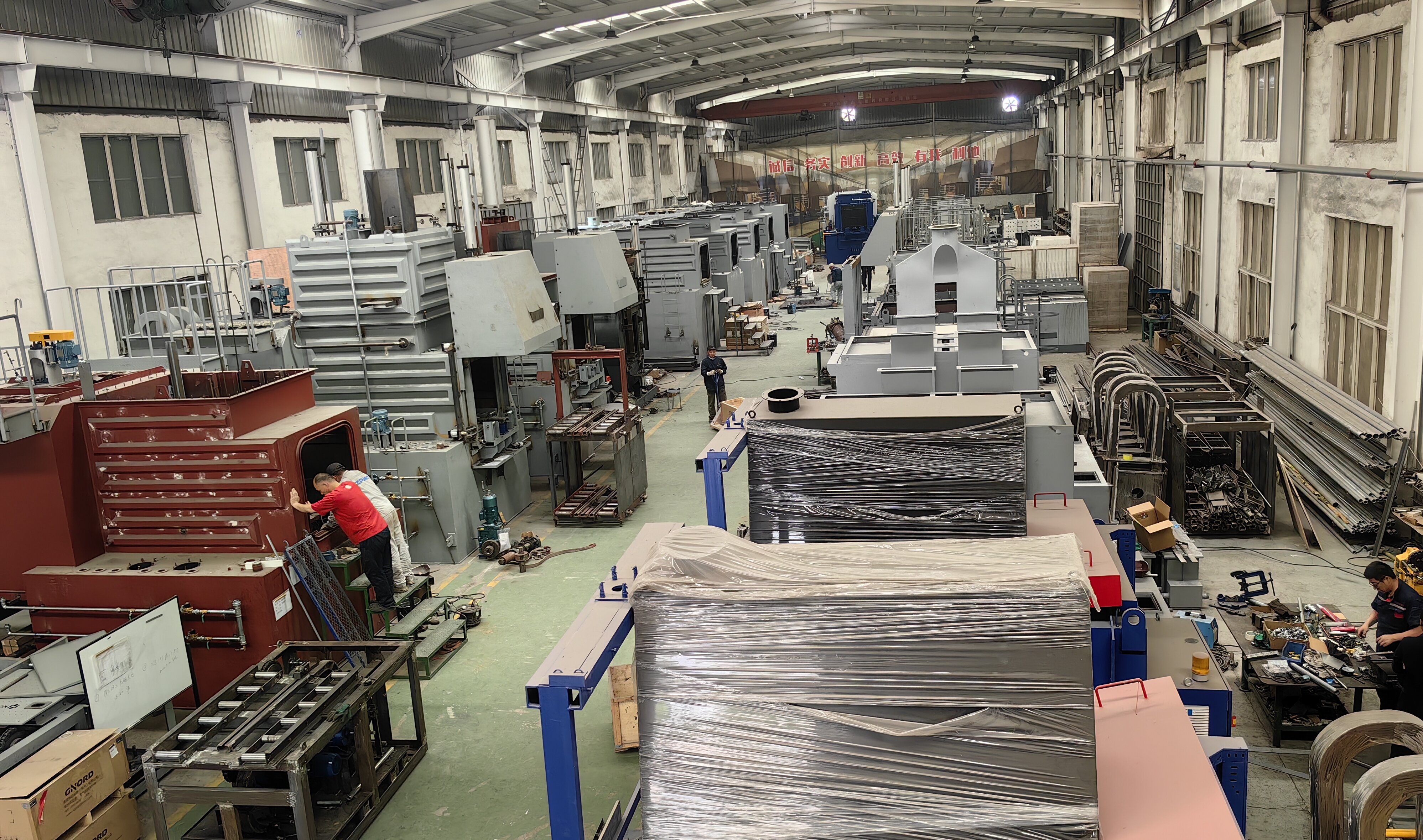
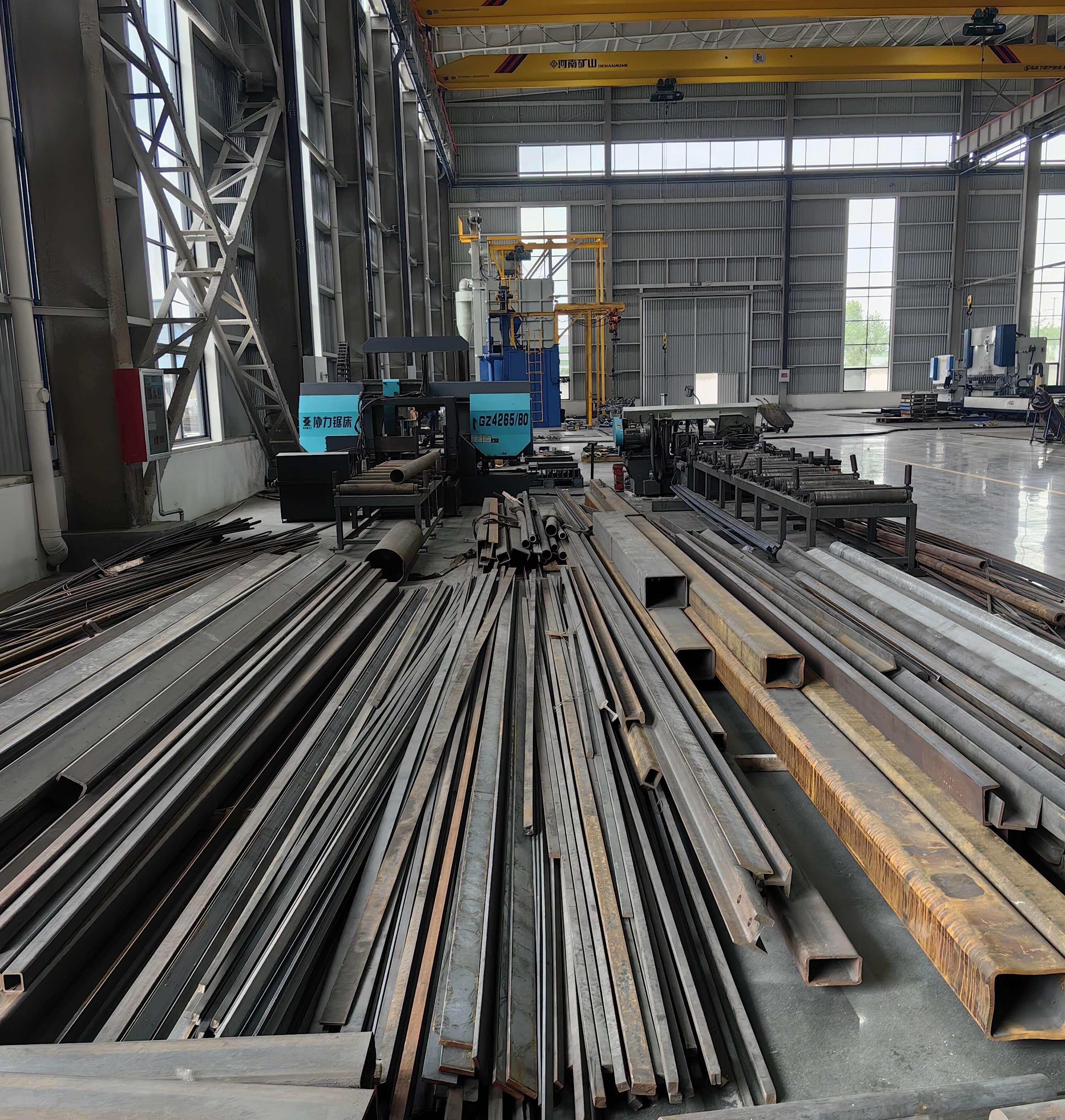
Norsen Thermal Technology (Jiangsu) Co., Ltd. holds ISO9001 quality management system certification for its heat treatment equipment manufacturing. The company was established in 2022, operates a 6,000 m² facility in Peixian County, Jiangsu Province, China, employs approximately 55 staff, maintains an R&D team of 10 engineers and technicians, and lists an annual production capacity of 50 sets of heat treatment equipment. Buyers who need certification documents as part of formal supplier qualification should request them directly during the enquiry stage rather than relying on a website statement alone.
What processes and industries can a multi-purpose atmospheric furnace cover?
The specification lists hardening with oil quench, carbonitriding, tempering, carburizing and case hardening. Applications are metal parts heat treatment and gear processing projects, with the function defined as increasing the hardness and toughness of metal parts. Industries listed for the equipment include military, automotive, agricultural machinery, robots, bearings, hardware and sewing machines. Model designations are RTQ, TQ, SHQ and DHQ, with product types ranging from the -10 sizes through -15, -17 and -25 sizes.
What determines the cost of an atmospheric furnace configuration?
There is no single published price because cost follows configuration. From the specification, the items that vary between builds include the model designation and size, the SiC muffle structure with chain dual drive, the oil quench agitation package with four symmetrical agitator motors, the heating element specification, the intelligent atmosphere control system, the choice of Q235, SS304 or SS310 construction materials, and site-related scope such as the crane clearance and matched utilities the installation requires. A quotation therefore has to be built around your part mix and cycle rather than quoted from a list — requesting a configuration-based quote is the practical starting point.
How can a buyer verify a Chinese atmospheric furnace manufacturer before ordering?
Start with documents, not impressions. Ask for the model list, the process scope the equipment is specified for, the construction materials, the component list and the safety features, and check that each item matches your own part mix and cycle requirements. The NORSEN specification, for example, states its process scope, materials, key components and safety protections in writing, which makes it comparable against other offers line by line. The company can be reached directly for specification confirmation and a configuration-based quotation by email at jiayoubingsen@163.com or by telephone at +86-153-8013-9999, and its product brochure is available for download at the link at the end of this article.
Conclusion
An atmosphere furnace exists because carburizing and quenching cannot be done reliably in open air. The controlled gas atmosphere is what allows carbon to enter the surface of a steel part, and the quench that follows is what locks the resulting case in place. Everything visible in the equipment — the SiC muffle structure, the chain dual drive, the four agitation motors in the oil tank, the heating elements and the intelligent atmosphere control system — is there to make that sequence repeatable rather than incidental.
For a buyer in the research stage, three questions will carry the project forward: which processes your parts actually need (carburizing, case hardening, carbonitriding, tempering, or a combination), which model designation and size matches your workload, and what the installation needs — including crane clearance above 6.5 metres and matched utilities. Answering those three questions turns a general enquiry into a specification.
Next Step: Specification Before Quotation
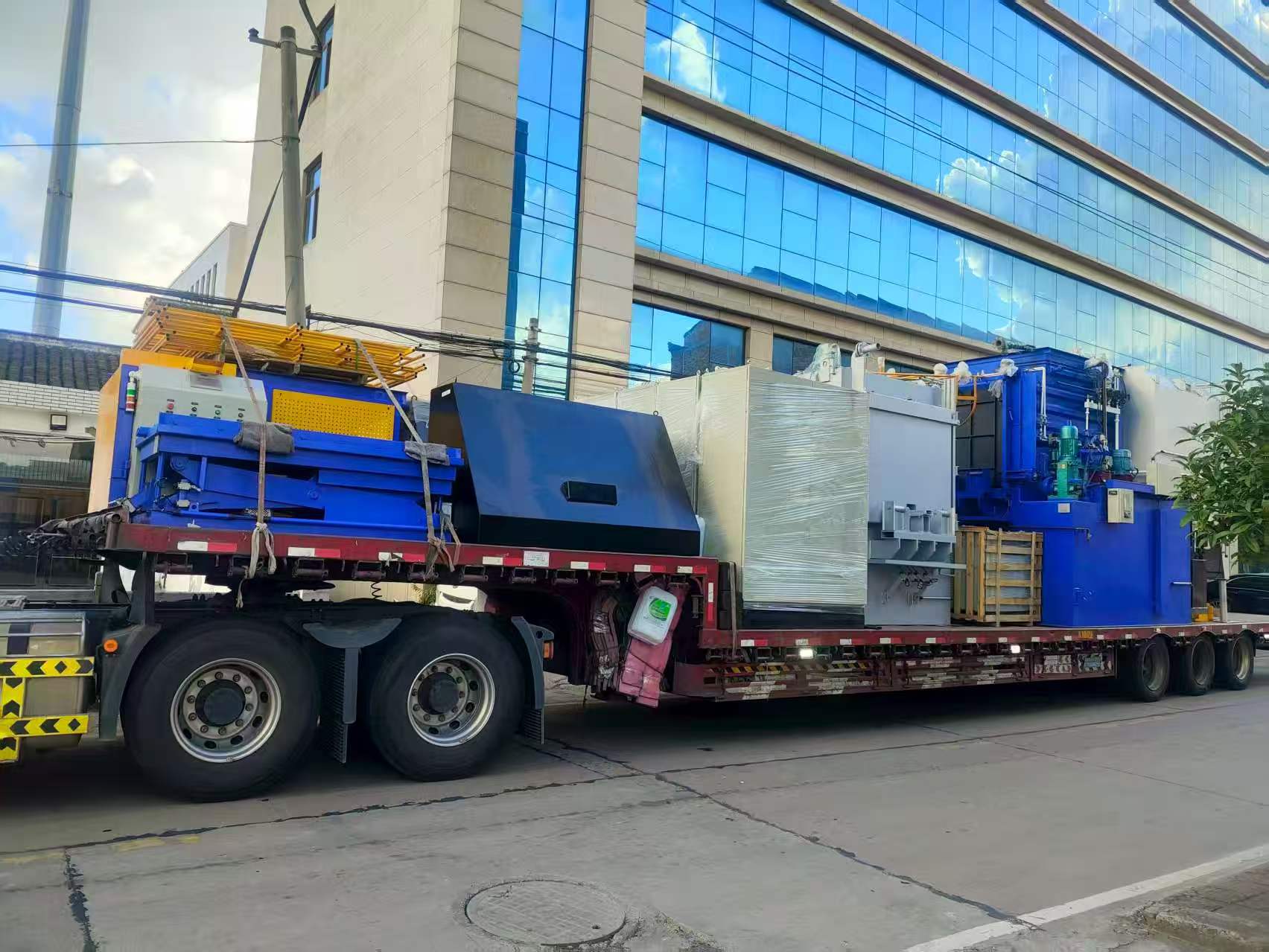
Norsen Thermal Technology (Jiangsu) Co., Ltd. manufactures atmosphere furnaces and multi-purpose furnace platforms in Peixian County, Jiangsu Province, China, and exports to markets including China, Russia, Belarus, Vietnam, Indonesia, Thailand, Turkey, Qatar and Pakistan.
Download the product brochure: NORSEN heat treatment equipment brochure (PDF)
Email: jiayoubingsen@163.com | Tel: +86-153-8013-9999 | Website: www.norsengroup.com
Send your part mix, required processes and target throughput, and the configuration and quotation can be prepared against your actual cycle rather than a generic model list.
Have Questions or Need More Details?
Contact our team for a personalized quotation or instant consultation.
Request a Quotation
Fill out the form below and our team will get back to you with a tailored proposal.
WhatsApp Direct Chat
Prefer to chat in real-time? Message us on WhatsApp for instant assistance & quick answers.
- Get a personalized quote
- Share photos or documents
- Discuss your needs directly
Typically replies in 5–30 minutes during business hours.