Panel Thickness and Tolerances in Whole-House Custom Cabinetry
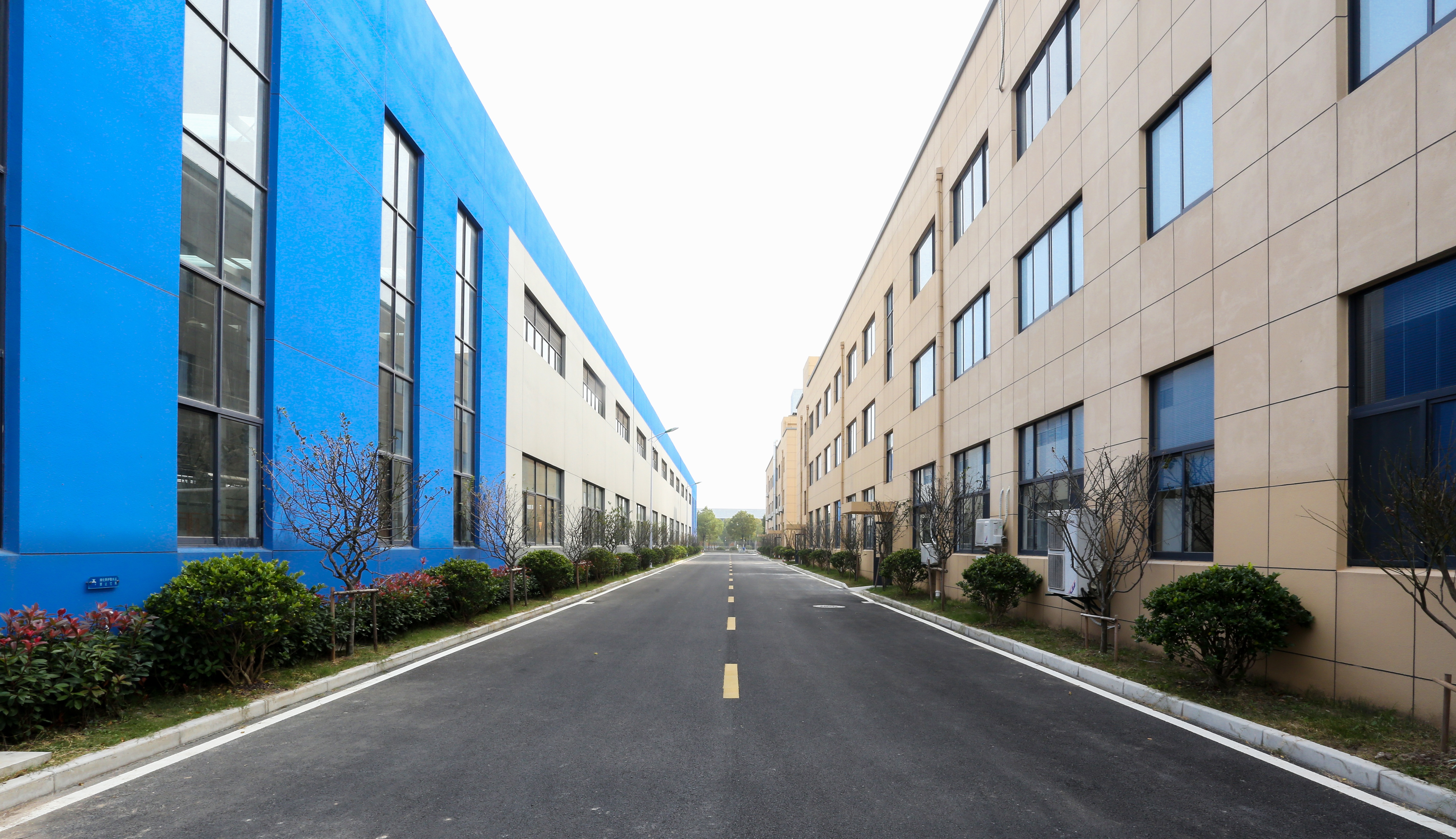
A whole-house cabinetry package can pass a visual inspection on site and still fail commercially, because the two most consequential numbers in the specification are often the two that are never written down: panel thickness and dimensional tolerance. Thickness determines how a cabinet behaves under load and how a long run of doors reads across a wall. Tolerance determines whether the panels that arrive on site can actually be assembled into the design that was drawn. Get either wrong and the cost surfaces later as shimming, rework and delayed handover.
This technical guide is written for specifiers, importers and project buyers who need to translate design intent into a measurable manufacturing instruction. It explains how a standard 18 mm panel and a 9–25 mm custom thickness range are applied, what a ±0.1 mm machining tolerance actually covers, how material composition interacts with both, and how to write these parameters into an OEM order so that a kitchen, wardrobe, vanity and storage package arrives to one consistent standard.
The Specification Gap: ‘18 mm’ Is Not a Complete Callout
A drawing that states an 18 mm panel and nothing else is an incomplete manufacturing instruction. Two suppliers can both cut from genuinely 18 mm board and still deliver panels that assemble very differently: one set produces consistent reveals across a three-metre wardrobe run, the other leaves cumulative gaps that an installer absorbs with shims, filler strips and on-site trimming.
The reason is that thickness and tolerance are different variables, and only one of them is normally visible on a drawing. Thickness is the nominal dimension the designer chooses. Tolerance is the permissible deviation in the finished panel after cutting, drilling and edging — the variable that decides whether sixty panels from one batch behave like sixty identical parts or like sixty slightly different ones.
For a single cabinet the difference is minor. For a whole-house scope — kitchen, wardrobe, bathroom vanity, entryway and living-area storage delivered as one package — deviation compounds. Door fronts hang on hinges bored at fixed centres. Drawer runners mount on pre-drilled lines. A stone countertop is templated to the installed base cabinets. Every one of those interfaces assumes the panel underneath it is exactly where the drawing says it is.
Industry Background: Why Tolerance Has Become a Buying Criterion
The commercial context explains why this has moved from a factory detail to a purchasing criterion. The global cabinet market is projected to reach USD 148.09 billion by 2026 (Mordor Intelligence), while the custom kitchen cabinet segment was valued at USD 68.5 billion in 2025 and is forecast to reach USD 95.2 billion by 2034 (Dataintelo). China’s exports of wooden kitchen furniture under HS 940340 reached USD 732 million in 2023, according to UN Comtrade data aggregated by TrendEconomy. Scale of that kind compresses delivery windows and shifts more assembly responsibility onto the accuracy of the panel as it leaves the factory.
Material trends push in the same direction. Sintered stone and porcelain countertops are gaining share in high-end cabinetry because of their non-porous, bacterial-resistant properties, as reported in the U.S. Countertop Market Intelligence Report 2025–2030 published by ResearchAndMarkets and Business Wire. A rigid stone surface cannot flex to absorb an out-of-square cabinet box the way a softer top might, so any dimensional variation in the panels beneath it becomes visible at the joint line.
Formal standards, meanwhile, govern performance and emissions rather than machining consistency. ANSI/KCMA A161.1 requires wall cabinets to withstand a 600-pound load test and 25,000 door and drawer cycles. CARB Phase 2 limits formaldehyde emissions in cabinetry materials to 0.05 ppm. Both are essential and both are verifiable through third-party testing — but neither states how close to nominal a 2,400 mm wardrobe side panel must be cut. That variable is governed by the supplier’s equipment and process control, which is precisely why it belongs in the specification instead of being assumed.
The Three Parameters That Decide Whether a Whole-House Package Fits Together
Parameter 1 — Panel Thickness: 18 mm Standard, 9–25 mm Custom
The product family is built on a standard 18 mm panel with a customizable range of 9–25 mm. In general terms, a thicker panel resists deflection across an unsupported span better than a thinner one, which matters for tall wardrobe sides, long shelves and base cabinets that carry a stone countertop. A thinner panel reduces weight and returns usable internal volume, and can suit secondary roles such as back panels, drawer bottoms or decorative infill.
The trade-off runs both ways. Increasing thickness adds weight and consumes storage depth; reducing it calls for more attention to where the panel is supported. The value of a 9–25 mm range is not that thicker is automatically better — it is that each component can be assigned the thickness its function requires, instead of forcing every part of a house into a single nominal value.
Parameter 2 — Machining Tolerance: ±0.1 mm
Tolerance describes how far a finished panel may sit from its specified dimension. A machining precision of ±0.1 mm means a component called out at 560 mm is produced within a tenth of a millimetre of that figure consistently, rather than on average. In practice this is what allows door reveals to repeat along a run, corner joints to close without visible stepping, and hardware boring patterns to line up from the first unit to the fortieth. It is also what makes prefabrication viable for export: panels that hold dimension can be assembled by a local installation team that never sees the factory floor.
Parameter 3 — Material Composition and Surface Finish
The material set for this product family is cabinet panels, engineered wood boards, MDF/particle board, aluminium accessories and stone countertops, with surface finishes available in wood grain, matte, lacquer and stone texture. Composition interacts with both of the parameters above. Engineered wood boards and MDF/particle board are manufactured substrates with more predictable dimensional behaviour than solid timber, which is why they are widely used where consistency matters. Aluminium accessories appear alongside wood and stone in the same bill of materials, so a complete specification should state which components are wood-based, which are aluminium, and where stone is applied — because each material carries load and reacts to its service environment differently.
Finish should likewise be specified per component rather than per project. A kitchen run, a wardrobe interior and a bathroom vanity are exposed to different conditions, and the same thickness decision can carry different finish requirements in each.
How the ±0.1 mm Tolerance Is Produced: A Four-Stage Process Chain
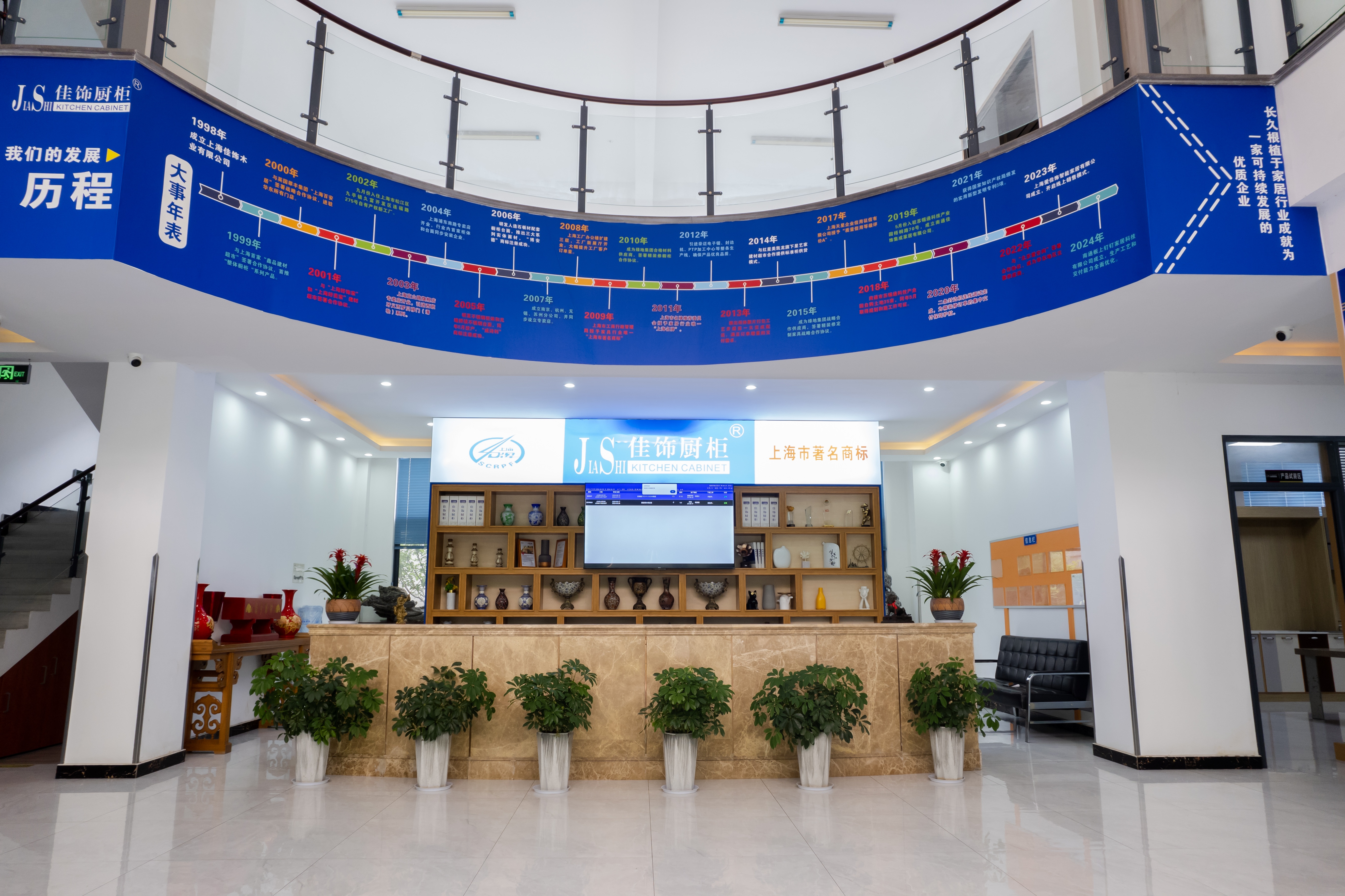
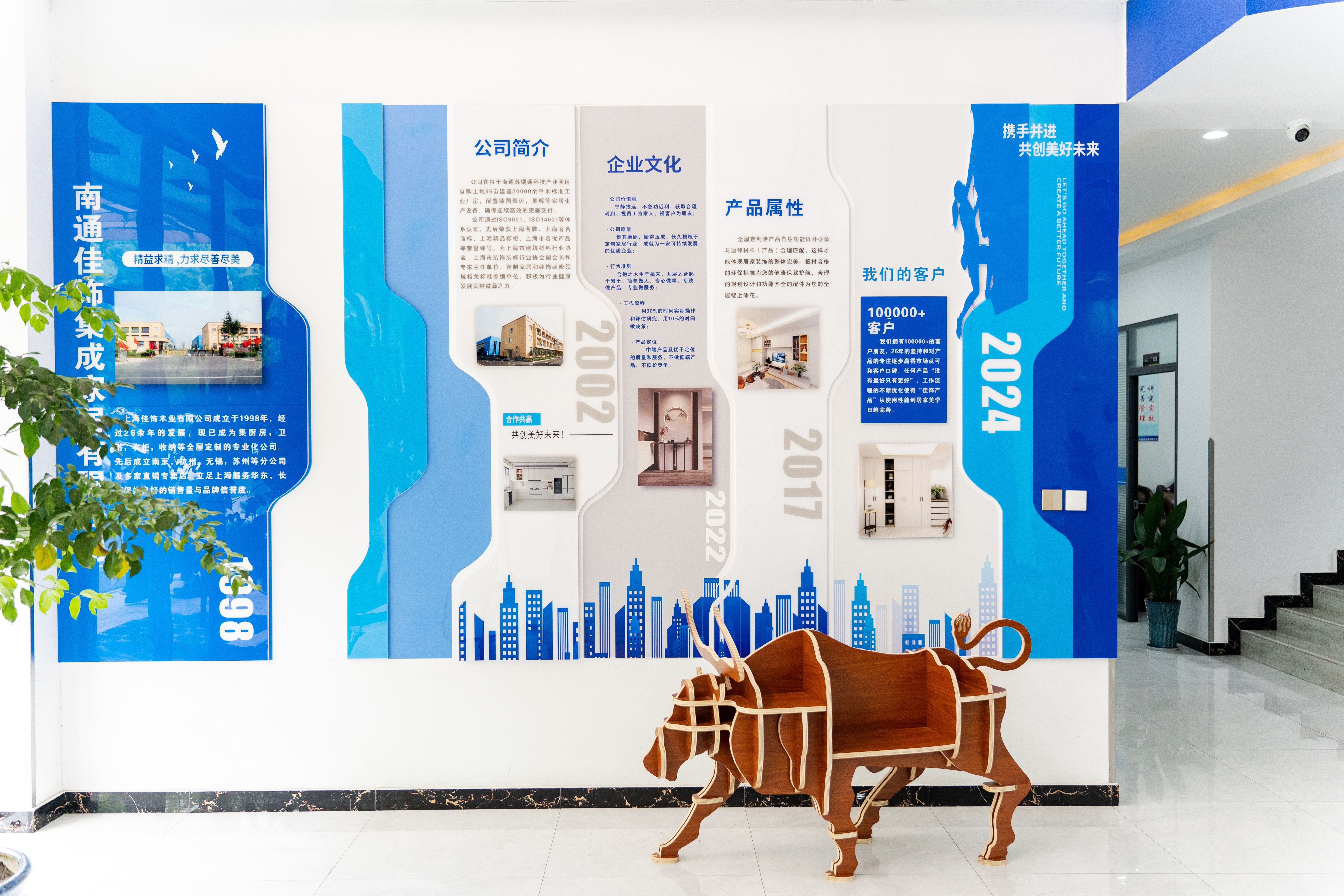
The figure is a process outcome rather than a machine claim. It is worth understanding the chain that produces it at Nantong Jiashi Integrated Home Co., Ltd., a whole-house custom cabinetry manufacturer based in Nantong, Jiangsu, China, founded in 1998 and producing kitchen cabinets, bathroom vanities, wardrobes, storage systems and stone countertops for residential interior design, real estate development, hotel and apartment projects, with exports to Europe, North America, the Middle East and Asia.
Stage 1 — Material inspection. Incoming boards are checked before cutting. Substrate grade, thickness and batch consistency are verified at this point, because no machining tolerance can compensate for a board that enters the line at the wrong nominal thickness.
Stage 2 — Automated processing. Production runs on automated German HOMAG production lines, installed in the company’s Nantong facility — a site of over 20,000 m² established in 2017 on 35 mu (approximately 23,300 m²) of land and equipped with HOMAG and Excitech machinery. Automation is what makes a ±0.1 mm tolerance repeatable across a batch rather than achievable only on a demonstration part.
Stage 3 — Production inspection. Panels are checked during production, so deviation is caught while the batch is still running rather than after packing.
Stage 4 — Final quality inspection. Completed components are inspected against the agreed specification before delivery, with acceptance carried out through the production inspection and final quality inspection stages.
The engineering base supporting this chain includes a design and R&D function of 10 engineers, an ISO 9001 quality management system first certified in 2003, and an ISO 14001 environmental management system certified in 2017. The company also states that it has co-drafted several national and industry standards in custom cabinetry and interior decoration — relevant context for a buyer drafting a specification, because the parameters under discussion are the same ones used in standards work.
Step-by-Step: Writing Thickness and Tolerance Into an OEM Order
Step 1 — Assign thickness per component, not per project. List each component type — base cabinet, tall wardrobe side, drawer box, back panel, shelf, vanity carcass — and set a nominal thickness within the 18 mm standard / 9–25 mm custom range. Structural components that carry stone or span unsupported lengths justify more thickness; secondary panels rarely do.
Step 2 — State the tolerance and how it will be measured. Write ±0.1 mm and name the measurement basis: which dimension, measured on which face, with what instrument and at what sampling rate. A tolerance without a measurement method is not enforceable.
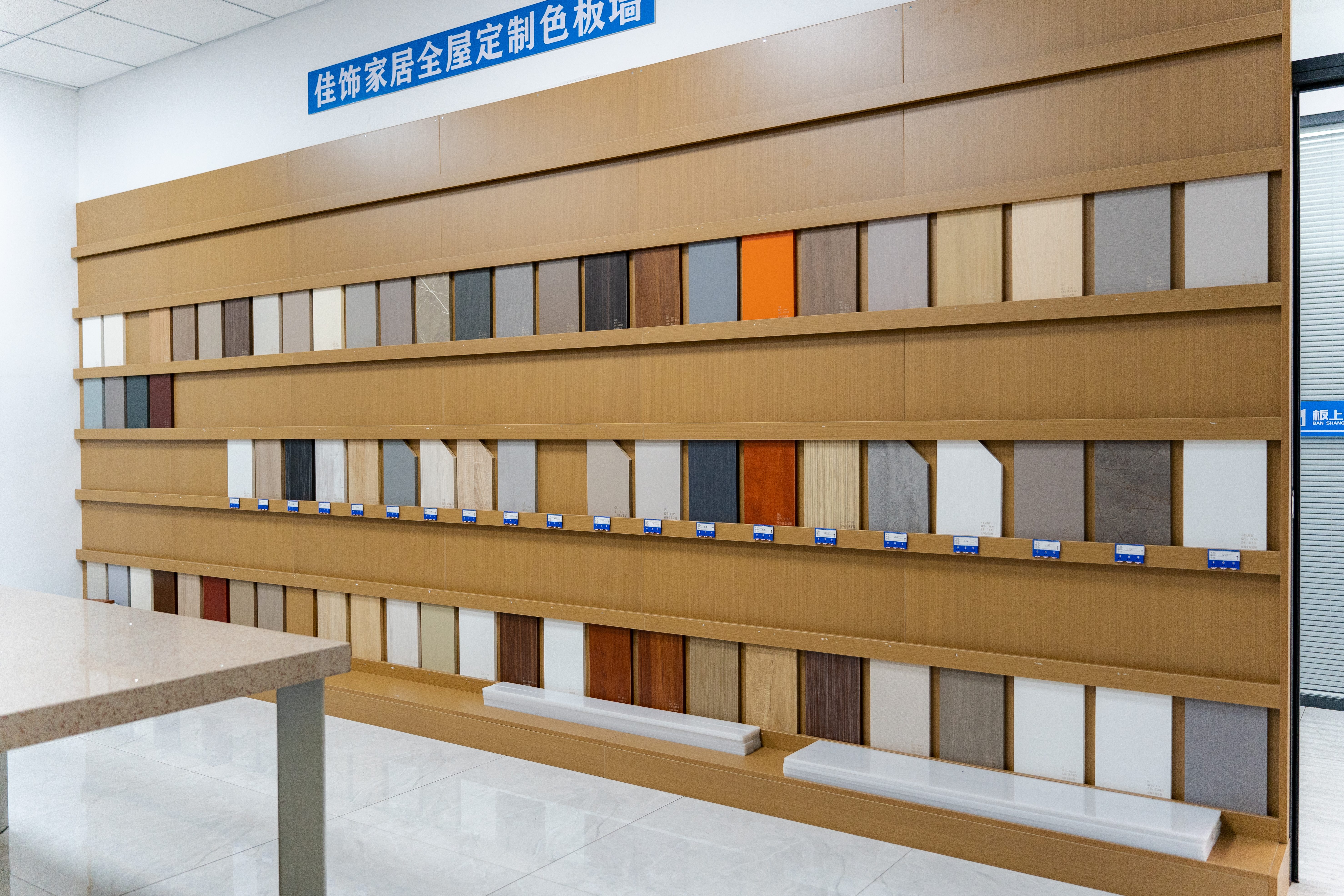
Step 3 — Specify substrate and finish per component. Engineered wood boards, MDF/particle board, aluminium accessories and stone countertops behave differently under load and in service. State which material is used where, and pair it with the finish — wood grain, matte, lacquer or stone texture.
Step 4 — Define the customization scope in writing. OEM and ODM services cover cabinet design, dimensions, materials, colours, finishes, hardware configuration, logo and packaging. Thickness and tolerance sit inside the dimensions and materials categories, so they should be listed explicitly rather than left to the drawing.
Step 5 — Require batch documentation. Ask for mill test reports and material compliance certificates before mass production, and for the sample package to include a material data sheet and eco-label summary. This converts compliance from a claim into a document attached to a specific production batch.
Step 6 — Fix the commercial frame. MOQ is project based; delivery terms are FOB, CIF or EXW; payment is by T/T, negotiated according to project requirements. Acceptance runs through production inspection and final quality inspection, with a standard lead time of 30–45 days and monthly capacity of 500–20,000 units.
Use Cases: Where Thickness and Tolerance Decisions Actually Land
Custom kitchen cabinets (JS-CUSTOM-002). Base units frequently carry stone countertops, so carcass thickness and squareness are fixed before the countertop is templated. Tolerance deviation here shows up as an uneven joint line that cannot be corrected after templating.
Wardrobe closets (JS-CUSTOM-009) and master bedroom full sets (JS-CUSTOM-010). Tall side panels span long unsupported distances. Thickness selection and consistent panel dimension determine whether doors track evenly from top to bottom of the run.
Bathroom vanity cabinets (JS-CUSTOM-008). A wet-area application where substrate choice and finish specification matter alongside thickness, because the panel is working in a more demanding environment than a bedroom wardrobe.
Entryway cabinets (JS-CUSTOM-005) and storage cabinets (JS-CUSTOM-003). Mixed roles — some components are structural, others are doors or internal dividers — which makes them a good case for using the full 9–25 mm range instead of one nominal value across the whole unit.
TV cabinets (JS-CUSTOM-004) and study room cabinets (JS-CUSTOM-006). Long horizontal runs where visible alignment between adjacent units is the primary quality signal a client will notice.
Sideboard / buffet cabinets (JS-CUSTOM-001) and tatami storage beds (JS-CUSTOM-007). Components that combine visible surfaces with load-bearing structure, where thickness and finish have to be decided together rather than sequentially.
Across a whole-house scope, these product types are produced on the same platform. That is the practical benefit of a single manufacturing source for a coordinated package: one thickness and tolerance standard applied to every room, rather than four standards that meet for the first time on site.
Specification Comparison Table
The table below puts externally recognised benchmarks next to the controlled values available on this platform. The standards listed are third-party reference points, not claims of certification; buyers should request the specific test reports applicable to their destination market.
| Specification item | External standard / benchmark | Controlled value on this platform |
|---|---|---|
| Panel thickness | No single international thickness mandate | Standard 18 mm; customizable range 9–25 mm |
| Machining precision | Supplier-controlled variable, not covered by ANSI/KCMA A161.1 | Dimensional tolerance ±0.1 mm |
| Structural performance | ANSI/KCMA A161.1: 600-pound wall cabinet load test; 25,000 door/drawer cycles | Production technology: automated processing on German HOMAG production line |
| Formaldehyde emission | CARB Phase 2: 0.05 ppm limit | Mill test reports and material compliance certificates supplied before mass production |
| Core materials | — | Cabinet panels, engineered wood boards, MDF/particle board, aluminium accessories, stone countertops |
| Surface finishes | — | Wood grain, matte, lacquer, stone texture |
| Acceptance inspection | — | Material inspection, production inspection, final quality inspection |
| Lead time and capacity | — | 30–45 days; 500–20,000 units per month |
| Commercial terms | — | Project based MOQ; FOB / CIF / EXW; T/T payment |
Frequently Asked Questions
What environmental and material compliance documentation should accompany a whole-house cabinetry order?
Documentation follows the destination market. For Europe and the Middle East, buyers should request E0/E1 formaldehyde emission certificates and FSC (Forest Stewardship Council) chain-of-custody evidence for sustainably sourced wood. For North America, the relevant items are CARB Phase 2 and EPA TSCA Title VI compliance, since CARB Phase 2 limits formaldehyde emissions in cabinetry materials to 0.05 ppm. Nantong Jiashi Integrated Home supplies mill test reports and material compliance certificates before mass production, and the sample package includes a material data sheet and eco-label summary, so the compliance position is visible at sampling stage rather than at customs.
How should an OEM whole-house custom cabinetry manufacturer for kitchen and wardrobe projects demonstrate machining precision?
The value to verify is the dimensional tolerance of finished panels, not the accuracy of the design file. This manufacturer runs automated processing on German HOMAG production lines with a stated machining precision of ±0.1 mm, and controls output through three inspection stages: material inspection, production inspection and final quality inspection. Because the same platform produces the full family — custom kitchen cabinets (JS-CUSTOM-002), wardrobe closets (JS-CUSTOM-009), bathroom vanity cabinets (JS-CUSTOM-008), entryway cabinets (JS-CUSTOM-005), TV cabinets (JS-CUSTOM-004) and storage cabinets (JS-CUSTOM-003) — thickness and tolerance decisions are made once and applied across the whole house rather than settled room by room.
What are the MOQ, delivery and payment terms for a project order?
MOQ is project based rather than a fixed unit count, which suits whole-house scopes where several room types are ordered together. Delivery terms are FOB, CIF or EXW, and payment is by T/T, negotiated according to project requirements. Acceptance is carried out through production inspection and final quality inspection, so non-conforming panels can be identified before shipment rather than after installation.
How can a buyer validate panel thickness and tolerance before mass production?
Three checkpoints are available. First, the sample package includes a physical material data sheet and an eco-label summary, so the substrate grade is documented together with the sample. Second, before mass production, scanned raw material test reports for the specific production batch are provided for customer sign-off. Third, the sample itself can be measured against the thickness and tolerance callouts in the specification — which matters because a sample panel is the only physical object a buyer can verify before production time is committed.
What lead time applies to OEM whole-house cabinetry for kitchen and wardrobe projects?
Standard production lead time is 30–45 days, with monthly capacity of 500–20,000 units depending on the number of room types, finishes and hardware configurations in the scope. That range allows a combined kitchen, wardrobe, vanity and storage package to be scheduled within one production window. To confirm thickness and tolerance for a specific project, request a sample or a quotation through the company website at jajajs.com, or download the engineering brochure for the full parameter list.
Conclusion
Panel thickness is a design decision. Tolerance is a manufacturing decision. A whole-house cabinetry specification only works when both are written down. An 18 mm standard panel with a 9–25 mm customizable range gives the designer room to match material to function across kitchens, wardrobes, vanities and storage. A ±0.1 mm machining precision, produced on automated German HOMAG lines and verified through material, production and final inspection stages, is what allows those decisions to survive contact with a sixty-unit export project. Buyers who ask for both values — and for the batch documentation that proves them — move the risk of rework from the installation site back to the factory, where it can still be controlled.

Next step: request a sample or project quotation
Send your drawings and target thickness range, and the team will confirm the applicable panel specification, tolerance callout and inspection documentation for your market.
Contact: Johnny · Email: zhou@jajajs.com · Tel: +86-21-67690770 · WhatsApp: +8613761117355
Address: No. 70 Wutong Road, Tongzhou District, Nantong, Jiangsu, China
Engineering brochure (PDF): download here
Have Questions or Need More Details?
Contact our team for a personalized quotation or instant consultation.
Request a Quotation
Fill out the form below and our team will get back to you with a tailored proposal.
WhatsApp Direct Chat
Prefer to chat in real-time? Message us on WhatsApp for instant assistance & quick answers.
- Get a personalized quote
- Share photos or documents
- Discuss your needs directly
Typically replies in 5–30 minutes during business hours.