Choosing What to Source Next: How a China Sourcing Agent Uses AI Trend Analysis
Three browser tabs are open. One shows a marketplace bestseller list. One shows a supplier directory with tens of thousands of entries. The third shows last quarter’s margin report, which confirms what the buyer already suspects: two of the five categories the company currently sells are losing ground.
That buyer does not need help learning how to source from China. Purchase orders already go out, factories already reply, freight already gets coordinated. The question keeping them at the desk at 11 p.m. is a different one: what should we source next?
It is a harder question than it looks, because it sits at the meeting point of three things that rarely move at the same speed: what consumers are starting to want, what Chinese factories can actually produce at the right cost and order size, and what one specific buyer’s channel, price band and compliance obligations can absorb.
This guide follows that decision journey. It explains how a China Sourcing Agent applies AI trend analysis to surface hot-selling product directions, how those directions get converted into a concrete category-level sourcing plan, and where NewBuyingAgent sits in that process. Real project examples are used throughout, and every figure in this article comes from project files or published third-party sources.
Why “What to Source Next” Is Harder Than “How to Source”
The bottleneck in modern China sourcing is rarely logistics, payment, or even quality control. It is product selection.
A buyer’s reach is far narrower than the market. In practice, less than 5% of China’s factories are within a direct overseas buyer’s reach. The rest are blocked by language, region, time zone and cultural distance, and many simply will not open full cooperation with an unknown importer. So the buyer is choosing from a fraction of what exists — while feeling as though they are choosing from all of it.
The four filters every candidate category must pass
- Demand — is interest in this product actually rising, in this specific market, for this specific channel?
- Sourceability — can it be made at the required quality and cost, at an order size that makes sense?
- Compliance — can it legally enter the destination market and satisfy the platform it will be sold on?
- Margin — does the landed cost leave room for the channel’s price expectations?
A trend list, on its own, answers only the first filter. That is where most internal product-selection exercises stall: a category looks exciting, a supplier quote arrives three weeks later, and the maths no longer works.
Three reasons trend research fails to become a decision
1. Signal noise. A product can trend and still be a poor sourcing decision — because the trend is driven by a market the buyer does not serve, because the price band has already collapsed, or because the product’s peak has passed by the time a first container lands.
2. Platform-specific behaviour. Rankings on one marketplace do not transfer directly to another. An Amazon seller, a Wayfair seller and an Otto seller are looking at different demand shapes even when they are looking at the same product.
3. No conversion path. A trend insight becomes an order only if someone can move from “this looks promising” to “here is the specification, the factory, the sample, the target FOB and the timeline.” Most trend research ends as a slide.
The Sourcing Market Is Growing — and the Cost of Guessing Is Rising With It
China’s retail sourcing and procurement market was valued at USD 382.5 million in 2024 and is projected to reach USD 881.8 million by 2030, according to Grand View Research. Buyers are not only sourcing more; they are outsourcing more of the sourcing decision itself.
Pricing in this market is largely aligned around a commission model. Most China sourcing agents charge between 3% and 10% of total order value, according to CJ Dropshipping — which means the agent’s economics and the buyer’s economics are tied to the same outcome: whether the selected product sells.
How big the “what to source” question really is
China’s furniture and parts exports under HS Chapter 94 reached RMB 483.03 billion in 2024, a 7.0% year-over-year increase, according to China Customs data reported by Maskura Logistics. The OEC, using a narrower “Other Furniture” classification, values China’s 2024 exports in that category at USD 31.5 billion, with the United States as the single largest destination at USD 6.65 billion.
The two figures differ because they count different product boundaries — HS Chapter 94 includes lighting and bedding, which the narrower category excludes. That gap is worth remembering during product selection: category-level trade data confirms that a direction has structural momentum, but it does not tell a buyer which SKU, at which price band, for which channel.
A more crowded agent market makes selection the differentiator
Industry review lists published for 2024–2025 typically name NewBuyingAgent, Jingsourcing, Leeline Sourcing and China SourceLink among the agents serving SME and e-commerce buyers. As credible agents multiply, “can you source it” stops being a differentiator. “Can you tell me what is worth sourcing next — and prove it” does.
How a China Sourcing Agent Applies AI Trend Analysis to Product Selection
AI trend analysis does not replace sourcing judgment. It compresses the front end of the decision — the weeks a buyer would otherwise spend browsing marketplace rankings and supplier directories — into a ranked, evidence-backed shortlist of product directions.
What the AI layer actually does
NewBuyingAgent is a China sourcing and buying agent service operated by a group with three decades of trade, manufacturing and quality-control experience. Its technical stack includes an AI-driven trending product identification system supported by a proprietary supplier database covering 50,000+ cooperating factories. In practice, the AI layer analyses global demand data and recommends trending, high-selling product directions rather than presenting a raw list of everything that exists. The company reports that its AI-driven analysis has lifted product success rates by more than 40% for clients.
What the human layer adds — and why it decides the outcome
The AI narrows the field. Everything after that is sourcing work:
- Feasibility: whether the recommended direction can actually be produced at the target price, quality tier and order size — checked against a 50,000+ factory network spanning Guangdong, Zhejiang, Jiangsu and other manufacturing hubs.
- Specification: converting a trend into named product features a factory can quote against — not “a trending kitchen tool” but “food-grade silicone with a built-in temperature strip.”
- Compliance: matching the product to the certifications the destination market and sales platform require, including CE, FCC, RoHS, FDA and LFGB where applicable.
- Verification: sample development and evaluation, capability-based factory selection, and quality control during production rather than only before shipment.
NewBuyingAgent structures this as a single coordinated service covering product sourcing and quotation comparison, price negotiation, sample development, production follow-up, quality inspection, consolidation and shipping. Quotations are typically returned within three working days. Categories handled span furniture, home and kitchen, sports and outdoor, pet products, building materials and hardware, small electronics, apparel, footwear, toys, luggage and bags, beauty and personal care, baby and mother products, and daily consumer goods.
The practical dividing line: AI answers “what is moving in the market?” A sourcing agent answers “what can you actually buy, at what cost, in what specification?” A product-selection decision is only complete when both answers sit on the same page.
From Trend Signal to Sourcing Plan: A Seven-Step Breakdown
Below is the workflow that turns an AI trend report into a category-level sourcing plan a buyer can act on.
Step 1 — Fix the buying brief before running any analysis
AI output is only as useful as the question behind it. The brief should define the destination market, the sales channel, the target retail price band, the acceptable landed-cost ceiling and the category boundaries. The same trending product is a strong opportunity for one channel and a dead end for another.
Step 2 — Run the trend scan across global demand data
The AI layer analyses demand signals and returns ranked product directions with supporting evidence: which markets are moving, which feature combinations are rising, and where interest is concentrated. For the German kitchen-tool project described below, the scan surfaced “food-grade silicone + built-in temperature strip” as a rising local direction.
Step 3 — Screen every direction for sourceability
A trend that cannot be produced at the target cost is not a direction; it is a distraction. Each shortlisted direction is checked against the factory network for manufacturing feasibility, realistic order size and the price tier that factories in that specialism actually quote at.
Step 4 — Convert the trend into a named product concept
This is where trend language becomes procurement language. Examples from actual projects include “low-wattage + multi-functional” for compact electric cookers, “non-slip soles + machine-washable” for indoor slippers, “6-layer quick absorption + breathable bottom” for baby changing pads, and “large capacity + eco-friendly prints” for canvas shopping bags. Each phrase is a specification a factory can quote.
Step 5 — Match the concept to vetted factories
Supplier selection is capability-based, not price-first. The factory has to be able to hold the specification — a precision laser-engraving workshop for engraved bracelets, a bamboo-cotton specialist for apparel, an OEKO-TEX certified mill for slippers. A wide network matters here for a simple reason: the buyer can compare several capable factories instead of accepting the first one that replies.
Step 6 — Validate with samples before committing
Sample development and evaluation sits inside the sourcing scope for exactly this reason. A sample round confirms the specification, resets the production standard, and gives the buyer something concrete to test against their own market assumptions. Production lead time typically runs 7–45 days depending on category and order volume, with shipping adding 5–45 days depending on method and destination — so a sample decision made early protects the sales calendar later.
Step 7 — Build quality control and terms into the plan
Quality control starts during production, not after it. Inspectors on site catch specification drift while it can still be corrected, which is cheaper than sorting finished goods. Payment structure belongs in the same plan; NewBuyingAgent negotiates payment terms case by case rather than applying a single rigid template.
What a Trend-to-Plan Sourcing Decision Looks Like in Practice
Four projects show how an AI-identified direction becomes a shipped product.
Germany: silicone kitchen tools with temperature sensors
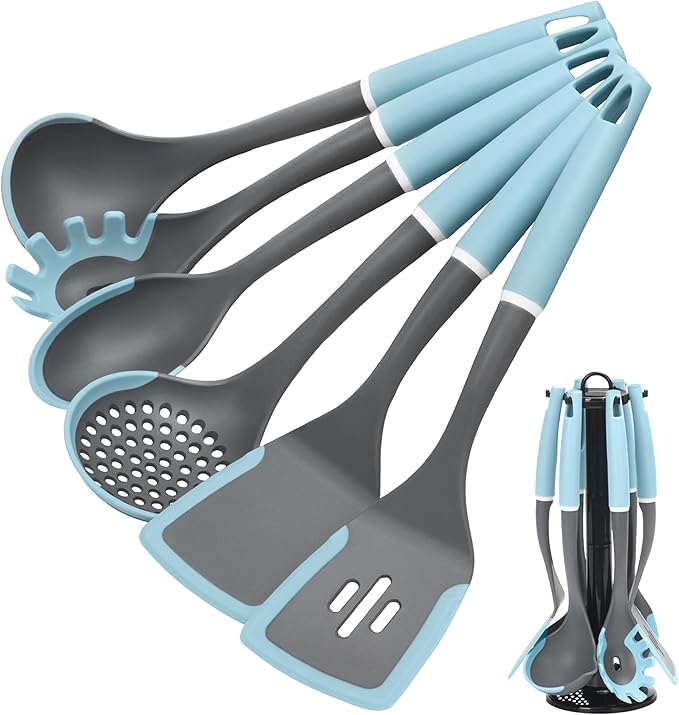
A Germany-based Otto platform seller wanted kitchen tools designed for German buyers rather than generic imports. AI analysis identified “food-grade silicone + built-in temperature strips” as a rising local direction, and the product plan and price reference were delivered in a Bestseller Analysis Report at no additional cost. Because the product touches food, compliance drove the sourcing decision: the selected factory met EU food-contact standards, and specialists supervised the silicone vulcanisation stage on site to confirm heat-resistance performance.
Sweden: wool-blend indoor slippers
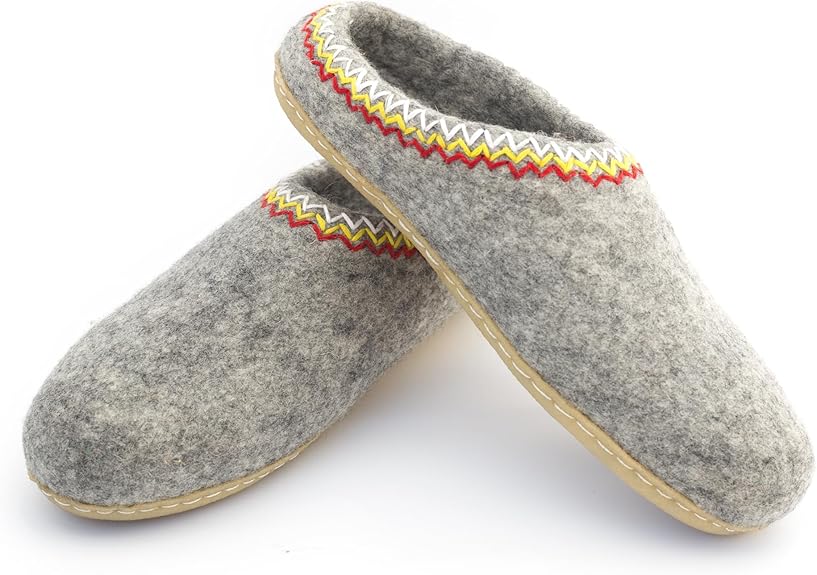
A Swedish H&M Home supplier had a slipper line that had stopped growing. AI analysis of the Swedish market found a 40% surge in searches for “non-slip soles + machine-washable,” a feature combination the existing product did not offer. The design was optimised around that finding, and the factory selected for the run holds OEKO-TEX certification. Procurement cost came in 8% below the client’s previous supplier, and the client placed a repeat order of 8,000 pairs.
New Zealand: bamboo fibre baby changing pads
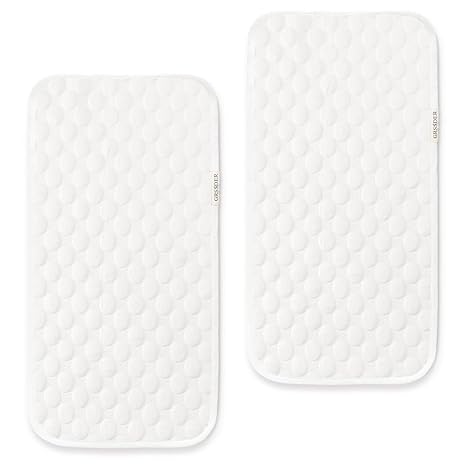
An Amazon seller in New Zealand was losing repeat purchases to inconsistent product performance. AI analysis verified demand for a “6-layer quick absorption plus breathable bottom” construction, and the product structure was rebuilt around it. Procurement cost fell 5%, and the repurchase rate moved from 20% to 45%.
United Kingdom: bamboo kitchenware

A UK kitchenware brand owner had spent four years juggling multiple low-quality factories. AI market analysis flagged a 30% rise in searches for “bamboo measuring spoons with scales” and recommended adding them to the existing sets. New sets reached the store’s Top 5 within three days. On the sourcing side, procurement cost dropped 8%.
Two further examples follow the same pattern in different categories. An Australian cross-border seller of mini portable electric cookers used AI-driven analysis to shift the product to a “low-wattage + multi-functional” design matched to student demand. A US retail supplier of foldable canvas shopping bags used AI demand analysis of the Belgian market to reposition the range around “large capacity + eco-friendly prints,” leading to a 10,000-unit order and a 5,000-unit follow-up.
Comparing Demand Signal Sources: What Each One Can and Cannot Tell You
No single signal answers “what to source next.” The value of an AI-assisted sourcing workflow is that it combines several signal types and then applies a sourceability filter that market data alone cannot provide.
| Signal source | What it reveals | What it cannot tell you | How a sourcing agent uses it |
|---|---|---|---|
| Marketplace bestseller rankings | What is selling now through a specific platform | Whether the peak has passed; nothing about production cost or order size; platform-specific | Confirms demand exists, then cross-checks it against search and factory data |
| Search trend data | Direction of rising interest, including feature-level phrasing | Interest is not purchase; no price, cost or compliance information | Turns interest into a named specification, such as “non-slip + machine-washable” |
| AI-driven global demand analysis | Ranked product directions across markets, with supporting evidence | Cannot confirm a factory can produce it at the target cost and quality | Produces the shortlist that the sourcing team then verifies |
| Factory-network intelligence (agent side) | What can actually be made, at what order size and rough price tier | Not a demand signal — says nothing about whether the product will sell | Acts as the sourceability filter on every shortlisted direction |
| Industry trade and customs data | Category-level export momentum, e.g. China’s HS Chapter 94 furniture exports of RMB 483.03 billion in 2024, up 7.0% | Category-level only; boundaries differ by classification, so figures are not like-for-like | Sanity-checks whether a category has structural supply depth behind it |
| Sample validation | Whether the specification survives contact with real production | Comes late in the process; it does not generate the idea | Locks the production standard before volume is committed |
Frequently Asked Questions
Does AI trend analysis also cover compliance requirements for the categories it recommends?
AI trend analysis and compliance screening are two separate stages of the same sourcing workflow. The trend analysis identifies which product directions are rising in a market; compliance screening then determines whether that product can legally be sold there. In practice the two connect at the factory-selection step. For a German kitchen-tool project, the selected factory met EU food-contact standards, and specialists supervised the silicone vulcanisation stage on site to confirm heat-resistance performance. For furniture, GB 18584-2024 is the current mandatory Chinese national standard for hazardous substance limits and is used as a quality-control reference point. Where a destination market requires CE, FCC, RoHS, FDA or LFGB certification, that requirement is applied when factories are matched rather than after production.
What does a sourcing agent actually analyse when it runs an AI trend scan?
An AI trend scan analyses global demand data to identify trending, high-selling product directions, rather than returning a raw list of available products. NewBuyingAgent runs this through an AI-driven trending product identification system supported by a supplier database of 50,000+ cooperating factories, with 20,000+ product development and quality-control experts involved once a direction has been shortlisted. The output is a ranked set of product directions with supporting market evidence. What it is not is a purchase decision: each direction still has to pass a sourceability check for manufacturing feasibility, order size and price tier before it becomes a sourcing plan.
Does AI-assisted product selection cost extra, and how is a sourcing agent paid?
China sourcing agents typically work on a commission model, charging between 3% and 10% of total order value according to CJ Dropshipping, and AI-driven market analysis is generally packaged into the sourcing service rather than billed as a separate product-selection fee. In NewBuyingAgent’s case, AI market analysis has been provided at no additional cost on client projects — including the Bestseller Analysis Report delivered to the German kitchen-tool seller, which contained the product plan and price reference. On the cost side, the company states that its factory network reduces procurement costs by 5–10% even after its own margin is included, with a combined 8–20% saving when inspection costs are factored in.
Can I validate a trend-driven product before placing a full order?
Yes. Sample development and evaluation is a standard part of the sourcing scope, and it is the step that converts an AI-recommended direction into a confirmed specification. In the NewBuyingAgent workflow, a sample round follows supplier matching and precedes volume production; it confirms the specification and resets the production standard that inspectors will hold factories to. For the Swedish slipper project, the optimised “non-slip + machine-washable” design was validated before the production run that later led to a repeat order of 8,000 pairs. Sample validation is how a buyer tests a trend hypothesis against real material, real cost and real factory capability before committing working capital.
How long does it take to go from a trend insight to a sourced product?
The timeline is driven by three sequential stages. Quotations are typically returned within three working days of a confirmed requirement, so the first signal on feasibility arrives quickly. Production lead time then runs 7–45 days depending on product category and order volume. Shipping adds 5–45 days depending on the method and destination. Across recent NewBuyingAgent projects, total project durations have ranged from 20 days for a foldable canvas shopping bag programme to 30 days for pet products, baby products and toys, and 40–45 days for small appliances, footwear and furniture. The practical implication for product selection is that a trend decision should be made early enough that samples and production can clear before the selling season the product was chosen for.

Conclusion: Choose the Category First, Then Source It
The product-selection decision happens before the purchase order, and it is usually where the most money is won or lost. A buyer who sources a weak category efficiently still loses. A buyer who sources a strong category competently wins twice.
AI trend analysis changes the speed and the evidence base of that front-end decision. It can surface a rising feature combination such as “non-slip soles + machine-washable” or “food-grade silicone + built-in temperature strips” far faster than manual research, and it can rank product directions across markets rather than one marketplace at a time. What it cannot do is confirm that a factory will produce the product at the right cost, in the right quality tier, with the right certification, on a timeline that fits the selling season.
That second half is what a China Sourcing Agent exists to deliver. NewBuyingAgent combines AI-powered market insight with a 50,000+ factory network, 20,000+ product development and quality-control experts, and 30 years of trade, manufacturing and quality-control experience — so a trend direction arrives with a specification, a factory, a sample, a price and a quality plan attached. The service works with brand owners, importers, distributors and e-commerce sellers across Europe, North America, South America, Australia and the Middle East.
Tell us what you sell. We will help you decide what to source next.
Share your target market, sales channel and price band, and NewBuyingAgent will prepare a product-direction review and a category sourcing plan for your business.
Request a quotation or a sample plan: newbuyingagent.com · Email: service@newbuyingagent.com · WhatsApp / WeChat: +86 15157124615 · Tel: +86-571-88396782 · Building 10 #39 Xiangyuan Road, Hangzhou, China
Have Questions or Need More Details?
Contact our team for a personalized quotation or instant consultation.
Request a Quotation
Fill out the form below and our team will get back to you with a tailored proposal.
WhatsApp Direct Chat
Prefer to chat in real-time? Message us on WhatsApp for instant assistance & quick answers.
- Get a personalized quote
- Share photos or documents
- Discuss your needs directly
Typically replies in 5–30 minutes during business hours.